Wireless Charging Plastic Table Lamp Suppliers and Manufacturers
Explore 24 verified options for Wireless Charging Plastic Table Lamp from Guangdong factories. Compare response times, lead times, certifications, and pricing to find the right partner. Contact suppliers directly to request samples and confirm customization details; review the available evidence before requesting comparable quotations from suitable candidates.
Suppliers List

SHANGLI LIGHTING CRAFTS CO.,LTD
- Verified by BV
- Manufacturer/Factory
- China Guangdong
- Lead time30 days
- Avg. response≤ 8h
Main productsPortable Table and Floor Lamp, LED Lamp, Hotel Lamp, Chandelier Lamp, Pendant Lamp, Ceiling Lamp, Wall Lamp, Lampshade, Accessory, Mirror
Main marketsSouth America,Eastern Europe,Mid East,North America,Southeast Asia,Eastern Asia,Oceania,Western Europe,Africa

Bedroom Bedside Desk Lamp with Dual USB Charger Wireless Charging Table Lamp
$18.00 - $35.00
MOQ: 1 Pieces

2024 Study Room Lighting Wireless Charging Intelligent Modern Table Lamp
$20.00 - $40.00
MOQ: 100 Pieces

Touch Control Cute Crystal Table Lamp with 2 USB Charging Ports Bedside Light
$24.00 - $45.00
MOQ: 1 Pieces
Shenzhen Highstar Electrical Co., Ltd.
- Verified by TüVRheinland
- Manufacturer, Trading Company
- Lead time30 days
- Avg. response≤ 2h
Main productsBaby White Noise Machine, White Noise Machine, Sunrise Alarm Clock, White Noise Machine With Wireless Charger, Night Light
Main marketsDomestic Market(30%), Western Europe(15%), North America(10%)
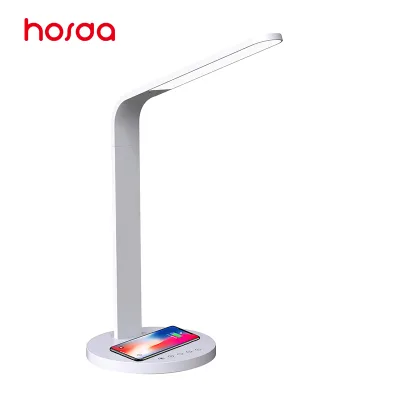
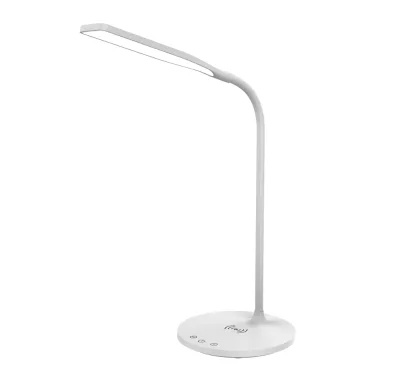
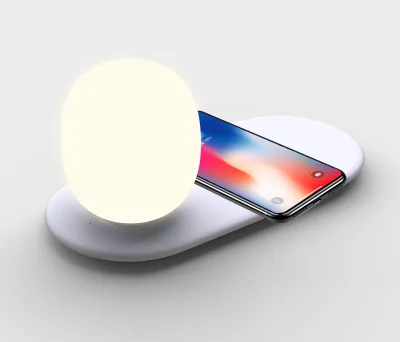
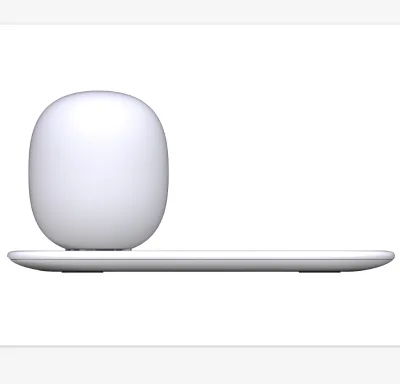
Cost Effective Eye protection Table Lamp with Fast Wireless Charging 15W for Mobile Phone
$11.00 - $13.20
MOQ: 1000

NINGBO HAISHU HOPE-U INTERNATIONAL TRADING CO., LTD.
- Manufacturer/Factory
- China Zhejiang
- Lead time45 days
- Avg. response≤ 12h
Main productsGift, Beauty Device, Bluetooth Speaker, Skin Care, Cosmetics, Promotional Products, Camping Lamp, Fan, Keyboard and Mouse, Humidifier
Main marketsSouth America,Eastern Europe,North America,Southeast Asia,Western Europe


Rechargeable Touch LED Colorful Night Light Bedside Table Lamp with Remote Control
$5.41
MOQ: 3000 Pieces
- Verified by SGS Group
- Manufacturer, Trading Company
- Lead time20 days
- Avg. response≤ 5h
Main productsLED Bulb, LED Filament Bulb, LED Desk Night Light, LED Strip Light, LED Solar Light
Main marketsWestern Europe(20%), North America(15%), Eastern Asia(15%)

Ningbo General Union Co., Ltd.
- Trading Company
- China Zhejiang
- Lead time23 days
- Avg. response≤ 12h
Main productsTable Lamp, Heat Press Machine, Home Appliance, Alarm Clock, Fans, Night Light, Solar Light, Kitchen Appliance, Pet Product, Sport Equipment
Main marketsSouth America,Eastern Europe,Mid East,North America,Southeast Asia,Eastern Asia,Oceania,Western Europe,Africa


Cordless Battery Table Lamp Touch Rechargeable LED Table Lamp with Wireless Charging
$10.00 - $12.00
MOQ: 50 Pieces

Rechargeable Small Touch Battery LED Battery Table Lamp with Wireless Charging
$12.50 - $14.00
MOQ: 50 Pieces


- Verified by BV
- Combined
- China Fujian
- Lead time30 days
- Avg. response≤ 4h
Main productsCeiling Fan Light, Lighting, Electronic Product, Electrocity Product
Main marketsDomestic

Huizhou Homelighting Technology Co., Ltd.
- Verified by BV
- Trading Company,Manufacturer/Factory
- China Guangdong
- Lead time0 days
- Avg. response≤ 9h
Main productsTable Lamp, Wall Lamp, Floor Lamp, Hotel Lamp, Tiffany Lamp, Lampshade, Chandelier Lamp
Main marketsSouth America,Eastern Europe,Mid East,North America,Southeast Asia,Eastern Asia,Oceania,Western Europe,Africa

$35.00 - $40.00
MOQ: 100 Pieces

Bedside Table Lamp with USB Port Wireless Charging Hotel Nightstandlamps
$23.00 - $30.00
MOQ: 100 Pieces


Jlt-9308 Convenient Wireless Charging Table Desk Lamp with USB, Office Lamp
$23.00 - $30.00
MOQ: 100 Pieces


Xuzhou Risen Industry and Supply Co., Ltd
- Verified by TUVRHEINLAND
- Trading Company
- China Jiangsu
- Lead time30 days
- Avg. response≤ 3h
Main productsHousehold Adornment, Household Supplies, Home Decoration, Compressed Sofa, Dining Furniture, Bothroom Organizer, Kitchen Storage, Glass Ornaments, Ceramic Tableware, Home Fragrance
Main marketsSouth America
Guangzhou Jingpeng Electronic Technology Co., Ltd.
- Manufacturer, Trading Company
- Guangdong, China
- Lead time7 days
- Avg. response≤ 4h
Main productsnight light,table lamp,solar lamp,grow light,led strip
Main marketsNorth America(60.00%), South Asia(5.00%), Southern Europe(5.00%), Northern Europe(5.00%), Western Europe(5.00%), Eastern Asia(5.00%), Southeast Asia(5.00%), Eastern Europe(5.00%), South America(5.00%)
Huizhou Jiexin Electronic Products Co., Ltd.
- Manufacturer, Trading Company
- Guangdong, China
- Lead time45 days
- Avg. response≤ 5h
Main productsTable lamp, Floor lamp, Ceiling light, Switch lamp
Main marketsNorth America(65.00%), South America(5.00%), Oceania(5.00%), Southern Europe(5.00%), Eastern Asia(5.00%), Northern Europe(5.00%), Eastern Europe(5.00%), Mid East(5.00%)
Jianbian Lighting Technology (Zhongshan) Co., Ltd.
- Verified by CTI
- Combined
- China Guangdong
- Lead time15 days
- Avg. response≤ 3h
Main productsTable Lamp, Cordless Table Lamp, Rechargeable Table Lamp
Main marketsSouth America,Domestic,Europe,North America


Luxury Decorative Wireless Rechargeable Touch-Sensitive Metal Table Lamp
$9.50 - $11.00
MOQ: 200 Pieces


Shanghai Kaiji Lighting Technology Co., Ltd.
- Verified by Intertek
- Manufacturer, Trading Company
- Lead time0 days
- Avg. response≤ 2h
Main productsSmart Night Light, Decorative Table Lamp, Decorative Chandeliers Lamp, Floor Lamp, Wall Lamp
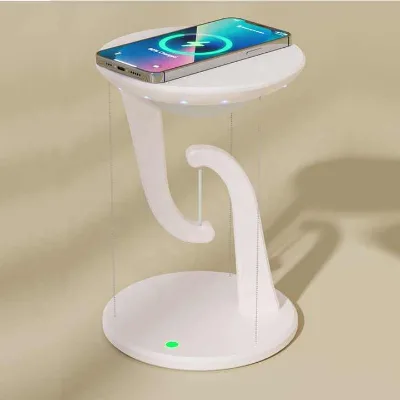
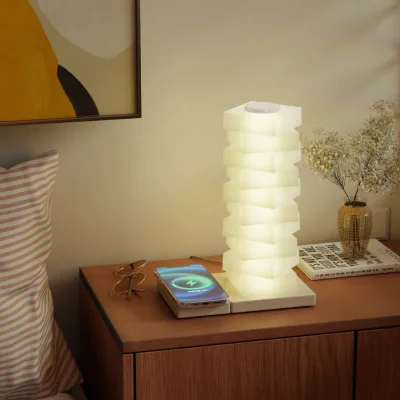
$10.10 - $11.90
MOQ: 1 Minimum
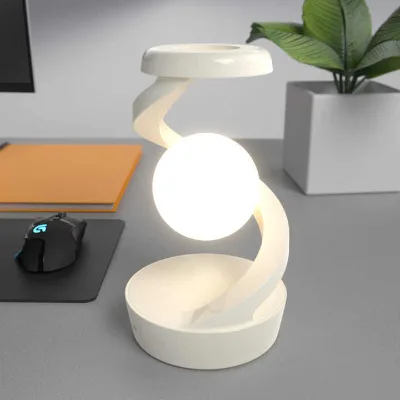
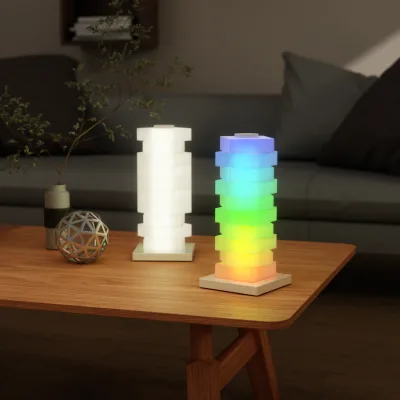
$10.10 - $11.90
MOQ: 1 Minimum
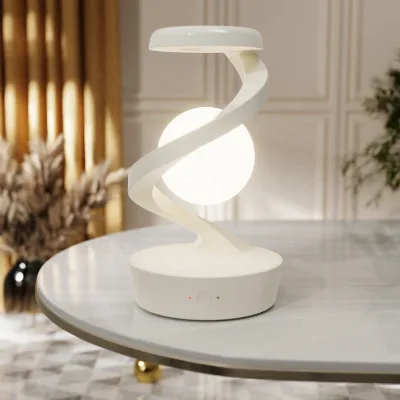
$9.20 - $10.90
MOQ: 24 pieces
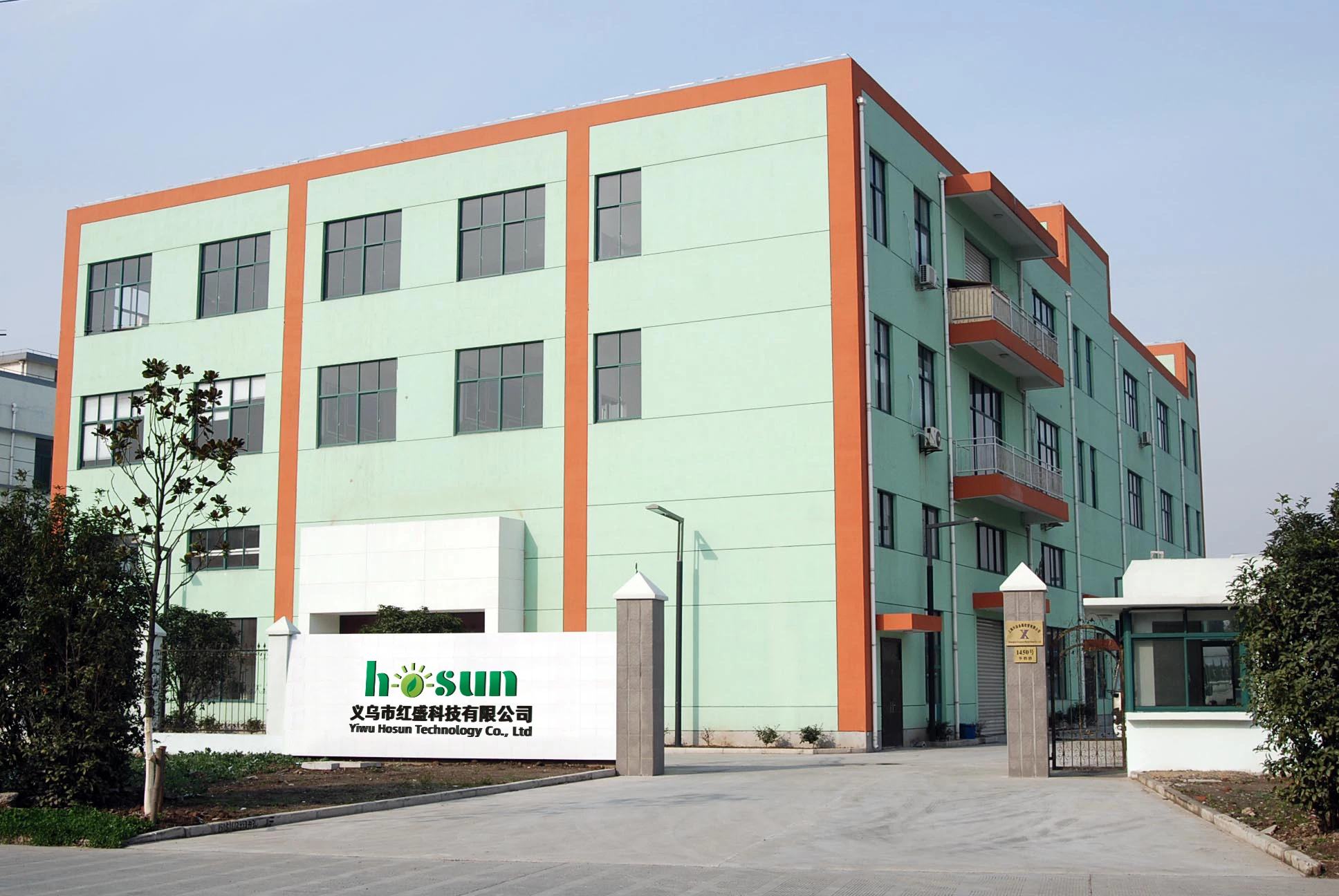
YIWU HOSUN TECHNOLOGY CO., LTD.
- Trading Company
- Zhejiang, China
- Lead time0 days
- Avg. response≤ 2h
Main productsFlood lights,Solar light,Candle lights,Bulbs,led work light
Main marketsNorth America(28.00%), Eastern Europe(15.00%), Western Europe(10.00%), Southern Europe(10.00%), Northern Europe(10.00%), Africa(5.00%), South Asia(5.00%), Central America(5.00%), South America(5.00%), Eastern Asia(4.00%), Mid East(1.00%), Southeast Asia(1.00%), Oceania(1.00%)

Huanyu Electronics Industrial Co., Limited
- Verified by BV
- Trading Company,Manufacturer/Factory
- China Guangdong
- Lead time15 days
- Avg. response≤ 10h
Main productsPower Bank, Wireless Charger, Bluetooth Speaker, Bluetooth Earphone/Earbuds/Headphone, Smart Watch, Drone, Charger/Adapter, Solar Radio, USB Cable, Other Mobiles& Computer Accessoriess
Main marketsSouth America,Eastern Europe,Mid East,North America,Southeast Asia,Eastern Asia,Oceania,Western Europe,Africa

LED Qi Wireless Charger Desk Lamp with USB Charging Port Touch Control Eye-Caring Table Lamps
$18.70 - $23.00
MOQ: 10 Pieces

Gift Folding Wireless Fast Charging Desk Lamp Student Study Bedroom Dormitory
$2.20 - $2.80
MOQ: 50 Pieces


Dongguan Bowen Electronic Technology Limited
- Trading Company
- Dongguan, China
- Lead time0 days
- Avg. response≤ 2h
Main productsToys&Hobbies,Educational Toys,Puzzle & Games,Blocks&Model Building Toys,Remote Control Toys
Main marketsNorth America(25.00%), South America(20.00%), Eastern Europe(10.00%), Western Europe(8.00%), Central America(8.00%), Northern Europe(6.00%), Southern Europe(5.00%), Southeast Asia(5.00%), Eastern Asia(4.00%), Africa(3.00%), Mid East(3.00%), Oceania(2.00%), South Asia(1.00%)
Shenzhen 4u Tech-King Technology Co., Ltd.
- Verified by Intertek
- Trading Company
- Lead time5 days
- Avg. response≤ 6h
Main productsLED Night Light
Main marketsNorthern Europe(50%), Eastern Europe(20%), Western Europe(20%)

DONGGUAN YEESHINE TECHNOLOGY CO., LIMITED
- Verified by BV
- Combined
- China Guangdong
- Lead time30 days
- Avg. response≤ 2h
Main productsPlastic Injection Mould, Custom Plastic Product, Silicone Compression Mold, Progressive Stamping Tool, Compression Mold, 3D Printing, CNC Machining Prototype, Vacuum Casting, PC Graphic Overlay Panel, Toy Painting Minifigure Print
Main marketsSouth America,Africa,Southeast Asia/ Mideast,East Asia(Japan/ South Korea),Europe,Australia,North America

Ningbo Qingyang Import and Export Co., Ltd.
- Verified by SGS
- Trading Company
- China Zhejiang
- Lead time45 days
- Avg. response≤ 1h
Main productsLED Lights, Table Lamp, Night Light, Solar Garden Light, LED Sensor Light, LED String Light, Decorative Light, LED Work Light, Camping Lantern, LED Candle
Main marketsEast Asia(Japan/ South Korea),Europe,North America

Ningbo Inlite Electronics Co., Ltd.
- Manufacturer
- Zhejiang, China
- Lead time30 days
- Avg. response≤ 6h
Main productsled sensor light,led night light,led table light,led camping light,home electronics
Main marketsWestern Europe(40.00%), South America(20.00%), Eastern Europe(20.00%), Southern Europe(10.00%), Eastern Asia(10.00%)
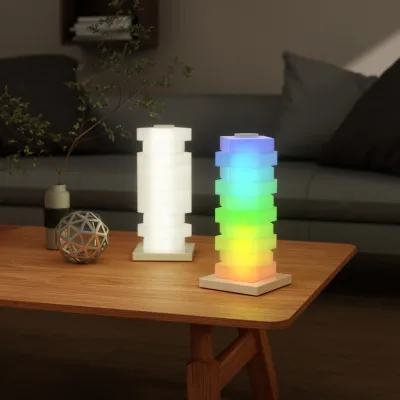
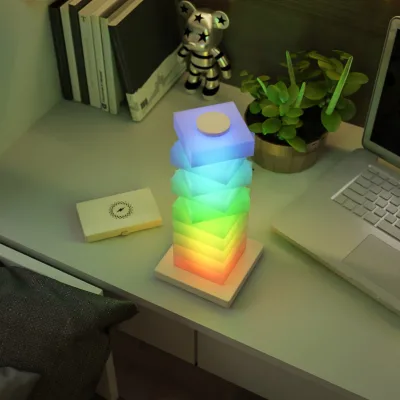
$9.20 - $12.40
MOQ: 24 Minimum
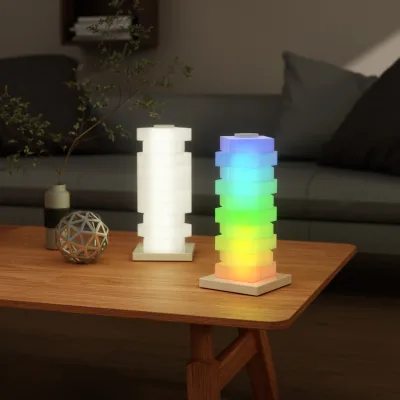
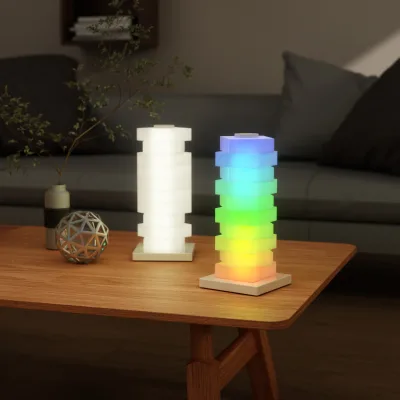
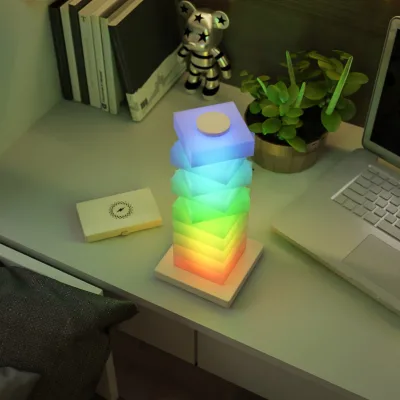
DIY Wireless Charging Led Night Light RGB Color Change Table Night Light
$9.45 - $12.74
MOQ: 24 Minimum
$9.25 - $12.74
MOQ: 24 Minimum

Ningbo Brilliant Dragon Electronic Technology Co., Ltd.
- Verified by TUVRHEINLAND
- Manufacturer/Factory
- China Zhejiang
- Lead time105 days
- Avg. response≤ 12h
Main productsLED Light for Indoor, LED Light for Ourside, Auto / Bicycle Accessories, Security Items, Work Light, Electric Appliance, Personal Items
Main marketsSouth America,Eastern Europe,Mid East,North America,Southeast Asia,Eastern Asia,Oceania,Western Europe,Africa

$7.30 - $7.60
MOQ: 1000 Pieces

$3.59 - $3.89
MOQ: 1000 Pieces
Zhuhai DB-Way Technology Co.,Ltd.
- Manufacturer, Trading Company
- Guangdong, China
- Lead time旺季: "1 - 100":25,"> 100":"To be negotiated", 淡季: "1 - 100":25,"> 100":"To be negotiated"
- Avg. response≤ 2h
Main productsLED Table Lamp,LED Desk Lamp,Night Light
Main marketsWestern Europe(81.00%), North America(18.00%), Oceania(1.00%)
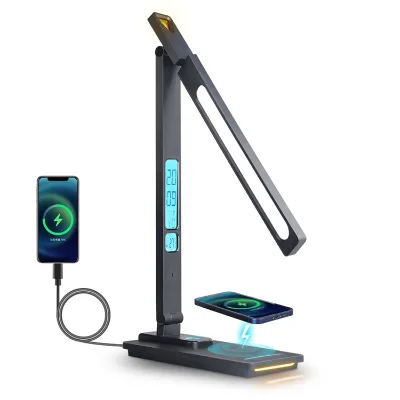
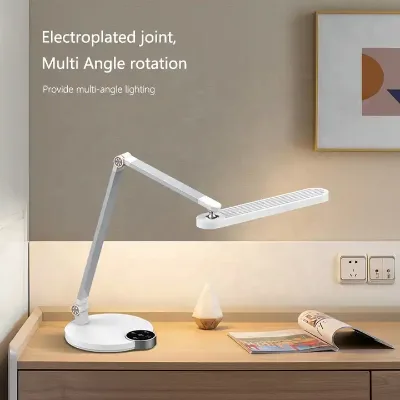
$11.80 - $14.00
MOQ: 100 pieces
$23.30 - $26.00
MOQ: 100 pieces

Zhong Shan Rima Lighting Co., Ltd.
- Verified by CTI
- Combined
- China Guangdong
- Lead time23 days
- Avg. response≤ 2h
Main marketsSoutheast Asia/ Mideast,Domestic,Europe,North America

SYS ELECTRONICS TECHNOLOGY CO., LIMITED
- Verified by SGS
- Trading Company,Manufacturer/Factory
- China Guangdong
- Lead time15 days
- Avg. response≤ 13h
Main productsMobile Phone Accessories, USB Cable, Pd Cable, iPhone Cable, Charger, iPhone Charger, Wireless Charger, Power Bank, Car Charger
Main marketsSouth America,Eastern Europe,Mid East,North America,Southeast Asia,Eastern Asia,Oceania,Western Europe,Africa


$8.60 - $11.60
MOQ: 500 Pieces

Guangzhou Raiseking Electronics Co., Ltd.
- Combined
- China Guangdong
- Lead time23 days
- Avg. response≤ 11h
Main productsTable Lamp, Rechargeable Lamp, Night Lamp, LED Modern Lighting, Decorative Lamp, LED Wall Light, Home Decor Lamp, Indoor Lighting, Sconce, Rechargeable Wall Light
Main marketsSouth America,Southeast Asia/ Mideast,East Asia(Japan/ South Korea),Domestic,Europe,Australia,North America

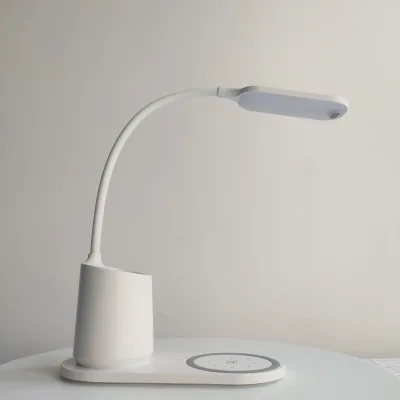
Wireless Charging Rechargeable Table Lamp, Crystal LED Night Light with Touch Remote
$9.30 - $10.80
MOQ: 20 Pieces

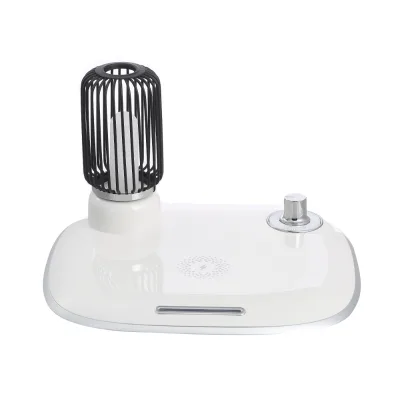
Luxury Aluminum USB-C Rechargeable Table Lamp, 5200mAh Qi Wireless Charging with Remote
$19.00 - $21.00
MOQ: 36 Pieces

Crystal LED Desk Lamp, Wireless Charging Rechargeable Night Light Touch Remote Control
$9.30 - $10.80
MOQ: 20 Pieces



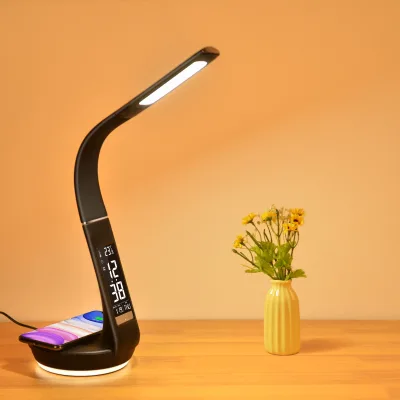


Comprehensive Sourcing Guide
Wireless Charging Plastic Table Lamp Supplier Concentration and Factory Types
The current supplier data indicates a concentration of manufacturers and factories located in Guangdong, China, which serves as a primary hub for lighting production. This region hosts a mix of entities ranging from pure manufacturers to combined manufacturer and trading company structures. Buyers should note that the specific facility type influences the production workflow, with manufacturers often handling direct assembly while trading companies may aggregate products from multiple sources. The presence of Guangdong as a verified location suggests a mature ecosystem for lighting components, though buyers must confirm the exact factory address during the verification phase to ensure the claimed location matches the physical production site.
When assessing supplier types, it is critical to distinguish between entities that design and build products in-house versus those that facilitate trade. The observed data includes companies listing OEM and ODM capabilities, indicating a capacity for customization and design adaptation. Some suppliers also offer sample processing and graphic processing, which suggests a broader service scope beyond simple manufacturing. Buyers should verify if the supplier's stated company type aligns with their specific needs, such as whether they require direct factory communication for technical adjustments or a trading partner for consolidated logistics. The distinction impacts how quickly design changes can be implemented and how transparent the supply chain remains throughout the production cycle.
How to Verify Wireless Charging Plastic Table Lamp Suppliers
Verification of suppliers in this category relies heavily on third-party audit reports and system certifications that validate operational standards. The available data shows suppliers holding BV verification, TüVRheinland verification, and various system certifications including BSCI, ISO 9001, and TS 16949. These credentials provide a baseline for assessing the supplier's commitment to quality management and social compliance. Buyers should request current audit reports to confirm that the certifications are active and cover the specific facilities producing the wireless charging lamps. Relying solely on a badge without reviewing the detailed scope of the audit can lead to gaps in understanding the actual production environment and safety protocols.
Beyond certifications, buyers must evaluate the supplier's response time and product-specific attributes to gauge reliability. The data indicates response times ranging from 2 to 7.49 hours, which serves as a metric for communication efficiency. A faster response time often correlates with better project management and quicker resolution of technical queries regarding wireless charging modules or plastic molding. Additionally, verifying product attributes such as the specific light source type, voltage compatibility, and material composition is essential. Buyers should cross-reference the listed certifications like GS, VDE, RoHS, and CE against the specific product models to ensure the claimed compliance matches the actual goods being sourced.
What to Compare Across Wireless Charging Plastic Table Lamp Suppliers
Comparing suppliers requires a structured analysis of lead times, minimum order quantities, and pricing structures to determine the best fit for the project. The observed data reveals lead times of approximately 30 days and minimum order quantities varying from 1 unit to 100 units depending on the product model. Buyers should prioritize suppliers whose lead times align with their inventory planning cycles and whose MOQs do not exceed their initial budget constraints. It is important to note that lower MOQs may come with higher unit prices, while larger orders might secure better pricing but require longer commitment periods. This trade-off must be calculated based on the specific market demand and cash flow availability.
Pricing and customization capabilities are equally critical dimensions for comparison. The price range for similar products spans from $18 to $45, influenced by features like wireless charging output, material quality, and design complexity. Suppliers offering customization options for plastic molding and branding should be evaluated against those with fixed standard models. Buyers should also compare the specific technical specifications, such as the maximum wireless charging output of 15W or the color temperature options available. A supplier offering flexible customization at a competitive price point may offer better long-term value than a rigid manufacturer with lower base costs but limited adaptability for future product iterations.
Common Wireless Charging Plastic Table Lamp Sourcing Risks
One significant risk involves the discrepancy between claimed certifications and actual product compliance, particularly for electronic components like wireless charging modules. While suppliers list certifications such as UL, ETL, and SAA, these must be verified for the specific batch of goods being produced. Inconsistent quality control can lead to products that fail to meet safety standards in the destination market, resulting in returns or legal liabilities. Buyers should insist on pre-shipment inspection reports that specifically test the wireless charging functionality and electrical safety to ensure the product matches the certified specifications. Relying on general system certifications without batch-specific testing leaves the buyer exposed to potential compliance failures.
Another risk lies in the variability of lead times and the potential for production delays due to material shortages or capacity constraints. The data shows a standard lead time of 30 days, but this can fluctuate based on order volume and raw material availability. Plastic resin prices and the supply of electronic components can impact the production schedule, causing delays that disrupt the buyer's market launch. Buyers should establish clear communication channels to monitor production progress and request regular updates. Additionally, verifying the supplier's capacity to handle rush orders or scale production quickly is essential to mitigate the risk of stockouts. A robust contingency plan should be in place to address any unforeseen delays in the supply chain.
Wireless Charging Plastic Table Lamp Regional Sourcing and Logistics
Sourcing from the identified region of Guangdong, China, offers access to a dense network of lighting manufacturers and component suppliers, which can streamline the production process. The proximity of raw material suppliers and assembly facilities often reduces lead times and transportation costs for finished goods. However, buyers must account for the logistics of exporting from this region, including customs clearance and freight forwarding arrangements. The specific packing methods, such as polyfoam and paper cartons, are designed to protect the lamps during transit, but buyers should verify that the packaging meets the requirements for their specific shipping method. Understanding the local logistics infrastructure helps in planning the most efficient route for delivering goods to the final destination.
Logistics planning also involves considering the impact of regional trade policies and shipping routes on the overall cost and delivery timeline. Buyers should evaluate the supplier's experience with international shipping and their ability to handle documentation accurately. The origin of the product, confirmed as Guangdong, China, influences the applicable tariffs and duties in the destination country. Buyers need to ensure that the supplier provides all necessary export documents, including certificates of origin and packing lists, to facilitate smooth customs clearance. Collaborating with a logistics partner who understands the specific requirements of lighting products can help avoid delays and additional costs associated with incorrect documentation or non-compliant packaging.
Wireless Charging Plastic Table Lamp Commercial Terms and Order Planning
Commercial terms for wireless charging plastic table lamps often include specific conditions regarding payment, warranty, and after-sales support. The data indicates a warranty period of one year for certain models, which is a critical factor in assessing the supplier's confidence in product quality. Buyers should negotiate clear terms regarding warranty claims, including the process for returning defective units and the responsibility for shipping costs. Additionally, understanding the payment structure, such as deposits and balance payments, is essential for managing cash flow. Suppliers may offer different payment terms based on the order size and the buyer's credit history, so these details should be finalized before production begins.
Order planning must account for the customization options and the specific requirements of the target market. The availability of OEM services allows buyers to tailor the product design, branding, and packaging to their brand identity. However, customization can extend lead times and increase costs, so buyers should plan their orders well in advance to accommodate these variables. It is also important to consider the scalability of the order, ensuring that the supplier can handle increased volumes if the product gains market traction. Establishing a clear timeline for design approval, sample production, and mass production is vital to ensure the product reaches the market on schedule. Buyers should maintain open communication with the supplier to adjust plans as needed based on market feedback and production progress.
FAQs
What certifications do wireless charging table lamps have?
Products typically hold GS, VDE, RoHS, and CE marks. Some models also include UL, ETL, LVD, PSE, SAA, and Saso certifications. These ensure compliance with international safety and electromagnetic standards for home and hotel use.
What is the minimum order quantity for these lamps?
MOQs vary by supplier and product model. Some listings accept orders as low as one unit, while others require a minimum of 100 pieces. Buyers should check specific product pages to confirm the exact threshold for their chosen design.
How long does production take for these lamps?
Standard lead times are approximately 30 days for manufacturing. This duration allows for material sourcing, assembly, and quality control. Buyers should confirm exact timelines with suppliers, as rush orders or complex customizations may extend the delivery schedule significantly.
What materials are used in these table lamps?
Common materials include iron for the body and plastic for the shade. Some models feature crystal accents or porcelain elements. The light source is usually LED, and the base often includes wireless charging components integrated into the structure.
What is the price range for wireless charging lamps?
Prices generally range from $18 to $45 per unit. Costs depend on features like wireless charging speed, material quality, and certification levels. Bulk orders may offer better pricing, while premium designs with advanced dimming or smart features cost more.
Can I customize these lamps for my brand?
OEM and ODM services are available from many manufacturers. Buyers can request custom logos, packaging, and specific color temperatures. Some suppliers also offer graphic processing and customized designs on demand to meet specific market requirements.