Wireless Ergonomic Gaming Mouse Suppliers and Manufacturers
Explore 22 verified options for Wireless Ergonomic Gaming Mouse from China Guangdong factories. Compare ISO certifications, lead times, and pricing to find suitable OEM or ODM partners. Contact suppliers directly to request samples and confirm customization details; review the available evidence before requesting comparable quotations from suitable candidates.
Suppliers List

Tyshen Technology Co., Limited
- Trading Company,Manufacturer/Factory
- China Guangdong
- Lead time45 days
- Avg. response≤ 5h
Main productsComputer Keyboard, Computer Mouse, Powr Bank, Mouse Keyboard, Computer Speaker, Bluetooth Speaker
Main marketsSouth America,Eastern Europe,Mid East,North America,Southeast Asia,Eastern Asia,Western Europe,Africa

- Verified by SGS
- Trading Company
- China Zhejiang
- Lead time15 days
- Avg. response≤ 13h
Main marketsOthers(foreignTradeCapacity.exportBusinessCapacityMarketOther),North America


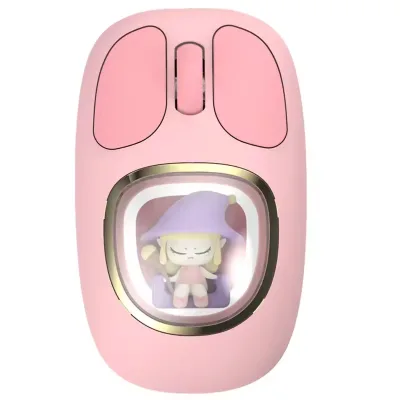
Hot Selling Transparent Wireless Bluetooth Mouse Dual Mode Silent Click Gaming Mouse
$3.16 - $3.53
MOQ: 500 Pieces

High Performance Lightweight Wireless Gaming Mouse Bluetooth Mouse Charging Dock
$10.69 - $11.94
MOQ: 100 Pieces
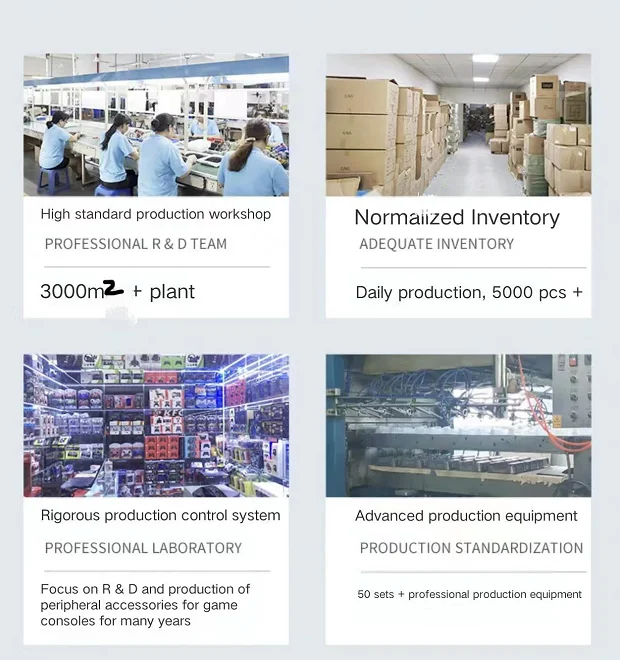
Shenzhen Hengyitong Electronics Co., Ltd.
- Manufacturer, Trading Company, Buying Office, Agent, Distributor/Wholesaler
- Guangdong, China
- Lead time2 days
- Avg. response≤ 2h
Main productsConsumer electronics,game controllers,game accessories,computer accessories,household appliances
Main marketsDomestic Market(35.0%), South America(18.0%), North America(10.0%), Mid East(8.0%), South Asia(5.0%), Southeast Asia(5.0%), Eastern Europe(3.0%), Northern Europe(3.0%), Eastern Asia(3.0%), Southern Europe(3.0%), Western Europe(2.5%), Central America(2.0%), Africa(2.0%), Oceania(0.5%)
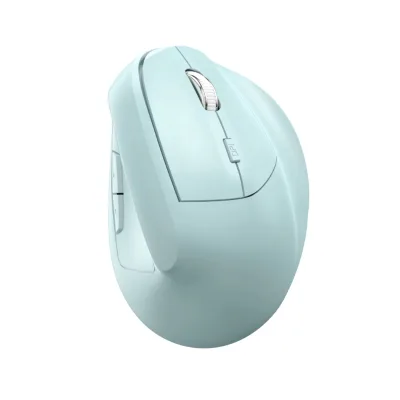
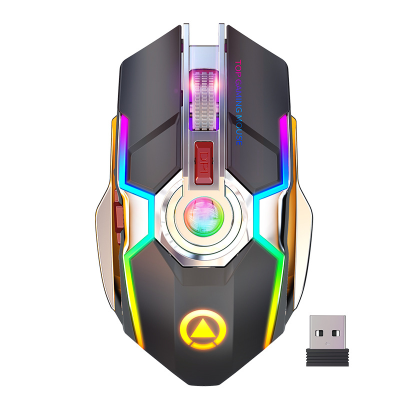
Wireless Mouse Gaming Mouse RGB Mouse
$7.00 - $8.00

- Verified by TUVRHEINLAND
- Trading Company,Manufacturer/Factory
- China Jiangsu
- Lead time23 days
- Avg. response≤ 4h
Main productsMedal, Coin, Lapel Pin, PVC Patch, Embroidery Patch, Keychain, Button Badge, Silicone Wristband, Lanyards, Gift
Main marketsSouth America,Eastern Europe,Mid East,North America,Oceania,Western Europe
Shenzhen Awireless Electronics Development Limited
- Verified by Intertek
- Manufacturer, Trading Company
- Lead time10 days
- Avg. response≤ 3h
Main productsWireless Keyboard, Keyboard and Mouse Combo, Mouse, Mechanical Keyboard, Stand
Main marketsEastern Asia(54%), North America(15%), Eastern Europe(11%)
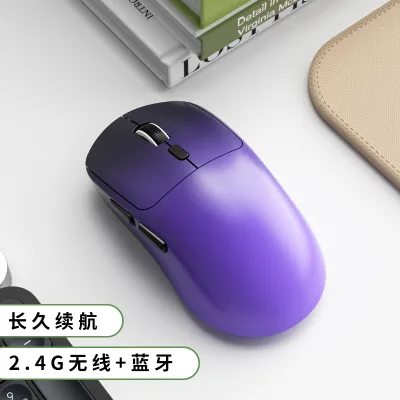
$3.57 - $4.29
MOQ: 10 pieces
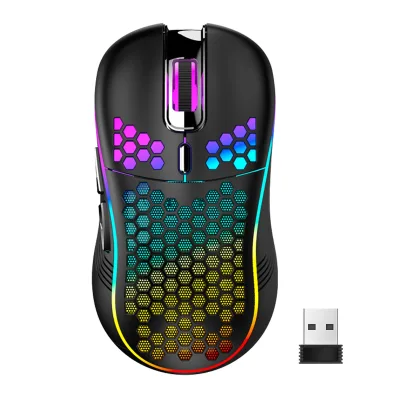
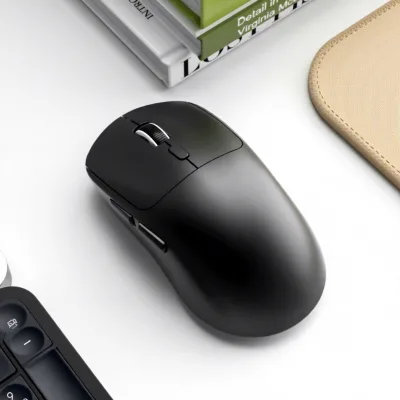
Custom logo Mouse Senza Fili Ergonomic bluetooth Mouse Wireless Mouse for Laptop
$1.63 - $2.35
MOQ: 1 pieces
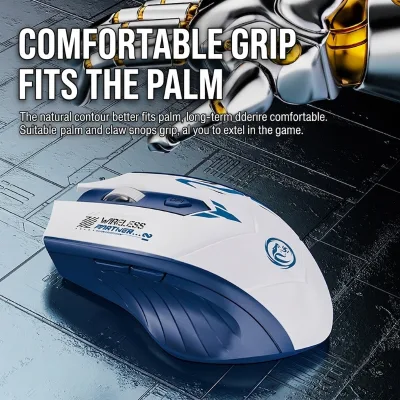
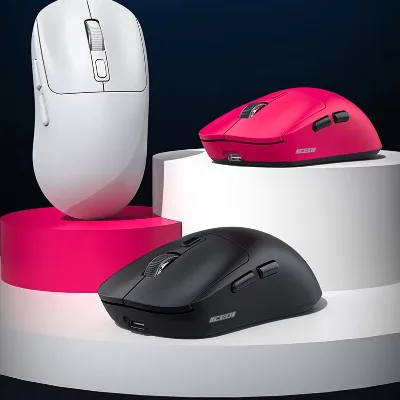
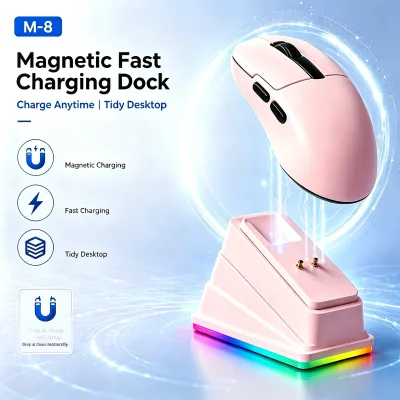

NINGBO HAISHU HOPE-U INTERNATIONAL TRADING CO., LTD.
- Manufacturer/Factory
- China Zhejiang
- Lead time45 days
- Avg. response≤ 6h
Main productsGift, Beauty Device, Bluetooth Speaker, Skin Care, Cosmetics, Promotional Products, Camping Lamp, Fan, Keyboard and Mouse, Humidifier
Main marketsSouth America,Eastern Europe,North America,Southeast Asia,Western Europe

Shenzhen Sparky Technology Co., Ltd
- Verified by CTI
- Trading Company
- China Guangdong
- Lead time30 days
- Avg. response≤ 1h
Main productsTranslator, Mouse
Main marketsSoutheast Asia/ Mideast,East Asia(Japan/ South Korea),Europe,Australia


Ergonomic Smart Wireless Mouse for Enhanced Productivity and Precision
$25.00 - $35.00
MOQ: 100 Pieces


Guangzhou Senbida International Trade Co., Ltd.
- Verified by Intertek
- Trading Company
- Lead time5 days
- Avg. response≤ 6h
Main productsMouse, Keyboard, Hub, Converter, Expansion Dock
Main marketsSoutheast Asia(30%), North America(30%), South America(20%)
Eastern Times Technology Co., Ltd.
- Verified by TüVRheinland
- Manufacturer, Trading Company
- Lead time35 days
- Avg. response≤ 4h
Main productsMembrane Keyboard, Mechanical Keyboard, Mouse, Keyboard Mouse Combos, Gaming Headset
Main marketsNorth America(40%), South America(20%), Eastern Europe(5%)

Dongguan Siyaji Electronic Technology Co.,Ltd
- Verified by BV
- Manufacturer
- China Guangdong
- Lead time30 days
- Avg. response≤ 1h
Main productsDesktop Wireless Keyboard, Tablet Leather Keyboard Case, iPad Education Keyboard, Folding Bluetooth Keyboard, Keyframe, Keyboard and Mouse Combo, Wired Keyboard, Membrane Keyboard, Wireless Keyboard, Gaming Keyboard

Ergonomic Wireless Bluetooth Computer Mouse for Laptop Rechargeable Battery Silent Mouse
$3.20 - $3.50
MOQ: 1000 Sets

2.4G Wireless Optical Magnetic Mouse Portable Ergonomic 2.4G Office Computer Mouse
$3.50 - $3.80
MOQ: 1000 Sets

Ergonomic Wireless Mouse with Silent Clicks, Bluetooth 5.0, and Multi-Device Switching
$3.20 - $3.50
MOQ: 1000 Sets

Dual-Mode Ergonomic Wireless Bluetooth Mouse, 10m Stable Range, Fast Pairing
$3.20 - $3.50
MOQ: 1000 Sets

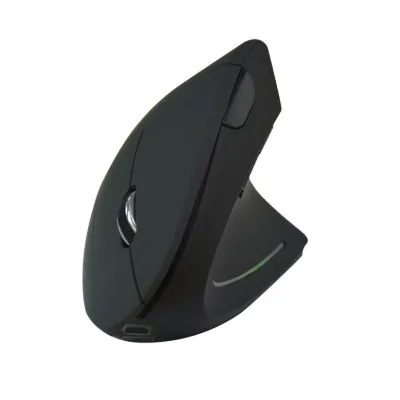
Vertical Ergonomic Mouse 2.4G Bluetooth Dual Mode Optical Sensor Smooth Movement Office Gaming
$6.03 - $6.43
MOQ: 1000 Sets

Shenzhen Huihan Technology Co.,ltd.
- Manufacturer, Trading Company
- Guangdong, China
- Lead time15 days
- Avg. response≤ 6h
Main productsFacial Beauty Device,Hair Removal Device,Beauty Mask,health gift,business gift
Main marketsNorth America(15.0%), Southeast Asia(15.0%), Northern Europe(15.0%), Mid East(10.0%), Africa(5.0%), Oceania(5.0%), South America(5.0%), Eastern Asia(5.0%), Western Europe(5.0%), Central America(5.0%), Eastern Europe(5.0%), Southern Europe(5.0%), South Asia(3.0%), Domestic Market(2.0%)

Quanzhou E-Best International Trade Co., Ltd.
- Verified by BV
- Trading Company
- China Fujian
- Lead time30 days
- Avg. response≤ 7h
Main productsBluetooth Speaker, Phone Case, Power Bank, Beauty Device, Portable Projector, IP Poe Camera, Mouse, Air Fryer, Razors, Wireless Headphones
Main marketsNorth America

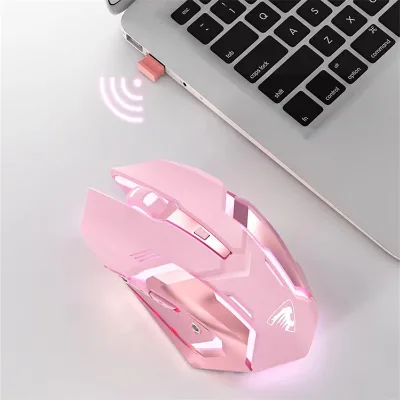
Wireless Mouse 2.4G Bluetooth Dual-Mode Silent RGB Breathing Light 7-Button Wireless Gaming Mouse
$5.17 - $5.82
MOQ: 20 Pieces


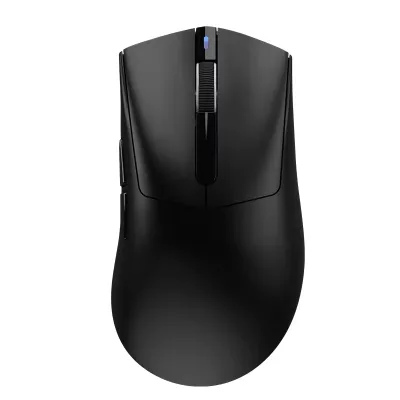
Gaming Mouse Wireless Bluetooth Charging Gaming Mouse - Lightweight Design
$7.20 - $8.10
MOQ: 20 Pieces

$5.54 - $6.23
MOQ: 20 Pieces

Wireless Gaming Mouse with 8000 Dpi 74G Lightweight Hollowed-out Design Gaming Mouse
$9.05 - $10.18
MOQ: 20 Pieces

Shenzhen Kingstar Industrial Co., Ltd.
- Trading Company
- Guangdong, China
- Lead time15 days
- Avg. response≤ 16h
Main productsTWS Earphone,Bluetooth Speaker,Mini Fan,Massage Gun,Smart Watches
Main marketsNorth America(44.0%), Eastern Europe(22.0%), South America(22.0%), Southeast Asia(12.0%)
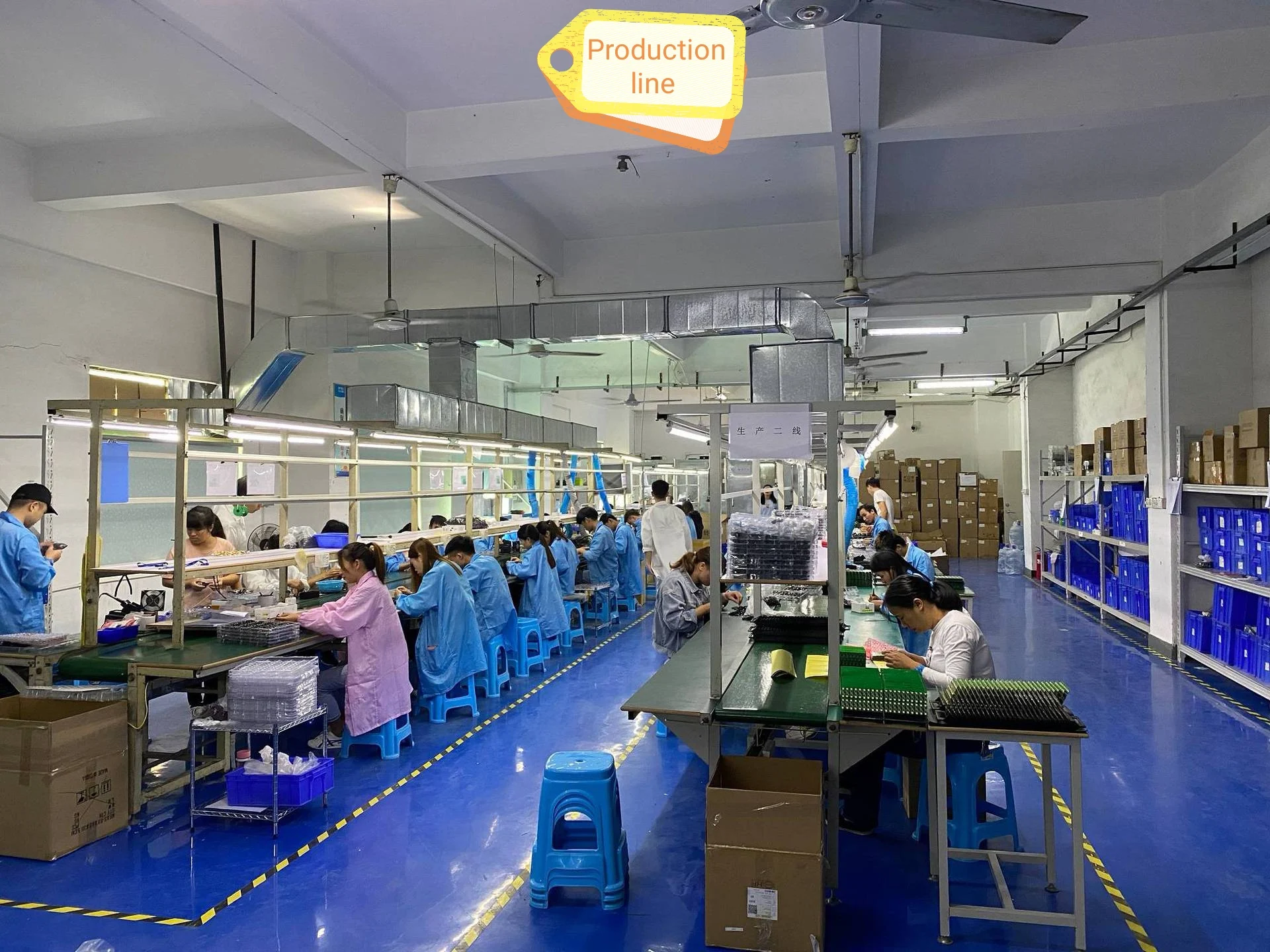
Shenzhen Zone Huanyu Industrial Co., Ltd.
- Manufacturer
- Guangdong, China
- Lead time0 days
- Avg. response≤ 5h
Main productsTool Battery Charger,Battery Adapter,Mobile Phone Accessories,Customer Electronics,Other Hot Sale Products
Main marketsNorth America(45.0%), Western Europe(34.0%), Southeast Asia(20.0%), Africa(1.0%)
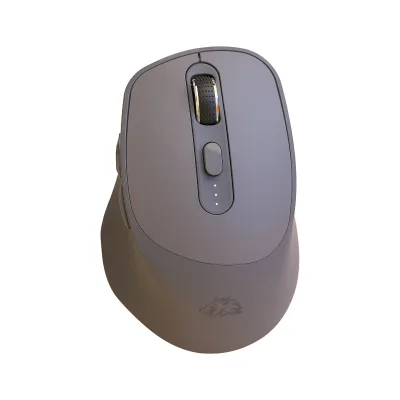
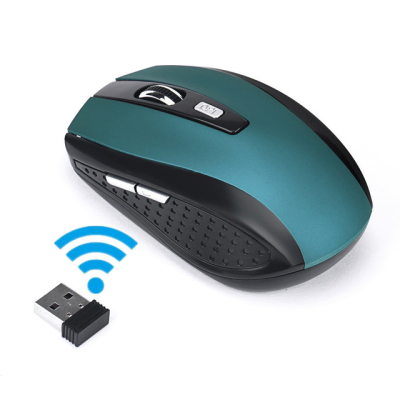
HOT SALE 2.4GHz Wireless Mouse Gaming Keyboard Mouse for PC Laptop Desktop Computer Mouse
$1.00 - $1.05
MOQ: 10 pieces
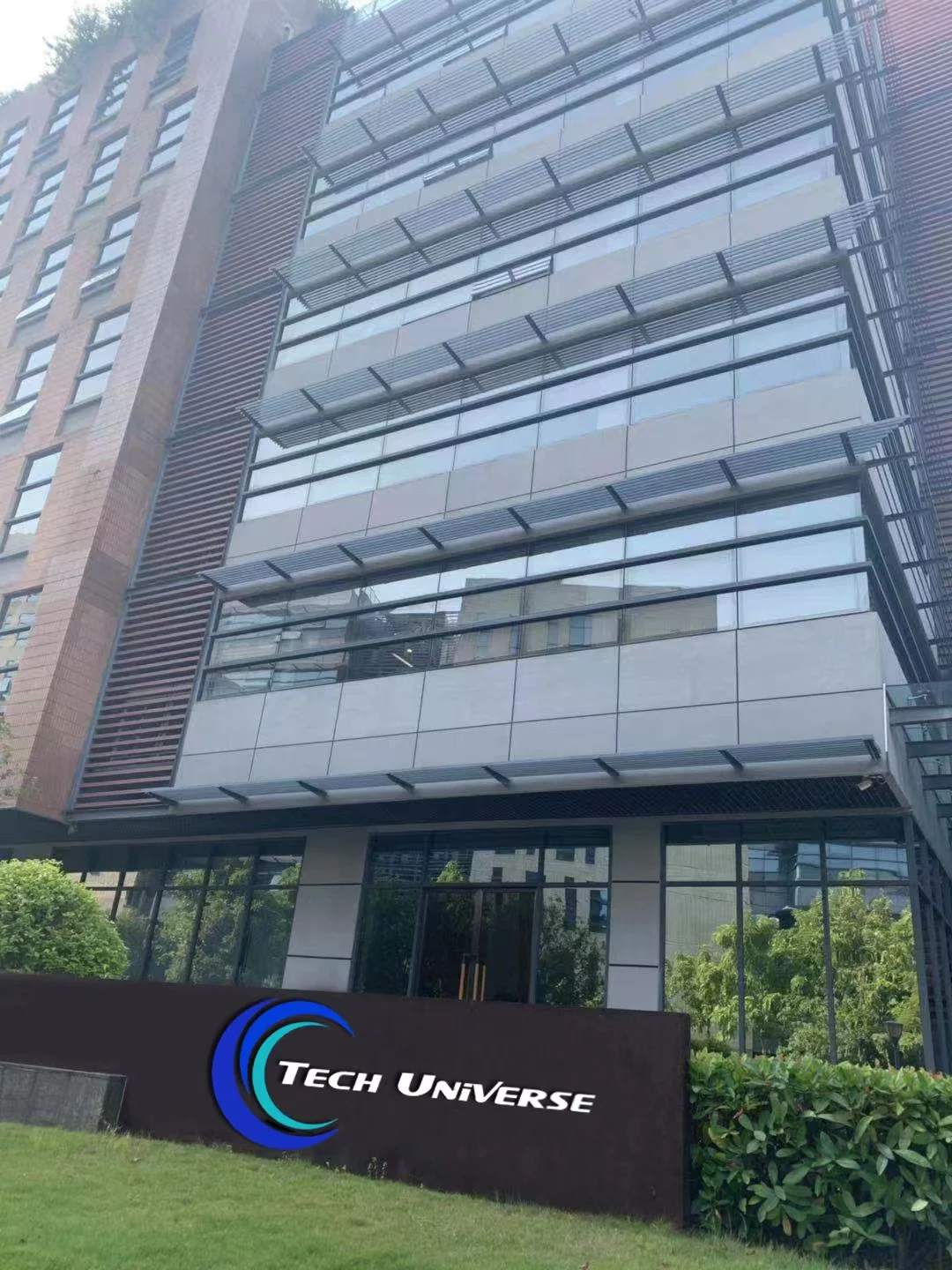
Shenzhen Tech Universe Co., Ltd.
- Manufacturer, Distributor/Wholesaler
- Guangdong, China
- Lead time3 days
- Avg. response≤ 2h
Main productsLED Display Accessories,Circuit Paper,Computer Case,ARGB Fans,Headphone
Main marketsSouth America(35.0%), North America(20.0%), Mid East(10.0%), Southeast Asia(10.0%), Eastern Europe(10.0%), Northern Europe(5.0%), Western Europe(5.0%), Oceania(5.0%)
Shenzhen Deying E-Commerce Limited.
- Verified by Intertek
- Trading Company
- Lead time30 days
- Avg. response≤ 2h
Main productsKeyboard, Mouse, Key Cap
Main marketsNorth America(65%), South America(8%), Eastern Europe(5%)

- Verified by SGS
- Trading Company
- China Zhejiang
- Lead time0 days
- Avg. response≤ 15h
Main productsTents, BBQ Grill, Luggage, Kids Toy, Fitness Equpments, Cookware, Kitchen Utensils and Gadgets, Yoga Mat, Bathroom Rugs, Pets Items
Main marketsSouth America,Eastern Europe,Mid East,North America,Southeast Asia,Eastern Asia,Oceania,Western Europe,Africa
Shenzhen Kingstar Electronic Commerce Co., Ltd.
- Manufacturer, Trading Company
- Guangdong, China
- Lead time15 days
- Avg. response≤ 4h
Main productsEarphone,Personal Care,Massage Gun,Speaker,Smart Watch
Main marketsNorth America(50.0%), Northern Europe(20.0%), Eastern Europe(10.0%), Eastern Asia(10.0%), Oceania(10.0%)

Shenzhen Ainville Electronics Co.,Ltd.
- Verified by SGS
- Trading Company
- China Guangdong
- Lead time15 days
- Avg. response≤ 11h
Main productsEarphone, Phone, Headphone, Wireless Earbud, Bluetooth Earphone, Mobile Phone Accessory, Bluetooth Headphone, Accessory, Mobile Phone Case, Rechargeable Battery
Main marketsSoutheast Asia/ Mideast,Europe,North America

Guangzhou Milang Electronic Technology Co., Ltd.
- Trading Company
- Guangdong, China
- Lead time20 days
- Avg. response≤ 6h
Main productsKeyboard/Mouse,Speakers,Headset,Computer Accessories
Main marketsSoutheast Asia(50.0%), Domestic Market(40.0%), North America(10.0%)
Shenzhen Chuangxin Reciprocal Electronic Technology Co., Ltd.
- Manufacturer, Trading Company, Distributor/Wholesaler
- Guangdong, China
- Lead time15 days
- Avg. response≤ 1h
Main productsElectronics Sales,Audio equipment sales,Domestic and foreign trade agency,Goods import and export,Luggage Bags & Cases
Main marketsWestern Europe(40.0%), Northern Europe(10.0%), North America(10.0%), South Asia(10.0%), Eastern Europe(10.0%), South America(10.0%), Eastern Asia(5.0%), Southern Europe(5.0%)
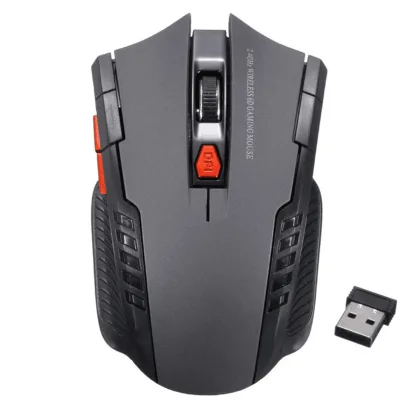
Factory OEM 2.4G Wireless Multi-button Mouse for Desktop Notebook Universal Office and Home Mouse
$1.26 - $1.71
MOQ: 50 pieces
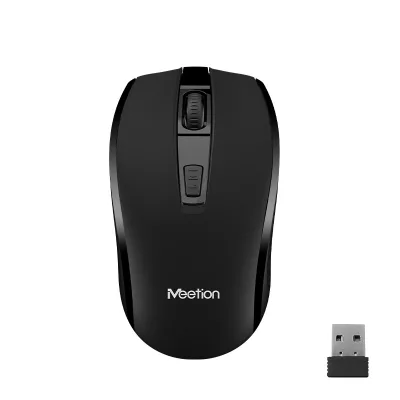
OEM Wholesale USB 2.4GHz Wireless Mouse Classic High-quality Wireless Mouse
$2.25 - $2.80
MOQ: 50 pieces
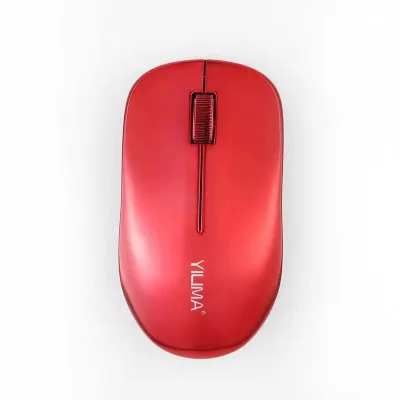
Guangdong Yilian Digital Industry Co., Ltd.
- Manufacturer, Trading Company
- Guangdong, China
- Lead time30 days
- Avg. response≤ 23h
Main productsMobile Charger,Data Cable,Sports,Others,TWS
Main marketsSouth America(40.0%), South Asia(10.0%), Western Europe(10.0%), Eastern Asia(10.0%), Mid East(10.0%), Africa(10.0%), Southeast Asia(10.0%)


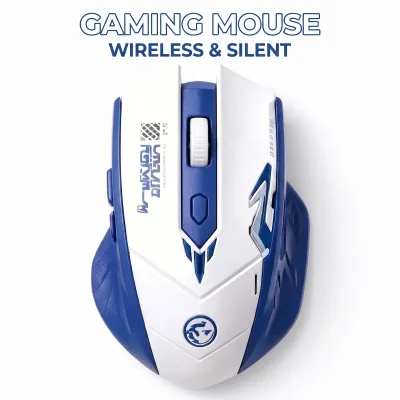
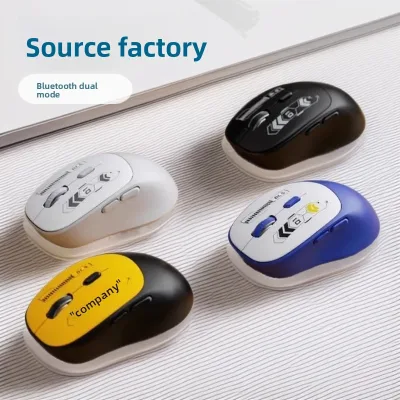
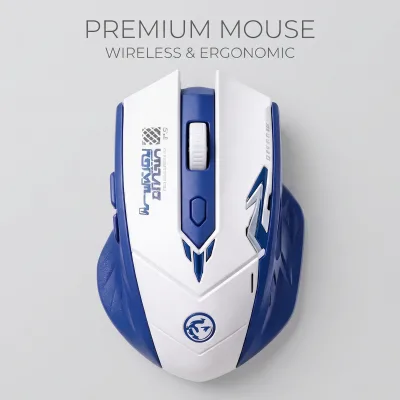
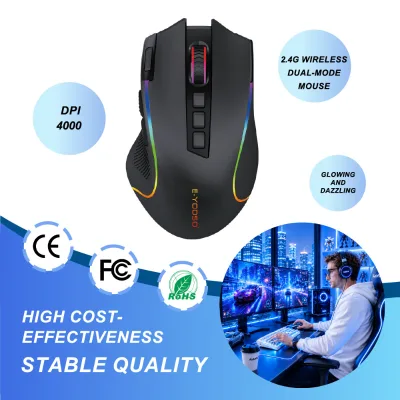
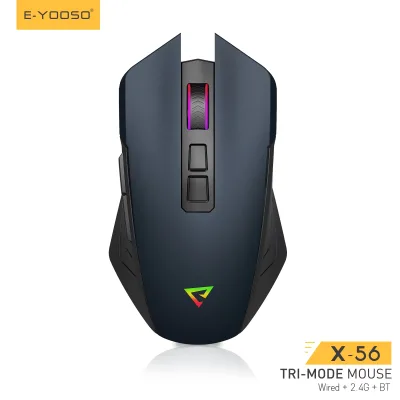
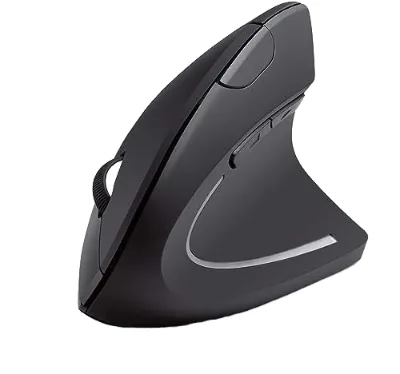
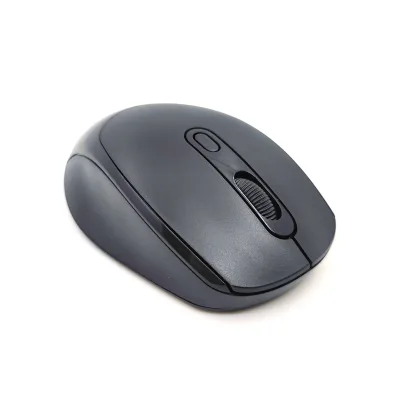


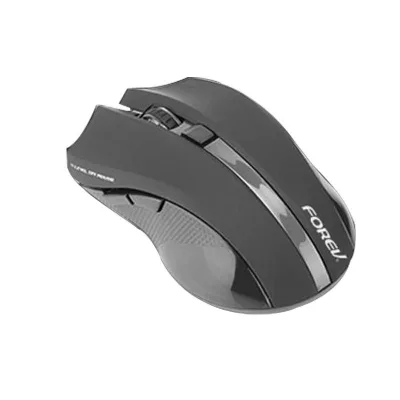
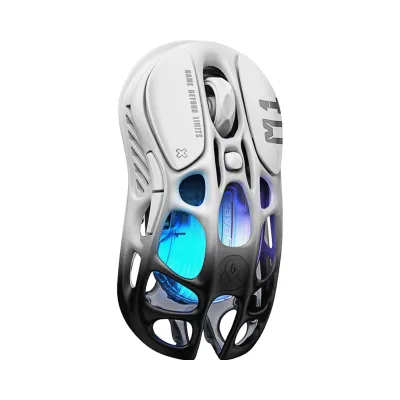
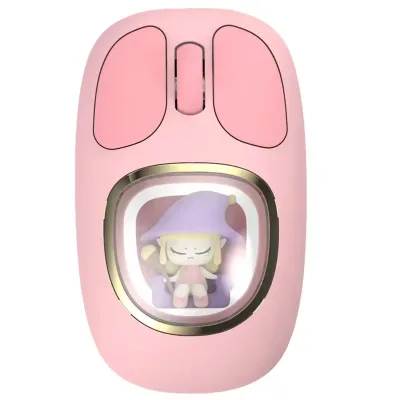
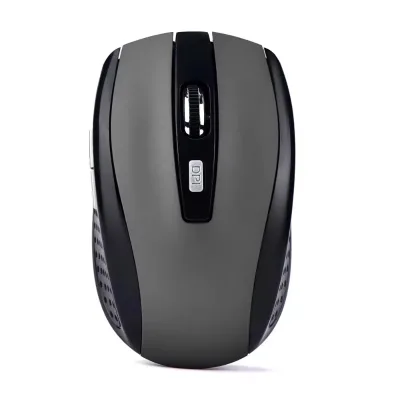


Comprehensive Sourcing Guide
Wireless Ergonomic Gaming Mouse Supplier Concentration and Factory Types
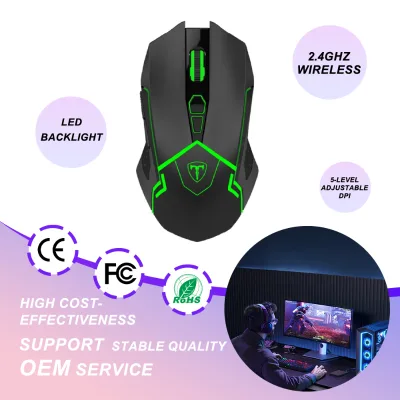
Suppliers in this category are concentrated in China, with Guangdong province appearing as the documented location across the current results, and at least one product listing citing Shenzhen as its origin. Guangdong's electronics ecosystem covers mouse assembly, injection-molded ABS shells, optical sensor sourcing, and 2.4G wireless dongle supply within a compact geographic area, which is why Wireless Ergonomic Gaming Mouse buyers typically start there. When browsing, filter by province and by main-product overlap: suppliers listing Computer Keyboard, Computer Mouse, Power Bank, Computer Speaker, and Bluetooth Speaker among their main products are working within the same peripheral and consumer-electronics cluster, even if their catalog breadth differs.
The current results show two company types: Trading Company and Manufacturer/Factory. Each model has consequences for a wireless mouse program. Manufacturers generally control tooling, mold changes, and ergonomic shell revisions directly, which matters when you need a custom palm rest or button layout. Trading companies consolidate access to multiple factories and can simplify communication and mixed-SKU consolidation, but they add a layer between you and the molding line. Many suppliers in this category operate in both modes or partner with factories behind a trading front. Verify which entity will sign the contract, hold your tooling, and control quality inspections before assuming the label on the profile reflects the actual production arrangement.
How to Verify Wireless Ergonomic Gaming Mouse Suppliers
Verification starts with the profile evidence, not with promises. In the current results, some suppliers display system certifications such as ISO 9001 and ISO 14001, which signal documented quality and environmental management, but do not confirm that a specific wireless mouse batch was built under those systems. Product-level evidence is more concrete: listed standards like CE/ROHS/FCC on individual mouse models indicate the seller claims product compliance, yet you should request the actual certificate copies and check the certificate numbers, scope, and issuing body before relying on them. Ask which certificates apply to your exact model number, since a certificate listed on one listing does not automatically cover a variant with different electronics.
Beyond documents, verify operational reality through targeted questions and sample work. Confirm whether the supplier performs OEM or ODM work — some profiles in this category explicitly list OEM, ODM, and own-brand capability — and ask for photos of their own tooling versus catalog molds. Order a sample of the exact wireless model and test the dongle pairing, scroll wheel, switch feel, and battery compartment against the listed specifications such as button count, optical tracking, and 2.4G connection. Check the production address, not just the registered address, and confirm whether wireless modules are sourced in-house or from a sub-supplier. Finally, request references or trade-history evidence appropriate to your order size, and reconcile everything the salesperson says with what the profile and listings actually display.
What to Compare Across Wireless Ergonomic Gaming Mouse Suppliers
Compare suppliers on the attributes their profiles actually display, and treat missing fields as questions rather than assumptions. Useful label dimensions in this category include lead time, MOQ, response speed, establishment year, location, escrow protection status, main products, and company type. For example, one documented lead time in the current results is 45 days, and one documented average response time is around 4.3 hours; both are meaningful baselines, but you cannot assume every supplier on the page shares them. Build a comparison sheet with one row per supplier and a column for each attribute, marking cells as "not displayed" where the profile is silent, then fill gaps through direct inquiry.
Weight the comparison against what your Wireless Ergonomic Gaming Mouse program actually requires. If you need rapid design iteration, prioritize suppliers with ODM capability and fast response times over those with the lowest quoted unit price. If you are buying a catalog design, price and MOQ dominate: documented mouse listings in this category show unit prices ranging roughly from $1.60 to $2.10 and MOQs around 1,000 pieces, giving you a realistic reference band for negotiation. Compare main-product focus too — a supplier whose catalog is heavily mice and keyboards will likely handle peripheral quality control better than a diversified electronics trader. Finally, compare logistics-relevant location, since Guangdong-based suppliers may consolidate more easily with other peripherals you source in the same region.
Common Wireless Ergonomic Gaming Mouse Sourcing Risks
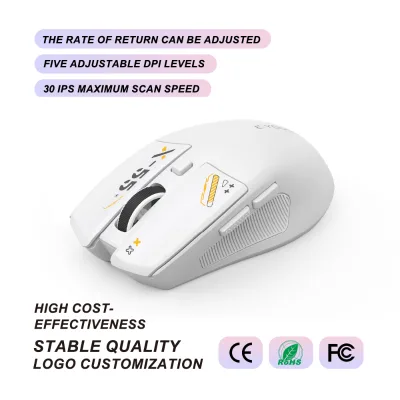
The most frequent risk in this category is specification drift between the listing and the shipped product. Listings here advertise features such as 6-button layouts, 1200–3200 DPI optical tracking, tilt wheels, nano USB receivers, and ambidextrous or right-handed ergonomics — any of which can differ in production if the factory substitutes switches, sensors, or molds. Counter this by specifying the exact model number, button count, DPI setting, battery type (several documented models use 2*AAA), and material (typically ABS) in a written specification sheet, then golden-sampling the approved unit. Wireless-specific risks include dongle pairing failures, interference in dense office environments, and sleep-mode behavior that office use exposes but brief factory testing misses.
Compliance risk is the second cluster. CE, RoHS, and FCC marks appear on product listings, but sellers sometimes reference certificates belonging to a different model or an earlier hardware revision, so verify document-to-model correspondence before shipping. Battery shipments add regulatory complexity because AAA batteries included with units can trigger different labeling and transport requirements than mouse-only shipments. Trading-company arrangements create attribution risk: the profile holder may not control the factory, complicating warranty claims and rework. Finally, packaging expectations differ — some listings specify color paper boxes or blister packs — and mismatched retail packaging is a common rejection reason. Confirm packing format, carton markings, and drop-test expectations in writing before mass production begins.
Wireless Ergonomic Gaming Mouse Regional Sourcing and Logistics
For this category, the documented regional anchor is Guangdong, China, with at least one listing citing Shenzhen as the product origin. Concentration matters for logistics: when your supplier sits inside an electronics cluster, component substitutions, sensor swaps, and rush dongle orders happen within days rather than weeks, and you can often combine factory visits to multiple mouse, keyboard, and speaker suppliers in one trip. When results do not show a location for a given supplier, do not guess — ask for the production city directly, and cross-check it against the shipping port they quote, because inland factories add domestic trucking cost and time to the same export lane.
Plan logistics around the documented production rhythm. A 45-day lead time, as shown in one current result, is a realistic planning input for wireless mouse programs, but confirm whether it covers sample confirmation, mass production, and packing, or only the production window. Wireless mice are small and light, so freight cost per unit is low, but the 2*AAA batteries included in many models can affect air-freight eligibility, pushing buyers toward sea freight or battery-free configurations for expedited shipments. Confirm Incoterms, carton dimensions, and gross weight early, and ask whether the supplier supports direct dispatch to your freight forwarder from the Guangdong factory floor. Consolidating mouse orders with keyboards or speakers from the same region can materially reduce per-unit landed cost.
Wireless Ergonomic Gaming Mouse Commercial Terms and Order Planning
Commercial terms should be negotiated from the documented reference points rather than market folklore. In the current results, wireless and gaming mouse listings show unit prices between roughly $1.60 and $2.10, with MOQs around 1,000 pieces per model — useful anchors, but your quoted price will vary with DPI tier, button count, packaging, and customization depth. Customization is explicitly marked as available on several documented listings, so price out three tiers: stock catalog design, logo and packaging changes, and full ergonomic shell modification. Each tier changes tooling cost, lead time, and MOQ, and some listings note alternative packings such as color boxes or blister packs that carry different unit economics.
Structure orders to de-risk the relationship. For a first order, place the minimum quantity of a catalog wireless model, inspect it against the golden sample, then scale. Negotiate payment terms that keep meaningful balance until after pre-shipment inspection, and prefer protected payment mechanisms — some profiles display escrow or trade-assurance status, which you should verify rather than assume. Reconcile the supplier's quoted lead time (one documented figure is 45 days) against your launch calendar, adding buffer for dongle and battery component variability. Finally, plan replenishment around switch and sensor batch consistency: wireless gaming mice are sensitive to feel changes, so agree in writing that material substitutions require your approval, and lock the specification to the exact model number and production standard in every purchase order.
(Guide complete at approximately 1,390 words across six sections.)
FAQs
What is the typical MOQ for wireless ergonomic gaming mice?
Listed wireless and gaming mouse products commonly show minimum order quantities around 1000 units per model. Some suppliers may accept smaller trial orders, but this varies by factory and customization level. Confirm the MOQ for your chosen model before quoting, since customized branding, packaging, or sensor specifications can raise the minimum order requirement.
How much do wireless gaming mice from Guangdong suppliers cost?
Wireless mouse models in these results are priced roughly between 1.60 and 2.10 US dollars per unit, with a 6D ergonomic 2.4G wireless gaming mouse listed at about 2.00. Wired RGB gaming models sit near 2.10, while basic wireless office mice can fall closer to 1.60 to 1.70. Final pricing depends on order volume and customization.
What lead time should I expect when ordering gaming mice?
One supplier in these results reports a lead time of about 45 days from order confirmation to shipment. Actual timing depends on order size, customization, and production scheduling, so confirm the exact schedule before placing a deposit. For urgent launches, ask whether the supplier can prioritize your order or offer staged delivery.
Which certifications should wireless gaming mice have?
Mouse models in these results list CE, RoHS, and FCC as product standards, and several suppliers hold ISO 9001 and ISO 14001 system certifications. CE and RoHS matter for European markets, while FCC applies to the United States. Always request current certificate copies and verify certificate numbers with the issuing bodies before mass production.
Can suppliers customize the mouse design and packaging?
Yes, customization is marked as available across the listed mouse models, and some suppliers offer OEM, ODM, and even their own brand lines. Common customization points include color, packaging, logo printing, DPI settings, and button layout. Ask for existing customization examples and clarify design fees, sample costs, and tooling charges before committing to development.
What specifications do these ergonomic wireless gaming mice offer?
Typical models feature 2.4G wireless connections, optical tracking, six to seven buttons, DPI ratings from 1200 to 3200, and ABS construction sized around 114 to 120 millimeters in length. Battery power is commonly two AAA cells, and suitability spans gaming, office, and home use. Compare sensor accuracy, switch lifespan, and ergonomics for right or ambidextrous hands.