Wireless Kids Singing Microphone with LED Lights Suppliers and Manufacturers
Compare 21 verified suppliers offering Wireless Kids Singing Microphone with LED Lights from Guangdong, China. Review response times, lead times, MOQs, and certifications like EN71 and ASTM before requesting quotes; review the available evidence before requesting comparable quotations from suitable candidates.
Updated
Suppliers List

- Verified by TUVRHEINLAND
- Combined
- China Guangdong
- Lead time23 days
- Avg. response≤ 4h
Main marketsSouth America


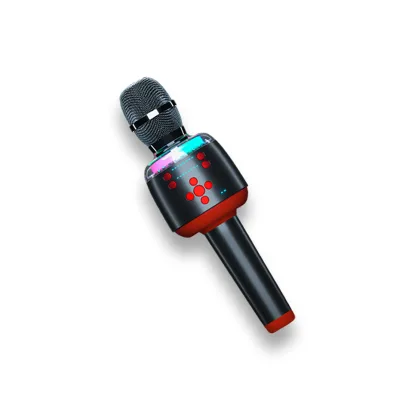
Wholesale Instrument Children's Karaoke Handheld Music Wireless Microphone with Light
$1.32 - $1.36
MOQ: 840 Pieces

Wholesale Karaoke Radio Music Baby Musical Microphone for Kids with Light Music
$2.70 - $2.78
MOQ: 240 Pieces

Wholesale Children Singing Machine Karaoke Microphone with Stand Microphone
$4.30 - $4.42
MOQ: 120 Pieces

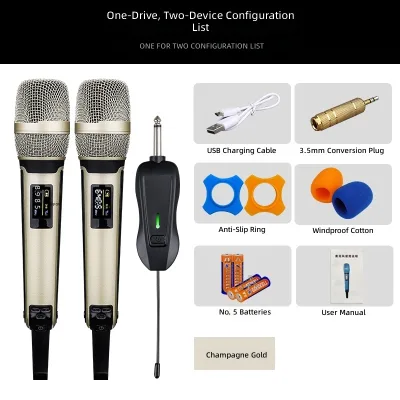
Electronic Music Instrument Handheld Stand Dual Wireless Karaoke Kids Singing Toy Microphone
$7.12 - $7.32
MOQ: 60 Pieces

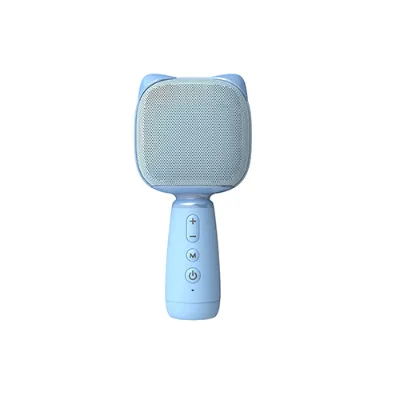
Blue Electronic Toys Microphone with Speaker and Stand for Kids Indoor Singing
$3.26 - $3.42
MOQ: 280 Pieces

Shantou Kaixin Trading Co., Ltd
- Verified by BV
- Manufacturer
- China Guangdong
- Lead time23 days
- Avg. response≤ 6h
Main productsToy, Educational Toy, Remote Control Toy, Pretend Play Toy Set, Summer Toy, Vehicle Toy, Doll, Promotion Toy, Baby Toy, Game Toy

Kids Electronic Musical Microphone Toy, Singing Microphone with Sound & Light for Children
$0.40 - $0.60
MOQ: 1152 Pieces


Karaoke Machine for Kids, Portable Bluetooth Mini Karaoke Microphone Singing Speaker Toys for Kids
$8.50 - $15.00
MOQ: 108 Pieces

Amazon Best Sellers Bluetooth Kids Karaoke Microphone Bluetooth Speaker Toy Rechargeable (10499413)
$4.00 - $7.50
MOQ: 144 Pieces
Shenzhen Delanda Technology Co., Ltd.
- Verified by SGS Group
- Manufacturer, Trading Company
- Lead time3 days
- Avg. response≤ 2h
Main productsUnderwater camera, Kids Walkie Talkie, Digital Camera, Printing Camera, Screenless Retro camera
Main marketsDomestic Market(44%), Western Europe(25%), Eastern Europe(14%)
Shanxi Changkun Electronic Technology Co.,ltd
- Verified by SGS Group
- Manufacturer, Trading Company
- Lead time15 days
- Avg. response≤ 4h
Main productsSlushie Maker, Microphones, Kids' Cameras, Mini Printer, Small Home Appliances
Main marketsNorth America(25%), Domestic Market(20%), Eastern Asia(15%)
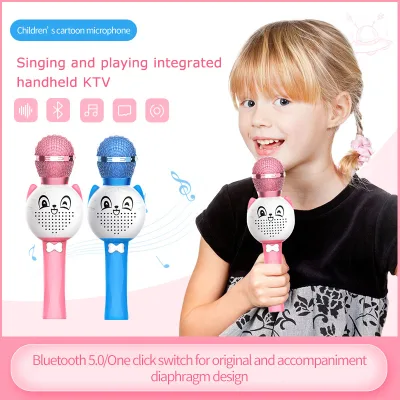
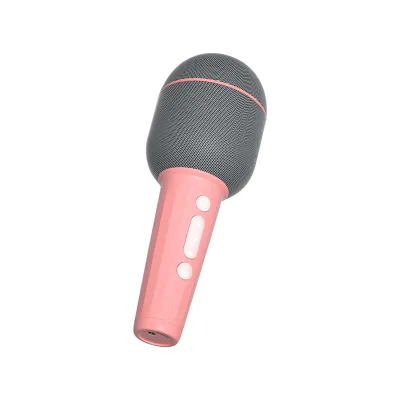
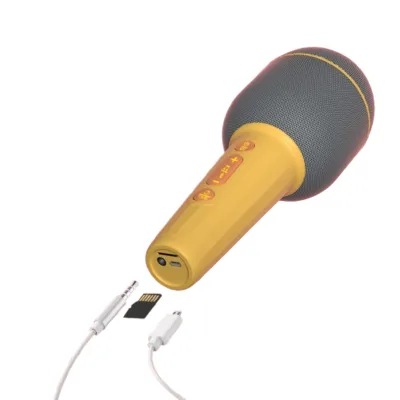
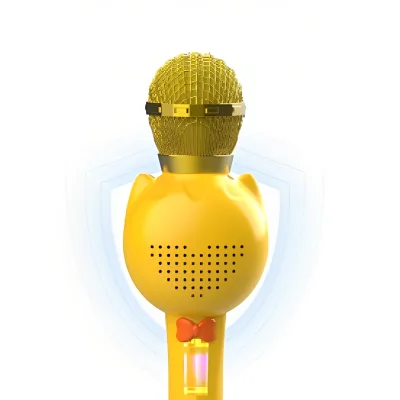
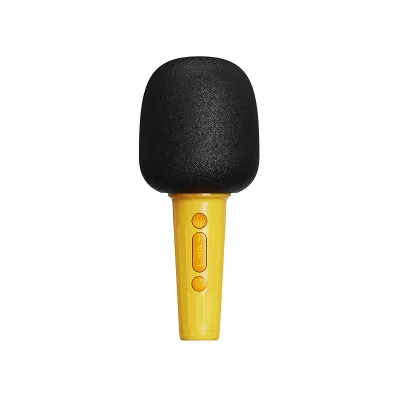
Custom Designed Cute G.Duck Shape Children's Wireless Microphone USB Type C with Colorful Light
$4.5838 - $4.8114
MOQ: 99 pieces

Changzhou Sitan Imp. and Exp. Co., Ltd.
- Verified by BV
- Trading Company
- China Jiangsu
- Lead time15 days
- Avg. response≤ 9h
Main productsFitness Equipment, Barbell Series, Resistance Bands, Agility & Speed, Yoga Ball, Massage Series, Power Rack, Weight Ball, Charging Notebook, Custom Logo Goods
Main marketsSoutheast Asia/ Mideast,Domestic,Europe,North America
Shenzhen Gaodashang Electronics Co., Ltd.
- Verified by Intertek
- Manufacturer, Trading Company
- Lead time15 days
- Avg. response≤ 2h
Main productsKaraoke Microphone, Lavalier Microphone, Karaoke Machine, Kids Camera, Portable Speaker
Main marketsNorth America(30%), South America(18%), Eastern Europe(10%)
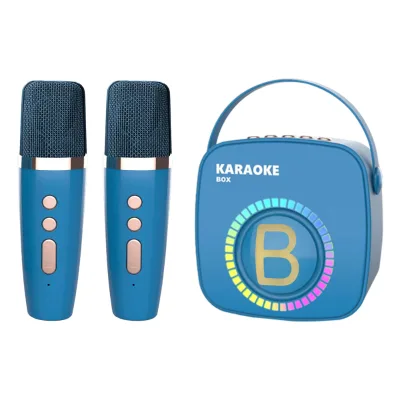
$4.9641 - $5.8054
MOQ: 20 pieces
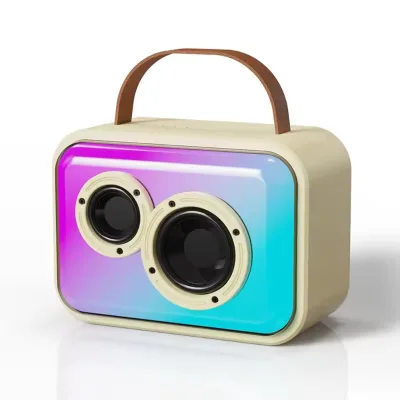
Factory Supply Wireless Audio Music Portable Microphone Speaker with LED Light
$21.6915 - $22.9146
MOQ: 200 pieces
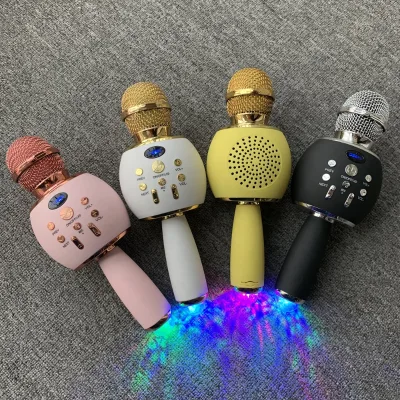
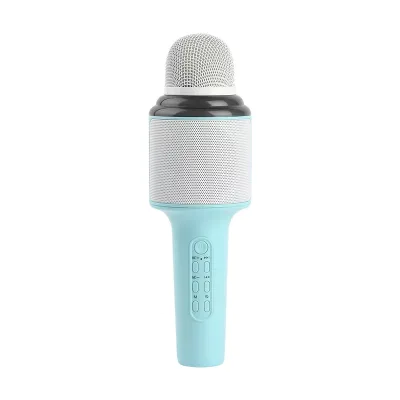
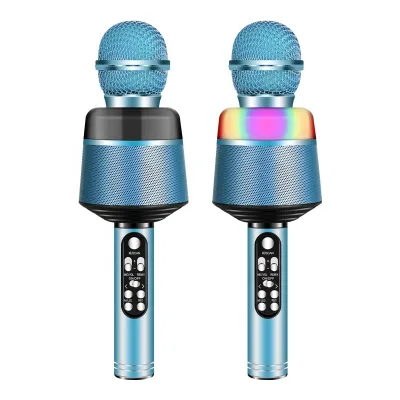
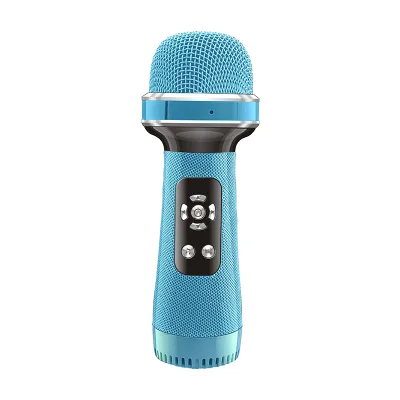
Kids Microphone Mini Portable Wireless Speaker Dancing and Sing Home Speaker Kids Keraoke Speaker
$7.70 - $8.70
MOQ: 1000 pieces
Shenzhen Kingstar Mould Co., Ltd.
- Verified by SGS Group
- Manufacturer, Trading Company
- Lead time15 days
- Avg. response≤ 11h
Main productsPlastic Product, Wireless Speaker, Massage Gun, Wireless Earbuds, Smart Watch
Main marketsNorth America(35%), Southern Europe(30%), Domestic Market(20%)
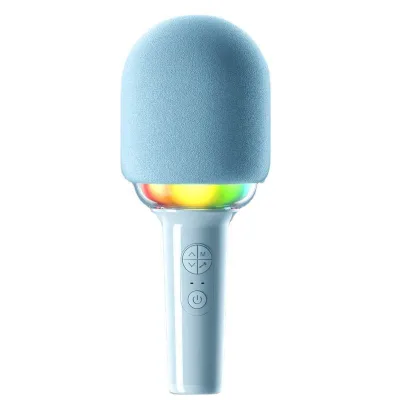
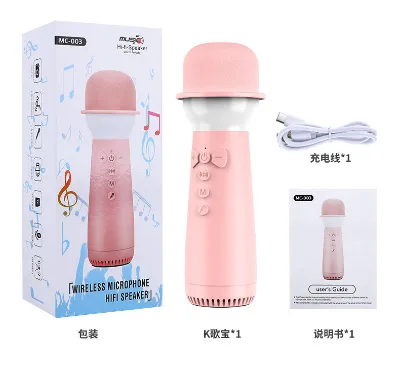
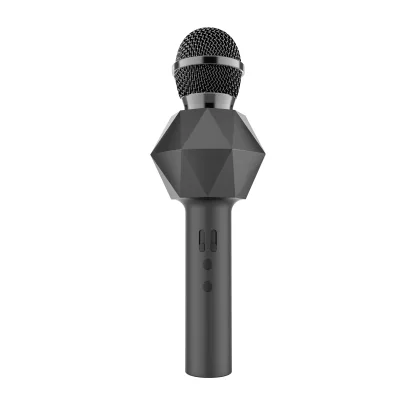
Wholesale Professional USB Kid Portable Wireless Karaoke Handheld Microphone Speaker with LED Lights
$6.99 - $8.99
MOQ: 5 pieces
Ningbo Yinzhou Jetech Electronic Co., Ltd.
- Verified by SGS Group
- Manufacturer, Trading Company
- Lead time15 days
- Avg. response≤ 4h
Main productsBaby Toys
Main marketsEastern Asia(25%), North America(20%), Eastern Europe(20%)
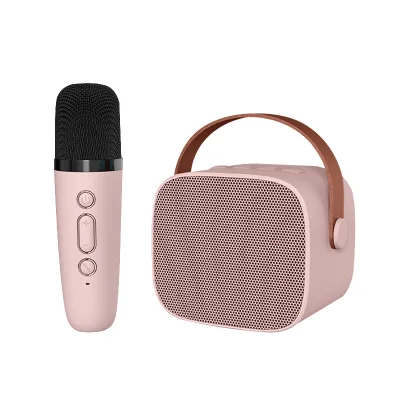
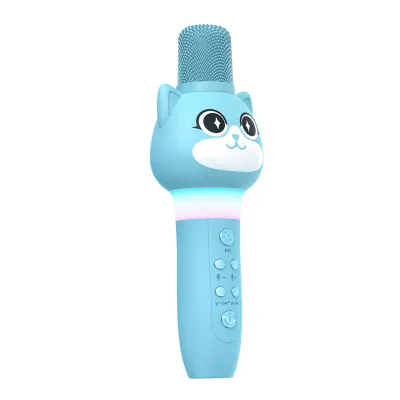
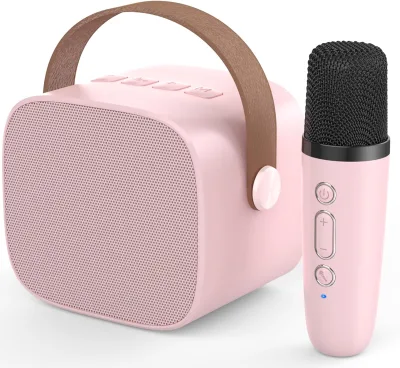
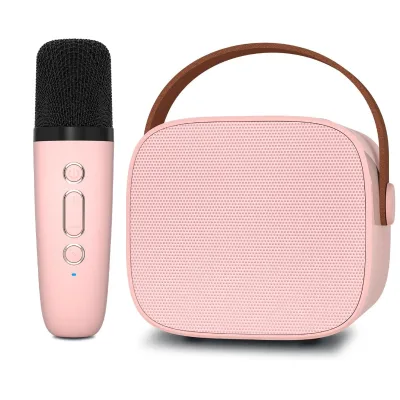
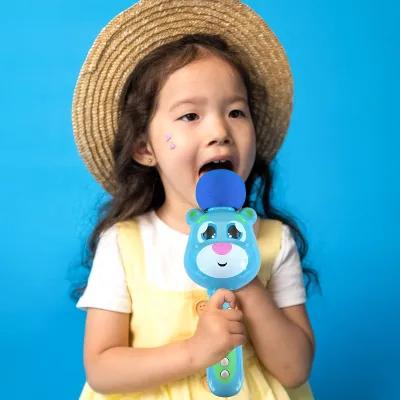
New Arrivals Rechargeable Wireless Kids Karaoke Microphone With Handheld Speaker for Singing
$7.50 - $8.60
MOQ: 5 pieces

Shenzhen Moyan Technology Co., Ltd.
- Trading Company,Manufacturer/Factory
- China Guangdong
- Lead time15 days
- Avg. response≤ 13h
Main productsKaraoke Machine, Karaoke Microphone, Bluetooth Speaker
Main marketsSouth America,Eastern Europe,North America,Southeast Asia
Guangzhou Cast Sound Lighting Entertainment Equipment Co., Ltd.
- Manufacturer
- Guangdong, China
- Lead time8 days
- Avg. response≤ 4h
Main productsMicrophone,Speaker,Audio Peripheral,Stage Lighting,power amplifier
Main marketsNorth America(15.00%), Eastern Europe(12.00%), Southern Europe(12.00%), Domestic Market(10.00%), South America(8.00%), Eastern Asia(6.00%), Mid East(6.00%), Central America(6.00%), Northern Europe(5.00%), South Asia(5.00%), Africa(5.00%), Oceania(3.00%), Southeast Asia(3.00%), Western Europe(2.00%)

Huizhou Kudear Technology Co., Ltd.
- Manufacturer, Trading Company
- Guangdong, China
- Lead time20 days
- Avg. response≤ 3h
Main productsBluetooth Speaker,Bluetooth Headphone,Airline Headphone,Wireless Charger
Main marketsNorth America(50.00%), South America(20.00%), Western Europe(10.00%), Eastern Asia(10.00%), Domestic Market(10.00%)
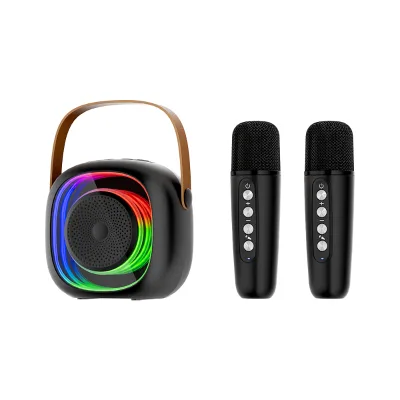
$6.4221 - $7.7066
MOQ: 10 Minimum
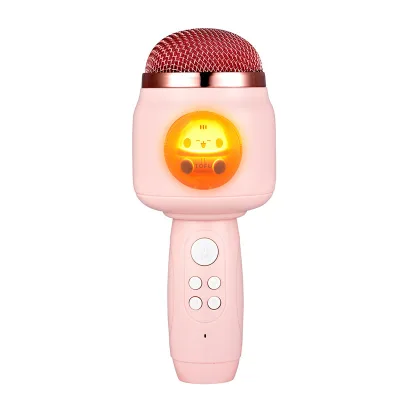
Children's Microphone Wireless Bluetooth Microphone Creative Cute Singing Kid's Microphone
$5.3323 - $6.1527
MOQ: 5 pieces
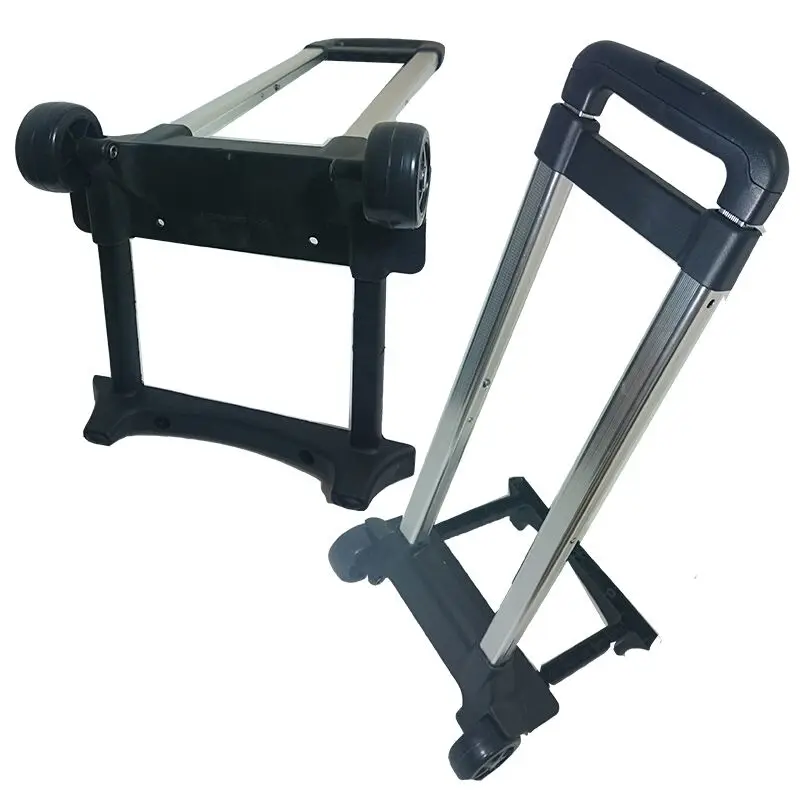
Guangzhou Ezon Technology Co., Ltd.
- Trading Company
- Guangdong, China
- Lead time30 days
- Avg. response≤ 9h
Main productsUHF Microphone,Printer,Luggage Accessory,Aluminum Case,Telescopic Handle
Main marketsSouth America(8.00%), North America(8.00%), Domestic Market(7.00%), South Asia(7.00%), Southern Europe(7.00%), Northern Europe(7.00%), Central America(7.00%), Western Europe(7.00%), Eastern Asia(7.00%), Mid East(7.00%), Oceania(7.00%), Africa(7.00%), Southeast Asia(7.00%), Eastern Europe(7.00%)
Alwaysfaith International Trade Co., Ltd. (Huizhou)
- Trading Company
- Lead time旺季: "1 - 30":31,"> 30":"To be negotiated", 淡季: "1 - 30":31,"> 30":"To be negotiated"
- Avg. response≤ 7h
Main productsUkulele, Electric Guitar, Acoustic Guitar
Shenzhen Joint Century Technology Co., Ltd.
- Manufacturer, Trading Company
- Guangdong, China
- Lead time7 days
- Avg. response≤ 2h
Main productsSpeaker,Microphone,Data Cable & Adapter,Multiport Hub & Charger,Earphone & Headphone
Main marketsWestern Europe(20.00%), Mid East(15.00%), Oceania(15.00%), North America(15.00%), Southeast Asia(15.00%), Northern Europe(10.00%), Africa(10.00%)
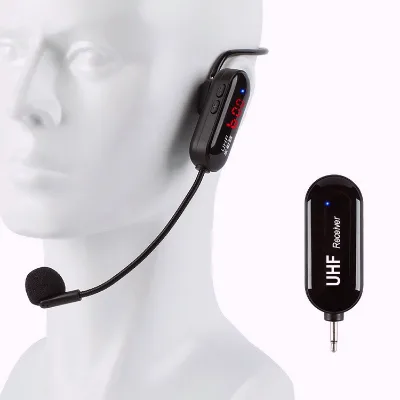
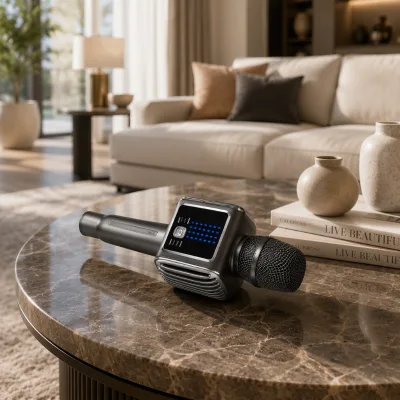
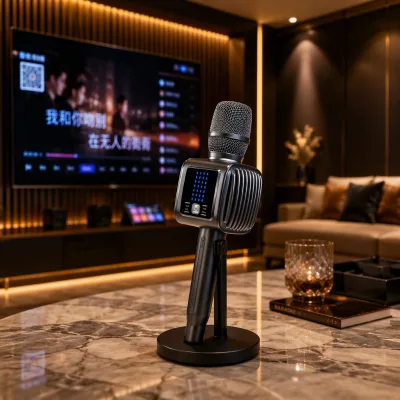
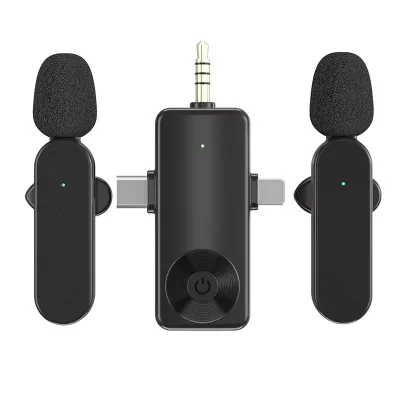
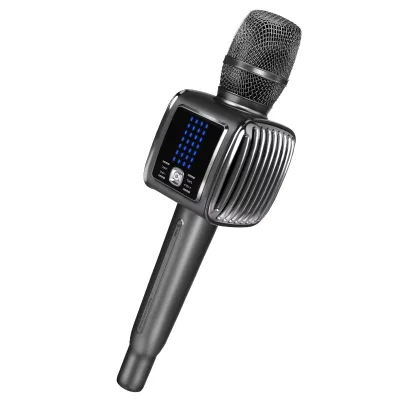
Karaoke Microphone for Home Handheld Wireless Microphone
$46.00 - $58.00

Whynot Information Technology Co. Ltd
- Manufacturer/Factory
- China Guangdong
- Lead time15 days
- Avg. response≤ 10h
Main productsDSLR Photo Booth, 360 Photo Booth, 360 Video Booth, 3D Hologram Fan, iPad Photo Booth, 3D Holographic Display, LCD/OLED Digital Signage, Interactive Whiteboard, Interactive Touch Kiosk, LCD Video Wall Display
Main marketsSouth America,Eastern Europe,Mid East,North America,Southeast Asia,Eastern Asia,Oceania,Western Europe,Africa

Huanyu Electronics Industrial Co., Limited
- Verified by BV
- Trading Company,Manufacturer/Factory
- China Guangdong
- Lead time15 days
- Avg. response≤ 9h
Main productsPower Bank, Wireless Charger, Bluetooth Speaker, Bluetooth Earphone/Earbuds/Headphone, Smart Watch, Drone, Charger/Adapter, Solar Radio, USB Cable, Other Mobiles& Computer Accessoriess
Main marketsSouth America,Eastern Europe,Mid East,North America,Southeast Asia,Eastern Asia,Oceania,Western Europe,Africa

Portable Kids Handheld USB Karaoke Mic Ws858 Wireless Microphone for Singing Mic Microphone
$3.65 - $3.99
MOQ: 50 Pieces


Cheap Price OEM Portable Handheld Microphone for Karaoke Singing Wireless Karaoke Microphone
$3.65 - $3.99
MOQ: 50 Pieces

Ly168 Kids Karaoke Microphone Bluetooth Speaker Machine Toy Mic Portable Wireless Microphone Karaoke
$7.30 - $8.08
MOQ: 50 Pieces

Enping Meigao Electronic Technology Co., Ltd.
- Verified by BV
- Combined
- China Guangdong
- Lead time15 days
- Avg. response≤ 2h
Main productsWireless Microphone, Conference System, Audio Mixer, Microphone, Condenser Microphone, Universal Microphone
Main marketsSouth America,Africa,Others(foreignTradeCapacity.exportBusinessCapacityMarketOther),Europe,North America

- Verified by TUVRHEINLAND
- Manufacturer/Factory
- China Guangdong
- Lead time23 days
- Avg. response≤ 11h
Main productsPRO-Audio, Line Array System, Speaker Box, Amplifier, PA Subwoofers, Sound System, Audio Mixer, Stage Speaker
Main marketsSouth America,Eastern Europe,Mid East,North America,Southeast Asia,Eastern Asia,Oceania,Western Europe,Africa
Shenzhen Aidisheng Trading Co., Ltd.
- Trading Company
- Guangdong, China
- Lead time15 days
- Avg. response≤ 1h
Main productsRC Airplanes,Toy Guns,Fidget Toys,RC Cars,Cosmetic Toys
Main marketsNorth America(30.00%), Africa(10.00%), Southern Europe(10.00%), Southeast Asia(10.00%), Eastern Europe(10.00%), Western Europe(10.00%), South America(10.00%), Mid East(4.00%), Oceania(4.00%), Northern Europe(2.00%)
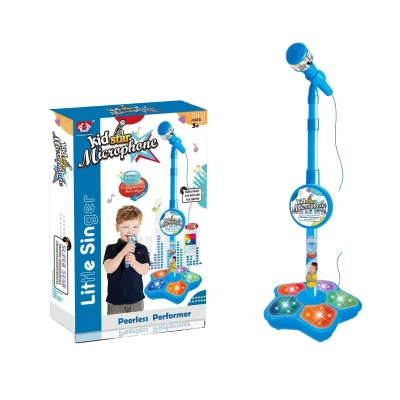
$3.3278 - $3.9191
MOQ: 2 pieces
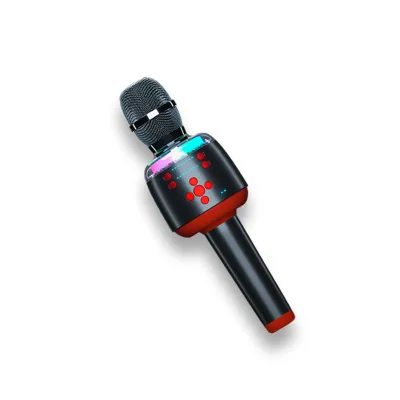
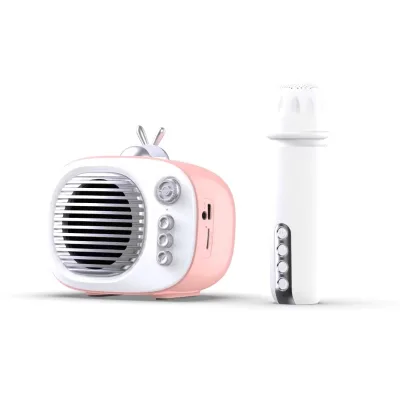

Huizhou Goodrain Technology Co., Ltd.
- Trading Company
- Guangdong, China
- Lead time5 days
- Avg. response≤ 4h
Main productsMobile Phone Accessories,Laptop accessories,Watch bands,Electric rotating turntable,Game Accessories
Main marketsSouth America(16.00%), Eastern Europe(15.00%), North America(15.00%), Mid East(10.00%), Southeast Asia(8.00%), Africa(8.00%), Northern Europe(5.00%), Southern Europe(5.00%), Central America(5.00%), Oceania(4.00%), Western Europe(3.00%), Domestic Market(2.00%), South Asia(2.00%), Eastern Asia(2.00%)

Guangzhou Temeisheng Audio Technic Co Ltd
- Verified by BV
- Combined
- China Guangdong
- Lead time15 days
- Avg. response≤ 5h
Main productsLoudspeaker, Amplifier, Conference System, Portable Speaker, Home Audio, Microphone
Main marketsAustralia

$66.00 - $91.00
MOQ: 1 Sets

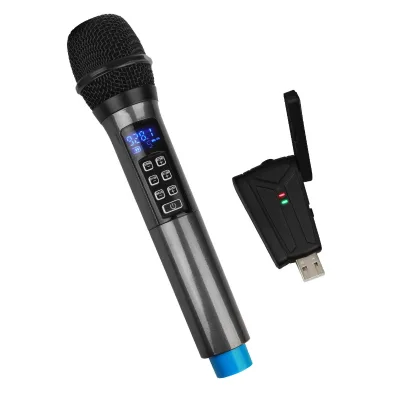
KTV Home Microfono Handheld Portable Children Mic Wireless Karaoke 2 Microphones
$22.00 - $30.00
MOQ: 1 Sets
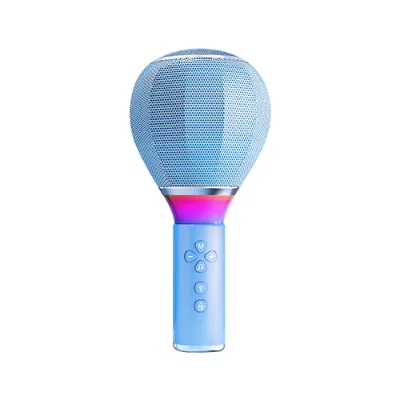


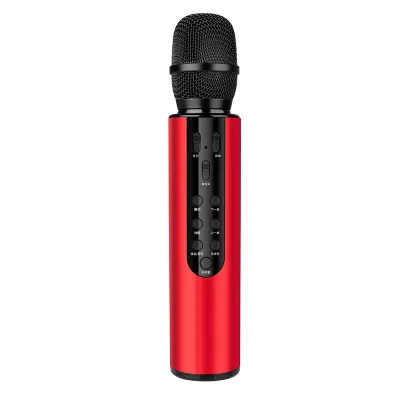
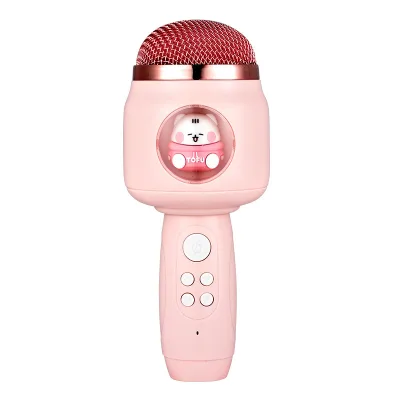
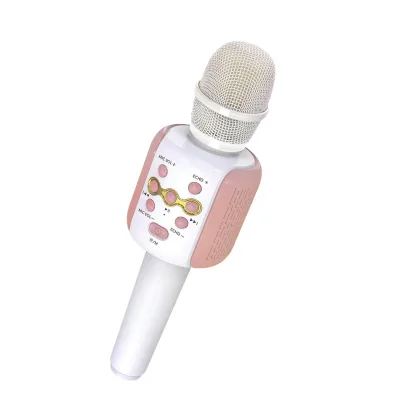


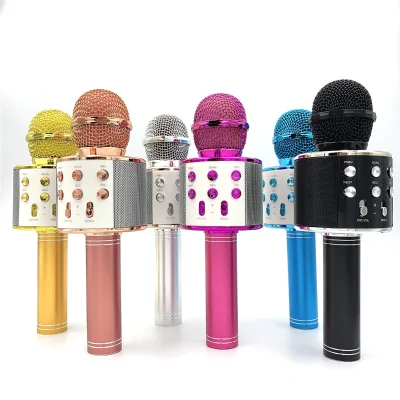
Comprehensive Sourcing Guide
Wireless Kids Singing Microphone with LED Lights Supplier Concentration and Factory Types
Current data indicates that verified suppliers for this category are concentrated in the Guangdong province of China, a region known for its robust consumer electronics manufacturing ecosystem. The available results show a mix of company types, including combined entities that function as both manufacturers and trading companies, as well as pure manufacturers offering ODM and OEM capabilities. This concentration suggests that buyers can find a dense network of factories specializing in plastic-based electronic toys, including wireless microphones with LED features, within this specific geographic cluster. The presence of multiple product models originating from Guangdong confirms that this area is a primary hub for the production of these specific children's singing instruments.
When evaluating the factory types, buyers should note that some suppliers list ODM and own brand capacities, while others explicitly state OEM and ODM services. This distinction is critical for determining whether a supplier can produce a custom design or if they will only offer existing catalog items. The observed data includes suppliers with RD capacities for both ODM and OEM, indicating a range of innovation potential from simple customization to full product development. However, not all suppliers in the results display system certifications, so the absence of a specific certification label does not confirm a lack of quality but rather requires direct verification. Buyers must assess whether the supplier's specific company type aligns with their need for private labeling or standard wholesale inventory.
How to Verify Wireless Kids Singing Microphone with LED Lights Suppliers
Verification of suppliers in this category relies heavily on third-party audit reports and specific platform verification badges rather than self-declared claims. The available data shows that some suppliers hold verification from recognized bodies like TÜV Rheinland and Bureau Veritas (BV), which serve as concrete evidence of factory audits and compliance checks. These badges indicate that an independent party has inspected the facility, but buyers should understand that the absence of a visible badge in a specific listing does not mean the supplier is unverified, only that the specific data point was not returned in the current result set. It is essential to request the latest audit report directly from the supplier to confirm the scope of their inspection, particularly regarding safety standards for children's products.
Beyond verification badges, buyers should scrutinize the response time metrics provided in supplier profiles to gauge operational reliability. The observed data includes response times ranging from approximately 3.6 hours to over 5 hours, which can serve as a proxy for the efficiency of the sales and support team. A faster response time often correlates with better communication channels and a more active supply chain management system. However, response time alone is not a guarantee of product quality or delivery reliability. Buyers must cross-reference these metrics with the supplier's main product list to ensure they specialize in toys and educational instruments rather than unrelated electronics. Confirming that the supplier's primary business aligns with the specific product category is a vital step in the verification process.
What to Compare Across Wireless Kids Singing Microphone with LED Lights Suppliers
When comparing suppliers, the minimum order quantity (MOQ) and unit price are the most immediate differentiators that affect procurement strategy. The data reveals a wide variance in MOQs, ranging from as low as 60 pieces for specialized stand microphones to 840 pieces for basic handheld units. Similarly, unit prices fluctuate significantly, with some models priced around $1.07 to $1.10, while others with added features like stands or speakers range from $3.26 to $7.32. Buyers must calculate the total landed cost based on these MOQs to determine which supplier fits their budget and inventory turnover goals. A lower unit price might be attractive, but if the MOQ is too high for a new market entry, it could tie up excessive capital in stock.
Lead times and supply ability are also critical comparison points that influence inventory planning and order fulfillment speed. The observed lead times in the current results are around 23 days, which provides a baseline for production scheduling. However, supply ability varies, with some suppliers listing daily capacities of 840 pieces, while others do not explicitly state their daily output in the provided attributes. Buyers should compare these figures against their projected sales volume to ensure the supplier can scale production if demand spikes. Additionally, the customization availability listed in product attributes should be compared across suppliers to determine who can accommodate specific design requests, such as custom packaging or unique LED color patterns, without incurring prohibitive costs or delays.
Common Wireless Kids Singing Microphone with LED Lights Sourcing Risks
One significant risk in sourcing these electronic toys is the variability in safety certifications and compliance standards across different suppliers. While some product attributes explicitly list certifications such as EN71, ASTM, HR4040, EN62115, RoHS, and GCC, other listings show no certification data or list "NIL" for system certifications. This inconsistency creates a compliance risk, as children's electronic toys are subject to strict regulations in many markets regarding electrical safety and chemical content. Buyers cannot assume that a supplier without a displayed certification is non-compliant, but they must actively request test reports to verify that the specific product model meets the safety standards of their target market. Relying on a supplier's general reputation without specific product-level certification data is a dangerous practice.
Another risk involves the discrepancy between product descriptions and actual manufacturing capabilities, particularly regarding customization and packaging. The data shows that while customization is marked as "Available" on many items, the specific details of what can be customized vary by supplier. Some listings mention window boxes, while others specify color boxes or display boxes, and the carton volumes differ significantly, affecting shipping costs. If a buyer assumes a specific packaging type or customization level based on a general attribute without confirming the details, they may face unexpected costs or delays. Furthermore, the variation in material specifications, such as the use of plastic, requires verification to ensure the material is non-toxic and durable enough for children's use, as the generic term "plastic" does not guarantee quality or safety without further testing.
Wireless Kids Singing Microphone with LED Lights Regional Sourcing and Logistics
Sourcing from the Guangdong region in China offers logistical advantages due to the established infrastructure for exporting consumer electronics and toys. The concentration of suppliers in this area means that freight forwarders are highly experienced in handling the specific packaging requirements of these products, which often include window boxes, color boxes, and display boxes with varying carton volumes. The observed data indicates carton volumes ranging from 0.2 cubic meters to 0.29 cubic meters, which allows for efficient container loading and optimized shipping rates. Buyers should leverage this regional concentration to negotiate better freight terms, as the high volume of similar exports often leads to competitive shipping rates and streamlined customs clearance processes.
However, logistics planning must account for the specific packaging dimensions and weights listed in the product attributes to avoid unexpected freight charges. The data shows significant variations in package sizes, such as 8.5625.5 cm versus 34237.2 cm, and gross weights ranging from 10.8 kg to 24 kg per carton. These differences directly impact the number of units that can fit into a shipping container and the total shipping cost per unit. Buyers need to calculate the volumetric weight carefully, especially for lighter items with larger packaging, to ensure they are not paying for air instead of product. Additionally, the origin location being consistently listed as Guangdong, China, simplifies the origin verification process, but buyers should still confirm the specific port of loading to ensure the logistics chain aligns with their delivery timelines and import requirements.
Wireless Kids Singing Microphone with LED Lights Commercial Terms and Order Planning
Commercial terms for these products often include specific payment structures and delivery timelines that must be aligned with the supplier's capabilities. The observed lead times of approximately 23 days suggest a standard production window, but buyers should confirm if this includes packaging time or if it is strictly manufacturing time. The minimum order quantities, which range from 60 to 840 pieces, dictate the financial commitment required to initiate an order. Buyers should plan their cash flow to accommodate these MOQs, especially if they are testing a new product line with lower initial volumes. It is also crucial to verify if the supplier offers escrow services or other payment protections, as the absence of such data in the current results requires direct inquiry to ensure financial security during the transaction.
Order planning must also consider the supply ability and the potential for scaling production. While some suppliers list a daily supply ability of 840 pieces, others do not provide this metric, making it difficult to predict how quickly an order can be fulfilled if demand increases unexpectedly. Buyers should establish a clear communication channel to discuss production schedules and potential bottlenecks before placing a large order. Additionally, the availability of customization options should be factored into the timeline, as custom designs may extend the lead time beyond the standard 23 days. Buyers should request a detailed production schedule from the supplier to ensure that the delivery date aligns with their sales calendar, particularly for seasonal products like toys that may have tight market windows.
FAQs
What is the price range for wireless kids singing microphones with LED lights?
Prices for these microphones typically range from $1.07 to $7.32 per unit. The cost varies based on features like built-in speakers, stands, and packaging types. Buyers can find options starting at $1.07 for basic models up to $7.32 for more complex electronic toys with dual wireless capabilities.
What are the minimum order quantities for these microphones?
Minimum order quantities vary significantly by product model. Some suppliers require orders as low as 60 pieces, while others set the MOQ at 280 or 840 units. Buyers should check specific product listings to determine the exact minimum quantity required for their desired model and customization needs.
Where are these microphones manufactured?
These wireless kids singing microphones with LED lights are primarily manufactured in Guangdong, China. Suppliers in this region offer various models, including plastic toy microphones and electronic singing machines. The origin is consistently listed as Guangdong for the available product evidence on the platform.
What certifications are available for these children's microphones?
Some models include safety certifications such as EN71, ASTM, HR4040, EN62115, RoHS, 10p, and GCC. These certifications ensure the toys meet international safety standards for children. Buyers should verify specific product details to confirm which certifications apply to their selected model.
What is the typical lead time for these orders?
The typical lead time for these microphones is approximately 23 days. This duration allows for production and preparation of goods for shipment. Buyers should confirm exact lead times with suppliers, as they may vary based on order volume and customization requirements.
Can these microphones be customized for branding?
Yes, customization is available for many of these wireless kids singing microphones with LED lights. Suppliers offer ODM and OEM services, allowing buyers to tailor products to their brand needs. Customization options may include packaging, colors, and specific feature sets depending on the manufacturer.