Wireless Inductive Charging Electric Toothbrush Suppliers and Manufacturers
Source 17 verified suppliers offering Wireless Inductive Charging Electric Toothbrush models with OEM and ODM capabilities. Compare grounded dimensions including lead times, MOQs, certifications, and response rates to identify suitable partners. Request quotes directly to evaluate pricing and production terms.
Suppliers List

ningbo crown commodity co.,ltd
- Verified by SGS
- Combined
- China Zhejiang
- Lead time30 days
- Avg. response≤ 25h
Main productsPerfume Sprayer, Lotion Pump, Trigger Sprayer, Pet Bottle, Cosmetic Package, Eyeliner Package
Main marketsAfrica,Southeast Asia/ Mideast,Europe,North America


Rechargeable Waterproof Electric Toothbrush
Contact supplier

Yueqing Fiy Electric Co., Ltd.
- Verified by TUVRHEINLAND
- Combined
- China Zhejiang
- Lead time23 days
- Avg. response≤ 7h
Main productsIndustry Socket, Industry Plug, Solar String Light, Christmas Decoration, Solar Light, Christmas Lights, Solar LED Light, LED Strip Light, Industry Switch, Tools Switch
Main marketsSoutheast Asia/ Mideast,Domestic,Europe,North America


Smart Five Mode Sonic Electric Toothbrush D7 Oral Care Wire Charging Wireless Charging Seat
$13.50 - $15.00
Moq: 300


Grin (Hangzhou) Technology Co., Ltd.
- Verified by TüVRheinland
- Manufacturer, Trading Company
- Lead time30 days
Main productsElectric Toothbrush, Rotation Toothbush, Water Flosser, UV Sanitizer
Main marketsNorth America(30%), Southeast Asia(20%), Eastern Europe(10%)

- Trading Company
- China Zhejiang
- Lead time30 days
- Avg. response≤ 11h
Main productsHome Appliance, Cookware Set, Thermos, Home Storage, Furniture, Pet Supplies, Garden Tools, Outdoor Supplies, Baby Supplies, Houesehold Items
Main marketsSouth America,Africa,Southeast Asia/ Mideast,East Asia(Japan/ South Korea),Domestic,Europe,Australia,North America

- Verified by SGS
- Trading Company
- China Zhejiang
- Lead time15 days
- Avg. response≤ 13h
Main productsFan, Heater Fan, Air Fryer, Toaster, Rice Cooker, Vacuum Cleaner, Coffee Machine, Hairdressing Appliance, Electric Toothbrush, Steam Iron
Main marketsEurope,Australia

CHANGZHOU FRESHDAY HOUSEHOLD PRODUCTS CORP. LTD.
- Verified by BV
- Combined
- China Jiangsu
- Lead time30 days
- Avg. response≤ 5h
Main productsManual Toothbrush, Electric Toothbrush, Bamboo Toothbrush, Travel Kit, Floss Pick, Toothpaste, Orthodontic Components, Water Flosser, Teeth Whitening Products
Main marketsSoutheast Asia/ Mideast,East Asia(Japan/ South Korea),Domestic,Europe,North America


Customized Electric Toothbrush Rechargeable Smart Waterproof Rotary Electric Toothbrush
$2.80 - $5.00
Moq: 10000


Changsha Fusheng Electronic Technology Co., Ltd.
- Trading Company
- China Hunan
- Lead time15 days
- Avg. response≤ 2h
Main productsElectronic Product
Main marketsSoutheast Asia/ Mideast,Europe,North America


Wireless Charging, Sound Wave Type Electric Toothbrush Ipx7 Waterproof Sonic Toothbrush
$12.90 - $17.90
Moq: 10


Yangzhou Baizhiyue Daily Chemical Co., Ltd.
- Verified by SGS
- Combined
- China Jiangsu
- Lead time30 days
- Avg. response≤ 10h
Main marketsOthers(foreignTradeCapacity.exportBusinessCapacityMarketOther),Domestic
Guangzhou Guotang Health Industry Co.,ltd
- Verified by Intertek
- Trading Company
- Lead time20 days
Main productsDental Equipment, Dental Consumable, Oral Care Products, Teeth Whitening Products
Main marketsNorth America(25%), South America(15%), Eastern Europe(15%)

- Verified by BV
- Trading Company
- China Zhejiang
- Lead time30 days
- Avg. response≤ 8h
Main productsElectric Kettle, Massager, Hair Dryer, Heater, Electric Grill, Humidifier, Hair Straightener, Mixer, Beauty Instrument, Electronics
Main marketsAfrica,Southeast Asia/ Mideast,Europe,North America
BeBeauty (Hangzhou) Technology Co.,Ltd.
- Verified by TüVRheinland
- Trading Company
- Lead time30 days
- Avg. response≤ 2h
Main productsElectric Toothbrush, Rotation Toothbush, Water Flosser, UV Sanitizer, Fabric Shaver
Main marketsNorth America(30%), Southeast Asia(20%), Eastern Europe(10%)
Shenzhen Hai Li Xuan Technology Co., Ltd.
- Verified by SGS Group
- Manufacturer, Trading Company
- Lead time15 days
Main productsFoot Massager, Shoulder Massager, Waist Massager, Red Light Therapy Belt, Heating Pad
Main marketsNorth America(31%), Eastern Europe(17%), Western Europe(12%)
Shenzhen Ekong Technology Co., Ltd.
- Manufacturer, Trading Company
- Guangdong, China
- Lead time25 days
- Avg. response≤ 5h
Main productsTeeth Whitening LED Light, Ultrasonic Cleaner, Tonuge Scraper, Electric Toothbrush, Water Flosser
Main marketsNorth America(60.0%), Oceania(10.0%), Africa(7.000000000000001%), Northern Europe(5.0%), Eastern Europe(5.0%), Western Europe(4.0%), Southern Europe(4.0%), South America(3.0%), Central America(2.0%), South Asia(0.0%), Eastern Asia(0.0%), Domestic Market(0.0%), Mid East(0.0%), Southeast Asia(0.0%)
- Trading Company
- Lead time旺季: "1 - 125":15,"> 125":"To be negotiated", 淡季: "1 - 125":15,"> 125":"To be negotiated"
Main productsElectric Toothbrush, Toothbrush, Dental Floss, Hairbrush, Hair Curler

Wenzhou Hexi Electronic Technology Co., Ltd.
- Verified by SGS
- Combined
- China Zhejiang
- Lead time23 days
- Avg. response≤ 7h
Main productsNeck and Back Massager, Massage Gun, Massage Pillow, Foot Massager, Beauty& Personal Care, Water Flosser, Eye Massager, Electric Toothbrush, Hair Curler, Knee Massager
Main marketsAfrica,Southeast Asia/ Mideast,Europe
- Trading Company
- China Guangdong
- Lead time120 days
- Avg. response≤ 15h
Main productsScent Machine, Humidifier, Aroma Diffuser Machine, Fragrance, Essential Oil
Main marketsSouth America,Eastern Europe,Mid East,North America,Southeast Asia,Eastern Asia,Oceania,Western Europe

Replaced Head Sonic Custom Rechargeable Travel Oscillating Electric Toothbrush
$31.50 - $41.50
Moq: 200

Shenzhen Weijie Intelligent Technology Co., Ltd.
- Verified by SGS Group
- Manufacturer, Trading Company
- Lead time30 days
- Avg. response≤ 1h
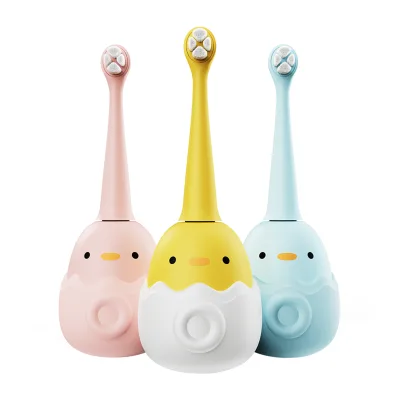
Main productsElectric toothbrush, Oral irrigator, Children electric toothbrush, Water flosser, Electric toothbrush head
Main marketsDomestic Market(50%), North America(20%), Eastern Europe(10%)
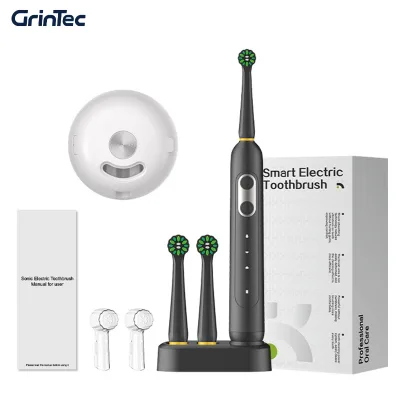
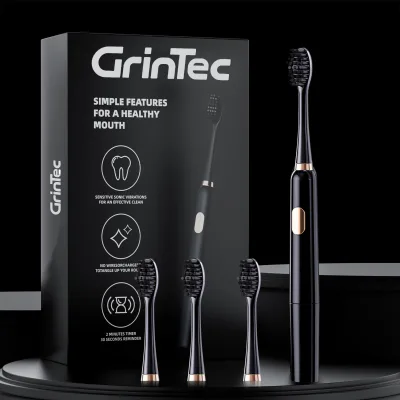


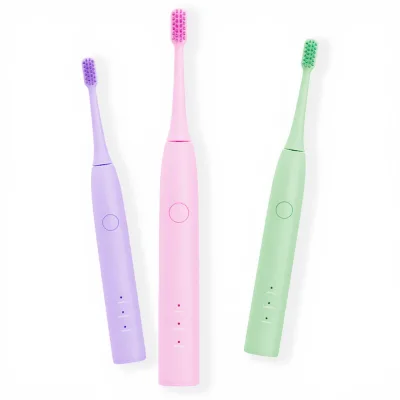
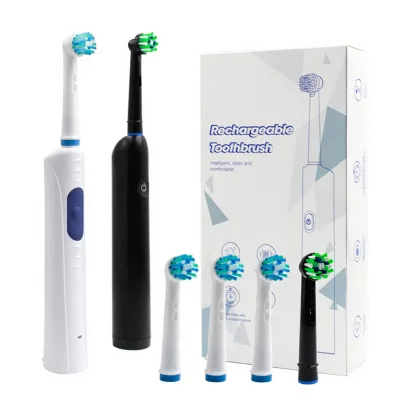
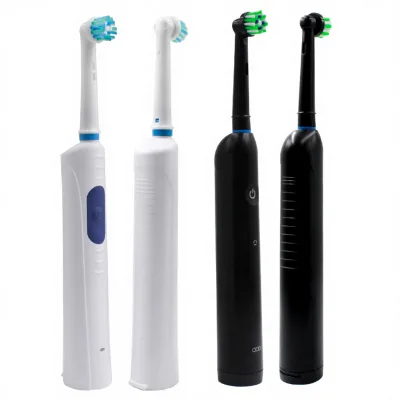


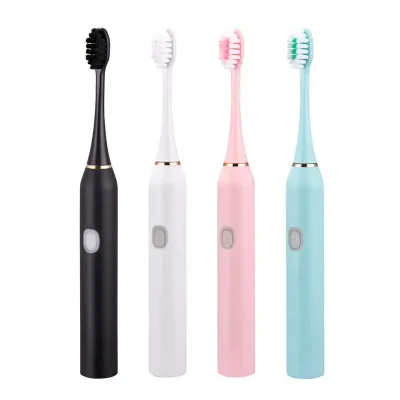
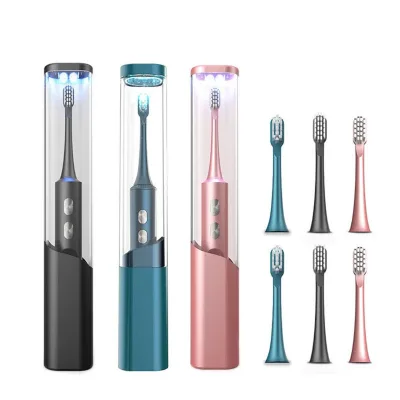
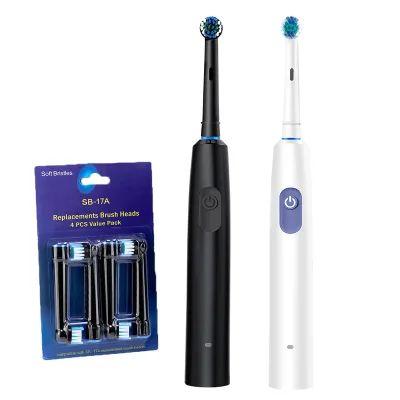
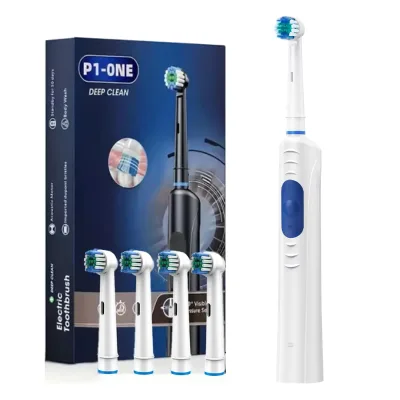
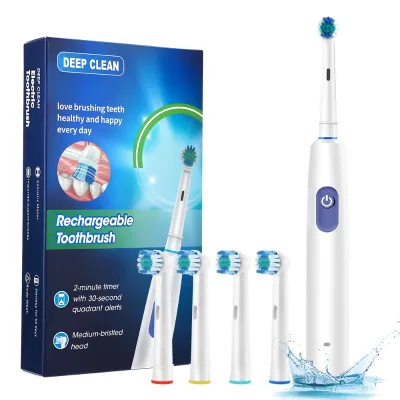


Comprehensive Sourcing Guide
Wireless Inductive Charging Electric Toothbrush Supplier Concentration and Factory Types
Current data indicates a concentration of manufacturing activity in China, specifically within the Zhejiang province, where suppliers list electric toothbrushes alongside other personal care and household cleaning items. These facilities often operate as combined entities, functioning as both manufacturers and trading companies to offer broader product ranges that include lotion pumps, trigger sprayers, and cosmetic packaging. This dual role allows for flexible sourcing strategies where a single partner might handle both the core oral care device and complementary packaging solutions. The presence of ODM and OEM capabilities suggests these factories can adapt designs for specific brand requirements, though the exact establishment years of these entities are not provided in the current results.
Buyers should verify the specific factory type by reviewing the company classification field rather than assuming a pure manufacturing model. Some suppliers in this sector list main products that span from electric toothbrushes to solar lights and industry sockets, indicating a diversified production base that may not specialize exclusively in oral care. To identify true manufacturing clusters, buyers must examine the detailed product attributes and facility certifications provided in the supplier profile. If a location is not explicitly confirmed as a high-confidence result fact, the buyer should request a factory audit report to confirm the physical presence of assembly lines for wireless inductive charging components. This verification step is critical before committing to large orders, as the diversity of main products can sometimes mask a lack of specialized capacity for complex electronic assemblies.
How to Verify Wireless Inductive Charging Electric Toothbrush Suppliers
Verification of supplier credibility relies heavily on third-party audit reports and specific certification marks rather than general platform badges. Current records show that some suppliers hold verification from SGS, while others display TÜV Rheinland certification, indicating a range of compliance standards. Buyers must cross-reference these verification bodies with the specific product certifications listed, such as CE, FCC, RoHS, and IPX7, which are essential for electronic devices involving water resistance and wireless charging. The absence of a system certification label in some profiles requires the buyer to explicitly request a Declaration of Conformity or specific test reports for the wireless charging module to ensure safety compliance.
Response time and lead time data provide additional layers of verification regarding operational reliability. A supplier with a response time of approximately 6.81 hours may indicate a more active sales team compared to those with longer intervals, though this metric should be validated through direct communication. Buyers should also scrutinize the product attributes for consistency, such as the battery specifications (e.g., 1.2V 600mAh Rechargeable Ni-MH) and waterproof ratings (IPX7), which must align with the claimed wireless inductive charging capabilities. If a supplier claims ODM capabilities, they should provide evidence of their graphic processing and sample processing capacities to prove they can handle custom design requests. Never accept a supplier's claim of capability without seeing the corresponding certification documents or a verified response to a technical inquiry.
What to Compare Across Wireless Inductive Charging Electric Toothbrush Suppliers
When evaluating potential partners, buyers must compare key operational metrics such as minimum order quantities, lead times, and pricing structures to determine fit for their specific business model. Current data reveals significant variation in MOQs, ranging from as low as 20 units for certain rotating models to 1,000 units for standard electric toothbrushes. Lead times also differ, with some suppliers offering a 23-day turnaround while others require 30 days. These differences directly impact inventory planning and cash flow, making it essential to align supplier capacity with projected sales volumes. Price points similarly fluctuate, with some models listed between $6.51 and $13.00, while others range from $17.65 to $18.38, reflecting differences in features like wireless charging seats or pressure sensors.
Beyond pricing and volume, the scope of customization and product attributes must be compared to ensure the final product meets market expectations. Some suppliers offer customization for age groups ranging from babies to adults, while others target specific demographics like adults only. The style of the toothbrush, whether rotary, sonic, or acoustic wave, and the bristle type, such as soft or medium, are critical differentiators that affect the final product's marketability. Buyers should also compare the charging technology details, noting whether the product supports wireless charging, USB charging, or plugged-in charging, as this defines the user experience. A supplier offering a "Folded" design or specific battery types like Ni-MH may provide a competitive advantage in travel markets, whereas a "Non-Disposable" model appeals to eco-conscious consumers.
Common Wireless Inductive Charging Electric Toothbrush Sourcing Risks
One primary risk in sourcing wireless inductive charging electric toothbrushes is the potential mismatch between claimed certifications and actual product safety. While some profiles list comprehensive certifications like CE, FCC, and RoHS, others may show a system certification of NIL, creating uncertainty about the electrical safety of the charging mechanism. Buyers must be vigilant about verifying that the wireless charging component meets the specific voltage and frequency standards required for the target market, as non-compliance can lead to product recalls or legal liabilities. The absence of detailed test results for the charging coil or battery management system in the public profile is a red flag that requires immediate clarification before proceeding with an order.
Another significant risk involves the reliability of the supply chain and the consistency of product quality across different production batches. Suppliers with diversified main products, such as those also manufacturing solar lights or industry sockets, may face capacity constraints when prioritizing orders for complex electronic devices. The variation in lead times, from 23 to 30 days, suggests that production scheduling may be inconsistent, potentially delaying market entry. Furthermore, the lack of explicit establishment years in the data makes it difficult to assess the long-term stability of the supplier. Buyers should mitigate these risks by requesting a detailed production schedule and a quality control plan that specifically addresses the wireless charging functionality and battery safety.
Wireless Inductive Charging Electric Toothbrush Regional Sourcing and Logistics
Sourcing from the identified region of China, specifically Zhejiang, offers logistical advantages due to established export infrastructure, but buyers must account for specific shipping requirements for electronic goods. Products containing rechargeable batteries, such as the 1.2V 600mAh Ni-MH units or lithium-ion alternatives, are subject to strict international shipping regulations regarding hazardous materials. Buyers need to confirm that the supplier has experience in packaging these items for air and sea freight, ensuring that the wireless charging components are protected against physical damage during transit. The origin of the product is listed as China, which implies that all logistics planning must begin from this specific point, requiring accurate Incoterms to define responsibility for freight and insurance.
Logistics planning also involves understanding the impact of regional manufacturing clusters on lead times and shipping costs. While the data confirms a presence in Zhejiang, the exact distance to major ports is not specified, so buyers should request a detailed shipping quote that includes inland transportation to the port of loading. The response time of suppliers, which can vary significantly, also affects the speed of order processing and subsequent shipment. A supplier with a faster response time may be better equipped to handle urgent logistics requests or last-minute changes to packaging specifications. Buyers should verify the supplier's ability to provide tracking information and ensure that the packaging, such as color boxes or printed cartons, meets the durability standards required for international distribution.
Wireless Inductive Charging Electric Toothbrush Commercial Terms and Order Planning
Commercial terms for wireless inductive charging electric toothbrushes vary widely based on the supplier's capacity and the specific product model selected. Buyers must carefully review the minimum order quantities, which can range from 20 units for specialized rotating models to 1,000 units for standard electric toothbrushes, to ensure alignment with their inventory strategy. Pricing is another critical factor, with some models priced as low as $6.51 and others reaching $18.38, depending on features like wireless charging seats or pressure sensors. These price points often include the cost of the charging base, which is a significant component of the overall unit cost and must be factored into the total landed cost calculation.
Order planning requires a clear understanding of the supplier's production capacity and customization capabilities. Suppliers offering ODM and OEM services can accommodate custom branding and design changes, but this often requires a longer lead time and a higher MOQ. The availability of customization for features like bristle type, handle material, and charging method must be confirmed before placing an order to avoid delays. Buyers should also verify the payment terms and escrow options to ensure financial security, as the complexity of electronic components increases the risk of disputes. Establishing a clear timeline that accounts for the 23 to 30-day lead times and the time required for quality inspections is essential for successful order execution and market launch.
FAQs
What is the typical minimum order quantity for wireless charging electric toothbrushes?
Minimum order quantities vary widely by model and supplier. Listings in this category range from around 20 units for some rotating wireless-charging models to 1,000 units for other electric toothbrushes, with mid-range models often set near 100 or 300 units. Always confirm the current MOQ before requesting a quotation.
How much do wireless inductive charging electric toothbrushes cost per unit?
Prices generally fall between roughly 6.50 and 18.40 US dollars per unit depending on features. Rotating models sit near the lower end, sonic models with multiple brushing modes fall in the middle, and versions with pressure sensors command higher prices. Volume, customization, and packaging choices all affect the final quote.
What certifications should I verify before importing these toothbrushes?
Look for CE, FCC, and RoHS as a baseline for electronics, and check IPX7 waterproofing claims for models marketed as waterproof. Some suppliers list CB, LVD, EMC, REACH, or a Declaration of Conformity. Ask for certificate copies and scope documents, and confirm they cover the exact model you plan to order.
What lead times can I expect when ordering electric toothbrushes?
Lead times of roughly 23 to 30 days are listed by suppliers in this category. Actual production time depends on order quantity, customization level, and packaging requirements, so confirm the schedule in writing before paying a deposit. Add extra buffer for shipping, customs clearance, and any certification testing you require.
Can suppliers customize electric toothbrushes with my own branding?
Yes, most suppliers in this category offer OEM and ODM services, and some also support sample processing, graphic processing, and customized-on-demand work. Customization typically covers logo printing, packaging, colors, and sometimes brush head or mode configuration. Request a sample with your branding applied before committing to a full production run.
How fast do suppliers in this category usually respond to inquiries?
Listed response times range from under seven hours to around 24 hours. Faster response is useful when you need quick samples, price confirmations, or production updates. Note the response time on each supplier profile, send a detailed inquiry, and test responsiveness yourself before placing any order.
Which electric toothbrush features should I compare between models?
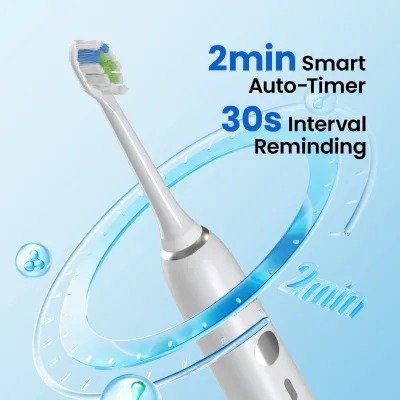
Compare charging type, waterproof rating, brushing style, number of modes, motor speed, timer functions, battery type, and pressure sensors. For example, some rotating models use a rechargeable Ni-MH battery with a two-minute interval timer, while sonic models use synthetic nylon bristles and offer multiple modes. Match the feature set to your target market and price point.
How are electric toothbrushes typically packed for shipment?
Common packing is one product per package or a printed color box, with carton dimensions listed for some models. Confirm carton size, units per carton, gross weight, and whether retail packaging can carry your artwork. Ask for packing photos of a sample shipment so you can verify protection before goods leave the factory.