Wireless Rechargeable Ergonomic Gaming Mouse Suppliers and Manufacturers
Source 28 verified suppliers for Wireless Rechargeable Ergonomic Gaming Mouse products. Compare key dimensions including location, lead times, MOQ, certifications, and pricing to identify suitable partners. Contact suppliers directly to request quotes and verify production capabilities; review the available evidence before requesting comparable quotations from suitable candidates.
Suppliers List

- Verified by TUVRHEINLAND
- Trading Company,Manufacturer/Factory
- China Jiangsu
- Lead time23 days
Main productsMedal, Coin, Lapel Pin, PVC Patch, Embroidery Patch, Keychain, Button Badge, Silicone Wristband, Lanyards, Gift
Main marketsSouth America,Eastern Europe,Mid East,North America,Oceania,Western Europe

Tyshen Technology Co., Limited
- Trading Company,Manufacturer/Factory
- China Guangdong
- Lead time45 days
Main productsComputer Keyboard, Computer Mouse, Powr Bank, Mouse Keyboard, Computer Speaker, Bluetooth Speaker
Main marketsSouth America,Eastern Europe,Mid East,North America,Southeast Asia,Eastern Asia,Western Europe,Africa


Customizable Ergonomic Vertical Wireless Mouse with Silent Click and Adjustable Dpi
$4.50
MOQ: 1000 Pieces


Hot Sale 2.4G&Buetooth Silent Wireless Mouse with LED and Rechargeable Battery
$1.25 - $1.30
MOQ: 100 Pieces
Shenzhen Awireless Electronics Development Limited
- Verified by Intertek
- Manufacturer, Trading Company
- Lead time10 days
- Avg. response≤ 4h
Main productsWireless Keyboard, Keyboard and Mouse Combo, Mouse, Mechanical Keyboard, Stand
Main marketsEastern Asia(54%), North America(15%), Eastern Europe(11%)
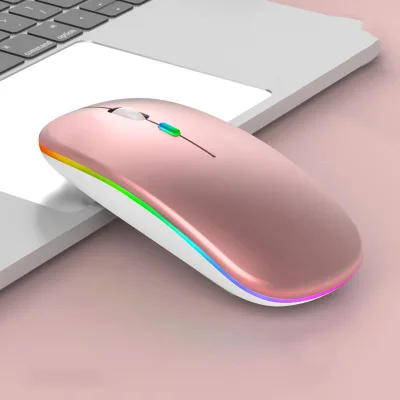
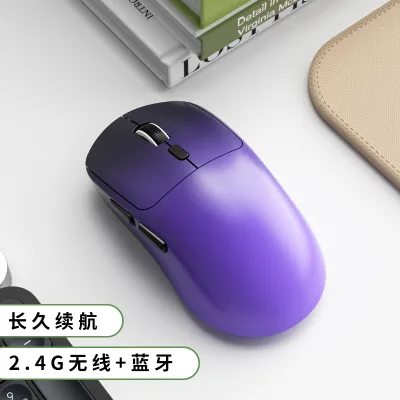
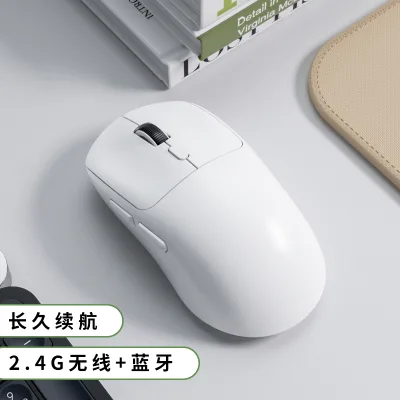
$3.50 - $4.20
MOQ: 10 pieces
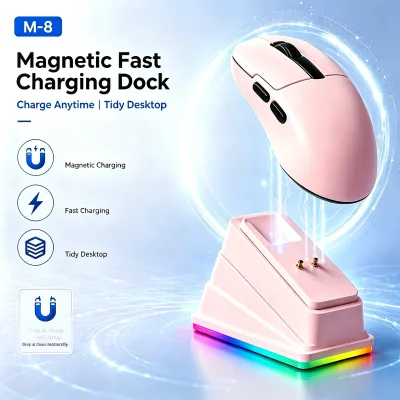

- Verified by SGS
- Trading Company
- China Zhejiang
- Lead time15 days
Main marketsOthers(foreignTradeCapacity.exportBusinessCapacityMarketOther),North America


Hot Selling Ergonomic Rechargeable Wireless Mouse Silent Click Design Multiple Color
$2.43 - $2.71
MOQ: 500 Pieces

Hot Selling Transparent Wireless Bluetooth Mouse Dual Mode Silent Click Gaming Mouse
$3.16 - $3.53
MOQ: 500 Pieces

High Performance Lightweight Wireless Gaming Mouse Bluetooth Mouse Charging Dock
$10.69 - $11.94
MOQ: 100 Pieces
Eastern Times Technology Co., Ltd.
- Verified by TüVRheinland
- Manufacturer, Trading Company
- Lead time35 days
- Avg. response≤ 5h
Main productsMembrane Keyboard, Mechanical Keyboard, Mouse, Keyboard Mouse Combos, Gaming Headset
Main marketsNorth America(40%), South America(20%), Eastern Europe(5%)

Shenzhen Esaker Technology Co., Ltd.
- Verified by SGS
- Manufacturer/Factory
- China Guangdong
- Lead time15 days
Main productsGame Console, Gaming Accessories, Phone Case, Charger, Entertainment Electronics, Game Controller, Game Box, Earphone
Main marketsSouth America,Eastern Europe,Mid East,North America,Southeast Asia,Eastern Asia,Oceania,Western Europe,Africa

$0.98 - $3.36
MOQ: 10 Pieces

Hot Selling Bluetooth Rechargeable 2.4G Gaming Mouse Laptop Computer Silent Wireless Optical Mouse
$0.98 - $3.36
MOQ: 10 Pieces

Custom Rechargeable Bluetooth Mouse 2.4GHz Gaming Office Wireless Mouse for Laptop Computer
$0.98 - $3.36
MOQ: 10 Pieces
Shenzhen Bluewaving Technology Co., Ltd.
- Manufacturer, Distributor/Wholesaler
- Guangdong, China
- Lead time7 days
- Avg. response≤ 4h
Main productsComputer Mouse,Camera
Main marketsNorth America(35.00%), Western Europe(30.00%), Eastern Europe(10.00%), Mid East(10.00%), South Asia(5.00%), Northern Europe(5.00%), Central America(5.00%)

Dongguan Siyaji Electronic Technology Co.,Ltd
- Verified by BV
- Manufacturer
- China Guangdong
- Lead time30 days
Main productsDesktop Wireless Keyboard, Tablet Leather Keyboard Case, iPad Education Keyboard, Folding Bluetooth Keyboard, Keyframe, Keyboard and Mouse Combo, Wired Keyboard, Membrane Keyboard, Wireless Keyboard, Gaming Keyboard

Ergonomic Wireless Bluetooth Computer Mouse for Laptop Rechargeable Battery Silent Mouse
$3.20 - $3.50
MOQ: 1000 Pieces

Ergonomic Wireless Mouse with Silent Clicks, Bluetooth 5.0, and Multi-Device Switching
$3.20 - $3.50
MOQ: 1000 Pieces

Wireless Rechargeable RGB Bluetooth 2.4G Silent Laptop Gaming Mouse Rechargeable Mice for Computer
$4.27 - $4.57
MOQ: 1000 Pieces

Dual-Mode Ergonomic Wireless Bluetooth Mouse, 10m Stable Range, Fast Pairing
$3.20 - $3.50
MOQ: 1000 Pieces


Replace Dry Battery Vertical Mouse, Ergonomic Grip, Reduces Wrist Strain Quietly
$3.20 - $3.50
MOQ: 1000 Pieces
Guangzhou Senbida International Trade Co., Ltd.
- Verified by Intertek
- Trading Company
- Lead time5 days
- Avg. response≤ 7h
Main productsMouse, Keyboard, Hub, Converter, Expansion Dock
Main marketsSoutheast Asia(30%), North America(30%), South America(20%)

NINGBO HAISHU HOPE-U INTERNATIONAL TRADING CO., LTD.
- Manufacturer/Factory
- China Zhejiang
- Lead time45 days
Main productsGift, Beauty Device, Bluetooth Speaker, Skin Care, Cosmetics, Promotional Products, Camping Lamp, Fan, Keyboard and Mouse, Humidifier
Main marketsSouth America,Eastern Europe,North America,Southeast Asia,Western Europe
Dongguan Jinyuteng Hardware Technology Co., Ltd.
- Trading Company
- Guangdong, China
- Lead time5 days
- Avg. response≤ 8h
Main productsKeycaps,Keyboards,Mouse
Main marketsNorth America(8.00%), Western Europe(5.00%), Eastern Europe(5.00%), Northern Europe(5.00%), South America(2.00%)
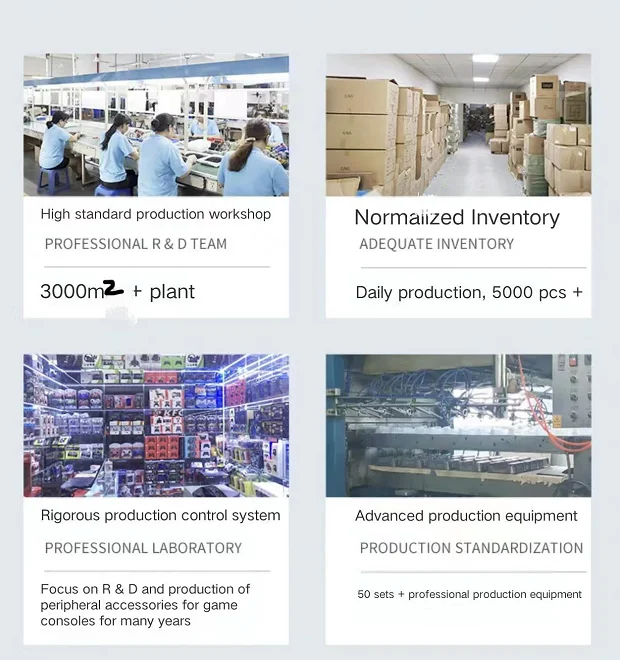
Shenzhen Hengyitong Electronics Co., Ltd.
- Manufacturer, Trading Company, Buying Office, Agent, Distributor/Wholesaler
- Guangdong, China
- Lead time2 days
- Avg. response≤ 2h
Main productsConsumer electronics,game controllers,game accessories,computer accessories,household appliances
Main marketsDomestic Market(35.00%), South America(18.00%), North America(10.00%), Mid East(8.00%), South Asia(5.00%), Southeast Asia(5.00%), Eastern Europe(3.00%), Northern Europe(3.00%), Eastern Asia(3.00%), Southern Europe(3.00%), Western Europe(2.50%), Central America(2.00%), Africa(2.00%), Oceania(0.50%)
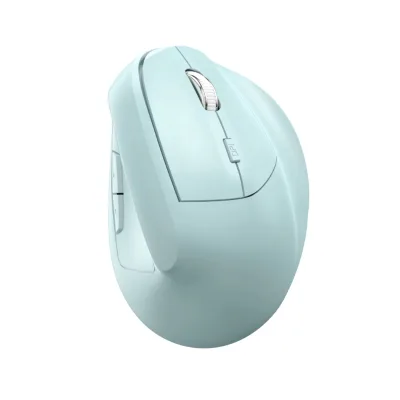
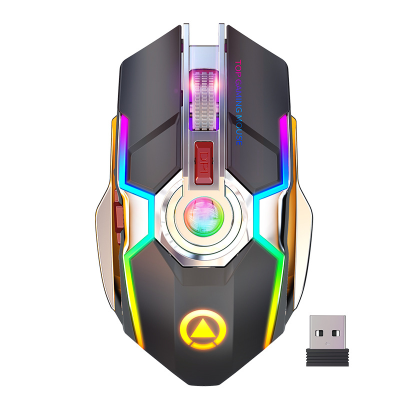
Wireless Mouse Gaming Mouse RGB Mouse
$7.00 - $8.00
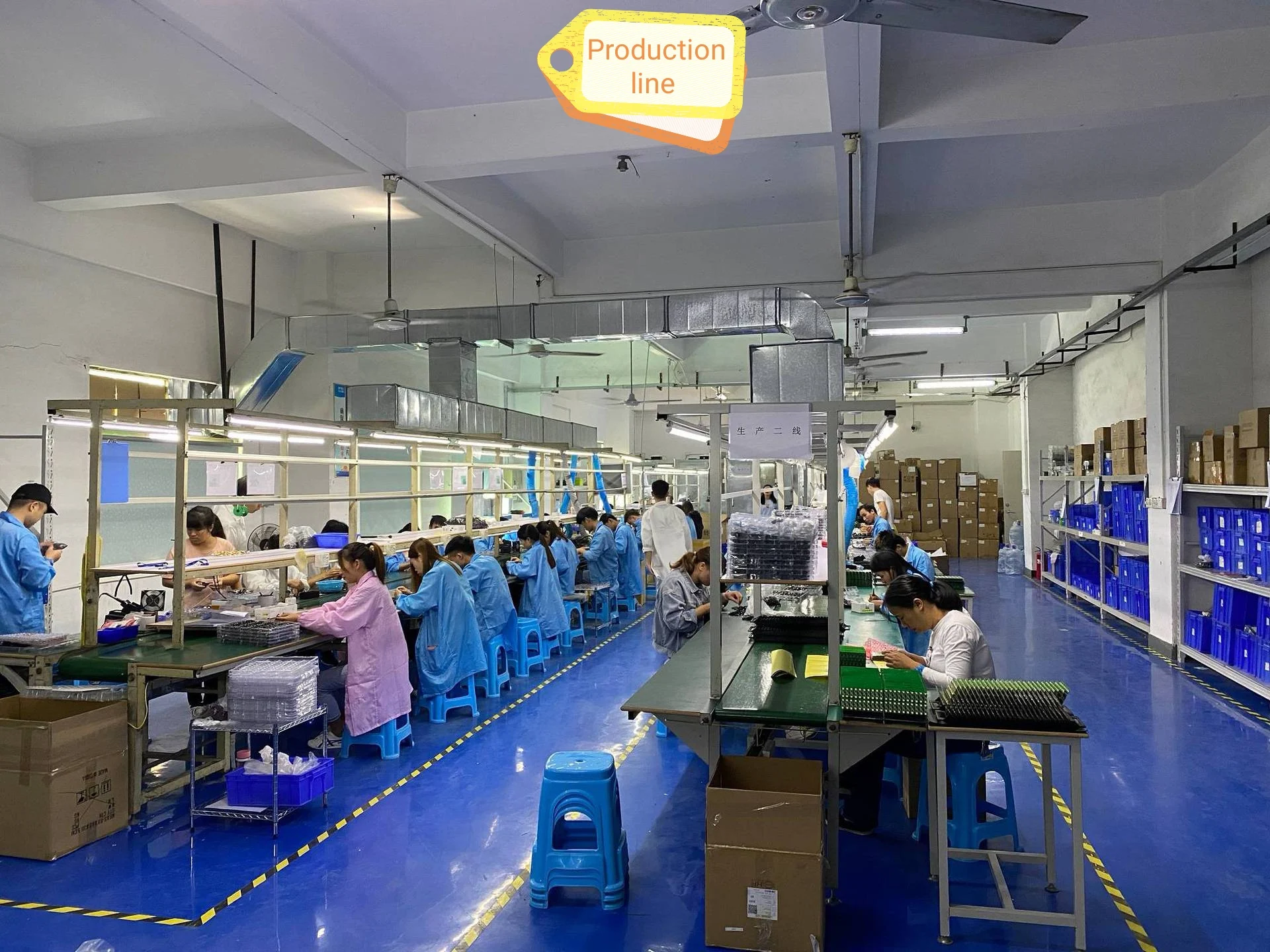
Shenzhen Zone Huanyu Industrial Co., Ltd.
- Manufacturer
- Guangdong, China
- Lead time0 days
- Avg. response≤ 5h
Main productsTool Battery Charger,Battery Adapter,Mobile Phone Accessories,Customer Electronics,Other Hot Sale Products
Main marketsNorth America(45.00%), Western Europe(34.00%), Southeast Asia(20.00%), Africa(1.00%)
Shenzhen Chuangxin Reciprocal Electronic Technology Co., Ltd.
- Manufacturer, Trading Company, Distributor/Wholesaler
- Guangdong, China
- Lead time15 days
- Avg. response≤ 1h
Main productsElectronics Sales,Audio equipment sales,Domestic and foreign trade agency,Goods import and export,Luggage Bags & Cases
Main marketsWestern Europe(40.00%), Northern Europe(10.00%), North America(10.00%), South Asia(10.00%), Eastern Europe(10.00%), South America(10.00%), Eastern Asia(5.00%), Southern Europe(5.00%)
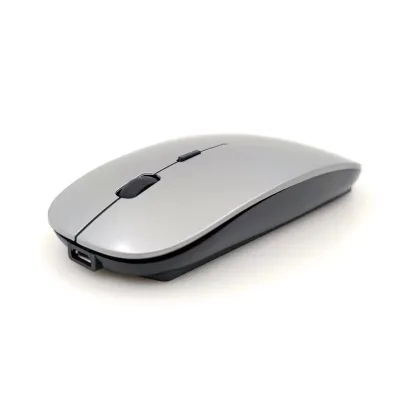
2024 Hot Sale Silent Wireless BT Mouse Rechargeable 2.4G Slim Portable Ergonomic Wifi Mouse
$3.30 - $4.50
MOQ: 5 pieces
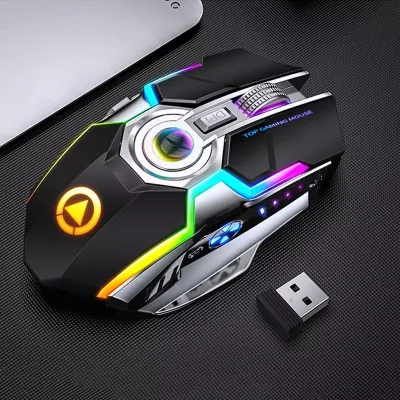
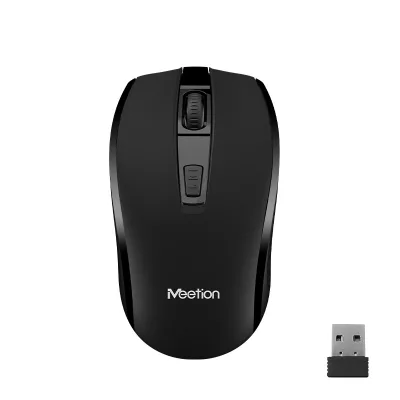
OEM Wholesale USB 2.4GHz Wireless Mouse Classic High-quality Wireless Mouse
$2.25 - $2.80
MOQ: 50 pieces
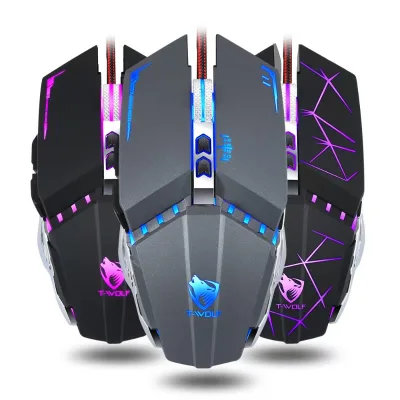

Shenzhen Sparky Technology Co., Ltd
- Verified by CTI
- Trading Company
- China Guangdong
- Lead time30 days
Main productsTranslator, Mouse
Main marketsSoutheast Asia/ Mideast,East Asia(Japan/ South Korea),Europe,Australia

Ergonomic Smart Wireless Mouse for Enhanced Productivity and Precision
$25.00 - $35.00
MOQ: 100 Pieces


Shenzhen Huihan Technology Co.,ltd.
- Manufacturer, Trading Company
- Guangdong, China
- Lead time15 days
- Avg. response≤ 6h
Main productsFacial Beauty Device,Hair Removal Device,Beauty Mask,health gift,business gift
Main marketsNorthern Europe(15.00%), Southeast Asia(15.00%), North America(15.00%), Mid East(10.00%), Southern Europe(5.00%), Eastern Europe(5.00%), Central America(5.00%), Western Europe(5.00%), Eastern Asia(5.00%), South America(5.00%), Oceania(5.00%), Africa(5.00%), South Asia(3.00%), Domestic Market(2.00%)
$5.20 - $6.00
MOQ: 50 pieces

- Verified by BV
- Manufacturer/Factory
- China Guangdong
- Lead time0 days
Main productsBluetooth Speaker, USB Flash Disk, Bluetooth Headphone, Power Bank, Touch Pen, Memory Card, Data Cable
Main marketsSouth America,Eastern Europe,Mid East,North America,Southeast Asia,Eastern Asia,Oceania,Western Europe,Africa


$1.60 - $2.00
MOQ: 100 Pieces

Guangzhou Jiediao Electronic Technology Co., Ltd.
- Manufacturer, Trading Company
- Guangdong, China
- Lead time45 days
- Avg. response≤ 2h
Main productsKeyboard, Headset, Mouse, Speaker, Bluetooth Earphones
Main marketsMid East(15.00%), Southeast Asia(15.00%), North America(10.00%), South America(10.00%), Eastern Asia(10.00%), Central America(10.00%), Eastern Europe(10.00%), South Asia(5.00%), Oceania(5.00%), Africa(5.00%), Domestic Market(5.00%)
Shenzhen Deying E-Commerce Limited.
- Verified by Intertek
- Trading Company
- Guangdong, China
- Lead time30 days
- Avg. response≤ 2h
Main productsKeyboard, Mouse, Key Cap
Main marketsNorth America(65%), South America(8%), Eastern Europe(5%)
Guangdong Superb International Technology Co., Ltd.
- Verified by SGS Group
- Manufacturer, Trading Company
- Yunnan, China
- Lead time20 days
- Avg. response≤ 2h
Main productsWater Bottle, Video Booklet, Gift Sets, Film Camera, Promotion Gifts
Main marketsNorth America(40%), South America(15%), Eastern Europe(10%)
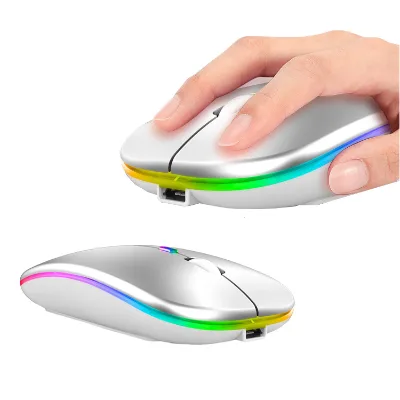
Custom Wireless Led Mouse Portable USB Rechargeable Dual Model RGB Light up Mouse for Gaming
$1.77 - $2.22
MOQ: 50 Minimum
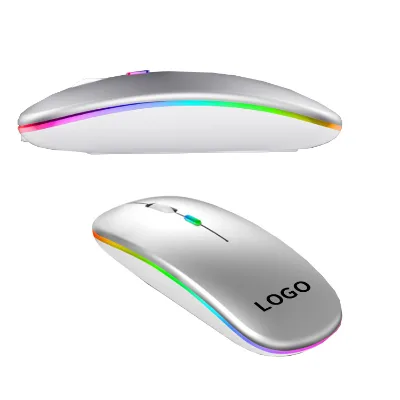
Custom Logo Computer Mouse LED Light RGB Wireless Rechargeable Slim Mouse for PC
$1.77 - $2.22
MOQ: 50 Minimum
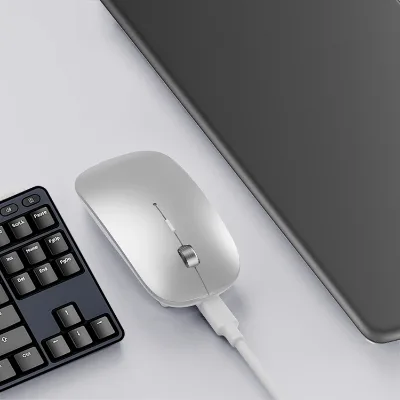
Rechargeable Wireless Mouse Custom Logo Dual Model Plastic USB Charging Wireless Mouse for Computer
$1.77 - $2.22
MOQ: 50 Minimum

- Verified by SGS
- Trading Company,Manufacturer/Factory,Other
- China Zhejiang
- Lead time38 days
Main productsBath Mat, Cushion, Wooden Toys, Fitness Equipment, Cosmetic Bag, Luggage, Festival Products, Gym Items, Face Mask, Paracord Bracelet
Main marketsSouth America,Eastern Europe,Mid East,North America,Southeast Asia,Eastern Asia,Oceania,Western Europe,Africa
Shenzhen Kingstar Electronic Commerce Co., Ltd.
- Manufacturer, Trading Company
- Guangdong, China
- Lead time15 days
- Avg. response≤ 4h
Main productsEarphone,Personal Care,Massage Gun,Speaker,Smart Watch
Main marketsNorth America(50.00%), Northern Europe(20.00%), Eastern Europe(10.00%), Eastern Asia(10.00%), Oceania(10.00%)
Shenzhen Kingstar Industrial Co., Ltd.
- Trading Company
- Guangdong, China
- Lead time15 days
- Avg. response≤ 13h
Main productsTWS Earphone,Bluetooth Speaker,Mini Fan,Massage Gun,Smart Watches
Main marketsNorth America(44.00%), Eastern Europe(22.00%), South America(22.00%), Southeast Asia(12.00%)

Quanzhou E-Best International Trade Co., Ltd.
- Verified by BV
- Trading Company
- China Fujian
- Lead time30 days
Main productsBluetooth Speaker, Phone Case, Power Bank, Beauty Device, Portable Projector, IP Poe Camera, Mouse, Air Fryer, Razors, Wireless Headphones
Main marketsNorth America

Wireless Mouse 2.4G Bluetooth Dual-Mode Silent RGB Breathing Light 7-Button Wireless Gaming Mouse
$5.17 - $5.82
MOQ: 20 Pieces


$5.54 - $6.23
MOQ: 20 Pieces


Mouse New Dual-Mode Wireless Mouse: Rechargeable, Silent, Bluetooth, for Office and Laptops
$1.70 - $2.10
MOQ: 20 Pieces

Gaming Mouse Wireless Bluetooth Charging Gaming Mouse - Lightweight Design
$7.20 - $8.10
MOQ: 20 Pieces
Shenzhen Keyceo Tech Co., Limited
- Manufacturer, Trading Company
- Guangdong, China
- Lead time30 days
- Avg. response≤ 7h
Main productsMechanical Keyboard,Gaming Keyboard,Gaming Headset,Gaming Mouse Pad,Mouse
Main marketsEastern Europe(30.00%), Southern Europe(15.00%), Western Europe(15.00%), South America(15.00%), North America(15.00%), Eastern Asia(10.00%)

Changzhou Sitan Imp. and Exp. Co., Ltd.
- Verified by BV
- Trading Company
- China Jiangsu
- Lead time15 days
Main productsFitness Equipment, Barbell Series, Resistance Bands, Agility & Speed, Yoga Ball, Massage Series, Power Rack, Weight Ball, Charging Notebook, Custom Logo Goods
Main marketsSoutheast Asia/ Mideast,Domestic,Europe,North America

Personalized Wireless Vertical Mouse 2.4GHz Ergonomic Design for Comfortable Grip
$1.30 - $2.00
MOQ: 50 Pieces

2.4GHz Custom Vertical Ergonomic Mouse Wireless with Comfort Grip to Reduce Muscle Strain
$1.30 - $2.00
MOQ: 50 Pieces

Custom Logo 2.4GHz Ergonomic Wireless Mouse Vertical Design for Muscle Strain Relief
$1.30 - $2.00
MOQ: 50 Pieces

Shenzhen Ainville Electronics Co.,Ltd.
- Verified by SGS
- Trading Company
- China Guangdong
- Lead time15 days
Main productsEarphone, Phone, Headphone, Wireless Earbud, Bluetooth Earphone, Mobile Phone Accessory, Bluetooth Headphone, Accessory, Mobile Phone Case, Rechargeable Battery
Main marketsSoutheast Asia/ Mideast,Europe,North America

1: 1 Wireless Ultra-Thin Mouse Rechargeable Silent Touch Mice Magic Mouse
$50.00 - $65.00
MOQ: 10 Pieces


Wireless Bluetooth Magice Mouse 2 Rechargeable Portable Silent Control Desktop Laptop Universal
$70.00 - $80.00
MOQ: 10 Pieces

Guangzhou Kevin Electronic Co., Ltd.
- Manufacturer, Trading Company, Agent
- Guangdong, China
- Lead time10 days
- Avg. response≤ 1h
Main productsLaptop Stand/Table,Laptop cooling pad,BT Wireless Speaker,Wireless Charger,phone stand
Main marketsNorth America(18.00%), Western Europe(15.00%), Central America(10.00%), Northern Europe(10.00%), Eastern Asia(9.00%), Southeast Asia(8.00%), South America(6.00%), South Asia(5.00%), Southern Europe(5.00%), Eastern Europe(5.00%), Mid East(4.00%), Africa(4.00%), Oceania(1.00%)




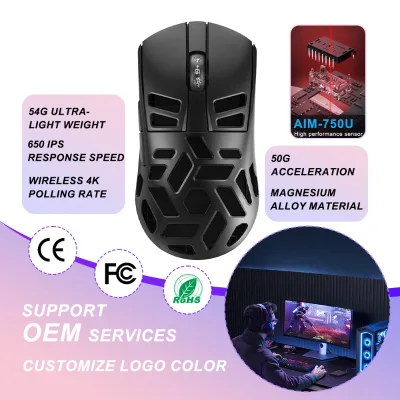
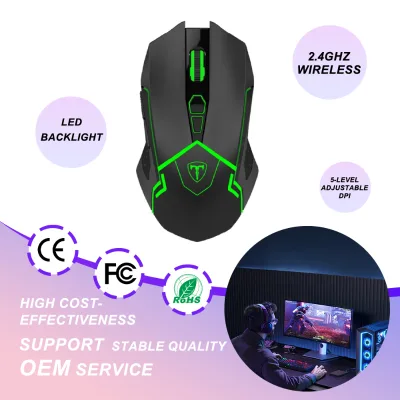
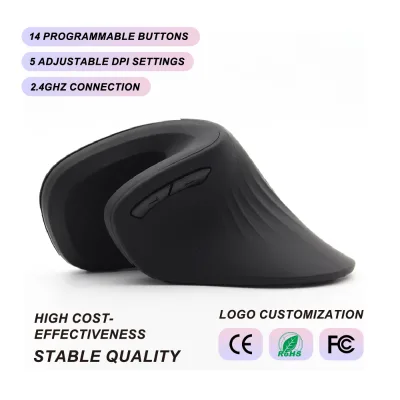
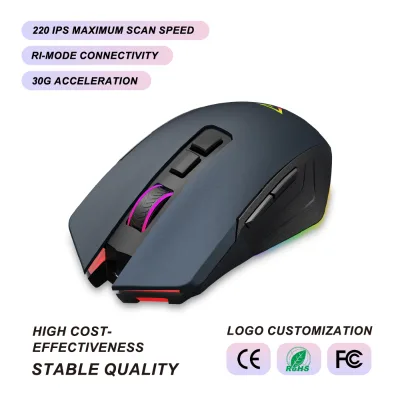


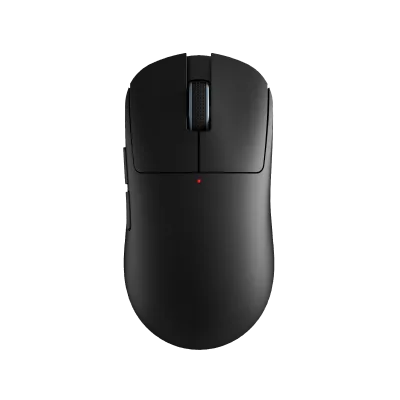
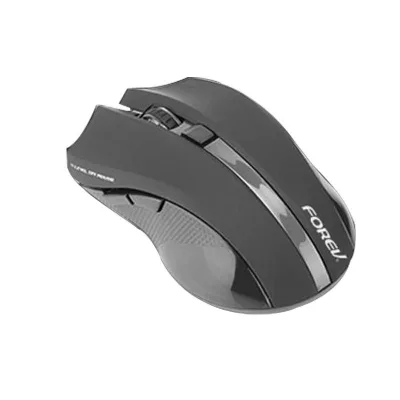
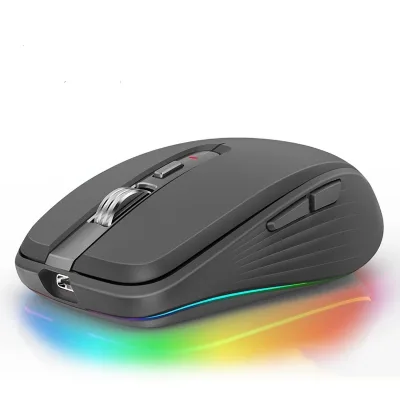
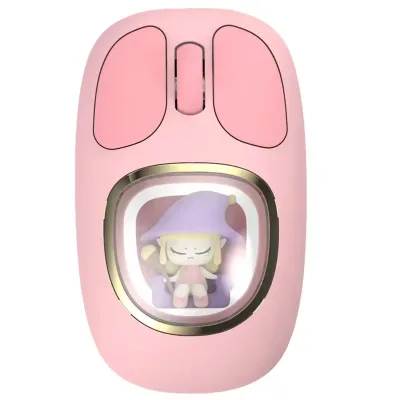
Comprehensive Sourcing Guide
Wireless Rechargeable Ergonomic Gaming Mouse Supplier Concentration and Factory Types
Current data indicates that verified manufacturing capabilities for wireless rechargeable ergonomic gaming mice are concentrated in specific Chinese provinces, with Jiangsu and Guangdong emerging as primary hubs for this category. Suppliers in these regions often operate as a hybrid of trading companies and manufacturers, offering a blend of direct factory production and supply chain management services. This dual structure allows buyers to access a wider range of product variations, from basic ergonomic designs to complex gaming peripherals with RGB lighting and dual-mode connectivity. The presence of ODM and OEM capacities suggests that many facilities can handle custom branding and design modifications, which is critical for buyers seeking unique product differentiation in the competitive gaming hardware market.
When evaluating the factory types, it is essential to distinguish between pure trading entities and those with actual production lines. Some suppliers list extensive main product portfolios including medals, coins, and patches alongside computer hardware, which may indicate a broader trading scope rather than specialized manufacturing. Conversely, suppliers focusing strictly on computer keyboards, mice, and speakers often demonstrate deeper technical expertise in electronic assembly. Buyers should verify if the facility possesses specific R&D capabilities for ergonomic designs and wireless charging integration. The availability of certifications like ISO 9001 and ISO 14001 often correlates with established manufacturing processes, though the specific nature of the factory should be confirmed through direct inquiry rather than assumed from the product listing alone.
How to Verify Wireless Rechargeable Ergonomic Gaming Mouse Suppliers
Verification of supplier credibility relies heavily on third-party audit reports and specific system certifications rather than general claims. In the current dataset, certain suppliers display verification status from recognized bodies like TÜV Rheinland, which serves as a concrete indicator of operational compliance and quality management systems. Buyers should prioritize suppliers who explicitly list certifications such as BSCI, OHSAS 18001, or ISO 9001, as these demonstrate adherence to international labor, safety, and quality standards. However, the presence of a certification label does not guarantee the specific product quality; therefore, buyers must cross-reference these credentials with the actual product specifications provided, such as DPI ratings, battery capacity, and material composition, to ensure the supplier can deliver the required technical performance.
Beyond certifications, the verification process must include a rigorous check of product attributes and customization capabilities. The data shows that some suppliers offer specific models with defined attributes like 2000 DPI, Bluetooth connectivity, and rechargeable polymer batteries, while others provide generic wireless options. Buyers should request detailed product evidence, including packing dimensions, weight, and specific model numbers like A079 or MSX-011, to confirm the supplier's ability to meet exact technical requirements. It is also crucial to verify the origin of the product, as some listings specify Shenzhen or other specific cities within China, which can impact logistics and quality control. If a supplier claims customization availability, buyers must confirm the feasibility of modifying interfaces, button counts, or ergonomic shapes before proceeding with any order.
What to Compare Across Wireless Rechargeable Ergonomic Gaming Mouse Suppliers
Comparing suppliers requires a systematic analysis of key operational metrics such as lead times, minimum order quantities, and pricing structures. The observed data reveals significant variance in production timelines, with some suppliers indicating a lead time of 23 days while others require up to 45 days for order fulfillment. This difference can drastically impact inventory planning and time-to-market strategies for buyers. Additionally, minimum order quantities (MOQ) vary widely, ranging from 100 units for certain models to 1000 units for others. Buyers must align these MOQs with their budget and sales forecasts, as higher volume requirements may be necessary to secure lower unit prices, which currently range from approximately $1.75 to $9.16 depending on the model and feature set.
Pricing and customization options are equally critical factors in the comparison process. While some suppliers offer fixed pricing for specific models, others provide a price range that reflects different customization levels or order volumes. The availability of features like RGB lighting, silent clicks, and dual-mode connectivity often influences the final cost. Buyers should also evaluate the supplier's response to specific product attributes, such as the number of buttons, tracking technology, and battery type. For instance, a supplier offering a 250mAh polymer battery may have different cost implications compared to one using standard AAA batteries. It is vital to request detailed quotes that break down costs for customization, packaging, and shipping to ensure a transparent comparison of the total landed cost across different potential partners.
Common Wireless Rechargeable Ergonomic Gaming Mouse Sourcing Risks
One of the primary risks in sourcing wireless rechargeable ergonomic gaming mice involves the discrepancy between advertised specifications and actual product performance. The market contains products with varying DPI settings, connection types, and battery capacities, and buyers must be vigilant against suppliers who may overstate technical capabilities. For example, a listing might claim a specific DPI or battery life that is not consistent with the actual product evidence provided. Buyers should insist on receiving physical samples or detailed test reports to verify claims regarding tracking accuracy, wireless range, and charging efficiency before committing to large orders. Relying solely on product descriptions without independent verification can lead to significant quality issues and customer dissatisfaction.
Another significant risk relates to supply chain consistency and the ability to meet delivery deadlines. The observed lead times of 23 to 45 days indicate that production schedules can vary considerably, and delays may occur due to raw material shortages or capacity constraints. Suppliers with mixed product portfolios, such as those also manufacturing medals or patches, may face capacity allocation issues that could delay the production of electronic components. Furthermore, the lack of standardized packaging or labeling across different suppliers can complicate logistics and customs clearance. Buyers should establish clear communication channels to monitor production progress and ensure that all product standards, such as CE, ROHS, and FCC compliance, are met to avoid regulatory hurdles in the destination market.
Wireless Rechargeable Ergonomic Gaming Mouse Regional Sourcing and Logistics
Regional sourcing strategies must account for the specific geographic locations of suppliers, which are currently identified as Jiangsu and Guangdong in China. These regions offer distinct logistical advantages, with Guangdong often serving as a hub for electronics manufacturing and export, while Jiangsu provides a strong industrial base for various consumer goods. Buyers should consider the proximity of the supplier to major ports and transportation networks when evaluating shipping costs and transit times. The origin of the product, whether specified as Shenzhen or another city within these provinces, can influence the efficiency of the supply chain and the availability of local support for quality control inspections. Understanding the regional context helps in planning more effective logistics strategies and mitigating potential delays.
Logistics planning also involves careful consideration of packaging and shipping dimensions, which vary significantly across different suppliers and product models. The data indicates that packing standards can range from color paper boxes to blister packs, with carton dimensions and weights affecting freight costs. For instance, some products are packed at 200 pieces per carton with specific weight limits, while others may have different configurations. Buyers need to calculate the total volume and weight of their orders to optimize container loading and reduce shipping expenses. Additionally, the origin country's export regulations and any potential trade barriers must be factored into the logistics plan. Ensuring that the packaging meets international standards and protects the product during transit is essential for maintaining product integrity and minimizing damage claims.
Wireless Rechargeable Ergonomic Gaming Mouse Commercial Terms and Order Planning
Commercial terms and order planning are fundamental to a successful sourcing strategy, requiring a clear understanding of payment structures, delivery schedules, and contractual obligations. The observed data suggests that suppliers may have varying MOQs and lead times, which necessitates careful financial planning to manage cash flow and inventory levels. Buyers should negotiate terms that align with their production cycles, ensuring that the lead time of 23 to 45 days is factored into their overall project timeline. It is also important to clarify the payment terms, such as whether escrow services are available or if specific deposit percentages are required before production begins. These details help in establishing a secure transaction environment and protecting the buyer's investment.
Order planning must also address the customization and branding requirements that are often central to the gaming mouse market. Suppliers offering ODM and OEM services provide opportunities for product differentiation, but these services come with additional costs and lead time considerations. Buyers should plan for the time required to finalize design specifications, approve samples, and adjust production schedules to accommodate custom features like specific button layouts or ergonomic shapes. Furthermore, the availability of certifications and compliance standards must be integrated into the order planning process to ensure that the final product meets all regulatory requirements in the target market. By carefully managing these commercial and operational aspects, buyers can streamline their sourcing process and achieve their business objectives efficiently.
FAQs
What is the lead time for wireless ergonomic mice?
Lead times vary by supplier, with observed durations of 23 days and 45 days. Buyers should confirm specific timelines before ordering. Some manufacturers offer faster production while others require longer periods for custom designs. Always verify the current schedule with the vendor.
What are the minimum order quantities for these mice?
Minimum order quantities range from 100 units to 1000 units depending on the supplier and product model. Some vendors accept small batches of 100 pieces, while others require orders of 1000 units. Check the specific listing to ensure your volume meets their requirements.
Which certifications do these suppliers hold?
Suppliers hold various certifications including ISO 9001, ISO 14001, BSCI, and OHSAS 18001. Some also possess GMP, HSE, and QC 080000 standards. Verification bodies like TÜV Rheinland may confirm these credentials. Buyers should request proof of specific certifications relevant to their market.
Where are the manufacturers of these mice located?
Manufacturers are primarily located in China, specifically in Jiangsu and Guangdong provinces. Some products originate from Shenzhen. Buyers should verify the exact factory location to assess shipping costs and logistics. Geographic proximity can impact delivery speed and import duties.
What is the price range for wireless gaming mice?
Prices range from 1.75 USD to 9.16 USD per unit based on features and customization. Specific models like the 6D gaming mouse are priced around 2.00 USD, while others reach 9.16 USD. Bulk orders often influence the final unit cost. Always request a quote for your specific quantity.
Can these mice be customized for branding?
Customization is available for many models, allowing for logo printing and design changes. Suppliers offer ODM and OEM services to meet specific branding needs. Buyers should confirm customization options and associated costs before placing an order. Some models support full design alterations.
What connection types are available for these mice?
Available connection types include Bluetooth, 2.4G Wireless, and USB interfaces. Some models support dual-mode connectivity for flexibility. Buyers should select the type that matches their device compatibility. Ensure the dongle or Bluetooth version works with your operating system.