With Elastic Around Disposable Hair Net Suppliers and Manufacturers
Source 21 verified suppliers for With Elastic Around Disposable Hair Net. Compare grounded dimensions including ISO 9001 and ISO 13485 certifications, China Hubei and Anhui locations, and response times. Verify specific MOQs and lead times directly with factories; review the available evidence before requesting comparable quotations from suitable candidates.
Suppliers List

- Verified by BV
- Manufacturer/Factory
- China Hubei
- Lead time23 days
- Avg. response≤ 8h
Main productsDisposable Medical Supplies, Disposable Nonwoven Products, Disposable Polyethylene Products, Disposable Paper Consumables
Main marketsSouth America,Eastern Europe,Mid East,North America,Southeast Asia,Eastern Asia,Oceania,Western Europe,Africa

Xiantao Topmed Nonwoven Protective Products Co., Ltd.
- Verified by BV
- Combined
- China Hubei
- Lead time23 days
- Avg. response≤ 3h
Main productsSurgical Gown, Surgical Pack, Surgical Drape, Lsolation Gown, Lab Coat, Disposable Coverall, Bed Sheet, Disposable Cap, Face Mask, Dental Bib
Main marketsSouth America,Europe,North America

Anhui Guohong Industrial and Trading Co., Ltd.
- Verified by BV
- Combined
- China Anhui
- Lead time15 days
- Avg. response≤ 14h
Main productsFace Mask, Disposable Glove, Coverall, Bouffant Cap, Hairnet, Lab Coat, Shoe Cover, PE Apron, Sleeve Cover, Surgical Gown
Main marketsSouth America,Southeast Asia/ Mideast,Europe,North America

Wuhan Raytex Protection Co., Ltd.
- Verified by SGS
- Manufacturer/Factory
- China Hubei
- Lead time90 days
- Avg. response≤ 5h
Main productsShoe Cover, Disposable Coverall, Face Mask, Bouffant Cap, Lab Coat, Surgical Gown, Overshoes, Mob Cap, Hood, Respirator
Main marketsSouth America,Eastern Europe,Mid East,North America,Southeast Asia,Eastern Asia,Oceania,Western Europe,Africa

HUBEI HEALTHWELL PROTECTIVE PRODUCTS CO., LTD.
- Verified by SGS
- Trading Company,Manufacturer/Factory
- China Hubei
- Lead time23 days
- Avg. response≤ 12h
Main productsHeadphone Cover, Coverall, Isolation Gown, Lab Coat, Bouffant Cap, Shoe Cpver, Surgical Gown, Face Mask, Clip Cap, Surgical Packs
Main marketsSouth America,Eastern Europe,Mid East,North America,Southeast Asia,Eastern Asia,Oceania,Western Europe,Africa

Yangzhou Super Union Medical Material Co., Ltd.
- Combined
- China Jiangsu
- Lead time15 days
- Avg. response≤ 12h
Main productsGauze Swab, Sterile Gauze Sponge, Lap Sponge, Non Woven Sponge, Gauze Roll, Sterile Non Woven Swab, Paraffin Gauze, Gauze Bandage, Triangel Bandage, Cotton Wool
Main marketsSouth America,Africa,Others(foreignTradeCapacity.exportBusinessCapacityMarketOther),Southeast Asia/ Mideast,East Asia(Japan/ South Korea),Domestic,Europe,Australia,North America

HUBEI BEST IMPORT AND EXPORT CO., LTD.
- Verified by TUVRHEINLAND
- Trading Company
- China Hubei
- Lead time0 days
- Avg. response≤ 2h
Main productsNon Woven Face Mask, Disposable Cap, Disposable Shoe Cover, Disposable Gown, Disposable Coverall, Disposable Lab Coat, Disposable Bed Sheet Sets, Disposable KN95 Mask, Disposable Scrub Suits, Non Woven Farbics
Main marketsSouth America,Africa,Southeast Asia/ Mideast,Europe,North America


$0.02 - $0.02
MOQ: 100000 Pieces

Factory Price Disposable Hair Net Black White Head Cover with Elastic
$0.00 - $0.01
MOQ: 100000 Pieces

Hubei Mingerkang Health & Safety Appliances Co., Ltd.
- Verified by SGS
- Trading Company,Manufacturer/Factory
- China Hubei
- Lead time23 days
- Avg. response≤ 5h
Main productsFace Mask, Shoe Cover, Protective Clothing, Isolation Gown, Bouffant Cap, Surgical Gown, Lab Coat, Disposable Coverall, Disposable Face Mask, Medical Face Mask
Main marketsSouth America,Eastern Europe,Mid East,North America,Southeast Asia,Eastern Asia,Oceania,Western Europe,Africa

Anhui Guohong Industrial & Trading Co., Ltd.
- Manufacturer, Trading Company
- Anhui, China
- Lead time45 days
- Avg. response≤ 6h
Main productsnitrile glove,PE gloves,bouffant cap,disposable coverall,face mask
Main marketsMid East(20.00%), South America(20.00%), North America(20.00%), Northern Europe(10.00%), Western Europe(10.00%), Oceania(5.00%), Africa(5.00%), Eastern Asia(5.00%), Southeast Asia(5.00%)

Ammex-Weida (Hubei) Health and Safety Products Co., Ltd.
- Verified by SGS
- Combined
- China Hubei
- Lead time23 days
- Avg. response≤ 11h
Main productsMedical Face Mask, Isoaltion Gown, CPE Gown, Cap, Shoe/Boot Covers, Lab Coat, Scrub Suit, Oversleevs, Apron, Bed Sheet
Main marketsSouth America,Africa,Southeast Asia/ Mideast,East Asia(Japan/ South Korea),Europe,Australia,North America

Disposable Use Nylon Hairnet with Single Elastic for Gathering Hair and Keep Sanitary
$0.02 - $0.03
MOQ: 30000 Pieces

$0.02 - $0.03
MOQ: 30000 Pieces

China Wholesale Single Use Nylon Hairnet/Breathable Disposable Use Nylon Hairnet for Sanitary
$0.02 - $0.03
MOQ: 30000 Pieces

Hubei Healthwell Protective Products Co., Ltd.
- Verified by SGS Group
- Trading Company
- Lead time30 days
Main productsHeadphone Cover, Coverall, Lab Coat, Disposable Cap, Shoe Cover
Main marketsNorth America(20%), South America(20%), Northern Europe(20%)

Zhejiang Safetree Industry Tech Co., Ltd.
- Trading Company
- China Zhejiang
- Lead time23 days
- Avg. response≤ 10h
Main productsPPE, Safety Shoes, Safety Gloves, Safety Glasses, Safety Boots, Safety Helmets, Safety Cone, Coverall, Mask, Harness
Main marketsSouth America,Africa,Southeast Asia/ Mideast,East Asia(Japan/ South Korea),Domestic,Europe,Australia,North America

Disposable Black White Hair Net Cover Nylon Hair Net Cover Disposable Hair Net
$0.04 - $0.05
MOQ: 50000 pcs

Disposable Nylon Hair Net White Black Hair Net Cover Nylon Hair Net Cover Disposable Hair Net
$0.04 - $0.05
MOQ: 50000 pcs
Hubei Ruichen Protective Products Co., Ltd
- Verified by CTI
- Combined
- China Hubei
- Lead time23 days
- Avg. response≤ 3h
Main marketsDomestic,Europe


Disposable Breathable Honeycomb Nylon Hair Nets Hair Cover White Blue Black Brown
$0.02 - $0.03
MOQ: 100000 Pieces

Wellmien Healthcare Tech. (Suzhou) Co., Ltd.
- Verified by BV
- Trading Company
- China Jiangsu
- Lead time15 days
- Avg. response≤ 3h
Main productsUnderpads, Surgical Pack, Wound Care, Emergency Blanket, Face Masks, Surgical Masks, Shoe Cover, First Aid Product, Emergency Transfer Sheet, Body Bag
Main marketsSouth America,Southeast Asia/ Mideast,Europe

Anhui Jinye Industrial Co., Ltd.
- Trading Company,Manufacturer/Factory
- China Anhui
- Lead time120 days
- Avg. response≤ 6h
Main productsFace Mask, Nitrile Glove, PE Glove, PE Apron, CPE Gown, Coveralls, Disposable Isolation Gown, Shoe Cover, Lab Coat, Clip Cap
Main marketsSouth America,Eastern Europe,Mid East,North America,Southeast Asia,Eastern Asia,Oceania,Western Europe,Africa


High Quality Disposable Hair Nets Nylon Hair Net for Food Making Factory
$0.01 - $0.03
MOQ: 50000 Pieces

Disposable Nylon Breathable Honeycomb Hair Net Invisible Mesh Hair Net
$0.01 - $0.03
MOQ: 50000 Pieces

21" Food Beauty Industry Disposable Biodegradable Nylon Mesh Hair Net Head Cover Hair Nets
$0.01 - $0.03
MOQ: 50000 Pieces


Xiantao Tongda Non-Woven Products Co., Ltd.
- Verified by CTI
- Combined
- China Hubei
- Lead time23 days
- Avg. response≤ 4h
Main productsNon Woven Fabric, Medical Face Mask, Disposable Face Mask, Mob Cap, Bouffant Cap, Isolation Gown, Surgical Gown, Coverall, Disposable Bed Sheet/Cover, Disposable Shoe Cover
Main marketsSouth America,Africa,Southeast Asia/ Mideast,East Asia(Japan/ South Korea),Domestic,Europe,North America

Anti Dust Head Cover disposable non woven Bouffant Cap Non Woven Disposable Hair Nets
$0.01 - $0.02
MOQ: 200000 Pieces


Suzhou Jiekon Puri-Tech Co., Ltd.
- Verified by TUVRHEINLAND
- Trading Company
- China Jiangsu
- Lead time15 days
- Avg. response≤ 25h
Main productsMicrofiber Cleanroom Wiper, Cleanroom Wiper, Sticky Mat, Finger Cot, Anti Static Clothes, Anti Static Fabric
Main marketsDomestic

Xuchang Leyide Import And Export Trading Co., Ltd.
- Trading Company,Manufacturer/Factory
- China Henan
- Lead time23 days
- Avg. response≤ 4h
Main productsHair Products, Wig Making Tools, Remy Human Hair, Mannequin, Stand Tripod, Synthetic Hair Extensions, Wigs, Virgin Human Hair, Satin Wig Bonnet, Lace Glue
Main marketsSouth America,Eastern Europe,Mid East,North America,Southeast Asia,Eastern Asia,Oceania,Western Europe,Africa

Disposable Black Big Net Nylon Hair Net Invisible Soft Elastic Lines Hairnets for Packing Wigs
$0.60 - $0.70
MOQ: 10 Rolls

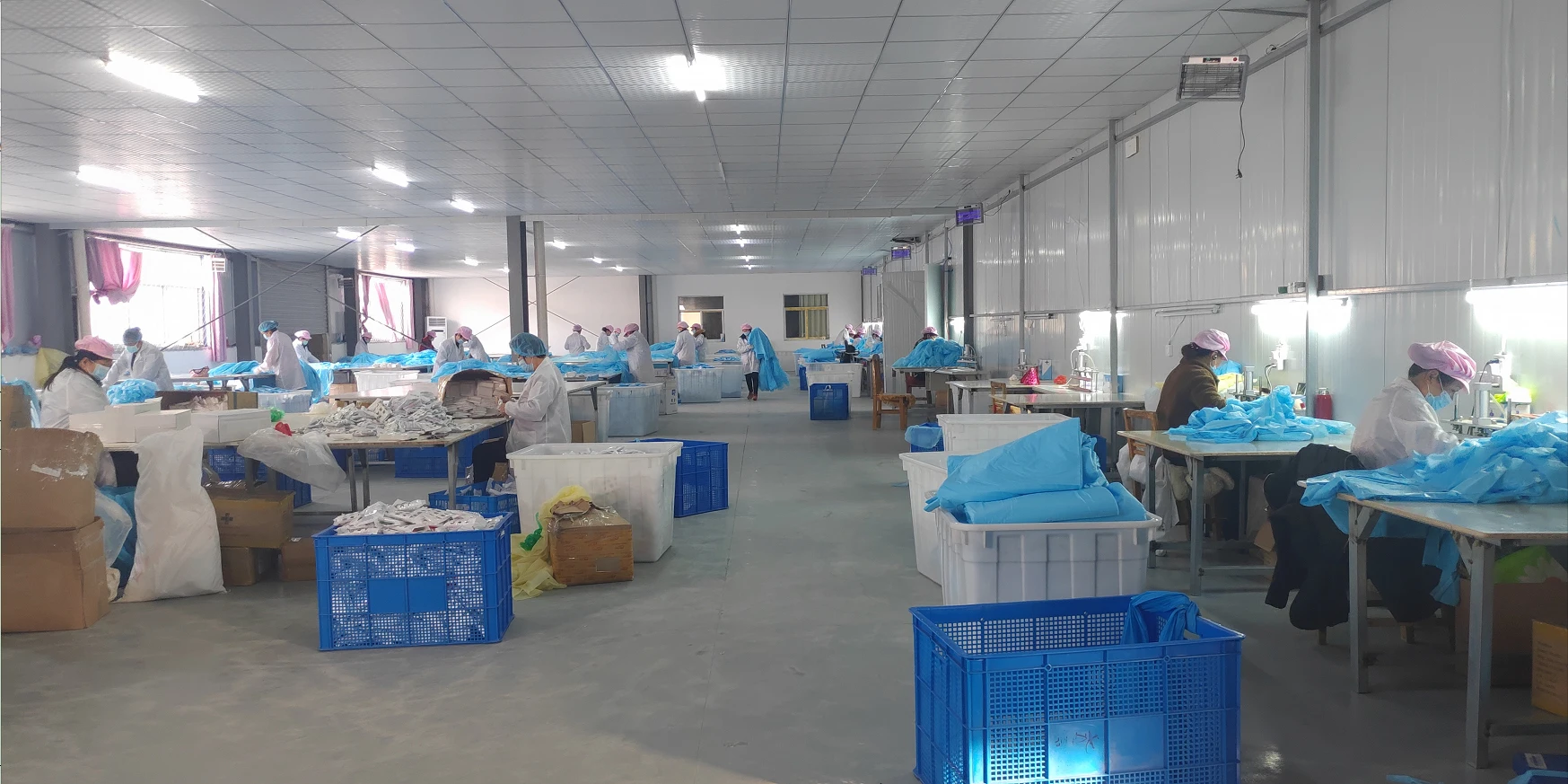
Anhui Haotai Protective Equipment Co., Ltd.
- Manufacturer
- Anhui, China
- Lead time5 days
- Avg. response≤ 4h
Main productsDisposable Bouffant Cap/Disposable Gown(Apron)/Disposable Shoe Cover/Disposable Over Sleeves
Main marketsWestern Europe(32.00%), North America(30.00%), Eastern Asia(10.00%), Southeast Asia(10.00%), Oceania(8.00%), Domestic Market(5.00%), Mid East(5.00%)

CIT (HUBEI) PROTECTIVE PRODUCTS CO., LTD.
- Verified by SGS
- Manufacturer/Factory
- China Hubei
- Lead time23 days
- Avg. response≤ 2h
Main productsFace Mask, Coverall, Isolation Gown, Lab Coat, Bouffant Mob Cap, Sleeve Cover, Shoe Cover, PE Apron, Nitrile Gloves, Vinyl Gloves
Main marketsSouth America,Eastern Europe,Mid East,North America,Southeast Asia,Eastern Asia,Oceania,Western Europe,Africa
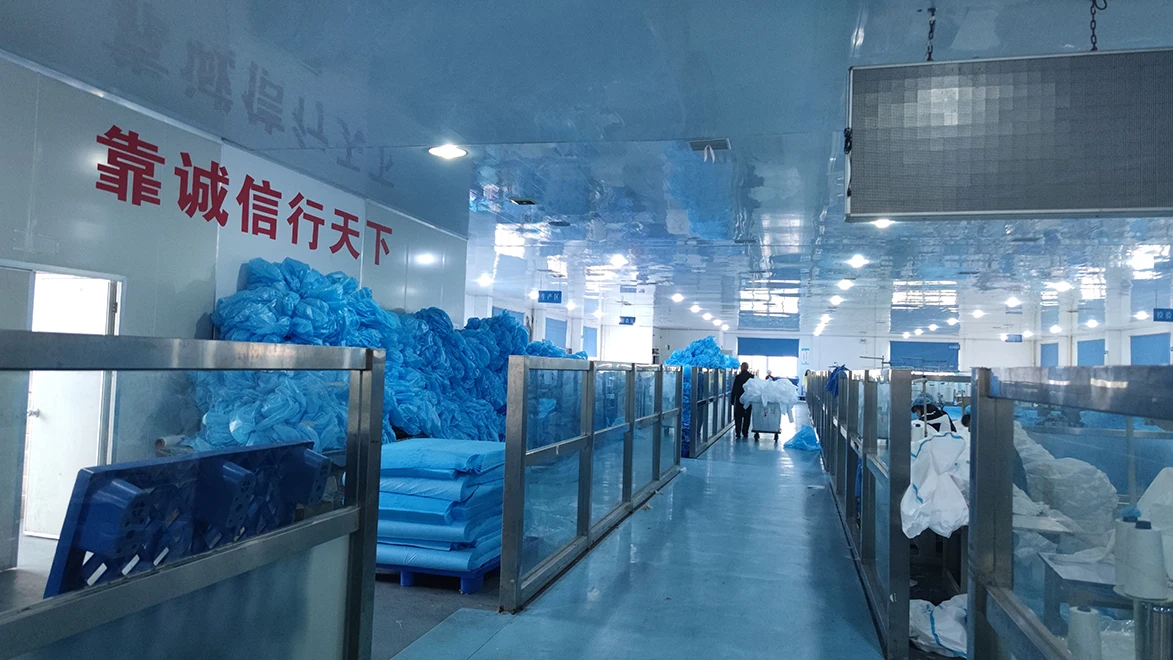
Xiantao Generalcare Protection Products Co., Ltd.
- Manufacturer, Trading Company
- Hubei, China
- Lead time7 days
- Avg. response≤ 4h
Main productsdisposable pedicure liner,disposable mob cap,disposable clip cap,disposable face mask,disposable coveralls
Main marketsSouth Asia(15.00%), North America(15.00%), Eastern Asia(10.00%), Northern Europe(10.00%), Western Europe(10.00%), South America(10.00%), Africa(6.00%), Southern Europe(6.00%), Central America(5.00%), Eastern Europe(5.00%), Oceania(3.00%), Southeast Asia(3.00%), Mid East(2.00%)




Comprehensive Sourcing Guide
With Elastic Around Disposable Hair Net Supplier Concentration and Factory Types
Sourcing results for elastic-bound disposable hair nets point strongly to China as the manufacturing base, with supplier profiles anchored in Hubei and Anhui provinces. Hubei-origin listings in current results describe factories whose main products span disposable medical supplies, nonwoven products, polyethylene products and paper consumables — a product mix that signals vertically integrated nonwoven conversion lines where caps, bouffant hairnets and related headwear are produced alongside gowns, masks and shoe covers. Anhui-based entries in the same results list bouffant caps and hairnets among core items together with face masks, gloves, coveralls and lab coats, reinforcing that this category is typically a sideline of broader disposable-protection manufacturing rather than a standalone niche. When results do not disclose a location, buyers should infer cluster relevance indirectly: check whether the supplier's main-product list is dominated by nonwoven disposables, whether loading ports align with inland China manufacturing zones, and whether product attributes such as origin fields are populated at all.
Factory types also matter. Current results distinguish manufacturers/factories from combined entities that both produce and trade. Manufacturer-type suppliers in this category tend to publish granular product attributes — sizes from 17 to 24 inches, packing configurations of 100 pieces per bag and 20 bags per carton, and stated quality-guarantee periods — which suggests direct line control. Combined-type suppliers may offer wider assortments, including salon-oriented hairbands alongside medical caps. Buyers should decide early whether single-factory depth or multi-item consolidation better fits their order structure.
How to Verify With Elastic Around Disposable Hair Net Suppliers
Verification should start with the credentials actually displayed in supplier results, then extend to checks the platform does not perform. In the current results, one Hubei manufacturer carries ISO 9001 system certification and third-party verification from BV, while an Anhui supplier lists an ISO 9001:2015 certificate. Note that product-level claims differ from system certificates: some hairband listings state CE and ISO 13485 certification for the product itself, which is a distinct scope covering medical devices rather than general quality management. Buyers should request the actual certificate numbers and scope documents and confirm whether the stated standard covers the specific hair-net item being quoted, since a company-level ISO 9001 registration does not automatically validate every SKU.
Beyond certificates, use the verifiable operational signals in the listings themselves. Check whether the supplier is designated as a manufacturer/factory or a combined entity, whether verification badges are present, and whether product attributes are filled in detail — origin fields, packing specifications, size ranges and customization availability are all indicators of listing discipline. Product properties in current results explicitly state whether ethylene oxide sterilization is applied or not; if your application requires sterilized goods, confirm this attribute in writing rather than assuming. Finally, request the supplier's business license, a recent audit summary, and sample production references for elastic-bound cap styles. Any supplier unwilling to document the claims shown on its own listing pages should be treated as unverified regardless of badge display.
What to Compare Across With Elastic Around Disposable Hair Net Suppliers
Build the comparison on the dimensions that supplier results actually expose, without assuming every listing shows every field. Lead time is directly comparable where stated: current results include one supplier at roughly 23 days and another at about 15 days, a spread that matters for replenishment planning. Response time is another measured field, with observed figures ranging from around 2.3 hours to more than 13 hours — meaningful when you are iterating on samples or resolving a quality issue mid-production. MOQ varies dramatically in this category: one elastic hair-net listing shows a minimum of 50 pieces, while a salon-style hairband listing requires 100,000 pieces, so aligning MOQ with your demand volume is a primary screening step.
Also compare price bands and their causes. Current listings show bouffant-style caps quoted from roughly $0.005 to $0.010 per piece, basic hair nets near $0.006, and heavier hairband constructions from about $0.018 to $0.021. Price differences typically reflect material weight — listings state ranges such as 10–12 g/m² for clip caps and 16 g/m and up for hairbands — plus construction and certification scope. Evaluate product breadth (medical caps versus beauty hairbands versus polyester mesh hairnets), company type, location, and customization capability, where several listings explicitly mark logo printing and customization as available. Establishment year and escrow availability may appear on some profiles; where absent, ask the supplier directly and record the answer in your comparison sheet.
Common With Elastic Around Disposable Hair Net Sourcing Risks
The most frequent risk in this category is material and weight substitution. Listings specify fabric weights such as 10–12 g/m² for disposable clip caps and 14–18 GSM for polyester mesh styles, and elastic tension is rarely quantified. A supplier can downgrade to lighter nonwoven stock or weaker elastic and the product will still look identical in photos while failing in use — slipping off the head or shedding fibers in food-processing and cleanroom settings. Guard against this by writing the GSM, size (18–28 inch ranges appear in current results) and elastic performance into the purchase contract and approving a sealed golden sample before mass production.
Second is certification misalignment. Some listings state CE and ISO 13485 for hairband products, while other suppliers show only ISO 9001 at the company level; quoting the wrong scope for medical or food-industry customers can block shipments or trigger recalls. Third is sterilization ambiguity: current product attributes explicitly note "without ethylene oxide sterilization," so if your buyers require sterile goods, that must be negotiated, not assumed. Fourth, watch packing and count integrity — standard packing in many listings is 100 pieces per bag and 20 bags per carton, but some hairband listings use 1 piece per bag in 1,000-piece cartons; piece-count shortfalls are common in high-volume disposables. Finally, confirm whether the product is genuinely machine-made at scale, since some listings advertise machine production as a differentiator, implying inconsistent manual output elsewhere.
With Elastic Around Disposable Hair Net Regional Sourcing and Logistics
The location data in current results concentrates on two Chinese provinces. Hubei-based suppliers are anchored in a recognized disposable-medical and nonwoven products cluster; one listing even states a loading port of Wuhan/Shanghai, which confirms the inland-factory, coastal-export pattern typical of the region — goods travel from Hubei production sites to Shanghai for ocean freight. Anhui-based suppliers sit adjacent to the Yangtze Delta export infrastructure, generally shorter drayage to eastern ports. These provincial differences rarely change product quality but do affect inland freight cost, consolidation options and exposure to regional disruptions such as port congestion or local lockdowns.
Plan logistics around the category's cube economics. Disposable hair nets are extremely lightweight but bulky: standard cartons of 1,000–2,000 pieces fill container volume quickly relative to value, so freight per unit is sensitive to carton dimensions and compression. Ask suppliers for exact carton measurements and loaded quantities per 20-foot and 40-foot container rather than relying on weight-based estimates. Current results show stated lead times of roughly 15 and 23 days from order; add production queue time during peak medical-supply demand periods, which historically compresses capacity across this cluster. For time-sensitive orders, clarify whether the quoted lead time starts at deposit, at artwork approval, or at sample confirmation. Finally, verify export documentation capability — medical-consumable declarations and material safety data for polypropylene fabrics — before committing to a first container.
With Elastic Around Disposable Hair Net Commercial Terms and Order Planning
Order planning in this category hinges on MOQ-to-price structure. Current results show a wide range: a basic nonwoven hair net listed at $0.006 with a 50-piece minimum, bouffant caps at $0.005–$0.010, and certified salon hairbands at $0.018–$0.021 with 100,000-piece minimums. This means your first decision is volume tier: small trial orders are feasible with low-MOQ manufacturers, while certified beauty-salon or hotel-supply programs require commodity-scale commitments. Negotiate tiered pricing against the published weight specifications (10–12 g/m², 14–18 GSM, 16 g/m and up) so a price reduction cannot be achieved by silently thinning the fabric.
Structure payment terms conservatively for a first order: a modest deposit with balance after pre-shipment inspection is standard practice, and inspection should check piece counts per bag and per carton against the stated 100-per-bag, 20-bags-per-carton configuration. Confirm customization terms in writing — several listings mark logo printing and customization as available, but printing typically adds plate or setup cost and extends the lead time beyond the displayed 15–23 day figures. Set a reordering calendar: with shelf-stable disposables carrying stated two-year quality-guarantee periods, buyers can consolidate two or three demand cycles into one shipment to cut freight per unit. Finally, agree on defect definitions — elastic failure, incomplete hem, fabric holes — and the remedy (reproduction, credit, or discount) before production begins, so disputes never hinge on undocumented verbal promises.
Word count check: approximately 1,390 words.
FAQs
What is the minimum order quantity for disposable hair nets?
The minimum order quantity varies by supplier and product type. Some listings show an MOQ of 50 pieces for specific non-woven hair nets, while others require 100,000 units for hairbands. Buyers should confirm the exact MOQ for their desired style and customization level before placing an order.
What are the typical lead times for these products?
Lead times observed in supplier results range from 15 to 23 days. The specific duration depends on the supplier's production schedule and the complexity of the order. Buyers should verify the current lead time with the supplier to ensure it aligns with their inventory planning.
Do these hair nets come with elastic or ties?
Yes, many disposable hair nets are available with elastic or tie-on styles. Specific product attributes indicate options for elastic or tie-on closures. Buyers can request samples to test the fit and comfort of the elastic band before committing to a bulk purchase.
What certifications are available for these hair nets?
Suppliers may hold ISO 9001 or ISO 13485 certifications, depending on the specific product and manufacturer. Some products are noted as having CE certification. Buyers should request current certification documents to verify compliance with their specific regulatory requirements.
Can I customize the hair nets with my logo?
Customization is available for many of these products, including logo printing. Suppliers offer OEM and ODM services, allowing buyers to specify branding and packaging. Confirm the minimum quantity required for custom printing and the associated costs during the inquiry stage.
What materials are used for these hair nets?
Common materials include non-woven polypropylene and polyester mesh. Non-woven options are often lightweight and disposable, while polyester mesh may offer better breathability. The specific material GSM and weave type should be verified to match the intended application.
What is the typical packaging for these hair nets?
Standard packaging often includes 100 pieces per bag and 20 bags per carton. Some products are packed in 1,000 pieces per carton. Buyers should confirm the exact packaging configuration to ensure it meets their storage and distribution requirements.