Portable Sleep White Noise Machine Suppliers and Manufacturers
Explore 21 verified options for Portable Sleep White Noise Machine suppliers and manufacturers in China. Compare response times, lead times, certifications, and pricing to find the right partner. Contact suppliers directly to request samples or custom quotes; review the available evidence before requesting comparable quotations from suitable candidates.
Suppliers List

- Trading Company
- China Zhejiang
- Lead time30 days
- Avg. response≤ 11h
Main productsHome Appliance, Cookware Set, Thermos, Home Storage, Furniture, Pet Supplies, Garden Tools, Outdoor Supplies, Baby Supplies, Houesehold Items
Main marketsSouth America,Africa,Southeast Asia/ Mideast,East Asia(Japan/ South Korea),Domestic,Europe,Australia,North America

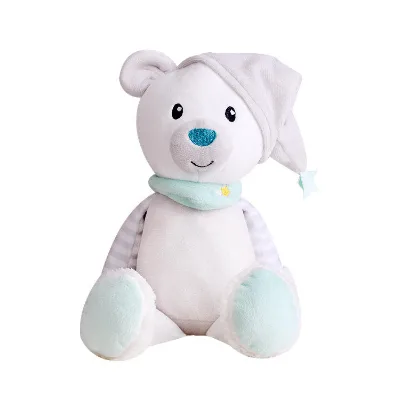
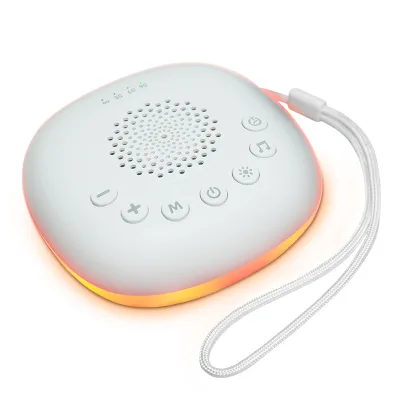
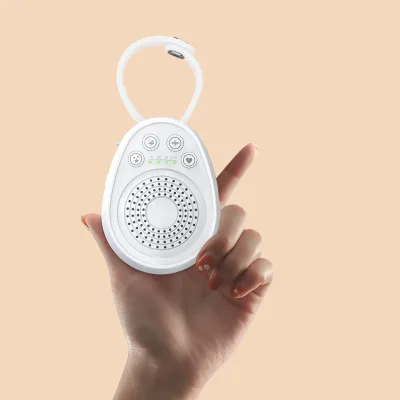
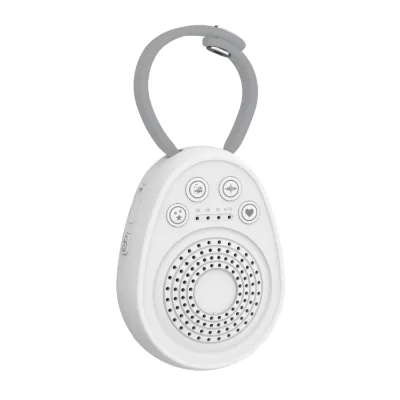
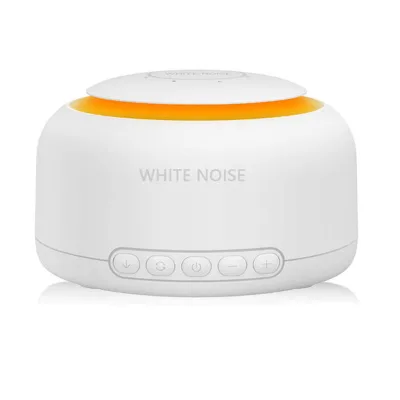
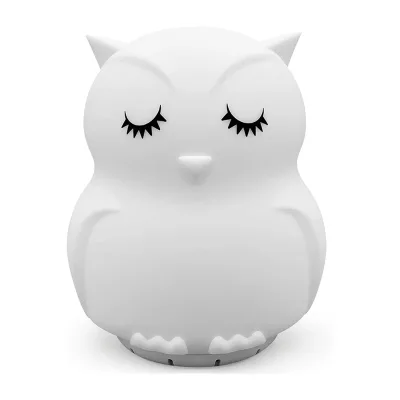
White Noise Sleep Machine, Baby Comfort Portable White Noise Machine, Breathing Night Light
$9.83 - $10.53
MOQ: 1000 Pieces

Shenzhen Highstar Electrical Co., Ltd.
- Verified by TüVRheinland
- Manufacturer, Trading Company
- Lead time30 days
- Avg. response≤ 1h
Main productsBaby White Noise Machine, White Noise Machine, Sunrise Alarm Clock, White Noise Machine With Wireless Charger, Night Light
Main marketsDomestic Market(30%), Western Europe(15%), North America(10%)
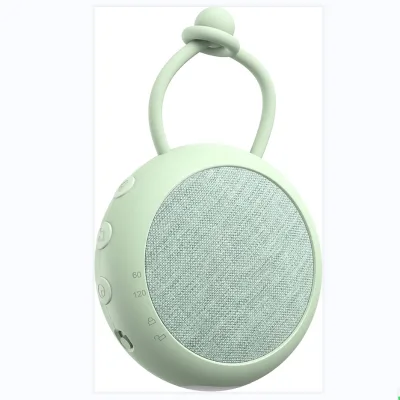
$6.30 - $10.00
MOQ: 2 pieces
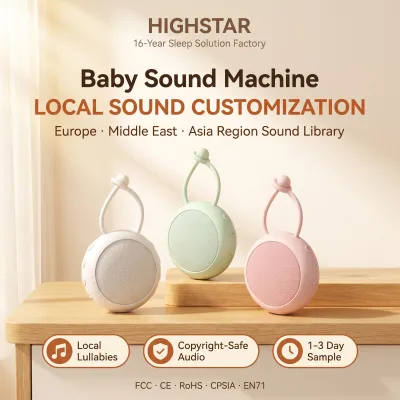
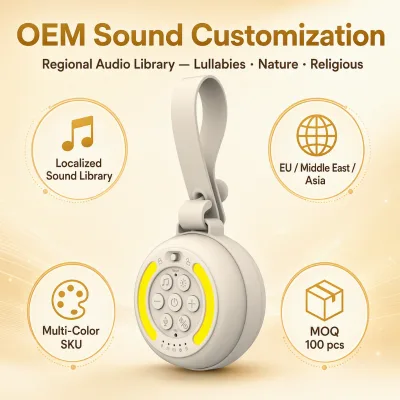
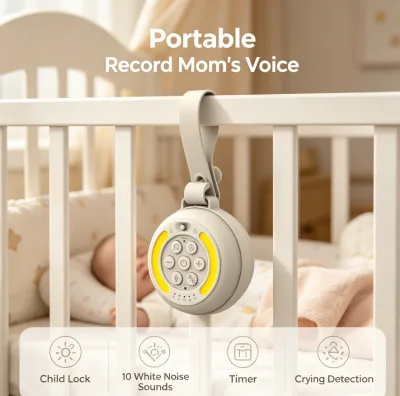
Shenzhen Jiaoyuanxin Technology Co., Ltd.
- Verified by SGS Group
- Trading Company
- Guang Dong, China
- Lead time15 days
- Avg. response≤ 7h
Main productsTWS Earbuds, Bluetooth Speaker, Smart Watch
Main marketsNorth America(50%), Southeast Asia(20%), Southern Europe(15%)

Joystar Electrical Appliances Manufacturing Co., Ltd.
- Verified by SGS
- Combined
- China Guangdong
- Lead time30 days
- Avg. response≤ 6h
Main productsBottle Sterilizer Baby Bottle Warmer
Main marketsOthers(foreignTradeCapacity.exportBusinessCapacityMarketOther),Europe

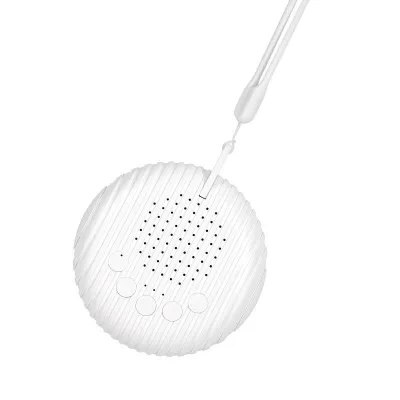
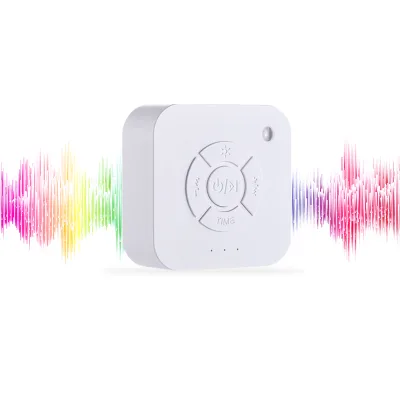
21soothing Natural Sounds Noise Cancelling Sleep Aid Portable Baby White Noise Machine
$5.80 - $7.50
MOQ: 500 pieces

Baby Portable White Noise Machine White Noise Sound Generator 26 Soothing Sounds
$6.80 - $7.80
MOQ: 500 pieces

Infant Bedtime Noise Machine White Noise Maker for Sleep 21 Soothing Sound
$6.80 - $7.80
MOQ: 500 pieces


Newborn White Noise Machine Portable Sound Machine for Baby Adult with Bluetooth
$6.80 - $7.80
MOQ: 500 pieces

Kingsun Baby Products Co., Ltd.
- Verified by TUVRHEINLAND
- Trading Company,Manufacturer/Factory
- China Guangdong
- Lead time23 days
- Avg. response≤ 5h
Main productsBaby Bottle, Nipple, Pacifier, Breast Pump, Teethers, Baby Water Bottle, Nasal Aspirator, Baby Dinner Set, Baby Products, Feeding Accessories
Main marketsSouth America,Eastern Europe,Mid East,North America,Southeast Asia,Oceania,Western Europe,Africa
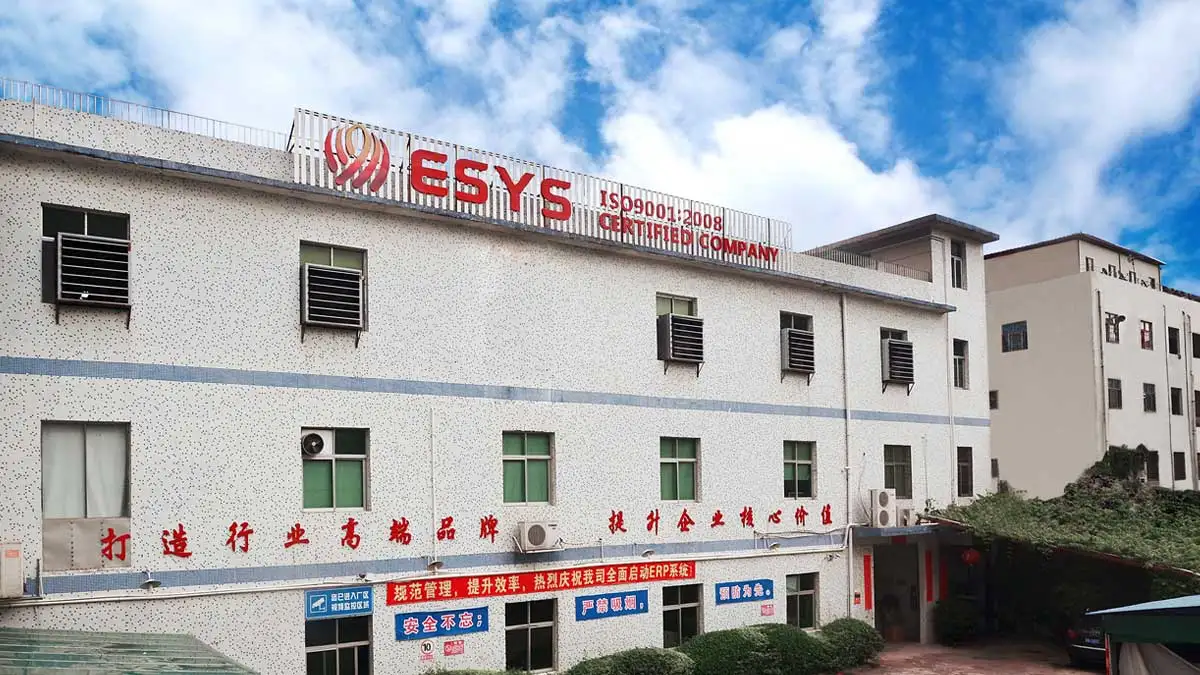
Shenzhen ESYS Electronics Co., Ltd.
- Manufacturer
- Guangdong, China
- Lead time15 days
- Avg. response≤ 4h
Main productsWhite noise sleep sound machine for baby and adult,Ces sleep aid device,Custom sound button and buzzer,Ultrasonic bear repeller,Talking voice keychain
Main marketsEastern Asia(70.00%), North America(15.00%), Western Europe(5.00%), Oceania(5.00%), Mid East(5.00%)
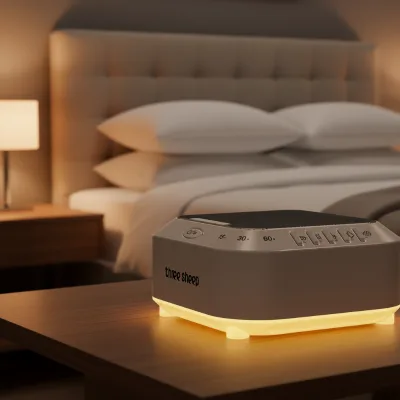
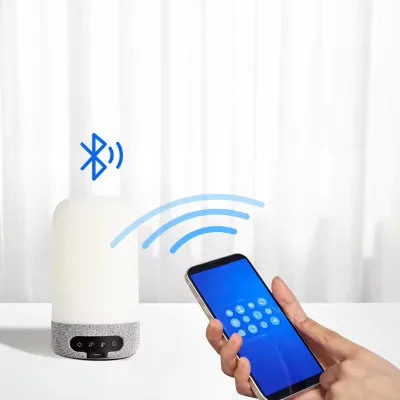
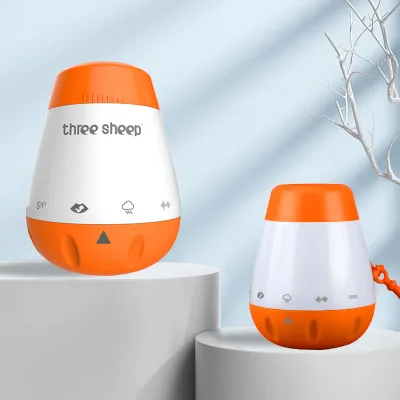
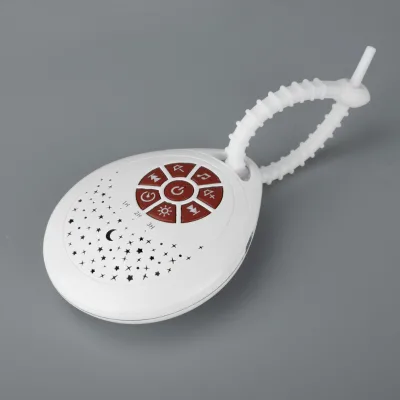
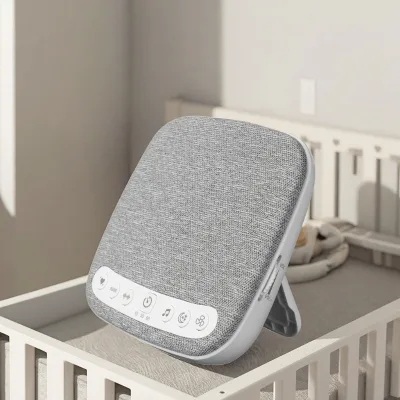
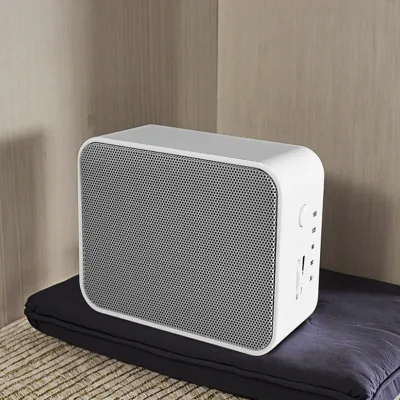
Portable ABS White Noise Machine Natural Hypnotic 13 Sounds for Relaxation and Sleep Aid
$4.90 - $5.80
MOQ: 1000 pieces
Shenzhen Kingstar Industrial Co., Ltd.
- Trading Company
- Guangdong, China
- Lead time15 days
- Avg. response≤ 12h
Main productsTWS Earphone,Bluetooth Speaker,Mini Fan,Massage Gun,Smart Watches
Main marketsNorth America(44.00%), Eastern Europe(22.00%), South America(22.00%), Southeast Asia(12.00%)
Shenzhen Actreal Technology Co., Ltd.
- Manufacturer
- Guangdong, China
- Lead time7 days
- Avg. response≤ 2h
Main productsBaby Monitor,Baby Camera,Babyphone,Video Baby Monitor,audio baby monitor
Main marketsSouthern Europe(20.00%), Eastern Europe(15.00%), South America(15.00%), North America(10.00%), Southeast Asia(10.00%), Africa(5.00%), Western Europe(5.00%), Eastern Asia(5.00%), Mid East(5.00%), Oceania(5.00%), Northern Europe(4.00%), South Asia(1.00%)
Shenzhen Kingstar Electronic Commerce Co., Ltd.
- Manufacturer, Trading Company
- Guangdong, China
- Lead time15 days
- Avg. response≤ 3h
Main productsEarphone,Personal Care,Massage Gun,Speaker,Smart Watch
Main marketsNorth America(50.00%), Northern Europe(20.00%), Eastern Europe(10.00%), Eastern Asia(10.00%), Oceania(10.00%)
Shenzhen Zhi De Le Technology Co., Ltd.
- Manufacturer, Trading Company, Distributor/Wholesaler
- Guangdong, China
- Lead time25 days
- Avg. response≤ 3h
Main productsWhite Noise Machine,Air Quality Monitor,Alcohol Tester
Main marketsNorth America(40.00%), Domestic Market(20.00%), Southeast Asia(20.00%), Eastern Europe(20.00%)
Huizhou Youmay Medical Equipment Co., Ltd.
- Manufacturer, Trading Company
- Guangdong, China
- Lead time15 days
- Avg. response≤ 12h
Main productsMassage Gun
Main marketsNorth America(60.00%), Western Europe(30.00%), Eastern Asia(10.00%)
- Verified by TüVRheinland
- Manufacturer, Trading Company
- Lead time30 days
- Avg. response≤ 2h
Main productsPersonal Safety Alarm, Home Security Alarm, White Noise Machine, Personal Care, Personal Clean Supplies
Main marketsWestern Europe(20%), Eastern Europe(15%), Northern Europe(15%)
Leihu (Henan) Medical Devices Co., Ltd.
- Verified by SGS Group
- Manufacturer, Trading Company
- Lead time10 days
- Avg. response≤ 1h
Main productsFull-Body Stretching Machine, Electric Wheelchair, Sleep Aid Device, External Fixation Brace
Main marketsMid East(17%), Southeast Asia(15%), Eastern Europe(12%)

- Verified by SGS
- Trading Company
- China Zhejiang
- Lead time15 days
- Avg. response≤ 20h
Main productsFan, Heater Fan, Air Fryer, Toaster, Rice Cooker, Vacuum Cleaner, Coffee Machine, Hairdressing Appliance, Electric Toothbrush, Steam Iron
Main marketsEurope,Australia

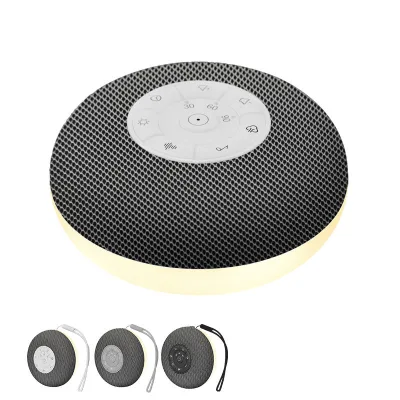
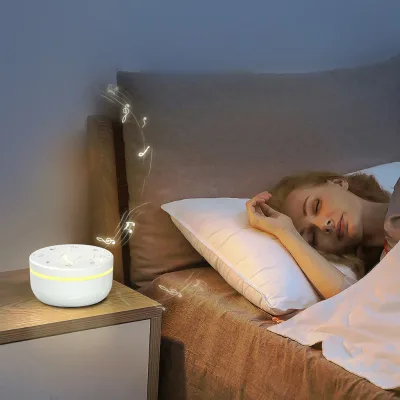
Factory Direct Sales New Portable Soothing Music Assist Sleep Smart White Noise Sleep Instrument
$7.46 - $8.64
MOQ: 150 Pieces

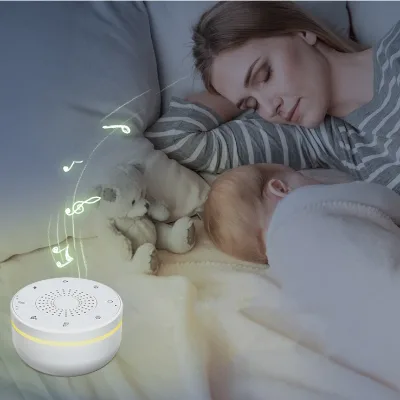
Hot Sale Private Model Portable Warm Night Light Baby Soothing Smart White Noise Sleep Instrument
$7.99 - $9.26
MOQ: 150 Pieces

$11.65 - $13.83
MOQ: 100 Pieces
Shenzhen Kingdom Technology Co., Ltd.
- Verified by TüVRheinland
- Trading Company
- Lead time15 days
- Avg. response≤ 4h
Main productsSilicone LED Night Lights, White Noise Machines, Alarm Clock Lamp, Bluetooth Speaker, Silicone Feeding Products
Main marketsNorth America(50%), Western Europe(30%), Eastern Europe(10%)

Dongguan AST Industry Co., Ltd.
- Verified by TUVRHEINLAND
- Manufacturer/Factory
- China Guangdong
- Lead time23 days
- Avg. response≤ 14h
Main productsSound Module, Voice Recorder, Video Brochure, Sound Chip, LED Flashing Module for POS, Musical Greeting Cards, Video Module, Musical Bottle Opener, Musical Postcards, DC Motor for Pop Dispay
Main marketsSouth America,Eastern Europe,Mid East,North America,Southeast Asia,Eastern Asia,Oceania,Western Europe,Africa

White Noise Generator Sleep Aid Relaxation Sound Box
MOQ: 2000 Pieces

White Noise Generator Sleep Sootherp Sleep Companion Device
MOQ: 2000 Pieces
Shenzhen IBN Technology Co., Ltd.
- Verified by SGS Group
- Trading Company
- Lead time7 days
- Avg. response≤ 4h
Main productsSmart Pest Control, Sleep Aid Devices, Small Household Electronic Products, Handheld Repair Tool Series, Outdoor Camping Products
Main marketsNorth America(50%), Western Europe(40%), Southeast Asia(5%)
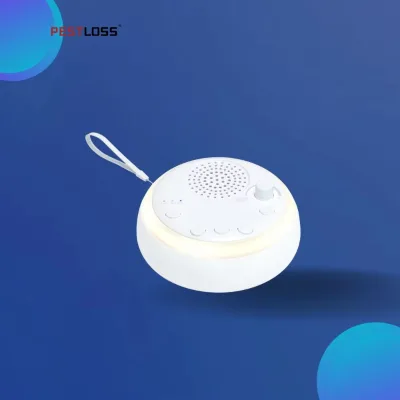
$7.41 - $8.76
MOQ: 2 pieces
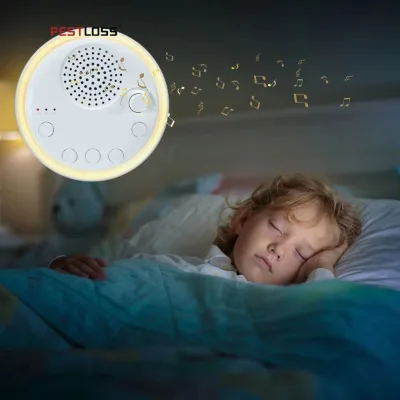
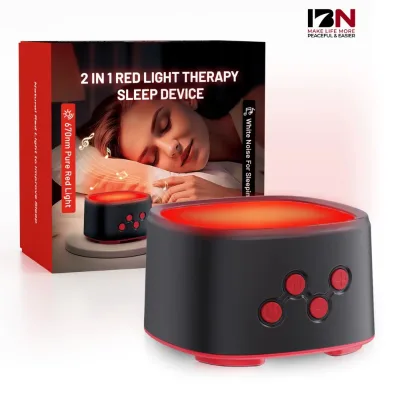
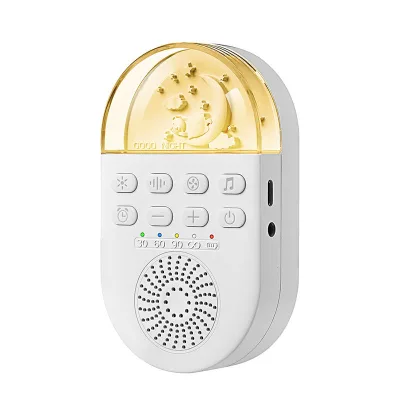
FDA-Cleared White Noise Machine for Babies - 16 Soothing Sounds with Night Light - OEM/ODM Supplier
$7.00 - $8.00
MOQ: 200 pieces

Shenzhen Kailia Technology Co., Ltd.
- Manufacturer, Trading Company
- Guangdon, China
- Lead time5 days
- Avg. response≤ 3h
Main productsgift set,Charger,Projector,speakers,earphones
Main marketsNorth America(40.00%), Eastern Asia(10.00%), Mid East(10.00%), Southern Europe(10.00%), Eastern Europe(10.00%), Western Europe(10.00%), South America(5.00%), South Asia(3.00%), Oceania(2.00%)
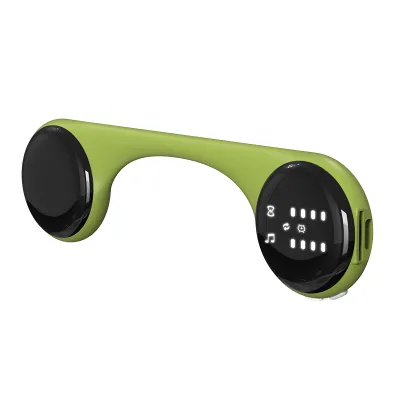
White Noise Machine with Bone Conduction Speaker 10 Natural Soothing Sounds Memory Function
$8.37 - $8.98
MOQ: 20 pieces

Ningbo Yinyu Purification Technology Incorporated Company
- Combined
- China Zhejiang
- Lead time30 days
- Avg. response≤ 10h
Main productsAir Fryer, Medical Purifier, Oxygen Generator, Sleep Instrument
Main marketsDomestic

HUNAN VENTMED MEDICAL TECHNOLOGY CO., LTD.
- Manufacturer/Factory
- China Hunan
- Lead time23 days
- Avg. response≤ 7h
Main productsCPAP, Sleep Monitor, Bipap, Polysomnogram, Bpap, Sleep Study, Auto CPAP, CPAP Machine
Main marketsSouth America,Eastern Europe,Mid East,North America,Southeast Asia,Eastern Asia,Oceania,Western Europe,Africa

Henan Geesion Medical Devices Co., Ltd.
- Verified by BV
- Trading Company
- China Henan
- Lead time15 days
- Avg. response≤ 7h
Main productsPain Relief Patch, Cooling Gel Patch, Detox Foot Patch, Slimming Patch, Capsicum Plaster, Stop Smoking, Nasal Strips, Dental Mouthguard, Cough Relieve Patch, Wormwood Knee Patch
Main marketsSouth America,Africa,Southeast Asia/ Mideast,East Asia(Japan/ South Korea),Europe,Australia,North America


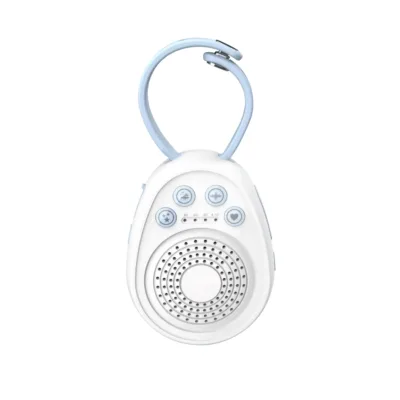
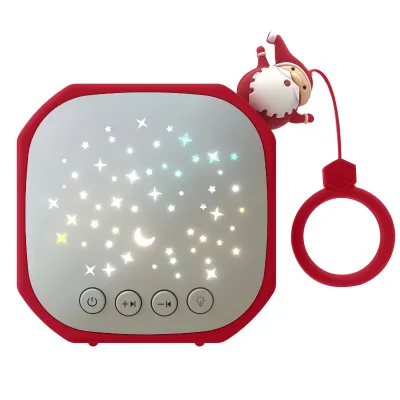
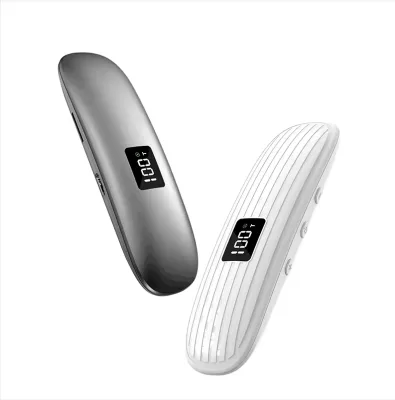
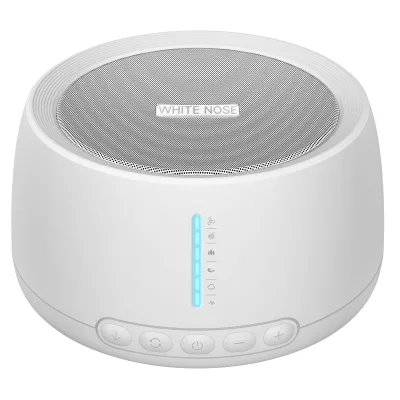
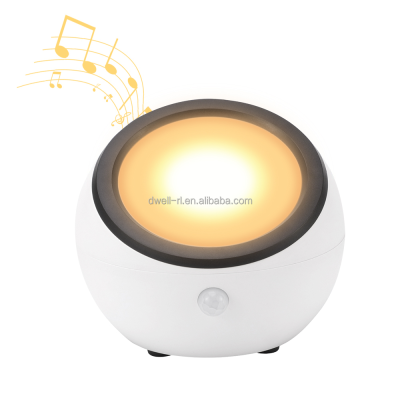
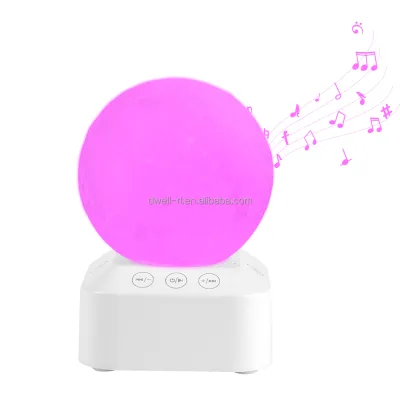
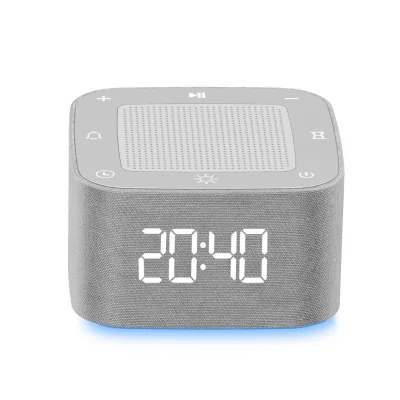
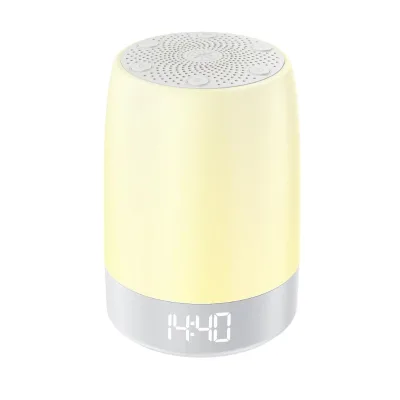


Comprehensive Sourcing Guide
Portable Sleep White Noise Machine Supplier Concentration and Factory Types
Current data indicates a concentration of suppliers in China, specifically within the Zhejiang and Guangdong provinces. These regions host a mix of trading companies and manufacturers offering portable sleep white noise machines. Some entities operate as trading companies, while others function as manufacturers or combine both roles. This dual structure allows buyers to access a broader range of products, including home appliances, cookware, and baby supplies, alongside the specific white noise devices. The presence of multiple company types suggests a competitive market where buyers can choose between direct factory engagement or intermediary trading services depending on their volume and customization needs.
When evaluating the factory type, buyers should note that some suppliers list specific capabilities such as sample processing, graphic processing, and customized on-demand production. This indicates that manufacturers in these clusters may offer more flexibility for private labeling and design modifications compared to pure trading entities. However, the exact establishment year for these suppliers is not provided in the current results, so buyers cannot rely on historical longevity as a primary filter. Instead, the focus should remain on the current operational capacity and the specific product attributes listed, such as the availability of customization and the origin of the goods, which are consistently marked as China.
How to Verify Portable Sleep White Noise Machine Suppliers
Verification of supplier credentials is critical when sourcing portable sleep white noise machines, as the market contains various company types with differing levels of oversight. Some suppliers display system certifications such as ISO9001:2015 and ISO14001:2015, which indicate adherence to quality and environmental management standards. Others may hold specific product certifications like RoHS, CE, UKCA, and FCC, which are essential for electronic devices entering international markets. Additionally, third-party verification services like TüVRheinland may be listed for certain suppliers, providing an external layer of trust regarding their business practices and product safety.
Buyers must also scrutinize the response time and verification status of potential partners. Data shows response times varying significantly, with some suppliers responding within one day while others take nearly eleven days. A faster response time often correlates with better communication channels and more active account management. Furthermore, the presence of a "verified" status, such as TüVRheinland verification, serves as a tangible indicator of a supplier's legitimacy. However, since not all suppliers display these specific credentials, buyers should request proof of these certifications directly rather than assuming they apply to every listing. The absence of a specific verification badge does not necessarily disqualify a supplier, but it requires a more rigorous due diligence process to confirm their reliability.
What to Compare Across Portable Sleep White Noise Machine Suppliers
Comparing suppliers requires a detailed analysis of key operational metrics such as lead time, minimum order quantity (MOQ), and pricing structures. Lead times for these products can vary, with some suppliers indicating a standard production window of thirty days. The MOQ is another critical factor, ranging from as low as two units for some sellers to as high as one thousand units for others. This disparity allows buyers to select partners that align with their inventory strategy, whether they are testing the market with small batches or preparing for large-scale distribution. Pricing also fluctuates based on these volume thresholds, with unit costs ranging from approximately $4.75 to $10.53 depending on the specific model and order size.
Beyond logistics and cost, buyers should compare product attributes and customization options. Some suppliers offer customization services, allowing for private mold development and specific design requirements, while others provide standard models with fixed specifications. The product origin is consistently listed as China, but specific details like material composition (ABS+Fabric) and dimensions vary by model. Additionally, the main products offered by suppliers often extend beyond white noise machines to include related items like night lights and baby care devices. Buyers should prioritize suppliers whose main product lines align with their broader sourcing goals and who demonstrate the capacity to handle specific customization requests, such as branding or unique feature integration.
Common Portable Sleep White Noise Machine Sourcing Risks
One significant risk in sourcing portable sleep white noise machines is the inconsistency in product standards and specifications. While some listings provide detailed attributes like color temperature, lamp luminous flux, and specific dimensions, others list standards as "depends" or provide minimal information. This lack of uniformity can lead to discrepancies between the ordered product and the final delivery, particularly regarding safety certifications and electrical standards. Buyers must ensure that the specific model they select meets the regulatory requirements of their target market, as certifications like RoHS or CE may apply to some models but not others within the same supplier's catalog.
Another risk involves the variability in supply chain reliability and communication efficiency. Response times can differ drastically, with some suppliers taking over ten days to reply, which can delay critical decision-making and order placement. This delay is particularly problematic for time-sensitive projects or when rapid prototyping is required. Furthermore, the distinction between trading companies and manufacturers can impact the transparency of the supply chain. Trading companies may not have direct control over production schedules, potentially leading to longer lead times or less flexibility in resolving production issues. Buyers should verify the actual production capacity and the ability to meet deadlines before committing to large orders to mitigate these operational risks.
Portable Sleep White Noise Machine Regional Sourcing and Logistics
Sourcing from China, specifically the Zhejiang and Guangdong provinces, offers access to a robust manufacturing ecosystem for portable sleep white noise machines. These regions are known for their concentration of electronics and consumer goods manufacturers, providing a wide array of options for buyers. The logistics infrastructure in these areas is well-developed, with major ports like Shenzhen facilitating efficient dispatch of goods. However, buyers must account for the specific shipping requirements and potential transit times associated with these regions. The product origin is consistently listed as China, but the specific province can influence shipping costs and delivery schedules depending on the buyer's location.
When planning logistics, buyers should consider the packaging details and dimensions provided in supplier listings. Products are often packed in brown boxes or color boxes, with specific packing dimensions that affect container loading efficiency. For instance, some models have a single package size of 9.5x4.3x11.5 cm, while others may vary. Understanding these dimensions is crucial for calculating freight costs and optimizing storage space. Additionally, the supply ability, such as 3000 pieces per day for certain suppliers, indicates the potential for rapid scaling but requires careful coordination with logistics providers to ensure timely delivery. Buyers should verify the port of dispatch and any specific shipping terms to avoid unexpected delays or additional costs.
Portable Sleep White Noise Machine Commercial Terms and Order Planning
Commercial terms for portable sleep white noise machines vary significantly based on the supplier type and order volume. Some suppliers offer low MOQs, allowing for small initial orders as low as two units, while others require minimums of one thousand units. Pricing structures also reflect these differences, with unit costs ranging from $4.75 to $10.53. Buyers should carefully review the price ranges and associated MOQs to determine the most cost-effective option for their specific needs. Additionally, the availability of free samples is a key commercial term to consider, as it allows buyers to test product quality before committing to larger orders.
Order planning must also account for customization capabilities and warranty terms. Many suppliers offer customization services, including private mold development and branding options, which can add value but may require additional lead time. Warranty periods, such as a one-year warranty, provide a safety net for product defects, but the specific terms should be confirmed before finalizing the order. Buyers should also verify the payment terms and escrow options to ensure financial security. Since establishment years are not always provided, relying on current performance metrics like response time and certification status is essential for making informed decisions. Careful planning of these commercial terms ensures a smoother procurement process and minimizes the risk of disputes.
FAQs
What is the typical lead time for portable white noise machines?
The typical lead time for these products is 30 days. This duration applies to standard orders from suppliers located in China. Buyers should confirm specific timelines with the manufacturer before placing bulk orders to ensure timely delivery.
What is the minimum order quantity for these sleep machines?
Minimum order quantities vary by supplier, with some requiring 1000 units while others accept orders as low as 2 pieces. Buyers must check the specific product listing to determine the exact MOQ required for their purchase volume and budget.
Are these white noise machines available with customization options?
Yes, customization is available for many portable white noise machines listed. Suppliers offer options for custom branding and specific product models. Buyers should verify the exact customization scope and any associated costs directly with the supplier before finalizing the order.
What certifications do these sleep machines typically hold?
Common certifications include RoHS, CE, FCC, LVD, ISO9001:2015, and ISO14001:2015. Some suppliers also hold Sedex and BSCI certifications. Buyers should request valid certificates to ensure the products meet safety and quality standards for their target market.
Where are these portable white noise machines manufactured?
These machines are primarily manufactured in China, specifically in Zhejiang and Guangdong provinces. The place of origin is clearly stated in product details. Buyers should verify the specific factory location to assess logistics costs and supply chain reliability for their needs.
What is the price range for these sleep therapy devices?
Prices range from approximately 4.75 to 10.53 US dollars per unit depending on the model and features. Specific costs vary based on customization and order volume. Buyers should compare multiple listings to find the best price for their specific requirements and budget.
How quickly do suppliers typically respond to inquiries?
Response times vary, with some suppliers responding within 1 day and others taking around 11 days. Faster response times often indicate higher availability. Buyers should prioritize suppliers with quick response times to ensure efficient communication during the sourcing process.