Plastic In-Ceiling Speakers Suppliers and Manufacturers
Compare 10 verified suppliers of Plastic In-Ceiling Speakers based on location, lead times, certifications, and response times. Review product specifications like power and material, then request quotes to proceed with sourcing; review the available evidence before requesting comparable quotations from suitable candidates.
Suppliers List

Guangzhou Lingyin Electronic Co., Ltd.
- Verified by BV
- Combined
- China Guangdong
- Lead time30 days
- Avg. response≤ 6h
Main productsPRO Audio, Speaker, Amplifier, PA Address System, IP Network System, Wireless Broadcast, Wireless Mic, PA Lectern, Professional Audio, Line Arry
Main marketsOthers(foreignTradeCapacity.exportBusinessCapacityMarketOther),Southeast Asia/ Mideast,Europe,Australia,North America
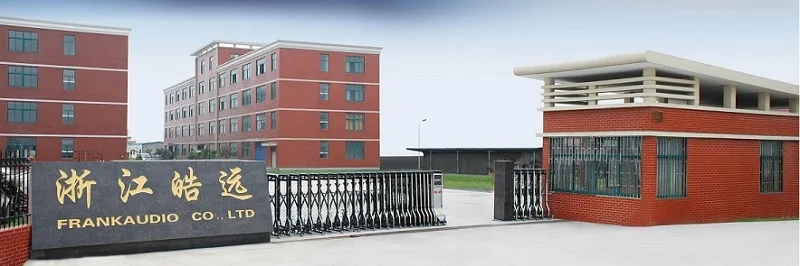
Zhejiang Haoyuan Electronic Technology Co., Ltd.
- Manufacturer, Trading Company
- Zhejiang, China
- Lead time35 days
- Avg. response≤ 6h
Main productsWall Speaker,PA Amplifier,Ceiling Speaker,Home Speaker,PA Speaker
Main marketsDomestic Market(50.0%), Mid East(10.0%), South America(9.0%), North America(8.0%), Central America(5.0%), Western Europe(4.0%), Eastern Europe(3.0%), South Asia(2.0%), Africa(2.0%), Southeast Asia(2.0%), Southern Europe(2.0%), Northern Europe(1.0%), Eastern Asia(1.0%), Oceania(1.0%)
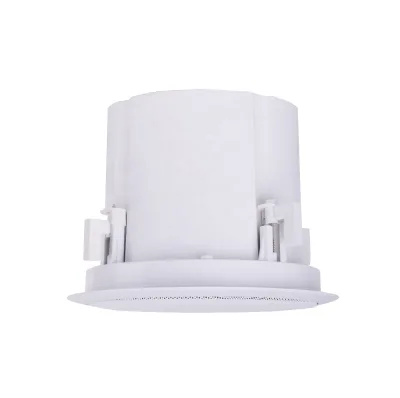
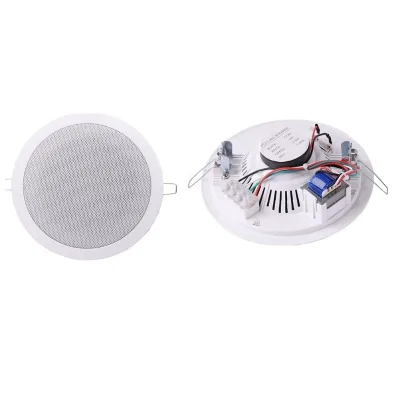
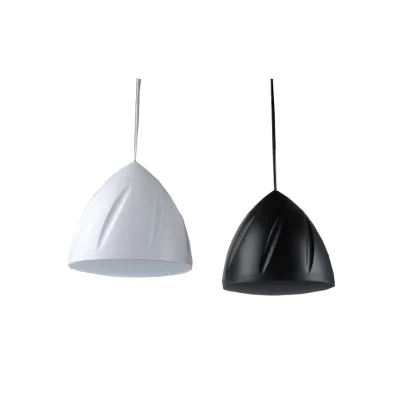
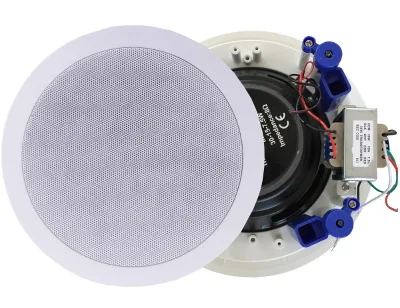
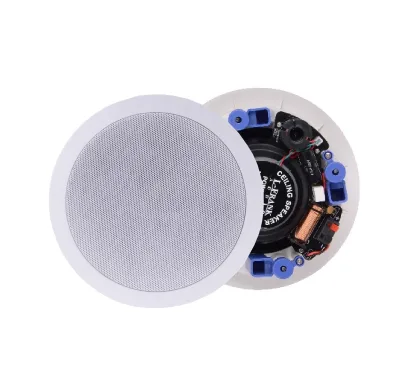
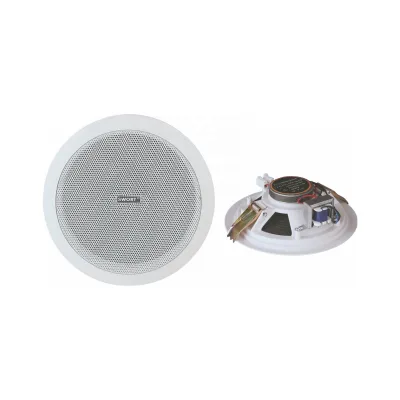
8 Ohms Two Way Ceiling Speaker
Contact supplier
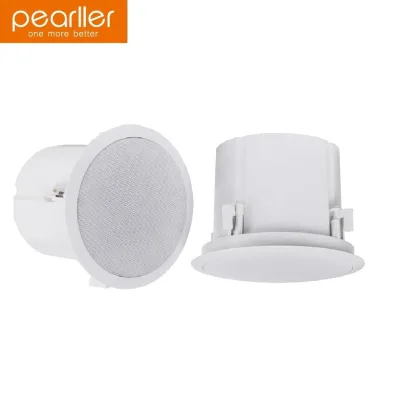
Professional pa System Speaker Ceiling Speaker with Back Cover
Contact supplier

Hangzhou Zhonghe Electronic Equipment Co., Ltd.
- Combined
- China Zhejiang
- Lead time45 days
- Avg. response≤ 25h
Main productsAmplifier, Speaker, Microphone, Sound Mixer
Main marketsSoutheast Asia/ Mideast,Europe

Guangzhou Temeisheng Audio Technic Co Ltd
- Verified by BV
- Combined
- China Guangdong
- Lead time15 days
- Avg. response≤ 5h
Main productsLoudspeaker, Amplifier, Conference System, Portable Speaker, Home Audio, Microphone
Main marketsAustralia


High Spl 6.5 8 Inch Coaxial Ceiling Speaker with for PA System Ceiling Speaker
$42.00 - $116.00
Moq: 1

Jiaxing Greengable Trading Co., Ltd.
- Trading Company
- Zhejiang, China
- Lead time28 days
- Avg. response≤ 7h
Main productsColumn Speakers,Wall Speakers,Ceiling Speakers,Ball Speakers,Garden Speakers
Main marketsEastern Europe(25.0%), Western Europe(10.0%), North America(10.0%), Mid East(10.0%), South America(10.0%), Africa(6.0%), Domestic Market(5.0%), South Asia(5.0%), Southeast Asia(5.0%), Eastern Asia(4.0%), Southern Europe(4.0%), Oceania(2.0%), Northern Europe(2.0%), Central America(2.0%)
Guangzhou DSPPA Audio Co., Ltd.
- Manufacturer, Trading Company
- Lead time旺季: "1 - 10":1,"11 - 30":3,"31 - 100":7,"> 100":"To be negotiated", 淡季: "1 - 10":1,"11 - 30":3,"31 - 100":7,"> 100":"To be negotiated"
- Avg. response≤ 5h
Main productsPA System,Amplifier,Speaker,Home Audio System,Conference System
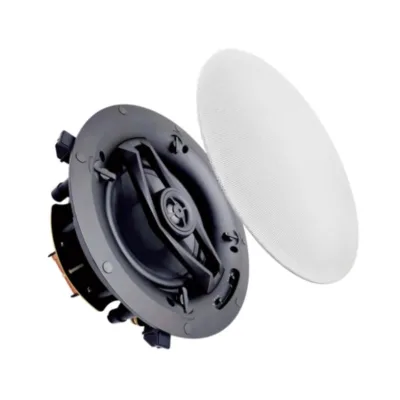
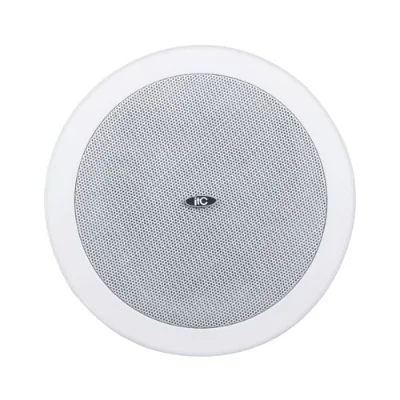
6.5 Inch 40W Ceiling Speaker Quick-Install Ceiling Speaker Coaxial Ceiling Speaker
$78.48 - $80.51
Moq: 1
Guangdong Baolun Electronics Co., Ltd.
- Manufacturer, Trading Company
- Lead time旺季: "1 - 5":179,"> 5":"To be negotiated", 淡季: "1 - 5":179,"> 5":"To be negotiated"
- Avg. response≤ 3h
Main productsPA System, Conference System, Professional Sound System, LED Display, Lighting System

Hangzhou Vertex Broadcasting Audio Co., Ltd.
- Verified by CTI
- Trading Company
- China Zhejiang
- Lead time23 days
- Avg. response≤ 1h
Main productsPA Speaker, PA Amplifier, Cable Tester, Di Box, PRO Audio, Mixer, Active Speaker, Professional Amplifiers
Main marketsSouth America,Mid East,Southeast Asia


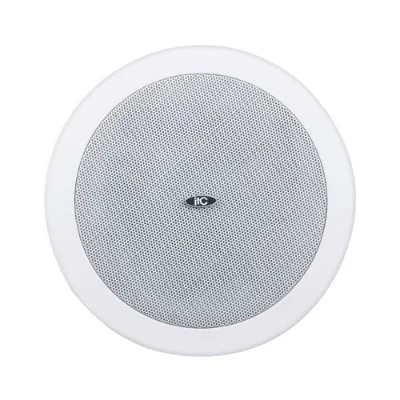
Fixed Resistance 20W 5'' PA Coaxial Ceiling Speaker for Background Music System
$1.00 - $12.99
Moq: 100

Ningbo ASM Electronics Technology Co., Ltd.
- Verified by TUVRHEINLAND
- Combined
- China Zhejiang
- Lead time30 days
- Avg. response≤ 18h
Main productsCar Speaker, Subwoofer, P. Audio Speakers, Speaker Cabinet, Speaker Woofer, PA Speaker, Guitar Speaker, Bass Speakers, Hf Driver, Speaker Box
Main marketsSouth America,Southeast Asia/ Mideast,Europe

SHENGZHOU CITY ESOUND ELECTRONIC CO., LTD.
- Verified by TUVRHEINLAND
- Trading Company
- China Zhejiang
- Lead time30 days
- Avg. response≤ 25h
Main productsSpeaker, Speaker Cabinet, Speaker Parts
Main marketsSoutheast Asia/ Mideast




Comprehensive Sourcing Guide
Plastic In-Ceiling Speakers Supplier Concentration and Factory Types
Current supplier data indicates a concentration of manufacturers and trading companies located in China, specifically within the Guangdong and Zhejiang provinces. These regions host a mix of combined entity types that offer both Original Design Manufacturing and Original Equipment Manufacturing capabilities alongside their own branded products. The observed supplier profiles suggest that many facilities in these areas specialize in professional audio equipment, including PA systems, wireless microphones, and various speaker configurations. Buyers should note that the specific location of a factory is a critical factor when evaluating supply chain proximity and potential logistics costs for heavy items like speakers.
When assessing factory types, it is essential to distinguish between pure manufacturers and combined entities that may also function as trading companies. The available facts show that some suppliers possess ODM and OEM capacities with their own brands, while others are listed as manufacturers or trading companies. This distinction impacts the level of control a buyer has over the production process and the customization options available for Plastic In-Ceiling Speakers. Buyers must verify the actual nature of the entity to ensure they are dealing with a facility that can meet specific technical requirements for materials, such as plastic construction, and structural designs like floorstanding or bookshelf enclosures.
How to Verify Plastic In-Ceiling Speakers Suppliers
Verification of supplier credibility relies heavily on third-party validation services and documented system certifications. The observed data includes suppliers holding ISO9001:2015 and ISO14001:2015 certificates, which indicate adherence to quality management and environmental standards. Additionally, some suppliers display BV verification status, providing an external layer of trust regarding their business operations. Buyers should prioritize suppliers who can present these specific certificates as proof of their operational maturity and commitment to international standards. It is crucial to request current copies of these documents rather than relying solely on platform badges, as certification status can change over time.
Beyond certifications, buyers must scrutinize the response time and lead time metrics provided in supplier profiles to gauge operational reliability. The data shows response times ranging from approximately 5.6 hours to 6 hours, with lead times varying between 30 and 35 days. These figures serve as indicators of how quickly a supplier can engage with inquiries and fulfill orders. A supplier with a longer lead time may have a more complex production schedule or higher demand, which could impact project timelines. Buyers should compare these metrics against their own project deadlines and verify if the stated response times are consistent with actual communication experiences during the initial inquiry phase.
What to Compare Across Plastic In-Ceiling Speakers Suppliers
Comparing suppliers requires a detailed analysis of product attributes, pricing structures, and minimum order quantities. The product evidence reveals a wide price range, with some items listed as low as $1.00 and others reaching up to $999.00, while specific models show narrower ranges like $6.00 to $8.00 or $17.00 to $18.00. Buyers must carefully examine the price per unit in relation to the specified Minimum Order Quantity, which can be as low as one piece for some listings. It is vital to understand that the lowest price often corresponds to specific configurations or lower volume tiers, and the final cost will depend on the exact model, material, and customization level required for the project.
In addition to pricing, the technical specifications and customization options are critical comparison points. The data indicates that customization is generally available, with options for different structures such as floorstanding, bookshelf, or closed enclosures. Buyers should compare the amplification types, ranging from passive to active, and the power ratings, which vary from 20W to 30W in the observed samples. Furthermore, the speaker material is predominantly plastic, though some entries mention metal construction. Evaluating these technical details ensures that the selected supplier can provide the specific acoustic performance and physical design needed for applications in hotels, schools, or conference rooms.
Common Plastic In-Ceiling Speakers Sourcing Risks
One significant risk in sourcing Plastic In-Ceiling Speakers involves the variability of product standards and certifications across different suppliers. While some products list certifications like CE, FCC, RoHS, and CB, others may only display partial compliance or lack specific regional approvals. Buyers must verify that the specific model they intend to purchase meets the regulatory requirements of their target market, as a speaker certified for one region may not be legal for sale in another. Relying on general product keywords without confirming the exact certification status for the specific model number can lead to compliance issues and potential customs delays.
Another risk relates to the discrepancy between advertised lead times and actual delivery capabilities. The observed lead times of 30 to 35 days may not account for potential delays in raw material sourcing or production bottlenecks, especially for customized orders. Additionally, the warranty periods vary, with some suppliers offering three years while others may have different terms. Buyers should clarify the warranty coverage and the process for handling defects before placing an order. Failure to confirm these terms can result in unexpected costs if the products fail prematurely or if the supplier is unable to provide timely replacements or repairs.
Plastic In-Ceiling Speakers Regional Sourcing and Logistics
Sourcing from the identified regions of Guangdong and Zhejiang offers access to established manufacturing clusters, but logistics planning must account for the specific origin of the goods. The product evidence confirms origins in Guangzhou, Guangdong, and Zhejiang, China, which are major hubs for electronics and audio equipment. Buyers should consider the shipping costs associated with these locations, as the weight and volume of speaker units can significantly impact freight charges. Understanding the specific port of origin helps in estimating transit times and selecting the most efficient shipping method for the project.
Logistics also involve managing the packaging and handling of the products to prevent damage during transit. The data indicates that products are often packed in cartons, with quantities such as 12 pieces per carton for certain models. Buyers need to ensure that the packaging is robust enough to protect the plastic enclosures and internal components during long-distance shipping. Additionally, the supply ability of the factory, such as 2000 pieces per week, should be factored into the logistics plan to ensure that the supplier can meet the volume requirements without causing delays. Proper coordination with the supplier regarding packaging standards is essential for maintaining product integrity.
Plastic In-Ceiling Speakers Commercial Terms and Order Planning
Commercial terms for Plastic In-Ceiling Speakers often include specific delivery windows and payment conditions that must be clearly defined. The observed delivery times range from 2 to 25 days for some products, while the overall lead time for the supplier is listed as 30 to 35 days. Buyers should align their order planning with these timelines to avoid disruptions in their project schedules. It is also important to clarify whether the quoted prices include shipping costs or if they are based on Ex-Works or FOB terms, as this affects the total landed cost of the goods.
Order planning must also consider the customization capabilities and the associated lead times for non-standard items. Since customization is available, buyers should confirm the additional time required for producing custom designs or branding. The data shows that suppliers offer OEM and ODM services, which can be tailored to specific needs but may extend the production cycle. Buyers should establish a clear timeline for design approval, sample production, and mass manufacturing to ensure that the final delivery meets the project deadline. Clear communication regarding these commercial terms is essential for a successful sourcing outcome.
FAQs
What is the price range for Plastic In-Ceiling Speakers?
Prices for Plastic In-Ceiling Speakers typically range from $1 to $30 per unit. The lowest cost items are basic passive models, while active or specialized units cost more. Buyers should check specific product listings for exact pricing tiers based on features and volume.
What certifications do these speakers usually have?
Manufacturers often provide CE, RoHS, FCC, and CB certifications for their Plastic In-Ceiling Speakers. These standards ensure safety and electromagnetic compatibility. Some suppliers also hold ISO9001 and ISO14001 system certifications, indicating quality management and environmental responsibility in their production processes.
What is the typical lead time for orders?
Standard lead times for Plastic In-Ceiling Speakers are generally between 30 and 35 days. Some suppliers offer faster delivery windows of 2 to 25 days for specific models. Buyers should confirm exact timelines with the supplier based on order quantity and customization requirements.
Can I get custom branding or OEM services?
Yes, many suppliers offer OEM and ODM services for Plastic In-Ceiling Speakers. Customization is available for branding, packaging, and specific technical specifications. Buyers can work with manufacturers to create unique products that meet their brand identity and functional needs for various installation environments.
What is the minimum order quantity for these speakers?
The minimum order quantity for Plastic In-Ceiling Speakers can be as low as one unit. This allows buyers to test samples or order small batches. Larger orders may benefit from volume discounts, but the low MOQ makes it easy to start with a small purchase.
Where are these speakers typically manufactured?
Plastic In-Ceiling Speakers are primarily manufactured in China, specifically in regions like Guangdong and Zhejiang. These areas are known for their robust electronics supply chains. Buyers can find suppliers in these locations offering a wide variety of speaker models and customization options.