Yoni Wand Suppliers and Manufacturers in China
Source 18 Yoni Wand suppliers from China for vaginal tightening and feminine care products. Compare verified certifications like ISO and SGS, lead times, and MOQs to find the right partner. Request samples to evaluate quality and pricing; review the available evidence before requesting comparable quotations from suitable candidates.
Updated
Suppliers List
Honey Sister (Xi'an) Healthcare Co., Ltd.
- Verified by SGS Group
- Trading Company
- Lead time7 days
- Avg. response≤ 6h
Main productsYoni oil, Yoni wash, Deodorant, Scrub, Probiotics
Main marketsNorth America(70%), Western Europe(10%), Africa(10%)

Xi'an Chinaherbs Commerce Co., Ltd
- Verified by BV
- Combined
- China Shaanxi
- Lead time15 days
- Avg. response≤ 6h
Main productsSlimming Tea, Health Tea, Matcha, Yoni Pearls, Yoni Oil, Yoni Pops, Vaginal Tightening Gel, Yoni Wash, Herbal Supplements
Main marketsAfrica,Europe,North America


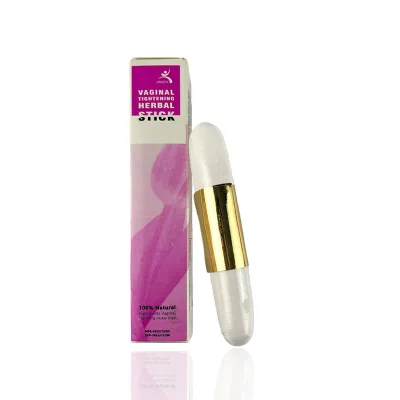
Chinaherbs Women Vagina Tightening Stick Restore Vaginal Elasticity Yoni Repair Wand
$1.90 - $2.50
MOQ: 100 Pieces

Chinaherbs Madura Vaginal Massage Stick Vagina Cleaning Vaginal Tightening Wand
$1.90 - $2.50
MOQ: 100 Pieces


Chinaherbs Madura Stick Vaginal Tightening Wand Restore Health for Female Intimate
$1.60 - $2.20
MOQ: 100 Pieces

Chinaherbs Maduras Vaginal Tightening Stick Lasting Results for Female Vagina Tightening
$1.90 - $2.50
MOQ: 100 Pieces

Discount Biotechnology (Chengdu) Co., Ltd.
- Verified by SGS
- Trading Company
- China Sichuan
- Lead time23 days
- Avg. response≤ 4h
Main productsHealth Supplement, Energy Supplement, Honey Supplement, Functional Gummy, Energy Drink, Sports Supplement, Energy Pouches Customization, Diabetic Supplement, Feminine Health, OEM Oral Strips
Main marketsSouth America,Eastern Europe,Mid East,North America,Southeast Asia,Western Europe,Africa


Free Sample Hot Sell Natural Herbal Vagina Tightening Rejuvenation Stick Yoni Wands
$2.50 - $4.00
MOQ: 10 Pieces

Free Sample Customization Herbal Vagina Detox Tightening Rejuvenation Stick Yoni Wand
$2.50 - $4.00
MOQ: 10 Pieces


Best Selling Female Shrinking Virginity Detox Stick Yoni Tightening Wand for Women Loose Vaginas
$2.50 - $3.50
MOQ: 10 Pieces

Abarke (tianjin) Technology Co., Ltd.
- Manufacturer, Trading Company
- Tianjin, China
- Lead time15 days
- Avg. response≤ 7h
Main productsJade Eggs,Guasha Tools,Jade Rollers,Jade Crafts,Ice Globe
Main marketsNorth America(22.00%), Western Europe(20.00%), Northern Europe(11.00%), Eastern Asia(8.00%), Southern Europe(8.00%), Mid East(8.00%), Central America(6.00%), South Asia(5.00%), South America(4.00%), Oceania(2.00%), Africa(2.00%), Southeast Asia(2.00%), Eastern Europe(2.00%)
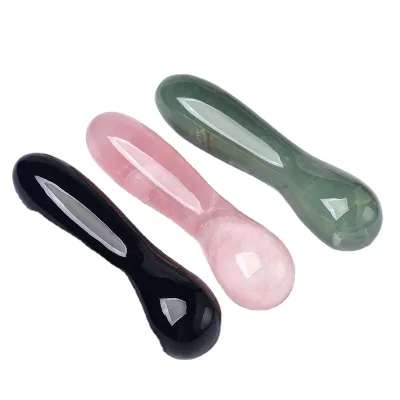
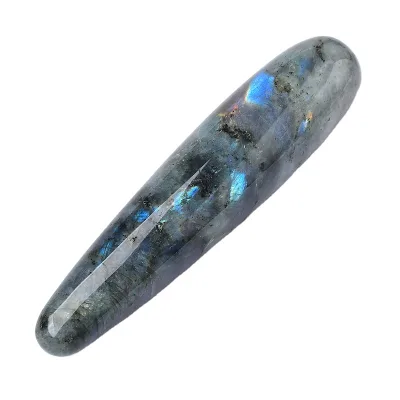
Hot Selling Private Label Factory Vaginalmassage Tightening Stick Yoni Wand
$25.80 - $30.40
MOQ: 1 Minimum
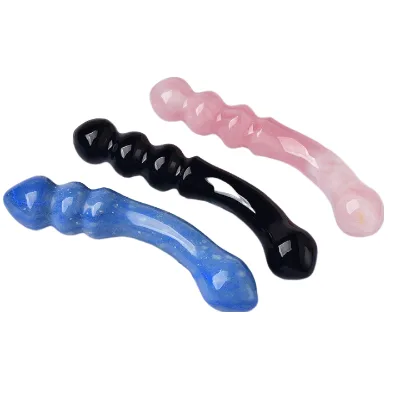
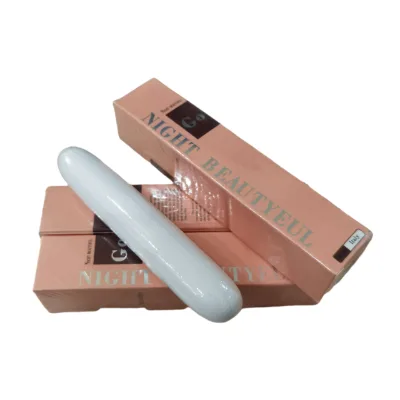
Feminine Hygiene Women Herbal Vaginal Yoni Tightening Stick Wands Other Massage Products
$40.00 - $50.00
MOQ: 1 Minimum
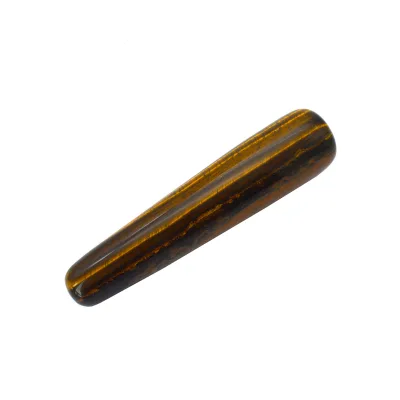
$25.00 - $39.00
MOQ: 2 pieces
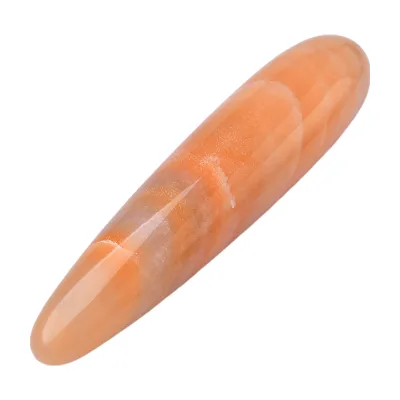
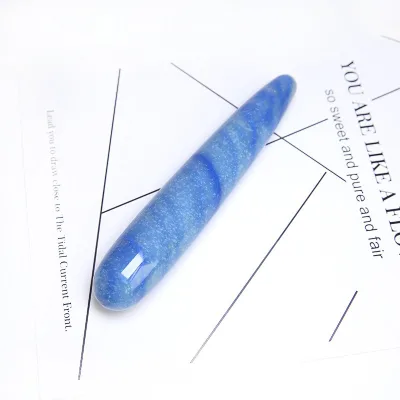
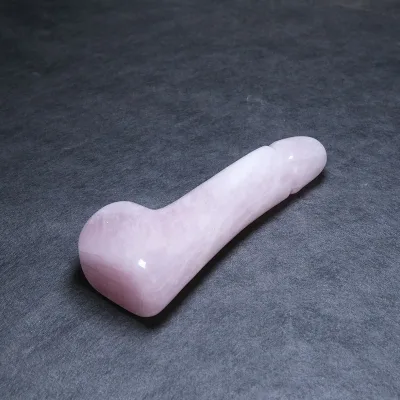
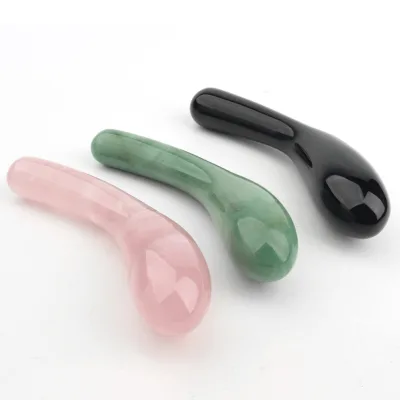
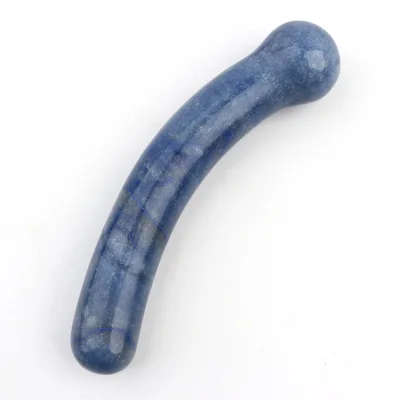
Yoni Pink Aventurine Wand Crystal Stone for Natural Healing Spiritual Crystal Massage Wand
$21.50 - $28.00
MOQ: 1 Minimum
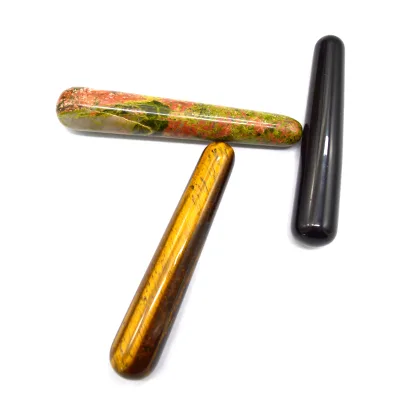
Wenwu Jade Health Development (shenzhen) Limited Company
- Manufacturer, Trading Company
- Guangdong, China
- Lead time25 days
- Avg. response≤ 3h
Main productsCrystal craft,Jade guasha and roller,Crystal jewelry,Crystal animal carving,Crystal yoni egg
Main marketsNorth America(32.00%), Western Europe(20.00%), Oceania(12.00%), Northern Europe(8.00%), South America(7.00%), Southeast Asia(6.00%), Eastern Asia(5.00%), Southern Europe(3.00%), Eastern Europe(3.00%), Central America(2.00%), Mid East(2.00%)

Xi'an Green-Orange Commerce Co., Ltd.
- Trading Company
- Shaanxi, China
- Lead time0 days
- Avg. response≤ 4h
Main productsVaginal Rejuvenation Gel,Yoni Steam Herbs,Yoni Mask,Yoni Wash,Yoni oil
Main marketsAfrica(30.00%), North America(20.00%), South America(20.00%), Western Europe(5.00%), Eastern Asia(5.00%), Oceania(5.00%), Eastern Europe(5.00%), Southeast Asia(5.00%), Central America(3.00%), South Asia(2.00%)
Xi'an Chinaherbs Commerce Co., Ltd.
- Verified by SGS Group
- Manufacturer, Trading Company
- Lead time5 days
- Avg. response≤ 4h
Main productsWomen Health Product, Feminine Hygiene Products, Herbal Tea, Slimming Tea, Dietary Supplement
Main marketsNorth America(55%), Africa(20%), South America(6%)
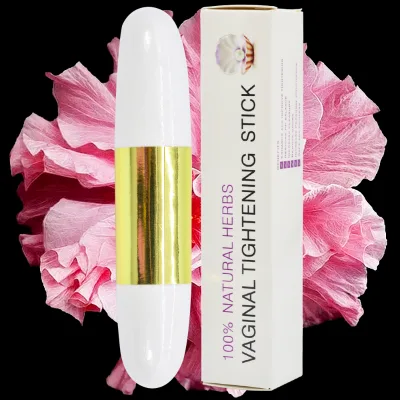
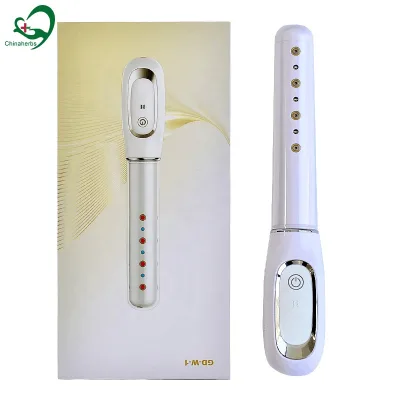
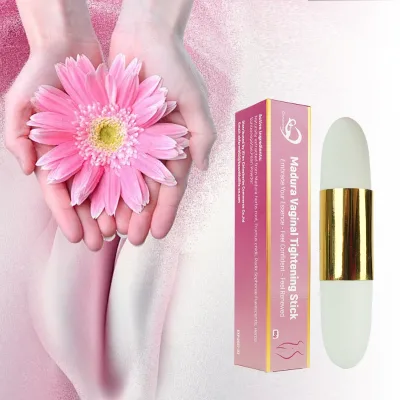
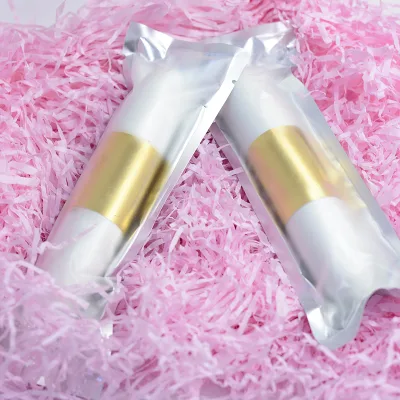
$60.4953 - $97.4083
MOQ: 1 boxes

- Trading Company
- Hebei, China
- Lead time15 days
- Avg. response≤ 2h
Main productsSex Toy Vibrator, Personal Lubricant, Masturbator, Sex Delay Spray, Bondage Gear
Main marketsNorth America(50.00%), South America(10.00%), Africa(10.00%), Eastern Europe(10.00%), Southeast Asia(10.00%), Western Europe(5.00%), Northern Europe(5.00%)
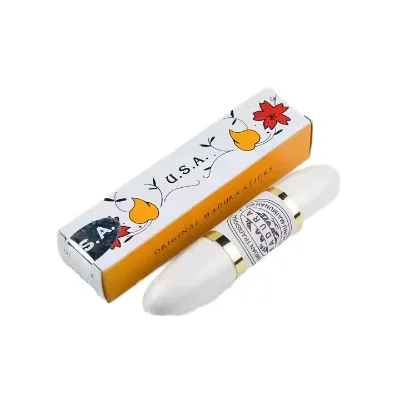
Sexual Products Natural Herbal Yoni Tightening Wand Vaginal Tightening Stick for Women
$1.75 - $2.05
MOQ: 10 pieces
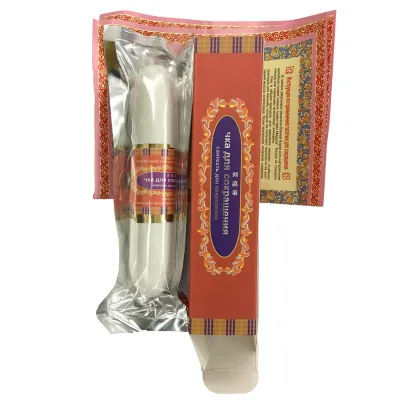
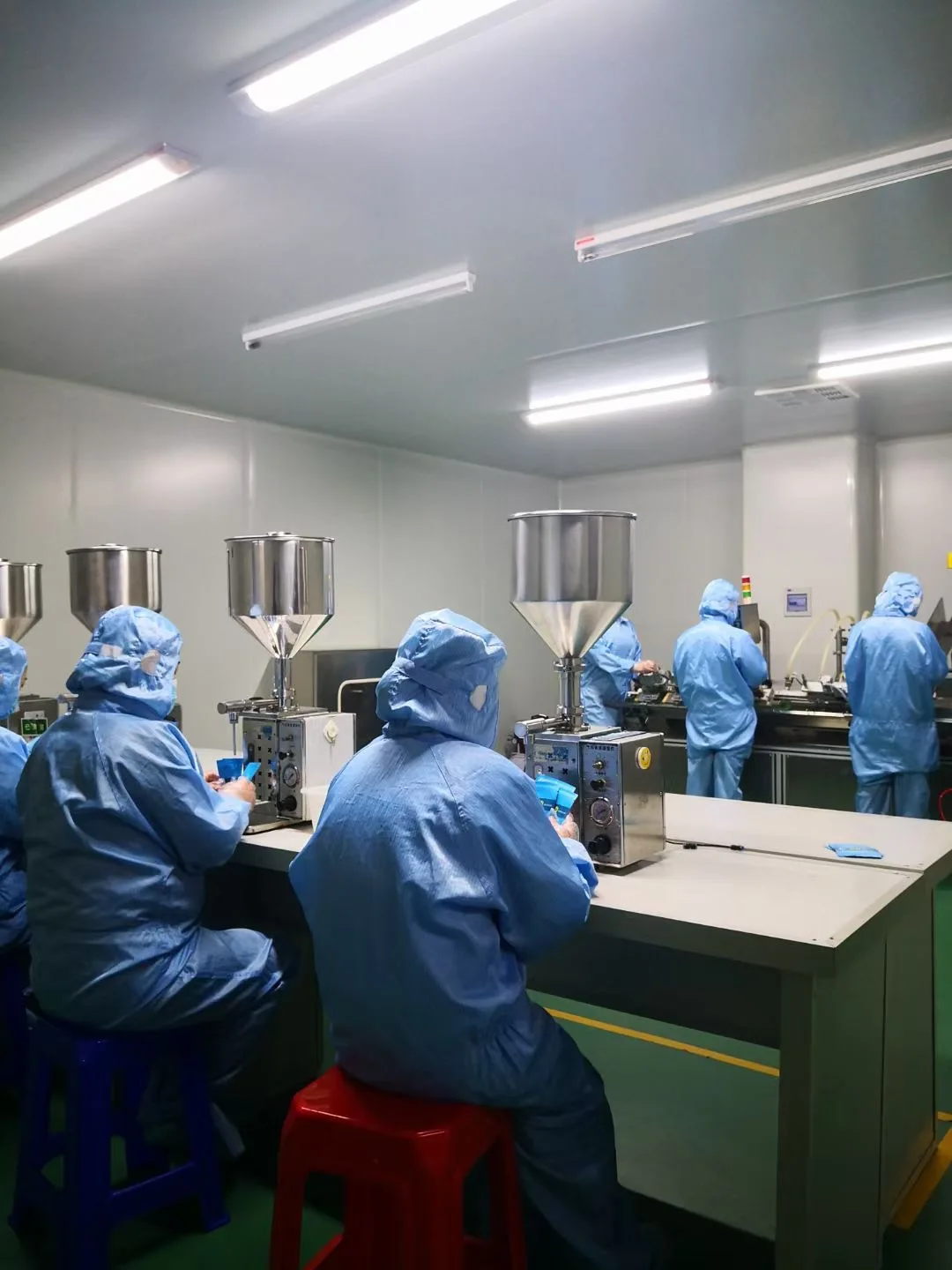
Xi'an Aimei Youpin Trading Co., Ltd.
- Trading Company
- Shaanxi, China
- Lead time5 days
- Avg. response≤ 6h
Main productsYoni pearls,Steam herbs,Vaginal tightening gel,Yoni wash,yoni oil
Main marketsNorth America(20.00%), South Asia(10.00%), Southeast Asia(10.00%), Northern Europe(10.00%), South America(10.00%), Domestic Market(5.00%), Africa(5.00%), Southern Europe(5.00%), Eastern Europe(5.00%), Central America(5.00%), Western Europe(5.00%), Eastern Asia(5.00%), Mid East(5.00%), Oceania(5.00%)
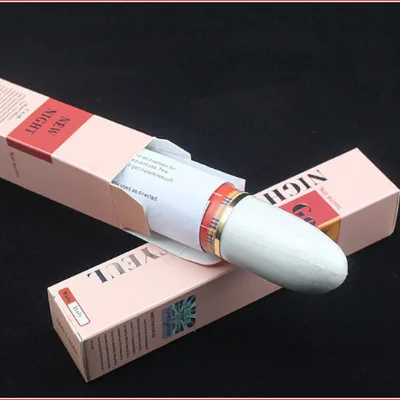
Best Seller Vaginal Tightening Sticks Yoni Tightening Stick Toy Tighten the Vagina and Return
$2.0674 - $2.6871
MOQ: 1 pieces
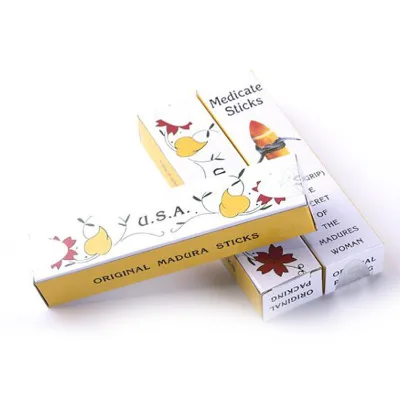
Factory Wholesale OEM Pure Herbal Vaginal Tightening Wand & Yoni Stick for Women
$2.1392 - $2.5464
MOQ: 10 pieces
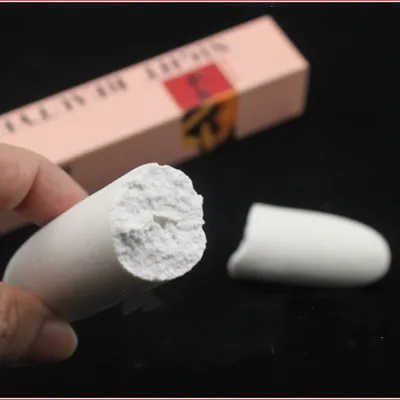
$2.4865 - $2.6946
MOQ: 10 pieces
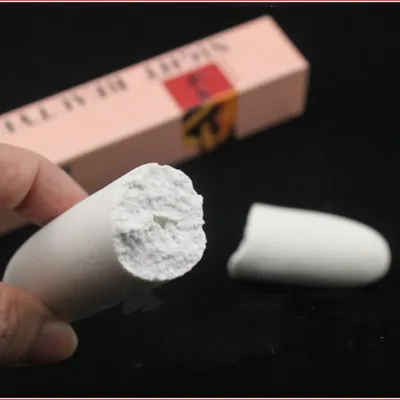
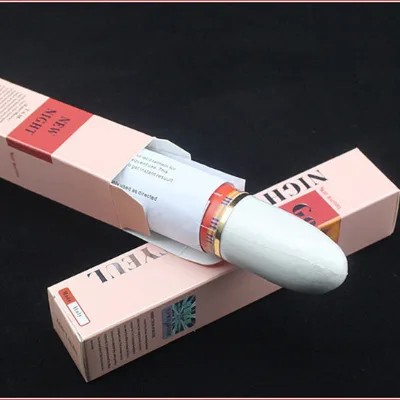
2021 New Arrival Customizable Women's Vaginal Tightening Stick Effective Vaginal Tightening Wand
$2.0374 - $2.5464
MOQ: 10 pieces
Jade (Tianjin) Technology Co., Ltd.
- Trading Company
- Tianjin, China
- Lead time7 days
- Avg. response≤ 5h
Main productsjade roller,gua sha,guasha,jade gua sha,Iastm tools
Main marketsSouth America(25.00%), Central America(20.00%), North America(20.00%), Domestic Market(15.00%), Northern Europe(5.00%), Southern Europe(5.00%), Africa(5.00%), Eastern Europe(3.00%), Western Europe(2.00%)

Shaanxi Jianchi Biopharmaceutical Co., Ltd.
- Manufacturer, Trading Company
- Shaanxi, China
- Lead time10 days
- Avg. response≤ 2h
Main productsMan Care Products,Vaginal Tightening Gel,Body Essential Oils,Yoni Detox Pearls,Yoni Wash
Main marketsNorth America(31.00%), Southeast Asia(30.00%), Africa(27.00%), Western Europe(7.00%), Northern Europe(5.00%)

Shenzhen Blue Rabbit Technology Co., Ltd.
- Manufacturer, Trading Company
- Guangdong, China
- Lead time7 days
- Avg. response≤ 2h
Main productsVibrators,Dildos,Male Masturbators,Bondage Toys,Sexy Lingeries
Main marketsSoutheast Asia(30.00%), North America(15.00%), Domestic Market(15.00%), Western Europe(15.00%), South America(10.00%), Eastern Asia(10.00%), Eastern Europe(5.00%)
Donghai Shama Jewelry Co., Ltd.
- Trading Company
- Jiangsu, China
- Lead time0 days
- Avg. response≤ 1h
Main productsCrystal crafts,Jewelry & Accessories,Crystal items,Crystal key chain,Crystal mineral specimen
Main marketsSouth America(40.00%), North America(40.00%), Southeast Asia(10.00%), Eastern Europe(10.00%)
Donghai Pao Pao Mouse Jewelry Co., Ltd.
- Manufacturer, Trading Company
- Jiangsu, China
- Lead time15 days
- Avg. response≤ 1h
Main productsCrystal Jewelry Design, Crystal Carving, Crystal Sphere Tower, Crystal Chips Tumbled, Crystal Raw Specimen
Main marketsNorth America(34.00%), Eastern Europe(20.00%), Southeast Asia(14.00%), Africa(11.00%), South America(8.00%), Mid East(8.00%), Oceania(5.00%)
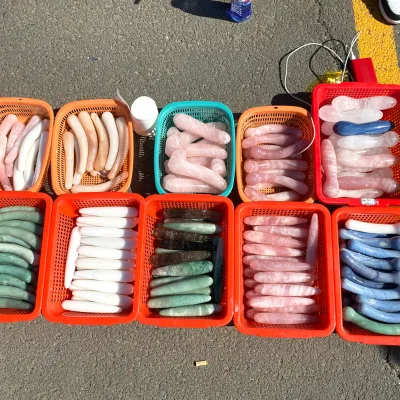
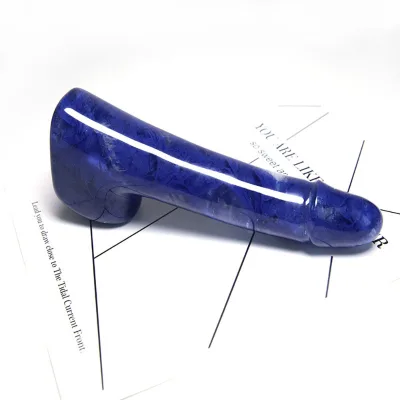
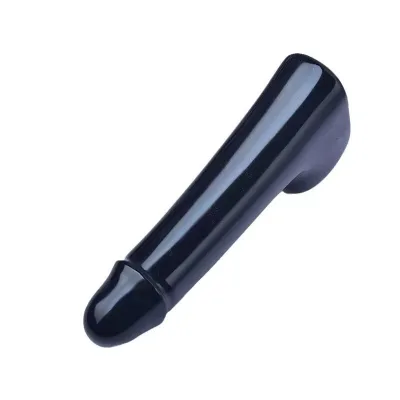
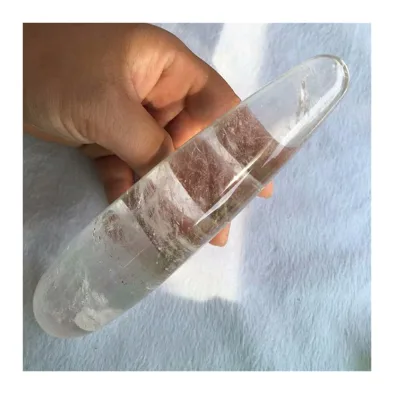
Hot Sales Natural Yoni Dildo Massager Healing Stone Hand Carved Crystal Yoni Wand Massagers
$25.00 - $30.00
MOQ: 10 pieces
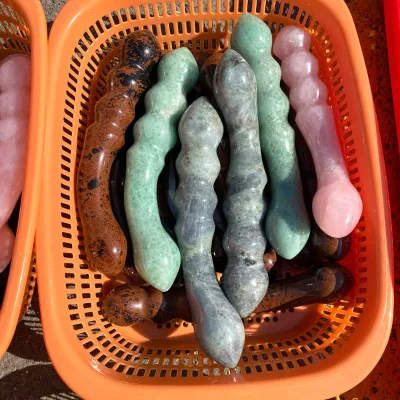
$32.4999 - $40.7528
MOQ: 10 pieces
Donghai Buildful Jewelry Co., Ltd.
- Verified by Intertek
- Manufacturer, Trading Company
- Lead time10 days
- Avg. response≤ 2h
Main productsCrystal Tumbled Gravel Stone, Crystal Handmade Pendant, Crystal Tower Point, Crystal Sphere Ball, Crystal Chakra Gift Box
Main marketsNorth America(48%), South America(22%), Oceania(8%)

Donghai Crown Crystal Crafts Co., Ltd.
- Trading Company
- Jiangsu, China
- Lead time3 days
- Avg. response≤ 6h
Main productsCrystal Points/Crystal Carvings/Crystal Hearts/Crystal Skulls/Crystal Balls
Main marketsEastern Europe(26.00%), North America(18.00%), South America(15.00%), Central America(10.00%), Northern Europe(10.00%), Southeast Asia(10.00%), Southern Europe(6.00%), Western Europe(5.00%)

Donghai Jinuo Crystal Co., Ltd.
- Trading Company
- Jiangsu, China
- Lead time15 days
- Avg. response≤ 8h
Main productsCrystal Point, Crystal Ball, Crystal Massage Wand, Crystal Carving, Crystal Gravel
Main marketsNorth America(59.00%), Western Europe(10.00%), Northern Europe(10.00%), South America(5.00%), Oceania(5.00%), Southeast Asia(3.00%), Southern Europe(2.00%), Eastern Asia(2.00%), Eastern Europe(2.00%), South Asia(1.00%), Mid East(1.00%)
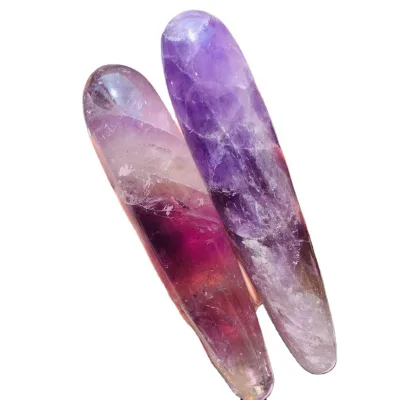
Natural Carved Healing Crystal Yoni Massage Wand Amethyst Crystal Dildo for Woman
$75.00 - $80.00
MOQ: 1

Donghai Vardy Crystal Company Limited
- Trading Company
- Jiangsu, China
- Lead time10 days
- Avg. response≤ 2h
Main productscrystal points and wands,crystal spheres,crystal clusters,gemstone carving,mineral specimens
Main marketsWestern Europe(30.00%), North America(25.00%), South America(12.00%), Eastern Europe(12.00%), Northern Europe(11.00%), Oceania(6.00%), Mid East(4.00%)
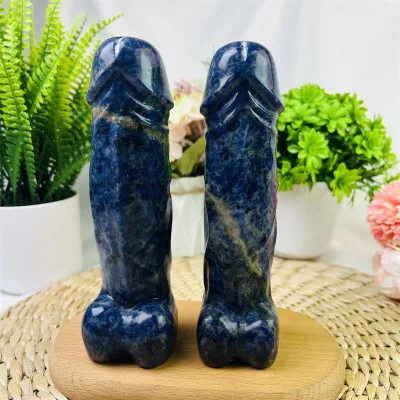
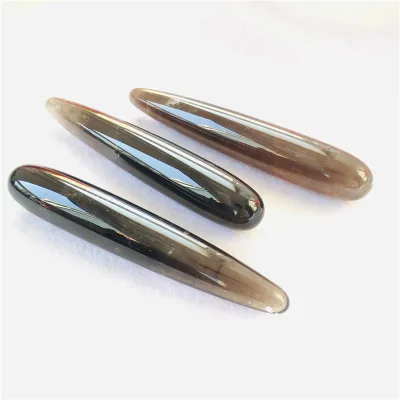
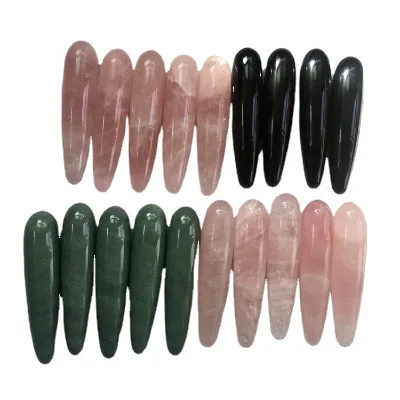
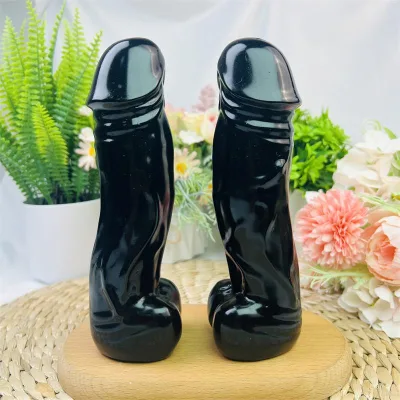
$23.7963 - $30.0029
MOQ: 2 pieces
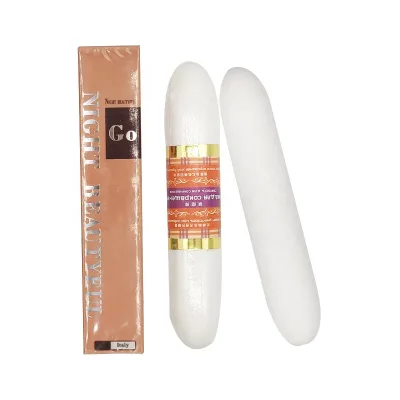
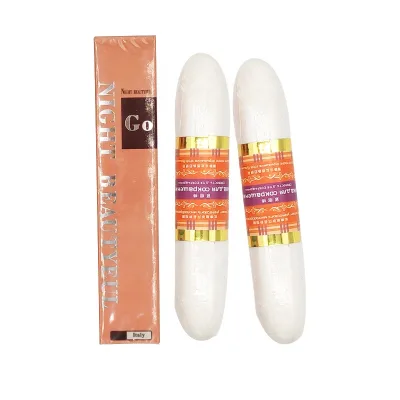
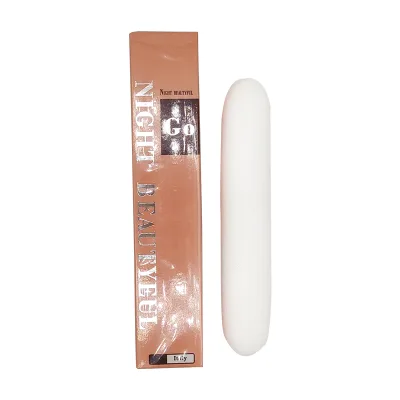
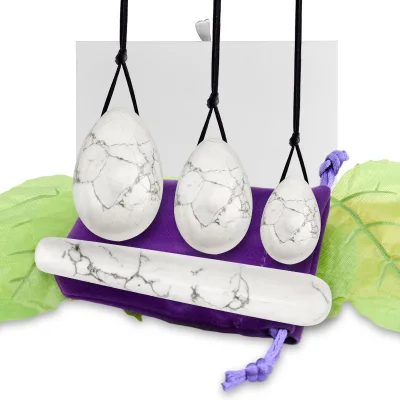
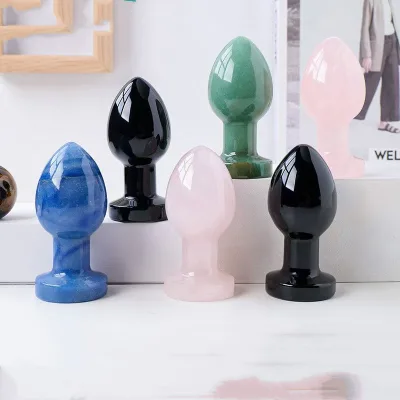
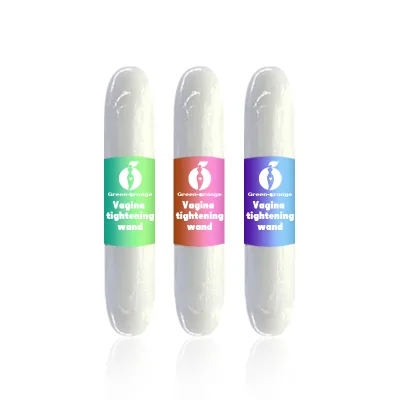
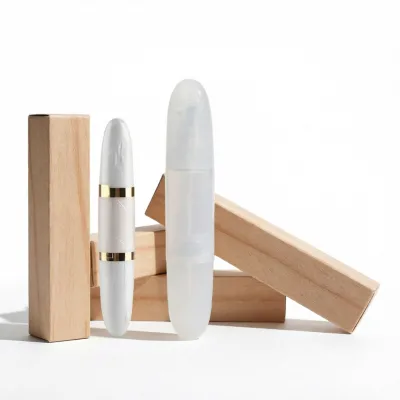
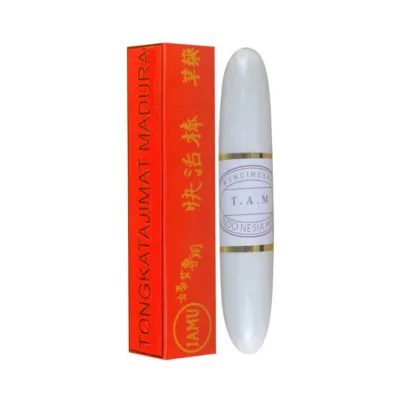
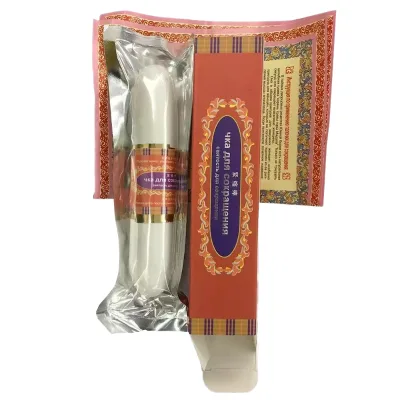
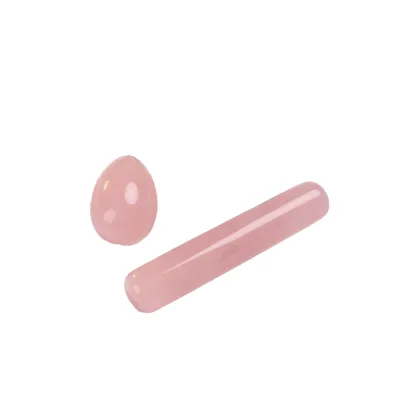
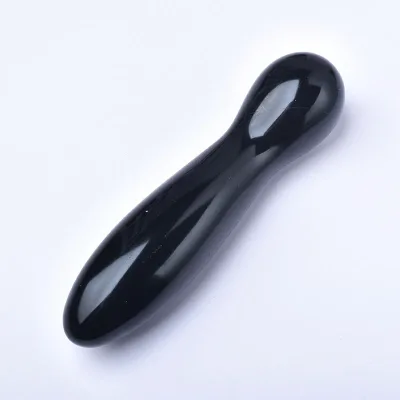
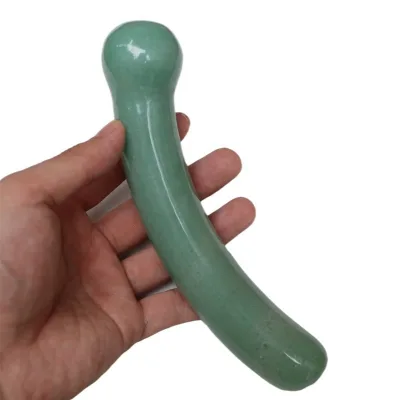
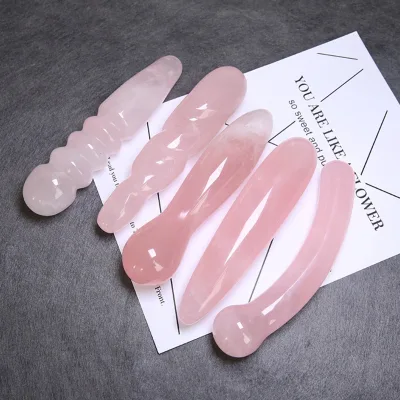
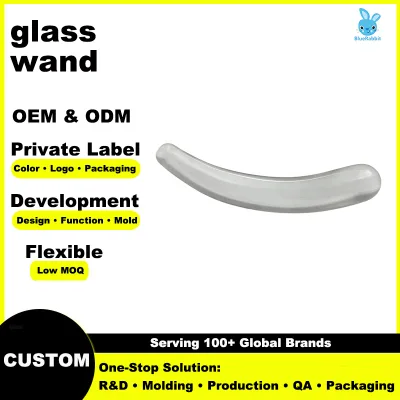
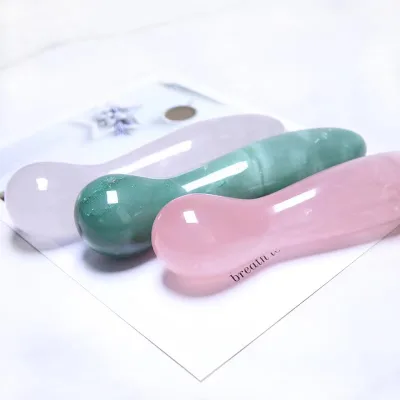
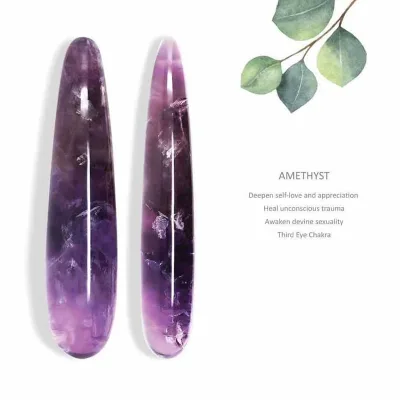
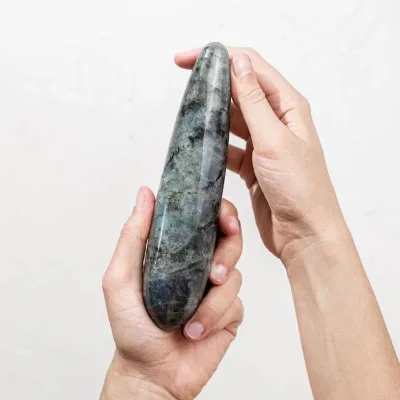
Comprehensive Sourcing Guide
Yoni Wand Supplier Concentration and Factory Types
The current landscape for Yoni Wand sourcing reveals a distinct mix of trading companies and combined manufacturing entities, each offering different advantages for buyers seeking intimate care products. Many available suppliers operate primarily as trading companies, which can streamline communication and offer a broader range of complementary items such as yoni oil, wash, and probiotics alongside the core wand products. These entities often facilitate easier order management for smaller buyers who need consolidated shipping from a single source. However, the presence of combined suppliers indicates that some manufacturers also handle their own branding and design processes, providing a more direct link to production capabilities. This hybrid model allows for greater flexibility in customization, including OEM and ODM services, which is crucial for brands looking to differentiate their offerings in the competitive feminine hygiene market.
Understanding the factory type is essential for determining the level of control a buyer has over the supply chain. Trading companies may offer faster response times and lower minimum order quantities, making them suitable for testing new markets or launching small batches. In contrast, combined suppliers with in-house design teams and production lines might provide more robust quality assurance and consistent product specifications, especially for larger volume orders. Buyers should carefully evaluate whether their priority lies in speed and variety or in manufacturing depth and brand exclusivity. The distinction between these supplier types directly impacts lead times, pricing structures, and the ability to implement specific safety features or ingredient profiles required for international compliance.
How to Verify Yoni Wand Suppliers
Verification is a critical step when sourcing Yoni Wand products, as the intimate nature of these items demands high standards of safety and quality assurance. Buyers should prioritize suppliers that display third-party verification badges, such as those from SGS Group or Bureau Veritas, which indicate that the company has undergone rigorous audits of its business operations and product quality systems. These verifications provide a layer of confidence that the supplier is legitimate and adheres to professional standards, reducing the risk of fraud or substandard manufacturing. Additionally, checking for system certifications like CPNP or SCPN is vital for suppliers targeting European markets, as these registrations are often mandatory for personal care products sold within the EU. Without these specific certifications, products may face regulatory hurdles or be rejected at customs, leading to significant delays and financial losses.
Beyond basic verification badges, buyers must scrutinize the specific product attributes and safety claims provided by the supplier. Look for detailed information regarding ingredients, such as natural herbs or estrogen-free formulations, and ensure that the supplier provides certificates of analysis (COA) or other relevant documentation like ISO or CNAS certifications. These documents serve as proof that the product has been tested for purity and efficacy, which is particularly important for items claiming vaginal tightening or elasticity restoration benefits. Buyers should also verify the supplier’s response time and lead time metrics, as these indicators reflect their operational efficiency and reliability. A supplier with a slow response time may struggle to address urgent issues or provide timely updates on production status, which can disrupt supply chain planning.
What to Compare Across Yoni Wand Suppliers
When evaluating multiple suppliers for Yoni Wand products, buyers should compare key operational metrics such as minimum order quantity (MOQ), lead time, and price ranges to find the best fit for their business model. Some suppliers offer low MOQs, such as ten pieces, which are ideal for small businesses or those testing new product lines, while others may require higher volumes, such as one hundred pieces, to achieve more competitive pricing. Lead times also vary significantly, with some suppliers offering rapid turnaround times of seven days, while others may require up to fifteen or twenty-three days for production and shipping. Understanding these differences allows buyers to align their inventory planning with supplier capabilities, ensuring that they can meet customer demand without overstocking or facing stockouts.
In addition to operational metrics, buyers should compare the range of main products and customization options offered by each supplier. Suppliers that specialize in a narrow range of products may offer deeper expertise and higher quality control, while those with broader catalogs, including slimming teas, health supplements, and feminine hygiene items, may provide more convenience for buyers seeking a one-stop solution. Customization capabilities, such as OEM/ODM support, custom packaging, and private labeling, are also crucial for brands looking to establish a unique identity in the market. Buyers should inquire about the supplier’s design team experience and their ability to create custom boxes or labels that reflect their brand values. Comparing these factors helps buyers identify suppliers that not only meet their immediate product needs but also support their long-term brand growth and market positioning.
Common Yoni Wand Sourcing Risks
One of the primary risks in sourcing Yoni Wand products is the potential for non-compliance with international safety and regulatory standards. Since these products are used in intimate areas, they are subject to strict regulations regarding ingredients, labeling, and manufacturing practices. Buyers must ensure that their suppliers adhere to these standards and provide all necessary documentation, such as certificates of analysis and safety data sheets. Failure to comply with regulations can result in product recalls, legal penalties, and damage to brand reputation. Additionally, buyers should be cautious of suppliers who make exaggerated claims about product efficacy, such as permanent vaginal tightening, without providing scientific evidence or clinical trials to support these assertions. Such claims can lead to regulatory scrutiny and consumer distrust.
Another significant risk is the variability in product quality and consistency across different batches. Buyers should request samples to evaluate the physical attributes of the product, such as weight, packaging, and material quality, before placing large orders. Inconsistent quality can lead to customer dissatisfaction and negative reviews, which can harm sales and brand loyalty. Furthermore, buyers should be aware of the potential for supply chain disruptions, especially if the supplier relies on a single source for raw materials or has limited production capacity. Diversifying suppliers and maintaining open communication with them can help mitigate these risks. Buyers should also consider the supplier’s location and logistics capabilities, as these factors can impact shipping times and costs, especially for international orders.
Yoni Wand Regional Sourcing and Logistics
The geographic location of suppliers plays a crucial role in determining shipping costs, lead times, and regulatory compliance for Yoni Wand products. Many suppliers are located in regions such as Shaanxi and Sichuan in China, which are known for their manufacturing capabilities in personal care and health products. Buyers should consider the logistical advantages of sourcing from these regions, including proximity to major ports and established shipping routes. However, it is important to verify the specific location of each supplier, as this can impact customs clearance and import duties in the buyer’s country. Buyers should also be aware of any regional trade agreements or tariffs that may affect the final cost of the products.
Logistics planning is essential for ensuring timely delivery and minimizing storage costs. Buyers should work with suppliers to determine the most efficient shipping methods, such as air freight for urgent orders or sea freight for larger volumes. It is also important to consider the packaging and labeling requirements for international shipping, including any specific regulations regarding hazardous materials or restricted items. Buyers should ensure that their suppliers provide accurate shipping documentation and track shipments throughout the process to avoid delays or lost goods. Additionally, buyers should consider the environmental impact of their shipping choices and explore sustainable logistics options where possible. By carefully planning their logistics, buyers can optimize their supply chain and improve their overall operational efficiency.
Yoni Wand Commercial Terms and Order Planning
Commercial terms and order planning are critical components of successful Yoni Wand sourcing, as they directly impact the buyer’s cash flow and inventory management. Buyers should negotiate clear payment terms, such as partial upfront payments and balance upon shipment, to mitigate financial risk. It is also important to establish clear expectations regarding lead times, production schedules, and quality control processes. Buyers should request detailed production timelines from their suppliers and monitor progress regularly to ensure that orders are completed on time. Additionally, buyers should consider the cost of customization, such as private labeling or custom packaging, and factor these expenses into their overall budget.
Order planning should be based on accurate demand forecasting and market analysis to avoid overstocking or stockouts. Buyers should analyze historical sales data and market trends to determine the optimal order quantities and reorder points. It is also important to consider the shelf life of the products, which is typically around twenty-four months for Yoni Wand items, and plan orders accordingly to minimize waste. Buyers should also establish contingency plans for potential supply chain disruptions, such as having backup suppliers or maintaining safety stock. By carefully planning their orders and managing their commercial terms, buyers can optimize their inventory levels and improve their profitability.
FAQs
What is the typical MOQ for yoni wands?
Most suppliers require a minimum order quantity of 10 pieces for standard yoni wands. Some manufacturers set higher thresholds, such as 100 pieces, for bulk wholesale orders. Buyers should verify the specific MOQ with each supplier before placing an order to ensure it aligns with their inventory needs.
How long does production take for these products?
Lead times vary significantly among suppliers, ranging from 7 days to 23 days. Faster turnaround times are often available for smaller orders or stock items. Larger production runs or custom OEM/ODM requests typically require more time. Always confirm the exact lead time with the supplier before finalizing the purchase.
Are yoni wands certified for safety?
Many suppliers offer products with certifications such as CE, ISO, CNAS, and FDA. Some also provide CPNP or SCPN compliance for specific markets. Buyers should request valid certificates and test reports to verify product safety and regulatory compliance before importing. Always check the specific certifications listed for each product.
Can I get samples before bulk ordering?
Yes, most suppliers offer samples for yoni wands to allow quality evaluation. Samples are typically available for review before committing to a larger purchase. Buyers should contact the supplier directly to request a sample and inquire about any associated costs or shipping fees for the initial evaluation.
Where are these yoni wands manufactured?
These products are primarily manufactured in China, with specific origins in Shaanxi and Sichuan provinces. Buyers can filter suppliers by location to find manufacturers in these regions. Verifying the place of origin helps ensure transparency regarding production standards and logistics planning for international shipping.
What is the price range for yoni wands?
Prices for yoni wands typically range from $1.60 to $2.50 per unit. The final cost depends on the order quantity, customization options, and packaging requirements. Buyers should request a detailed quote based on their specific volume and specifications to get an accurate price for their procurement needs.