Source 010 Gauge Electric Guitar String for Studio, Stage, and Replacement Use
Browse 30 listings for 010 Gauge Electric Guitar String sets, including nickel-wound models with gauges from 009 to 012 and sets in the .010-.046 standard. Compare materials, packaging, MOQs, and customization options across suppliers before requesting quotes; compare the available evidence and request quotations based on your requirements.
Key considerations
Products List


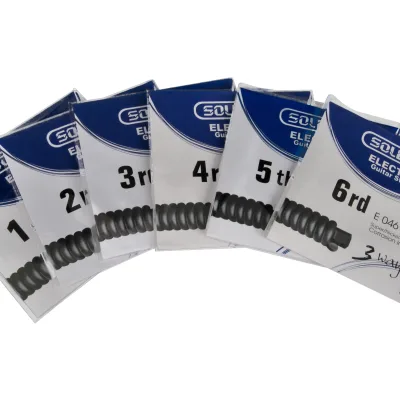
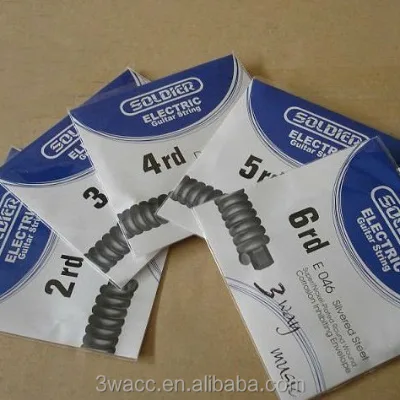


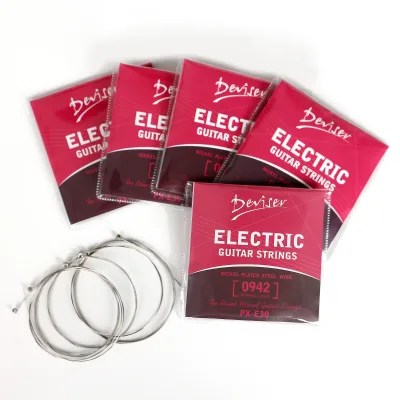
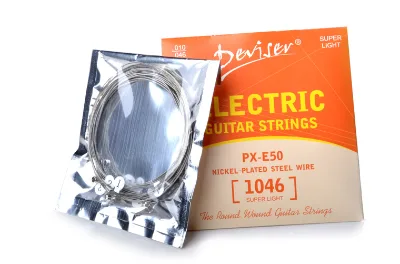


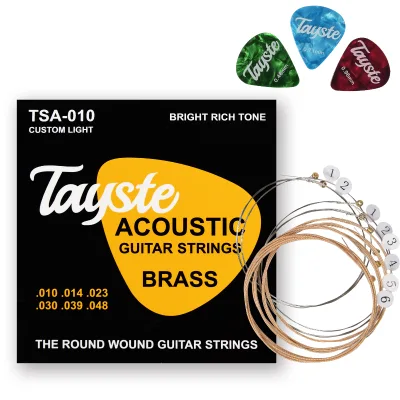
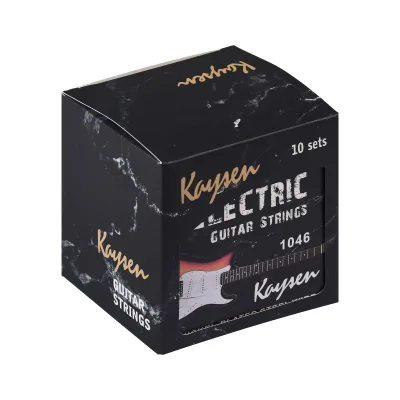
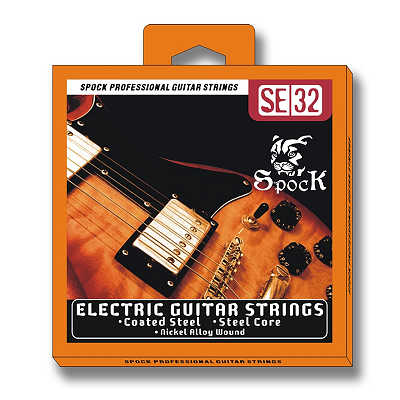
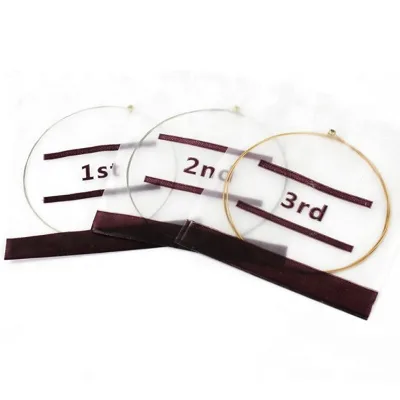
Comprehensive Sourcing Guide
010 Gauge Electric Guitar String Sourcing Guide
The 010 Gauge Electric Guitar String remains one of the most commonly stocked items in the electric string category, and B2B buyers sourcing it typically encounter listings built around complete six-string sets rather than single strings. The observed product pages in this category describe items styled as "010 Electric Guitar String Set," with model numbers such as GS010, GS310, and EG-0946, and packing formats ranging from 100 sets to 500 sets per carton. This tells buyers immediately that the trade unit is the set, and that volume pricing will be calculated on set counts, not individual strings.
Because the keyword spans multiple listed configurations—nickel-plated electric sets, sets with Austrian steel cores and nickel alloy windings, and even acoustic-adjacent models listed under the same family—buyers must first decide which sub-segment matches their market. A bulk distributor restocking entry-level sets has very different requirements from a brand owner commissioning custom-printed paper packaging. This guide walks through scope, technical verification, compliance, cost, qualification, and long-term checks using only the signals visible on the supplied product pages, so every recommendation maps to something a buyer can actually confirm on a listing before committing to a purchase order.
Product Scope and Observed Listing Signals
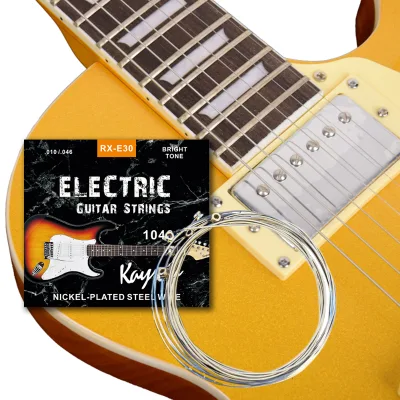
The listings reviewed cluster into several distinct product types. Electric guitar string sets dominate, styled as "Electric Guitar Strings" and "6 String" configurations with gauges of 009, 010, 011, and 012 referenced across models such as GS209, GS010, GS012, GS310, and GS111. One acoustic guitar model, AS011, appears in the same family, confirming that a supplier string catalog often straddles electric and acoustic lines. The stated standard ".010–.046" defines the light-gauge set construction most buyers associate with the core keyword, and one listing explicitly specifies a 010–046 size range.
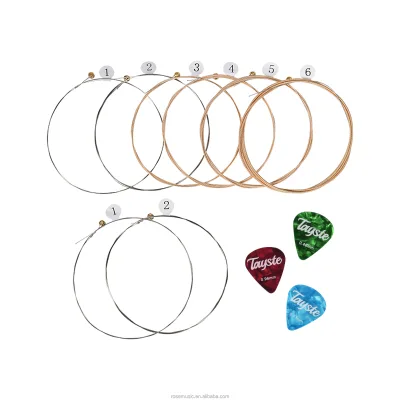
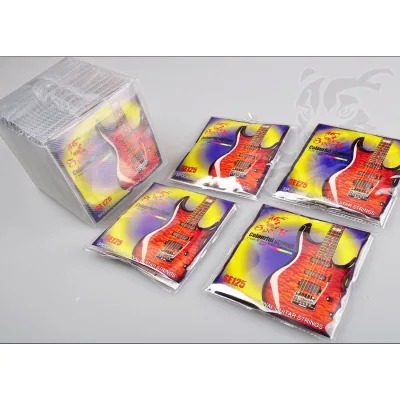
Material and construction signals also vary meaningfully. Listings cite Stainless Steel and generic Metal as materials, with one specification distinguishing an Austrian Steel core from a Nickel Alloy outside winding. Color attributes include Nickel and a Silver plus Rose Gold combination on model A503. Packing formats differ substantially—100 sets per carton on some models, 500 sets per carton on GS310, and 200 sets per carton on GS111—while one listing notes a vacuumed plastic bag package and another cites a 63X63X53 cm single package size with 7.0 kg gross weight. Buyers should treat these as per-listing observations, not category-wide guarantees, and confirm which configuration each quoted model actually carries.
Technical Specifications to Verify
Gauge specification is the first technical checkpoint. The core keyword implies a first string at .010, but buyers should verify the complete set taper—whether the listing follows the stated ".010–.046" standard or a different range such as the 009 or 012 sets also present in the catalog. Confirm in writing that each of the six strings matches the agreed diameter and winding type, since a "010 set" label can cover plain-steel high strings and wound low strings with different construction methods. Request a spec sheet that lists each string's gauge rather than relying on the set-level label alone.
Material construction deserves equal scrutiny. The distinction between an Austrian Steel core with Nickel Alloy winding and a generic stainless or metal construction affects both tone and corrosion resistance, so buyers should confirm exactly which construction applies to each model quoted—GS010, GS209, GS310, or another variant. Also verify packaging details: one listing specifies a vacuumed plastic bag, which supports shelf life, while others describe carton-level packing only. Confirm string length where stated (one listing cites 92 cm), the set quantity (6 pieces per set), and the packing count per carton so inbound logistics and repackaging plans align with the actual shipment.
Compliance and Safety Documentation
None of the supplied listings states a certification, test standard, or safety report, so buyers must treat compliance as an open verification item rather than an assumed attribute. For guitar strings, the practical documentation request centers on material composition: since nickel and nickel alloys are the stated winding materials, buyers selling into regulated consumer markets should ask suppliers for material declarations confirming alloy content, and should independently verify any claims about nickel release or restricted substances through their own testing protocols. Do not accept a listing-level material label as proof of regulatory conformity.
Geographic origin is the one location signal the listings do provide: China, with Tianjin specifically cited on one product page. Buyers importing from these origins should confirm with their own customs brokers which documentation their destination market requires for metal consumer goods, and request that the supplier supply whatever declarations their compliance team specifies—material safety data, composition statements, or third-party test reports commissioned by the buyer. Because the listings make no certification claims, the safest procurement posture is to specify documentation requirements in the purchase contract itself, with agreed remedies if supplied documents fail verification on arrival.
Cost Drivers and Commercial Terms
Observed pricing spans a wide band, from 0.19 to 450 USD across the 30 listings, reflecting the difference between single sets and bulk cartons as well as construction differences between basic and premium models. Buyers should anchor negotiations on the set as the selling unit—one listing explicitly states "Selling Units: Single item"—and normalize all quotes to a per-set basis before comparing. Gauge, core material, and winding alloy all influence cost, so a GS010 nickel set and an Austrian-steel-core model should not be benchmarked against each other without adjusting for construction.
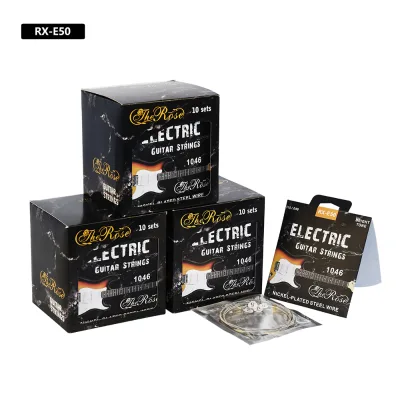
Minimum order quantities observed range from 10 to 200, with two listings specifying 100 pieces and 100 sets respectively as minimum orders. Carton packing counts—100, 200, or 500 sets per carton—directly affect freight economics and should be factored into landed-cost calculations alongside the stated gross weight of 7.0 kg per single-item package. Customization is listed as available, and one supplier notes it can print the buyer's paper packaging with OEM and ODM confirmed on model A503, so buyers should price the stock configuration separately from any custom-packaged variant, since printed packaging typically changes unit cost and may affect minimum order commitments.
Supplier Qualification and Quality Control
Qualification should start with the model-level data visible on listings. A supplier offering GS010, GS209, GS012, GS310, GS111, and AS011 across electric and acoustic types demonstrates range, but buyers should verify production consistency by requesting samples of the specific model quoted, not a substitute. Check that sample sets match the stated standard—.010–.046 or the agreed alternative—and that construction matches the claimed core-and-winding specification. For branded lines such as SOLIDER or SOLDIER, note the spelling discrepancy between listings and confirm exactly which brand, if any, the buyer is authorized to purchase or rebrand.
Quality control at receiving should be defined before the first order. Because packing varies from vacuumed plastic bags to carton counts of 100–500 sets, inspect packaging integrity on arrival, since corrosion and string failure often trace to compromised sealing. Verify set completeness (6 pieces per set per the listings), string gauge against the agreed specification, and finish quality on nickel or silver-and-rose-gold colored models. For customized orders with printed paper packaging, approve a pre-production proof and retain it as the reference standard for all subsequent shipments, tying acceptance criteria explicitly to the approved sample and spec sheet.
Long-Term Procurement Checks
Ongoing supply stability depends on monitoring the same attributes that qualified the supplier initially. Re-verify gauge consistency and set completeness on each replenishment lot, and track any drift in packaging format—whether the supplier quietly shifts from vacuumed bags to standard bags, or changes carton packing counts from the quoted 100, 200, or 500 sets. Confirm that origin remains as contracted, since the listings show both general China origin and a specific Tianjin placement, and any change in production location can affect freight cost and import documentation.
Long-term buyers should also manage the customization relationship deliberately. Where custom-printed paper packaging is in play, keep controlled copies of print files and approved proofs, and schedule periodic re-approval to catch artwork or material substitutions. Renegotiate commercial terms as volumes grow past the initial minimum order of 100 sets or pieces, using accumulated order history as leverage, and request updated material declarations periodically even if no compliance issue has surfaced. Finally, maintain a second qualified source for the same 010 gauge set specification, using identical sample-approval criteria, so a single-supply disruption does not force an unqualified substitution under time pressure.
FAQs
What gauge range does a standard 010 electric guitar string set cover?
A standard 010 electric guitar string set typically covers a range from .010 to .046, which is the listed specification for models like GS010. This means the high E string is .010 inch and the wound strings step up to .046 inch. Buyers should confirm the full gauge breakdown with each supplier before ordering.
Can 010 gauge electric guitar strings be customized with my own packaging?
Yes, customization is available for these guitar strings, and custom printed paper packaging can be produced for orders. Suppliers such as those listing EG-JS-0942/0946 support printing your own paper packing. Minimum order quantities and artwork requirements vary, so confirm the customization scope, sample approval process, and packaging format before placing a production order.
What materials are used in nickel 010 gauge electric guitar strings?
The listed 010 sets use Austrian steel for the core wire and a nickel alloy for the outer winding, with nickel listed as the color. Stainless steel is also noted as a material for some string products. Always request the exact material composition from the supplier, since construction can differ between models like GS010 and GS310.
How are 010 Gauge Electric Guitar String sets packed for shipment?
Sets are packed in vacuumed plastic bags, and carton packing is specified at 100 sets per carton for some models and 500 sets per carton for others. A listed carton size is 63X63X53 cm with a single gross weight of 7.0 kg. Confirm carton quantity and dimensions for the specific model you order.
What is the typical minimum order quantity for 010 gauge electric guitar strings?
Listed minimum order quantities are 100 pieces or 100 sets, depending on the product listing. Selling units are per single item or per set of six strings. Because MOQ terms differ between models and suppliers, ask each supplier to confirm whether the minimum applies to sets, pieces, or cartons before you request a quotation.
Where are 010 gauge electric guitar strings manufactured and what models are offered?
The strings are manufactured in China, with Tianjin noted as a place of origin. Available models include GS010, GS209, GS012, GS310, AS011 for acoustic use, and EG-0946 or EG-JS-0942/0946 under brand names like SOLIDER or SOLDIER. Verify each model's specifications and branding directly with the supplier, since listings vary.