Source 100 Pure Herbal Henna for hair dye, gray coverage, and growth
Compare 30 listings for 100 Pure Herbal Henna powder and extract from verified Chinese suppliers. Buyers can evaluate specifications, packaging options, and pricing for hair coloring, gray coverage, and hair growth applications; compare the available evidence and request quotations based on your requirements.
Updated
Key considerations
Products List
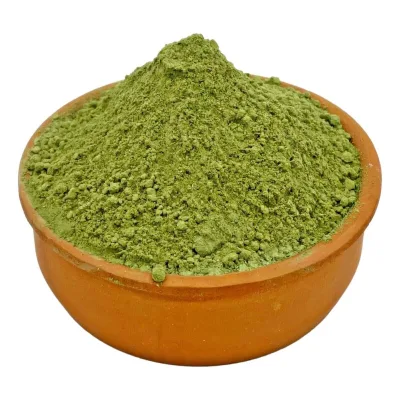
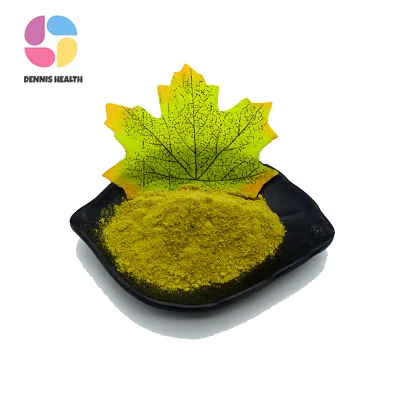
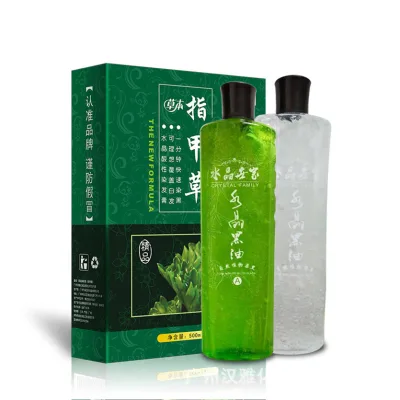
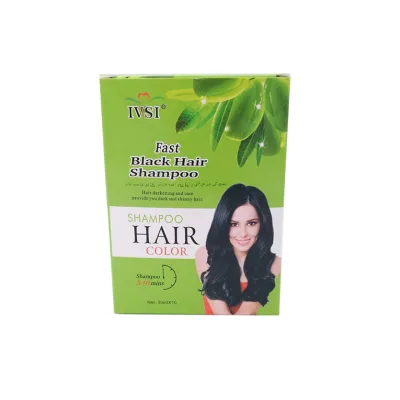
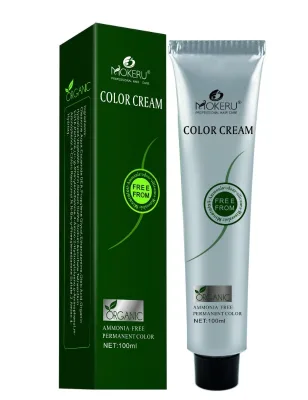
Factory Wholesale Natural Bulk Jiaying Henna Extract Henna Powder for Hair
$4.1357 - $8.2715
MOQ: 2 kilograms
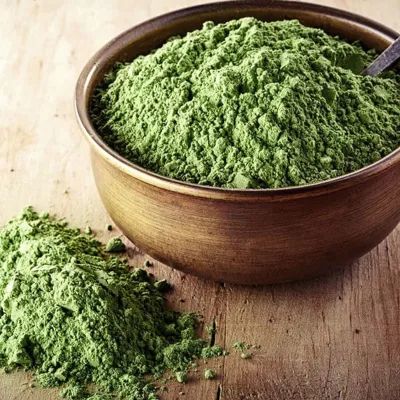
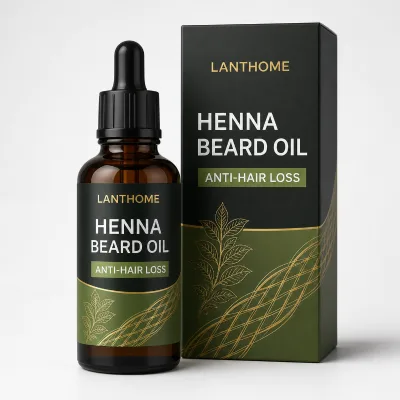

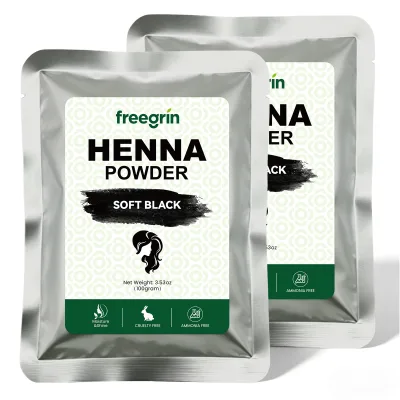


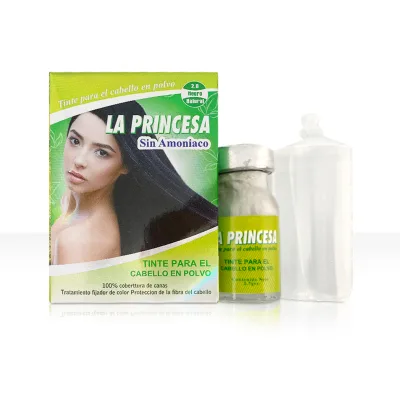
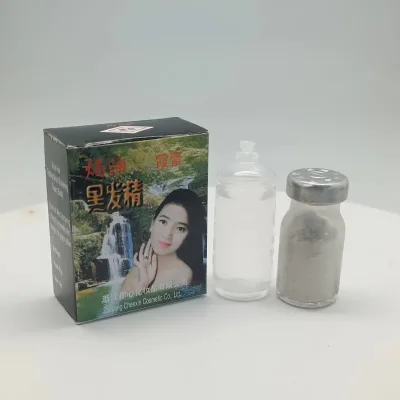
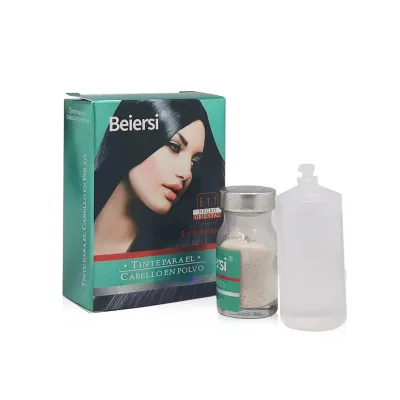
Beiersi Natural Black Herbal Indian Popular Henna Powder Hair Color Dye
$23.0591 - $24.3917
MOQ: 200 Minimum
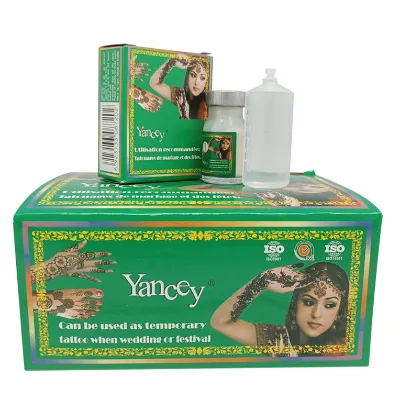
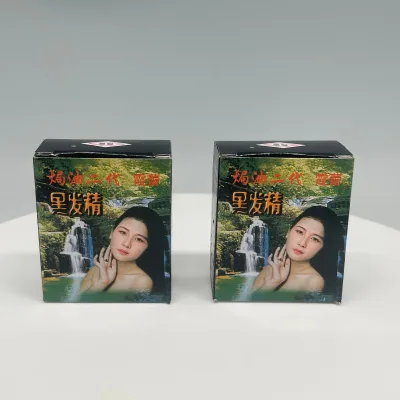
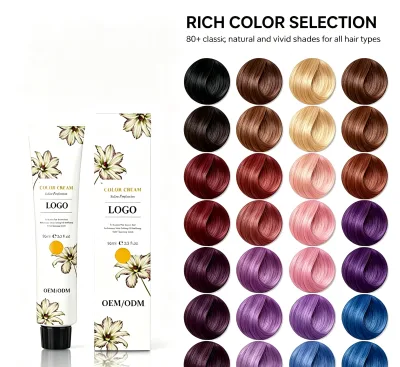
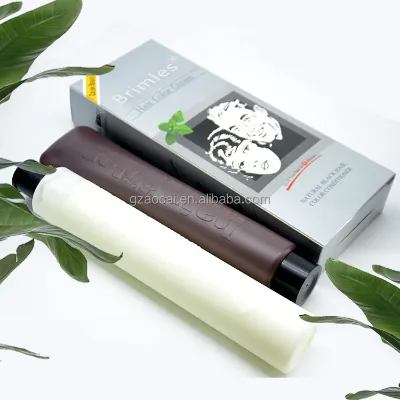
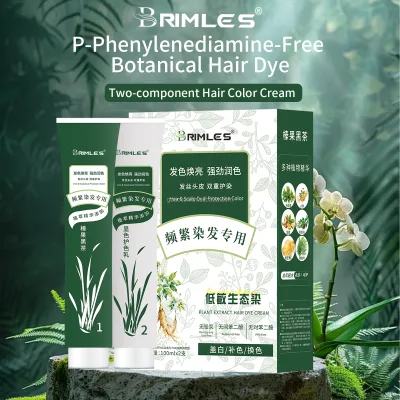
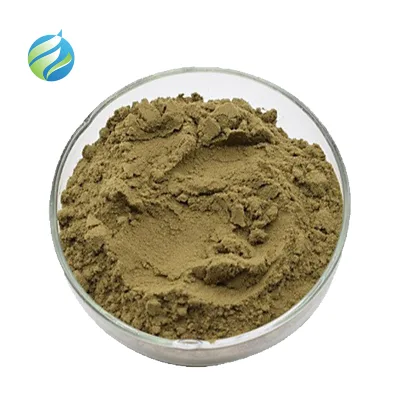
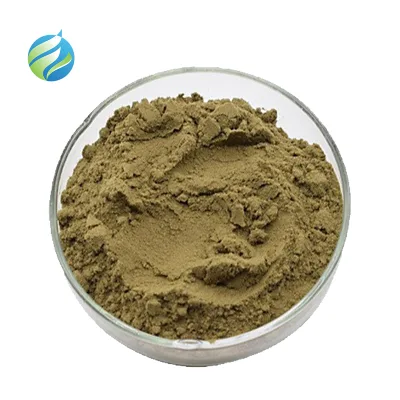
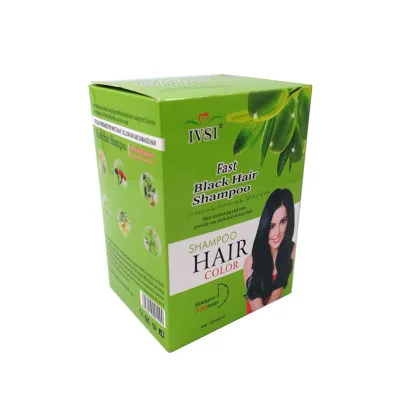


Comprehensive Sourcing Guide
100 Pure Herbal Henna Sourcing Guide
Product Scope and Observed Listing Signals
Buyers evaluating the market for 100 Pure Herbal Henna will encounter a diverse range of product forms, primarily powder and extract, with observed listings indicating a price range of $0.06 to $49.38 USD. The supply landscape includes both raw herbal ingredients and finished cosmetic applications, such as hair color powders and concentrated extracts derived from Lawsonia Inermis L.. Sourcing decisions must account for these variations, as the functional intent differs significantly between a bulk powder intended for DIY mixing and a standardized extract used in pharmaceutical or high-end cosmetic formulations.
Market signals reveal that suppliers often highlight specific advantages, such as twenty years of experience and the ability to provide OEM/ODM services. Products are frequently described as semi-permanent hair colorants or permanent color solutions, with some listings emphasizing ammonia-free and non-toxic characteristics. Buyers should note that while some products claim to be 100% high quality, others specify cosmetic or therapeutic grades, requiring careful distinction between raw material specifications and finished consumer goods when assessing supplier capabilities.
Technical Specifications to Verify
Technical verification begins with confirming the physical form and ingredient composition, as listings show products ranging from simple herbal powders to complex extracts with specific assay methods like UV and HPLC. Buyers must verify whether the product is a single-item sale or part of a bulk supply chain, noting that single package sizes vary from small 10x5x5 cm units to larger 20x20x20 cm boxes. The material composition is often described as herbal, natural, and ammonia-free, but the exact botanical source, typically Lawsonia Inermis L., should be explicitly confirmed in the technical data sheet to ensure authenticity.
Further technical due diligence involves examining the application form and usage instructions, which can include capsules, tablets, pastes, or simple powder mixes. Suppliers may offer customization options for net weight and packaging, such as oxygen-proof glass bottles or vacuum-sealed sachets, which are critical for maintaining the potency of herbal ingredients. Buyers should also verify the supply ability, with some manufacturers claiming up to 20,000 pieces per day, and ensure that the product specification aligns with the intended end-use, whether for personal hair care or broader health care applications.
Compliance and Safety Documentation
Compliance verification is paramount when sourcing herbal products, as buyers must ensure that suppliers hold relevant certifications such as FDA and ISO approvals. These certifications indicate that the manufacturing processes meet international standards for quality and safety, which is essential for products intended for cosmetic or medicinal use. Buyers should request copies of these certificates and verify their validity, as the presence of such documentation is a strong indicator of a supplier’s commitment to regulatory adherence and consistent product quality.
Safety documentation should also include detailed information on the product’s appearance, such as brownish yellow powder for extracts, and its functional properties, like covering gray hair or promoting hair growth. Buyers must ensure that the product is labeled correctly regarding its age group suitability, which can range from children to seniors, and that it meets the specific requirements of the target market. Additionally, verifying the assay method and purity levels, such as 100% specification, helps ensure that the product is free from contaminants and meets the expected therapeutic or cosmetic standards.
Cost Drivers and Commercial Terms
Cost structures for 100 Pure Herbal Henna are influenced by several factors, including the product form, packaging complexity, and order volume. Observed minimum order quantities (MOQs) range from 1 kg for extracts to 40,000 pieces for finished goods, allowing buyers to scale their purchases according to demand. The price range of $0.06 to $49.38 USD reflects these variations, with higher prices typically associated with premium grades, specialized packaging, or smaller MOQs that require more flexible production scheduling.
Commercial terms also include the port of dispatch, which is often a port in China, and the availability of customization services. Buyers should negotiate clear terms regarding packaging details, such as the use of aluminum zipper pouches or transparent brown paper pouches, as these can impact both product preservation and brand presentation. Additionally, understanding the lead times and supply ability, which can be up to 20,000 pieces per day, is crucial for inventory planning and ensuring that supply chain disruptions do not affect product availability.
Supplier Qualification and Quality Control
Supplier qualification requires a thorough assessment of their manufacturing capabilities and quality control processes. Buyers should prioritize suppliers who offer OEM/ODM services and have a proven track record, such as those highlighting twenty years of experience in the industry. These suppliers are more likely to have robust quality assurance systems in place, ensuring that products meet the specified grade, whether cosmetic or therapeutic, and that they are free from harmful additives like ammonia.
Quality control measures should include regular testing of raw materials and finished products to ensure consistency in color, texture, and potency. Buyers should request sample orders, with some suppliers offering 10-50 gram foc samples, to evaluate the product’s performance and compatibility with their specific needs. Additionally, verifying the supplier’s ability to provide detailed product information, such as the Latin name and appearance, helps ensure that the sourced material meets the exact technical requirements of the buyer’s application.
Long-Term Procurement Checks
Long-term procurement success depends on establishing a reliable supply chain that can adapt to changing market demands and regulatory requirements. Buyers should regularly review supplier performance metrics, including delivery times, product consistency, and responsiveness to customization requests. Maintaining open communication with suppliers about future needs and potential product improvements can help foster a collaborative relationship that benefits both parties and ensures a steady supply of high-quality herbal henna products.
Continuous monitoring of market trends and competitor offerings is also essential for staying competitive. Buyers should stay informed about new developments in herbal ingredient sourcing and processing technologies, which may offer opportunities for cost savings or product differentiation. By staying proactive in supplier management and market analysis, buyers can mitigate risks and ensure that their procurement strategy remains aligned with their business goals and customer expectations.
FAQs
What is the composition of 100 Pure Herbal Henna?
The product consists of herbal ingredients that are ammonia-free and natural. It is formulated to change hair color while remaining non-toxic. The material is classified as premium grade and cosmetic grade, ensuring high quality for users seeking safe and effective hair care solutions without harsh chemicals.
Can this henna powder cover gray hair effectively?
Yes, the henna powder is designed to cover gray and white hair with long-lasting natural color. It is suitable for all hair types, including straight and curly hair. The semi-permanent formula ensures nourishing effects while providing reliable coverage for seniors, adults, and children seeking natural hair coloring options.
What certifications does the henna extract hold?
The henna extract holds FDA and ISO certifications, ensuring compliance with international standards. It is available in various forms such as powder, paste, capsule, and tablet. The product undergoes rigorous testing using UV and HPLC assay methods to maintain its therapeutic grade and safety for use in health care products.
What are the packaging options for bulk orders?
Packaging options include glass bottles with metal caps that are oxygen-proof, aluminum zipper standing window pouches, and brown paper pouches. Vacuum-sealed sachets are also available to maintain freshness. These diverse packaging solutions cater to different branding needs while ensuring the product remains protected and easy to use for end consumers.
What is the minimum order quantity for customization?
The minimum order quantity starts at 1 kg for the henna extract. Customization is available for buyers seeking specific requirements. The supplier offers OEM and ODM services, allowing for tailored solutions. With a supply ability of 20,000 pieces per day, the manufacturer can handle various order sizes efficiently.
Where is the 100 Pure Herbal Henna manufactured?
The product is manufactured in Guangdong, China. The supplier has 20 years of experience in producing high-quality herbal hair care products. The port of dispatch is a port in China, facilitating international shipping. This location ensures access to reliable supply chains and efficient logistics for global buyers seeking premium herbal ingredients.