Source Nourishing Moisturizing Hair Growth Tonic for hair loss, dryness, breakage
Explore 30 options for Nourishing Moisturizing Hair Growth Tonic designed to support hair health. Buyers can compare features like strong hold, volumizing effects, and organic ingredients from suppliers in China and Guangdong; compare the available evidence and request quotations based on your requirements.
Updated
Key considerations
Products List




Beauty Cosmetics Skin Care Control of Oil Anti-Hair Loss Hair Growth Oil
$2.20 - $3.00
MOQ: 100 Pieces


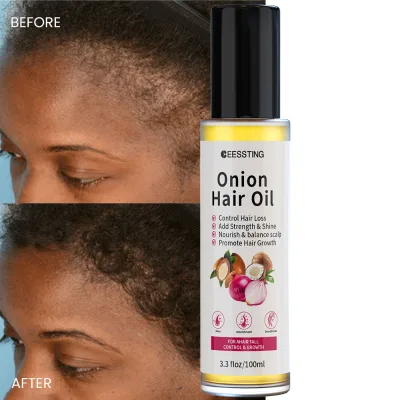
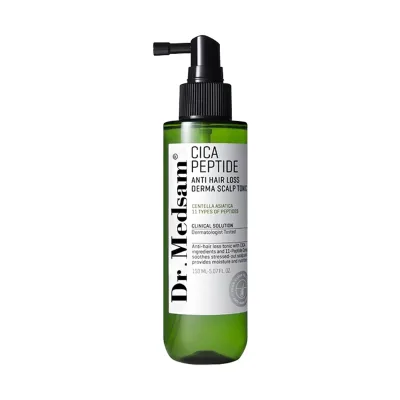
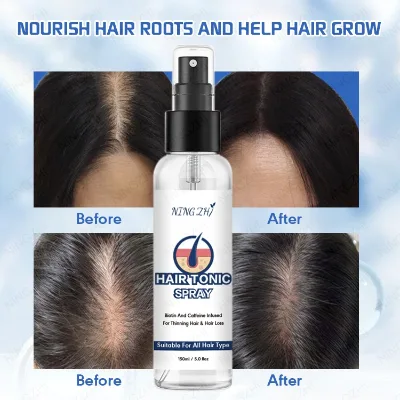
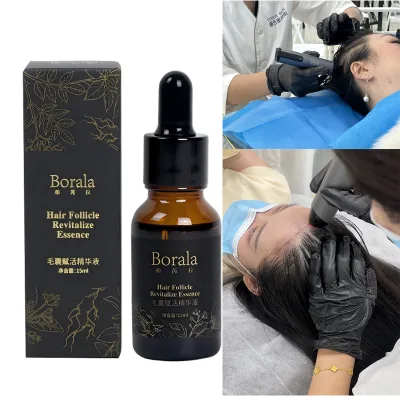
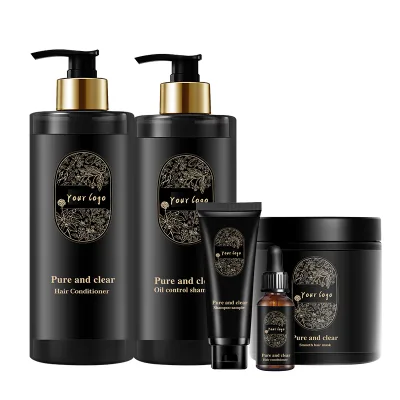


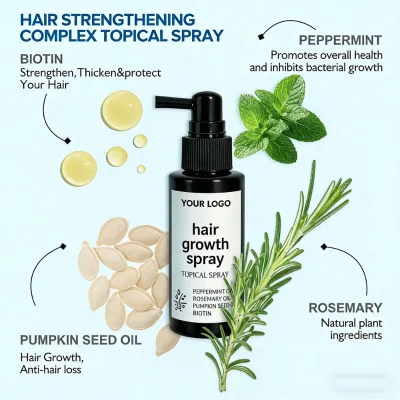
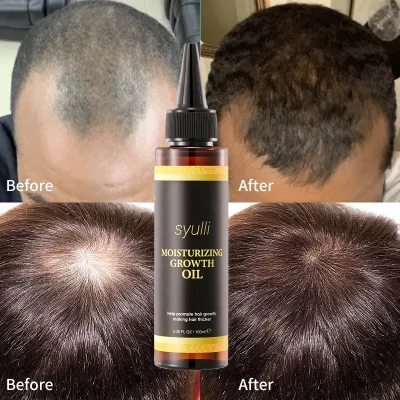


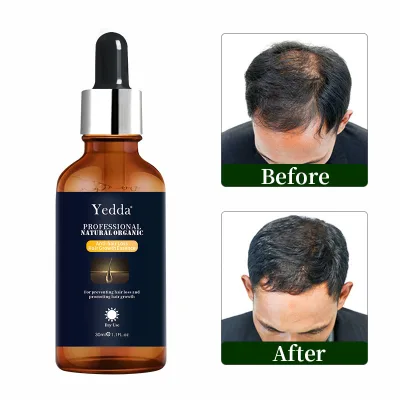
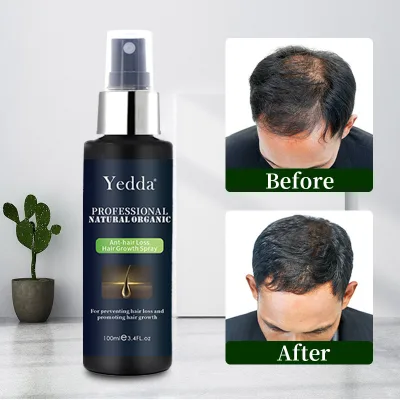
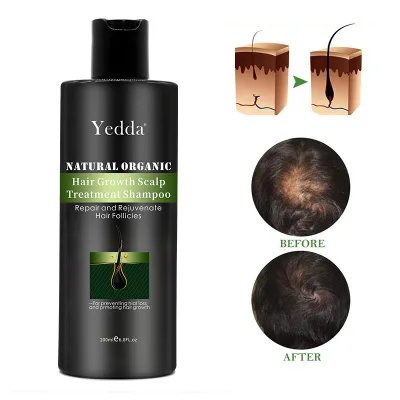
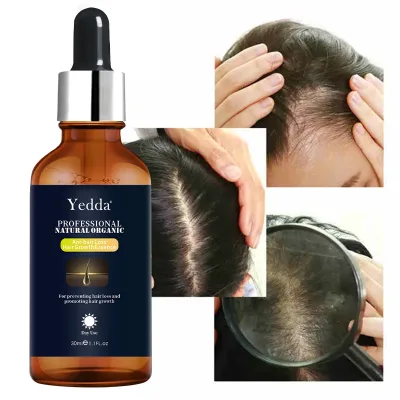
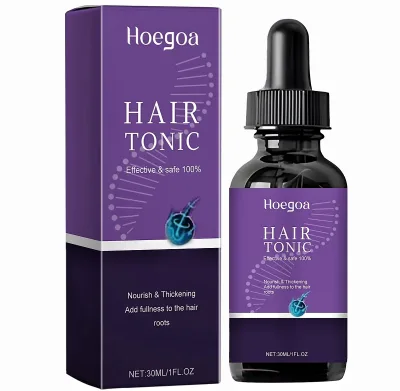
Comprehensive Sourcing Guide
Nourishing Moisturizing Hair Growth Tonic Sourcing Guide
Sourcing high-quality hair care formulations requires a clear understanding of the specific functional claims and ingredient profiles that define effective products in the current market. Buyers must distinguish between general moisturizing agents and specialized tonics designed to address hair loss, breakage, and scalp health. The observed product landscape includes items labeled as hair growth oils, tonics, and essential oil compounds, each with distinct application methods and target outcomes. Understanding these nuances is critical for aligning procurement with brand positioning and consumer expectations.
Procurement teams should focus on verifying the core efficacy claims such as nourishing, moisturizing, and hair growth promotion against the actual ingredient lists provided by suppliers. Products often combine multiple benefits, including anti-dandruff, anti-itching, and hair repairing properties, which must be validated through technical documentation. This guide outlines the essential steps for evaluating suppliers, verifying specifications, and ensuring compliance with safety standards to mitigate risk and secure reliable supply chains for these specialized hair care solutions.
Product Scope and Observed Listing Signals
The current market offers a diverse range of hair care products, including hair tonics, growth oils, and compound essential oils, with observed models ranging from HAIR-OEM to specific formulations like Lipoic acid and Argan Oil variants. Listings frequently highlight attributes such as volumizing effects, strong hold, and organic features, indicating a strong consumer demand for multi-functional products that address both aesthetic and structural hair concerns. Buyers should note that while many products claim to be organic or feature extraction methods, these attributes require independent verification to ensure they meet specific brand standards and regulatory requirements.
Observed packaging and volume specifications vary significantly, with standard sizes including 30ml, 50ml, and 100ml options, often customizable to meet specific market needs. Products are typically packed in paper boxes or customized containers, with single package dimensions around 10x10x15 cm, suggesting efficient logistics and storage considerations. The presence of OEM/ODM supply types and private label services indicates a mature manufacturing ecosystem capable of supporting brand-specific requirements. Procurement teams must carefully review these physical attributes to ensure they align with distribution channels and retail presentation strategies.
Technical Specifications to Verify
Technical verification begins with confirming the exact model numbers and standard volumes associated with each product listing, such as HG-A03-0181-01 or specific volume standards like 30ml/customized. Buyers must ensure that the stated single gross weight, typically around 0.200 kg, matches the physical product received to avoid discrepancies in shipping costs and inventory management. It is essential to verify the ingredient composition, particularly for products claiming specific benefits like hair regrowth or scalp care, to ensure they contain the advertised active components such as coconut oil, almond oil, or onion oil.
The functional claims of products, including nourishing, moisturizing, and hair-loss prevention, must be cross-referenced with the actual formulation details provided by the supplier. Buyers should request detailed specifications for the extraction methods and compound essential oil blends to understand the potency and purity of the active ingredients. Additionally, verifying the suitability for specific skin types, such as oil skin, and the intended usage for home use or professional application is crucial for targeting the correct consumer segment and ensuring product safety and efficacy.
Compliance and Safety Documentation
Compliance with international safety standards is paramount when sourcing hair care products, particularly those making claims related to hair growth and scalp health. Buyers must verify that suppliers possess valid certifications such as MSDS, CE, and GMP, which indicate adherence to quality management and safety protocols. These certifications are essential for ensuring that the products meet regulatory requirements in target markets and provide a baseline level of safety for consumers. Procurement teams should request copies of these certificates and verify their validity with the issuing bodies to avoid potential legal and reputational risks.
In addition to certifications, buyers should ensure that suppliers provide comprehensive Material Safety Data Sheets (MSDS) for all ingredients used in the formulations. This documentation is critical for understanding the chemical composition, handling instructions, and potential hazards associated with the products. It is also important to verify that the products comply with local regulations regarding cosmetic labeling, ingredient disclosure, and advertising claims. By prioritizing compliance and safety documentation, buyers can mitigate risks and ensure that their products meet the highest standards of quality and safety.
Cost Drivers and Commercial Terms
Cost structures for hair care products are influenced by several factors, including the complexity of the formulation, the quality of ingredients, and the level of customization required. Products with specialized claims, such as hair regrowth or anti-dandruff benefits, may involve more expensive active ingredients and complex extraction processes, leading to higher unit costs. Buyers should also consider the impact of packaging choices, such as customized boxes or specific volume sizes, on the overall cost. Understanding these cost drivers is essential for negotiating favorable terms and maintaining competitive pricing in the market.
Commercial terms, including minimum order quantities (MOQ) and lead times, vary significantly among suppliers and must be carefully evaluated to align with inventory management strategies. Observed MOQ ranges from 1 to 3000 units, offering flexibility for both small-scale testing and large-scale production runs. Buyers should negotiate clear terms regarding payment methods, shipping responsibilities, and return policies to ensure a smooth procurement process. Additionally, considering the supply type, such as OEM/ODM services, can impact the overall cost and timeline, so it is important to select suppliers that offer the right balance of cost efficiency and service quality.
Supplier Qualification and Quality Control
Supplier qualification is a critical step in ensuring the reliability and consistency of hair care product supply. Buyers should conduct thorough due diligence to assess the supplier’s manufacturing capabilities, quality control processes, and track record in the industry. This includes verifying the supplier’s location, such as Hangzhou or Guangdong, China, and evaluating their ability to meet specific production requirements and timelines. Suppliers with a history of providing OEM/ODM services and private label solutions are often better equipped to handle customized orders and maintain consistent quality across batches.
Quality control measures should be established to monitor the production process and ensure that the final products meet the specified standards and claims. Buyers should request samples for testing and evaluation before placing large orders to verify the product’s efficacy, safety, and packaging quality. Implementing regular audits and inspections can help identify potential issues early and ensure that the supplier maintains high standards of production. By prioritizing supplier qualification and quality control, buyers can build a robust supply chain that supports their brand’s reputation and customer satisfaction.
Long-Term Procurement Checks
Long-term procurement success depends on continuous monitoring and evaluation of supplier performance and product quality. Buyers should establish key performance indicators (KPIs) to track metrics such as delivery times, product defect rates, and customer feedback. Regular reviews of these metrics can help identify areas for improvement and ensure that suppliers remain aligned with the buyer’s expectations and standards. Additionally, maintaining open communication channels with suppliers can facilitate timely resolution of issues and foster a collaborative partnership that supports long-term growth.
As market trends and consumer preferences evolve, buyers must stay informed about new developments in hair care formulations and regulatory requirements. This includes monitoring changes in ingredient regulations, emerging technologies, and shifting consumer demands for natural and organic products. By staying proactive and adaptable, buyers can ensure that their procurement strategies remain relevant and competitive. Regularly updating supplier contracts and quality standards can help mitigate risks and ensure that the supply chain continues to deliver high-quality products that meet the needs of the market.
FAQs
Can I get custom packaging for hair growth tonic?
Yes, customized packaging is available for these products. Buyers can choose from options like paper boxes or other tailored solutions. This service supports OEM and ODM requirements, allowing brands to align the physical presentation with their specific identity and market positioning needs.
What certifications do these hair tonic suppliers hold?
Suppliers typically provide MSDS, CE, and GMP certifications for their hair tonic products. These credentials ensure that the manufacturing processes and final goods meet international safety and quality standards. Buyers should verify specific documentation during the sourcing process to confirm compliance with their target market regulations.
What is the minimum order quantity for these products?
The minimum order quantity ranges from 1 to 3000 units depending on the specific supplier and product configuration. This flexibility allows both small businesses and large enterprises to place orders that fit their inventory requirements. Buyers should check individual listings to determine the exact MOQ for their desired volume.
Where are these hair growth oils manufactured?
These products originate from manufacturing hubs in China, specifically Hangzhou and Guangdong. Sourcing from these regions provides access to established supply chains and production capabilities. Buyers can leverage this geographic concentration to streamline logistics and potentially reduce shipping costs when consolidating orders from multiple suppliers.
What are the main benefits of this hair tonic?
The tonic offers nourishing and moisturizing effects while preventing hair loss. It helps repair scalp damage, strengthens hair roots, and protects against dryness and breakage. Additional benefits include anti-dandruff properties, anti-itching relief, and volumizing effects that enhance hair thickness and overall appearance for users seeking comprehensive hair care.
Is private label service available for these products?
Yes, OEM ODM private label service is available for these hair growth products. Manufacturers support customization to help brands establish their unique market presence. This service allows buyers to create distinct product identities, ensuring that the final goods reflect their specific branding strategies and target audience preferences effectively.