Moisturizing Lightweight Curl Conditioner Suppliers and Manufacturers
Source 32 verified suppliers for Moisturizing Lightweight Curl Conditioner products. Compare key dimensions including Guangdong location, 15-day lead times, SGS verification, and IMDG CODE certification. Review sample processing capabilities and OEM services to identify suitable partners for your hair care needs.
Updated
Suppliers List
Guangzhou Bellezon Cosmetics Co., Ltd.
- Verified by SGS Group
- Trading Company
- Lead time15 days
- Avg. response≤ 5h
Main productsHair Care, Hair Styling, Wig Care, Skin Care, Beard Care
Main marketsNorth America(45%), Western Europe(25%), South America(3%)

Zhaoqing Kaijoe Technology Co., Ltd.
- Verified by TUVRHEINLAND
- Combined
- China Guangdong
- Lead time23 days
- Avg. response≤ 5h
Main productsHair Shampoo, Hair Conditioner, Hair Gel, Hair Color, Bleaching Powder, Hair Dye, Bleching Powder, Hair Treatment, Hair Serum
Main marketsSoutheast Asia/ Mideast


$1.60 - $2.10
MOQ: 100 Pieces


Guangzhou Miyan Biotechnology Co., Ltd.
- Verified by TüVRheinland
- Manufacturer, Trading Company
- Lead time40 days
- Avg. response≤ 4h
Main productsFace Cream, Face Serum, Facial Mask, Beard Kit, Body Lotion
Main marketsNorth America(40%), Southeast Asia(15%), South America(5%)

Guangzhou Kanglixin Medical Biotechnology Co, Ltd.
- Verified by BV
- Combined
- China Guangdong
- Lead time30 days
- Avg. response≤ 9h
Main productsSkin Care Products, Body Care, Hair Care Products, Makeup, Men's Care Products, Ferminine Care Products, Serum, Facial Mask, Face Cream, Scrub
Main marketsSouth America,Africa,Southeast Asia/ Mideast,East Asia(Japan/ South Korea),Domestic,Europe,North America

$2.20 - $2.50
MOQ: 3000 Pieces

$2.20 - $2.50
MOQ: 3000 Sets

Private Label Restore Moisture Nourishing Hair Conditioner for Dry Damaged Hair
$2.50 - $3.00
MOQ: 3000 Pieces

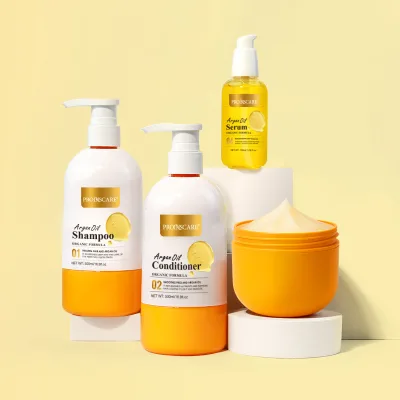
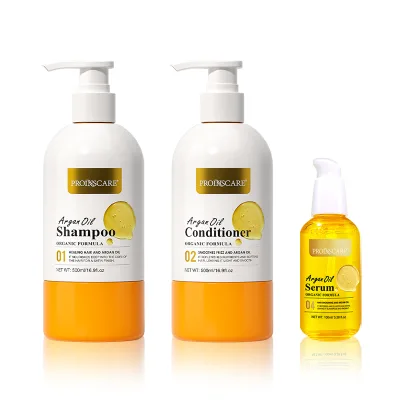
Shampoo Conditioner Deep Conditioner Argan Oil Hair Treatment Hair Care Set
$2.70 - $3.00
MOQ: 500 Sets

Guangzhou Weiniya Cosmetics Co., Ltd.
- Verified by TUVRHEINLAND
- Combined
- China Guangdong
- Lead time23 days
- Avg. response≤ 7h
Main productsHair Color Shampoo, Black Hair Shampoo, Hair Color Cream, Hair Darkening Soap, Hair Shampoo, Hair Conditioner, Hair Mask
Main marketsSouth America,Southeast Asia/ Mideast,North America

Moisturizing Smoothing Conditioner for Color Treated Hair Color Protection Conditioner
$2.25 - $2.61
MOQ: 5000 Pieces

Keratin Hair Conditioner Home Use and Salon Use Moisturizing Hydrating Color Protection
$2.25 - $2.61
MOQ: 5000 Pieces
Guangzhou Sun Young Cosmetics Co., Ltd.
- Verified by Intertek
- Trading Company
- Guangdong, China
- Lead time0 days
Main productsHair Care, Hair Dye, Hair Styling, Body Care, Hair Treatment
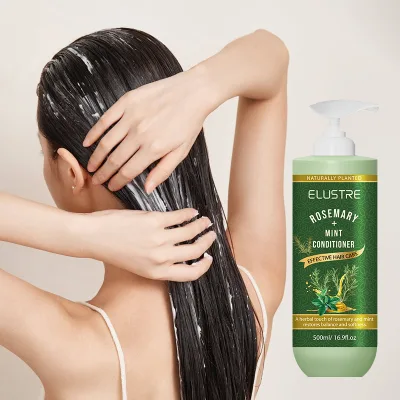
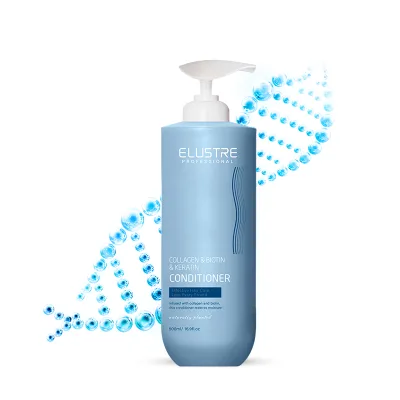
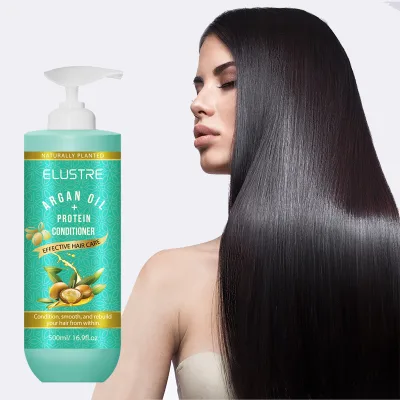
$1.0846 - $1.1355
MOQ: 5 pieces

Hangzhou Huiji Biotechnology Co., Ltd.
- Verified by BV
- Combined
- China Zhejiang
- Lead time30 days
- Avg. response≤ 12h
Main productsShampoo, Detergent, Dish Washing, Hand Liquid Soap, Air Freshener, Conditioner, Urinal Block, Shower Gel, Glass Cleaner, Floor Cleaner
Main marketsSouth America,Africa,Southeast Asia/ Mideast,East Asia(Japan/ South Korea),Domestic,Europe,Australia,North America
Guangdong Diyue Biotechnology Co., Ltd.
- Verified by SGS Group
- Manufacturer, Trading Company
- Lead time30 days
- Avg. response≤ 15h
Main productsHair Styling Products, Hair Care Products, Cosmetics
Main marketsAfrica(50%), North America(30%), Western Europe(10%)
Guangzhou Bellezon Cosmetics Co., Ltd.
- Trading Company
- Lead time旺季: "1 - 1000":15,"> 1000":"To be negotiated", 淡季: "1 - 1000":15,"> 1000":"To be negotiated"
- Avg. response≤ 3h
Main productsHair Care, Hair Styling, Wig Care, Skin Care, Beard Care

Suzhou Darpool Import and Export Co., Ltd.
- Verified by BV
- Trading Company
- China Jiangsu
- Lead time15 days
- Avg. response≤ 4h
Main productsShampoo, Body Lotion
Main marketsSoutheast Asia/ Mideast
NANTONG TIANLAN COSMETICS CO., LTD.
- Combined
- China Jiangsu
- Lead time30 days
- Avg. response≤ 24h
Main productsSkin Whitening Cream, Toothpaste, Shampoo, Essential Balm, Balm, Cosmetics, Cream, Baby Powder, Inhaler, Hair Relaxer
Main marketsSouth America,Africa,Southeast Asia/ Mideast
Guangzhou Napoly Cosmetics Co., Ltd.
- Verified by TüVRheinland
- Trading Company
- Lead time15 days
- Avg. response≤ 7h
Main productsHair Shampoo, Hair Mask, Hair Conditioner, Hair Oil, Hair Spray
Main marketsSoutheast Asia(50%), Mid East(38%), North America(5%)
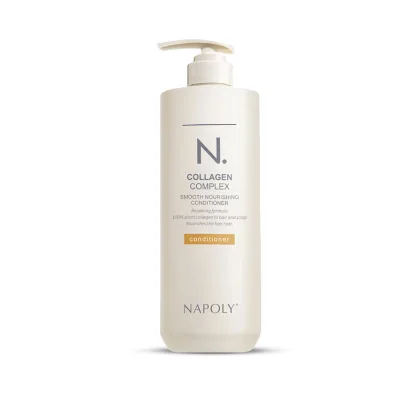
$2.3144 - $2.5736
MOQ: 1000 pieces
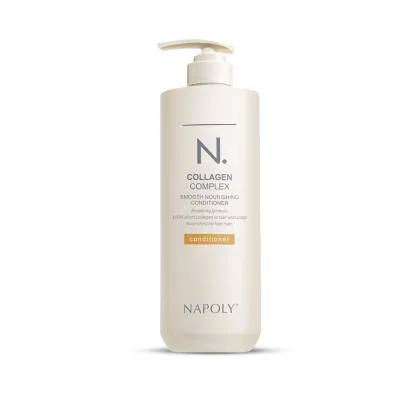
OEM Collagen Conditioner Detangling Anti-Split End Daily Use Hair Conditioning
$2.23 - $2.48
MOQ: 1000 pieces
Guangzhou Gatase Cosmetics Co., Ltd.
- Verified by TüVRheinland
- Trading Company
- Lead time0 days
- Avg. response≤ 4h
Main productsShampoo, Hair Conditioner, Styling Products, Hair Care Product, Hair Treatment
Main marketsNorth America(30%), Mid East(30%), South America(10%)

Guangdong Boda Cosmetics Co, . Ltd.
- Verified by CTI
- Combined
- China Guangdong
- Lead time23 days
- Avg. response≤ 5h
Main productsHair Bleach Powder, Hair Color, Hair Bleach Cream, Hair Color Conditioner, Semi-Permanent Hair Color, Hair Shampoo, Hair Conditioner, Hair Mask, Hair Treatment
Main marketsSouth America,Africa,Southeast Asia/ Mideast,East Asia(Japan/ South Korea),Domestic,Europe,Australia,North America


OEM Leave in Conditioner for Daily Hair Moisturizing Hair Conditioner in Bottle
$2.61 - $4.02
MOQ: 1 pieces
Guangzhou Beaver Cosmetic Co., Ltd.
- Manufacturer, Trading Company
- Lead time旺季: "1 - 10":7,"> 10":"To be negotiated", 淡季: "1 - 10":7,"> 10":"To be negotiated"
- Avg. response≤ 4h
Main productsHair Care Products, Hair Styling Products

SUZHOU LONGLIFU IMP. & EXP. CO., LTD.
- Verified by TUVRHEINLAND
- Manufacturer/Factory
- China Jiangsu
- Lead time23 days
- Avg. response≤ 10h
Main productsDaily Chemicals, Skin Care Products, Hair Care Products, Oral Care, Household Cleaning Products, Cosmetics, Animal Care, Perfume, Pet Care Products
Main marketsSouth America,Mid East,Southeast Asia,Eastern Asia,Western Europe,Africa

Zhejiang Jifu Daily Chemical Co., Ltd
- Verified by SGS
- Combined
- China Zhejiang
- Lead time30 days
- Avg. response≤ 2h
Main productsDetergent, Laundry Detergent, Shampoo, Liquid Hand Soap, Hand Sanitizer, Softner, Shower Gel, Body Wash, Dishwash Detergent, Conditioner
Main marketsSouth America,Africa,East Asia(Japan/ South Korea),Domestic,Australia,North America

$1.50 - $9.90
MOQ: 20000 Pieces

$0.58 - $1.88
MOQ: 20000 Pieces

Guangzhou Chenxin Cosmetic Co., Ltd.
- Manufacturer
- Guangdong, China
- Lead time0 days
- Avg. response≤ 1h
Main productshair care products,shampoo and conditioner,hair color cream,hair serum,hair styling products
Main marketsDomestic Market(40.00%), North America(25.00%), South America(5.00%), Southeast Asia(5.00%), Mid East(5.00%), Eastern Asia(3.00%), Eastern Europe(3.00%), Northern Europe(3.00%), Africa(2.00%), South Asia(2.00%), Southern Europe(2.00%), Oceania(2.00%), Western Europe(2.00%), Central America(1.00%)
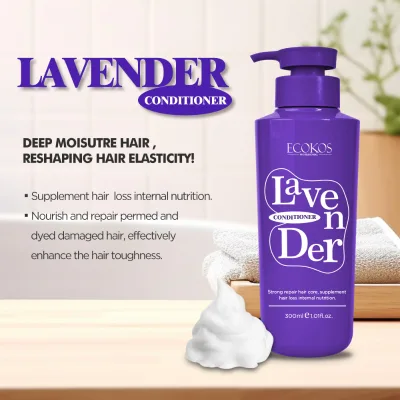
Deep Moisturizing Hair Repair Conditioner Smoothing Best Hair Leave In Lavender Conditioner
$1.1295 - $1.5399
MOQ: 3 pieces
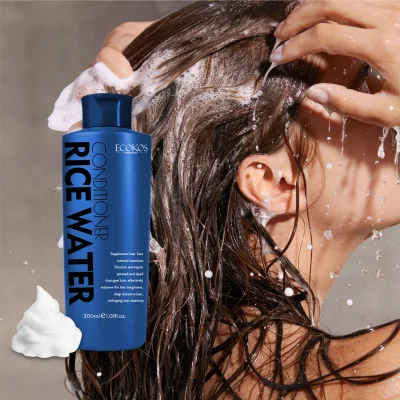
Support Custom Rice Water Conditioner Long Lasting Glossy Protein Conditioner For Curly Hair
$1.10 - $1.50
MOQ: 3000 pieces

Fully Cosmetic (GZ) Co., Limited
- Verified by TUVRHEINLAND
- Trading Company
- China Guangdong
- Lead time30 days
- Avg. response≤ 6h
Main productsHair Building Fibers, Hair Dye Fast Color Mousse, Hairline Powder, Hair Dye, Hair Shampoo, Spray Applicator, 360 Degree Mirror, Fastcolor Comb, Hair Conditioner, Hairline Optimizer
Main marketsOthers(foreignTradeCapacity.exportBusinessCapacityMarketOther)

OEM Private Label Hair Conditioner for Hair Moisturizing and Nourishing
$0.38 - $1.58
MOQ: 10000 Pieces

$2.36 - $3.36
MOQ: 10000 Pieces

Fully OEM Private Label Deep Hair Moisturizing Smoothing Pure Magic Element Hair Conditioner
$2.36 - $3.36
MOQ: 10000 Pieces

OEM ODM Manufacturer Fully Pure Magic Element Hair Conditioner for Daily Hair Moisturizing
$2.36 - $3.36
MOQ: 10000 Pieces

Private Label Fully Hair Care Nourishing Hair Conditioner for Hair Treatment
$0.38 - $1.58
MOQ: 10000 Pieces

Fully OEM ODM Nourishing Hair Smooth Conditioner Hair Treatment for Damaged Hair
$1.98 - $2.36
MOQ: 10000 Pieces

Guangzhou Sevich Biology Technology Co., Ltd.
- Verified by SGS
- Trading Company
- China Guangdong
- Lead time15 days
- Avg. response≤ 6h
Main productsHair Building Fibers, Hair Fiberes, Keratin Hair Fibers, Keratin Fiber Powder, Hair Fibers Building, Hair Loss Treatment, Hair Loss Concealer, Hair Loss Men, Hair Loss Women
Main marketsSouth America,Southeast Asia/ Mideast,East Asia(Japan/ South Korea),Europe,Australia,North America

Hair Treatment Conditioner Repair Hair Dry Hair Care Leave-on Conditioner
$1.25 - $1.99
MOQ: 50 Pieces


$3.26 - $3.68
MOQ: 1000 Pieces
Guangdong Fanhua Biotechnology Co., Ltd.
- Verified by TüVRheinland
- Manufacturer, Trading Company
- Lead time30 days
- Avg. response≤ 2h
Main productsAnti Hair Loss Shampoo, Hair Growth Oil, Scalp Serum, Hair Care Perfume, Scalp Cieaning And Care Products
Main marketsNorth America(36%), Africa(26%), Southeast Asia(16%)
Guangzhou Chan Yun Biotechnology Co., Ltd.
- Verified by SGS Group
- Trading Company
- Lead time15 days
- Avg. response≤ 3h
Main productsSkin Care, Body Care, Hair Care, Oral Care, Soap
Main marketsNorth America(30%), Africa(15%), Western Europe(15%)
Guangdong Aojie Biotechnology Co., Ltd.
- Verified by SGS Group
- Manufacturer, Trading Company
- Lead time45 days
- Avg. response≤ 1h
Main productsShampoo, Shower Gel, Underwear Washing Liquid, Body Lotion, Hair Conditioner
Main marketsDomestic Market(70%), Southeast Asia(10%), Mid East(10%)

Guangdong Boda Cosmetics Co,.Ltd.
- Verified by BV
- Manufacturer/Factory
- China Guangdong
- Lead time23 days
- Avg. response≤ 7h
Main productsHair Bleaching Powder, Hair Dye, Hair Care, Shampoo, Hair Conditioner, Hair Bleach Cream, Silver Shampoo, Olaplex, Hair Perm, Hair Mask
Main marketsSouth America,Eastern Europe,Mid East,North America,Southeast Asia,Eastern Asia,Oceania,Western Europe,Africa


Private Label Hair Conditioner Deep Moisture Repair Hair Professional Salon Use Hair Treatment
$2.00 - $2.50
MOQ: 24 Pieces

Shampoo Condicionador Private Label Extreme Moisture Curly Hair Care Products
$2.00 - $2.50
MOQ: 24 Pieces

$2.00 - $2.50
MOQ: 24 Pieces
Guangzhou Hodm Professionals Cosmetics Co., Ltd.
- Manufacturer, Trading Company
- Lead time旺季: "1 - 48":7,"> 48":"To be negotiated", 淡季: "1 - 48":7,"> 48":"To be negotiated"
- Avg. response≤ 2h
Main productsShampoo & Conditioner, Hair Oil, Hair Mask, Hair Styling Products, Hair Care Spray
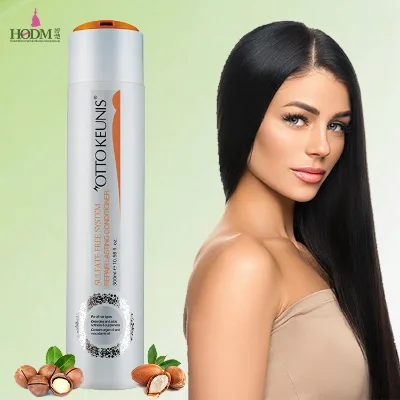
$1.87 - $3.60
MOQ: 48 Minimum

Reina Cosmetics (Guangzhou) Co., Ltd.
- Manufacturer/Factory
- China Guangdong
- Lead time30 days
- Avg. response≤ 25h
Main productsSkin Care Products, Hair Care Products, Personal Care Products, Hair Color and Perm Products, Sunscreen Products, Minoxidil, Suncare Products, Body Care Products, OTC Personal Care, Aerosol Personal Care
Main marketsSouth America,Eastern Europe,Mid East,North America,Southeast Asia,Eastern Asia,Oceania,Western Europe


Custom Logo Hair Repair Conditioner Moisturizing Hair Conditioner OEM/ODM
$0.90 - $1.00
MOQ: 30000 Pieces

Guangzhou Hodm Professionals Cosmetics Co., Ltd.
- Manufacturer, Trading Company
- Lead time旺季: "1 - 100":10,"101 - 1000":15,"> 1000":"To be negotiated", 淡季: "1 - 100":10,"101 - 1000":15,"> 1000":"To be negotiated"
- Avg. response≤ 2h
Main productsShampoo & Conditioner, Hair Oil, Hair Mask, Hair Styling Products, Hair Care Spray

Yangzhou Aplus Amenities International Co., Ltd.
- Verified by TUVRHEINLAND
- Combined
- China Jiangsu
- Lead time30 days
- Avg. response≤ 3h
Main productsHotel Amenity, Hotel Linen, Hotel Slipper, Hotel Soap, Hotel Shampoo, Hotel Shower Gel, Hotel Leather Products, Hotel Resin Tray, Plastic Tube, Plastic Bottle
Main marketsSoutheast Asia/ Mideast,Domestic,North America

Guangzhou Olehana Biotechnology Co., Ltd
- Verified by BV
- Manufacturer/Factory
- China Guangdong
- Lead time45 days
- Avg. response≤ 5h
Main productsFace Serum, Face Cream, Skin Care Set, Hair Growth, Beauty Device, Lip Gloss, Lip Stick, Lip Balm, Beard Care, Body Care
Main marketsEastern Europe,North America,Western Europe


Custom Organic Spray for Curly Hair Coconut Milk Detangle Leave-in Hair Conditioner
$1.68 - $2.58
MOQ: 2 Pieces
Guangzhou Forte Cosmetics Co., Ltd.
- Manufacturer, Trading Company
- GuangDong, China
- Lead time15 days
- Avg. response≤ 1h
Main productsShampoo,Hair Conditioner,Hair Treatment,Hair Mask,Argan Oil
Main marketsDomestic Market(78.75%), North America(12.59%), Africa(3.06%), Southeast Asia(2.21%), Northern Europe(1.26%), South Asia(0.95%), Eastern Europe(0.32%), South America(0.32%), Western Europe(0.22%), Mid East(0.16%), Oceania(0.16%)
Guangzhou Locroyal Cosmetics Co., Ltd.
- Verified by SGS Group
- Manufacturer, Trading Company
- Lead time0 days
- Avg. response≤ 4h
Main productsHair Treatment, Hair Shampoo, Hair Conditioner, Hair Oil, Hair Mask
Main marketsSoutheast Asia(21%), North America(20%), Eastern Europe(19%)

Guangzhou Zhongyi Cosmetics Co., Ltd.
- Manufacturer, Trading Company
- Guangdong, China
- Lead time0 days
- Avg. response≤ 3h
Main productsHair Dye Shampoo,Hair Color Cream,Hair Styling Products,Hair Care Products,Skin care
Main marketsMid East(20.00%), Southeast Asia(20.00%), North America(20.00%), Domestic Market(15.00%), Eastern Europe(5.00%), South Asia(5.00%), Southern Europe(5.00%), Western Europe(3.00%), Eastern Asia(2.00%), South America(1.00%), Oceania(1.00%), Africa(1.00%), Northern Europe(1.00%), Central America(1.00%)
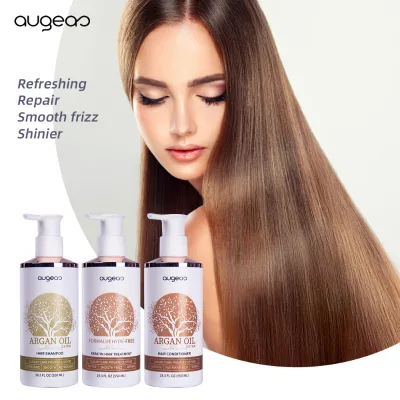
OEM Manufacturer Hair Care Moisturize Smooth Anti Frizz Nourishing Repair Damaged Hair Conditioner
$2.0957 - $2.6065
MOQ: 2 pieces






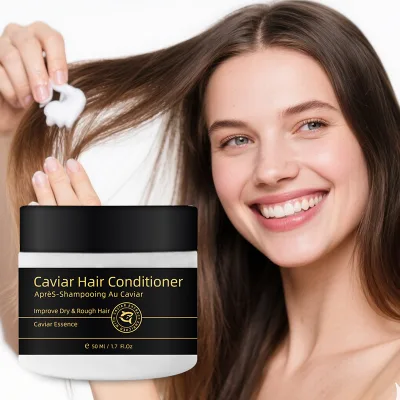
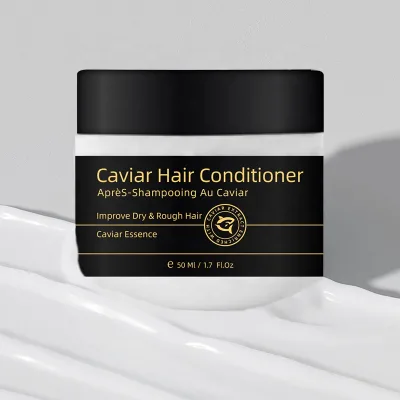
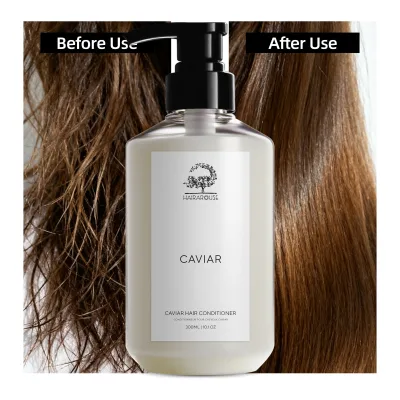
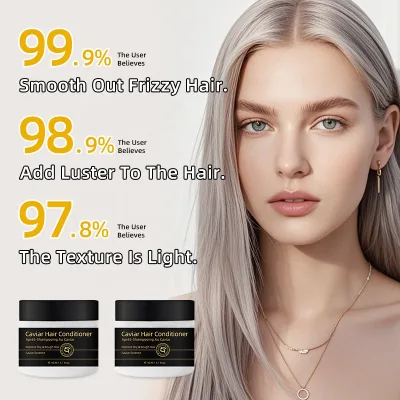


Comprehensive Sourcing Guide
Moisturizing Lightweight Curl Conditioner Supplier Concentration and Factory Types
When you search for Moisturizing Lightweight Curl Conditioner suppliers, the results will typically show a mix of manufacturers and trading companies, and distinguishing between them matters more than most buyers expect. One example drawn from current listings: a verified trading company in Guangdong, China, whose main products span hair shampoo, hair conditioner, hair gel, hair color, bleaching powder, hair dye, and hair treatment. That breadth signals a trading or group-company profile rather than a single-line conditioner factory. Trading companies can still be excellent partners for curl care formulations, especially when they aggregate multiple production lines and offer sample processing, graphic processing, and customized on-demand development, as this supplier does. The key is understanding what the label implies: a trading company sources from one or more factories, while a direct manufacturer owns its own mixing and filling lines.
To identify concentration without assuming it, look at where repeated results cluster in their stated place-of-origin fields. Product attribute data in this category commonly cites Guangdong as a place of origin, which is a concrete, evidence-backed location for curly hair conditioner production. Other regions may also appear in your results, so scan each listing's origin field rather than assuming a single hub. Count how many listings share an origin, check whether those listings come from manufacturers or trading companies, and use that pattern to decide where to focus your first inquiries.
How to Verify Moisturizing Lightweight Curl Conditioner Suppliers
Verification begins with the credentials a platform displays, but it cannot end there. Some suppliers in this category carry system certifications such as IMDG CODE, which relates to dangerous-goods transport handling and says little about cosmetic quality on its own. Others carry third-party verification, for example from SGS Group, which signals that a business identity check occurred but does not certify the formulation itself. Read each credential for what it actually covers rather than treating any badge as a blanket quality guarantee. Response time is another observable data point: one listed supplier shows a five-hour response figure, which you can use as a benchmark when comparing how quickly others reply to a first inquiry.
Practical verification for a cosmetic category requires steps you perform yourself. Request the product's ingredient declaration and confirm it matches what the listing claims, such as coconut oil and keratin in one current curly hair conditioner, or argan oil, shea butter, jojoba oil, and aloe vera in a curl shampoo-and-conditioner set. Ask whether the company supports OEM and ODM private label work and whether it supplies cosmetic-grade documentation. Confirm the grade stated in the attributes, which in one listing is cosmetic grade. Then request samples before committing: a rinse-off lotion conditioner, a leave-in spray, and any shampoo pairing should each be evaluated for the frizz reduction and curl definition claims the supplier makes. Never place a first order on listing text alone.
What to Compare Across Moisturizing Lightweight Curl Conditioner Suppliers
Build a comparison table using only attributes actually displayed, because not every supplier will show every field. Useful columns include supplier type (manufacturer versus trading company), location, response time, lead time, certifications, verification status, main products, and research-and-development capacity. For example, one verified trading company in Guangdong lists a fifteen-day lead time, a five-hour response time, and customization services covering sample processing, graphic processing, and on-demand customization. Those concrete numbers give you anchors: when another supplier claims a faster lead time or slower response, you can weigh the difference directly rather than guessing.
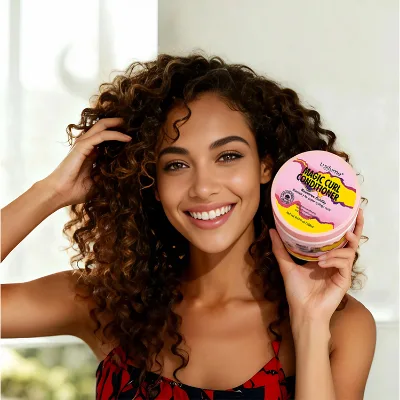
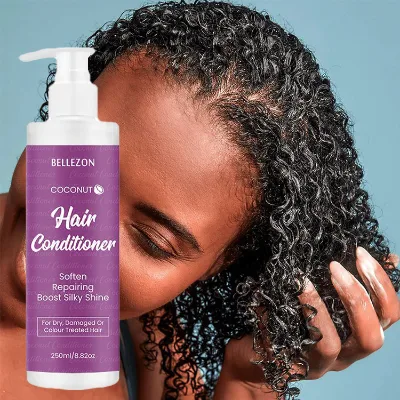
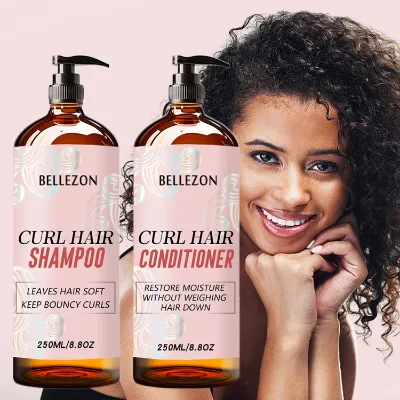
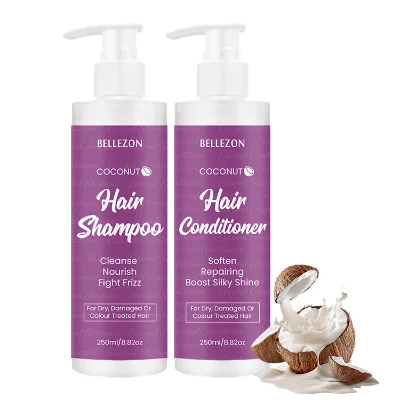
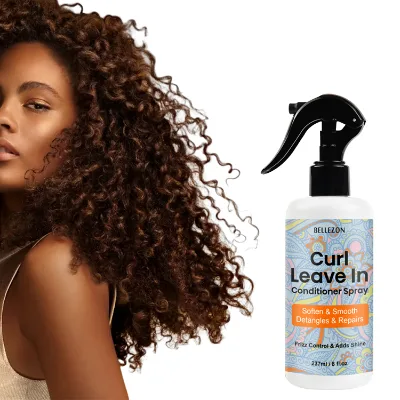
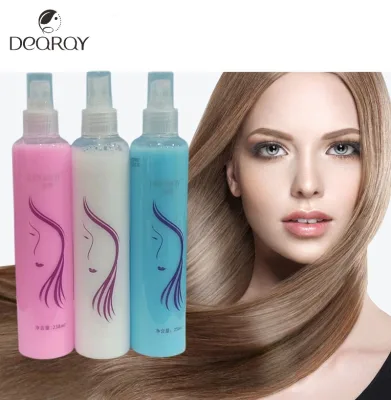
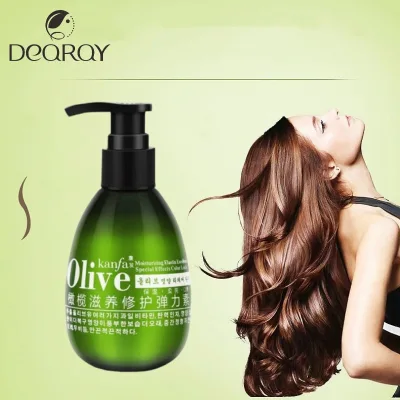
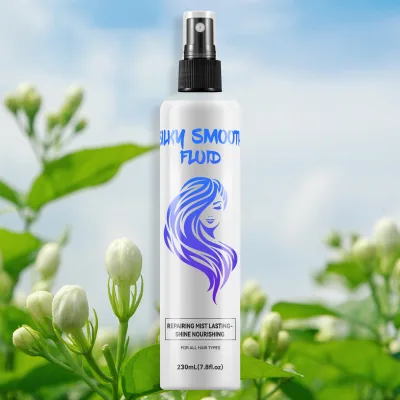
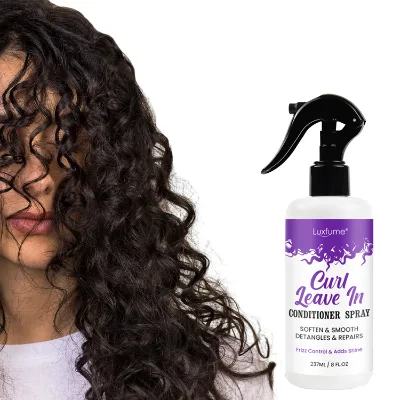
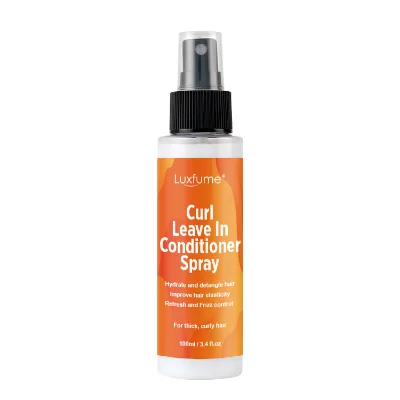
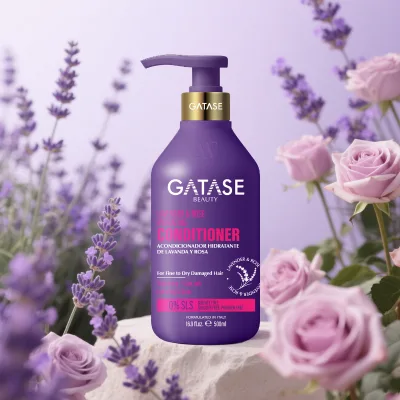
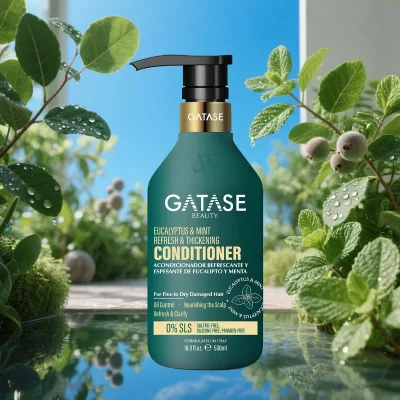
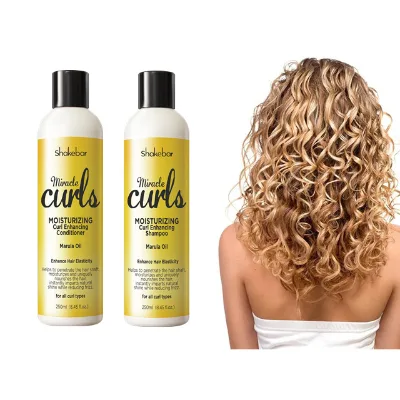
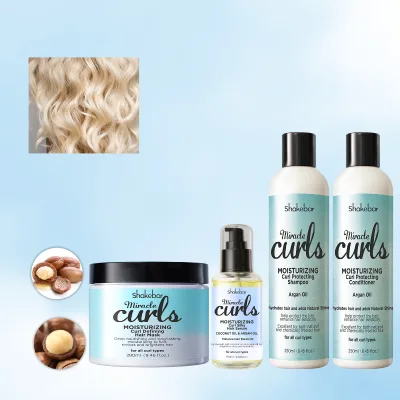
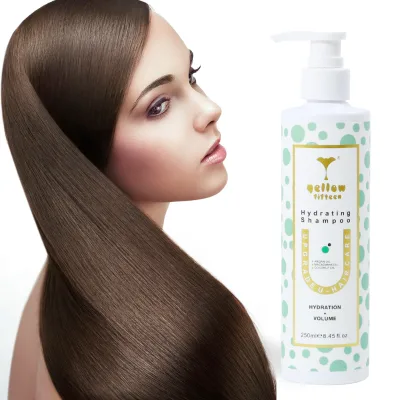
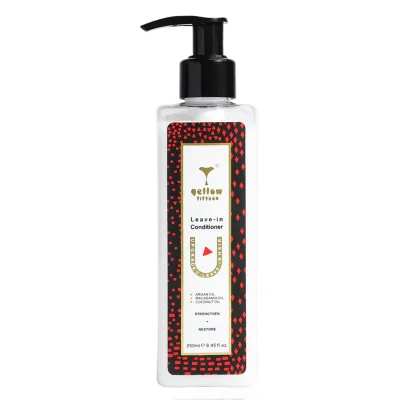
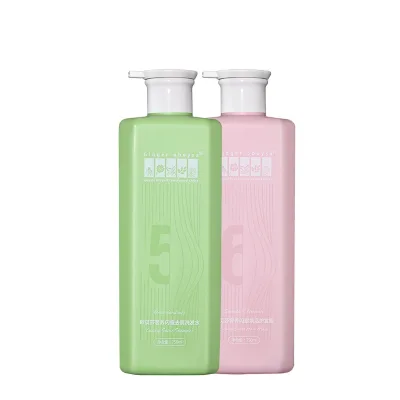
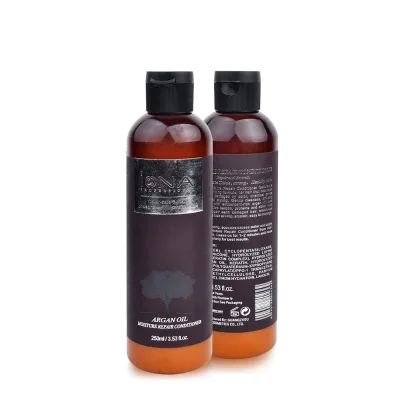
Product-side comparison is equally important. Current listings in this category span a moisturizing deep conditioner with coconut and keratin ingredients priced from roughly 1.59 to 1.86 per unit, a repair-and-detangle curl conditioner from about 1.30 to 1.90, and a leave-in conditioner spray from 1.87 to 2.35. Volume, form, and function differ: one listing is a 250 ml rinse-off lotion, another a 237 ml spray, and a third a shampoo-and-conditioner duo. Compare the specification that matters for your market, such as rinse-off versus leave-in format, hair type targeting (all types versus curly specifically), scent profile, and packaging dimensions with gross weight, which drives freight cost. Note that price ranges reflect listed unit pricing and will shift with volume, private label requirements, and formulation changes.
Common Moisturizing Lightweight Curl Conditioner Sourcing Risks
The most common risk in this category is conflating listing claims with verified performance. A product described as reducing frizz and smoothing curls, or as enhancing curl definition and improving elasticity, is making a marketing statement that your own sample testing must confirm. Lightweight texture is especially vulnerable: conditioners marketed as moisturizing can feel heavy on fine curly hair, and no attribute field proves texture until you test it. A second risk is ingredient substitution between the sample and production runs. Herbal material, coconut oil, or keratin content may vary by batch unless the contract specifies formulation lock and batch testing.
Structural risks also deserve attention. If you partner with a trading company, clarify who actually manufactures the product, because warranty, reformulation, and regulatory responsibility can become ambiguous across an intermediary. Lead times can stretch during peak cosmetic production seasons even when a supplier lists a firm figure, so build buffer into your timeline. Certifications may cover transport or business identity rather than product safety, leaving gaps you must close with your own documentation requests. Watch for attribute inconsistencies as well, such as a listing with color, scent, or volume fields that conflict internally, which can signal careless data management. Finally, minimum order expectations for private label work are often higher than for stock products, and a supplier who declines to state an MOQ upfront may reveal it only after you have invested time in sampling.
Moisturizing Lightweight Curl Conditioner Regional Sourcing and Logistics
The strongest location evidence in this category points to Guangdong, China, which appears as the stated place of origin for curly hair conditioner listings in current results. Guangdong is a coastal province with substantial personal-care manufacturing infrastructure, and sourcing from this cluster typically means access to component suppliers, packaging converters, and contract fillers within short distances. When multiple listings share one origin, you gain leverage: competing factories nearby make it easier to source a second supplier for the same formula without changing freight lanes or time zones.
Logistics planning should account for the physical profile of these products. Current listings show single package sizes ranging from 8 by 8 by 10 centimeters for a 250 ml conditioner to 5 by 5 by 20 centimeters for a taller bottle, with single gross weights around 0.3 to 0.35 kilograms. Liquids in plastic bottles pack densely, so calculate container utilization carefully and confirm whether cartons meet export packing standards. One supplier's certification referencing IMDG CODE is relevant here: although conditioners are generally not classified as dangerous goods, any supplier familiar with dangerous-goods handling frameworks is likely practiced in export compliance. Ask each candidate supplier to confirm the shipping documentation they provide, whether they support both air and sea freight for liquids, and how they handle carton marking. Compare lead times across suppliers with the same origin, since a fifteen-day production lead time quoted by one Guangdong trading company is a workable benchmark, but your freight timeline depends on destination and shipping mode you select.
Moisturizing Lightweight Curl Conditioner Commercial Terms and Order Planning
Commercial terms should be negotiated around the structure you discovered during verification. For a trading company offering OEM and ODM private label service, expect the quote to separate base product cost, custom packaging cost, and printing or plate fees. Current listing prices give you a starting frame, spanning roughly 1.30 to 2.35 per unit across rinse-off conditioners, shampoo-and-conditioner sets, and leave-in sprays, but treat these as list prices for stock configurations. Private label work, custom fragrance, and bespoke bottles each move pricing upward, so request a tiered quotation rather than a single figure, and ask which price tier applies at your realistic order volume.
Order planning should sequence carefully. Start with a sample order covering every SKU you intend to sell, including the rinse-off conditioner, any leave-in spray, and shampoo pairing, because curl-care customers often buy the routine. Confirm production lead time in writing, using the fifteen-day figure quoted by one listed supplier as a reference point, and add buffer for quality inspection before shipment. Clarify payment structure, whether an escrow-style protected transaction is available through the platform, and what deposit split the supplier requires for first orders. Agree on reformulation notice periods so ingredient changes cannot occur silently between orders. Finally, plan reorder timing against the supplier's stated response time; a supplier answering within five hours on business days supports faster replenishment decisions than one who takes days, which matters when a curl conditioner line sells through seasonally.
(Word count: approximately 1,390)
FAQs
What ingredients are in the moisturizing curl conditioner?
The conditioner typically contains coconut oil and keratin for deep hydration. Some formulations also include herbal extracts and argan oil. These ingredients help repair breakage and define curls while reducing frizz. Buyers should check specific product labels for the exact ingredient list to ensure it meets their hair care needs.
What is the lead time for orders?
The standard lead time for these products is 15 days. This duration applies to most standard orders placed with the suppliers. Buyers should confirm the exact timeline with the supplier before finalizing the purchase to ensure it aligns with their inventory requirements and shipping schedules.
What is the minimum order quantity?
The minimum order quantity is not explicitly stated in the available data. Buyers must verify the MOQ directly with the supplier. It is recommended to ask for the specific MOQ requirements during the initial inquiry to ensure the order size meets the supplier's production capabilities.
Are OEM and private label services available?
Yes, OEM, ODM, and private label services are available. Suppliers offer customized solutions on demand, including graphic processing and sample processing. Buyers can request specific branding and packaging options to create a unique product line that matches their market positioning and customer expectations.
What certifications do the suppliers hold?
The suppliers hold IMDG CODE certification for system compliance. They are also verified by SGS Group. Buyers should request additional relevant certifications, such as cosmetic grade standards, to ensure the products meet safety and quality regulations in their target markets before placing large orders.
What is the price range for the conditioner?
The price range varies from $1.30 to $2.35 per unit depending on the specific product. Prices depend on factors like volume, ingredients, and customization. Buyers should request a detailed quote based on their desired quantity and specifications to get an accurate final price for their order.
Where are the suppliers located?
The suppliers are located in Guangdong, China. This region is known for its manufacturing capabilities in personal care products. Buyers can verify the exact factory address and request samples to assess the quality and reliability of the products before committing to a larger purchase.