Source Vegan Baby Hair Wax Stick for styling, hold, and care
Source Vegan Baby Hair Wax Stick options from 30 verified suppliers. Compare features like strong hold, organic ingredients, and OEM services for natural styling needs. Evaluate MOQs, lead times, and customization options to find the best fit for your brand requirements and ensure high-quality product sourcing for your business needs.
Updated
Key considerations
Products List
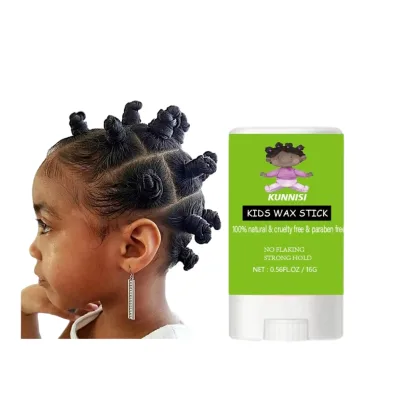


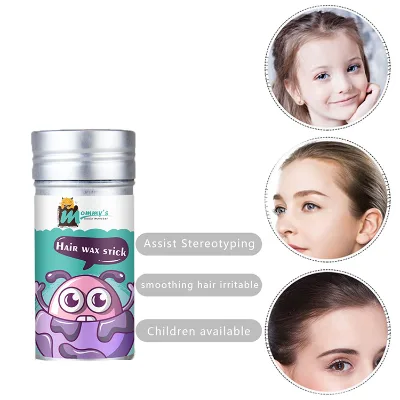
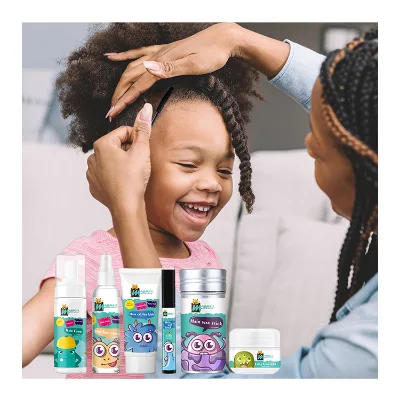
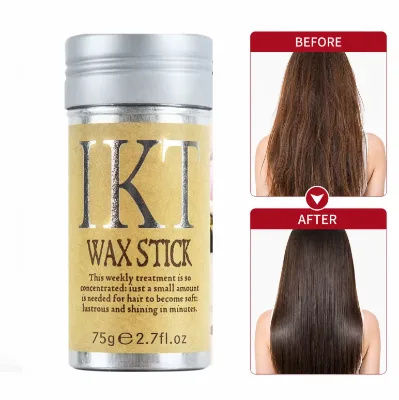
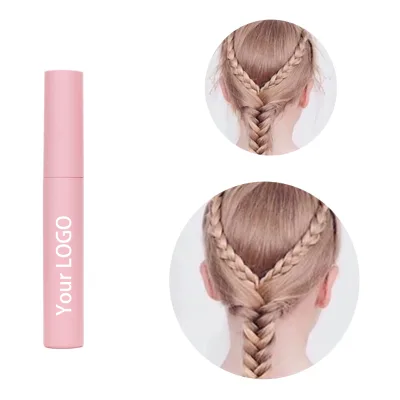
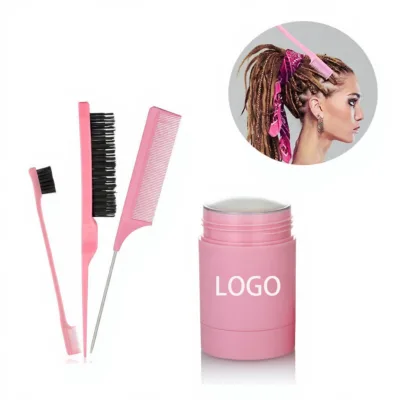
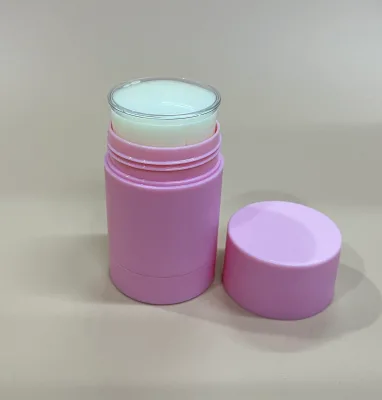
Baby Wax Stick for Hair Wigs Edge Control Hair Pomade Hair Stick Slick Stick for Waxing
$1.879 - $2.8858
MOQ: 100 pieces
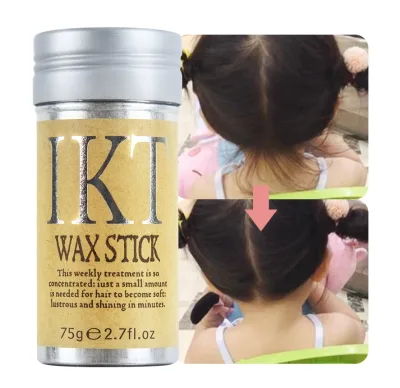


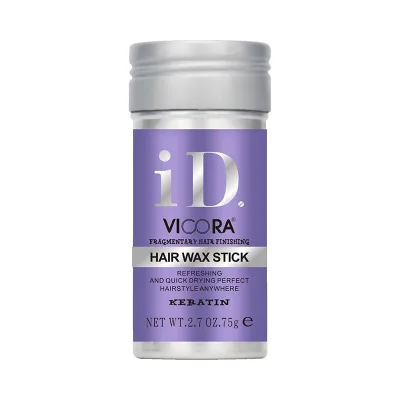
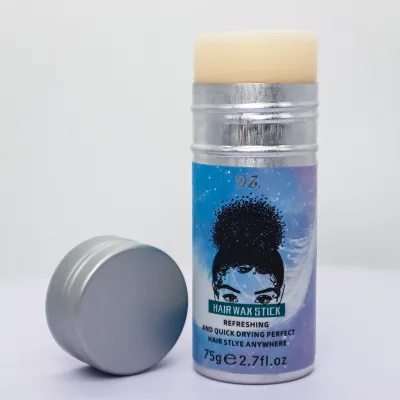
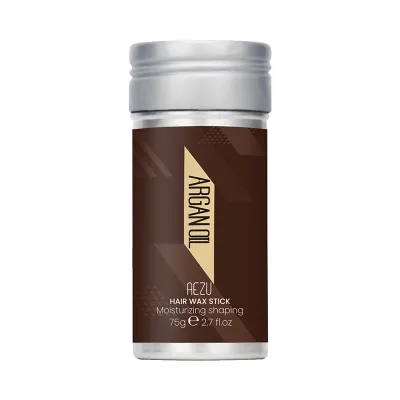
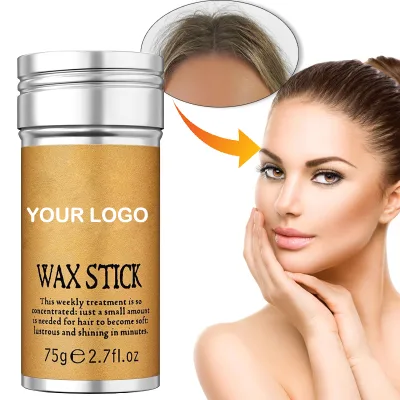
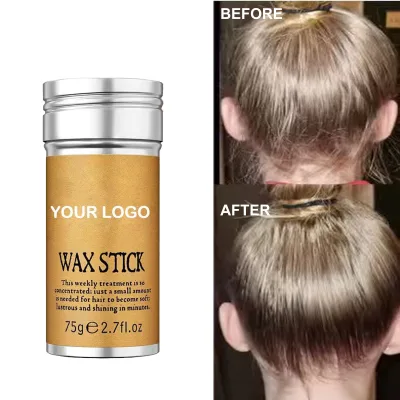
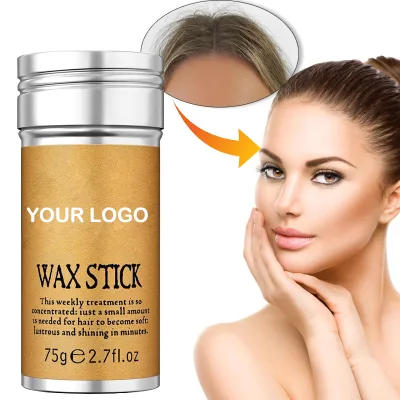
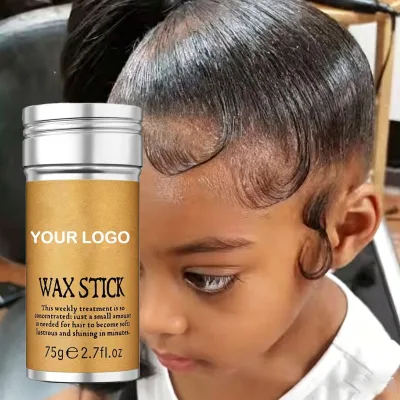
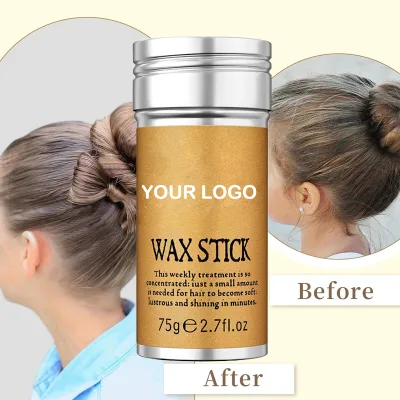
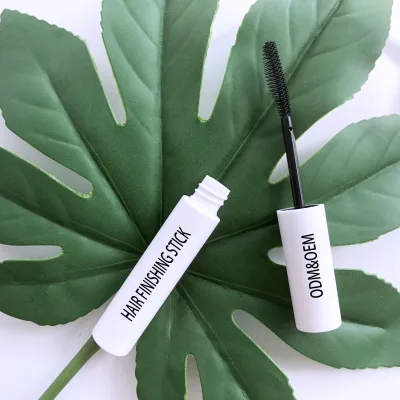
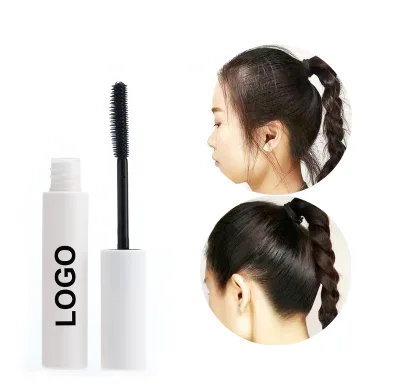
Custom Hair Edge Control Tamer Hair Wax Finishing Stick for Baby Hair
$1.0786 - $1.5409
MOQ: 50 pieces
Comprehensive Sourcing Guide
Vegan Baby Hair Wax Stick Sourcing Guide
Sourcing hair wax sticks for infants and toddlers requires a meticulous approach to ingredient safety and formulation stability. The primary objective is to identify products that deliver effective styling and hold without introducing harsh chemicals, allergens, or irritants to sensitive scalp skin. Buyers must prioritize suppliers who demonstrate transparency in their ingredient lists, specifically looking for organic, alcohol-free, and paraben-free compositions. These attributes are critical for ensuring the product remains gentle while still providing the necessary hold for managing fine or curly baby hair.
Procurement teams should also evaluate the physical form and application method of the wax stick. Products described as non-sticky, non-greasy, and easy to apply reduce the risk of mess and discomfort during use. It is essential to verify that the formulation does not contain beeswax if a strictly vegan certification is required, as many standard hair waxes rely on animal-derived waxes for texture. Buyers must cross-reference supplier claims with independent lab results to confirm the absence of hidden animal by-products and ensure the product meets strict vegan standards for infant care.
Product Scope and Observed Listing Signals
The current market landscape for hair wax sticks includes a variety of formulations targeting different hair types, from normal to curly and multilevel textures. Observed listings frequently highlight features such as strong hold, natural look, and matte finish, which are desirable for maintaining neat hairstyles without a stiff or crunchy feel. Many suppliers offer customization options, including private labeling and custom packaging, which allows brands to tailor the product to specific market segments. However, buyers must carefully distinguish between general adult products and those specifically formulated for babies, as the latter require significantly higher safety thresholds.
Suppliers often list attributes like "all natural ingredients" and "organic" components, but these terms are not regulated uniformly across all jurisdictions. Procurement specialists should scrutinize these claims by requesting detailed ingredient breakdowns and third-party verification. The observed presence of beeswax in some product descriptions indicates that not all "natural" waxes are vegan. Buyers must explicitly communicate their vegan requirements to suppliers and verify that the final product excludes any animal-derived ingredients, ensuring alignment with ethical sourcing policies and specific customer expectations for baby care items.
Technical Specifications to Verify
Technical verification begins with confirming the physical dimensions and packaging integrity of the hair wax stick. Standard specifications often include a single package size around 12x10x5.6 cm and a gross weight of approximately 0.500 kg, which helps in calculating shipping costs and storage requirements. Buyers should verify the model numbers, such as H-01 or L2, to ensure consistency in production batches. Additionally, the form factor is critical; while some products are labeled as wax, others may be described as gel or finishing sticks, which can affect the application experience and user satisfaction for delicate baby hair.
The hold strength and scent profile are also key technical parameters that require validation. Products claiming strong hold must be tested to ensure they do not require excessive product usage, which could increase the risk of scalp irritation. Scent options, such as the six perfume scents observed in some listings, must be evaluated for potential allergens. Buyers should request samples to test the texture, melt point, and ease of application. It is crucial to confirm that the product does not become stiff or greasy, as these qualities can make removal difficult and uncomfortable for infants, potentially leading to negative user experiences and returns.
Compliance and Safety Documentation
Compliance with international safety standards is non-negotiable for baby hair care products. Buyers must ensure that suppliers provide comprehensive documentation, including Safety Data Sheets (SDS) and Certificate of Analysis (CoA) for each batch. These documents should detail the chemical composition, heavy metal limits, and microbial contamination levels. Since many suppliers are located in Guangdong, China, buyers should verify that the manufacturing facilities adhere to Good Manufacturing Practices (GMP) and have relevant quality management certifications. This ensures that the production environment is controlled and that the final product meets rigorous safety benchmarks.
Vegan certification is another critical compliance aspect that requires specific documentation. Buyers should request proof of vegan status from recognized certification bodies, as self-declared claims may not be sufficient for regulatory approval in certain markets. Additionally, suppliers should provide evidence that their products are free from parabens, alcohol, and other common irritants. It is advisable to conduct independent lab testing on received samples to verify the absence of prohibited substances. This due diligence protects the brand from legal liabilities and ensures that the product is safe for use on sensitive baby skin, maintaining trust with parents and caregivers.
Cost Drivers and Commercial Terms
Cost structures for hair wax sticks are influenced by several factors, including raw material quality, packaging complexity, and order volume. Observed minimum order quantities (MOQ) range from 2 to 1000 pieces, with some suppliers requiring as few as 50 or 100 pieces for initial trials. Buyers should negotiate pricing based on volume tiers, keeping in mind that higher MOQs often result in lower unit costs. However, it is essential to balance cost savings with the need for inventory flexibility, especially when introducing a new product line to the market. Understanding the cost breakdown helps in identifying potential areas for negotiation and optimization.
Commercial terms such as payment methods, lead times, and shipping arrangements also impact the total cost of ownership. Suppliers may offer OEM/ODM services, which can add to the initial setup costs but provide long-term branding benefits. Buyers should clarify whether the quoted prices include packaging customization, such as private labeling or custom box designs. Additionally, it is important to discuss potential tariffs and import duties, which can vary significantly depending on the destination country. Clear communication of these terms upfront helps in avoiding unexpected expenses and ensures a smoother procurement process from order placement to delivery.
Supplier Qualification and Quality Control
Supplier qualification involves a thorough assessment of their manufacturing capabilities, quality control processes, and track record. Buyers should request factory audits or third-party inspection reports to verify production standards and working conditions. Suppliers with extensive experience, such as those claiming 20 years in the industry, may offer more reliable production consistency, but this should be validated through recent performance data. It is crucial to assess their ability to handle custom orders, including logo printing and formula adjustments, while maintaining strict quality control measures.
Quality control protocols should include in-process inspections and final random inspections before shipment. Buyers should define clear acceptance criteria for product appearance, packaging integrity, and product performance. Establishing a robust quality assurance agreement with the supplier ensures that any deviations from specifications are addressed promptly. Additionally, suppliers should provide a warranty or guarantee against defects, which protects the buyer from financial loss due to substandard products. Regular communication and feedback loops with the supplier help in continuously improving product quality and addressing any emerging issues proactively.
Long-Term Procurement Checks
Long-term procurement success depends on continuous monitoring of supplier performance and market trends. Buyers should establish key performance indicators (KPIs) to track delivery times, product quality, and responsiveness to issues. Regular reviews of supplier performance help in identifying potential risks and opportunities for improvement. It is also important to stay updated on regulatory changes and consumer preferences, which can impact product requirements and market demand. Adapting to these changes ensures that the procurement strategy remains aligned with business goals and customer expectations.
Building a diversified supplier base can mitigate risks associated with single-source dependencies. Buyers should explore alternative suppliers who offer similar products with competitive pricing and quality. This strategy provides flexibility in case of supply chain disruptions or quality issues with the primary supplier. Additionally, fostering strong relationships with suppliers can lead to better collaboration, innovation, and favorable terms over time. Regular engagement and strategic planning help in maintaining a resilient and efficient procurement process, ensuring the consistent supply of high-quality vegan baby hair wax sticks.
FAQs
Can I get Vegan Baby Hair Wax Stick with organic ingredients?
Yes, suppliers offer hair wax sticks featuring organic and all-natural ingredients. The product line includes options that are alcohol-free and paraben-free. These formulations are designed to be gentle while providing strong hold. Buyers can request custom logos and packaging to meet specific brand requirements for natural care products.
What is the minimum order quantity for private label wax sticks?
The minimum order quantity varies by supplier, typically ranging from 50 to 1000 pieces. Some listings specify an MOQ of 144 pieces or 100 pieces for specific models. Buyers should verify the exact MOQ with the manufacturer, as it depends on the chosen model number and customization level for private label orders.
Does the hair wax stick provide strong hold for styling?
Yes, the product provides strong hair styling hold suitable for various hair types. It features a matte or natural look finish that is not sticky, stiff, or greasy. The formula helps make hair styling effective for flyaway hair. It is designed to be easy to apply and works well for normal and curly hair.
Is the hair wax stick suitable for all ages and hair types?
Yes, the product is suitable for all ages, including adults, kids, men, and women. It is designed for all hair types, including natural, curly, and wig hair. The unisex formula ensures versatility for different users. The product is specifically targeted at multilevel hair and aims to provide a natural effect without residue.
What packaging and customization options are available for bulk orders?
Suppliers offer customization for logos, formulas, and packaging. The standard packing is a box, with single package sizes around 12x10x5.6 cm. OEM and ODM services are welcomed for bulk orders. Buyers can select from various perfume scents and model numbers to align with their brand identity and market needs.
Where are the hair wax stick manufacturers located?
The manufacturers are located in Guangdong, China. This region is known for its cosmetics production capabilities. Buyers can access suppliers offering 24-hour online service and 20 years of experience. The origin is consistently listed as China for these specific hair styling products.