anti-dandruff deep cleansing shampoo Suppliers and Manufacturers
Source anti-dandruff deep cleansing shampoo from 31 verified suppliers in China. Compare key dimensions including lead times, MOQs, certifications, and response rates to identify suitable partners. Review product specifications and request samples to evaluate quality and customization options for your business needs.
Updated
Suppliers List

Fully Cosmetic (GZ) Co., Limited
- Verified by TUVRHEINLAND
- Trading Company
- China Guangdong
- Lead time30 days
- Avg. response≤ 6h
Main productsHair Building Fibers, Hair Dye Fast Color Mousse, Hairline Powder, Hair Dye, Hair Shampoo, Spray Applicator, 360 Degree Mirror, Fastcolor Comb, Hair Conditioner, Hairline Optimizer
Main marketsOthers(foreignTradeCapacity.exportBusinessCapacityMarketOther)

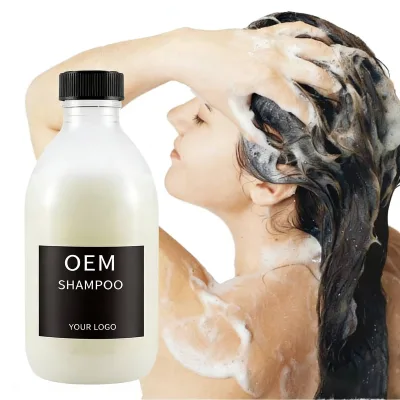
OEM Hair Care Product Anti-Dandruff Oil-Control Shampoo Deep Hair Cleaning Shampoo
$2.70
MOQ: 10000 Pieces


Yangzhou Nano Aviation Technology Co., Ltd.
- Verified by SGS
- Combined
- China Jiangsu
- Lead time15 days
- Avg. response≤ 3h
Main marketsSoutheast Asia/ Mideast,Domestic


Deep Cleansing OEM Custom 300ml Anti-Dandruff Hair Care Shampoo for Shower Rooms
$1.00 - $1.60
MOQ: 1000 Pieces


Harmless Deep Cleansing Custom 300ml Hospitality Shampoo for Anti Dandruff
$1.00 - $1.60
MOQ: 1000 Pieces


Guangzhou Kooswalla Cosmetics Co., Ltd.
- Verified by SGS Group
- Manufacturer, Trading Company
- Lead time5 days
- Avg. response≤ 4h
Main productsShampoo, Conditioner, Hair Mask, Hair Oil, Hair Treatment
Main marketsNorth America(23%), Southeast Asia(18%), Western Europe(15%)
Guangzhou Xiaoshi Biotechnology Co., Ltd.
- Manufacturer, Trading Company
- Guangdong, China
- Lead time3 days
- Avg. response≤ 1h
Main productsShampoo, Conditioner, Hair Mask, Hair Oil, Jelly Mask
Main marketsNorth America(60.00%), Eastern Europe(10.00%), South America(10.00%), Southeast Asia(5.00%), Western Europe(2.00%), Eastern Asia(2.00%), Mid East(2.00%), Oceania(2.00%), Africa(2.00%), Domestic Market(1.00%), South Asia(1.00%), Southern Europe(1.00%), Northern Europe(1.00%), Central America(1.00%)
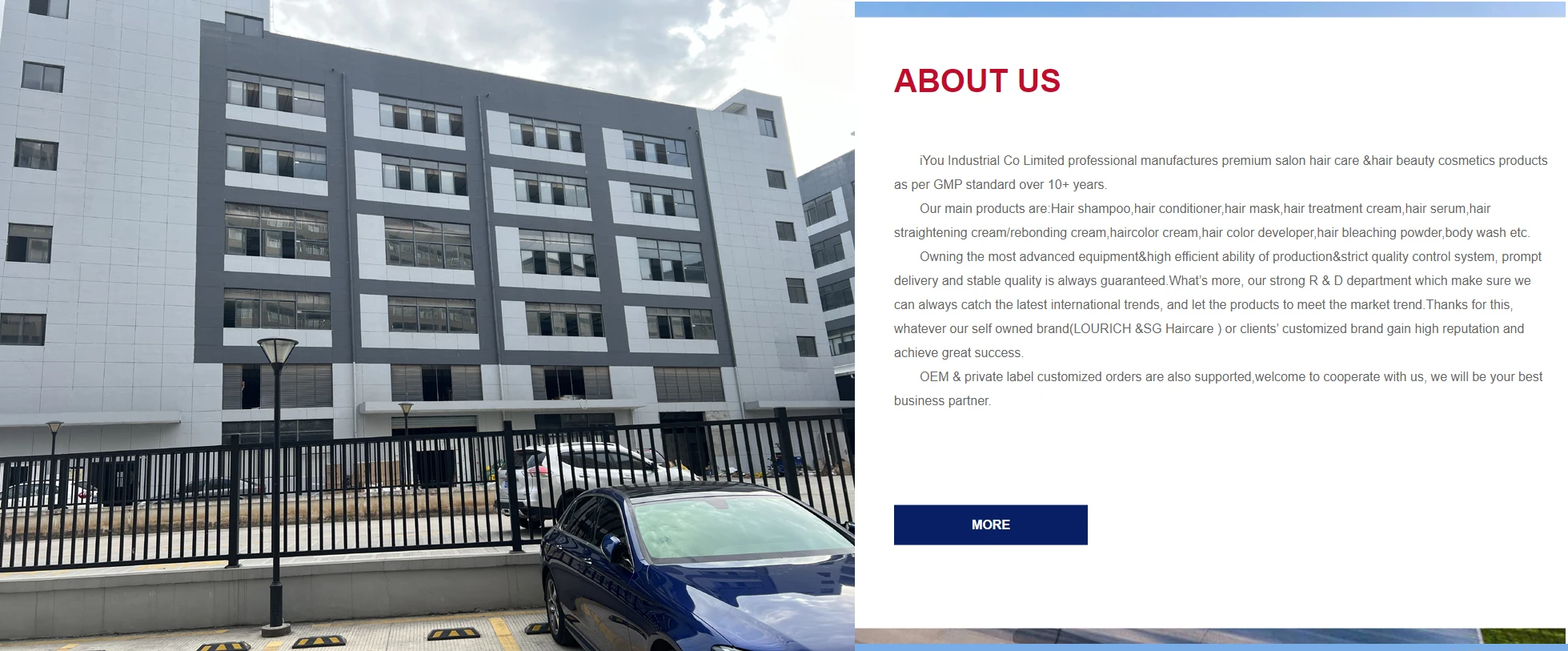
- Manufacturer, Distributor/Wholesaler
- Guangdong, China
- Lead time0 days
- Avg. response≤ 4h
Main productsshampoo,hair conditioner,hair mask,hair color cream,hair treatment
Main marketsSoutheast Asia(13.00%), Mid East(10.00%), Eastern Asia(10.00%), Africa(10.00%), North America(10.00%), South Asia(10.00%), South America(10.00%), Northern Europe(5.00%), Central America(5.00%), Western Europe(5.00%), Southern Europe(5.00%), Domestic Market(3.00%), Oceania(2.00%), Eastern Europe(2.00%)

Guangdong Hodm Professionals Cosmetics Co.,ltd.
- Manufacturer
- Guangdong, China
- Lead time15 days
- Avg. response≤ 2h
Main productsShampoo & Conditioner, Hair Oil, Hair Mask, Hair Styling Products, Hair Care Spray
Main marketsNorth America(30.00%), Oceania(10.00%), Mid East(10.00%), Western Europe(7.00%), Southern Europe(7.00%), Northern Europe(7.00%), Eastern Europe(7.00%), South Asia(6.00%), Southeast Asia(6.00%), Eastern Asia(5.00%), Central America(2.00%), Africa(2.00%), South America(1.00%)
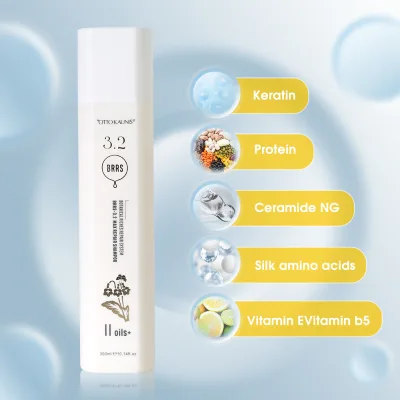
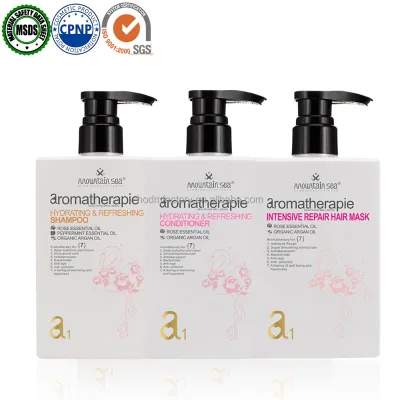
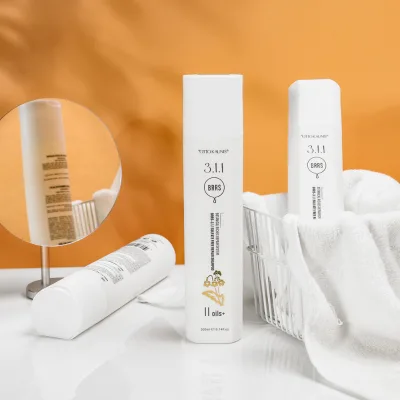
Custom Logo Deep Cleansing Nourishing Smoothing Protein Purifying Hydrating Shampoo with No Silicone
$2.5541 - $2.8837
MOQ: 50 pieces
Guangzhou Pallas Cosmetics Co., Ltd.
- Trading Company
- Lead time旺季: "1 - 5000":31,"> 5000":"To be negotiated", 淡季: "1 - 5000":31,"> 5000":"To be negotiated"
- Avg. response≤ 3h
Main productsFacial Mask, Face Cream, Shampoo, Sunscreen, Serum

Guangzhou Gaoyou Cosmetics Co., Ltd.
- Verified by BV
- Combined
- China Guangdong
- Lead time15 days
- Avg. response≤ 4h
Main marketsAfrica,Southeast Asia/ Mideast,East Asia(Japan/ South Korea),Australia,North America

Hangzhou Huiji Biotechnology Co., Ltd.
- Verified by BV
- Combined
- China Zhejiang
- Lead time30 days
- Avg. response≤ 12h
Main productsShampoo, Detergent, Dish Washing, Hand Liquid Soap, Air Freshener, Conditioner, Urinal Block, Shower Gel, Glass Cleaner, Floor Cleaner
Main marketsSouth America,Africa,Southeast Asia/ Mideast,East Asia(Japan/ South Korea),Domestic,Europe,Australia,North America


Hot Selling Herbal Essence Shampoo Moisturizing Shampoo Antidandruff Shampoo
$0.70 - $0.80
MOQ: 5000 Pieces
Guangdong Aojie Biotechnology Co., Ltd.
- Verified by SGS Group
- Manufacturer, Trading Company
- Lead time45 days
- Avg. response≤ 1h
Main productsShampoo, Shower Gel, Underwear Washing Liquid, Body Lotion, Hair Conditioner
Main marketsDomestic Market(70%), Southeast Asia(10%), Mid East(10%)
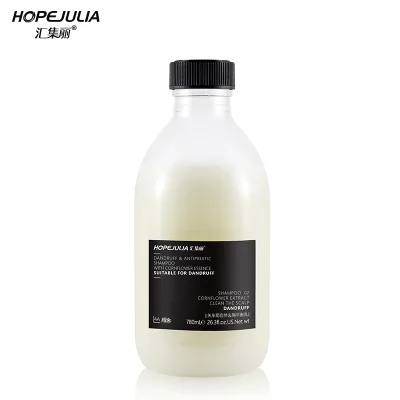
Cornflower Extract Nourishing Remove Dandruff Shiny Deep Cleaning Anti-dandruff Shampoo
$0.96 - $1.10
MOQ: 1 pieces
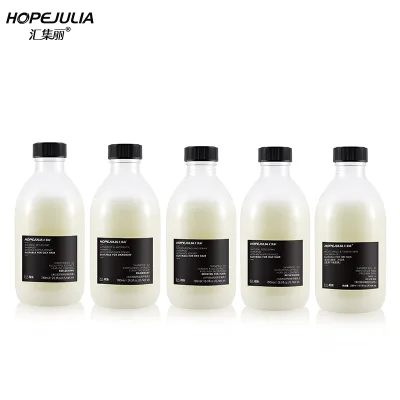
Hot Sale High Quality Anti-dandruff Elastic Lustrous Deep Hair Gently Remove Dirt Shampoo
$2.78 - $3.25
MOQ: 1 pieces
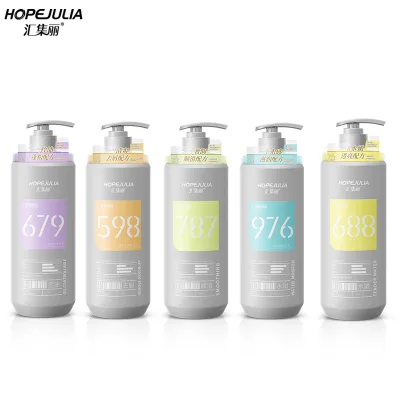
Chinese Manufacturers Wholesale Shampoo French Professional Fragrance Removes Dandruff Shampoo
$2.02 - $2.40
MOQ: 1 pieces
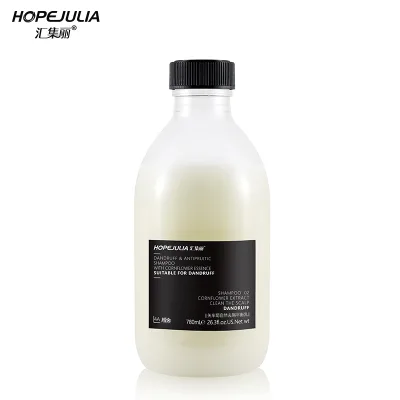
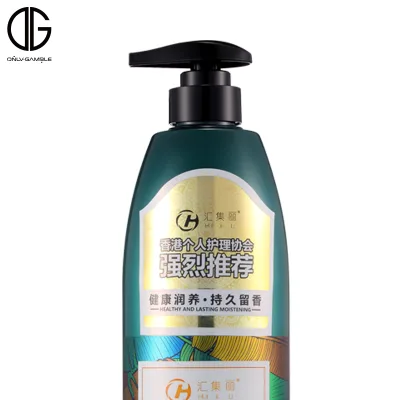
High Quality Home Use Oil Control Rich Foam Deep Hair Gently Remove Dirt Nourishing Shampoo
$0.96 - $1.10
MOQ: 1 pieces

Guangzhou Yiyi Biotechnology Co., Ltd.
- Verified by BV
- Trading Company,Manufacturer/Factory
- China Guangdong
- Lead time45 days
- Avg. response≤ 2h
Main productsSkin Care, Hair Care, Body Care
Main marketsSouth America,Eastern Europe,Mid East,North America,Southeast Asia,Eastern Asia,Oceania,Western Europe,Africa

Zhejiang Jifu Daily Chemical Co., Ltd
- Verified by SGS
- Combined
- China Zhejiang
- Lead time30 days
- Avg. response≤ 2h
Main productsDetergent, Laundry Detergent, Shampoo, Liquid Hand Soap, Hand Sanitizer, Softner, Shower Gel, Body Wash, Dishwash Detergent, Conditioner
Main marketsSouth America,Africa,East Asia(Japan/ South Korea),Domestic,Australia,North America

Professional Deep Cleansing Shampoo Private Label Hair Shampoo Oil Anti-Dandruff Hair Shampoo
$1.68 - $3.88
MOQ: 20000 Pieces


Guangzhou Baiyun Kaqi Daily Cosmetics Factory
- Manufacturer, Trading Company
- Guangdong, China
- Lead time0 days
- Avg. response≤ 3h
Main productsDibeier Shampoo,Qiao Fei Shampoo,Qiao Fei Condition,Ylas Hair Mask,Garden Hair Mask
Main marketsEastern Asia(25.00%), Mid East(25.00%), Africa(25.00%), Southeast Asia(25.00%)
Guangzhou Jiuke Fine Chemical Co., Ltd.
- Verified by Intertek
- Manufacturer, Trading Company
- Lead time30 days
- Avg. response≤ 3h
Main productsHair Care, Skin Care, Disinfectant, Female & Men's Care, Oral Care
Main marketsMid East(35%), Southeast Asia(20%), Africa(10%)
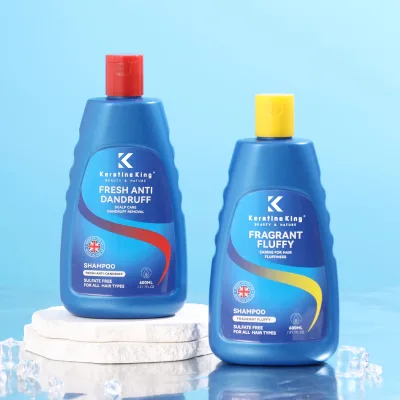
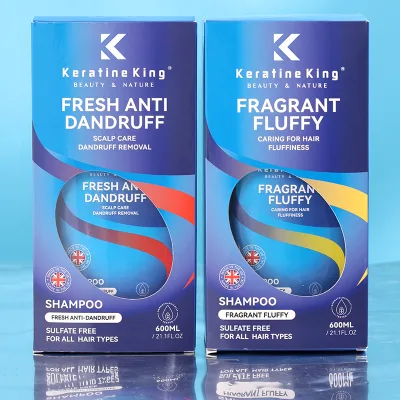
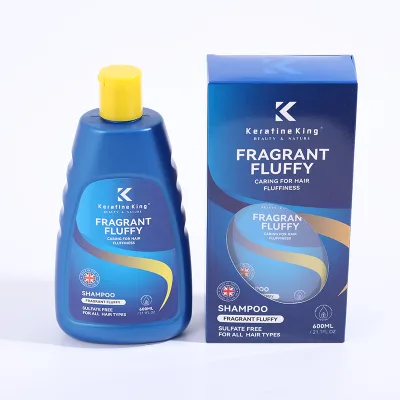
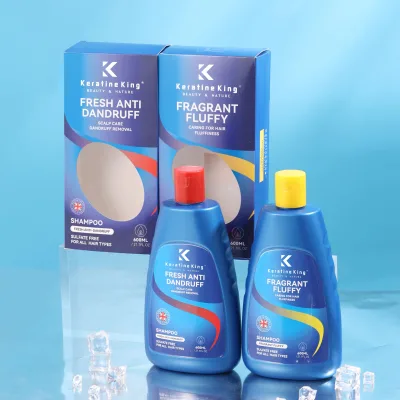
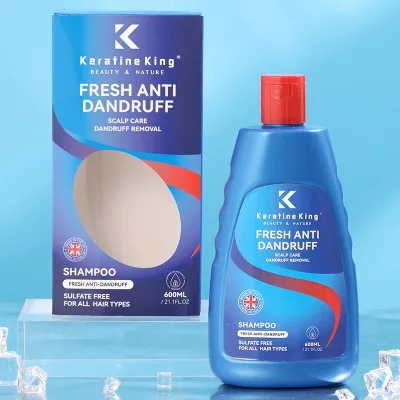
Luxury Anti-dandruff Shampoo Collagen Amino Acid 600ml Refresh Hair Smooth Hair Hair Wash
$1.7197 - $2.1332
MOQ: 30 pieces

Immense Care (Suzhou) Biotechnology Co., Ltd.
- Verified by TUVRHEINLAND
- Trading Company
- China Jiangsu
- Lead time30 days
- Avg. response≤ 22h
Main productsHand Sanitizer
Main marketsEurope
Guangzhou Labochy Cosmetics Co., Ltd.
- Verified by SGS Group
- Manufacturer, Trading Company
- Lead time0 days
- Avg. response≤ 4h
Main productsShampoo, Conditioner, Hair Mask, Hair Oil, Hair Treatment
Main marketsNorth America(23%), Southeast Asia(18%), Western Europe(15%)
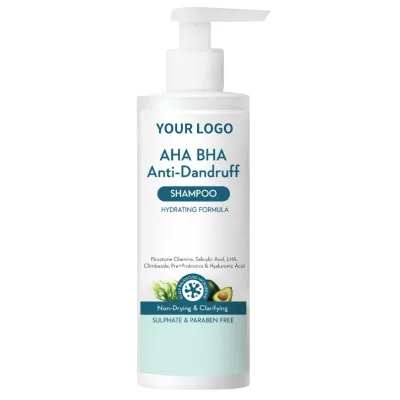
$2.5975 - $3.2207
MOQ: 3000 pieces
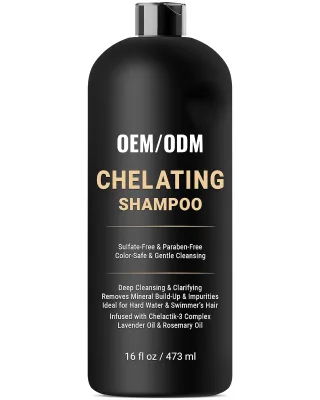
$2.90 - $3.90
MOQ: 500 pieces
$2.90 - $3.90
MOQ: 500 pieces
$2.90 - $3.90
MOQ: 500 pieces
Huangshan Heasure Biotechnology Co., Ltd.
- Manufacturer, Trading Company
- Anhui, China
- Lead time0 days
- Avg. response≤ 4h
Main productsfacial mask,face cream,shampoo,face serum,body wash
Main marketsDomestic Market(30.00%), Eastern Asia(20.00%), South America(10.00%), North America(10.00%), Southeast Asia(10.00%), Mid East(7.00%), Northern Europe(5.00%), Oceania(5.00%), Western Europe(3.00%)
Guangzhou Hodm Professionals Cosmetics Co., Ltd.
- Manufacturer, Trading Company
- Lead time旺季: "1 - 500":31,"501 - 2000":35,"> 2000":"To be negotiated", 淡季: "1 - 500":31,"501 - 2000":35,"> 2000":"To be negotiated"
- Avg. response≤ 2h
Main productsShampoo & Conditioner, Hair Oil, Hair Mask, Hair Styling Products, Hair Care Spray
Huizhou Boymay Cosmetics Co., Ltd.
- Trading Company
- Lead time旺季: "1 - 1000":18,"1001 - 5000":25,"> 5000":"To be negotiated", 淡季: "1 - 1000":18,"1001 - 5000":25,"> 5000":"To be negotiated"
- Avg. response≤ 2h
Main productsBath Bomb, Shower Steamer, Soap, Hair Treatment, Body Care

Zhaoqing Kaijoe Technology Co., Ltd.
- Verified by TUVRHEINLAND
- Combined
- China Guangdong
- Lead time23 days
- Avg. response≤ 5h
Main productsHair Shampoo, Hair Conditioner, Hair Gel, Hair Color, Bleaching Powder, Hair Dye, Bleching Powder, Hair Treatment, Hair Serum
Main marketsSoutheast Asia/ Mideast
Guangdong Kesimei Biotechnology Co., Ltd.
- Verified by TüVRheinland
- Manufacturer, Trading Company
- Lead time45 days
- Avg. response≤ 4h
Main productsShampoo, Conditioner, Hair Mask, Body Wash, Hair Dye
Main marketsNorth America(25%), Domestic Market(12%), Southeast Asia(9%)
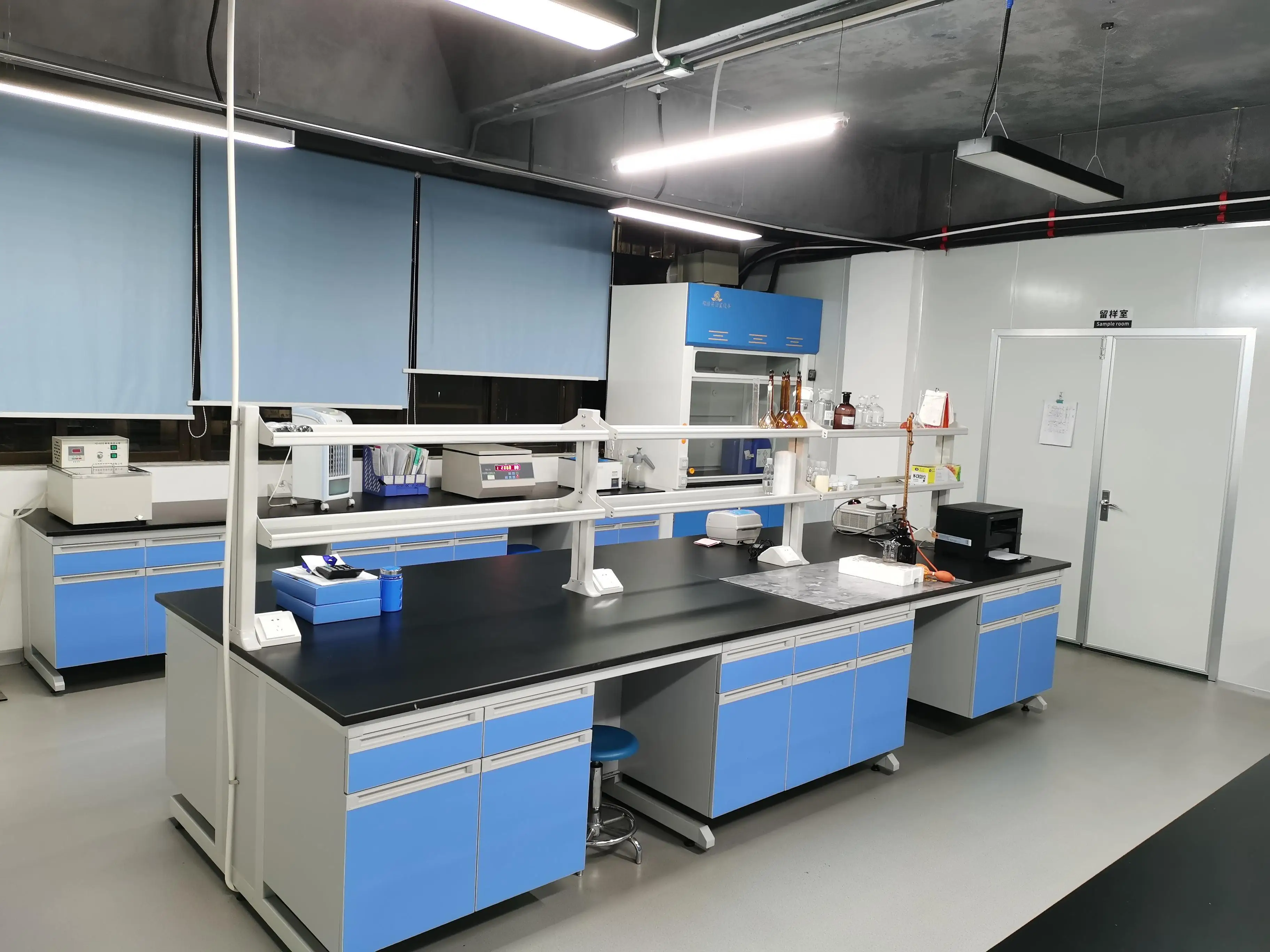
Sichuan Kangmei Xinrui Health Management Co., Ltd.
- Trading Company
- Sichuan, China
- Lead time0 days
- Avg. response≤ 1h
Main productstoothbrush,Wet wipes,electric toothbrush,teeth whitening strips,Hand cream
Main marketsEastern Asia(20.00%), Oceania(9.00%), Western Europe(8.00%), South America(8.00%), Central America(6.00%), North America(4.00%)
Tianjin Haoyang Commercial Co., Ltd.
- Manufacturer, Trading Company
- Tianjin, China
- Lead time90 days
- Avg. response≤ 4h
Main productsGold eye mask,skin care serum,foot mask,jade roller,stretch cream
Main marketsNorth America(50.00%), South America(15.00%), Northern Europe(10.00%), Western Europe(10.00%), Eastern Europe(5.00%), Central America(5.00%), Africa(2.00%), Eastern Asia(2.00%), Domestic Market(1.00%)
Guangzhou Shengkou Biological Technology Co., Ltd.
- Verified by SGS Group
- Manufacturer, Trading Company
- Lead time20 days
- Avg. response≤ 4h
Main productsHair Wax and Hair Styling Products, Anti-dandruff Shampoo and Hair Fixing Products, Conditioner and Hair Care Products, Body Cleaning and Care Products, Pet Care Products
Main marketsNorth America(67%), Eastern Europe(10%), Oceania(8%)

SUZHOU LONGLIFU IMP. & EXP. CO., LTD.
- Verified by TUVRHEINLAND
- Manufacturer/Factory
- China Jiangsu
- Lead time23 days
- Avg. response≤ 10h
Main productsDaily Chemicals, Skin Care Products, Hair Care Products, Oral Care, Household Cleaning Products, Cosmetics, Animal Care, Perfume, Pet Care Products
Main marketsSouth America,Mid East,Southeast Asia,Eastern Asia,Western Europe,Africa

Guangdong Boda Cosmetics Co,.Ltd.
- Verified by BV
- Manufacturer/Factory
- China Guangdong
- Lead time23 days
- Avg. response≤ 7h
Main productsHair Bleaching Powder, Hair Dye, Hair Care, Shampoo, Hair Conditioner, Hair Bleach Cream, Silver Shampoo, Olaplex, Hair Perm, Hair Mask
Main marketsSouth America,Eastern Europe,Mid East,North America,Southeast Asia,Eastern Asia,Oceania,Western Europe,Africa

$1.40 - $2.00
MOQ: 100 Pieces


Guangzhou Zohe Wellness Technology Co. Ltd
- Verified by SGS
- Combined
- China Guangdong
- Lead time15 days
- Avg. response≤ 2h
Main marketsDomestic

OEM Herbal Anti-Dandruff Anti-Hair Fall Shampoo Soapberry Natural Mild Anti-Itch Cleansing
$3.80 - $4.60
MOQ: 2000 Pieces

Guangdong Fanhua Biotechnology Co., Ltd.
- Verified by TüVRheinland
- Manufacturer, Trading Company
- Lead time30 days
- Avg. response≤ 2h
Main productsAnti Hair Loss Shampoo, Hair Growth Oil, Scalp Serum, Hair Care Perfume, Scalp Cieaning And Care Products
Main marketsNorth America(36%), Africa(26%), Southeast Asia(16%)

Foshan Duoyilai Trading Co., Ltd
- Manufacturer, Trading Company, Distributor/Wholesaler
- guangdong, China
- Lead time7 days
- Avg. response≤ 9h
Main productsBeauty Skin Care,Beauty Essentials Oil,Bath & Shower,Men's Grooming,Body Care
Main marketsSouthern Europe(15.00%), Eastern Europe(15.00%), Western Europe(13.00%), Northern Europe(12.00%), North America(12.00%), Mid East(10.00%), Eastern Asia(8.00%), South America(8.00%), Central America(2.00%), Domestic Market(1.00%), South Asia(1.00%), Oceania(1.00%), Africa(1.00%), Southeast Asia(1.00%)
Guangzhou Baiyun District Sanyuanli Lianshang Cosmetics Firm
- Verified by TüVRheinland
- Trading Company
- Lead time10 days
- Avg. response≤ 4h
Main productsShampoo, Conditioner, Hair Wax, Hair Wax Stick, Skin Care
Main marketsSoutheast Asia(25%), Mid East(20%), Africa(15%)
NANTONG TIANLAN COSMETICS CO., LTD.
- Combined
- China Jiangsu
- Lead time30 days
- Avg. response≤ 24h
Main productsSkin Whitening Cream, Toothpaste, Shampoo, Essential Balm, Balm, Cosmetics, Cream, Baby Powder, Inhaler, Hair Relaxer
Main marketsSouth America,Africa,Southeast Asia/ Mideast
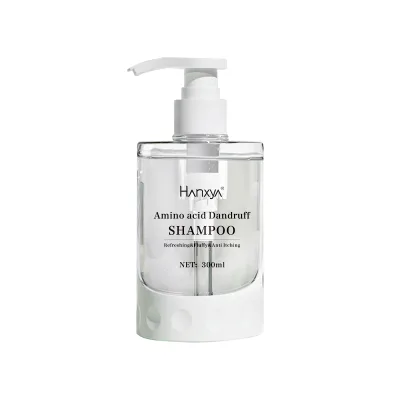
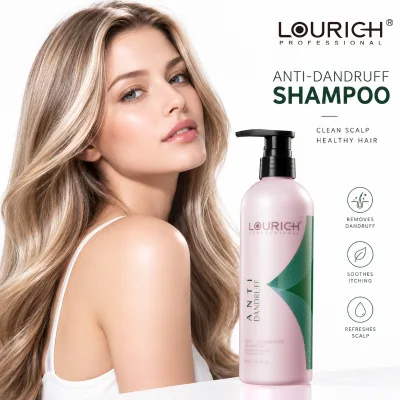
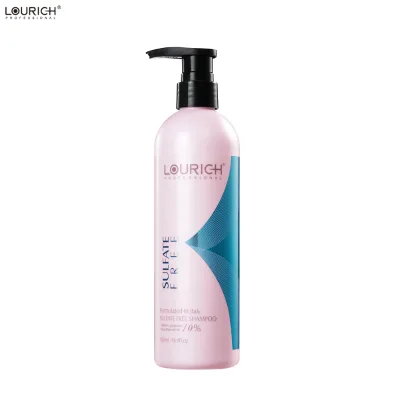






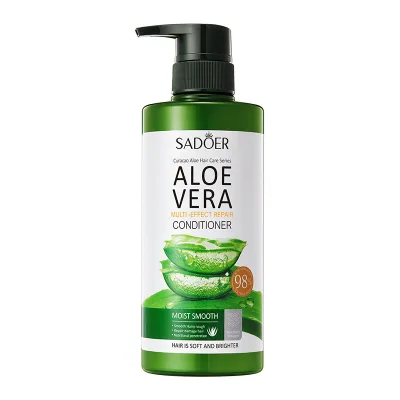
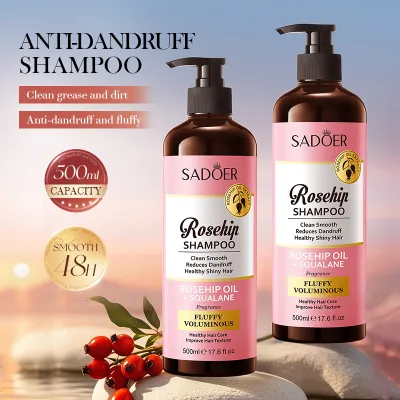
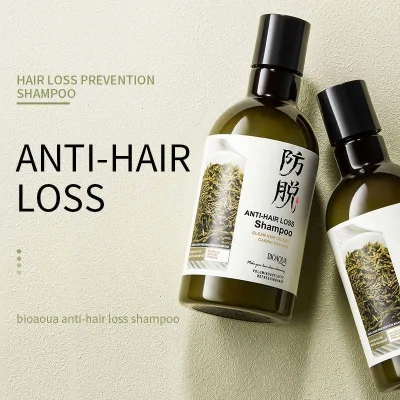


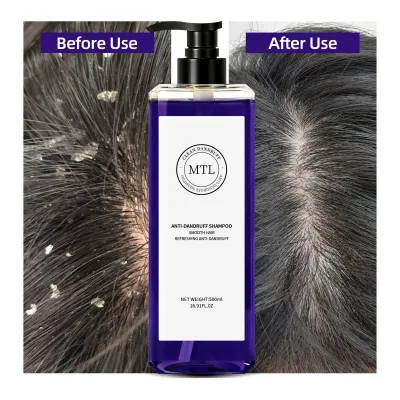
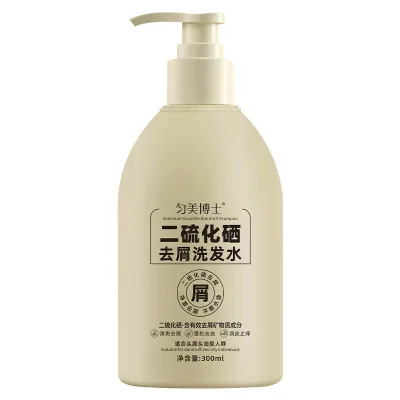
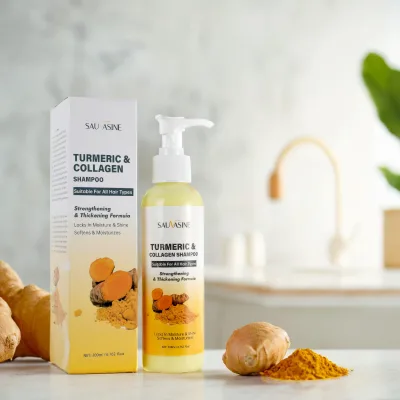
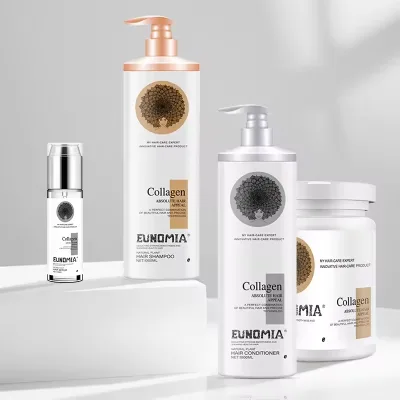


Comprehensive Sourcing Guide
Anti-Dandruff Deep Cleansing Shampoo Supplier Concentration and Factory Types
The sourcing landscape for anti-dandruff deep cleansing shampoo reveals a distinct concentration of manufacturing and trading entities within specific Chinese provinces, primarily Guangdong and Jiangsu. Buyers evaluating this category will encounter a mix of company types that influence production capabilities and service models. In Guangdong, suppliers are frequently identified as trading companies, which often act as intermediaries connecting buyers with broader manufacturing networks. These entities typically offer a diverse range of hair care products, including hair building fibers, hair dye, and various shampoo formulations, allowing for consolidated sourcing. Conversely, suppliers located in Jiangsu may present as combined entities, blending manufacturing and trading functions. This structural difference is critical for buyers, as trading companies might offer greater flexibility in product variety and customization options, while combined or pure manufacturers may provide more direct control over production processes and raw material sourcing. Understanding this distinction helps buyers align their procurement strategy with their specific needs for volume, customization, and supply chain transparency.
Beyond geographic location, the operational focus of these suppliers varies significantly based on their stated main products and service capacities. Some suppliers specialize in a wide array of personal care items, ranging from hair conditioners to spray applicators, indicating a broad operational scope that can accommodate diverse order requirements. Others focus more narrowly on core hair care staples like shampoo, conditioner, and hair masks, suggesting a deeper expertise in these specific formulations. The presence of OEM and ODM capabilities is a common thread, with many suppliers explicitly welcoming customized labels, graphic processing, and sample processing. This flexibility is particularly relevant for buyers seeking private label solutions or unique product differentiation. By examining the main products and service types listed for each supplier, buyers can better assess whether a partner’s operational model aligns with their brand’s positioning and volume requirements, ensuring a smoother collaboration from initial inquiry to final delivery.
How to Verify Anti-Dandruff Deep Cleansing Shampoo Suppliers
Verification is a critical step in mitigating risk when sourcing anti-dandruff deep cleansing shampoo, as the cosmetic and personal care industry is subject to stringent quality and safety regulations. Buyers should prioritize suppliers who have undergone third-party verification processes, as these provide an additional layer of confidence regarding the supplier’s legitimacy and operational standards. In the current results, verification badges from recognized entities such as TÜV Rheinland and SGS are present, indicating that these suppliers have met specific criteria for business authenticity and potentially quality management systems. These verifications are not merely decorative; they serve as a preliminary filter to ensure that the supplier is a legitimate business entity capable of fulfilling contractual obligations. Buyers should actively look for these verification marks when evaluating potential partners, as they reduce the likelihood of encountering fraudulent or non-compliant vendors. It is important to note that while verification confirms business legitimacy, it does not automatically guarantee product quality, so further due diligence is always recommended.
In addition to third-party verification, buyers should scrutinize the specific certifications and standards claimed by the supplier for their products. For anti-dandruff shampoos, certifications such as GMPC (Good Manufacturing Practice for Cosmetics) are highly relevant, as they indicate adherence to strict manufacturing hygiene and quality control standards. Some suppliers explicitly list GMPC certification, which is a strong indicator of their commitment to product safety and consistency. Buyers should request documentation for these certifications to verify their validity and scope. Furthermore, the presence of specific product attributes, such as pH levels balanced for the scalp or specific active ingredients like Selenium Sulfide, should be cross-referenced with the supplier’s claims. If a supplier claims a product is organic or contains specific therapeutic ingredients, buyers should ask for supporting test reports or ingredient lists. This detailed verification process helps ensure that the products meet both regulatory requirements and the buyer’s quality expectations, protecting the brand’s reputation in the market.
What to Compare Across Anti-Dandruff Deep Cleansing Shampoo Suppliers
When evaluating multiple suppliers for anti-dandruff deep cleansing shampoo, buyers must compare key operational metrics to determine the best fit for their business needs. Lead time is a crucial factor, as it directly impacts inventory management and time-to-market. In the observed results, lead times vary significantly, with some suppliers offering a lead time of just five days, while others require up to thirty days. This disparity can be influenced by factors such as production capacity, customization requirements, and current order volume. Buyers with urgent needs or those launching new products should prioritize suppliers with shorter lead times, provided that quality is not compromised. Additionally, response time is another important metric, reflecting the supplier’s efficiency in communication. Suppliers with response times under three hours may offer better support for resolving issues quickly, which is valuable for maintaining smooth supply chain operations. Comparing these time-based metrics helps buyers identify suppliers who can align with their logistical timelines and communication preferences.
Minimum Order Quantity (MOQ) and pricing are equally critical factors in supplier comparison, as they affect the financial viability and scalability of the sourcing arrangement. MOQs can range widely, from as low as one thousand units to ten thousand units or more. Suppliers with lower MOQs are often more suitable for startups or businesses testing new markets, while those with higher MOQs may offer better economies of scale for established brands. Pricing also varies, with some suppliers offering competitive rates around one to two dollars per unit, depending on volume and customization. Buyers should request detailed quotes that include all costs, such as packaging and shipping, to make accurate comparisons. Additionally, the availability of customization options, such as private labeling or custom formulations, should be evaluated against the supplier’s MOQ and pricing structure. By systematically comparing lead times, response speeds, MOQs, and prices, buyers can make informed decisions that balance cost, speed, and flexibility, ensuring a sustainable and efficient sourcing strategy.
Common Anti-Dandruff Deep Cleansing Shampoo Sourcing Risks
Sourcing anti-dandruff deep cleansing shampoo from international suppliers introduces several risks that buyers must proactively manage to ensure product integrity and supply chain stability. One significant risk is the variability in product quality and formulation consistency, especially when dealing with OEM or ODM arrangements. Suppliers may offer a wide range of formulations, but without rigorous quality control, the final product may not meet the buyer’s specifications or regulatory standards. This risk is heightened when working with trading companies that may not have direct control over the manufacturing process. Buyers should mitigate this risk by requesting detailed product specifications, including ingredient lists, pH levels, and active component concentrations, such as Selenium Sulfide content. Additionally, conducting pre-shipment inspections or hiring third-party quality assurance services can help verify that the products meet the agreed-upon standards before they are shipped. This due diligence is essential to prevent issues such as inconsistent efficacy or adverse reactions, which can damage the brand’s reputation.
Another common risk is the potential for delays in production or shipping, which can disrupt inventory levels and customer satisfaction. While some suppliers advertise short lead times, external factors such as raw material shortages, production bottlenecks, or logistical challenges can cause delays. Buyers should assess the supplier’s capacity and reliability by reviewing their response times and past performance indicators, if available. It is also important to establish clear communication channels and regular updates throughout the production process to stay informed of any potential issues. Furthermore, buyers should be cautious of suppliers who do not provide clear information about their production capabilities or customization processes. Lack of transparency can be a red flag for potential operational inefficiencies or hidden costs. By identifying and addressing these risks early in the sourcing process, buyers can build more resilient supply chains and ensure a smoother procurement experience for their anti-dandruff shampoo products.
Anti-Dandruff Deep Cleansing Shampoo Regional Sourcing and Logistics
The geographic location of suppliers plays a pivotal role in determining logistics costs, lead times, and overall supply chain efficiency for anti-dandruff deep cleansing shampoo. In the current results, suppliers are primarily located in China, with specific concentrations in Guangdong and Jiangsu provinces. Guangdong is a major hub for manufacturing and trading, offering access to a robust network of suppliers and logistical infrastructure. This region is known for its efficiency in handling high-volume orders and providing a wide variety of products, making it a popular choice for buyers seeking diverse sourcing options. On the other hand, Jiangsu is also a significant manufacturing center, often associated with combined supplier types that may offer more specialized production capabilities. Buyers should consider the logistical advantages of each region, such as proximity to major ports and transportation networks, which can impact shipping costs and delivery times. Understanding these regional dynamics helps buyers make informed decisions about where to source their products based on their specific logistical needs and budget constraints.
Logistics planning is further influenced by the supplier’s packaging and shipping capabilities, which can vary based on their location and operational scale. Some suppliers offer standard packaging options, while others provide customized packaging solutions, which may require additional time and coordination. Buyers should clarify packaging requirements early in the sourcing process to avoid delays and ensure that the products are protected during transit. Additionally, the volume and weight of the shipments, determined by factors such as bottle size and quantity, will impact shipping costs and carrier selection. Buyers should work closely with their suppliers to optimize packaging and loading strategies to maximize container space and reduce freight expenses. It is also important to consider customs regulations and import duties in the destination country, as these can affect the total landed cost of the products. By carefully planning logistics and leveraging the strengths of different regional suppliers, buyers can streamline their supply chain and achieve cost-effective delivery of their anti-dandruff deep cleansing shampoo.
Anti-Dandruff Deep Cleansing Shampoo Commercial Terms and Order Planning
Effective order planning and clear commercial terms are essential for successful sourcing of anti-dandruff deep cleansing shampoo, particularly when dealing with international suppliers. Buyers should establish clear agreements on payment terms, delivery schedules, and quality assurance protocols to minimize disputes and ensure smooth transactions. Many suppliers offer flexible payment options, but buyers should negotiate terms that align with their cash flow and risk tolerance. It is also important to define the scope of customization, including design approvals, sample testing, and production timelines, to avoid misunderstandings later in the process. Suppliers that offer free samples or readily available prototypes can facilitate faster decision-making and quality verification. Buyers should leverage these opportunities to test product efficacy and packaging before committing to large orders. Additionally, understanding the supplier’s return and refund policies for defective products is crucial for managing potential quality issues. Clear commercial terms provide a solid foundation for a productive partnership, ensuring that both parties are aligned on expectations and responsibilities.
Beyond initial order placement, buyers should plan for ongoing supply chain management, including reorder cycles and inventory forecasting. Suppliers with shorter lead times and responsive communication can support more agile inventory management, allowing buyers to maintain optimal stock levels without excessive carrying costs. Buyers should also consider the supplier’s capacity for scaling production, especially if they anticipate growth in demand. Suppliers that offer customized production capabilities and flexible MOQs can accommodate fluctuating order volumes, providing greater operational flexibility. It is also advisable to establish a long-term relationship with a reliable supplier, as this can lead to better pricing, priority production slots, and improved service levels. By integrating commercial terms with strategic order planning, buyers can create a resilient and efficient sourcing model for their anti-dandruff deep cleansing shampoo products, ensuring consistent supply and customer satisfaction in a competitive market.
FAQs
What is the price range for anti-dandruff deep cleansing shampoo?
Prices for anti-dandruff deep cleansing shampoo typically range from $1.00 to $2.70 per unit. This cost depends on the volume, packaging, and customization options selected. Buyers should verify specific quotes based on their order quantity and required specifications to ensure accurate budgeting for their procurement needs.
What is the minimum order quantity for these products?
The minimum order quantity varies by supplier, with options available starting at 1,000 units or 10,000 units. Buyers must check individual product listings to confirm the specific MOQ. Lower MOQs may be suitable for testing, while higher volumes often secure better pricing and production efficiency for large-scale orders.
How long does production take for custom orders?
Lead times for production generally range from 5 to 30 days depending on the supplier and order complexity. Some manufacturers offer faster turnaround times for standard items, while others require longer periods for customized formulations. Buyers should confirm the exact lead time with the supplier before finalizing the purchase agreement.
Do suppliers offer OEM and private label services?
Yes, many suppliers provide OEM and private label services, allowing for customized labels and formulations. Buyers can request specific packaging, scents, and active ingredients like Selenium Sulfide. These services enable brands to create unique products that meet specific market demands and regulatory requirements for their target regions.
What certifications are available for these shampoos?
Certifications such as GMPC are available for specific anti-dandruff deep cleansing shampoo products. Buyers should verify the current certification status with the supplier, as system certifications may vary. Ensuring products meet local regulatory standards is crucial for market entry, so confirming valid documentation is a key step in the sourcing process.
Where are these shampoo manufacturers located?
Manufacturers are primarily located in China, specifically in Guangdong and Jiangsu provinces. These regions are known for their robust personal care manufacturing infrastructure. Buyers can source from these locations to benefit from established supply chains and specialized expertise in hair care product development and production.
How quickly do suppliers respond to inquiries?
Response times vary, with some suppliers responding within 2.74 hours and others taking up to 5.34 hours. Faster response times indicate active sales teams ready to assist with sourcing needs. Buyers should prioritize suppliers with quicker response rates to ensure efficient communication and timely resolution of any procurement questions.