Source 16pcs Laptop Charging Cart with Wheels for schools offices hospitals
Compare 30 verified options for a 16pcs Laptop Charging Cart with Wheels designed for education, office, and hospital environments. These units feature storage, charging capabilities, and durable steel construction to support device management in various settings.
Key considerations
Products List
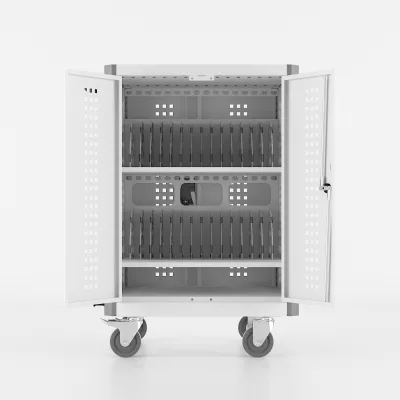
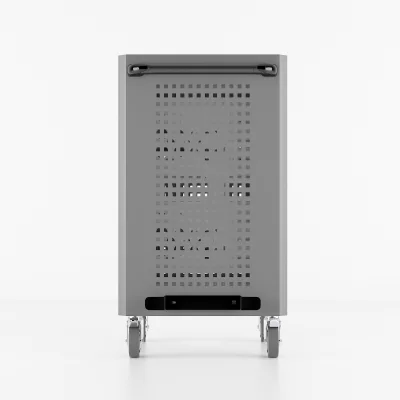
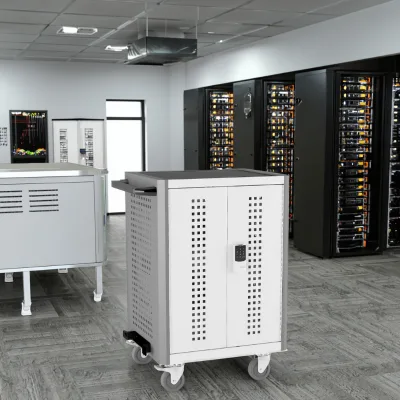

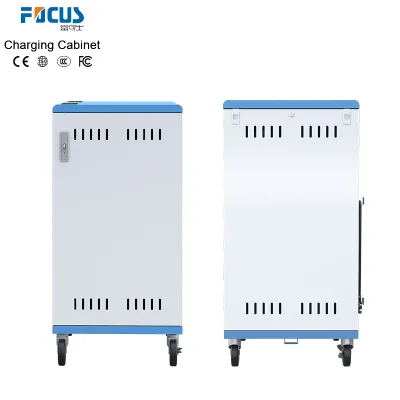
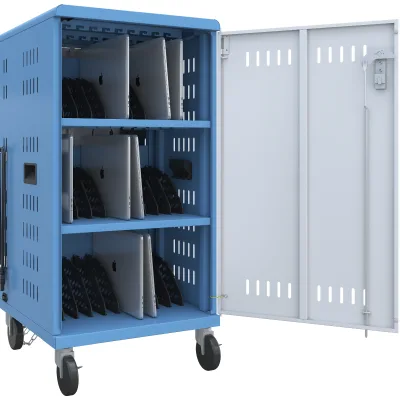
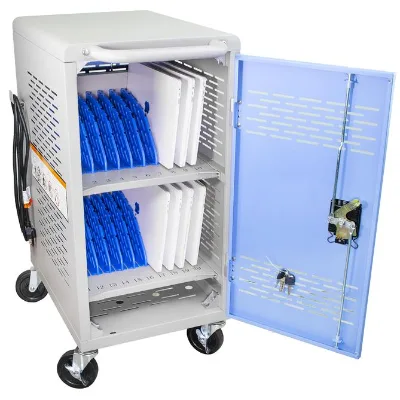
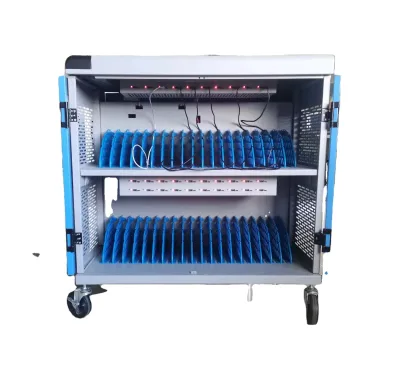
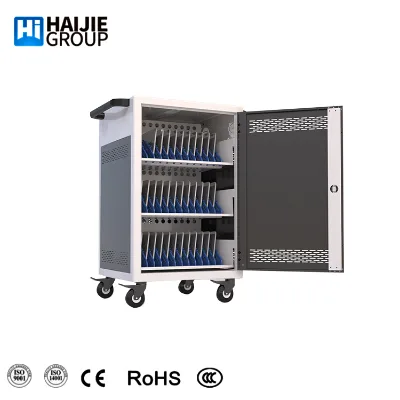


Customize Education School Use Laptop Type C Charging Cart with Timer
$394.00 - $427.00
MOQ: 10 Pieces


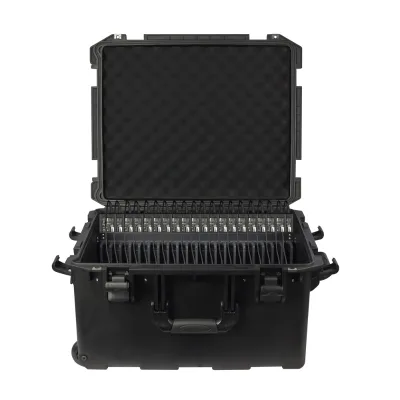
P13-20C 20 Bay Chromebook Laptop Tablet Charging Cabinet Cart on Wheels
$350.00 - $450.00
MOQ: 2 Minimum
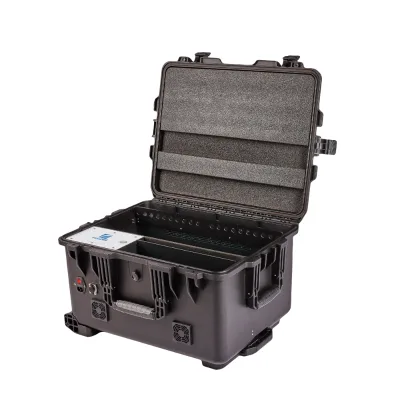
C5-20A Manufacturer School Use New Design Laptop 36-bay Charging Cart
$1500.00 - $2500.00
MOQ: 1 Minimum
Comprehensive Sourcing Guide
Strategic Sourcing Guide for 16-Piece Laptop Charging Carts with Wheels
Understanding the Product Category and Core Specifications
When sourcing a 16-piece laptop charging cart with wheels, buyers must first distinguish between general charging cabinets and specialized AV or educational carts. The market offers a variety of configurations, ranging from compact units to large-scale storage solutions. The core function of these units is storage and charging, designed specifically for electronic devices such as tablets, laptops, iPads, and Chromebooks. The physical dimensions vary significantly across different models, which directly impacts the capacity and footprint of the unit.
For instance, specific product data indicates that charging carts can range in size from approximately 490mm in width to over 1000mm, with depths varying between 520mm and 650mm. Heights typically span from 470mm to 990mm. A critical specification to verify is the device capacity. While some units are designed for high-density storage with 30 bays, others may be configured for smaller batches. The target of 16 pieces often aligns with specific bay configurations found in school or office environments. Buyers should also note the maximum device size supported; some units are rated for devices up to 14 inches (380x250x34mm), while others may accommodate larger screens. The construction material is predominantly SPCC cold-rolled steel or a combination of cold-rolled steel and plastic, ensuring durability for high-traffic areas.
Technical Configuration and Mobility Features
The mobility of a charging cart is a primary consideration for educational and commercial facilities. The standard configuration for these units involves a caster system that allows for easy repositioning. Observed specifications highlight a common setup of four universal casters, typically 4 inches in diameter. A critical safety feature often included is the braking mechanism, where two of the four wheels are equipped with brakes to prevent unintended movement when the cart is stationary.
The internal architecture of the cart must support the simultaneous charging of multiple devices. The input power requirements generally align with standard AC voltages, specifically AC110-250V at 50/60Hz with a 10A rating. The output power must match the input specifications to ensure safe operation. The protection mechanisms are vital; units often feature PDU (Power Distribution Unit) overload and ground protection to safeguard connected devices from electrical surges. The color options for these units typically include black, white, gray, or blue and white, with some manufacturers offering customization services to match institutional branding.
Compliance, Certification, and Safety Standards
Safety compliance is non-negotiable when procuring electronic charging equipment. Buyers must verify that the charging carts meet relevant regional standards. The product data indicates that certain models carry certifications such as UL approval for the US standard or ETL approval for USB hubs and charging components. These certifications are essential for insurance and liability purposes, particularly in schools and public institutions.
When evaluating a supplier, procurement teams should request proof of these certifications rather than relying on marketing claims. The absence of a specific certification does not necessarily mean a product is unsafe, but it requires a deeper technical review. Additionally, the "private mold" attribute is a significant indicator of a manufacturer's capability. Some suppliers offer private molds, allowing for unique designs, while others utilize standard molds. The presence of a private mold often suggests a higher level of customization capability but may come with different minimum order quantity (MOQ) requirements. Buyers should also check for the "Customized: OEM Service Accepted" attribute if branding or specific functional modifications are required.
Cost Drivers and Pricing Variables
The price of a 16-piece laptop charging cart is influenced by several structural and functional factors. The observed price range in the market spans from approximately $69.51 to $2,500. This wide variance is driven by the complexity of the internal charging system, the quality of the steel used, the inclusion of advanced safety features, and the level of customization.
A primary cost driver is the single gross weight of the unit. Heavier units, such as those weighing 65.000 kg, often indicate a more robust construction with thicker steel or additional internal components, which increases material and shipping costs. Conversely, lighter units weighing around 17.000 kg may be more economical but could lack the durability required for heavy daily use. The packaging dimensions also impact logistics costs; single package sizes can range from 55x60x108 cm to 71x54x95 cm. Buyers should calculate the total landed cost, including freight, which is heavily dependent on the volume and weight of the shipment. The MOQ (Minimum Order Quantity) is another variable, with observed ranges from 1 to 100 units, allowing flexibility for small pilot programs or large institutional rollouts.
Typical Applications and Operational Use Cases
These charging carts are designed for a diverse range of applications, primarily in education, schools, offices, hospitals, and commercial settings. In an educational context, the carts serve as mobile charging stations for 1:1 device programs, allowing teachers to charge and store tablets or laptops efficiently. The "School Teaching Equipment" designation highlights their suitability for classroom management.
In corporate environments, these units provide secure storage and charging for employee laptops, reducing the risk of theft and ensuring devices are ready for use. The "Electronic Charge" and "Storage and Charging" functions are critical for maintaining operational continuity. The application scope also extends to hospitals, where mobile devices are used for patient records, and commerce centers for customer service tablets. The versatility of the product is enhanced by the ability to customize the color and branding, making it an ideal fit for organizations with specific aesthetic or identity requirements.
Supplier Evaluation and Quality Control Protocols
Selecting the right supplier requires a rigorous evaluation process. Buyers should prioritize suppliers who demonstrate transparency regarding their place of origin and manufacturing capabilities. The data indicates origins in Zhejiang and Guangdong, China, which are major manufacturing hubs for this type of equipment. When assessing a supplier, verify their ability to provide the "US standard" or "UL approved" certifications if operating in the United States.
Quality control should focus on the structural integrity of the steel and the reliability of the electrical components. Buyers must inspect the "Single gross weight" and "Single package size" to ensure the product matches the physical specifications required for their facility. The "Private mold" status should be confirmed to understand the exclusivity of the design. Furthermore, the "Printing" method, such as screen printing, should be evaluated for durability and aesthetic quality. It is essential to request sample units to test the braking mechanism of the casters and the stability of the unit when fully loaded. The "Protection" features, specifically PDU overload and ground protection, must be tested under load to ensure they function as advertised.
Long-Term Procurement and Maintenance Considerations
Sourcing a 16-piece laptop charging cart is not a one-time transaction but an investment in long-term operational efficiency. Buyers should consider the lead time and the supplier's ability to provide replacement parts. The "Model Number" and "Product Name" should be recorded accurately to facilitate future ordering. For example, models like "CC321" or "AV-120" may have specific component requirements that differ from other series.
Maintenance involves regular checks of the electrical connections and the caster wheels. The "Color" options, such as black or white, may affect the visibility of wear and tear, influencing the choice of finish. The "Category" of school supplies suggests that these units are subject to frequent use and potential rough handling, making durability a key factor. Buyers should also consider the scalability of the solution; if the institution plans to expand its device fleet, the supplier should be able to provide compatible units that match the existing infrastructure. Finally, the "Selling Units" being a single item allows for flexible purchasing, but bulk orders may offer better economies of scale. By carefully analyzing these factors, procurement teams can secure a reliable, safe, and cost-effective charging solution for their organization.
FAQs
What is the typical capacity of a 16-piece laptop charging cart with wheels?
Capacity varies by model, with some units offering 30 bays while others support 16 devices. The maximum device size is often rated for 14-inch screens, ensuring compatibility with standard laptops and tablets used in schools and offices.
Which certifications should a 16-piece laptop charging cart with wheels have?
Units often carry UL approval for US standards or ETL approval for USB hubs and charging components. Buyers must verify these specific certifications to ensure safety compliance for educational and commercial installations.
How does the wheel configuration affect the mobility of a 16-piece laptop charging cart with wheels?
Standard configurations include four universal casters, typically 4 inches in diameter, with two wheels equipped with brakes. This setup ensures easy repositioning while preventing unintended movement when the cart is stationary.
Can a 16-piece laptop charging cart with wheels be customized for branding?
Yes, many suppliers accept OEM services and offer private mold options for unique designs. Customization is available for colors like black, white, or gray, allowing institutions to match specific branding requirements.
What materials are used to construct a 16-piece laptop charging cart with wheels?
Construction typically utilizes SPCC cold-rolled steel or a combination of cold-rolled steel and plastic. These materials ensure durability for high-traffic areas while maintaining the structural integrity required for heavy daily use.
What is the price range for a 16-piece laptop charging cart with wheels?
The observed market price ranges from approximately $69.51 to $2,500 depending on features. Costs are driven by the complexity of the internal charging system, the quality of steel, and the level of customization included.
Where are 16-piece laptop charging cart with wheels typically manufactured?
Products originate from major manufacturing hubs in Zhejiang and Guangdong, China. These locations provide access to specialized suppliers capable of producing high-volume electronic storage and charging solutions for global markets.