Source 34 Pin Automotive Wire Connectors for EVs, Trucks, and Machinery
Compare 30 listings for 34 Pin Automotive Wire Connectors featuring waterproof designs, high current ratings, and nylon housing. Buyers can evaluate specifications like IP68 protection, rated voltage, and delivery times from verified Chinese manufacturers; compare the available evidence and request quotations based on your requirements.
Updated
Key considerations
Products List


Pin Speaker Wire Automotive Waterproof Connector Automotive Wire Connector
$0.07 - $0.10
MOQ: 100 Pieces
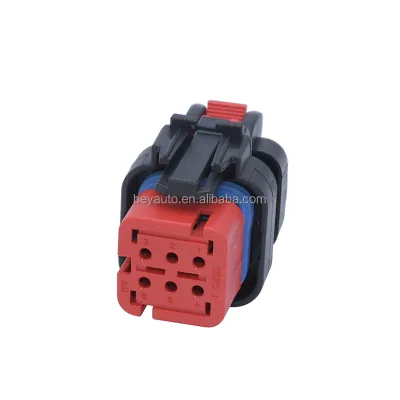
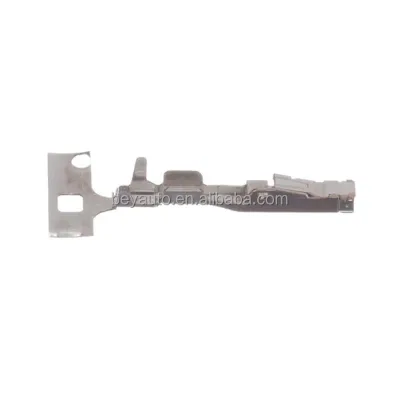
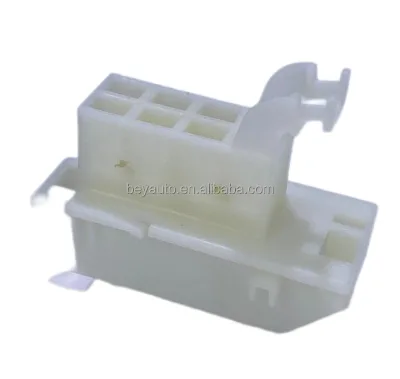
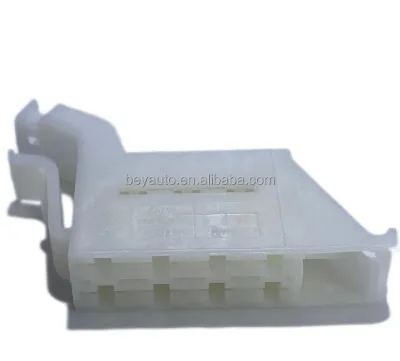
Hot Selling LEA R Automotive Cable Connectors Females Pin for Automotive Injectors
$1.0778 - $1.8318
MOQ: 100 pieces
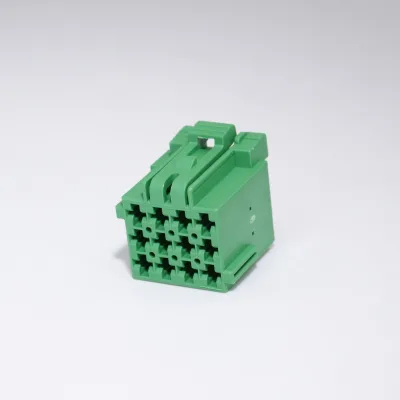
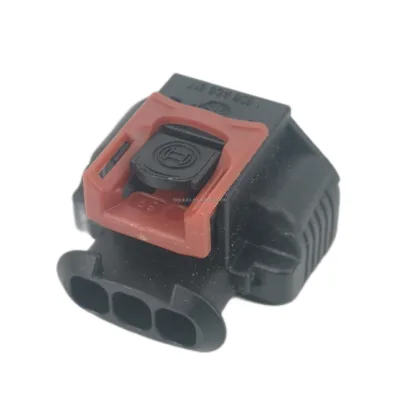


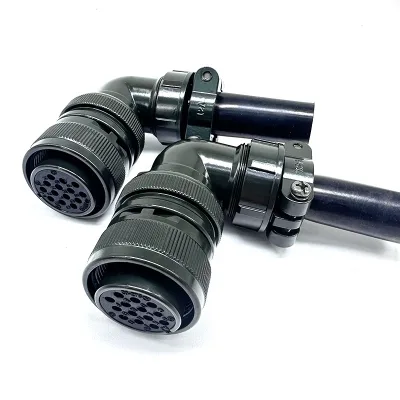


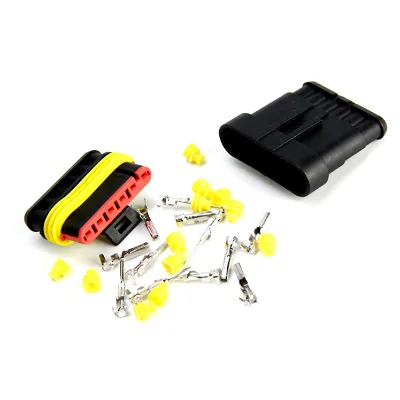
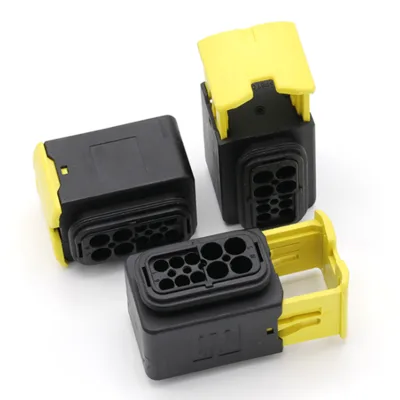
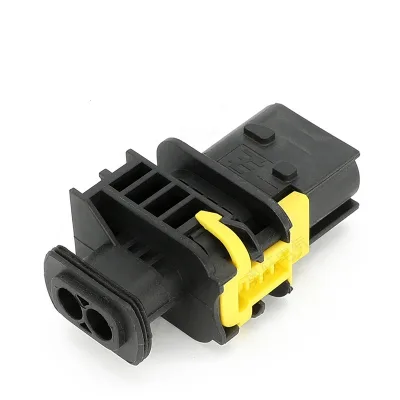
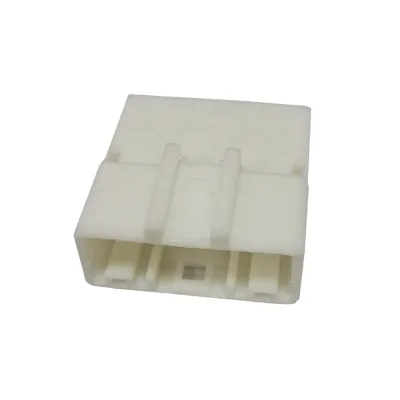
Comprehensive Sourcing Guide
34 Pin Automotive Wire Connectors Sourcing Guide
Product Scope and Observed Listing Signals
Buyers searching for 34-pin automotive wire connectors must first recognize that current market listings frequently feature lower pin counts, such as 1 to 6 pins, rather than the specific 34-pin configuration requested. The available data indicates a prevalence of single-item sales units with rectangular shapes and nylon PA66 housing materials, suggesting that specialized high-pin-count assemblies may require custom fabrication rather than off-the-shelf procurement. This discrepancy necessitates a careful review of model numbers like HP-SS or 7082-1.5-11 to determine if they represent modular systems capable of expanding to the required 34-pin density.
Procurement teams should also verify the gender and terminal type specifications, as observed listings show a mix of male and female socket terminals with varying waterproof capabilities. While some products explicitly state an IP68 rating and auto waterproof connector features, others lack specific waterproof claims despite being categorized for automotive use. This variation implies that buyers must explicitly confirm the pin count and sealing requirements during the initial inquiry phase to ensure the selected component meets the rigorous environmental standards of modern vehicle electrical systems.
Technical Specifications to Verify
When evaluating potential suppliers, the rated voltage and current capacity are critical parameters that must align with the specific electrical load of the 34-pin application. Observed data shows rated voltages ranging from 12V to 50V and current ratings as high as 220A or as low as 13A, depending on the specific model and contact material. Buyers must ensure that the selected connector can handle the continuous current load without overheating, particularly since the contact materials vary between brass and plastic, which significantly impacts conductivity and thermal performance.
The physical construction and environmental resistance of the connector housing are equally vital for long-term reliability in automotive environments. The supplied facts highlight the use of Nylonpa66+GF for housing materials, which offers high-temperature resistance and structural integrity, alongside injection molding as the primary production process. Buyers should verify that the specific 34-pin assembly maintains the IP68 waterproof level and utilizes tin-plated surface finishing to prevent corrosion, ensuring the connector remains functional under the vibration and temperature fluctuations typical of vehicle operation.
Compliance and Safety Documentation
Safety and regulatory compliance form the backbone of any automotive procurement strategy, requiring strict verification of certification status before finalizing orders. While the provided context lists UL certification for certain products, it does not confirm universal compliance for all 34-pin variants, leaving buyers to demand explicit documentation for each batch. It is essential to request valid UL certificates and verify that the manufacturing process adheres to the relevant safety standards, as automotive connectors must withstand rigorous testing to prevent electrical failures that could compromise vehicle safety.
Beyond electrical safety, environmental regulations such as RoHS and REACH are increasingly mandatory for components entering the global automotive supply chain. Although these certifications appear in the background context with lower confidence, buyers should treat them as essential requirements rather than optional features. Procurement teams must ensure that the supplier provides up-to-date compliance reports confirming the absence of restricted substances, as failure to meet these standards can result in significant legal liabilities and supply chain disruptions for the end manufacturer.
Cost Drivers and Commercial Terms
The commercial structure for automotive connectors is heavily influenced by order volume and the complexity of the custom specifications required. The observed data indicates a minimum order quantity (MOQ) ranging from 100 to 1000 pieces, with some suppliers supporting small orders while others enforce bulk purchase requirements. Buyers must negotiate these terms carefully, as the cost per unit often decreases significantly with larger volumes, but the initial investment for a 34-pin custom assembly may be higher due to the specialized tooling and material costs involved.
Payment terms and delivery timelines are additional cost drivers that require clear definition in the purchase agreement. The available information suggests delivery times of 7 to 15 days for standard orders, with small orders potentially available in about 3 days, though bulk orders require confirmation. Buyers should clarify the payment method, such as T/T, and understand how sample availability, which is often free, impacts the final pricing structure. Understanding these variables helps in budgeting accurately and avoiding unexpected delays that could stall production schedules.
Supplier Qualification and Quality Control
Selecting a qualified supplier requires a thorough assessment of their production capabilities and quality control systems, particularly for complex multi-pin connectors. The observed production process of injection molding suggests that suppliers must possess advanced machinery to ensure precise molding of the nylon housing and consistent placement of contacts. Buyers should audit the supplier's facility to verify their ability to maintain tight tolerances, which are critical for the proper mating of 34-pin connectors and preventing electrical resistance issues.
Quality assurance protocols must extend beyond the final product to include raw material verification and in-process testing. Since the contact materials vary between brass and plastic, suppliers must demonstrate rigorous testing procedures to ensure material consistency and performance under stress. Buyers should request evidence of their quality control measures, such as statistical process control data or third-party inspection reports, to confirm that every batch of connectors meets the specified electrical and mechanical standards before shipment.
Long-Term Procurement Checks
Establishing a sustainable supply chain for 34-pin automotive connectors involves regular performance reviews and continuous monitoring of supplier reliability. Buyers should implement a system for tracking defect rates and field performance data to identify any recurring issues with the connectors over time. This proactive approach allows for early intervention if quality degradation occurs, ensuring that the supply chain remains robust and capable of meeting the evolving demands of the automotive industry.
Future-proofing the procurement strategy also requires maintaining open communication channels with suppliers regarding technological advancements and material innovations. As automotive electrical systems become more complex, the demand for higher pin counts and improved performance will likely increase. Buyers should engage suppliers in discussions about potential upgrades or customizations, ensuring that the supply chain can adapt to new requirements without compromising on quality or delivery timelines.
FAQs
What is the rated voltage for these automotive connectors?
The rated voltage is 50V for the primary model and 12V for the female variant. These connectors are designed to handle specific electrical loads safely. The housing is made of Nylon PA66 with glass fiber for durability. This ensures stable performance in automotive environments under varying electrical conditions.
Can I get free samples before placing a bulk order?
Yes, free samples are freely supplied for evaluation purposes. This allows buyers to verify quality and fit before committing to larger quantities. The sample process is straightforward and supports informed decision-making. Buyers can test the product characteristics directly to ensure they meet their specific project requirements.
What is the minimum order quantity for these connectors?
The standard MOQ is 200 pieces for most items. However, small orders are also supported for testing or initial batches. Bulk orders require confirmation of lead times and pricing. This flexibility helps buyers manage inventory costs while ensuring they can source the necessary quantity for their production needs.
How long does delivery take for these automotive parts?
Standard delivery time is 7-15 days for bulk orders. Small orders can be dispatched in about 3 days. Buyers should confirm specific lead times for large volumes. This timeline ensures timely supply for automotive manufacturing schedules while maintaining quality control during the production and shipping process.
What certifications do these connectors hold?
The connectors hold UL certification for safety and compliance. This ensures they meet rigorous industry standards for automotive applications. The materials used, such as brass contacts and nylon housing, are selected for reliability. Buyers can trust these certified components for critical electrical connections in vehicles.
Are these connectors waterproof for outdoor use?
Yes, the connectors feature an IP68 waterproof level. This rating ensures protection against dust and water immersion. The design includes sealing mechanisms to prevent moisture ingress. This makes them suitable for harsh automotive environments where exposure to elements is common and reliability is critical.