Automotive Audio Video Speaker Connector Suppliers and Manufacturers
Source 27 verified suppliers for Automotive Audio Video Speaker Connector components. Compare key dimensions including lead times, MOQs, certifications, and response rates. Review product specifications and request quotes directly from manufacturers in China; review the available evidence before requesting comparable quotations from suitable candidates.
Updated
Suppliers List

Shanghai Hampool Enterprise Co., Ltd.
- Combined
- China Shanghai
- Lead time30 days
- Avg. response≤ 10h
Main productsTerminal, Insulated Tubing, Solder Seal, Shrink Terminal, Solder Sleeve, Shrink Tubing, PVC Tape, Terminals Lugs, Cable Tie, Cable Sleeve
Main marketsDomestic,Europe,Australia,North America

Speaker Wire Automotive Male Waterproof Connector Automotive Wire Connector
$0.07 - $0.10
MOQ: 100 Pieces


Pin Speaker Wire Automotive Waterproof Connector Automotive Wire Connector
$0.07 - $0.10
MOQ: 100 Pieces

Zhejiang Tongsheng Electronic Co., Ltd.
- Combined
- China Zhejiang
- Lead time15 days
- Avg. response≤ 4h
Main productsWire Harness, Auto Connector, Wiring Harness, Automotive Connector, Housing
Main marketsEast Asia(Japan/ South Korea),Europe,North America


Plastic Wire Harness Audio Automotive Video Cable Male Connector 1780-07p
$0.80 - $1.00
MOQ: 500 Pieces
Huizhou Kaige Auto Parts Co., Ltd.
- Verified by SGS Group
- Manufacturer, Trading Company
- Lead time7 days
- Avg. response≤ 3h
Main productsWiring Harness, Car/auto Harness, Car DSP Wire Harness, ISO Harness & Car Antenna, Connectors & Sockets
Main marketsNorth America(20%), Eastern Asia(15%), Eastern Europe(10%)
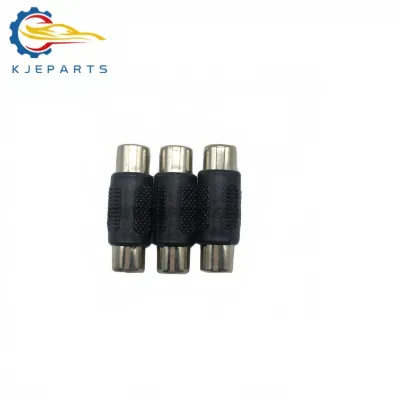
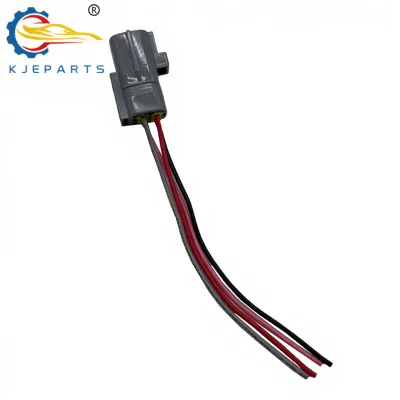
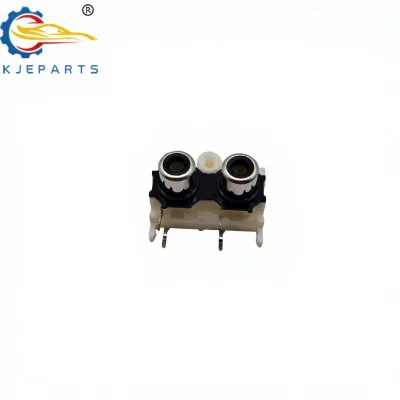
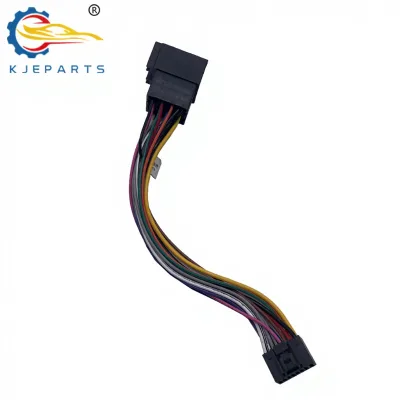
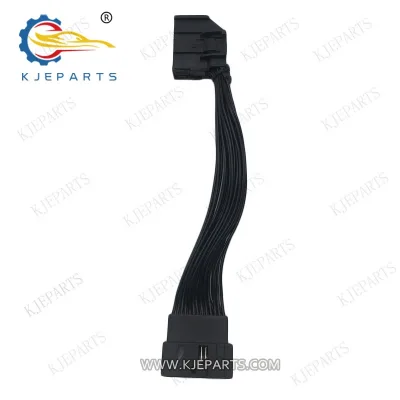
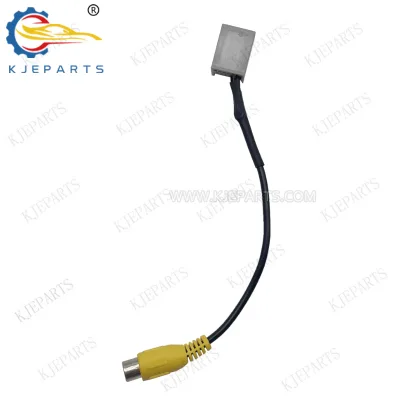
OEM ODM Custom Automotive Audio 12pin Connector Wire Harness for 10s Accords Car Video
$0.68 - $1.18
MOQ: 100 pieces
Guangzhou Diwei Electronics Co., Ltd.
- Manufacturer, Trading Company
- Lead time旺季: "1 - 50":7,"51 - 500":10,"501 - 1000":15,"> 1000":"To be negotiated", 淡季: "1 - 50":7,"51 - 500":10,"501 - 1000":15,"> 1000":"To be negotiated"
- Avg. response≤ 3h
Main productsM12 Circular Waterproof Connector Cable, M8 Waterproof Connector Cable, Military Connector, Push Pull Connector, USB RJ45 Waterproof Connector
Shenzhen Jiaxinjie Technology Co., Ltd.
- Trading Company, Agent, Distributor/Wholesaler
- Guang Dong, China
- Lead time3 days
- Avg. response≤ 5h
Main productsElectronic products,Electronic module,IC Chip,Capacitance & Resistance,Medical equipment
Main marketsDomestic Market(10.00%), South Asia(10.00%), Southern Europe(10.00%), Eastern Europe(10.00%), South America(10.00%), North America(10.00%), Oceania(5.00%), Africa(5.00%), Southeast Asia(5.00%), Northern Europe(5.00%), Central America(5.00%), Western Europe(5.00%), Eastern Asia(5.00%), Mid East(5.00%)
Shenzhen Ecodi Technology Co., Ltd.
- Manufacturer, Trading Company, Distributor/Wholesaler
- Guangdong, China
- Lead time10 days
- Avg. response≤ 8h
Main productsLED Mask,LED Clothes,LED Bag,LED Gifts,EL Panel
Main marketsNorth America(50.00%), South America(10.00%), Southern Europe(5.00%), Northern Europe(5.00%), Western Europe(5.00%), Eastern Asia(5.00%), Mid East(5.00%), Oceania(5.00%), Africa(5.00%), Southeast Asia(5.00%)

Ningbo Yinzhou Join Industry Co., Ltd.
- Trading Company
- China Zhejiang
- Lead time30 days
- Avg. response≤ 4h
Main productsSpeaker Cable, Alarm Cable, Connector, Power Cable, RCA Cable, HDMI Cable, LAN Cable, Optic Filer Cable, Audio Cable, Telephone Cable
Main marketsSouth America,Africa,Southeast Asia/ Mideast,East Asia(Japan/ South Korea),Europe,Australia,North America

Dongguan Saisonic Electronics Co., Ltd
- Verified by SGS
- Combined
- China Guangdong
- Lead time30 days
- Avg. response≤ 5h
Main productsWire Harness, Custom Cable Assembly, Wire Cable, Over Molded Cable Assemblies, USB Cable, Medical Cable Harness Assembly, Aux Audio and Video Cable, Automotive Wiring Harness, Computer Cable, Home Appliances Wiring Harness
Foshan Hengyan Electronics Co., Ltd.
- Manufacturer
- Guangdong, China
- Lead time15 days
- Avg. response≤ 6h
Main productsDC connectors,audio connectors,premium pet supplies,Pet Leash,Car Mat for Pets
Main marketsWestern Europe(30.00%), North America(30.00%), Mid East(20.00%), Southern Europe(10.00%), Northern Europe(10.00%)
Guangzhou Feiyue Car Audio Co., Ltd.
- Verified by SGS Group
- Manufacturer, Trading Company
- Lead time0 days
- Avg. response≤ 5h
Main productsSpeaker & Horn, Car Amplifiers, Subwoofers, Electrical Wires
Main marketsEastern Europe(20%), Domestic Market(20%), North America(10%)

Changzhou Carrot Import & Export Co., Ltd.
- Trading Company
- China Jiangsu
- Lead time45 days
- Avg. response≤ 23h
Main productsAudio/Video Cable, HDMI Cable, USB Cable, CATV Connector, Patch Cord, CATV Splitter, Cooling Fan, CATV Cable, RCA Cable, Scart Cable
Main marketsSouth America,Africa,Southeast Asia/ Mideast,East Asia(Japan/ South Korea),Europe,Australia,North America
Changzhou Kingsun New Energy Technology Co., Ltd.
- Manufacturer
- Jiangsu, China
- Lead time10 days
- Avg. response≤ 1h
Main productsAutomotive Connectors,Industrial Connectors,RF Coaxial Connectors,Audio/Video Connectors,Cable Assemblies
Main marketsDomestic Market(30.00%), North America(20.00%), Southeast Asia(20.00%), Africa(10.00%), South Asia(10.00%), Northern Europe(5.00%), Western Europe(5.00%)
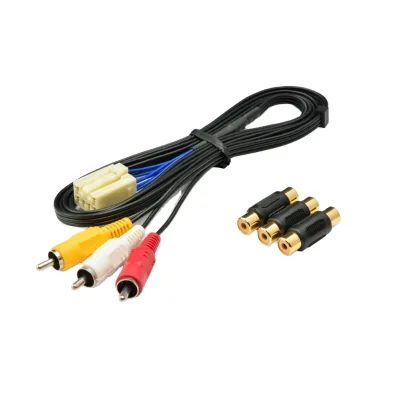
$8.0727 - $10.1175
MOQ: 50 pieces
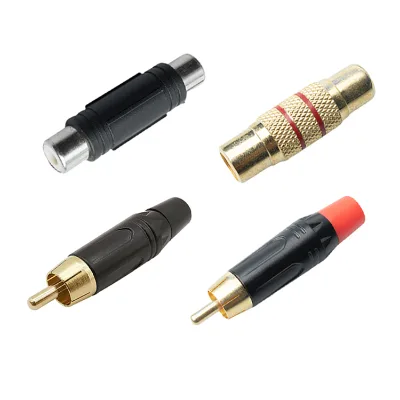
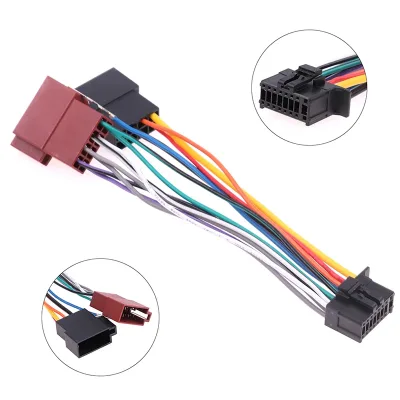
Guangzhou EBY Optoelectronic Technology Co., Ltd.
- Trading Company
- Guangdong, China
- Lead time10 days
- Avg. response≤ 10h
Main productsElectrical Wire,LED Connector,LED Connect Wire,LED Splitter Box,Power Supply
Main marketsWestern Europe(40.00%), North America(30.00%), Domestic Market(15.00%), Oceania(5.00%), Southeast Asia(5.00%), Mid East(5.00%)

Ningbo Espe Industry Co., Ltd.
- Trading Company
- Zhejiang, China
- Lead time20 days
- Avg. response≤ 9h
Main productsAudio Connector, Audio Cable, Guitar Accessories , Industrial Plug, Stage Cable
Main marketsNorth America(30.00%), Western Europe(30.00%), Eastern Asia(20.00%), Southeast Asia(20.00%)
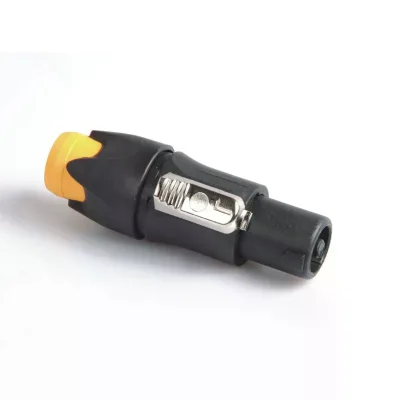
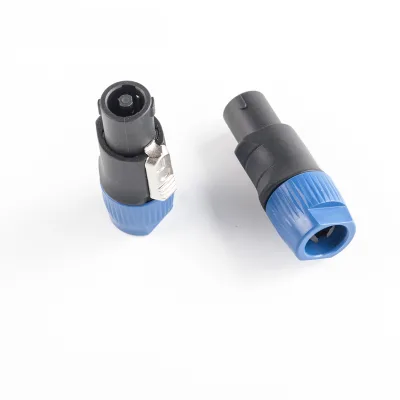
4 Pole Speakon Connector for Speaker Cable (9.3236)
$0.32 - $0.36
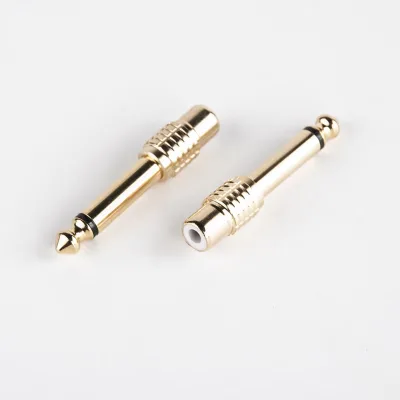
Audio Connector 1/4" Straight Male Mono 6.35mm to RCA Jack Adaptor for Audio Video
$0.2052 - $0.4105
MOQ: 50 Minimum
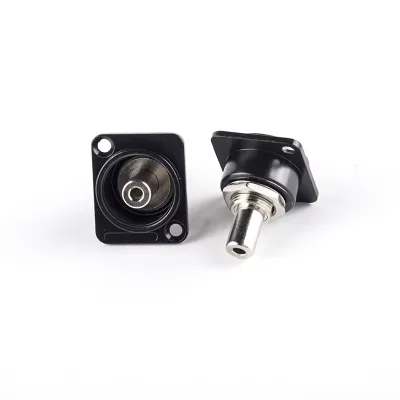
D Type 3.5mm Panel Mount Black Shell Connector
$0.80 - $1.00
Wenzhou LeYi Auto Parts Co., Ltd.
- Verified by TüVRheinland
- Manufacturer, Trading Company
- Lead time0 days
- Avg. response≤ 1h
Main productsAuto Connector, Wire Harness, Needle Seat, Terminal, Electronic Connector
Main marketsDomestic Market(50%), Eastern Asia(20%), North America(10%)
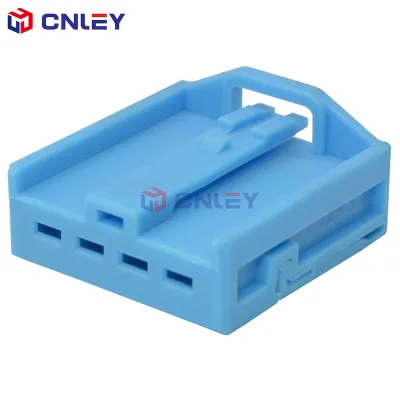
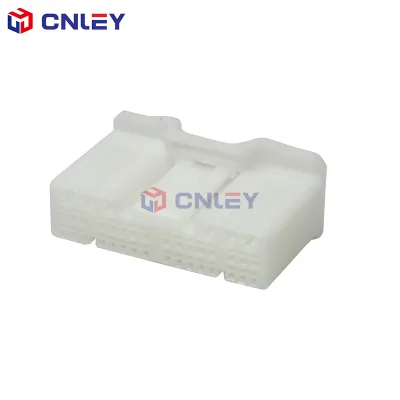
Automotive Wire Harness Connector Plug 6098-4756 for Car CD Player Camera Microphone Power Systems
$0.2067 - $0.6202
MOQ: 10 pieces
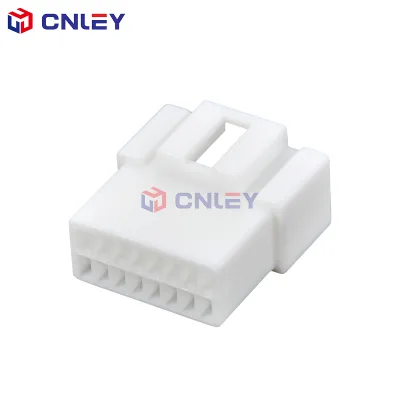
16-Pin Automotive Digital Amplifier Direct Plug Lossless Modification Connector
$0.27 - $0.65
MOQ: 100 pieces
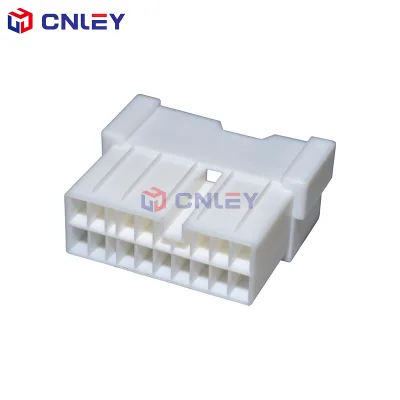
16 Pin Copper Automotive Junction Box Connector Nylon Housing Mid Amplifier
$0.28 - $0.79
MOQ: 10 pieces
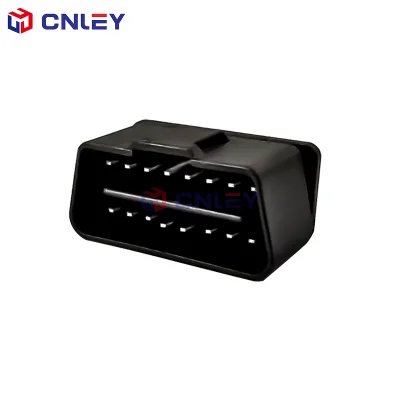
OEM/ODM Custom Automotive 16Pin OBD Connector Right Angle 16 Pin Diagnostic Cable Adapter
$0.35 - $0.78
MOQ: 10 pieces

Shanghai Star Electronic Technology Co., Ltd.
- Verified by SGS
- Combined
- China Shanghai
- Lead time15 days
- Avg. response≤ 5h
Main productsWire Harness, Terminal Block, Connector, Auto Connector, Female Header, Male Header, ISO Harness, Car Connector, Automotive Connector, Cable Assembly
Main marketsSouth America,Southeast Asia/ Mideast,East Asia(Japan/ South Korea),Europe,North America

Radio Cable Video 3.5mm Stereo Speaker Adapter Optical Power Connectors Car Audio Wire Harness
$0.10 - $1.00
MOQ: 200 Pieces


Guangzhou City Youye Electronics Co., Ltd
- Combined
- China Guangdong
- Lead time15 days
- Avg. response≤ 4h
Main productsWiring Harness, Connector, Terminals, Auto Wire Harness, Automotive Wire Harness, Cable Assembly, Wire Harness Assmbly, Auto Connector, Custom Cable Assembly, Wire Loom
Main marketsSoutheast Asia/ Mideast

DONGGUAN YIXIAN ELECTRONIC TECHNOLOGY CO., LTD.
- Verified by BV
- Combined
- China Guangdong
- Lead time15 days
- Avg. response≤ 2h
Main productsWire Harness
Main marketsAustralia,North America

Factory Price Custom Automotive Audio-Video Display Connection Wiring Harness
$0.40 - $0.80
MOQ: 500 Pieces


QCconnector (Shenzhen) Electronics Co., Ltd
- Verified by TUVRHEINLAND
- Combined
- China Guangdong
- Lead time15 days
- Avg. response≤ 6h
Main productsWire Harness, Custom Wiring Harness, Connector, Terminal, OEM/ODM
Main marketsSoutheast Asia/ Mideast,East Asia(Japan/ South Korea),Domestic,Europe,North America

Supply 8 Pin Male and Female Audio Connector Automotive Wiring Harness Connector Connector
$0.60 - $0.90
MOQ: 1 Pieces


Foshan Yixiantian Technology Co., Ltd.
- Verified by TUVRHEINLAND
- Combined
- China Guangdong
- Lead time30 days
- Avg. response≤ 8h
Main marketsDomestic

LSH ELECTRONIC TECHNOLOGY CO., LTD
- Verified by TUVRHEINLAND
- Combined
- China Guangdong
- Lead time15 days
- Avg. response≤ 3h
Main productsPTFE, PTFE Part, PTFE Rod, Antenna, RF Antenna, WiFi Antenna, RF Connector
Main marketsNorth America
Changzhou Bangcan Electronic Technology Co., Ltd.
- Manufacturer, Trading Company
- Jiangsu Province, China
- Lead time15 days
- Avg. response≤ 5h
Main productsElectrical equipment and supplies, Instruments and meters, Silicone Wire, Aviation plug, Test Instruments
Main marketsDomestic Market(70.00%), North America(20.00%), Southern Europe(5.00%), Western Europe(5.00%)
Hangzhou Fransonic Technology Co., Ltd.
- Verified by TüVRheinland
- Trading Company
- Lead time50 days
- Avg. response≤ 4h
Main productsCar Wiring Products, Automotive Battery Protection Products, Stage Audio Accessories, Customized Harness, Solar Accessories
Main marketsNorth America(25%), Western Europe(25%), South America(20%)
Dongguan City Antmade Technology Co., Ltd.
- Manufacturer, Trading Company
- Guandong, China
- Lead time0 days
- Avg. response≤ 1h
Main productsautomobile wire harness,Machine harness,Flat Wire,New energy harness,photovoltaic connector
Main marketsDomestic Market(33.00%), North America(25.00%), South America(12.00%), Oceania(6.00%), Northern Europe(5.00%), Southern Europe(5.00%), Central America(3.00%), Eastern Europe(3.00%), Eastern Asia(3.00%), Western Europe(2.00%), Southeast Asia(1.00%), South Asia(1.00%), Africa(1.00%)

Zhejiang Lianhe Electronics Co., Ltd.
- Verified by SGS
- Combined
- China Zhejiang
- Lead time15 days
- Avg. response≤ 1h
Main productsConnector, Terminal, Wiring Harness, Wire Harness, Wire Connector, Wiring Connector, Connectors Plug, Cable Connector, Waterproof Connector, Electrical Connector
Main marketsSouth America,Africa,Southeast Asia/ Mideast,East Asia(Japan/ South Korea),Domestic,Europe,Australia,North America
Hubei Brave Electronic Technology Co., LTD.
- Verified by SGS Group
- Manufacturer, Trading Company
- Lead time19 days
- Avg. response≤ 2h
Main productsAutomotive Wiring Harness, Connector, Terminal
Main marketsNorth America(45%), Eastern Europe(15%), Mid East(15%)
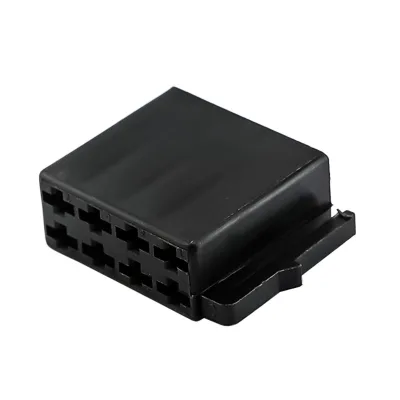
ISO Car Audio Connector 8-pin ISO Speaker Power Connector for Car Audio Conversion
$0.52 - $0.99
MOQ: 200 pieces
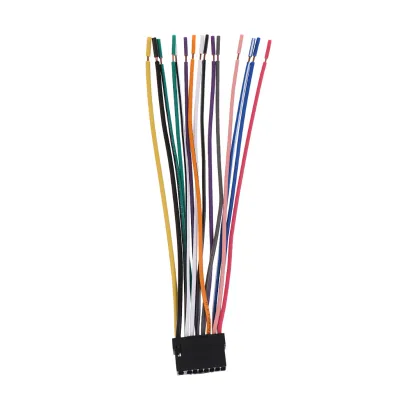
NEW ARRIVAL 16-pin Automotive Radio Power Speaker Harness Cable Custom Aut Wire Harness
$0.70 - $0.90
MOQ: 200 pieces
Dongguan Hooha Wire&Cable Products Co., Ltd
- Manufacturer, Trading Company
- Dongguan, China
- Lead time15 days
- Avg. response≤ 2h
Main productswire harness,data cable,power cable,wire&cable,plastic parts
Main marketsNorth America(34.00%), Domestic Market(33.00%), Mid East(15.00%), Northern Europe(5.00%), Southern Europe(4.00%), Western Europe(3.00%), Southeast Asia(2.00%), Eastern Asia(2.00%), Eastern Europe(1.00%), Oceania(1.00%)
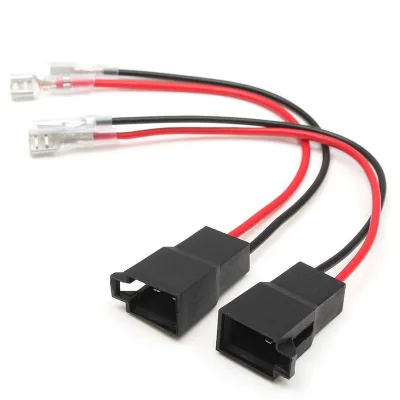
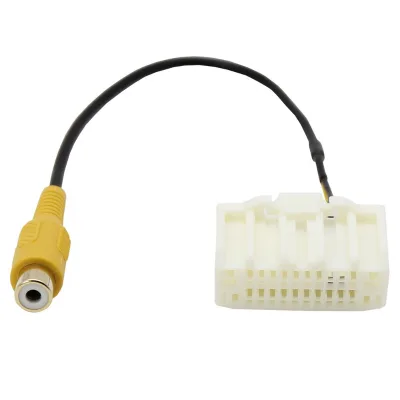
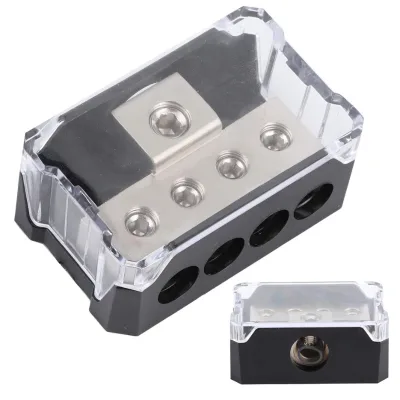
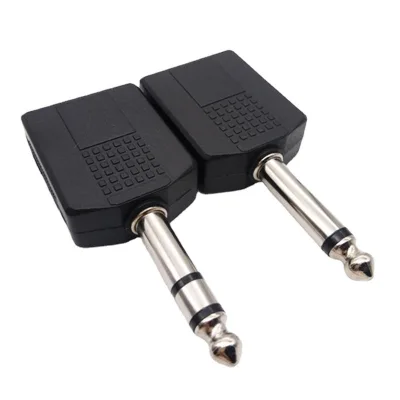
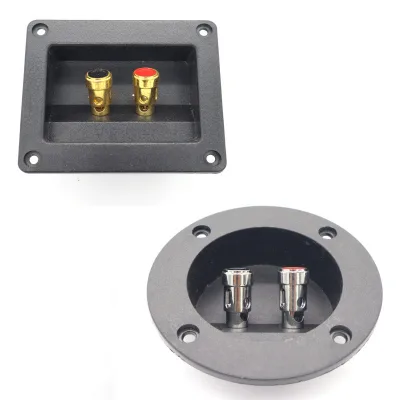
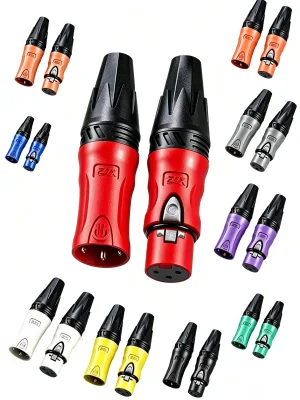
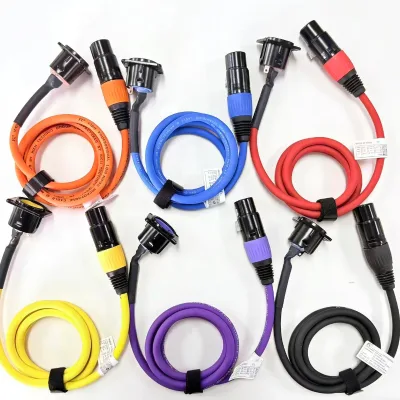


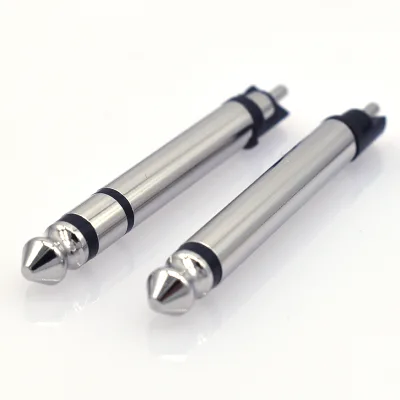




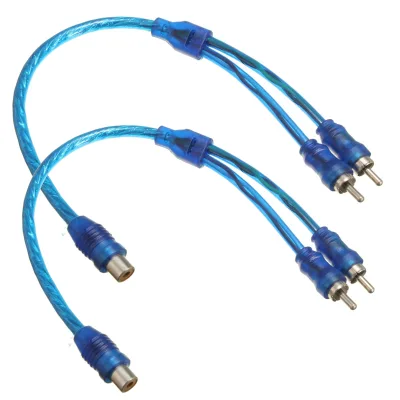
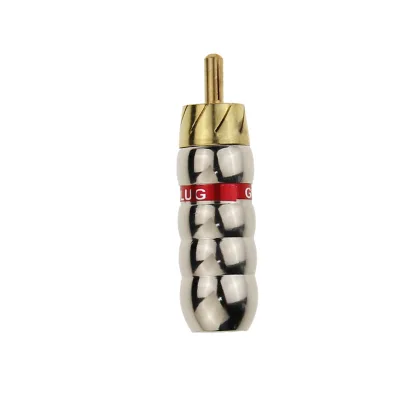
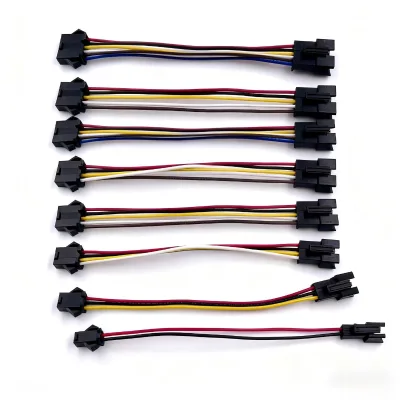
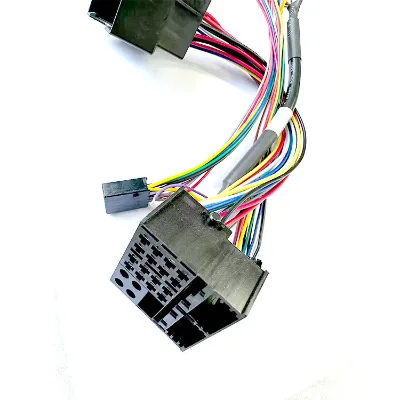


Comprehensive Sourcing Guide
Automotive Audio Video Speaker Connector Supplier Concentration and Factory Types
The current supplier landscape for automotive audio video speaker connectors reveals a distinct geographic concentration within China, specifically highlighting manufacturing hubs in Shanghai and Zhejiang provinces. These regions serve as critical nodes for the production of electrical components, including terminals, insulated tubing, and various wire harness assemblies. Suppliers located in Shanghai often operate as combined entities, offering a mix of own-brand products alongside OEM and ODM capabilities. This structural flexibility allows them to cater to diverse buyer needs, ranging from standard off-the-shelf components to customized solutions. The presence of such combined company types indicates a mature supply chain ecosystem where trading and manufacturing functions are integrated, facilitating smoother communication and faster turnaround for complex orders. Buyers evaluating these suppliers should recognize that the Shanghai-based entities may offer broader product ranges, including solder seals, shrink terminals, and PVC tape, which are essential for comprehensive wiring solutions.
In contrast, suppliers based in Zhejiang province, particularly those in Wenzhou, demonstrate a strong specialization in automotive connectors and wiring harnesses. These manufacturers often hold specific industry certifications such as ISO14001:2015, ISO45001:2016, and IATF16949, which are crucial for automotive-grade quality assurance. The Zhejiang cluster appears to focus heavily on high-volume production of auto connectors, housings, and wire harnesses, with a clear emphasis on meeting international automotive standards. Additionally, some suppliers in this region are verified by SGS Group, providing an extra layer of trust regarding their manufacturing processes and product quality. The distinction between Shanghai’s combined trading-manufacturing model and Zhejiang’s specialized manufacturing focus allows buyers to select partners based on their specific operational requirements. Whether seeking rapid prototyping or large-scale certified production, understanding these regional and structural differences is vital for effective supplier selection.
How to Verify Automotive Audio Video Speaker Connector Suppliers
Verifying the legitimacy and capability of suppliers requires a multi-layered approach that goes beyond basic profile reviews. Buyers should prioritize suppliers who display third-party verification badges, such as those from SGS Group, which indicate that an independent agency has audited the company’s operations. For automotive components, certification is not merely a formality but a critical indicator of quality control. Suppliers holding IATF16949 certification demonstrate adherence to rigorous automotive quality management standards, ensuring that their manufacturing processes meet the stringent requirements of the automotive industry. Additionally, environmental and occupational health certifications like ISO14001:2015 and ISO45001:2016 suggest a supplier’s commitment to sustainable and safe production practices. Buyers must actively check for these specific credentials rather than relying on generic claims, as they provide tangible evidence of a supplier’s operational maturity and compliance with international standards.
Beyond certifications, buyers should scrutinize the supplier’s response time and product evidence to gauge reliability. A rapid response time, such as under four hours, often correlates with efficient internal communication and customer service structures, which are essential for resolving issues during the sourcing process. Furthermore, examining the detailed product attributes, such as material specifications (e.g., copper terminals, phosphor bronze contacts) and interface types (DC/DC or AC/DC), helps verify that the supplier has technical depth. Buyers should look for suppliers who provide comprehensive product data, including model numbers, packing details, and origin information, as this transparency indicates a professional approach to documentation. It is also advisable to verify if the supplier offers customization services, as this capability often reflects a more flexible and responsive manufacturing setup. By combining verification of credentials with an analysis of operational metrics, buyers can significantly reduce the risk of partnering with unreliable vendors.
What to Compare Across Automotive Audio Video Speaker Connector Suppliers
When evaluating multiple suppliers, buyers must compare key operational metrics to determine the best fit for their specific project requirements. Lead time is a critical factor, with some suppliers offering production cycles as short as seven days, while others may require up to thirty days. This variance can significantly impact inventory management and project timelines, making it essential to align supplier capabilities with delivery expectations. Similarly, the Minimum Order Quantity (MOQ) varies widely, ranging from small batches of 100 pieces to larger orders of 500 pieces or more. Buyers with lower volume needs may find suppliers with lower MOQs more suitable, whereas those planning large-scale deployments might negotiate better terms with suppliers capable of handling higher volumes. Comparing these logistical parameters helps buyers identify suppliers who can accommodate their scale and speed requirements without compromising on quality or cost.
Price and customization options are equally important dimensions for comparison. Unit prices for connectors can range from as low as $0.07 to over $1.00, depending on the complexity, material, and quantity ordered. Buyers should analyze these price points in the context of the supplier’s MOQ and lead time to understand the total cost of ownership. Additionally, the availability of customization services, such as graphic processing or on-demand customization, adds value for buyers seeking unique specifications. Suppliers that offer OEM and ODM services provide greater flexibility for branding and product differentiation. Buyers should also compare the main products offered by each supplier to ensure alignment with their specific needs, whether they require simple terminals or complex wire harness assemblies. By systematically comparing lead times, MOQs, prices, and customization capabilities, buyers can make informed decisions that balance cost, speed, and quality.
Common Automotive Audio Video Speaker Connector Sourcing Risks
One of the primary risks in sourcing automotive connectors is the potential mismatch between supplier claims and actual product quality. Buyers must be cautious of suppliers who do not provide detailed product attributes or certifications, as this lack of transparency can indicate inferior manufacturing standards. For instance, assuming that all connectors meet automotive-grade durability without verifying material specifications, such as copper or phosphor bronze contacts, can lead to product failures in the field. Additionally, the risk of inconsistent lead times is significant, as suppliers may promise rapid delivery but fail to meet these commitments due to capacity constraints or supply chain disruptions. Buyers should mitigate this risk by establishing clear communication channels and verifying the supplier’s production capacity through third-party audits or sample orders. Understanding the supplier’s actual capabilities rather than relying on marketing claims is crucial for avoiding delays and quality issues.
Another common risk is the lack of clarity in commercial terms and payment conditions. Suppliers may offer various payment terms, such as EXW, CFR, or FOB, which can significantly impact the total cost and logistical responsibility for the buyer. Misunderstanding these terms can lead to unexpected expenses or logistical complications. Furthermore, the risk of intellectual property infringement exists when working with suppliers that offer extensive customization services without proper legal agreements. Buyers must ensure that their designs and specifications are protected, especially when dealing with OEM or ODM arrangements. Additionally, the risk of receiving non-compliant products is heightened if the supplier lacks relevant certifications like IATF16949. To mitigate these risks, buyers should conduct thorough due diligence, request detailed contracts, and verify all product specifications against their requirements before placing large orders.
Automotive Audio Video Speaker Connector Regional Sourcing and Logistics
Sourcing from specific regions in China offers distinct logistical advantages and challenges that buyers must consider. Suppliers in Shanghai and Zhejiang provinces benefit from established infrastructure and proximity to major ports, facilitating efficient export processes. However, buyers must account for regional differences in production focus and capacity. Shanghai-based suppliers, often operating as combined entities, may offer faster response times and broader product ranges, making them suitable for diverse sourcing needs. In contrast, Zhejiang-based manufacturers, with their specialization in automotive connectors and wire harnesses, may provide higher quality assurance through certifications like IATF16949. Buyers should evaluate these regional strengths to align their sourcing strategy with their specific requirements, whether prioritizing speed, variety, or certified quality. Understanding these regional nuances helps buyers make more informed decisions about where to source their components.
Logistical planning must also consider the specific shipping terms offered by suppliers, such as EXW, CFR, or FOB. These terms determine who is responsible for transportation, insurance, and customs clearance, impacting the overall cost and complexity of the supply chain. Buyers should carefully review these terms to ensure they align with their logistical capabilities and risk tolerance. Additionally, the lead time for production and shipping must be factored into the overall timeline. Suppliers with shorter lead times, such as seven days, can help reduce inventory holding costs and improve responsiveness to market changes. However, buyers must verify these lead times through direct communication and past performance data. By understanding the logistical implications of sourcing from different regions and with different suppliers, buyers can optimize their supply chain for efficiency and reliability.
Automotive Audio Video Speaker Connector Commercial Terms and Order Planning
Effective order planning requires a thorough understanding of the commercial terms and pricing structures offered by suppliers. Unit prices for automotive connectors can vary significantly, ranging from $0.07 to $1.00, depending on factors such as material, complexity, and order volume. Buyers should negotiate prices based on their expected order quantities, leveraging volume discounts where available. Additionally, the Minimum Order Quantity (MOQ) plays a crucial role in pricing and planning. Suppliers with lower MOQs, such as 100 pieces, offer flexibility for small-scale projects, while those with higher MOQs may provide better unit prices for large orders. Buyers must align their order planning with the supplier’s MOQ and pricing tiers to optimize costs. Understanding these commercial dynamics helps buyers make strategic decisions about order sizes and timing.
Payment terms and delivery schedules are also critical components of commercial planning. Suppliers may offer various payment terms, including EXW, CFR, or FOB, each with different implications for cost and responsibility. Buyers should choose terms that align with their financial and logistical capabilities. Furthermore, the lead time for production, which can range from seven to thirty days, must be integrated into the overall project timeline. Buyers should establish clear delivery schedules and monitor progress to ensure timely receipt of goods. Additionally, buyers should consider the supplier’s response time, as faster responses can facilitate quicker issue resolution and smoother order processing. By carefully planning commercial terms and order schedules, buyers can minimize risks and ensure a smooth sourcing experience.
FAQs
What is the price range for automotive audio video speaker connectors?
Prices for these connectors typically range from $0.07 to $1.00 per unit depending on specifications. Basic terminal connectors start at the lower end, while specialized harnesses with specific pin counts and materials cost more. Buyers should check the minimum order quantity to determine the exact unit cost for their volume needs.
What certifications are available for automotive wire connectors?
Some suppliers offer UL certification for their terminal products, ensuring high-temperature resistance and safety standards. Other manufacturers hold ISO14001:2015, ISO45001:2016, and IATF16949 certificates for their wiring harness operations. Buyers should verify specific product certifications directly with the supplier to ensure compliance with their regional automotive regulations.
What is the typical lead time for these connectors?
Lead times vary significantly by supplier and product type. Some manufacturers offer a rapid seven-day turnaround for specific audio video conversion plugs. Others may require up to fifteen days for standard wiring harnesses, while general terminal production can take around thirty days. Buyers should confirm the exact delivery schedule before placing orders.
What is the minimum order quantity for these products?
Minimum order quantities depend on the specific connector type and supplier. Some terminal products have a low MOQ of 100 pieces, making them suitable for small batches. Larger wiring harnesses or specialized audio connectors may require a minimum of 500 pieces. Buyers should review the product details to find the MOQ that fits their procurement strategy.
Where are these automotive connectors manufactured?
Manufacturers are located in key industrial regions including Shanghai, Zhejiang, and Guangdong in China. Suppliers in these areas offer various capabilities such as OEM, ODM, and own-brand production. Buyers can filter results by these specific locations to align with their logistics preferences or to source from verified manufacturing hubs.
What materials are used for the connector terminals?
Common terminal materials include copper and phosphor bronze for optimal conductivity. The housing materials often consist of nylon, PBT, or PA66 for durability. Some connectors feature aluminum or zinc alloy housings for specific applications. Buyers should check the product attributes to ensure the material meets their electrical and environmental requirements.