Pluggable Spring Connection Terminal Block Suppliers and Manufacturers
Explore 30 verified factories offering pluggable spring connection terminal blocks with ISO 9001 certification and VDE, UL, BS standards. Compare response times, lead times, and MOQs to source reliable components from Zhejiang, China. Contact suppliers directly to request quotes; review the available evidence before requesting comparable quotations from suitable candidates.
Updated
Suppliers List

Zhejiang Guozhen Electric Co., LTD.
- Verified by TUVRHEINLAND
- Manufacturer/Factory
- China Zhejiang
- Lead time0 days
- Avg. response≤ 12h
Main productsDistribution Box, Terminal Strip, Stainless Steel Cable Tie, Power Station, Solar Combiner Box
Main marketsSouth America,Mid East,North America,Southeast Asia,Africa


Hot Direct Sales by Manufacturers Plug Terminal Blocks PCB Spring Terminal Blocks
$8.00 - $12.00
MOQ: 50 Bags

Cixi Kingtone Electronics Technology Co., Ltd.
- Manufacturer
- Zhejiang, China
- Lead time0 days
- Avg. response≤ 3h
Main productsterminal blocks,mcs spring connector,miniature terminal blocks,plug-in spring terminal,PCB spring terminal
Main marketsSoutheast Asia(1.00%)
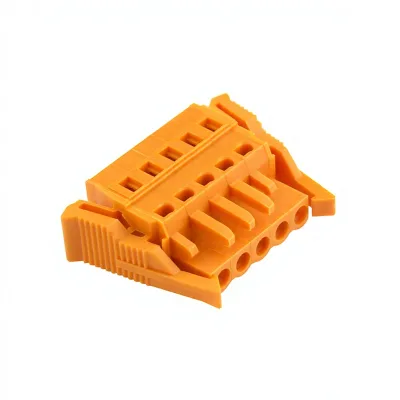
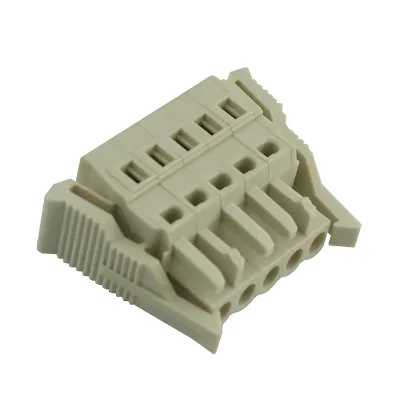
$0.63 - $0.79
MOQ: 500 pieces

Shanghai Leipold Electric Co., Ltd.
- Verified by BV
- Trading Company,Manufacturer/Factory
- China Shanghai
- Lead time45 days
- Avg. response≤ 3h
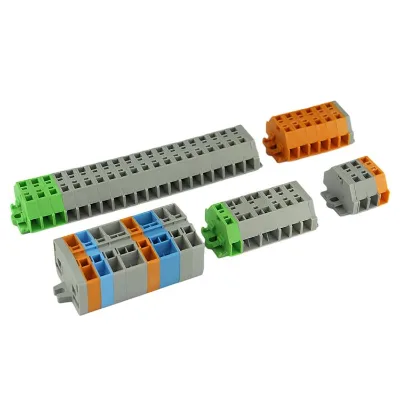
Main productsAxial Fans, Fan Filters, Thermostat, Electric Heater, Control Transformers, Terminal Blocks, Cable Entry Plate, Cable Glands, Power Distribution Blocks, Busbar Terminal
Main marketsSouth America,Eastern Europe,North America,Southeast Asia,Eastern Asia,Oceania,Western Europe,Africa

- Verified by BV
- Manufacturer/Factory
- China Zhejiang
- Lead time15 days
- Avg. response≤ 12h
Main productsBall Bearing, Roller Bearing, Pillow Block Bearing, Transmission Parts, Solder Wire, Spare Parts, Rod End, Carbon Brush, Connectors, Linear Guide Rail
Main marketsSouth America,Eastern Europe,Mid East,North America,Southeast Asia,Eastern Asia,Oceania,Western Europe,Africa

- Combined
- China Zhejiang
- Lead time15 days
- Avg. response≤ 10h
Main productsTerminal Block, Fan Filter, Ferrules
Main marketsSouth America,Southeast Asia/ Mideast,Europe

Tianjin Chenhui International Trade Co., Ltd.
- Verified by SGS
- Trading Company
- China Tianjin
- Lead time15 days
- Avg. response≤ 2h
Main marketsEast Asia(Japan/ South Korea)


Threadless Connection Quick Connector Male-Female Plugs Quick Connector Terminal Blocks
$0.10 - $10.00
MOQ: 1000 Pieces

3.81mm Pitch Wire to Wire Plug Insertion End Terminal Block Spring Terminal Block
$0.10 - $10.00
MOQ: 1000 Pieces

$0.10 - $10.00
MOQ: 1000 Pieces

Printed Circuit Board Plug-in Terminal Block Spring Quick Connector Wire Terminal
$0.10 - $10.00
MOQ: 1000 Pieces

High-Quality 3.5/3.81 mm Green Spring Non-Screw Plug-in Connector Terminal Block
$0.10 - $10.00
MOQ: 1000 Pieces

Cixi Ciliang Electronic Co., Ltd.
- Manufacturer/Factory
- China Zhejiang
- Lead time23 days
- Avg. response≤ 3h
Main productsTerminal Blocks, Ceramic Terminal Blocks, Busbar Terminal Blocks, Quick Wiring Connectors, Pin Header & Female Header, Heatsinks, Wire Harnesses
Main marketsSouth America,Eastern Europe,Mid East,North America,Southeast Asia,Eastern Asia,Oceania,Western Europe,Africa

Shanghai Yongxing Electronic Switch Co., Ltd.
- Verified by SGS
- Trading Company,Manufacturer/Factory,Group Corporation
- China Shanghai
- Lead time23 days
- Avg. response≤ 4h
Main productsPush Button Switch, Rocker Switch, Rotary Switch, Micro Switch, Indicator Light, Buzzer, Terminal Block
Main marketsSouth America,Eastern Europe,Mid East,North America,Southeast Asia,Eastern Asia,Oceania,Western Europe,Africa
Shenzhen Leixinrui Electronics Co., Ltd.
- Verified by TüVRheinland
- Trading Company
- Lead time3 days
- Avg. response≤ 4h
Main productsIntegrated Circuit Chip, Capacitance, Resistance, Microcontroller, Logic Device
Main marketsCentral America(20%), South America(15%), Eastern Asia(15%)
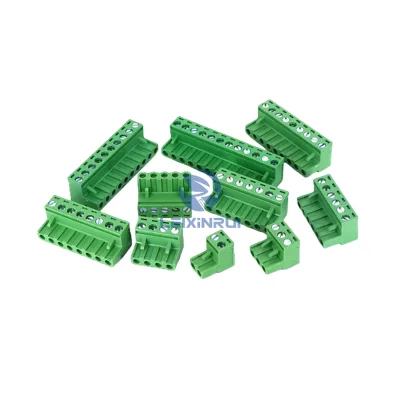
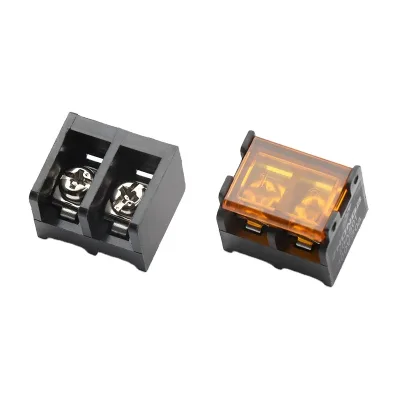
9.50mm Pitch Barrier Terminal Block Connector 2pin 9.5mm Barrier Terminal Block
$0.0827 - $0.1137
MOQ: 100 pieces

Yueqing Zhicheng Electrical Equipment Co., Ltd.
- Manufacturer
- China Zhejiang
- Lead time30 days
- Avg. response≤ 7h
Main productsIndustrial Plug, Industrial Socket, Industrial Plug and Socket, Anchoring Clamp, Suspension Clamp, Insulated Piercing Clamp, PC Plug, Fuse Switch Disconnector, ABC Cable Work, Fuse Holder
Main marketsSouth America,Africa,Southeast Asia/ Mideast

2 Pin 3 Pin 4 Pin 6 Pin 8 Pin Plastic Electric Pluggable Spring Terminal Block
$0.10 - $1.50
MOQ: 1 Pieces

- Verified by TüVRheinland
- Manufacturer, Trading Company
- Lead time45 days
- Avg. response≤ 4h
Main productsConnector, Terminal Block, Circuit Breaker
Main marketsDomestic Market(34%), Eastern Europe(25%), South America(20%)

Dongguan Xinlian Chuangfu New Energy Technology Co., Ltd.
- Verified by CTI
- Trading Company
- China Guangdong
- Lead time30 days
- Avg. response≤ 5h
Main productsTerminal Block, Connector, Screw/Nut, Hardware Products, Plastic Products, High Current Terminal Blocks, Ws DIN Rail Terminal Block, PCB Screw Terminal Block, Quick Wiring Terminal, Spring Type Terminal Block
Main marketsDomestic


Reliable 15A Spring Terminal Block for Hassle-Free Electrical Connections
$0.98 - $1.55
MOQ: 1000 Pieces


Dongguan Yite Electronic Co., Ltd
- Manufacturer, Trading Company
- Guangdong, China
- Lead time15 days
- Avg. response≤ 2h
Main productsterminal blacks,connectors,METAL/NYLON FLEXIBLE PIPE,Cable Clamp,cable gland
Main marketsNorth America(25.00%), Eastern Europe(12.00%), Central America(10.00%), Southern Europe(8.00%), Southeast Asia(8.00%), South America(8.00%), Western Europe(7.00%), Africa(6.00%), Mid East(5.00%), South Asia(3.00%), Northern Europe(3.00%), Eastern Asia(2.00%), Domestic Market(1.00%), Oceania(1.00%)
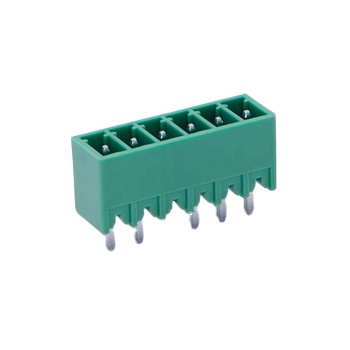
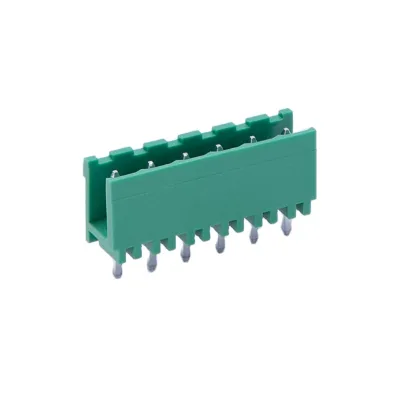
Factory Price Male Electrical Connector Pluggable Terminal Block High Quality Terminals
$0.10 - $1.00
MOQ: 1000
Yueqing Feide Electric Co., Ltd.
- Manufacturer, Trading Company
- Zhejiang, China
- Lead time3 days
- Avg. response≤ 1h
Main productsWaterproof junction box,Connector,Distribution box,Waterproof connector,Waterproof socket
Main marketsEastern Europe(40.00%), Western Europe(20.00%), Southeast Asia(17.00%), Southern Europe(10.00%), South America(2.00%), North America(2.00%), Eastern Asia(2.00%), Domestic Market(1.00%), Mid East(1.00%), Oceania(1.00%), Africa(1.00%), South Asia(1.00%), Northern Europe(1.00%), Central America(1.00%)

NINGBO XINLAIYA ELECTRONIC TECH. CO., LTD.
- Verified by TUVRHEINLAND
- Combined
- China Zhejiang
- Lead time15 days
- Avg. response≤ 5h
Main productsTerminal Block, PCB Connector, Computer Cable
Main marketsSouth America,Africa,Others(foreignTradeCapacity.exportBusinessCapacityMarketOther),Southeast Asia/ Mideast,East Asia(Japan/ South Korea),Domestic,Europe,Australia,North America


Plug in Terminal Block Connectors Plug Sizes Spring Connector 3.5 3.81mm
$0.02 - $0.20
MOQ: 1000 Pieces

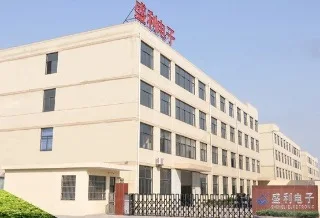
Cixi Shengli Electronic Components Factory
- Manufacturer
- Zhejiang, China
- Lead time0 days
- Avg. response≤ 3h
Main productspin header,Terminal Block,Electronic Module Housing Enclosure,DIN Rail TB,Energy Storage Connector
Main marketsSouthern Europe(8.33%), Northern Europe(8.33%), Central America(8.33%), Western Europe(8.33%), Eastern Asia(8.33%), Mid East(8.33%), Oceania(8.33%), Africa(8.33%), Southeast Asia(8.33%), Eastern Europe(8.33%), South America(8.33%), North America(8.33%)

Guangzhou Conlight Connector Electronic Co., Ltd.
- Manufacturer, Trading Company, Agent
- Guangdong, China
- Lead time7 days
- Avg. response≤ 6h
Main productsPush wire connector,Terminal Blocks,junction boxes,PCB Terminals,Cordline switches
Main marketsWestern Europe(69.10%), South America(18.45%), Mid East(6.00%), North America(5.00%), Eastern Asia(1.08%), Domestic Market(0.16%), Northern Europe(0.12%), South Asia(0.09%)
Haining Best Grand Trading Co., Ltd.
- Trading Company
- Zhejiang, China
- Lead time30 days
- Avg. response≤ 2h
Main productsINDUSTRY BITSSS,CONDUCTOR WIRE CONNECTION,SHELF BRACKETS,WIRE STRIPPER,VOLTAGE TESTER PEN
Main marketsEastern Europe(100.00%)
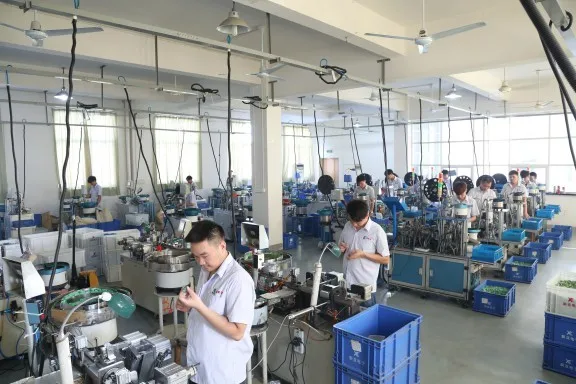
Ningbo Xinlaiya Electronic Technology Co., Ltd.
- Manufacturer
- Zhejiang, China
- Lead time10 days
- Avg. response≤ 2h
Main productsPCB Screw terminal block,Plug-in terminal blocks,PCB spring terminal blocks,MCS terminal blocks,Transformer terminal block
Main marketsSoutheast Asia(20.00%), Eastern Europe(20.00%), Western Europe(20.00%), South Asia(10.00%), Southern Europe(10.00%), South America(10.00%), Africa(10.00%)
Suzhou Huntec International Trading Co., Ltd.
- Verified by TüVRheinland
- Manufacturer, Trading Company
- Lead time0 days
- Avg. response≤ 2h
Main productsTerminal Block, Breathable Valve, Cable Gland, Electric Relay, New Energy Connector
Main marketsSoutheast Asia(21%), Eastern Europe(18%), North America(10%)
Shenzhen CXS Electronic Co., Ltd
- Manufacturer, Trading Company, Distributor/Wholesaler
- Guangdong, China
- Lead time0 days
- Avg. response≤ 6h
Main productsIC,Capacitor,Resistor,module,LED
Main marketsSouth America(20.00%), North America(20.00%), Northern Europe(10.00%), Western Europe(10.00%), Mid East(10.00%), Southern Europe(10.00%), Southeast Asia(10.00%), Domestic Market(5.00%), Africa(5.00%)
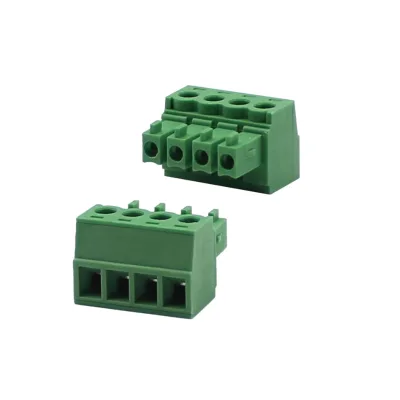
3.81MM Pitch Pluggable Terminal Block 2-24Pin PCB Wiring Terminal Green Connector Components
$0.1028 - $0.3086
MOQ: 10 Minimum
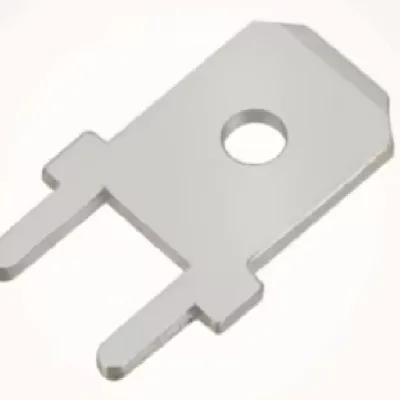

Dongguan Changhe Electric Co., Ltd.
- Verified by CTI
- Combined
- China Guangdong
- Lead time23 days
- Avg. response≤ 13h
Main productsTerminal Block, Terminal Connector, Terminal
Main marketsSouth America,Southeast Asia/ Mideast,East Asia(Japan/ South Korea),Domestic,Europe,North America

- Combined
- China Zhejiang
- Lead time23 days
- Avg. response≤ 9h
Main productsElectrical & Electronics, Terminal Block, Pushbutton, Indicator, PCB Terminal, PCB, Circuit Board
Main marketsSouth America,Southeast Asia/ Mideast,Europe


2 in 2 out Spring Plug in Connection Terminal Block for Electrical Cabinet
$0.28 - $0.30
MOQ: 100 Pieces
LANGREAT ELECTRONICS CO.,LTD.(CIXI)
- Verified by TüVRheinland
- Trading Company
- Lead time20 days
- Avg. response≤ 4h
Main productsTerminal Blocks, Keystone Jack, Patch Panel, Relay, Tools
Main marketsNorth America(15%), South Asia(12%), Southern Europe(11%)
Cixi Xinke Electronic Technology Co., Ltd.
- Verified by Intertek
- Manufacturer, Trading Company
- Lead time7 days
- Avg. response≤ 3h
Main productsTerminal Block, Connector
Main marketsDomestic Market(60%), Mid East(13%), North America(12%)
Ningbo Jinwei Electrical Technology Co., Ltd.
- Manufacturer, Trading Company
- Zhejiang, China
- Lead time0 days
- Avg. response≤ 9h
Main productsterminal block,connector,cable,powe cord,plastic snap fasteners
Main marketsWestern Europe(50.00%), South Asia(10.00%), Southern Europe(10.00%), Northern Europe(10.00%), Southeast Asia(10.00%), Mid East(10.00%)
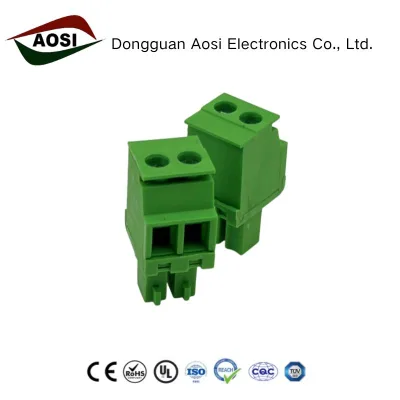
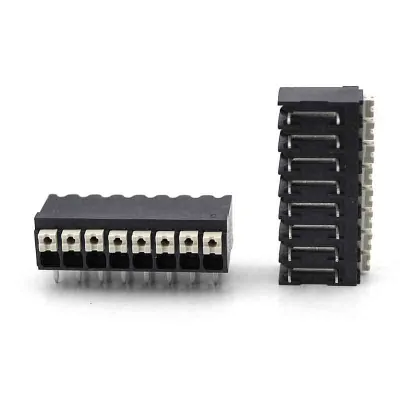
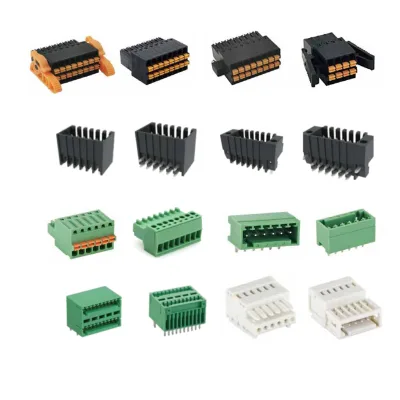
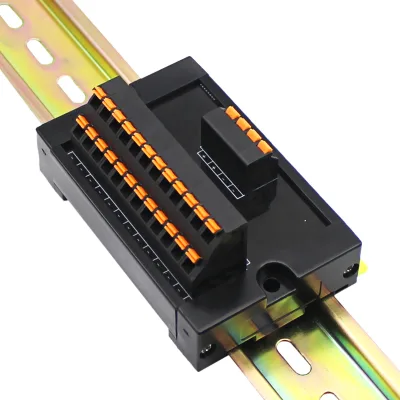
Dongguan Aosi Electronics Co., Ltd.
- Verified by TüVRheinland
- Manufacturer, Trading Company
- Lead time7 days
- Avg. response≤ 2h
Main productsTerminal Block, Connector, Terminals, Plug-In Terminal Block, Pcb Terminal Block
Main marketsDomestic Market(50%), North America(20%), Eastern Europe(10%)
$6.2257 - $10.3751
MOQ: 1 Minimum
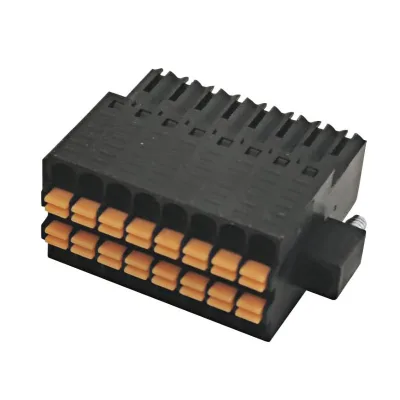
$0.1231 - $0.1543
MOQ: 100 poles
Zhengzhou Bey Electronic Technology Co., Ltd.
- Trading Company
- Henan, China
- Lead time3 days
- Avg. response≤ 4h
Main productsConnector,Termainal,Seal,Wire harness,other auto parts
Main marketsNorth America(20.00%), Northern Europe(16.00%), Eastern Europe(15.00%), Southern Europe(12.00%), Western Europe(9.00%), Central America(6.00%), Africa(5.00%), Southeast Asia(5.00%), South America(5.00%), Mid East(3.00%), Oceania(3.00%), South Asia(0.50%), Eastern Asia(0.50%)
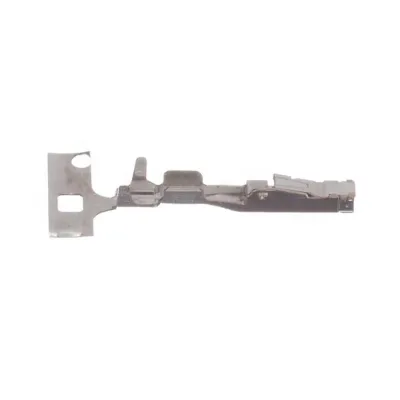
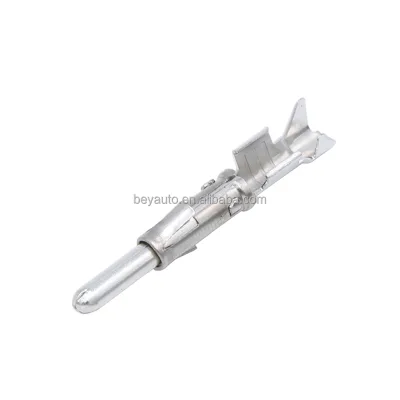
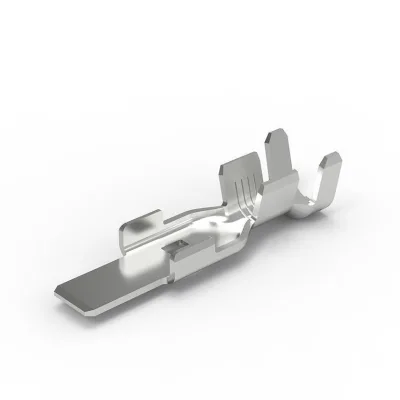
Wholesales male female Power terminal block connector insulated terminal connectors
$0.01 - $0.06
MOQ: 500 pieces

- Verified by BV
- Combined
- China Zhejiang
- Lead time30 days
- Avg. response≤ 3h
Main productsStainless Steel Cable Ties, PVC Coated Stainless Steel Ties, Nylon Cable Ties, Wiring Ducts, Cable Glands, Cable Tie Tool, Cable Clamp, Cable Corrugated Conduit, Stainless Steel Band Strap & Buckle, Terminals
Main marketsDomestic
- Manufacturer, Trading Company
- Zhe Jiang, China
- Lead time10 days
- Avg. response≤ 1h
Main productsTerminal blocks,Connectors,Communication components,Cables,Electronic components
Main marketsDomestic Market(20.00%), Western Europe(15.00%), Southern Europe(15.00%), Northern Europe(13.00%), Eastern Europe(10.00%), North America(5.00%), South Asia(5.00%), Mid East(5.00%), Africa(3.00%), Eastern Asia(3.00%), Southeast Asia(2.00%), Central America(2.00%), South America(2.00%)




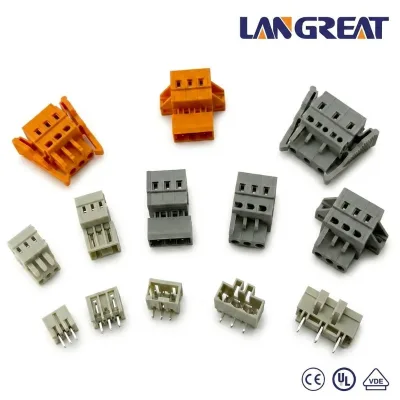
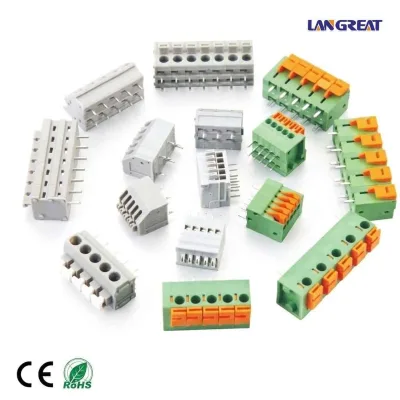
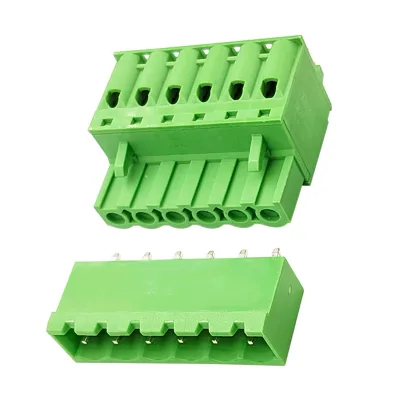
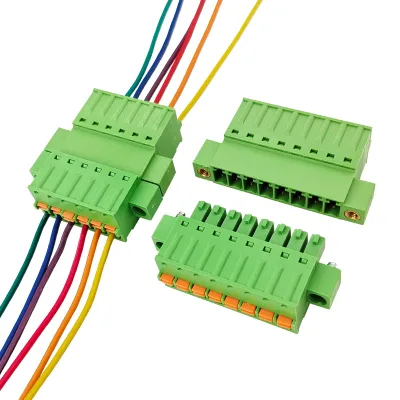


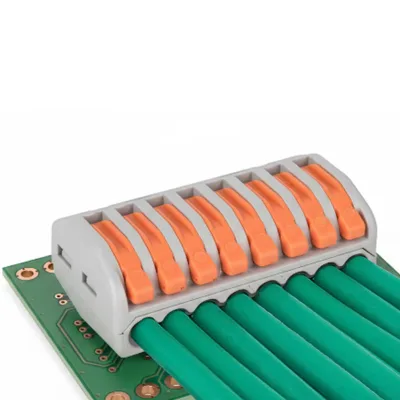
Comprehensive Sourcing Guide
Pluggable Spring Connection Terminal Block Supplier Concentration and Factory Types
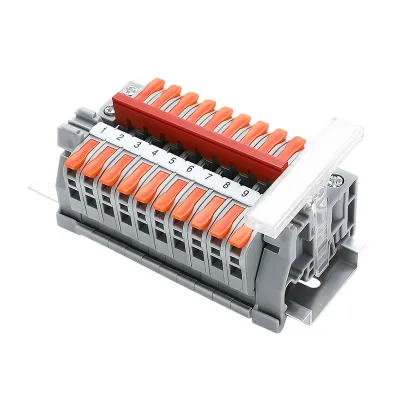
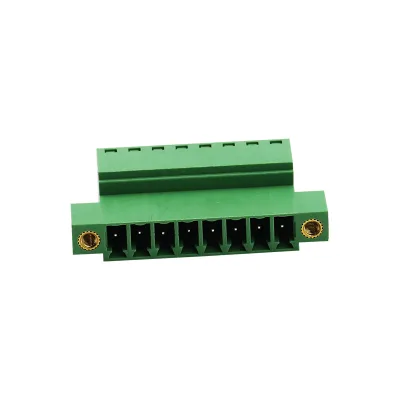
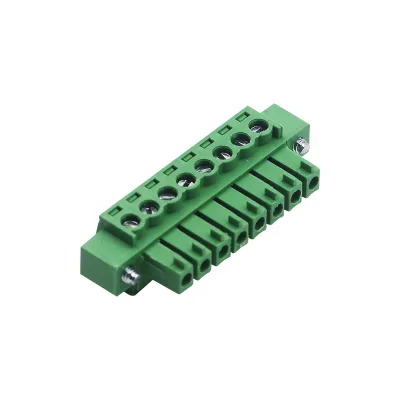
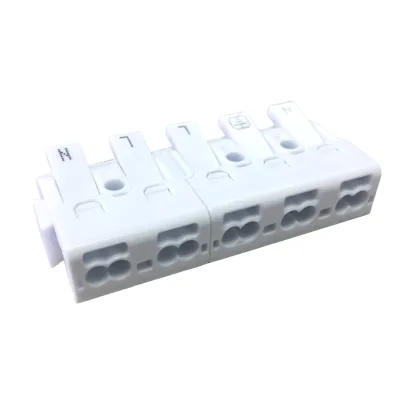
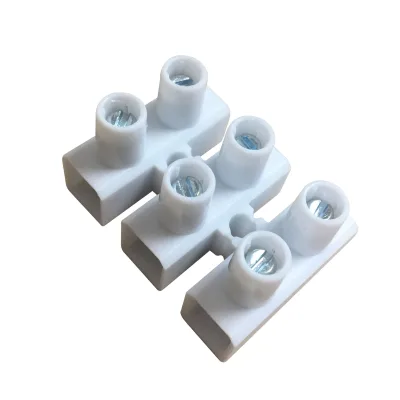
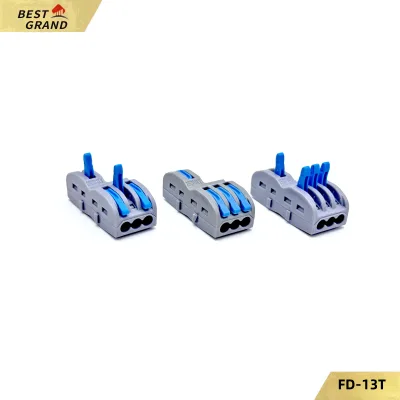
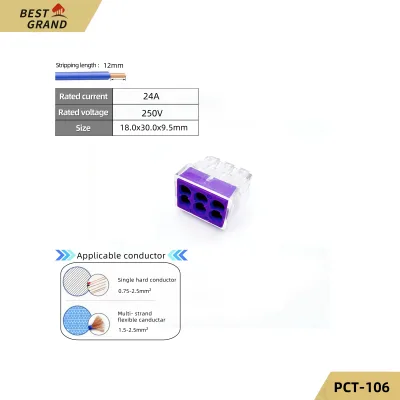
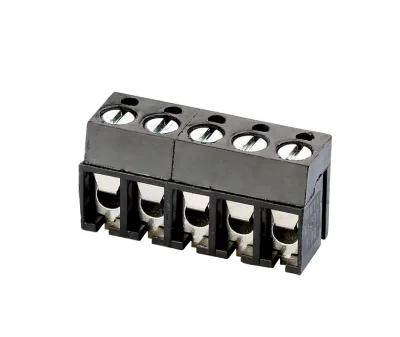
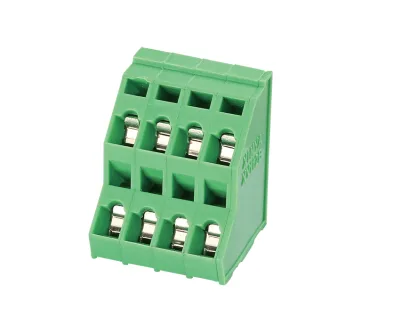
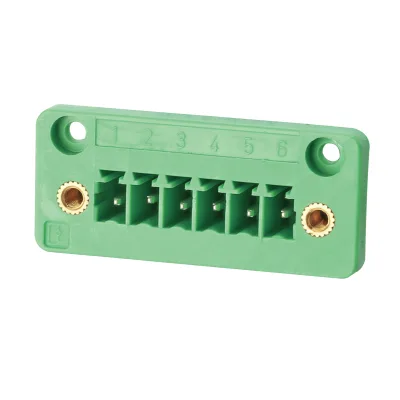
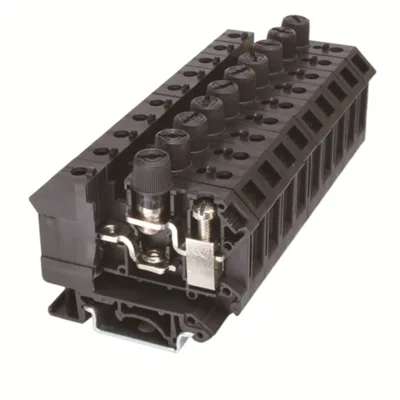
The current supplier landscape for pluggable spring connection terminal blocks reveals a distinct concentration of manufacturing activity within specific industrial regions in China. Data indicates that a significant portion of verified suppliers are located in Zhejiang, with specific mentions of Zhejiang Wenzhou as a key origin point for these components. This geographic clustering suggests a mature supply chain ecosystem where raw materials, specialized tooling, and skilled labor are readily available, facilitating efficient production cycles for high-volume electrical connectors. Buyers evaluating potential partners should recognize that this regional density often correlates with competitive pricing and rapid prototyping capabilities, as factories in these hubs are accustomed to serving both domestic and international markets with standardized and customized terminal solutions.
In terms of business structure, the majority of the observed suppliers identify as manufacturers or factories rather than pure trading companies. This distinction is critical for buyers seeking direct control over production quality and lead times. Many of these entities offer comprehensive service models including OEM and ODM capabilities, allowing for significant customization of product specifications such as pitch, contact material, and insulating properties. The presence of established brands like KTON within this manufacturer cohort further indicates that some factories have developed their own intellectual property and brand recognition, which can be a proxy for consistent quality control and market experience. Understanding whether a supplier is a direct manufacturer or a trader helps buyers assess the depth of their technical support and the transparency of their cost structure.
How to Verify Pluggable Spring Connection Terminal Block Suppliers
Verification of suppliers requires a multi-layered approach that goes beyond basic company registration checks. Buyers should prioritize suppliers who have undergone third-party verification processes, such as those conducted by TÜV Rheinland, which provides an additional layer of confidence regarding the legitimacy and operational capacity of the factory. This external validation helps mitigate the risk of engaging with shell companies or entities that lack the actual manufacturing infrastructure required to produce complex electrical components like spring-loaded terminal blocks. It is essential to review the verification reports to understand the scope of the audit, including whether it covers production lines, quality management systems, and financial stability, ensuring that the supplier can reliably meet order volumes and quality standards.
Certification status is another critical verification metric that buyers must scrutinize. The product evidence indicates that many terminal blocks carry certifications such as VDE, UL, and BS, which are crucial for ensuring compliance with international safety and performance standards. Buyers should request valid certificates for the specific models they intend to purchase, as certifications can vary by product line and region. Additionally, verifying the supplier’s adherence to ISO 9001 quality management systems provides assurance that their production processes are standardized and continuously monitored. It is also advisable to check for specific material certifications, such as those confirming the use of PA66 insulating materials with V0 flame retardant grades, to ensure the components meet the rigorous safety requirements of the end application, particularly in power and automotive sectors.
What to Compare Across Pluggable Spring Connection Terminal Block Suppliers
When evaluating multiple suppliers, buyers should compare key operational metrics such as response time, lead time, and minimum order quantities to determine which partner best fits their procurement strategy. The observed data shows a wide variance in response times, ranging from approximately three hours to over eleven hours, which can significantly impact project timelines, especially for urgent orders or technical inquiries. Lead times are also a critical differentiator, with some suppliers indicating zero days for certain stock items, while others may have longer production cycles for customized orders. Comparing these metrics helps buyers identify suppliers who can align with their delivery schedules and communication preferences, ensuring a smoother procurement process from inquiry to delivery.
Product specifications and pricing structures should also be closely compared to ensure value and compatibility. The market offers a range of terminal blocks with varying pitches, such as 5.0mm, and different contact materials like tin-plated copper or brass, each affecting the final cost and performance. Price ranges observed in the data vary significantly, from as low as $0.30 to over $12.00 per unit, depending on the complexity, certification, and volume of the order. Buyers should analyze the price-to-specification ratio, considering factors like wire range, rated voltage, and current capacity, to determine the true value of each offer. Additionally, comparing MOQs, which can range from 50 to 500 units, helps buyers assess the financial commitment required and identify suppliers who are flexible enough to accommodate smaller trial orders or larger bulk purchases.
Common Pluggable Spring Connection Terminal Block Sourcing Risks
One of the primary risks in sourcing pluggable spring connection terminal blocks is the potential mismatch between advertised specifications and actual product performance. Suppliers may list generic certifications or material grades that do not apply to the specific batch being shipped, leading to compliance issues in the end product. For instance, while a supplier might claim V0 flame retardancy, the actual insulating material may not meet this standard under rigorous testing. Buyers must mitigate this risk by requesting sample testing and verifying that the physical properties, such as contact resistance and insulation strength, match the documented specifications. This is particularly important for applications in automotive or high-voltage power systems, where component failure can have severe safety implications.
Another significant risk is the inconsistency in manufacturing quality across different production runs. Even with ISO 9001 certification, variations in raw material sourcing or production processes can lead to defects such as poor spring tension or inconsistent pitch dimensions. This can result in assembly issues or connection failures in the final product. Buyers should establish clear quality control protocols and consider implementing third-party inspections before shipment. Additionally, the risk of intellectual property infringement exists when working with suppliers offering OEM services, as designs may be shared with other clients. To protect proprietary designs, buyers should ensure that robust non-disclosure agreements are in place and that the supplier has a track record of respecting intellectual property rights.
Pluggable Spring Connection Terminal Block Regional Sourcing and Logistics
Sourcing from regional clusters like Zhejiang, China, offers logistical advantages due to the proximity to major shipping ports and established supply chain networks. This geographic concentration allows for faster consolidation of goods and potentially lower freight costs, especially for bulk orders. Buyers should leverage this regional advantage by coordinating with suppliers who have experience in exporting to their target markets, as these suppliers are likely familiar with the necessary documentation and customs procedures. Understanding the logistics infrastructure in the supplier’s region can help buyers optimize their shipping strategies, whether by using sea freight for large volumes or air freight for urgent, smaller shipments, thereby balancing cost and speed effectively.
However, regional sourcing also presents challenges related to communication and time zone differences, which can impact project management and issue resolution. Buyers should establish clear communication channels and regular update schedules to ensure that any logistical delays or quality issues are addressed promptly. It is also important to consider the impact of regional policies and trade regulations on shipping and tariffs. Buyers should stay informed about any changes in import duties or trade agreements that could affect the total landed cost of the terminal blocks. By proactively managing these logistical and regulatory factors, buyers can minimize disruptions and ensure a steady supply of components to support their production needs.
Pluggable Spring Connection Terminal Block Commercial Terms and Order Planning
Commercial terms such as payment methods, warranty policies, and after-sales support are critical components of the sourcing agreement. Buyers should negotiate terms that protect their interests, such as using secure payment platforms like escrow to ensure funds are only released upon satisfactory delivery and inspection of the goods. It is also important to clarify the warranty period and the process for handling defective products, ensuring that the supplier is accountable for any quality issues that arise post-delivery. Understanding these commercial terms helps buyers manage financial risk and ensures that they have recourse in case of non-conformance, fostering a more secure and reliable trading relationship.
Order planning should be aligned with the supplier’s production capacity and lead times to avoid stockouts or production delays. Buyers should forecast their demand accurately and communicate their requirements well in advance, allowing the supplier to allocate resources and raw materials accordingly. For customized orders, it is essential to finalize all technical specifications and prototypes before placing the bulk order to prevent costly revisions. Additionally, buyers should consider building a buffer stock of critical components to mitigate the risk of supply chain disruptions. By integrating commercial terms with strategic order planning, buyers can optimize their inventory levels and maintain a resilient supply chain for their Pluggable Spring Connection Terminal Block needs.
FAQs
What certifications do pluggable spring terminal blocks have?
These terminal blocks typically hold VDE, UL, and BS certifications to ensure electrical safety and compliance with international standards. Buyers should verify specific product listings for the exact certification marks required for their region. Always confirm that the manufacturer provides valid documentation for the specific model number before placing a large order.
What is the minimum order quantity for these connectors?
The minimum order quantity varies by supplier and product type. Some manufacturers require a minimum of 50 units for standard terminal blocks, while others may set the threshold at 500 units for specialized spring connectors. Buyers must check the specific product page to determine the exact MOQ applicable to their chosen model and customization needs.
Where are these terminal blocks manufactured?
Most pluggable spring terminal blocks are manufactured in Zhejiang, China, specifically in regions like Wenzhou known for electrical component production. This location is a major hub for connector manufacturing, offering competitive pricing and established supply chains. Buyers can verify the place of origin on individual product listings to ensure alignment with their sourcing preferences.
What materials are used in these connectors?
The insulating bodies are commonly made from PA66 plastic with a V0 flame retardant grade for safety. Contact materials often include tin-plated copper or brass to ensure reliable conductivity. The internal springs are typically made from stainless steel to maintain consistent pressure. These material choices support durability and performance in power applications.
What is the response time for supplier inquiries?
Supplier response times can vary, with some manufacturers responding within three hours and others taking up to eleven hours. Faster response times often indicate higher availability and efficient customer service teams. Buyers should prioritize suppliers with quick response metrics to ensure timely communication regarding quotes, samples, and order status updates during the sourcing process.
What is the price range for these terminals?
Prices for pluggable spring terminal blocks generally range from $0.30 to $12.00 per unit depending on specifications. Lower-cost items like basic spring connectors start around $0.30, while more complex assemblies or higher MOQs may affect pricing. Buyers should compare unit costs against minimum order quantities to determine the total budget impact for their specific project requirements.