Source 3D UV Printing Soccer Medal for Awards, Promotions, and Souvenirs
Find 30 customizable 3D UV Printing Soccer Medal options for sports awards, promotional gifts, and commemorative souvenirs. Compare alloy materials, soft enamel finishes, and custom shapes to select the ideal metal medal for your team or event needs.
Key considerations
Products List

3D Sport Metal Medal Gold Silver Bronze Marathon Soccer Football Sports Medal
$0.50 - $0.95
MOQ: 50 Pieces


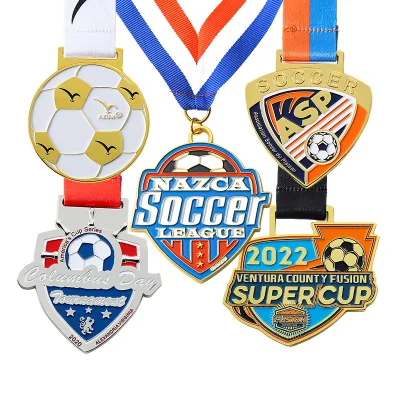


Comprehensive Sourcing Guide
3D UV Printing Soccer Medal Sourcing Guide
Sourcing high-quality 3D UV printing soccer medals requires a nuanced understanding of how digital printing techniques interact with traditional metal casting and enamel processes. Buyers must recognize that "3D UV printing" in this context often refers to a hybrid manufacturing approach where a raised resin or epoxy dome is created over a printed design, or where UV ink is applied to textured metal surfaces to achieve depth and vibrancy. This technique allows for photorealistic imagery, complex gradients, and detailed team logos that are difficult to achieve with standard soft or hard enamel methods alone. The core keyword suggests a focus on soccer-specific designs, which implies the need for durable materials that can withstand frequent handling, potential exposure to sweat, and the rigors of tournament environments.
The procurement landscape for these items is characterized by a high degree of customization and a wide variance in product specifications. Suppliers typically offer adjustable thicknesses ranging from 2 to 7mm, allowing buyers to select a weight and feel that aligns with their brand positioning. The material base is predominantly alloy, providing a sturdy foundation for the intricate printing and plating processes. Buyers should be aware that while the core product is a medal, the specific application can vary from award ceremonies to promotional giveaways, requiring different levels of finish quality and packaging. Understanding these distinctions is critical for ensuring that the final product meets the functional and aesthetic expectations of the end-user.
Product Scope and Observed Listing Signals
The observed market signals indicate a broad spectrum of customization options available for soccer medals, with a strong emphasis on visual fidelity and structural adaptability. Listings frequently highlight features such as "Detailed Texture," "3D Effect," and "Custom Color," suggesting that buyers are not limited to standard metallic finishes but can incorporate full-color team branding, player statistics, or intricate tournament graphics. The presence of "Adjustable Thickness" and "Customer Size" specifications confirms that dimensional constraints are flexible, allowing for the creation of oversized commemorative pieces or lightweight promotional tokens. This flexibility is essential for soccer organizations that may need medals of varying sizes for different age groups or achievement levels within a single tournament.
Furthermore, the product scope extends beyond the medal itself to include comprehensive packaging and attachment solutions. Suppliers offer options such as OPP bags, carton boxes, and gift boxes, indicating that the final presentation is a key component of the procurement decision. The inclusion of attachments like ribbons and medal boxes suggests that these items are intended for formal award ceremonies where presentation matters. The "Multi-Scenario" usage attribute reinforces the versatility of these products, which can serve as promotional gifts, souvenirs, or official competition awards. Buyers should note that while the core material is alloy, the surface treatment can include various plating colors such as gold, silver, bronze, antique, dye black, or chrome, allowing for precise alignment with team colors or tournament themes.
Technical Specifications to Verify
When evaluating technical specifications, buyers must prioritize the verification of the printing technique and the resulting durability of the design. The "3D UV Printing" method requires careful assessment of the resin or epoxy layer's thickness and clarity to ensure it does not yellow over time or crack under stress. It is crucial to confirm whether the UV print is applied directly to the metal or if it is encapsulated within a protective dome, as this significantly impacts longevity. Additionally, the "Enamel Type" should be verified, as some products may combine UV printing with soft enamel for a mixed-media effect. Buyers should request physical samples to test the adhesion of the print and the resistance of the plating to tarnishing, especially if the medals are intended for outdoor use or frequent handling.
Dimensional accuracy and weight consistency are also critical technical factors that require strict verification. The advertised thickness range of 2-7mm must be confirmed for each specific design, as thicker medals may require stronger attachment mechanisms to prevent ribbon tearing. The "Custom Shape" and "Round" shape options should be evaluated for their impact on production complexity and cost. Buyers should also verify the "Plating Color" options, ensuring that the chosen finish (e.g., Gold, Brass, Silver, Nickel, Bronze, Black) meets the desired aesthetic and does not contain prohibited substances. The "Attachment" method, whether it involves a standard ribbon loop or a more complex clasp, must be tested for strength, as soccer medals are often worn around the neck during active events.
Compliance and Safety Documentation
Compliance and safety documentation are non-negotiable aspects of sourcing soccer medals, particularly when they are intended for children or large-scale public events. Buyers must ensure that all materials used, including the alloy base, plating, UV inks, and resin domes, comply with relevant international safety standards. The presence of certifications such as CE, Sedex, BSCI, SGS, and TUV indicates a supplier's commitment to quality and ethical manufacturing practices, but buyers should verify the scope of these certifications to ensure they cover the specific materials and processes used in the production of the medals. This is especially important for preventing the use of lead, cadmium, or other hazardous substances in the plating and printing inks.
Ethical sourcing and labor practices are equally important considerations for modern procurement teams. Certifications like Sedex and BSCI provide evidence that the supplier adheres to responsible labor standards, which can be a key requirement for corporate social responsibility (CSR) reporting. Buyers should request recent audit reports to verify the supplier's compliance with these standards, ensuring that the production process does not involve forced labor, child labor, or unsafe working conditions. Additionally, the "Eco-Friendly" attribute should be substantiated with specific claims or certifications, such as the use of recyclable materials or non-toxic inks, to align with sustainability goals. Verifying these documents upfront helps mitigate reputational risks and ensures that the final product meets the ethical expectations of the organization and its stakeholders.
Cost Drivers and Commercial Terms
The cost of 3D UV printing soccer medals is influenced by several key drivers, including the complexity of the design, the thickness of the medal, and the quantity ordered. Complex designs with multiple colors and detailed textures require more time and resources for the UV printing process, leading to higher unit costs. Similarly, thicker medals consume more alloy material and may require additional finishing steps, increasing the overall price. Buyers should also consider the cost of customization, such as the creation of new molds or digital files, which may incur one-time setup fees. Understanding these cost drivers allows for more accurate budgeting and helps in making informed decisions about design simplification or quantity adjustments to optimize expenses.
Commercial terms, including payment methods and minimum order quantities (MOQ), vary among suppliers and should be clearly defined in the purchase agreement. The observed MOQ range of 1-100 pieces suggests that some suppliers offer low-volume options, which can be beneficial for small tournaments or trial orders. However, larger orders typically benefit from economies of scale, reducing the per-unit cost. Payment terms such as PayPal, T/T, and Western Union offer flexibility, but buyers should negotiate favorable terms, such as a deposit followed by balance payment upon inspection, to protect their interests. Additionally, the lead time for production and shipping should be confirmed, as custom medals can take several weeks to manufacture, especially during peak seasons.
Supplier Qualification and Quality Control
Supplier qualification is a critical step in ensuring the reliability and consistency of the final product. Buyers should conduct thorough due diligence on potential suppliers, verifying their manufacturing capabilities, quality control processes, and track record in producing similar items. This includes assessing their ability to handle the specific technical requirements of 3D UV printing and alloy casting. Suppliers with a history of producing medals for sports events or large organizations are often more reliable, as they have experience in meeting tight deadlines and high-quality standards. Buyers should also evaluate the supplier's communication skills and responsiveness, as these factors are essential for managing the customization process and resolving any issues that may arise during production.
Quality control measures should be implemented at every stage of the production process, from raw material inspection to final packaging. Buyers should request detailed quality control plans from suppliers, outlining the steps taken to ensure consistency in color, thickness, and plating. Random sampling and visual inspections should be conducted before shipment to identify any defects or discrepancies. Additionally, buyers should consider hiring third-party inspection services to verify the quality of the goods before they leave the factory. This proactive approach helps minimize the risk of receiving substandard products and ensures that the final medals meet the specified requirements. Establishing clear quality benchmarks and communication channels with the supplier is essential for maintaining high standards throughout the procurement process.
Long-Term Procurement Checks
Long-term procurement checks involve establishing a framework for continuous improvement and relationship management with suppliers. Buyers should regularly review supplier performance metrics, such as on-time delivery rates, product quality, and responsiveness to issues. This data can be used to identify areas for improvement and to make informed decisions about future orders. Building a strong relationship with the supplier can also lead to better pricing, priority production, and access to new design trends. Buyers should maintain open lines of communication and provide constructive feedback to help the supplier refine their processes and meet evolving needs.
Additionally, buyers should stay informed about changes in industry standards, regulations, and market trends that may impact the sourcing of soccer medals. This includes monitoring updates to safety standards, environmental regulations, and ethical sourcing requirements. By staying proactive and adaptable, buyers can ensure that their procurement practices remain compliant and competitive. Regularly reviewing and updating the supplier qualification criteria and quality control processes helps to mitigate risks and maintain high standards over time. Ultimately, a strategic approach to long-term procurement checks ensures that the organization continues to receive high-quality, compliant, and cost-effective soccer medals that meet the needs of its stakeholders.
FAQs
Can I get a custom 3D UV Printing Soccer Medal?
Yes, you can obtain a custom 3D UV Printing Soccer Medal with personalized designs. The product supports customized logos, shapes, and colors to meet specific event requirements. This customization allows for unique branding on the medal surface.
What techniques are used for these soccer medals?
These medals utilize casting and UV printing techniques to achieve detailed 3D effects. Additional methods like carving and polishing are also available to enhance the finish. The combination ensures high-quality visual appeal and durability for sports events.
Which certifications do the manufacturers hold?
Manufacturers hold certifications including CE, Sedex, BSCI, SGS, and TUV. These standards ensure compliance with international safety and ethical requirements. Buyers can verify these credentials to confirm the reliability and quality of the production process.
How is the thickness of the medal determined?
The thickness is adjustable and typically ranges from 2 to 7 millimeters. This specification allows buyers to select the ideal weight and feel for their specific needs. Custom thickness options ensure the medal meets precise design and durability standards.
What is the minimum order quantity for these medals?
The minimum order quantity is 50 pieces for standard orders. Some suppliers may offer flexible MOQs starting from 1 piece depending on the specific customization level. This flexibility accommodates both small promotional events and large-scale competitions.
Can I choose the plating color for the medal?
Yes, you can select from various plating colors such as gold, silver, bronze, antique, dye black, and chrome. The product supports custom colors to match team or event branding. This option ensures the final product aligns perfectly with your visual identity.
What packaging options are available for the medals?
Packaging options include OPP bags, carton boxes, and gift boxes. Buyers can also request custom packaging solutions to suit their distribution needs. Each medal is typically packed individually to prevent damage during shipping and handling.