Source 4-in-1 fast charging kit with phone holder for phones, tablets, and cameras
Compare 30 listings for the 4-in-1 fast charging kit with phone holder to find options with wireless charging, OTG functions, and various connector types. Buyers can review specifications like output power, cable lengths, and material compositions from suppliers in Guangdong, China.
Key considerations
Products List
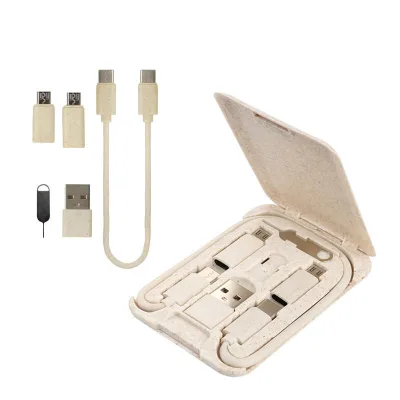
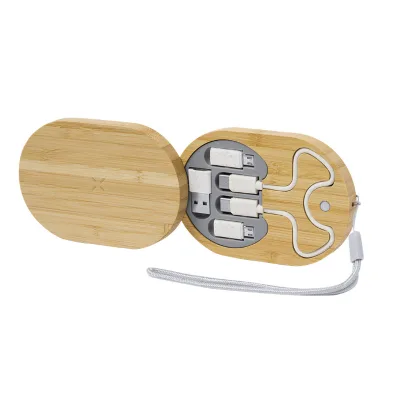
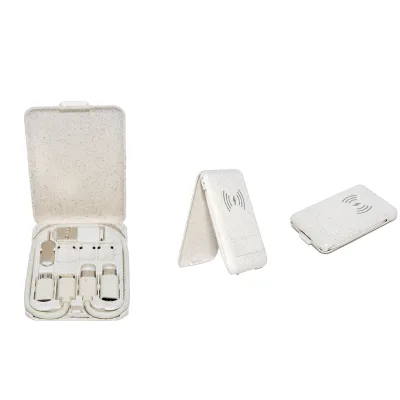
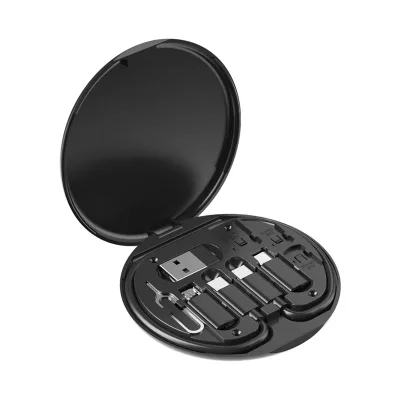

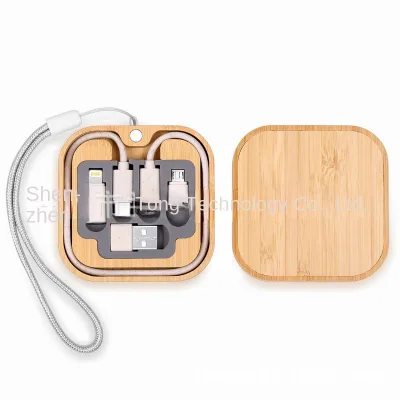
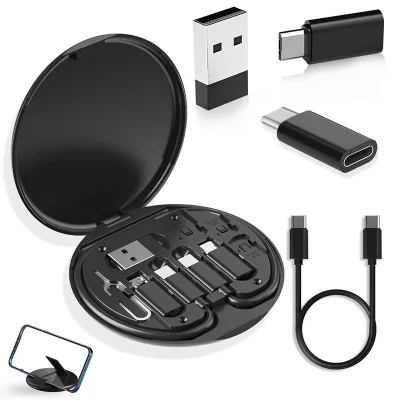
4 in 1 Fasting Charging Foldable Wireless Chargers Adapter Phone Holder
$17.00 - $18.90
MOQ: 100 Pieces

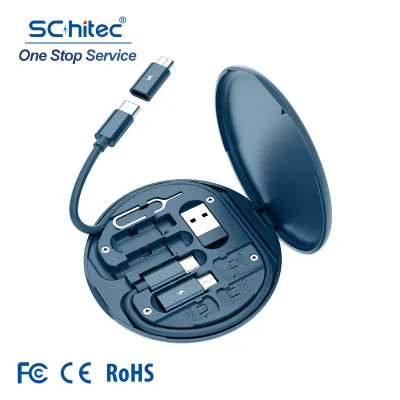
15W 3 in 1 Phone Holder Foldable Portable Fast Charging Wireless Charger
$11.90 - $13.90
MOQ: 100 Pieces





Comprehensive Sourcing Guide
Strategic Sourcing Guide for 4-in-1 Fast Charging Kits with Phone Holders
The global demand for compact, multifunctional charging solutions has driven the proliferation of "all-in-one" kits that integrate data transfer, rapid power delivery, and device stabilization. For procurement professionals targeting a 4-in-1 fast charging kit with a phone holder, the market offers a diverse array of configurations ranging from simple cable bundles to integrated units featuring wireless charging capabilities. Sourcing these items requires a disciplined approach to verifying technical specifications, ensuring regulatory compliance, and understanding the cost structures inherent in multifunctional hardware. This guide outlines the critical factors buyers must evaluate to secure high-quality supply chain partners and reliable product performance.
Technical Architecture and Connector Compatibility
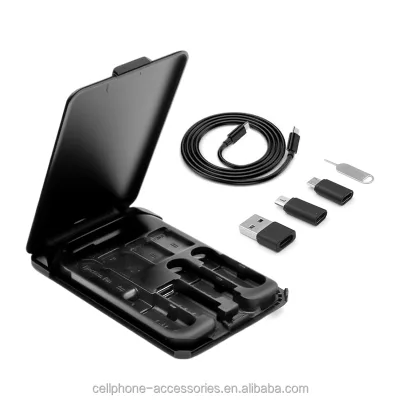
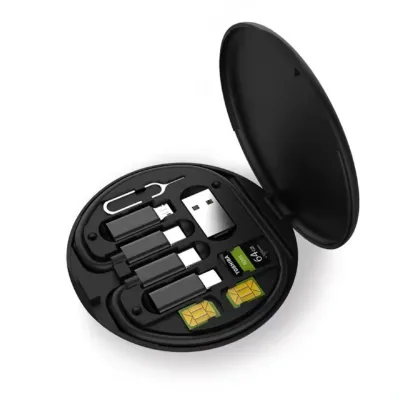
The core value proposition of a 4-in-1 kit lies in its ability to serve multiple device ecosystems simultaneously. When evaluating potential suppliers, the first step is to scrutinize the connector architecture. A robust kit typically combines a standard USB 2.0 or USB 3.0 connector on the host end with multiple detachable or fixed heads on the device end. Common configurations observed in the market include micro-USB, USB Type-C, and the proprietary 8-pin connector for Apple devices. Some advanced iterations may also incorporate USB 3.1 connectors to support higher data throughput.
The physical construction of the cable is equally critical. The conductor material often cited in high-performance kits is tinned copper, which offers superior conductivity and resistance to corrosion compared to bare copper or aluminum. The shielding method, frequently a braided jacket, provides durability and protects against electromagnetic interference (EMI), ensuring stable data transfer and consistent power delivery. Buyers should verify the specific jacket material, as options range from standard PVC to more durable and eco-friendly materials like wheat straw composites or bamboo-infused polymers, which also offer a distinct aesthetic appeal.
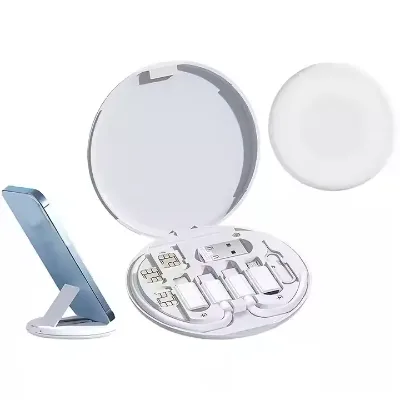
Furthermore, the integration of a phone holder is a defining feature of the "4-in-1" classification. This component must be mechanically stable to support devices of varying weights and dimensions during charging. The functional scope often extends beyond charging to include OTG (On-The-Go) capabilities, allowing direct data transfer between storage devices and mobile phones, and in some cases, wireless charging modules. The output capacity is a key performance metric; standard kits often support 3A fast charging, while premium models with wireless integration may offer up to 15W of wireless output or 60W via PD (Power Delivery) protocols.
Compliance, Certification, and Regulatory Standards
In the B2B electronics sector, regulatory compliance is non-negotiable. Products entering international markets must adhere to strict safety and environmental standards. When sourcing charging kits, buyers must demand evidence of certification from recognized bodies. The most prevalent certifications for this category include CE (Conformité Européenne), FCC (Federal Communications Commission), RoHS (Restriction of Hazardous Substances), and Reach. These certifications verify that the product meets European safety requirements, does not emit harmful radio interference, and is free from specific hazardous materials.
The presence of these certifications is not merely a formality; it is a legal requirement for importation into many jurisdictions. Procurement teams should request valid test reports and certificates of conformity before placing orders. It is essential to note that while a supplier may claim compliance, the specific test data must be verifiable. For instance, the wireless charging component, if present, must meet specific efficiency and safety standards to prevent overheating. Additionally, the warranty terms, often standardized at one year for such electronics, should be explicitly detailed in the contract to ensure recourse in case of premature failure.
Cost Drivers and Pricing Dynamics
The pricing of 4-in-1 charging kits is influenced by a complex interplay of material costs, manufacturing complexity, and customization requirements. The observed price range for these products can vary significantly, from budget-friendly options to premium models with advanced features. The primary cost drivers include the type of connectors used, the quality of the shielding and jacket materials, and the inclusion of additional features like wireless charging or integrated phone holders.
Materials play a substantial role in cost determination. Kits utilizing standard PVC jackets are generally more affordable, whereas those employing eco-friendly materials like wheat straw or bamboo composites command a higher price point due to the specialized processing required. Similarly, the inclusion of a wireless charging module adds significant cost due to the internal coil and control circuitry. The model number and specific configuration, such as cable length and output wattage, also dictate the final unit price.
Buyers must also consider the Minimum Order Quantity (MOQ) and its impact on unit economics. MOQs for these kits can range widely, typically starting as low as 2 units for sampling but often scaling to 1000 units for bulk production. Higher volumes generally yield lower per-unit costs, but the initial investment must be balanced against inventory holding costs. Customization, such as private mold development or specific logo printing via silk screening or full-color printing, introduces additional tooling and setup fees that must be factored into the total cost of ownership.
Typical Applications and Use Cases
The versatility of 4-in-1 charging kits with phone holders makes them suitable for a broad spectrum of applications. In the consumer electronics sector, these kits are ideal for households with mixed device ecosystems, eliminating the need for multiple individual chargers. They are particularly valuable for travelers who require a compact solution to charge smartphones, tablets, and power banks simultaneously. The integrated phone holder adds significant utility in this context, allowing users to view navigation or media while charging.
Beyond consumer use, these products have strong potential in corporate and hospitality settings. Offices can utilize them to provide a standardized charging station for employees' devices, reducing cable clutter and improving workspace organization. Hotels and conference centers often employ such kits as premium amenities for guests, enhancing the perceived value of the accommodation. The inclusion of OTG functionality and data transfer capabilities also makes them suitable for field technicians and IT professionals who need to quickly diagnose or transfer data from various devices, including barcode scanners, cameras, and multimedia players.
Supplier Evaluation and Manufacturing Capabilities
Selecting the right supplier requires a deep dive into their manufacturing capabilities and quality assurance processes. A reliable supplier should demonstrate a clear track record in producing USB cables and charging accessories. Key indicators of supplier competence include the availability of private molds, which suggests the ability to customize product designs and maintain consistent quality control. Suppliers with private mold capabilities can offer unique product differentiation, such as specific cable lengths or proprietary connector designs.
When evaluating suppliers, buyers should assess their production volume and lead time consistency. While specific lead times vary, a supplier's ability to meet delivery schedules is crucial for maintaining supply chain continuity. The location of the manufacturing facility, often in regions with established electronics supply chains like Guangdong, China, can impact logistics costs and lead times. Buyers should also verify the supplier's experience with the specific materials used, such as wheat straw or bamboo, to ensure they can maintain the structural integrity and aesthetic quality of the final product.
Quality Control and Long-Term Procurement Strategy
Implementing a rigorous quality control (QC) protocol is essential for mitigating risks associated with electronic components. Buyers should establish clear acceptance criteria based on the product specifications, including cable length tolerances, connector fitment, and output stability. Regular inspections, including pre-production samples and during-production checks, help identify defects early in the manufacturing process. Specific attention should be paid to the durability of the braided shielding and the stability of the phone holder mechanism, as these are common points of failure.
For long-term procurement, building a strategic partnership with the supplier is more beneficial than transactional buying. This involves negotiating favorable terms for volume scaling, securing priority production slots, and establishing clear communication channels for technical support. Buyers should also consider the lifecycle of the product; as technology evolves, the supplier should be capable of adapting the kit to support newer standards, such as updated USB versions or higher wattage PD protocols. Ensuring that the supplier maintains a consistent supply of raw materials and has the capacity to scale production without compromising quality is vital for long-term success.
Comparative Analysis of Product Configurations
To aid in decision-making, the following table summarizes key configuration differences observed in the market for 4-in-1 charging kits. This comparison highlights variations in materials, output capabilities, and physical dimensions that influence procurement decisions.
| Feature Category | Configuration A (Standard) | Configuration B (Eco-Friendly) | Configuration C (Premium Wireless) |
|---|---|---|---|
| Primary Material | PVC / Standard Plastic | Wheat Straw / Bamboo Composite | TPE / Hybrid Materials |
| Connector Types | Micro, Type-C, 8-Pin | Micro, Type-C, 8-Pin | Micro, Type-C, 8-Pin, USB 3.1 |
| Output Capacity | 3A Fast Charging | 3A Fast Charging | 3A Fast Charging + 15W Wireless |
| Cable Length | 23.5cm - 29cm | 26.5cm - 29cm | Customizable Length |
| Shielding | Braided | Braided | Braided / Other |
| Package Size | 15x10x10 cm | 15x15x10 cm | 85x57x11 mm (Compact) |
| Weight | ~0.06 kg | ~0.10 kg | Varies by model |
| Key Functions | Charging, Data, Holder | Charging, Data, Holder | Charging, Data, Wireless, Holder |
This comparison underscores the importance of aligning product specifications with specific market needs. While Configuration A offers a cost-effective solution for general use, Configuration B appeals to environmentally conscious markets, and Configuration C targets high-end consumers requiring wireless convenience. Procurement strategies should be tailored to the target demographic, balancing cost, functionality, and sustainability goals.
In conclusion, sourcing a 4-in-1 fast charging kit with a phone holder requires a meticulous evaluation of technical specifications, regulatory compliance, and supplier capabilities. By focusing on these core areas, buyers can secure high-quality products that meet the evolving demands of the global electronics market while maintaining cost efficiency and supply chain reliability.
FAQs
What materials are used for the jacket of these kits?
The jacket is made from wheat straw or bamboo composites in some models. Other options include TPE for durability. These eco-friendly materials provide a distinct aesthetic while maintaining structural integrity for the charging cable.
Which certifications do these charging kits typically hold?
Products usually carry CE, FCC, RoHS, and Reach certifications. These documents verify compliance with European safety and environmental standards. Buyers must request valid test reports to ensure the product meets legal import requirements.
Can these kits support fast charging and data transfer?
Yes, they support 3A fast charging and data transfer functions. Some models include OTG capabilities and wireless charging up to 15W. The output capacity varies by model, with some reaching 60W via PD protocols for rapid power delivery.
What is the typical warranty period for these devices?
The standard warranty period is one year for these electronics. This coverage protects against premature failure of components like connectors and charging modules. Specific terms should be detailed in the contract to ensure recourse for the buyer.
How does the phone holder function within the kit?
The integrated phone holder stabilizes devices during charging and media viewing. It is designed to support varying weights and dimensions of smartphones and tablets. This feature adds utility for travelers and office users who need hands-free operation.
What is the minimum order quantity for these kits?
The minimum order quantity ranges from 2 to 1000 units depending on the supplier. Lower MOQs allow for sampling, while bulk orders often yield better per-unit costs. Customization like private molds may influence these quantity thresholds.
Which connector types are compatible with these kits?
Common connectors include USB 2.0, USB 3.0, micro, Type-C, and 8-pin for iPhones. Some advanced kits also feature USB 3.1 connectors for higher data throughput. The specific configuration depends on the model number and intended device ecosystem.