Source Digital Camera SD Memory Card for Desktop Laptop Server
Find 30 verified options for Digital Camera SD Memory Card compatible with desktops, laptops, and servers. Buyers can compare capacities from 8GB to 64GB, read speeds up to 20 Mbs, and various packaging styles to match specific project needs; compare the available evidence and request quotations based on your requirements.
Key considerations
Products List


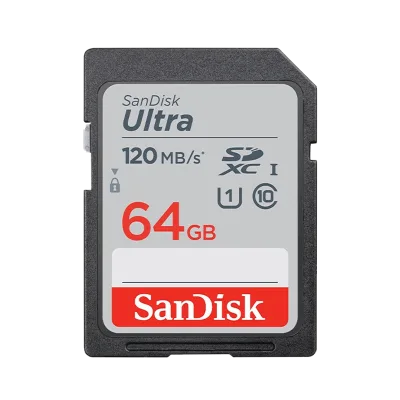
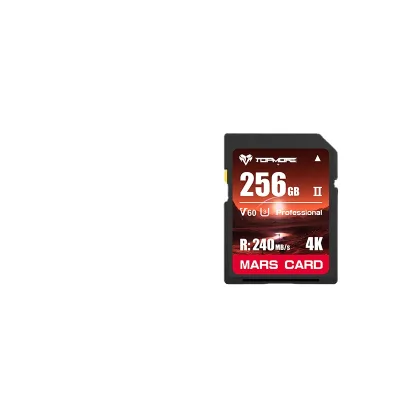
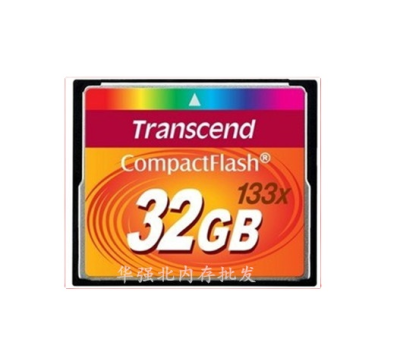


Comprehensive Sourcing Guide
Digital Camera SD Memory Card Sourcing Guide
Procuring storage media for digital imaging requires a disciplined approach to verifying technical compatibility and supply chain reliability. Buyers must distinguish between standard SD cards and specialized variants designed for high-speed data transfer in professional camera bodies. The observed market data indicates a wide range of product configurations, from basic 8GB units to high-capacity 64GB options, serving diverse application needs including desktop, laptop, and server environments alongside dedicated digital camera use. Understanding these variations is critical for aligning procurement strategies with specific operational requirements.
The primary challenge lies in filtering through inconsistent listing attributes to identify suppliers who provide accurate, verifiable specifications. Many listings conflate general computer storage with camera-specific performance metrics, leading to potential mismatches in read and write speeds. Buyers should prioritize suppliers who clearly delineate their product lines by application, ensuring that the selected cards meet the specific interface and speed class demands of their camera models. This initial screening process prevents costly returns and operational downtime caused by incompatible or underperforming storage media.
Product Scope and Observed Listing Signals
The observed product scope includes both standard SD cards and Micro SD cards, with interfaces ranging from ExpressCard slots to USB connections. Listings indicate capacities primarily at 8GB and 64GB, though buyers should verify if other capacities are available upon request. The physical dimensions vary slightly, with observed sizes including 24322.1mm and 32x24x2.2mm, which may impact compatibility with specific camera card slots. Weight is consistently reported around 2g, a negligible factor for most applications but relevant for precision equipment.
Packaging options present significant variation, including standard packaging, white cases, blister packs, bulk packing, and gift boxes. Some suppliers offer customization for logo printing, supporting both screen printing and full-color methods. This flexibility is crucial for brands looking to white-label storage media for retail distribution. However, buyers must confirm that custom packaging does not compromise the protective integrity of the card during transit. The availability of OEM or ODM services suggests that suppliers can adapt to specific branding and packaging requirements, but lead times for customized orders may differ from standard stock items.
Technical Specifications to Verify
Speed classes are a critical technical parameter, with observed ratings including Class 4, Class 6, and Class 10. These classes dictate the minimum write speed, which is essential for capturing high-resolution images and video without buffer overflow. Buyers must verify that the specified class matches the camera’s requirements, as using a lower-class card in a high-speed camera can result in dropped frames or failed writes. The observed write speeds range from 5-8 Mbs, while read speeds are listed between 12-20 Mbs. These figures should be cross-referenced with the camera manufacturer’s recommended minimum speeds to ensure optimal performance.
File system format is another key specification, with Fat 32 being the standard observed in the listings. This format is widely compatible with most digital cameras and operating systems, but buyers should confirm that the card is formatted correctly upon delivery. Voltage requirements are consistently listed at 3.3V, which is standard for SD cards, but verifying this ensures compatibility with the camera’s power supply. Additionally, the chipset source, such as Hynix, Micron, or Samsung, can influence performance consistency and longevity. Buyers should request detailed chipset information to assess the quality of the underlying memory components.
Compliance and Safety Documentation
Compliance documentation is essential for ensuring that the storage media meets international safety and environmental standards. Observed certifications include CE, FCC, and RoHS, which are critical for market access in Europe, North America, and other regions with strict regulatory frameworks. Buyers should request copies of these certificates to verify their validity and scope. The presence of SGS as a standard reference suggests that third-party testing may be available, providing an additional layer of assurance regarding product quality and safety.
Operating and storage temperature ranges are also important compliance factors, with observed operating temperatures between -25℃ and 85℃, and storage temperatures between -40℃ and 85℃. These ranges indicate the environmental conditions under which the card can function reliably. Buyers operating in extreme climates should verify that these specifications align with their usage scenarios. Additionally, durability is specified as 10,000 insertion/removal cycles, which is a standard metric for assessing the mechanical longevity of the card. Ensuring that the product meets these environmental and durability standards helps mitigate the risk of data loss due to physical or thermal stress.
Cost Drivers and Commercial Terms
The observed price range for these products is $0.04 to $70.84, reflecting significant variation based on capacity, speed class, and customization options. Lower-priced items likely represent basic 8GB cards with standard packaging, while higher-priced items may include 64GB capacities, higher speed classes, or custom branding. Buyers should analyze the cost per gigabyte to determine the most economical option for their specific needs. MOQ ranges from 1 to 1000 units, allowing for both small-scale testing and large-volume procurement.
Lead times are observed to be between 1-3 days and 3-5 days, depending on the supplier and order complexity. Standard stock items may have shorter lead times, while customized orders with logo printing or specific packaging may require longer processing. Buyers should factor these lead times into their inventory planning to avoid stockouts. Warranty terms are generally one year, providing a baseline for post-sale support. However, buyers should clarify the terms of the warranty, including what constitutes a valid claim and the process for replacement or refund.
Supplier Qualification and Quality Control
Supplier qualification involves assessing the manufacturer’s capability to produce consistent, high-quality storage media. Buyers should request samples to test performance in their specific camera models before placing large orders. This step helps verify that the read and write speeds meet the specified class ratings and that the file system is correctly formatted. Additionally, buyers should inquire about the supplier’s quality control processes, including the use of automated testing equipment and manual inspection procedures.
The origin of the products is listed as China, with specific mentions of Shenzhen, a major hub for electronics manufacturing. While this does not inherently indicate quality issues, buyers should verify the supplier’s reputation and track record in the industry. Requesting references from other customers or reviewing third-party audit reports can provide additional insight into the supplier’s reliability. Furthermore, buyers should confirm that the supplier has the capacity to meet their volume requirements without compromising quality, especially during peak demand periods.
Long-Term Procurement Checks
Long-term procurement requires establishing a stable relationship with suppliers who can consistently deliver high-quality products at competitive prices. Buyers should negotiate contracts that include clear terms for price adjustments, lead times, and quality guarantees. Regular performance reviews of the supplier’s deliveries can help identify any trends in quality degradation or delays. Additionally, buyers should maintain a backup supplier to mitigate the risk of supply chain disruptions.
Monitoring market trends and technological advancements is also crucial for long-term procurement. As storage capacities and speed classes evolve, buyers should stay informed about new standards and technologies that may impact their procurement strategy. Engaging with suppliers in ongoing dialogue about product development and innovation can help buyers stay ahead of the curve. By combining rigorous qualification processes with strategic relationship management, buyers can ensure a reliable and cost-effective supply of digital camera SD memory cards.
FAQs
What capacity options are available for digital camera SD cards?
Available capacity options include 8GB and 64GB models for digital camera SD cards. These cards support standard file formats like Fat 32 and offer Class 4, Class 6, or Class 10 speed ratings suitable for various photography needs.
Can I customize the logo on these memory cards?
Yes, logo customization is available with options for full color printing or screen printing. Buyers can request OEM or ODM services to add their branding to the black or blue colored cards provided in standard or gift box packaging.
Which certifications do these SD cards hold for safety?
These digital camera SD cards hold CE, FCC, and RoHS certifications to ensure safety and compliance. They also meet standard quality benchmarks and are manufactured in Shenzhen, China, ensuring reliable performance for desktop, laptop, and server applications.
How fast is the read and write speed of these cards?
The read speed ranges from 12 to 20 Mbs while the write speed is between 5 and 8 Mbs. This performance level supports Class Type SD cards and Micro SD cards for efficient data transfer in digital cameras and other devices.
What is the lead time for ordering these memory cards?
Lead times vary from 1 to 3 days for standard orders and 3 to 5 days for customized requests. Bulk packing or blister packaging options are available, and the cards come with a one-year warranty for buyer peace of mind.
Which chipset brands are used in these SD cards?
These cards utilize high-quality chipsets from Hynix, Micron, or Samsung to ensure data integrity. The cards feature a single card slot interface and are designed for external installation with a durable lifespan of 10,000 insertion and removal cycles.