Source Braided Flexible Microphone Cable for Audio Gear
Find and compare 30 listings for Braided Flexible Microphone Cable designed for professional audio applications. Evaluate options featuring bare copper, tinned wire, or oxygen-free copper conductors with PVC jackets. Compare specifications for twisted pair and flat wire variants suitable for microphones, telephones, and multimedia systems.
Key considerations
Products List


Premium Flexible Audio Microphone Cable for High-Quality Sound Transmission
$1.00 - $50.00
MOQ: 10000 piece

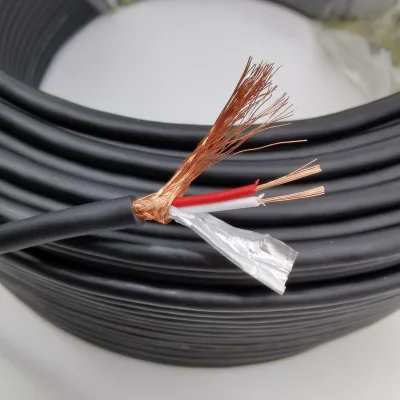


Comprehensive Sourcing Guide
Braided Flexible Microphone Cable Sourcing Guide
Procuring braided flexible microphone cables requires distinguishing between generic audio interconnects and specialized transmission lines designed for dynamic environments. The observed market data indicates a diverse range of configurations, including twisted pair structures and stranded conductors, which are essential for maintaining signal integrity in professional audio setups. Buyers must carefully evaluate whether the specific cable construction, such as bare copper or tinned wire cores, aligns with the intended application, whether for studio microphones, multimedia systems, or live performance monitoring.
The flexibility of the cable is often dictated by the sheath material and the internal conductor arrangement, with options ranging from standard PVC to frosted or elastic variants. Sourcing decisions should prioritize cables that offer the necessary bend radius without compromising the internal shielding or conductor continuity. It is critical to verify that the selected product supports the specific connector types required, such as TRS jacks or RCA connectors, to ensure seamless integration with existing audio equipment and recording interfaces.
Product Scope and Observed Listing Signals
The current market listings reveal a broad spectrum of product models, including specific identifiers like DX-MC-04 and FD-12G, which suggest distinct manufacturing standards and application focuses. These listings often highlight customization availability, allowing buyers to request specific lengths, colors, or packing configurations such as 100-meter plastic reels or bulk cartons. The presence of various species classifications, including HDMI and AV types, indicates that some suppliers may offer multi-purpose cables, though buyers must confirm that the braided construction specifically meets the rigorous demands of microphone signal transmission rather than general video or data transfer.
Observed listing signals also point to significant variations in packaging and origin, with products originating from regions like Jiaxing and China, shipped in containers or individual bags. The diversity in model numbers, such as STEREO/MONO or SINGLE TRACK/DUAL TRACK, implies that the physical layout of the conductors varies significantly across different SKUs. Buyers should scrutinize these signals to ensure the selected cable matches the exact channel requirements of their audio system, avoiding mismatches that could lead to signal loss or crosstalk in complex setups.
Technical Specifications to Verify
Verifying the conductor type is paramount, as the data shows options ranging from bare copper and oxygen-free copper to tinned wire and CCA alternatives. For microphone applications, the choice between stranded and solid conductors directly impacts the cable's flexibility and durability under repeated movement. Buyers must confirm that the stranded configuration is robust enough to withstand the physical stress of stage use while maintaining low resistance, ensuring that the signal remains clear and free from interference over the required cable length.
The jacket material and color specifications also require strict verification, with observed options including PVC, frosted finishes, and elastic PVC in colors like red and black. These external layers protect the internal conductors from abrasion and environmental factors, but the specific material properties must match the operational environment. Additionally, the wire core shape, whether round or flat, influences the cable's handling characteristics and installation ease, making it a critical specification to validate before finalizing any procurement order.
Compliance and Safety Documentation
Compliance documentation is a non-negotiable aspect of sourcing, with the observed listings consistently citing RoHS, CE, and ISO certifications as standard requirements. These certifications indicate that the manufacturing processes adhere to international environmental and safety standards, which is crucial for products entering global markets. Buyers should request valid certificates for each batch to ensure that the materials used, particularly the sheath and conductor coatings, do not contain hazardous substances that could violate regulations in the destination country.
Beyond general certifications, specific safety standards related to electrical conductivity and fire resistance must be verified, especially for cables used in permanent installations or high-power environments. The presence of CCC certification in some listings suggests compliance with Chinese national standards, which may be relevant for domestic sourcing but requires validation for international export. Procurement teams must ensure that all safety documentation is current and covers the specific product models being purchased to mitigate liability and ensure user safety.
Cost Drivers and Commercial Terms
Cost drivers in this category are heavily influenced by the raw material composition, with oxygen-free copper and tinned wire typically commanding higher prices than standard copper or CCA alternatives. The complexity of the braiding and the specific jacket materials, such as elastic PVC, also add to the manufacturing cost, which is reflected in the observed price range of 0.1 to 50 USD. Buyers should analyze the total cost of ownership, considering that higher-quality materials often result in longer product lifespans and reduced maintenance costs over time.
Commercial terms such as MOQ and lead times vary significantly, with observed ranges from 10 to 10,000 units and delivery times spanning 30 to 40 days. These factors can impact inventory planning and cash flow, requiring buyers to balance immediate needs with long-term supply stability. The packing specifications, ranging from individual reels to bulk containers, also affect shipping costs and storage requirements, making it essential to negotiate terms that align with the buyer's logistical capabilities and budget constraints.
Supplier Qualification and Quality Control
Supplier qualification should focus on verifying the consistency of their production standards, as the data shows multiple model numbers and standards like DX-01 and 100M ROLL/200M ROLL. A reliable supplier must demonstrate the ability to maintain strict quality control across different product lines, ensuring that every cable meets the specified conductor and jacket requirements. Buyers should request samples to test the physical flexibility, connector fit, and signal transmission quality before committing to large-scale orders.
Quality control processes must include rigorous testing for continuity, insulation resistance, and mechanical durability to prevent field failures. The observed variation in product models suggests that suppliers may have different production lines for different specifications, necessitating a clear understanding of which line produces the desired cable. Establishing a clear communication channel for quality feedback and ensuring that the supplier has a robust system for handling defects is essential for maintaining the integrity of the audio signal chain.
Long-Term Procurement Checks
Long-term procurement success depends on establishing a stable supply chain that can adapt to changing market demands and technical requirements. Buyers should regularly review supplier performance against the observed standards and certifications to ensure continued compliance and quality. Building a relationship with suppliers who offer customization and flexible packing options can provide a strategic advantage, allowing for rapid adjustments to order volumes and specifications as project needs evolve.
Continuous monitoring of market trends and technological advancements in cable construction is also vital for maintaining a competitive edge. As new materials and connector standards emerge, procurement teams must be prepared to update their specifications and supplier criteria accordingly. By maintaining a proactive approach to supplier management and quality assurance, buyers can ensure a reliable supply of high-performance braided flexible microphone cables that meet the rigorous demands of professional audio applications.
FAQs
What certifications are available for Braided Flexible Microphone Cable?
The Braided Flexible Microphone Cable is certified with RoHS, CE, and ISO standards. These certifications ensure compliance with international safety and environmental regulations. Buyers can rely on these documented credentials for quality assurance and regulatory adherence in global procurement projects.
Can the Braided Flexible Microphone Cable be customized?
Yes, customization is available for the Braided Flexible Microphone Cable. Buyers can request specific modifications to meet unique project requirements. This flexibility allows for tailored solutions in various audio applications, ensuring the product fits specific technical and operational needs effectively.
What is the typical lead time for Braided Flexible Microphone Cable?
The typical lead time for the Braided Flexible Microphone Cable is 30-40 days. This duration accounts for production and preparation processes. Buyers should plan their procurement schedules accordingly to ensure timely delivery and avoid potential delays in their audio equipment supply chains.
What is the minimum order quantity for Braided Flexible Microphone Cable?
The minimum order quantity for the Braided Flexible Microphone Cable ranges from 10 to 10,000 units. This flexible MOQ allows buyers of various sizes to place orders that suit their inventory needs. Smaller quantities are available for testing, while larger orders support bulk production.
Where is the Braided Flexible Microphone Cable manufactured?
The Braided Flexible Microphone Cable is manufactured in Jiaxing, China. This origin ensures access to established manufacturing infrastructure and supply chains. Buyers can leverage this location for efficient logistics and reliable production capabilities when sourcing high-quality audio cables for their projects.
What materials are used in the Braided Flexible Microphone Cable?
The Braided Flexible Microphone Cable uses bare copper wire or tinned wire as the core conductor. The sheath material is typically PVC, providing durability and flexibility. These material choices ensure reliable signal transmission and resistance to environmental factors in various audio applications.