Source 4 Speed Adjustable Roller Skates for Leisure Racing Fancy
Compare 30 listings of 4 Speed Adjustable Roller Skates featuring ABEC7 bearings, flashing wheels, and customizable options. Buyers can evaluate models like SG-QD001 and HL-ST120 for children's leisure, fancy skating, or racing applications with MOQs starting from 1 piece.
Key considerations
Products List


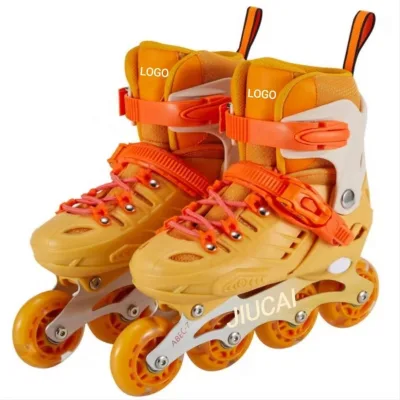
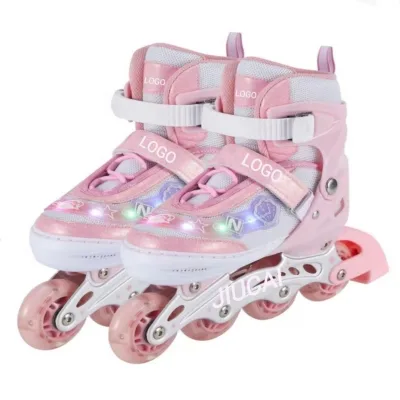


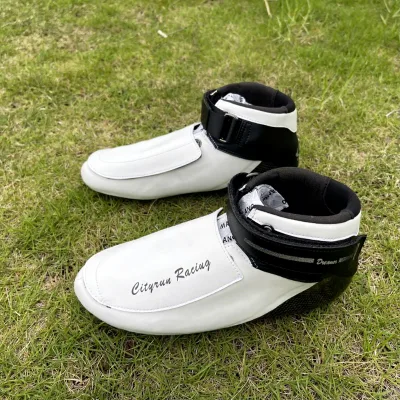
Adult Double Row Roller Skating Beginners Recommended Skates Roller Skates
$18.50 - $21.00
MOQ: 100 Pairs


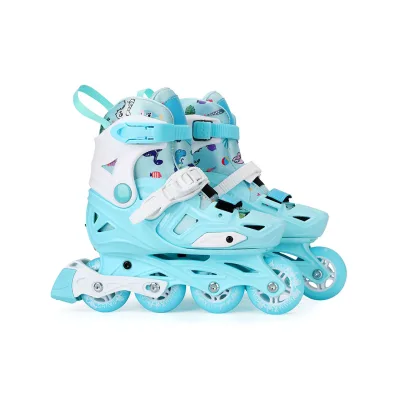
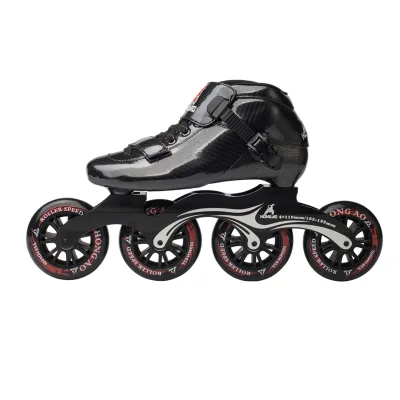




Comprehensive Sourcing Guide
Strategic Sourcing Guide for 4-Speed Adjustable Roller Skates
The procurement of 4-speed adjustable roller skates requires a nuanced understanding of the intersection between mechanical adjustability, material durability, and safety compliance. In the B2B market, these products are often categorized under children's leisure and professional racing equipment, serving a diverse range of applications from recreational skating to competitive slalom events. Buyers must navigate a complex supply chain where specifications vary significantly between manufacturers, particularly regarding bearing quality, wheel composition, and frame adjustability mechanisms. This guide provides a structured approach to sourcing these items, focusing on verified product attributes, cost drivers, and quality assurance protocols derived from current market data.
Technical Specifications and Mechanical Variability
When evaluating 4-speed adjustable roller skates, the primary technical differentiator is the sizing mechanism and the underlying hardware. The term "4-speed" in this context often refers to the adjustable sizing range, allowing a single pair to accommodate multiple foot sizes, typically expanding across four distinct increments. This feature is critical for inventory management, as it reduces the need for holding multiple SKUs for different age groups.
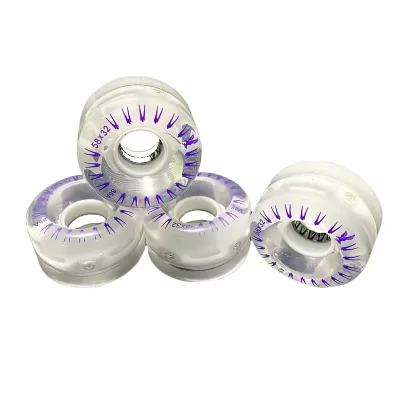
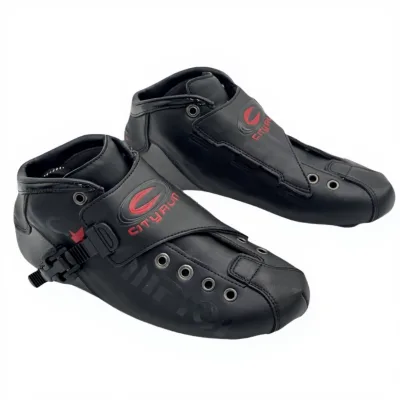
The core construction materials observed in the market include a combination of PVC, Leather, TPR, and PU. The choice of material directly impacts the boot's durability, breathability, and weight. For instance, PU and Leather options generally offer superior structural integrity and comfort for extended use, whereas PVC variants may be lighter but less durable. The frame and wheel assembly are equally critical. High-performance models frequently utilize ABEC7 bearings, which provide a smoother rolling experience and higher rotational speed compared to standard iron bearings. The wheels themselves are a key variable; they may be constructed from PVC with single flashing capabilities or feature all-flashing designs for enhanced visibility and aesthetic appeal.
The adjustability mechanism must be robust to withstand the dynamic forces of skating. Buyers should verify that the sizing system is secure and does not compromise the structural alignment of the boot. Additionally, the type of roller used in the assembly varies; some configurations utilize nylon rollers suitable for lighter loads (6 Ton and 12 Ton capacities), while others employ steel rollers for heavier-duty applications (24 Ton capacity). The number of rollers per unit also fluctuates, with common configurations including 8, 12, or 16 PCS depending on the specific model and intended load-bearing requirements.
Compliance, Certification, and Safety Standards
Safety is the paramount concern when sourcing roller skates, particularly for the children's demographic. While specific certification status varies by manufacturer, buyers must insist on verification of compliance with recognized safety standards. The EN 1078 standard is a widely accepted benchmark for protective equipment, including helmets and skates, ensuring that the product meets rigorous impact and structural requirements. However, the presence of a CE mark on a product indicates that the manufacturer claims conformity with European health, safety, and environmental protection standards.
Buyers should not assume that all listed products automatically meet these standards. Instead, the procurement process must include a request for valid test reports and certification documents from the supplier. The "734937CM" dimension mentioned in some product data likely refers to packaging standards rather than the product itself, but it highlights the importance of verifying packaging specifications to ensure efficient logistics. Furthermore, the origin of the product, often cited as Zhejiang or China, does not guarantee quality; it merely indicates the manufacturing region. Therefore, independent verification of the CE mark and any other relevant certifications is essential before finalizing an order.
Cost Drivers and Pricing Dynamics
The pricing of 4-speed adjustable roller skates is influenced by several factors, including material quality, bearing grade, and customization options. The observed price range in the market spans from $0.77 to $186, a variance that reflects the spectrum from basic recreational models to high-performance racing skates. The lower end of the price spectrum typically corresponds to products with iron bearings and PVC wheels, while the higher end features ABEC7 bearings and premium materials like leather or PU.
Customization is a significant cost driver. Many suppliers offer OEM (Original Equipment Manufacturer) services, allowing buyers to brand the skates with their own logos or specific color schemes. However, this service comes with a Minimum Order Quantity (MOQ) requirement, often set at 1000 pairs. This threshold is crucial for buyers to consider, as it impacts the initial capital outlay and inventory risk. For buyers with smaller order volumes, the standard "Selling Units" of single items or pre-packaged sets (e.g., 6 pairs per carton) may be the only viable option, though these will likely carry a higher unit cost due to the lack of economies of scale in customization.
Typical Applications and Market Segmentation
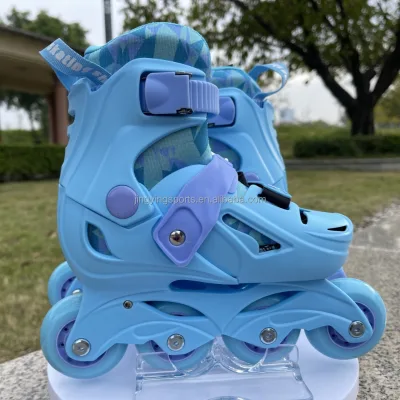
The versatility of 4-speed adjustable roller skates allows them to serve multiple market segments. The primary application is in the children's leisure sector, where the adjustable sizing feature is highly valued by parents and retailers. These skates are designed for "Leisure" and "Fancy" usage, providing a safe and fun experience for young skaters. The multicolor options, including shades of orange, light green, pink, blue, and purple, cater to the aesthetic preferences of this demographic.
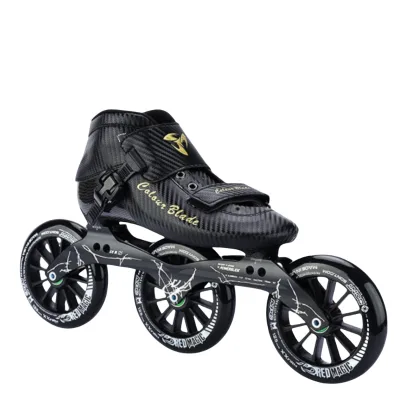
Beyond recreational use, these skates also find applications in professional racing and slalom events. The "Racing" attribute indicates that certain models are engineered for speed and agility, often featuring high-grade bearings and specialized wheel configurations. The "Outdoor Sport" classification further broadens their utility, making them suitable for use in parks, skateparks, and paved recreational areas. The ability to adjust the size means that a single pair can grow with the child, extending the product's lifecycle and reducing the frequency of replacement purchases.
Supplier Evaluation and Capacity Assessment
Selecting the right supplier requires a thorough evaluation of their production capacity and reliability. The supply chain for roller skates is often concentrated in specific manufacturing hubs, with Zhejiang being a prominent origin point. Buyers should assess the supplier's capacity to handle large orders, as some manufacturers list capacities ranging from 6 Ton to 24 Ton, indicating their ability to produce varying quantities of rollers and skates.
The MOQ for OEM customization is a critical factor in supplier selection. A standard MOQ of 1000 pairs is common for branded orders, but some suppliers may offer lower thresholds for standard products. Buyers must also consider the lead time and production capacity. While specific lead times are not universally standardized, the capacity to produce 12-ton or 24-ton loads suggests a robust manufacturing infrastructure. It is advisable to request a production schedule and verify the supplier's ability to meet delivery deadlines, especially for time-sensitive orders.
Quality Control and Inspection Protocols
Implementing a rigorous quality control (QC) protocol is essential to ensure that the received goods meet the specified standards. Given the variability in materials and components, such as the difference between nylon and steel rollers, buyers should establish clear inspection criteria. The QC process should include checks for bearing quality, wheel alignment, and the functionality of the adjustable sizing mechanism.
For products with flashing wheels, visual inspection is necessary to ensure that the flashing mechanism is functional and durable. Additionally, the packaging must be verified to ensure that the skates are protected during transit. The standard packing configuration of 6 pairs per carton should be confirmed, and the carton dimensions must align with the logistics requirements of the buyer. Any deviation from the specified packing or material standards should be addressed immediately with the supplier to prevent potential returns or customer dissatisfaction.
Long-Term Procurement Considerations
Sourcing 4-speed adjustable roller skates is not just a one-time transaction but a strategic partnership that requires long-term planning. Buyers should consider the scalability of their orders and the potential for future customization. As the market evolves, the demand for eco-friendly materials or enhanced safety features may increase. Establishing a relationship with a supplier who can adapt to these changes is beneficial.
Furthermore, buyers should monitor the supply chain for potential disruptions. The reliance on specific materials like PVC, leather, and TPR means that fluctuations in raw material prices can impact the final cost. Maintaining a buffer stock or negotiating flexible MOQ terms can help mitigate these risks. Finally, continuous feedback from end-users should be integrated into the procurement process to refine product specifications and ensure that the skates continue to meet the needs of the target market. By focusing on these long-term factors, buyers can build a resilient and profitable supply chain for 4-speed adjustable roller skates.
FAQs
What is the minimum order quantity for OEM customization?
The minimum order quantity for OEM customization is 1000 pairs. This threshold applies when buyers require branded logos or specific color schemes, distinguishing it from standard single-item sales which have lower MOQs.
Which bearing types are available for these roller skates?
Available bearing types include ABEC7 and Iron Bearings. ABEC7 bearings offer smoother rolling and higher speed, while Iron Bearings are a standard option found in various models within the product range.
Can the wheels be customized with flashing features?
Yes, wheels can be customized with flashing features. Options include All Flashing or Single Flashing designs, with some models specifically using PVC Single Flashing wheels for enhanced visibility and aesthetic appeal.
What materials are used to construct the skate boots?
The skate boots are constructed from PVC, Leather, TPR, and PU materials. The choice of material impacts durability and comfort, with PU and Leather offering superior structural integrity for extended use.
Where are these roller skates manufactured?
These roller skates are manufactured in Zhejiang, China. The origin indicates the production region, but buyers should verify specific supplier capabilities and certifications independently rather than relying solely on location.
What is the standard packing configuration for these skates?
The standard packing configuration is 6 pairs per carton. This unit size is typical for shipping, though specific carton dimensions like 73*49*37CM may vary based on the product model and packaging requirements.
Which age group are these adjustable skates designed for?
These adjustable skates are designed for children. The 4-speed adjustability feature allows a single pair to accommodate multiple foot sizes, making them ideal for growing kids in the leisure and racing segments.