Source 4 Stroke Engine Oil Pump for Industrial, Automotive, Marine
Compare 30 listings for the 4 Stroke Engine Oil Pump to find suitable options for industrial, automotive, and marine applications. Buyers can review specifications like material, pressure, and certification to identify the right supplier.
Key considerations
Products List

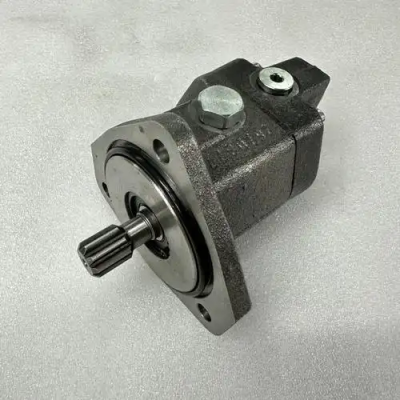


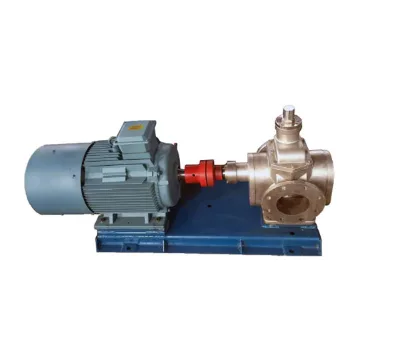


Comprehensive Sourcing Guide
Strategic Sourcing Guide for 4 Stroke Engine Oil Pumps
Navigating the global market for 4 stroke engine oil pumps requires a disciplined approach that distinguishes between generic fluid transfer equipment and specialized components designed for internal combustion engine lubrication systems. The core keyword, "4 Stroke Engine Oil Pump," implies a specific mechanical architecture where the pump is driven directly by the engine's crankshaft or camshaft to ensure synchronized oil flow with engine speed. Unlike general-purpose pumps used in industrial fluid handling, these components must withstand high rotational speeds, variable temperatures, and the precise pressure requirements necessary to maintain a protective oil film between moving engine parts. Buyers must carefully evaluate the intersection of mechanical design, material integrity, and compliance standards to ensure the selected pump integrates seamlessly with the target engine architecture.
Technical Architecture and Mechanical Specifications
The fundamental operation of a 4 Stroke Engine Oil Pump relies on specific mechanical principles to generate consistent flow and pressure. Based on observed market data, the primary drive mechanisms for these units are electric or motor-driven, though in a true 4 stroke engine context, the drive is often mechanical via the camshaft or crankshaft. The internal architecture frequently utilizes a gear-based system, specifically identified by attributes such as "Gear Pump" and "Internal Engaged" mesh forms. The tooth profile is critical for efficiency and noise reduction; observations indicate the use of "Cycloid" tooth curves and "Herringbone Tooth" flanks, which are engineered to minimize leakage and ensure smooth operation under high pressure.
The structural configuration of the pump housing and impeller is equally vital. Data points suggest the prevalence of "Single Suction Pump" designs with a "Closed" impeller type, which is standard for maintaining positive displacement characteristics. The position of the pump shaft is typically "Horizontal," aligning with common engine block orientations. Performance metrics are often categorized by "High Pressure" capabilities, essential for forcing oil through narrow galleries in the engine block. The flow rate is described as "Constant Pump," indicating a design focus on steady lubrication rather than variable flow, which is crucial for the consistent oil pressure required during the intake, compression, power, and exhaust strokes of the engine cycle.
| Feature Category | Observed Attribute | Technical Implication |
|---|---|---|
| Drive Type | Electric / Motor / Mechanical | Determines synchronization with engine RPM; electric may imply auxiliary systems. |
| Pump Structure | Gear Pump / Internal Engaged | High efficiency for viscous fluids; suitable for high-pressure lubrication. |
| Tooth Profile | Cycloid / Herringbone | Reduces wear and noise; ensures consistent volumetric displacement. |
| Impeller Type | Single Suction / Closed | Optimized for unidirectional flow and pressure retention. |
| Pressure Class | High Pressure | Essential for overcoming resistance in engine oil galleries. |
| Shaft Position | Horizontal | Standard mounting orientation for most inline and V-type engines. |
Material Composition and Manufacturing Processes
The longevity and reliability of an oil pump are inextricably linked to the raw materials and the precision of the manufacturing processes employed. The primary raw materials identified in the market include "Seamless Tube" and "Steel Sheet Plate," with the core material specified as "Iron." This material selection is driven by the need for high tensile strength and resistance to the abrasive nature of metal-to-metal contact within the pump housing. The manufacturing techniques observed include "Press," "Bending," "Braze," and "Stamping." These processes suggest a high degree of customization and the ability to produce complex geometries required for the internal gear chambers and mounting flanges.
Surface treatment is a critical factor in corrosion resistance, particularly since engine oil can degrade over time or contain contaminants. The standard coating observed is "Zinc," which provides a robust barrier against rust and oxidation. This is particularly important for pumps that may be exposed to external elements or operate in humid environments. The production process also involves "Bending" and "Stamping," which are essential for forming the precise housing shapes that house the gears and ensure minimal internal clearance. The availability of "Customization" and "Support" for customization indicates that manufacturers can adapt these base designs to fit specific engine block configurations, a necessity given the vast diversity of 4 stroke engine architectures globally.
Compliance, Certification, and Standards Verification
In the B2B procurement of automotive components, verifying compliance with international standards is non-negotiable. The market data reveals a mix of certifications and standards, including "TSI," "ISO," "CE," "SGS," "DIN," and specific model standards like "363225." While "TSI" is noted, buyers must verify if this refers to a specific technical standard or a proprietary certification relevant to the engine manufacturer. The presence of "ISO" and "CE" certifications suggests adherence to general European and international quality management and safety protocols. "SGS" indicates third-party verification of product quality, which is a strong indicator of reliability.
It is crucial to distinguish between general product standards and specific component standards. The observed "Standard Component" is listed as "Non-Standard Component," which is a common contradiction in industrial listings where the part is a standard type but requires custom dimensions for a specific application. Buyers should verify that the "ISO" standard referenced applies to the specific performance metrics of the oil pump, such as flow rate consistency and pressure tolerance. Additionally, the "DIN" standard, often associated with German engineering, implies a high level of precision in manufacturing tolerances. When evaluating suppliers, request documentation that explicitly links the product model to these standards, ensuring that the "High Pressure" and "Constant Pump" attributes are validated against recognized testing protocols.
Cost Drivers and Pricing Dynamics
The pricing structure for 4 stroke engine oil pumps is influenced by a complex interplay of material costs, manufacturing complexity, and customization requirements. The observed price range in the market is extremely broad, spanning from $1 to $50,000 USD. This variance is not indicative of quality alone but rather reflects the scale of the order, the level of customization, and the specific application. A unit priced at the lower end of the spectrum is likely a standard, off-the-shelf component with minimal customization, whereas the higher end likely encompasses heavy-duty industrial pumps or highly specialized units with custom machining and proprietary coatings.
The Minimum Order Quantity (MOQ) is another significant cost driver, with observed ranges from 1 to 1000 units. Purchasing in smaller quantities (MOQ 1) often incurs a higher unit cost due to the setup costs associated with "Customization" and "Support." Conversely, bulk orders (MOQ 1000) typically benefit from economies of scale in the "Press," "Bending," and "Stamping" processes. The "Carton" or "Neutral" packing options suggest that standard packaging is included in the base price, while specialized packaging like "Standard Export Wooden Case" or "Marine Wooden Case" may add to the logistics cost. Buyers should analyze the total landed cost, including packaging and shipping, rather than focusing solely on the unit price, as the "High Pressure" and "Customization" features can significantly impact the final cost.
Supplier Evaluation and Geographic Considerations
When selecting a supplier for 4 stroke engine oil pumps, geographic origin and logistical capabilities are paramount. The data indicates a concentration of manufacturing in "China," with specific hubs in "Ningbo" and "Shanghai." These regions are known for their robust manufacturing ecosystems and supply chain efficiency. Ningbo, in particular, is noted for "Bitzer Oil pump" models, suggesting a specialization in refrigeration or specific industrial pump applications that may overlap with engine cooling systems. Shanghai is highlighted for "CYZ" models and "Sea Water Pump" applications, indicating a broader capability in fluid handling that can be adapted for engine oil systems.
Supplier evaluation should focus on their ability to provide "Customization" and "Support." The presence of "Non-Standard Component" status implies that the supplier must have the engineering capacity to modify standard designs to fit specific engine requirements. Buyers should verify the supplier's track record in producing "High Pressure" pumps and their adherence to the "ISO" and "CE" standards. The "Warranty" period of "12 Months" is a standard benchmark, but buyers should negotiate terms that reflect the critical nature of the component. Additionally, the "Selling Units" being listed as "Single item" suggests that suppliers are willing to accommodate small trial orders, which is useful for quality validation before committing to large-scale production.
Quality Control and Long-Term Procurement Strategy
Ensuring the quality of 4 stroke engine oil pumps requires a rigorous quality control (QC) strategy that extends beyond the initial inspection. The "Production Process" involving "Braze" and "Stamping" necessitates strict control over weld integrity and dimensional accuracy. Buyers should implement a QC protocol that includes verification of the "Zinc" coating thickness and uniformity, as well as testing of the "Gear Pump" assembly for smooth operation and leakage. The "Single-Stage Pump" and "Closed" impeller design should be inspected for internal clearances that meet the "High Pressure" specifications.
For long-term procurement, establishing a relationship with a supplier that offers "Customization" and "Support" is essential. The "Oil Pump Pipe" and "Bitzer" model references suggest that the supply chain may involve multiple tiers of components. Buyers should ensure that the supplier can provide consistent quality over time, particularly regarding the "Raw Material" consistency of "Seamless Tube" and "Steel Sheet Plate." The "12 Months" warranty provides a baseline for accountability, but a robust procurement strategy should include regular audits and performance reviews. Finally, the "Start Pump" attribute indicates a need for reliable startup performance, which should be validated through field testing before full-scale deployment. By focusing on these technical and operational factors, buyers can secure a reliable supply of 4 stroke engine oil pumps that meet the demanding requirements of modern internal combustion engines.
FAQs
What certifications do 4 stroke engine oil pumps have?
These pumps typically hold ISO, CE, and SGS certifications. Some models also meet specific standards like TSI or DIN. Buyers should verify documentation to ensure compliance with international safety and quality protocols before procurement.
Which materials are used to manufacture these oil pumps?
Manufacturers primarily use iron, seamless tubes, and steel sheet plates. These materials provide the necessary tensile strength and durability for high-pressure applications. The selection ensures resistance to abrasion and long-term reliability in engine systems.
Can I customize the specifications of the oil pump?
Yes, customization is available and supported by many suppliers. Manufacturers can adapt designs to fit specific engine block configurations using processes like bending and stamping. This flexibility allows for non-standard component requirements while maintaining high-pressure performance.
How are these pumps packaged for international shipping?
Packaging options include cartons, neutral boxes, and standard export wooden cases. Some specialized units may come in marine wooden cases for extra protection. The choice often depends on the order size and specific logistical requirements of the buyer.
What is the warranty period for these oil pumps?
The standard warranty period is 12 months. This coverage applies to manufacturing defects and ensures basic reliability for the buyer. Buyers should confirm specific terms with the supplier to understand the scope of the warranty coverage.
Which manufacturing processes are used for these pumps?
Production involves pressing, bending, braze, and stamping techniques. These methods allow for the creation of complex geometries required for gear chambers and mounting flanges. The processes ensure precise dimensions and structural integrity for high-pressure operation.
What is the typical price range for these pumps?
Prices range widely from 1 to 50,000 USD depending on customization and scale. Lower costs usually reflect standard off-the-shelf units, while higher prices indicate specialized industrial applications. The final cost is influenced by the minimum order quantity and material selection.