Source 7 Inch Mascot Video Brochure for Corporate Gifts Events
Compare 30 listings for the 7 Inch Mascot Video Brochure featuring custom designs, USB connectivity, and HD displays. Buyers can evaluate specifications like memory capacity, battery life, and screen sizes ranging from 2.4 to 10.1 inches to find suitable options for promotional campaigns.
Key considerations
Products List


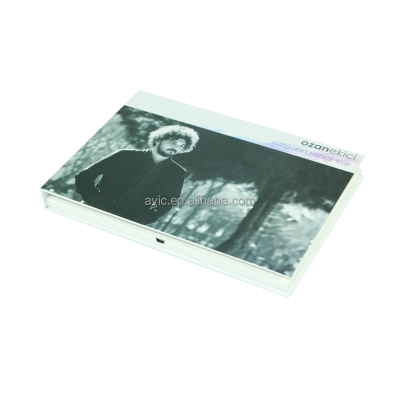
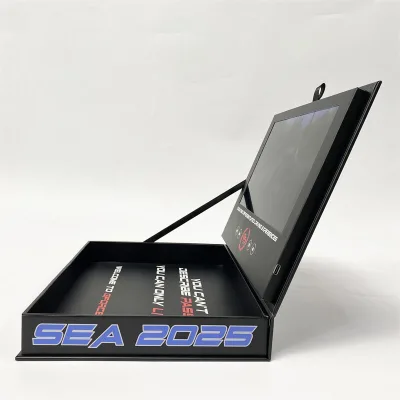
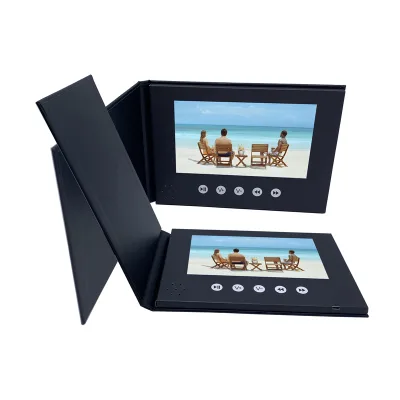
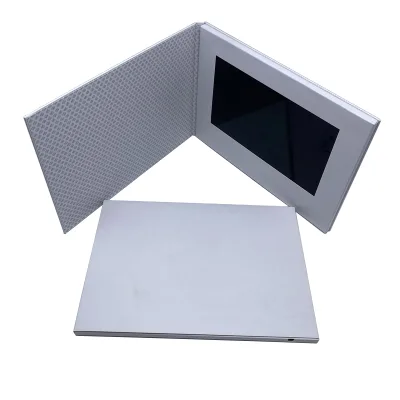


7inch Custom Design Video Brochure Designed Specially for Your Business
$16.00 - $22.00
MOQ: 100 Pieces


Softcover/Hardcover 7inch Video Marketing Business Presentation Brochure Card
$18.00 - $25.00
MOQ: 100 Pieces

Comprehensive Sourcing Guide
Strategic Sourcing Guide for 7 Inch Mascot Video Brochures
The modern B2B procurement landscape increasingly demands versatile marketing tools that blend traditional print media with dynamic digital engagement. The 7-inch mascot video brochure represents a sophisticated convergence of these mediums, offering a tangible, interactive experience that captures attention more effectively than static materials. For procurement professionals, sourcing this specific item requires a nuanced understanding of its hybrid nature, which combines the physical attributes of a folded booklet with the electronic capabilities of an LCD display. This guide provides a disciplined approach to evaluating suppliers, verifying technical specifications, and ensuring quality compliance for the acquisition of these advanced multi-media devices.
Technical Architecture and Display Specifications
When evaluating a 7-inch mascot video brochure, the primary technical focus must be on the display technology and the mechanical integration of the screen within the brochure structure. The core specification for this category typically involves an LCD screen size ranging from 2.4 inches to 10.1 inches, with the 7-inch variant serving as a balanced option for portability and visibility. The screen technology is predominantly LCD, utilizing TFT LCD panels that offer high-definition (HD) resolution. Buyers should verify that the resolution ratio aligns with standard HD requirements, often cited as 1024 pixels in width, with the aspect ratio potentially varying between square and rectangular formats depending on the specific model design.
The physical dimensions of the device are critical for user experience. While the screen itself is 7 inches, the overall product dimensions must accommodate the folding mechanism. Specifications often indicate a standard size range of 212mm by 145mm by 22mm, ensuring the device remains compact enough to be handled like a traditional brochure while housing the necessary electronics. The memory capacity is another vital technical parameter, typically ranging from 128MB to 4GB. This storage capacity determines the number and duration of video files that can be pre-loaded. Procurement teams must confirm that the specific unit ordered meets the minimum memory threshold required for their content library, as lower-end models may be limited to 128MB or 2GB, which restricts video quality and quantity.
The interface capabilities are equally important for content management. These devices generally feature a USB interface that serves a dual purpose: uploading video content and charging the internal battery. The supported video formats are usually restricted to common standards such as AVI and MP4, ensuring compatibility with standard editing software. The device operates on an Android operating system in many advanced models, allowing for more flexible content management compared to proprietary firmware. Additionally, the trigger mechanism often relies on a magnet; the video is programmed to auto-play when the brochure is opened and stop when closed, creating an intuitive user interaction that mimics the opening of a physical book.
Compliance, Certification, and Regulatory Standards
In the realm of electronic marketing materials, compliance is not merely a formality but a prerequisite for market entry, particularly when shipping internationally. Buyers must verify that the supplier adheres to recognized safety and environmental standards. Common certifications observed in this sector include CE and ROHS approvals, which indicate compliance with European health, safety, and environmental protection requirements. These certifications are essential for ensuring that the electronic components, such as the rechargeable battery and the LCD screen, do not emit harmful levels of radiation or contain restricted hazardous substances.
The battery technology used in these brochures is a specific area of regulatory focus. The power supply is typically a rechargeable battery with a capacity ranging from 500mAh to 1500mAh. Procurement teams should request documentation confirming that the battery chemistry meets safety standards for lithium-ion or similar rechargeable cells, as these are prone to thermal runaway if manufactured poorly. Furthermore, the product origin is a key factor in compliance verification. Most manufacturers of these devices are located in China, with specific hubs like Shenzhen being prominent centers for electronics manufacturing. Buyers should ensure that the supplier provides clear documentation of the product origin to facilitate customs clearance and to verify that the manufacturing processes align with the buyer's corporate social responsibility policies.
Cost Drivers and Pricing Dynamics
The pricing structure for 7-inch mascot video brochures is influenced by several variable factors, primarily customization levels and technical specifications. The observed market price range for these devices typically falls between $3 and $30 USD per unit. This wide variance is driven by the degree of customization required. A standard unit with a pre-loaded generic video and minimal branding will sit at the lower end of the spectrum. Conversely, a unit featuring custom OEM/ODM design, high-resolution HD screens, larger memory capacity (up to 4GB), and complex digital printing on the cover will command a higher price.
The minimum order quantity (MOQ) is another significant cost driver. While some suppliers offer an MOQ as low as 1 piece, facilitating prototyping and small-batch testing, larger orders often benefit from economies of scale. The MOQ range in the market typically spans from 1 to 500 units. Buyers should be aware that ordering in smaller quantities may result in a higher unit cost, while larger orders can significantly reduce the per-unit price. Additionally, the complexity of the printing process affects costs. Digital printing allows for high-quality, full-color graphics on offset paper, but the inclusion of surface finishes like film lamination adds to the production cost. The choice of packaging, whether a simple poly bag or a premium gift box, also impacts the final landed cost.
Typical Applications and Use Cases
The versatility of the 7-inch mascot video brochure makes it suitable for a diverse array of B2B and B2C applications. The primary usage category is gifts, where the device serves as a memorable promotional item that leaves a lasting impression on recipients. The interactive nature of the mascot design, often featuring a character that "comes to life" when the brochure is opened, makes it particularly effective for brand storytelling. The device is designed for indoor advertising, functioning as an AD player that can be used in trade shows, retail environments, and corporate offices.
The specific application often dictates the required specifications. For instance, a trade show booth might require a device with a larger memory capacity to loop multiple high-definition videos, while a direct mail campaign might prioritize a lower cost and a compact size. The installation method is typically vertical, allowing the brochure to stand on a desk or be held in hand. The interface type, primarily USB, ensures that content can be easily updated by marketing teams without needing to return the device to the manufacturer. The ability to support custom design and printing allows companies to integrate their specific branding, logos, and messaging directly into the physical cover and the digital content, creating a cohesive brand experience.
Supplier Evaluation and Quality Control
Selecting the right supplier for 7-inch mascot video brochures requires a rigorous evaluation process that goes beyond price comparison. Buyers should prioritize suppliers who demonstrate transparency in their manufacturing capabilities and quality control processes. Key evaluation criteria include the supplier's ability to provide custom OEM/ODM design services, their track record with digital printing on offset paper, and their adherence to the specified standards. The presence of a dedicated design team that can handle custom artwork and printing is crucial for ensuring that the final product matches the buyer's vision.
Quality control measures should be explicitly defined in the procurement agreement. Buyers must verify that the supplier conducts testing on the electronic components, including the battery life, screen responsiveness, and the magnet trigger mechanism. The screen technology should be verified to ensure it is a genuine TFT LCD panel and not a lower-quality alternative. The surface finish, such as film lamination, should be inspected for durability and resistance to wear and tear. Additionally, the packaging should be robust enough to protect the electronic components during shipping, with options ranging from poly bags to protective PC cases.
Long-Term Procurement Considerations
Sourcing 7-inch mascot video brochures is not just a one-time transaction but a strategic decision that impacts long-term marketing effectiveness. Buyers should consider the lifecycle of the device, including the ease of content updates and the durability of the components. The rechargeable battery is a consumable component that will eventually degrade; therefore, suppliers should offer guidance on battery maintenance and replacement options. The interface type, specifically the USB port, should be durable and capable of withstanding frequent use for content uploads.
Furthermore, the scalability of the procurement process is essential. As marketing campaigns evolve, the need for updated content or new designs may arise. Suppliers who offer flexible customization options and reasonable lead times for re-orders are preferable. The ability to support different screen sizes, from 2.4 inches to 10.1 inches, allows buyers to standardize their procurement across different product lines while varying the size based on the specific application. Finally, buyers should maintain a clear record of the product specifications, including the model number (e.g., XH-DPF-070V or HFX-VB70RR), to ensure consistency in future orders and to facilitate any necessary troubleshooting or warranty claims. By focusing on these long-term factors, procurement teams can ensure that their investment in 7-inch mascot video brochures delivers sustained value and enhances their brand's digital presence.
FAQs
What video formats does the brochure support?
The device supports AVI and MP4 video formats. This ensures compatibility with standard editing software for easy content preparation before uploading via the USB interface.
Can the screen size be customized to other dimensions?
Yes, the product can be made in other sizes ranging from 2.4 inches to 10.1 inches. This flexibility allows buyers to select the optimal display size for their specific marketing needs.
How is the video triggered to play automatically?
The video plays automatically when the brochure is opened and stops when closed. This interaction is managed by a magnet trigger mechanism integrated into the folded leaflet design.
What is the memory capacity range for storage?
Memory capacity ranges from 128MB to 4GB depending on the specific model. This storage determines the number and duration of videos that can be pre-loaded for the user.
Which certifications are required for international shipping?
Common certifications include CE and ROHS approval. These standards ensure compliance with safety and environmental regulations for electronic components and batteries used in the device.
What is the minimum order quantity for this product?
The minimum order quantity can be as low as 1 piece. This allows for prototyping and small-batch testing before committing to larger production runs.
How is the internal battery charged?
The rechargeable battery is charged via the USB cable. This same cable is used to upload video content, providing a dual-purpose interface for power and data transfer.