Source AC DC Power Adapter with LED Light for Laptop, Phone, and Game Player
Find 30 AC DC Power Adapter with LED Light options from Ningbo and Shenzhen suppliers. Compare models like YS6U and YS80 with certifications including CCC, UL, and TUV for laptop, phone, and game player applications; compare the available evidence and request quotations based on your requirements.
Updated
Key considerations
Products List


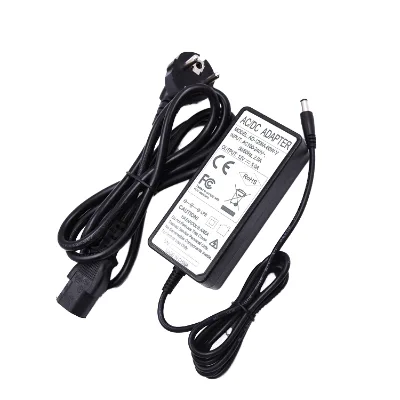


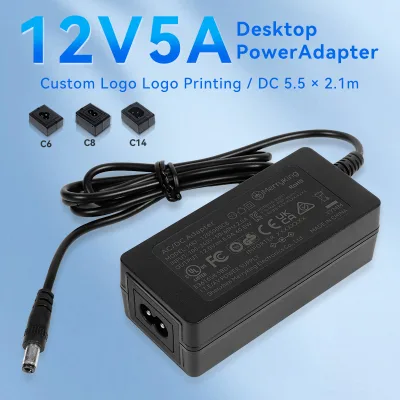
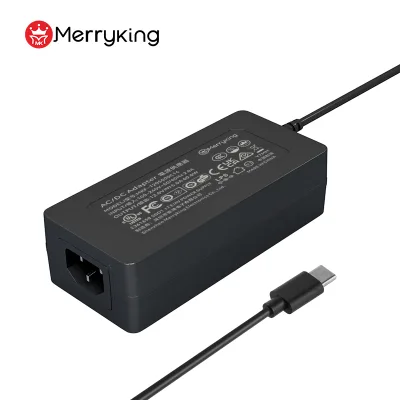
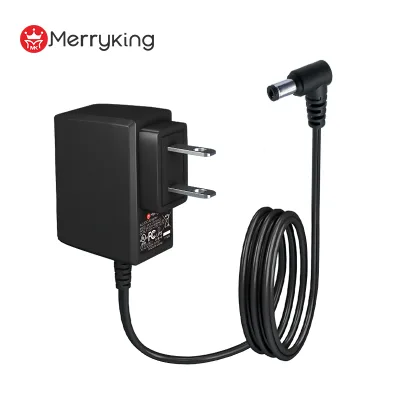
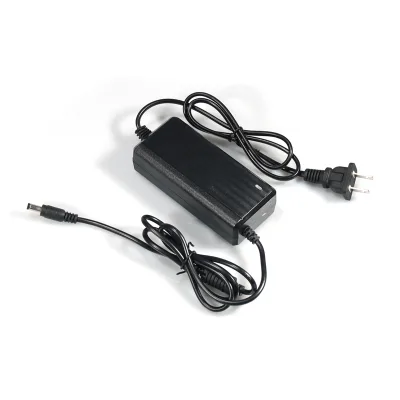
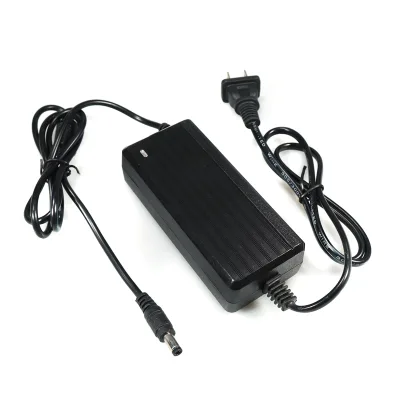
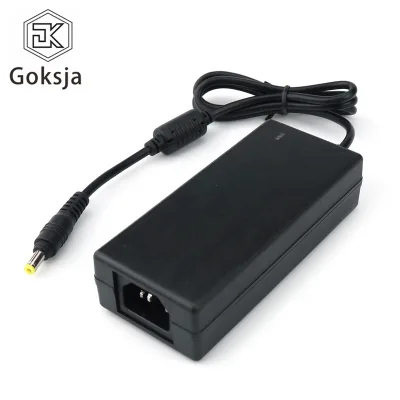
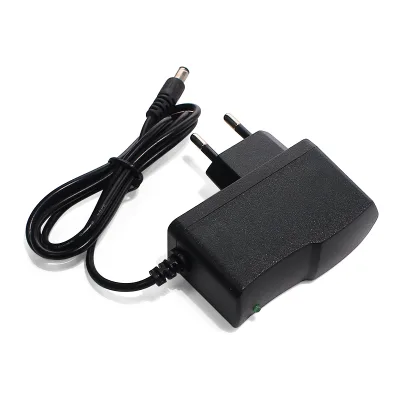
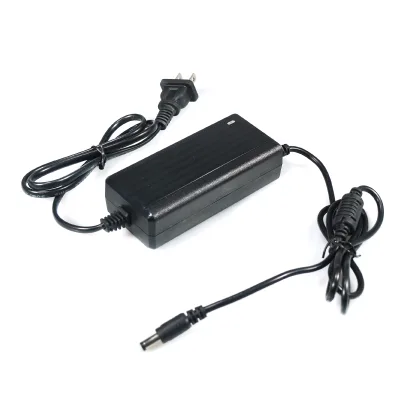
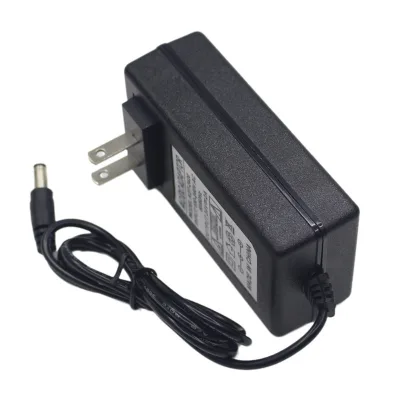
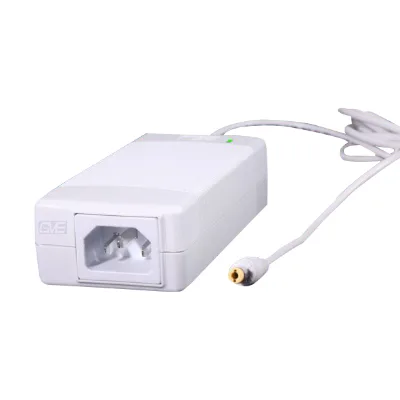
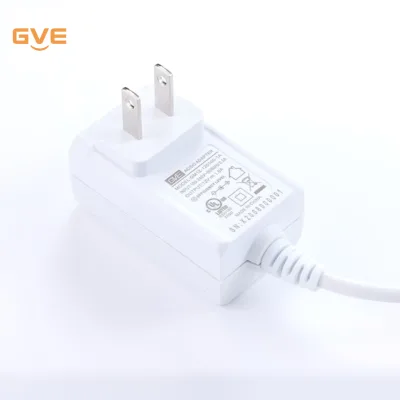
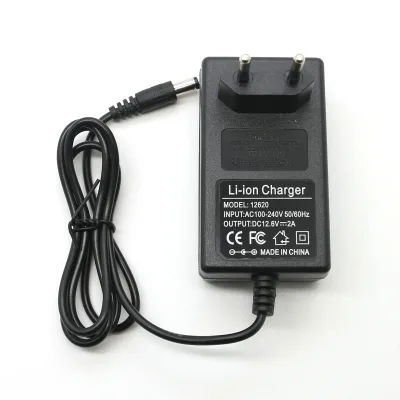
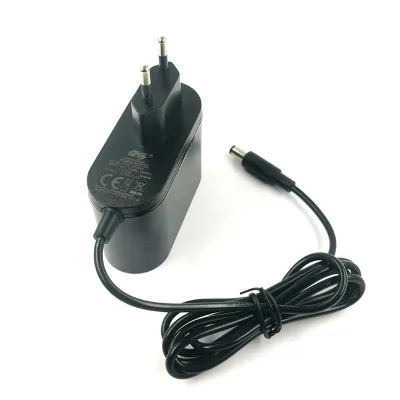
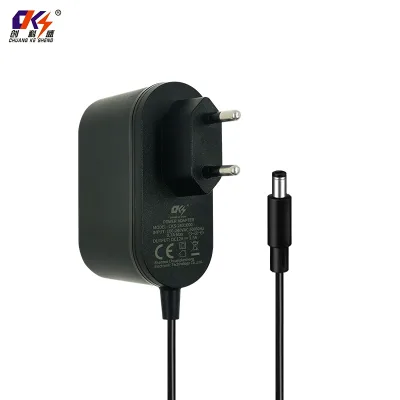
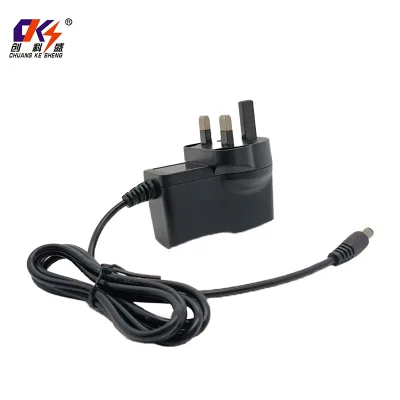
Comprehensive Sourcing Guide
AC DC Power Adapter with LED Light Sourcing Guide
Procuring AC DC power adapters with LED indicators requires a disciplined approach to align technical performance with commercial viability. Buyers must first define the operational environment, as these units serve diverse roles ranging from consumer electronics to industrial switching systems. The presence of an LED light provides immediate visual feedback on power status, which is critical for troubleshooting in high-availability scenarios. Understanding the specific usage context, whether for laptops, mobile phones, or digital cameras, ensures that the selected adapter meets the precise load and form-factor requirements of the end product.
The market offers a wide spectrum of configurations, including half-bridge and single-end power sources, which dictate internal efficiency and thermal management. Sourcing teams should evaluate whether a desktop or plug-in connection best suits the assembly line or final product design. By mapping the intended application against the available power supplying systems, such as terminal power distribution equipment, buyers can narrow down the field to suppliers who demonstrate relevant manufacturing expertise. This initial alignment prevents costly redesigns and ensures that the chosen component integrates seamlessly into the broader electrical architecture.
Product Scope and Observed Listing Signals
The current market landscape for AC DC power adapters reveals a diverse range of models, including the YS6U, YS80, YS25, YS15, YL40, YS42, and MKF-1205000HAUD series. These models exhibit varying output types, with some providing DC output while others support AC or DC configurations, indicating flexibility in design for different global markets. The observed price range spans from 0.66 to 15 USD, reflecting significant variation in component quality, certification depth, and production volume. Buyers should note that the minimum order quantity (MOQ) ranges from 1 to 1000 units, allowing for both prototyping and large-scale deployment strategies.
Physical attributes and packaging details further define the product scope, with common features including black or white color options and internal structures that are either on-off type or linear models. Packaging typically involves PE bags, white boxes, and cartons, with specific configurations like 50 pieces per carton for certain models. The origin of these products is primarily China, with manufacturing hubs in Ningbo and Shenzhen, suggesting a mature supply chain ecosystem. Understanding these listing signals helps buyers assess the maturity of the supplier base and the potential for customization, which is widely available across the observed product range.
Technical Specifications to Verify
Verifying technical specifications is paramount to ensuring compatibility and performance reliability in the final application. Buyers must confirm the input voltage range, which typically spans 110-220V, to ensure global usability without the need for additional transformers. The output type, whether single or dual, and the connection mode, such as series switching or plug-in, must align with the device’s power requirements. Additionally, the power source type, whether half-bridge or single-end, influences the efficiency and heat dissipation characteristics of the adapter, which are critical for long-term stability in enclosed spaces.
Dimensional constraints and weight are also key verification points, with some models measuring 10951.537mm and weighing approximately 255g. These physical parameters impact the design of the end product, particularly for portable devices like laptops and mobile phones. Buyers should also inquire about the starting mode, such as self-excited switching, and the voltage regulating mode, which may be frequency modulation type. Confirming these technical details with the supplier ensures that the adapter will operate correctly under full load conditions and meet the specific electrical demands of the target application.
Compliance and Safety Documentation
Compliance with international safety and environmental standards is non-negotiable for global market access. The observed product listings indicate a variety of certifications, including CCC, CE, TUV, UL, CUL, CSA, GS, RoHS, CB, FCC, PSE, SAA, EMC, and Reach. Buyers must verify which specific certifications are required for their target markets, as these vary significantly between regions such as North America, Europe, and Asia. The presence of multiple certifications, such as UL/CUL/CSA or CCC/CE/GS/TUV, suggests a robust quality management system, but explicit documentation must be requested to confirm current validity.
Beyond safety, environmental regulations like RoHS and Reach are increasingly critical for consumer electronics. Buyers should ensure that the supplier provides up-to-date test reports and certificates for each model, as compliance status can change with regulatory updates. The standard listings often include combinations like TUV/GS/CE or UL/CUL/TUV/GS/CE/CCC, indicating a broad compliance framework. However, buyers must cross-reference these claims with official databases to avoid reliance on outdated or generic certification claims. Proper documentation not only mitigates legal risks but also enhances brand trust among end-users who prioritize safety and environmental responsibility.
Cost Drivers and Commercial Terms
Cost structures for AC DC power adapters are influenced by several factors, including the complexity of the internal structure, the level of certification, and the volume of the order. The observed price range of 0.66 to 15 USD highlights the impact of these variables, with higher-priced units likely offering more comprehensive safety features or specialized output configurations. Buyers should analyze the cost breakdown to understand the value proposition, ensuring that they are not overpaying for unnecessary features or underpaying for critical safety components. The MOQ range of 1 to 1000 units allows for flexible purchasing, but larger volumes typically yield better unit economics.
Commercial terms also include packaging and logistics considerations, which can affect the total landed cost. Packaging options such as inner PE bags, white boxes, and cartons with specific dimensions (e.g., 483323.5cm) impact shipping efficiency and storage requirements. Buyers should negotiate clear terms regarding lead times, payment methods, and warranty periods, which are often linked to the MTBF (Mean Time Between Failures) of the product. Some suppliers claim an MTBF of 100,000 hours minimum at full load, which can be a significant factor in reducing long-term maintenance costs. Understanding these commercial dynamics helps buyers optimize their procurement strategy for both cost and reliability.
Supplier Qualification and Quality Control
Selecting a qualified supplier requires a thorough evaluation of their manufacturing capabilities and quality control processes. Buyers should verify the supplier’s origin, with Ningbo and Shenzhen being key manufacturing hubs in China, known for their electronics supply chain maturity. It is essential to assess the supplier’s ability to provide customization, as many listings indicate that customization is available. This capability allows buyers to tailor the adapter to specific brand or functional requirements, such as unique connector types or LED configurations. Suppliers with a history of producing models like YS6U or YS80 demonstrate experience in handling diverse product lines.
Quality control measures should include rigorous testing protocols to ensure consistency and reliability. Buyers should request information on the supplier’s testing procedures, including burn-in tests and environmental stress screening. The claim of a 3-5 year alternative life span suggests a focus on durability, but this must be backed by empirical data. Additionally, buyers should inquire about the supplier’s defect rate and their process for handling non-conforming products. Establishing a strong relationship with a supplier who prioritizes quality control reduces the risk of supply chain disruptions and ensures that the final product meets the expected performance standards.
Long-Term Procurement Checks
Long-term procurement success depends on continuous monitoring of supplier performance and market trends. Buyers should establish key performance indicators (KPIs) to track delivery times, product quality, and responsiveness to issues. Regular audits of the supplier’s quality management system can help identify potential risks before they impact production. Additionally, staying informed about changes in certification requirements and environmental regulations is crucial for maintaining compliance over time. Buyers should maintain open communication with suppliers to ensure that any updates in standards or technologies are promptly addressed.
Furthermore, buyers should consider the scalability of the supply chain to accommodate future growth. This includes evaluating the supplier’s capacity to increase production volumes without compromising quality or lead times. The availability of alternative models, such as the YS25 or YL40 series, provides flexibility in case of supply disruptions. Buyers should also monitor the total cost of ownership, including maintenance and replacement costs, to ensure that the initial purchase price reflects the long-term value. By implementing these long-term checks, buyers can build a resilient and efficient procurement strategy that supports their business objectives.
FAQs
What certifications are available for these power adapters?
These power adapters feature comprehensive certifications including CCC, ISO, UL, TUV, CE, RoHS, and CB. The products also meet GS and SAA standards. This ensures compliance with international safety and quality regulations for global distribution and use in various electronic devices.
Can these adapters be customized for specific brands?
Yes, customization is available for these power adapters. They are offered as OEM products, allowing for tailored specifications to meet specific brand requirements. This flexibility supports unique design needs and ensures the adapters integrate seamlessly with various electronic equipment and usage scenarios.
What is the typical output type for these units?
The output type varies, with many models providing DC output. Some units are designed to support AC or DC output depending on the specific series. This versatility allows the adapters to power a wide range of devices, including laptops, phones, and digital cameras effectively.
Where are these power adapters manufactured?
These power adapters are manufactured in China, specifically in Ningbo and Shenzhen. These locations are known for their robust electronics manufacturing infrastructure. The products are packed in PE bags, white boxes, and cartons for safe and efficient shipping to international buyers and distributors.
What is the minimum order quantity for these adapters?
The minimum order quantity ranges from 1 to 1000 units. This flexible MOQ accommodates both small-scale testing and large-volume procurement needs. Buyers can select quantities that best fit their inventory requirements and budget constraints while ensuring efficient supply chain management for their operations.
What is the expected lifespan of these adapters?
The expected lifespan is approximately 3-5 years. The MTBF is at least 100,000 hours at full load and 25 C ambient temperature. This durability ensures reliable performance for continuous use in laptops, game players, and other electronic devices requiring stable power supply solutions.