Source Adjustable High Density Board Bookend for Office, School, Home
Find 30 Adjustable High Density Board Bookend options from Chinese manufacturers. Compare custom sizes, minimalist designs, and OEM services for office, school, and home use. View specifications and request quotes for these decorative and promotional book holders; compare the available evidence and request quotations based on your requirements.
Updated
Key considerations
Products List
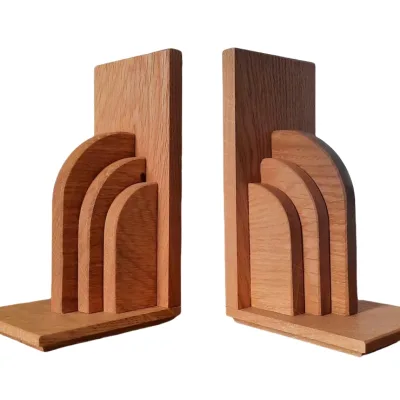
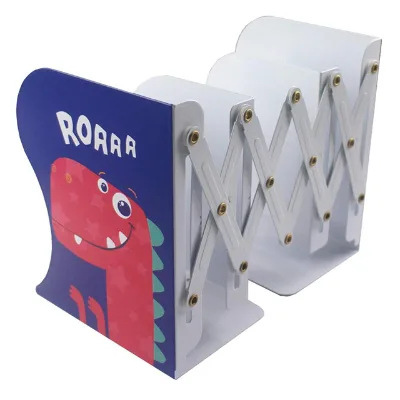

Heavy Duty Bookend Metal Black Cat Shape Book Stand Bookends for Office & School
$2.045 - $3.0668
MOQ: 50 pieces

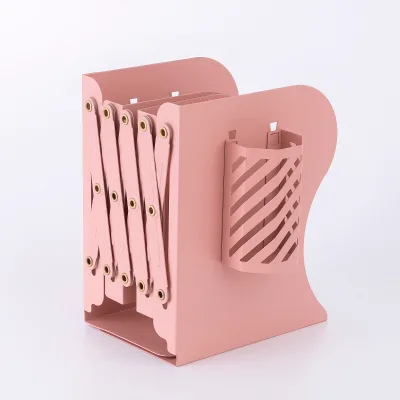
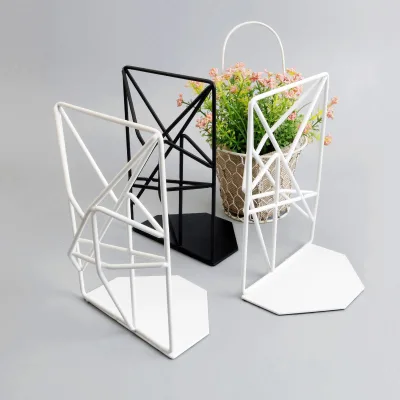
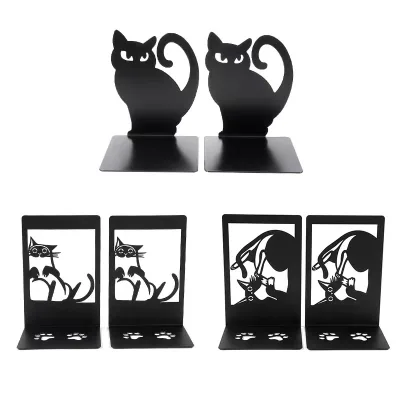


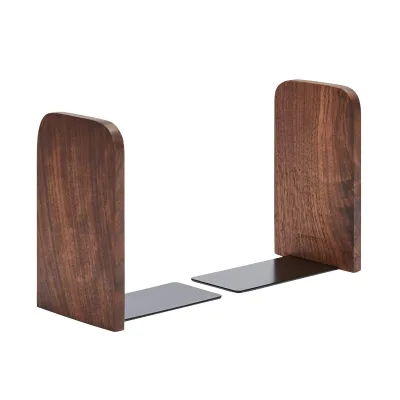
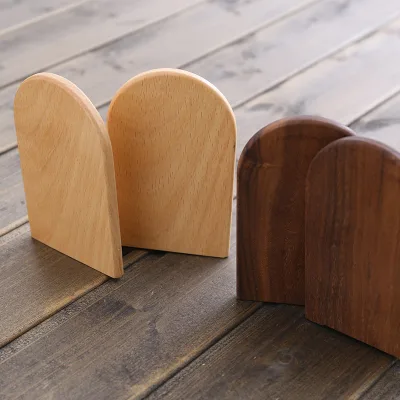
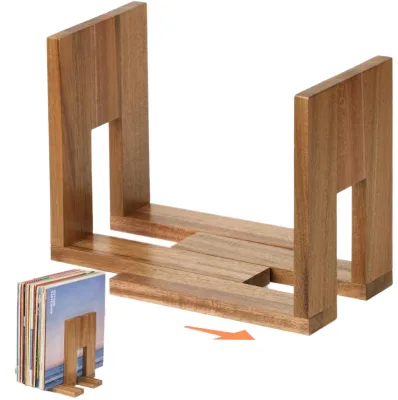

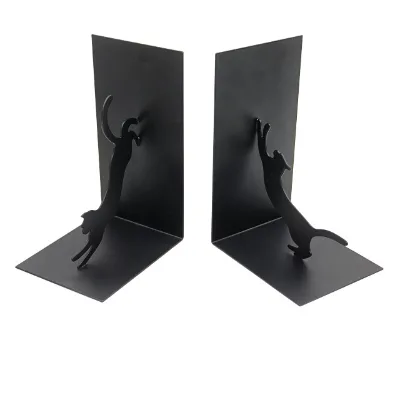


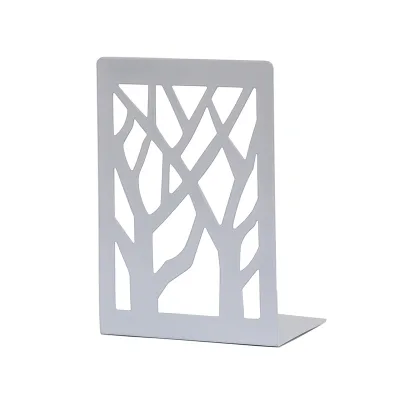
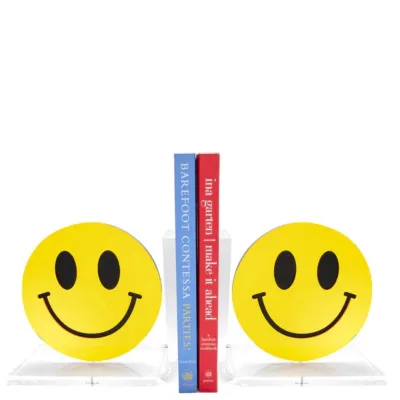


Custom Home Office Book Ends Metal Bookends Heavy Duty Bookend Shelf Holder
$1.85 - $4.50
MOQ: 100 Pieces

OEM Home Office Book Ends Metal Bookends Heavy Duty Bookend Shelf Holder
$2.50 - $7.50
MOQ: 100 Pieces
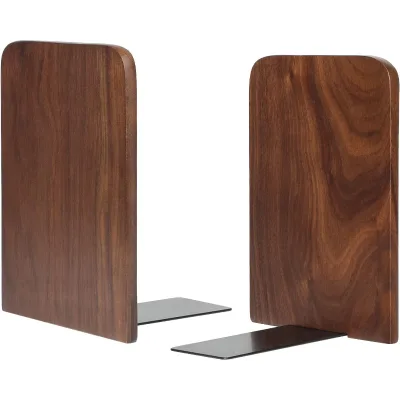
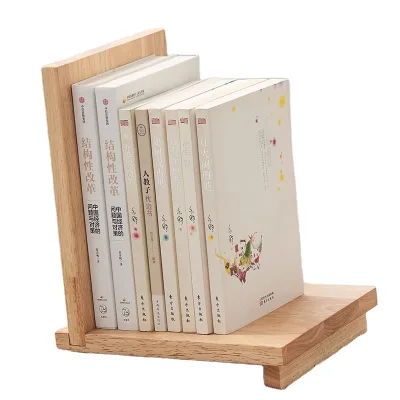


Comprehensive Sourcing Guide
Adjustable High Density Board Bookend Sourcing Guide
Procuring adjustable high density board bookends requires a nuanced understanding of material properties and functional design, as the market often blends these with metal or wood alternatives. While the core keyword specifies high density board, current supplier listings frequently feature metal constructions with powder-coated finishes or wooden handicrafts, indicating a need for precise specification alignment. Buyers must distinguish between rigid board structures and adjustable metal frames to ensure the product meets specific shelf stability and aesthetic requirements. This distinction is critical for maintaining brand consistency and functional performance in office or home environments.
The sourcing landscape reveals a wide variance in manufacturing origins, primarily concentrated in Shandong and Guangdong provinces in China. Suppliers offer extensive customization options, including OEM/ODM services, custom logos, and tailored packaging solutions. However, the observed product attributes range from minimalist metal designs to cat-shaped decorative items, suggesting that "high density board" may be a misnomer in some listings or refers to a specific niche segment. Procurement teams must verify the exact material composition during the inquiry phase to avoid receiving metal or wood products when board-based solutions were intended.
Product Scope and Observed Listing Signals
The observed market signals indicate a strong emphasis on customization and promotional utility, with many suppliers highlighting their ability to accept custom designs and logos. Products are frequently marketed for back-to-school occasions, office use, and home decoration, reflecting their dual role as functional organizers and aesthetic accessories. The presence of adjustable features in metal bookends suggests that buyers seeking adjustability may need to look beyond traditional board materials, as metal frames offer more inherent flexibility for height and angle adjustments. This trend highlights the importance of defining "adjustable" clearly in technical specifications to prevent miscommunication with suppliers.
Listing data shows a significant range in minimum order quantities, from single pieces to two thousand units, catering to both sample testing and bulk procurement needs. Pricing observations span from $0.46 to $18.88 USD, reflecting the disparity between simple metal variants and more complex, coated, or branded options. Suppliers often provide detailed packaging details, such as polybag and carton configurations, which are essential for logistics planning. Buyers should note that some listings describe products as "wood handicrafts" or "metal with powder color coated," necessitating careful review of material descriptions to ensure alignment with the high density board requirement.
Technical Specifications to Verify
Verifying the exact dimensions and structural integrity of high density board bookends is paramount, as observed listings show varied sizes such as 15x10x19 cm and 12x11x15 cm. Buyers must confirm whether the board density meets the necessary load-bearing requirements for heavy books, as standard board materials may warp under significant weight. The thickness of the material, often specified as 1.2mm in metal equivalents, should be translated into an equivalent board thickness that ensures durability. Additionally, the shape, whether oval or rectangular, impacts the footprint on shelves and the stability of the bookend, requiring precise measurement verification before placing large orders.
Surface treatment and finish options are critical technical considerations, especially if the bookends are intended for high-traffic environments. While metal listings mention black coating or powder coating, high density board products may require lamination, veneer, or painted finishes to resist moisture and wear. Buyers should inquire about the specific type of high density fiberboard (HDF) or medium density fiberboard (MDF) used, as these have different moisture resistance and strength characteristics. Furthermore, the availability of custom colors and designs should be confirmed, as many suppliers offer tailored aesthetic solutions that can enhance brand visibility in promotional contexts.
Compliance and Safety Documentation
Ensuring that bookends meet international safety and environmental standards is a non-negotiable aspect of the procurement process, particularly for products used in schools and homes. Although some metal listings cite EN71, ROHS, and REACH certifications, buyers must verify if these standards apply to high density board products, which may have different regulatory requirements regarding formaldehyde emissions and chemical treatments. It is essential to request valid certification documents from suppliers to confirm that the materials used are free from harmful substances and comply with destination market regulations. This due diligence protects against potential legal liabilities and ensures product safety for end-users.
The absence of magnetic components in some listed products simplifies compliance checks, but buyers must still assess the physical safety of the board edges and corners. Sharp edges or splintering risks associated with lower-quality board materials can pose hazards, especially in environments with children. Suppliers should provide test reports or material safety data sheets (MSDS) that detail the composition of the board and any adhesives or finishes used. Proactively addressing these compliance aspects during the supplier qualification phase helps mitigate risks and ensures that the final product meets all necessary health and safety benchmarks.
Cost Drivers and Commercial Terms
Understanding the cost drivers for adjustable high density board bookends involves analyzing material costs, customization complexity, and packaging requirements. Custom designs, logos, and specific color matches typically increase production costs due to setup fees and additional labor. The observed supply ability of one million pieces per month for metal variants suggests that high-volume orders can benefit from economies of scale, but buyers must confirm if similar capacity exists for board-based products. Lead times, often ranging from 25 to 30 days, should be factored into inventory planning to avoid stockouts, especially during peak seasons like back-to-school periods.
Commercial terms such as MOQ and payment conditions significantly impact the overall procurement strategy. While some suppliers accept low MOQs for samples, bulk orders may require higher minimums, influencing the initial investment. Buyers should negotiate clear terms regarding packaging, as customized packaging solutions can add to the unit cost but enhance brand presentation. Additionally, understanding the single gross weight and package dimensions is crucial for calculating shipping costs, which can vary widely based on the density and volume of the board material. Transparent communication about these commercial terms helps in accurate budgeting and cost control.
Supplier Qualification and Quality Control
Qualifying suppliers for high density board bookends requires a thorough assessment of their manufacturing capabilities and quality control processes. Buyers should verify the supplier's experience with board materials, as many listed suppliers specialize in metal or wood, which may indicate a lack of expertise in high density board production. Requesting samples is essential to evaluate the material density, finish quality, and structural stability of the bookends. Suppliers who offer free design samples and lower MOQs for customization provide an opportunity to test product quality before committing to large orders, reducing the risk of receiving substandard goods.
Quality control measures should include inspections for surface defects, edge integrity, and dimensional accuracy. Buyers must establish clear acceptance criteria for defects such as warping, chipping, or uneven coloring, which are common issues with board-based products. Implementing a pre-shipment inspection protocol ensures that the final goods meet the specified standards before leaving the factory. Additionally, verifying the supplier's ability to maintain consistent quality across production batches is crucial, especially for long-term procurement relationships. Building a strong partnership with a reliable supplier enhances product consistency and reduces operational risks.
Long-Term Procurement Checks
Establishing long-term procurement checks for adjustable high density board bookends involves continuous monitoring of supplier performance and market trends. Regular audits of supplier quality systems and production processes help maintain high standards and identify areas for improvement. Buyers should track supplier responsiveness, delivery reliability, and defect rates to assess overall performance. Maintaining open communication channels with suppliers facilitates quick resolution of issues and fosters a collaborative relationship that can lead to better pricing and priority service during peak demand periods.
Staying informed about material innovations and sustainability trends in the board industry is also vital for long-term success. As environmental regulations become stricter, suppliers may adopt more sustainable practices, such as using recycled materials or low-emission adhesives. Buyers should encourage suppliers to adopt eco-friendly practices and verify compliance with relevant environmental standards. Additionally, reviewing product designs and functionality periodically ensures that the bookends remain relevant and competitive in the market. By proactively managing these long-term checks, buyers can secure a reliable supply chain and maintain product quality over time.
FAQs
What materials are used for adjustable bookends?
Adjustable bookends are crafted from wood or metal with powder color coating. Wood versions feature minimalist designs and handcrafted techniques, while metal options offer durability with laser processing. Both materials support customized colors and shapes to meet specific aesthetic requirements for office or home use.
Can I customize the design and logo?
Yes, OEM and ODM services are accepted for these bookends. Buyers can request customized designs, logos, and colors. The manufacturer supports various specifications, allowing for unique branding and aesthetic preferences to be integrated into the final product for promotional or personal use.
What is the typical delivery time for orders?
The standard delivery time ranges from 25 to 30 days. This timeline applies to most custom orders, including those requiring specific packaging or design adjustments. Buyers should plan their procurement schedules accordingly to ensure timely arrival for back-to-school seasons or office setups.
What certifications do the metal bookends have?
Metal bookends comply with EN71, ROHS, and REACH standards. These certifications ensure safety and environmental compliance for products used in schools and homes. Buyers seeking regulated markets can rely on these documented standards to verify product quality and adherence to international safety guidelines.
How are the bookends packaged for shipping?
Packaging is customized but typically includes individual polybag wrapping. One pair is packed into a larger polybag, with twenty pairs per carton. Kraft paper options are also available. This method protects the items during transit while allowing for branded outer packaging if requested by the buyer.
What is the minimum order quantity for these items?
MOQs vary by product type, ranging from 1 piece to 2000 pieces. Some items have an MOQ of 500 pieces, while others accept single unit orders. This flexibility allows buyers to test samples or place bulk orders depending on their specific sourcing needs and budget constraints.