Source Fanless Mini PC for Industrial, Retail, and POS
Source 30 Fanless Mini PC models from China for industrial automation, retail kiosks, and POS systems. Compare Intel Celeron and Core options with 8GB RAM, M.2 slots, and wide temperature ranges to find the right hardware for your deployment.
Updated
Key considerations
Products List


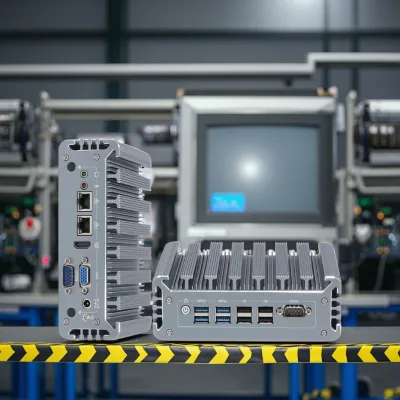
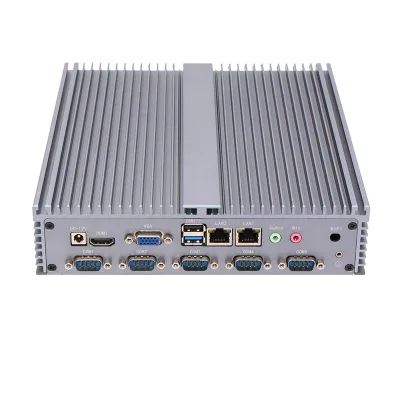
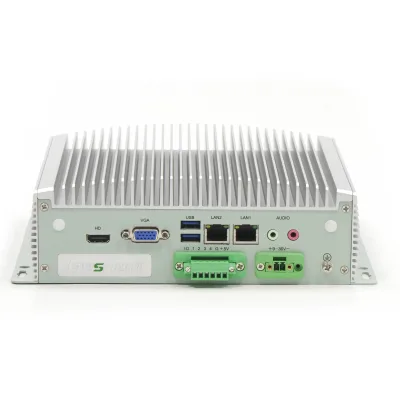
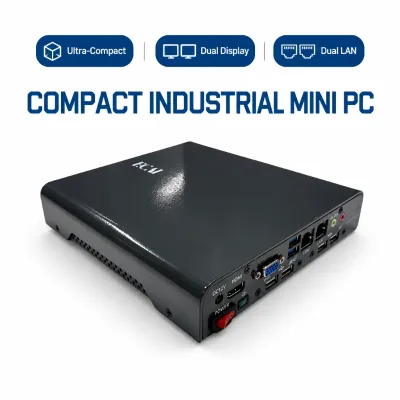
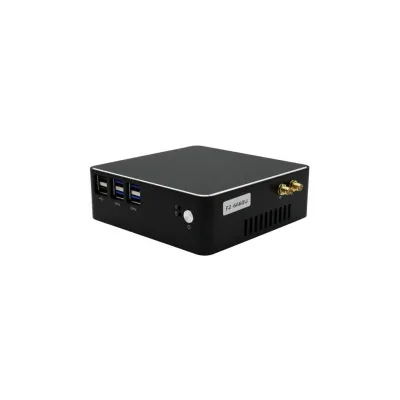
Durable Fanless PC Industrial Mini PC for Low-Temperature Applications
$277.00 - $296.00
MOQ: 1 Pieces
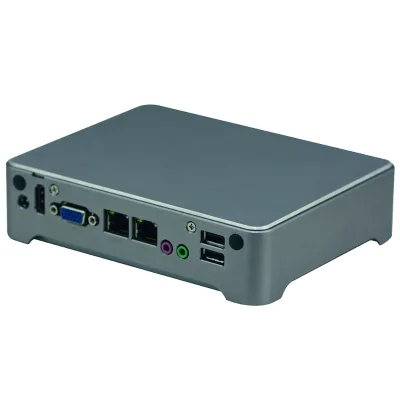
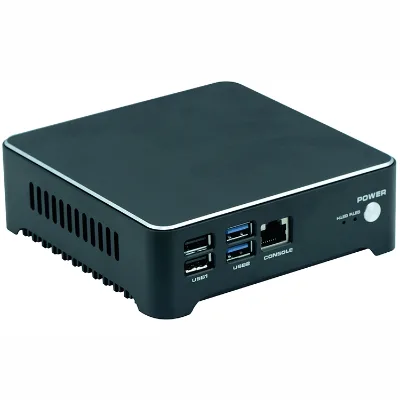
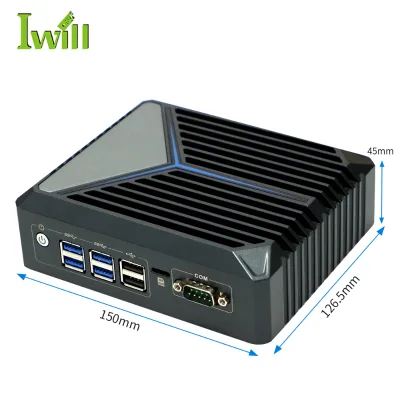
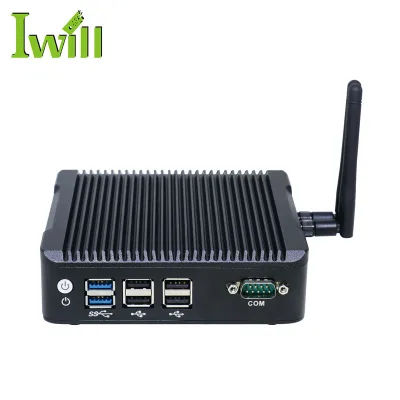
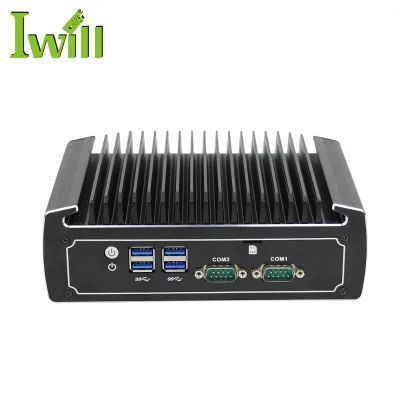
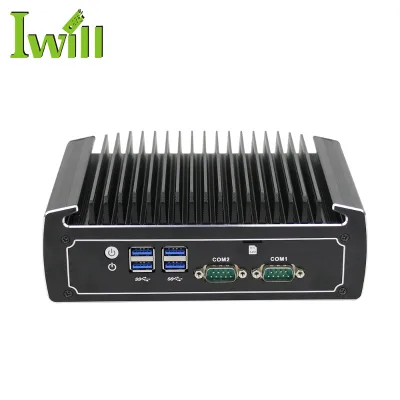
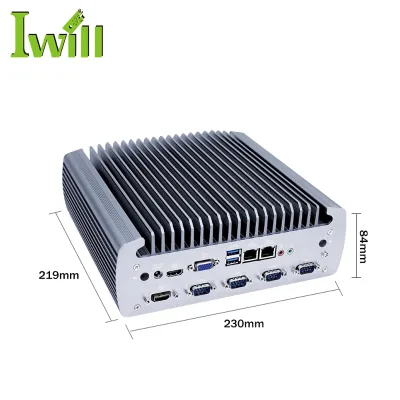
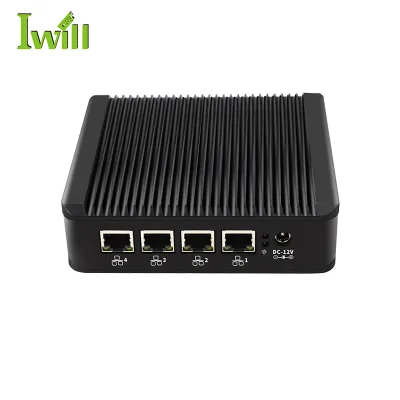
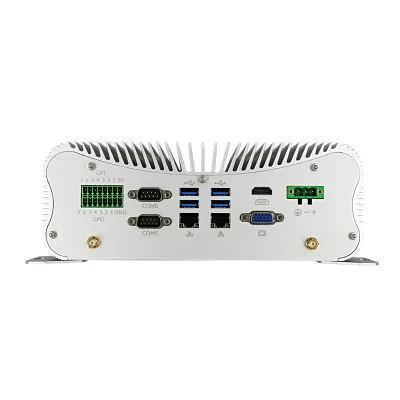
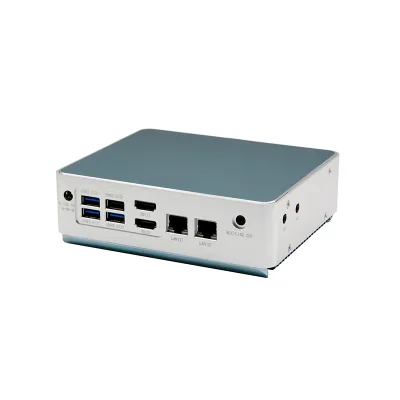
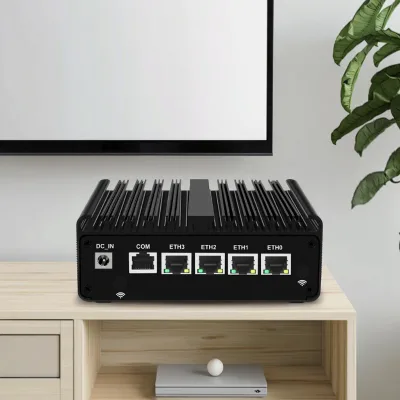
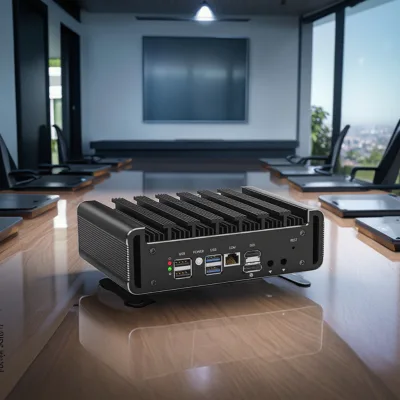
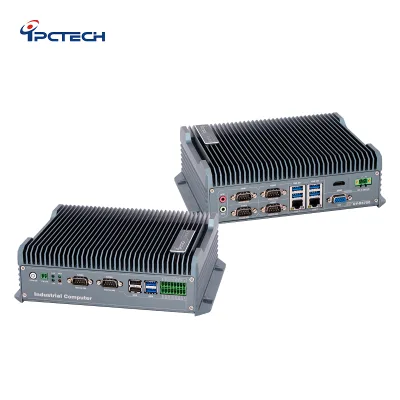
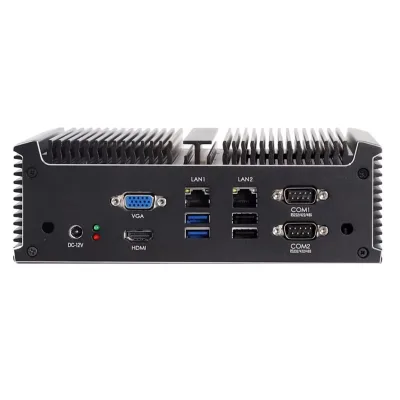
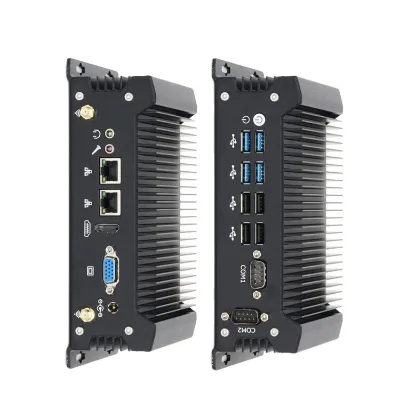
OEM 6th.Generation I5 I7 Processor Fanless Mini BOX PC Embedded Edge Computer
$372.00 - $488.00
MOQ: 1 pieces
Comprehensive Sourcing Guide
Fanless Mini PC Sourcing Guide
Sourcing fanless mini PCs requires a disciplined approach to balancing thermal management, processing power, and industrial durability. These compact computing units are engineered for environments where active cooling fans are impractical due to dust, debris, or noise constraints. Buyers must prioritize models that demonstrate robust passive heat dissipation capabilities while maintaining stable performance under continuous operation. The absence of moving parts significantly reduces mechanical failure rates, making these systems ideal for harsh or uncontrolled settings.
Procurement teams should focus on verifying the specific thermal design power and chassis material quality, as these factors directly influence long-term reliability. It is essential to align the selected hardware with the intended deployment environment, ensuring that the unit can withstand expected temperature fluctuations and physical stresses. By carefully evaluating the thermal architecture and build quality, organizations can secure computing solutions that offer high availability and minimal maintenance overhead in critical operational scenarios.
Product Scope and Observed Listing Signals
The current market for fanless mini PCs presents a diverse range of configurations tailored for industrial and specialized applications. Listings indicate a price range of $73 to $488 USD, with minimum order quantities typically spanning from 1 to 10 units. This variability suggests that buyers can access both single-unit prototypes and small-batch production runs without significant volume commitments. The observed data highlights a flexible supply chain capable of accommodating diverse procurement needs, from immediate replacement parts to initial deployment batches.
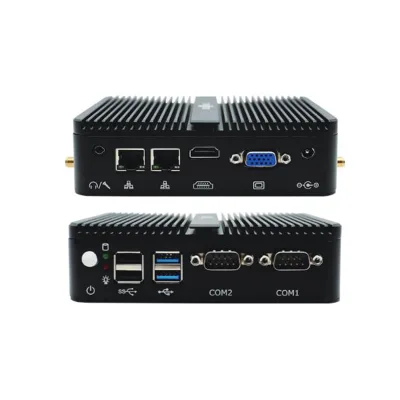
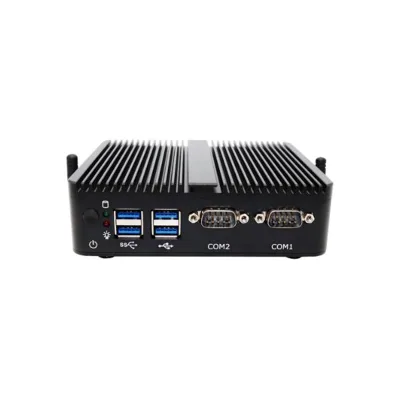
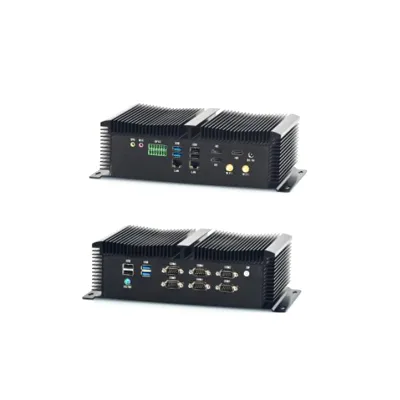
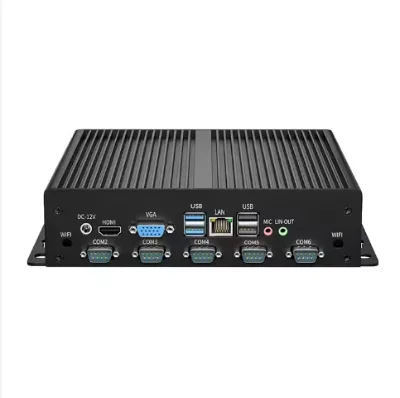
Key product attributes frequently observed include Intel processors, specifically Celeron and Core i3/i5/i7 series, paired with 8GB of RAM and 128GB SSD storage. Many units feature M.2 expansion slots and support for both Windows and Linux operating systems, providing software flexibility. Display outputs often include HDMI and VGA ports, catering to legacy and modern monitor interfaces. These specifications collectively define a baseline for entry-level to mid-range industrial computing, emphasizing connectivity and processing versatility over high-end graphical performance.
Technical Specifications to Verify
When evaluating technical specifications, buyers must confirm the processor generation and core count to ensure adequate performance for the intended workload. Listings show variations such as 4th/5th Gen and 8th/10th Gen Intel processors, with some models featuring Quad Core architectures. It is critical to verify the exact chipset type, such as Elkhart Lake, as this influences instruction set support and power efficiency. Additionally, confirm the presence of integrated graphics, like Intel UHD Graphics, which are sufficient for most industrial HMI and monitoring tasks but may not support heavy graphical rendering.
Storage and expansion capabilities require careful scrutiny to match future scalability needs. Many units offer a combination of M.2 2280 slots and 2.5-inch HDD or SSD bays, allowing for flexible storage configurations. Buyers should also verify the operating temperature range, with observed specifications spanning from -20°C to 60°C or -20°C to 70°C. Ensuring the unit can operate within the specific environmental conditions of the deployment site is vital to prevent thermal throttling or hardware failure. Confirming the mounting options, such as VESA wall-mount or desktop placement, is also essential for physical integration.
Compliance and Safety Documentation
Compliance documentation is a critical component of the procurement process, ensuring that the hardware meets regional safety and electromagnetic interference standards. Buyers should request certificates for electrical safety, such as CE, FCC, or RoHS, depending on the target market. Although some listings mention "other" standards, it is imperative to clarify which specific regulatory frameworks the manufacturer adheres to. This verification prevents potential customs delays and ensures that the equipment can be legally deployed in regulated industrial environments.
Power supply compatibility is another area requiring detailed documentation. Listings indicate support for various plug types, including US, JP, CN, AU, UK, and EU standards, which simplifies global deployment. However, buyers must verify the input voltage range and frequency tolerance to ensure compatibility with local power grids. Additionally, confirm whether the power supply is included as an accessory or sold separately, as this impacts the total cost of ownership. Clear documentation of power specifications helps avoid electrical mismatches that could damage the unit or pose safety hazards.
Cost Drivers and Commercial Terms
Several factors influence the final cost of fanless mini PCs, including processor generation, memory capacity, and storage configuration. Higher-end models with 8th/10th Gen Intel processors and larger SSDs command premium prices within the observed $73-$488 range. Buyers should assess whether the additional performance justifies the cost increase for their specific application. Customization options, such as pre-installed operating systems or specific port configurations, may also affect pricing, so it is important to clarify these details during the quoting phase.
Commercial terms, including minimum order quantities and lead times, vary among suppliers. The observed MOQ range of 1-10 units suggests flexibility for small-scale procurement, but buyers should confirm if volume discounts are available for larger orders. Payment terms, shipping methods, and warranty periods are also key components of the commercial agreement. Understanding these terms helps in budgeting accurately and planning inventory levels. Buyers should negotiate clear return policies and support SLAs to mitigate risks associated with hardware defects or compatibility issues.
Supplier Qualification and Quality Control
Supplier qualification involves verifying the manufacturer's production capabilities and quality assurance processes. Buyers should inquire about the supplier's experience in manufacturing industrial-grade computing hardware and their track record with similar clients. Factories located in regions like Guangdong, China, often have established supply chains for electronic components, but it is essential to confirm their quality control protocols. Requesting samples for testing before placing bulk orders is a prudent step to validate build quality and performance stability.
Quality control measures should include rigorous thermal testing, vibration resistance checks, and long-term burn-in procedures. Buyers should ask for test reports or certification of these processes to ensure the units can withstand industrial environments. Additionally, verify the supplier's ability to provide consistent component sourcing, as shortages can lead to performance variations between batches. Establishing a clear communication channel for technical support and after-sales service is also crucial for maintaining operational continuity and addressing any issues that arise post-deployment.
Long-Term Procurement Checks
Long-term procurement success depends on the supplier's ability to provide consistent product availability and technical support over time. Buyers should assess the supplier's roadmap for product updates and component lifecycle management to ensure that replacement parts and compatible upgrades will be available. This is particularly important for industrial deployments where system downtime is costly. Confirming the availability of firmware updates and driver support for the specific operating systems in use is also essential for maintaining security and functionality.
Regular performance monitoring and periodic re-evaluation of supplier metrics are recommended to ensure ongoing satisfaction. Buyers should track key performance indicators such as defect rates, delivery punctuality, and response time to technical inquiries. Establishing a feedback loop with the supplier can help identify areas for improvement and strengthen the partnership. By maintaining a proactive approach to supplier management, organizations can mitigate risks and ensure that their Fanless Mini PC deployments remain reliable and efficient throughout their operational lifespan.
FAQs
What processor options are available for the GW100 Fanless Mini PC?
The GW100 Fanless Mini PC supports Intel processors across multiple generations. Buyers can select from 4th or 5th generation models or upgrade to 8th and 10th generation variants. These options include Intel Core i3, i5, and i7 configurations to match specific industrial computing performance requirements.
Can the Fanless Mini PC operate in extreme industrial temperatures?
Yes, the device is designed for industrial applications with a wide operating temperature range. It functions reliably between -20°C and 60°C. Additionally, the storage environment tolerance extends up to 70°C, ensuring stable performance in harsh factory or outdoor environments without active cooling.
What storage and expansion slots does the system provide?
The system features an M.2 slot for SSD expansion and a 2.5-inch bay for HDD or SSD installation. It supports up to 128GB SSD storage capacity. The partition hard disk rack type allows for flexible data management, while the board type design ensures compact integration.
Which display ports are included on the mainboard?
The mainboard includes one VGA port and one HDMI port for video output. It supports high resolutions up to 4096x2160 at 60Hz using integrated Intel UHD graphics. This configuration allows connection to standard monitors or industrial displays without requiring additional video cards.
Is customization available for the industrial Fanless Mini PC?
Customization is available to meet specific project needs. Buyers can configure the operating system to run either Windows or Linux. The product also supports various plug types including US, JP, CN, AU, UK, and EU standards, ensuring compatibility with global power infrastructure.
What mounting options are supported for installation?
The unit supports both wall-mounted and desktop mounting options. This flexibility allows for easy integration into various industrial setups. The compact design and included accessories facilitate secure placement in control cabinets or on workstations, ensuring stability during continuous operation in demanding environments.