Source Polarized PC Sunglasses for Women for Daily Wear, Driving, and Beach
Compare 30 listings of Polarized PC Sunglasses for Women featuring full-frame and square designs with UV protection. Buyers can evaluate frame materials like PC and acetate, lens options, and customization availability for fashion or casual styles.
Key considerations
Products List

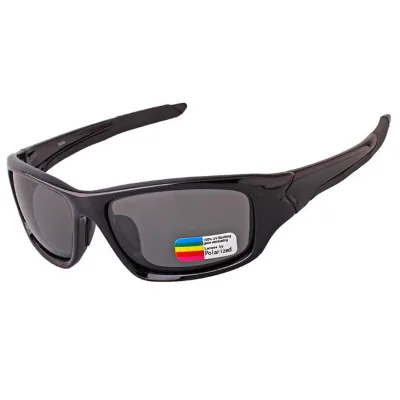


Trendy Women's Oversized Shades Sunglasses with PC Lenses and UV400 Protection
$4.70 - $5.50
MOQ: 1200 Pieces


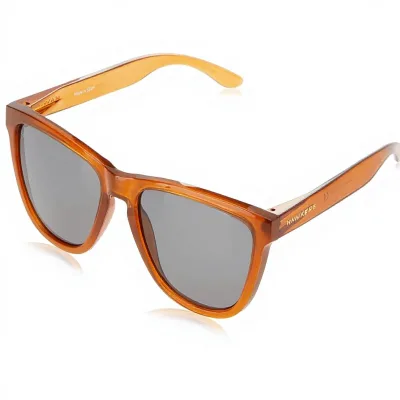


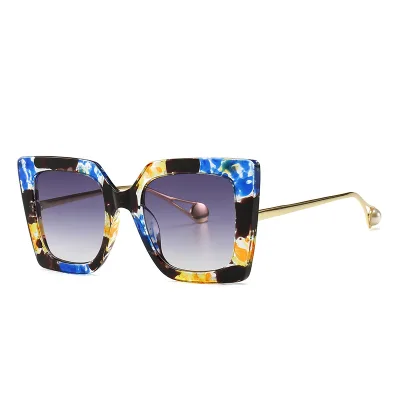

Comprehensive Sourcing Guide
Strategic Sourcing Guide for Polarized PC Sunglasses for Women
Understanding the Core Product Attributes and Material Science
When sourcing Polarized PC Sunglasses for Women, the primary focus must be on the intersection of material durability, optical performance, and aesthetic design. Polycarbonate (PC) has emerged as a dominant material in this category due to its exceptional impact resistance and lightweight properties, making it ideal for active lifestyles and daily wear. The supplied product data confirms that PC frames are a standard offering, often paired with polarized lenses to reduce glare. This combination is particularly relevant for female buyers seeking a balance between safety and style.
The frame construction for these products typically falls into the "Full Frame" category, providing structural integrity and a complete aesthetic boundary. The data indicates a "One-Piece" nose support design in specific models, which offers a seamless look and often enhances comfort by distributing weight evenly across the bridge of the nose. However, buyers must remain vigilant as other variations in the market may utilize "Non-Integrated" nose supports or different materials like Acetate or Alloy. The distinction between PC and Acetate is critical; while PC offers high impact resistance and a modern, sporty feel, Acetate provides a premium, matte finish often associated with "Casual" or "Vintage" styles.
The lens technology is equally significant. The core requirement for "polarized" functionality involves the use of TAC (Triacetate Cellulose) or similar laminated films that filter horizontal light waves. The observed product specifications list "Polarized" as a key optical attribute, with lens colors ranging from "Polarized Grey" to "Polarized Green." These colors serve different functional purposes; grey lenses maintain true color perception, while green lenses enhance contrast. Buyers should verify that the polarization is inherent to the lens material or a high-quality coating, rather than a superficial tint, to ensure effective glare reduction.
Technical Specifications and Design Variations
Technical specifications for Polarized PC Sunglasses for Women vary significantly based on the intended use case, ranging from general fashion to specific optical applications. The supplied data reveals a diverse array of frame shapes, including "Circular" and "Square" designs. Circular frames often align with "Fashion" and "Vintage" trends, while square frames may cater to a more "Casual" or structured aesthetic. The size specifications provided, such as "53-14-140 mm" or "53-17-142 mm," represent the standard lens width, bridge width, and temple length. These dimensions are crucial for ensuring a proper fit for different face shapes, including "Round Face" and "Women" specific fits.
The weight of the product is another critical technical factor. One observed specification lists a standard weight of "33g," highlighting the lightweight nature of PC frames. This low weight is a significant advantage for all-day wear, reducing fatigue on the nose and ears. However, buyers should not assume all products in this category meet this specific weight standard. The frame material composition directly influences the final weight; for instance, Alloy frames may offer a different weight profile compared to PC or Plastic alternatives.
Design customization is a prevalent feature in this sector. The data indicates that logo customization is "Available" when the total quantity reaches 100 pieces. This threshold is a common industry benchmark for private labeling. Furthermore, the "Style" attribute varies from "Fashion" to "Vintage" and "Stylish Shape," indicating that buyers can source products that align with specific brand identities. The "Lenses Optical Attribute" is consistently noted as "UVStyle," suggesting that UV protection is a standard inclusion, though the specific UV rating (e.g., UV400) should be verified with the supplier.
Compliance, Certification, and Safety Standards
In the B2B procurement of eyewear, compliance with safety and optical standards is non-negotiable. While the supplied data mentions "prod_standard" values like "53-17-142" or "33g," these appear to be internal model identifiers or weight specifications rather than international safety certifications. Buyers must independently verify that the products comply with relevant regional standards, such as ANSI Z80.3 in the United States or EN ISO 12312-1 in Europe. These standards govern impact resistance, UV protection levels, and optical clarity.
The "Polarized" claim requires specific verification. A polarized lens must effectively block a significant percentage of horizontal light. Buyers should request test reports or certification documents that confirm the polarization efficiency. Additionally, the "UVStyle" attribute mentioned in the data implies UV protection, but the exact wavelength range (e.g., blocking 99% to 100% of UVA and UVB) must be explicitly stated in the product documentation. Without this verification, the product may not offer adequate eye protection, posing a liability risk.
Regarding the "Frame Material," PC is generally recognized as a safe material for eyewear due to its shatter-resistant properties. However, if the product includes metal components like "Alloy" frames, buyers should check for compliance with regulations regarding heavy metals (such as lead or cadmium) in coatings and plating. The "prod_origin" is listed as "Zhejiang, China" or "Taizhou, Zhejiang," regions known for eyewear manufacturing. While these regions have robust supply chains, the origin itself does not guarantee compliance. Buyers must ensure that the specific factory or supplier holds the necessary quality management system certifications, such as ISO 9001, to ensure consistent adherence to safety standards.
Cost Drivers and Pricing Dynamics
The pricing of Polarized PC Sunglasses for Women is influenced by several key factors, including material costs, customization levels, and order volume. The observed price range in the market spans from $0.60 to $53.67 USD, a wide variance that reflects differences in quality, brand positioning, and feature sets. The lower end of this spectrum typically corresponds to basic PC frames with standard polarized lenses and minimal customization. The higher end likely includes premium designs, advanced optical coatings, or complex frame structures involving mixed materials like Acetate and Alloy.
Customization is a primary cost driver. The data indicates that logo customization is available for orders of 100 pieces or more. This suggests that the unit cost will be lower for bulk orders that include branding, as the setup costs for mold modifications or printing are amortized over a larger quantity. Conversely, small orders or those requiring unique frame shapes and colors may incur higher per-unit costs. The "MOQ" (Minimum Order Quantity) range observed is from 2 to 5000 pieces. A lower MOQ of 2 pieces allows for sampling and small-batch testing, while higher MOQs of 5000 pieces are typical for large-scale distribution contracts.
Lead times also impact the overall cost structure. The observed delivery times range from "7-10 Days After Order Confirmed" to "10-15 Days." Expedited shipping or rush orders often carry a premium. Buyers should factor in these lead times when planning their inventory cycles to avoid stockouts. The "prod_packing" specifications, such as "1PCS/OPP Bag" or "12 Pieces/Box," also affect logistics costs. Custom packaging solutions, such as branded boxes or specialized cartons, will increase the unit price but may be necessary for retail presentation.
Typical Applications and Market Segmentation
Polarized PC Sunglasses for Women serve a broad range of applications, from casual daily wear to specialized outdoor activities. The "Usage" attributes listed include "For Reading Glasses" and "For Optical," indicating that some models are designed to accommodate prescription lenses. This versatility makes them suitable for a wide demographic, including women who require vision correction alongside sun protection. The "Suitable for" attributes, such as "Woman," "Unisex," and "Round Face," highlight the importance of fit and style in market segmentation.
The "Style" categories, including "Fashion," "Casual," and "Vintage," suggest that these products cater to different fashion sensibilities. "Fashion" sunglasses often feature bold colors and trendy shapes, appealing to consumers looking to make a style statement. "Casual" styles are more practical and comfortable, suitable for everyday activities. "Vintage" designs may incorporate retro elements like round frames or specific color palettes like "Green" lenses. The "Type" attribute, such as "Visor Sunglasses" or "Full Frame Sunglasses," further defines the application. Visor styles are often associated with sports or high-glare environments, while full-frame designs offer comprehensive protection and a classic look.
The "Lenses Color" options, such as "Black frame/polarized grey" or "Coffee frame/polarized grey," indicate that color coordination is a key selling point. Buyers should consider the target market's preferences for frame and lens colors when selecting products. For instance, neutral colors like black and grey may have broader appeal, while unique colors like green or coffee may target niche fashion segments. The "Design" attribute, specifically "PC frame / Polarized lens," confirms that the core value proposition is the combination of durability and optical performance.
Supplier Evaluation and Quality Control Protocols
Evaluating suppliers for polarized PC sunglasses requires a rigorous approach to ensure product consistency and reliability. The "prod_origin" data points to manufacturers in Zhejiang and Taizhou, China, regions with established eyewear industries. However, buyers should not rely solely on geographic reputation. Instead, they must conduct thorough due diligence on individual suppliers. Key evaluation criteria include the supplier's production capacity, quality control processes, and ability to meet customization requirements.
Quality control (QC) is paramount in eyewear manufacturing. Buyers should implement a multi-stage QC protocol that includes pre-production checks, in-process inspections, and final random sampling. Pre-production checks should verify that the raw materials, such as PC and TAC lenses, meet the specified standards. In-process inspections should monitor the molding, assembly, and lens polarization process to ensure consistency. Final random sampling should test for optical clarity, polarization efficiency, frame durability, and UV protection levels.
The "prod_packing" specifications, such as "12 Pieces/Box" and "300 Pieces/Carton," provide insight into the supplier's packaging capabilities. Buyers should verify that the packaging is robust enough to prevent damage during transit. Additionally, the "Logo" availability for orders over 100 pieces suggests that the supplier has the capability for branding. Buyers should request samples of the customized logo application to ensure quality and accuracy.
Long-Term Procurement Considerations and Supply Chain Resilience
Long-term procurement of Polarized PC Sunglasses for Women involves strategic planning to ensure supply chain resilience and cost efficiency. The "Delivery Time" of 7-15 days is relatively short, but buyers should account for potential delays due to raw material shortages or logistical disruptions. Building a relationship with a reliable supplier who can maintain consistent quality and lead times is essential.
The "Small Orders: Accepted" attribute indicates flexibility in order sizes, which is beneficial for buyers testing new markets or managing inventory carefully. However, for long-term growth, buyers should aim to consolidate orders to leverage economies of scale. The "MOQ" range of 2 to 5000 pieces allows for a phased approach, starting with small orders and scaling up as demand increases.
Sustainability is an emerging consideration in the eyewear industry. While the supplied data does not explicitly mention eco-friendly materials, buyers should inquire about the environmental impact of the PC and TAC materials used. Suppliers who adopt sustainable practices, such as using recycled materials or reducing waste in the production process, may offer a competitive advantage in the market.
Finally, buyers should maintain a clear understanding of the "prod_model" numbers, such as "8338," "FG1646," and "FT 101," to ensure accurate communication and inventory management. These model numbers serve as unique identifiers for specific product configurations. By maintaining a detailed record of these models and their associated specifications, buyers can streamline their procurement process and ensure they are ordering the correct products for their specific needs.
FAQs
Can I customize the logo on these sunglasses?
Logo customization is available when the total order quantity reaches 100 pieces. This threshold allows for private labeling without requiring excessive minimums for standard stock items.
What is the delivery time for these orders?
Delivery typically takes 7 to 10 days after the order is confirmed for standard models. Some variations may require 10 to 15 days depending on specific production schedules and customization needs.
Which frame materials are used for these sunglasses?
The frames are primarily made from Polycarbonate (PC) or Acetate materials. PC offers high impact resistance while Acetate provides a premium finish suitable for casual and vintage styles.
What is the minimum order quantity for these products?
The minimum order quantity ranges from 2 to 5000 pieces depending on the supplier and specific product model. Small orders are accepted, but bulk pricing often applies for larger quantities.
Where are these sunglasses manufactured?
These products originate from manufacturing hubs in Zhejiang, China, including Taizhou. This region is known for established eyewear supply chains capable of handling various order sizes.
What lens optical attributes do these sunglasses have?
The lenses feature polarized technology with UV protection to reduce glare. Lens colors include polarized grey and polarized green, suitable for various lighting conditions and fashion preferences.
How are these sunglasses packaged for shipment?
Standard packaging includes one piece per OPP bag, twelve pieces per inner box, and three hundred pieces per carton. Custom packaging options like carton boxes are also available for bulk orders.