Source Adjustable Shoulder Egghead Mannequin for Retail
Find Adjustable Shoulder Egghead Mannequin options for clothing shops, markets, and window displays. Compare 30 fiberglass models with matte finishes, stainless steel bases, and customizable heights to suit your retail needs.
Key considerations
Products List


Fiberglass Abstract Hands Adjustable Full Body Male Mannequin with Head
$86.00 - $95.00
MOQ: 20 Pieces


Velvet Female Mannequin with Gold Silver Arms Adjustable Half Body Mannequin
$36.00 - $45.00
MOQ: 20 pieces


Tailor Mannequin Female Dress Form Tailoring Half Body Mannequin with Cage
$110.00 - $120.00
MOQ: 20 Pieces


Full Body Standing Female Mannequins for Window Display Dummy Mannequins
$52.00 - $68.00
MOQ: 20 Pieces


Customized Fashion Store Window Display Egg Head No Wig Flexible Mannequin
$30.00 - $300.00
MOQ: 1 Pieces
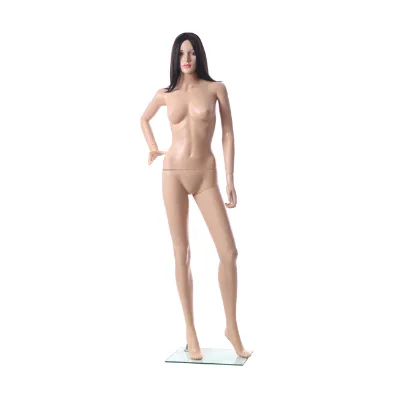


$4.60 - $5.20
MOQ: 10 Pieces


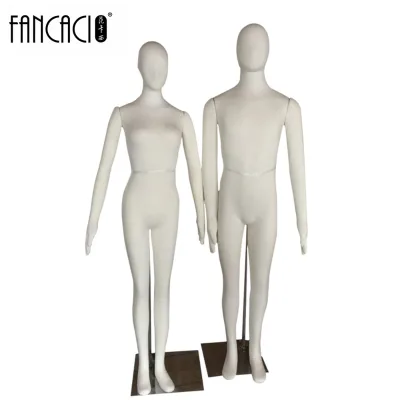
Comprehensive Sourcing Guide
Adjustable Shoulder Egghead Mannequin Sourcing Guide
Sourcing adjustable shoulder egghead mannequins requires a careful balance between aesthetic versatility and structural stability, particularly for retail environments that demand frequent visual updates. The "egghead" design, characterized by a smooth, featureless head, is a staple in modern fashion retail because it directs attention to the garment rather than the model’s expression. When combined with adjustable shoulders, these mannequins offer retailers the flexibility to accommodate a wide range of clothing silhouettes, from structured blazers to draped dresses, without needing an extensive inventory of specialized forms. This guide outlines the critical verification steps, technical considerations, and commercial terms necessary to secure high-quality units that align with your brand’s visual identity and operational needs.
The procurement process for these display fixtures involves navigating a market where customization is prevalent, yet quality standards can vary significantly between suppliers. Buyers must distinguish between generic mass-produced items and those built with durable materials like fiberglass or high-grade fiber, which offer better longevity and a premium finish. Understanding the specific attributes of the mannequin, such as surface texture, base stability, and the mechanism for shoulder adjustment, is essential for making informed purchasing decisions. This guide focuses on evidence-based verification steps to ensure that the selected mannequins meet both functional requirements and aesthetic expectations for your retail space.
Product Scope and Observed Listing Signals
The current market for adjustable shoulder egghead mannequins presents a diverse range of options, with observed price points spanning from $1 to $300 USD, reflecting variations in material quality, customization depth, and included accessories. Minimum Order Quantities (MOQs) typically range from 1 to 100 units, allowing both small boutiques and large retail chains to procure suitable quantities without excessive inventory risk. Listings often highlight features such as matte white or gray finishes, which are popular for their neutral backdrop that enhances clothing colors. Buyers should note that while many suppliers offer OEM services, the specific model numbers and standard heights, such as 187cm or 190cm, vary by manufacturer, requiring careful cross-referencing of specifications before placing orders.
Observed listing signals indicate a strong emphasis on customization, with many suppliers offering adjustable sizes and colors to match specific brand guidelines. The presence of stainless steel bases is a common feature in higher-tier listings, providing the necessary weight and stability to prevent tipping when heavy garments are displayed. Additionally, the moveable parts, such as heads or hands, are frequently highlighted as key selling points, allowing for dynamic posing that adds life to window displays. However, buyers must verify these claims against actual product samples, as the term "adjustable" can refer to simple tilt mechanisms or more complex structural changes, impacting both the price and the ease of use for store staff.
Technical Specifications to Verify
Verifying the material composition is the first critical step in ensuring the longevity and aesthetic quality of the mannequin. Fiberglass and fiber materials are commonly cited, with fiberglass offering superior durability and a smoother surface finish suitable for high-traffic retail environments. Buyers should confirm the specific type of fiber or fiberglass used, as well as the surface treatment, such as matte white or matte surface finishes, which affect how light interacts with the display and how easily it can be cleaned. The standard height of the mannequin, often around 187cm or 190cm for adult female models, must be verified to ensure it aligns with your store’s visual merchandising standards and customer expectations.
The mechanism for shoulder adjustment and the stability of the base are technical aspects that directly impact the user experience and safety of the display. Adjustable shoulders should operate smoothly and securely hold their position without slipping, a feature that is crucial for maintaining the intended look of the outfit throughout the day. The base, often made of stainless steel or weighted materials, must be robust enough to support the mannequin’s height and the weight of the clothing. Buyers should also check the hanger type, whether floor-standing or wall-mounted, and ensure that the mounting hardware is compatible with your store’s infrastructure. Additionally, the presence of moveable parts, such as heads or hands, should be tested for durability and ease of repositioning.
Compliance and Safety Documentation
Safety and compliance are paramount when selecting mannequins for public retail spaces, particularly regarding fire resistance and structural integrity. Buyers should request documentation that verifies the mannequin’s compliance with relevant safety standards, such as SGS certification, which indicates that the product has undergone rigorous testing for quality and safety. This certification is a strong indicator of a supplier’s commitment to producing reliable and safe display fixtures. It is essential to ensure that the materials used, including the fiberglass or fiber and any adhesives or paints, meet local fire safety regulations to minimize risk in case of an emergency.
In addition to material safety, the structural stability of the mannequin must be verified to prevent accidents. The base should be designed to prevent tipping, especially when the mannequin is posed or when heavy garments are added. Buyers should inquire about the load-bearing capacity of the base and the stability of the adjustable shoulder mechanism under stress. Documentation should also include information on the product’s origin, such as manufacturing in Dongguan, China, which can provide insights into the supply chain and quality control processes. Ensuring that all compliance documents are up-to-date and verifiable is a critical step in mitigating liability and ensuring a safe shopping environment for customers.
Cost Drivers and Commercial Terms
The cost of adjustable shoulder egghead mannequins is influenced by several factors, including material quality, customization options, and the complexity of the adjustment mechanism. Higher-quality fiberglass and stainless steel bases typically command higher prices, while basic fiber models may be more cost-effective but less durable. Customization, such as specific colors, sizes, or branding, can also increase the unit price, as it requires additional production steps and materials. Buyers should request detailed quotes that break down these costs to understand the value proposition of each supplier and to identify any hidden fees that may affect the total cost of ownership.
Commercial terms, including lead times and sample availability, are critical for planning inventory and store openings. Typical lead times for production range from 15 to 20 days, while sample times are usually shorter, around 3 to 7 days. Buyers should confirm these timelines with the supplier and factor them into their procurement schedule to avoid delays. Minimum Order Quantities (MOQs) vary, with some suppliers requiring as few as 20 pieces, while others may have higher thresholds. Understanding these terms allows buyers to negotiate better pricing and terms, especially for larger orders, and to plan for potential variations in production schedules.
Supplier Qualification and Quality Control
Evaluating supplier qualification is essential to ensure that the mannequins meet your quality standards and delivery expectations. Buyers should verify the supplier’s experience in manufacturing display fixtures, their production capacity, and their quality control processes. Suppliers with a proven track record of producing high-quality mannequins, as indicated by certifications like SGS, are more likely to deliver consistent results. It is also important to assess the supplier’s ability to handle customization requests, as this can impact the final product’s quality and appearance. Requesting references or case studies from previous clients can provide additional insights into the supplier’s reliability and performance.
Quality control measures should be implemented throughout the production process to ensure that the final product meets the agreed-upon specifications. Buyers should request detailed quality control plans from the supplier, including inspection points for material quality, surface finish, and structural integrity. Pre-shipment inspections are highly recommended to verify that the mannequins meet all requirements before they are dispatched. Additionally, buyers should establish clear communication channels with the supplier to address any issues that may arise during production. Regular updates and transparent communication can help prevent misunderstandings and ensure that the final product aligns with your expectations.
Long-Term Procurement Checks
Long-term procurement success depends on establishing a sustainable relationship with suppliers who can consistently deliver high-quality products. Buyers should conduct regular performance reviews to assess the supplier’s reliability, quality, and responsiveness. This includes monitoring delivery times, product quality, and after-sales support. Suppliers who demonstrate a commitment to continuous improvement and customer satisfaction are more likely to be valuable long-term partners. Building a strong relationship with the supplier can also lead to better pricing, priority production, and access to new products and innovations.
In addition to supplier performance, buyers should regularly review their procurement strategies to ensure they align with changing market trends and retail needs. This includes evaluating the aesthetic appeal and functionality of the mannequins in the retail environment and gathering feedback from store staff and customers. Adjusting procurement specifications based on this feedback can help optimize the visual merchandising strategy and enhance the customer experience. Regularly updating the product portfolio with new styles and features can also keep the retail display fresh and engaging, driving sales and customer interest.
FAQs
Can the mannequin head be customized for different styles?
Yes, the head can be customized as the product supports full customization for colors and sizes. The specific model M040 offers a matte white finish with an abstract head design, while other models allow for water print transfer or gray finishes to match your shop requirements.
What is the minimum order quantity for these mannequins?
The minimum order quantity is 20 pieces for standard orders. This MOQ applies to the fiberglass mannequins sourced from Dongguan, China, ensuring you can stock your clothes shop or market with the required quantity of male or female full-body models.
How long does it take to receive samples of the mannequin?
Samples are typically ready within 3 to 7 days after the order is placed. This quick turnaround allows buyers to verify the matte surface finish and stainless steel base quality before committing to a larger production run for their retail display needs.
Which certifications do the fiberglass mannequins hold?
The products are certified by SGS to ensure quality and safety standards. This certification applies to the fiberglass material used in the construction, making them suitable for use in shopping malls and clothes shops where durability and compliance are essential for display purposes.
What is the standard height for the full-body mannequin?
The standard height is 190 centimeters for the primary model, though customized sizes are available. Some specific models like the F089A+TF-78 may have a height of 60 centimeters, so buyers should verify the exact specification required for their window display or floor-standing setup.
Can the mannequin be customized with OEM services?
Yes, OEM services are available to customize the mannequin according to specific buyer requirements. This includes adjusting the color, size, and features like the moveable head or hands, ensuring the final product fits the unique aesthetic of your clothing store or market display.
What is the lead time for bulk production orders?
The lead time for bulk production is 15 to 20 days from the confirmation of the order. This timeframe covers the manufacturing of the fiberglass mannequins in Dongguan, China, and their packing in carton boxes before shipping to the destination market.