Source Adjustable Silver Aluminum Quad Cane for Walking, Hiking, and Recovery
Find 30 listings for the Adjustable Silver Aluminum Quad Cane suitable for indoor and outdoor mobility support. Buyers can compare models like CRGZ803 and BME007, review load capacities up to 120kg, and evaluate customization options for logos and packaging.
Key considerations
Products List


OEM Aluminum Folding Quad Cane with LED Light Height Adjustable Walking Stick
$5.50 - $5.90
MOQ: 500 Pieces


Hot Sale Aluminum Quad Walking Cane with LED Light Portable Folding Stick3
$5.50 - $5.90
MOQ: 500 Pieces


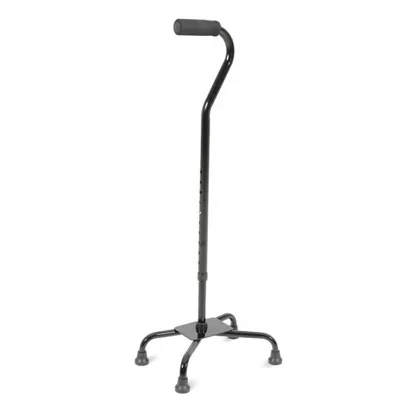
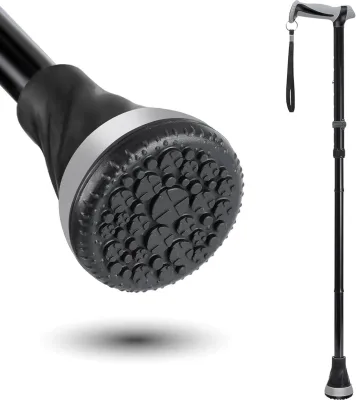
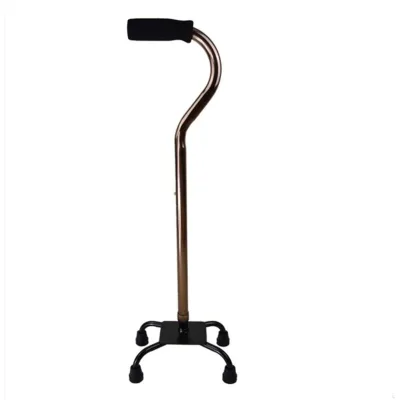


Comprehensive Sourcing Guide
Strategic Sourcing Guide for Adjustable Silver Aluminum Quad Canes
Understanding Product Specifications and Material Composition
When sourcing an Adjustable Silver Aluminum Quad Cane, the primary objective is to identify units that balance structural integrity with user-specific mobility needs. The core material for these devices is consistently identified as aluminum alloy or pure aluminum, a choice driven by the material's high strength-to-weight ratio. This composition ensures the cane remains lightweight for the user while maintaining the necessary rigidity to support significant body weight. The "silver" descriptor typically refers to the surface finish, which is achieved through anodization. This electrochemical process not only provides the aesthetic metallic sheen but also creates a hard, corrosion-resistant layer that protects the aluminum from oxidation and wear during daily use.
The defining characteristic of this product category is the adjustable height mechanism. Sourcing data indicates that height ranges vary by model, with specific product standards noting dimensions such as 71-92 cm, 73-95 cm, and 76-99 cm. These ranges are critical for ensuring the cane fits users of different statures. The adjustment mechanism must be robust, allowing for precise height setting without slippage. Furthermore, the "quad" designation refers to the base configuration, which features four feet rather than a single point. This multi-foot design provides a wider base of support, significantly enhancing stability for users with balance issues. The foot configuration can be observed as either single or multi-foots, with the quad variant specifically offering the four-point stability required for therapeutic applications.
Load capacity is another vital specification. While general mobility aids often support standard weights, specific product observations list load capacities ranging from 100 kg to 120 kg. Buyers must verify that the specific model selected meets the weight requirements of the intended user group, which is typically adults. The net weight of individual units is often minimal, with some specifications noting a weight as low as 0.25 kg, though this may vary based on the specific model and the inclusion of additional features like integrated lighting. The condition of the product is a critical differentiator in the market; while new units are the standard for medical procurement, some listings indicate used inventory, necessitating strict inspection protocols if considering refurbished stock.
Compliance, Certification, and Regulatory Standards
Navigating the regulatory landscape is essential for any B2B procurement of medical or mobility aids. The supply chain for adjustable aluminum canes often involves products certified under international standards. Common certifications observed in this category include CE (Conformité Européenne), ISO (International Organization for Standardization), and RoHS (Restriction of Hazardous Substances). These certifications indicate that the manufacturer adheres to specific safety, environmental, and quality management protocols. For products marketed with therapeutic claims, additional certifications such as FDA (Food and Drug Administration) or ISOCE may be present, suggesting compliance with specific medical device regulations.
The presence of these certifications is not merely a marketing feature but a prerequisite for market access in many regions. The CE mark, for instance, is mandatory for products sold within the European Economic Area, confirming that the cane meets EU safety, health, and environmental requirements. Similarly, ISO certification implies that the manufacturer follows a quality management system, which is crucial for ensuring consistent product quality across batches. Buyers should verify that the certification documents are current and applicable to the specific model number being procured, such as CRGZ803, BME007, or BME40022.
It is important to distinguish between general product certifications and specific medical device clearances. While some listings mention "Electrotherapeutics" or "Analgesia" functions, these claims require rigorous validation. If a cane is marketed with a "Waking Stick" function or integrated lighting, the electrical components must comply with relevant safety standards, such as RoHS, to ensure they do not contain hazardous materials. The "Theory" of operation, such as electrotherapeutics, must be backed by valid clinical evidence or regulatory approval in the target market. Procurement teams must request copies of these certificates and verify their authenticity with the issuing bodies before finalizing any order.
Cost Drivers and Pricing Dynamics
The pricing structure for adjustable silver aluminum quad canes is influenced by several variables, including material costs, manufacturing complexity, and order volume. The observed price range in the market spans from $0.01 to $10.50 USD, a wide spectrum that reflects the diversity of product quality, feature sets, and supplier tiers. The lower end of this range often corresponds to basic models with minimal features, potentially used or refurbished units, or bulk orders of standard configurations. Conversely, the higher end typically includes models with advanced features such as integrated LED lights, specialized packaging, or custom branding.
Minimum Order Quantity (MOQ) is a significant factor in the total cost of procurement. Suppliers often set MOQs to ensure production efficiency, with observed values ranging from 1 to 1,000 pieces, and specific models requiring 200 or 300 pieces. Ordering quantities that meet or exceed these thresholds can significantly reduce the unit price. For buyers requiring smaller quantities, the per-unit cost may be higher, or they may need to consolidate orders with other buyers to meet the supplier's MOQ.
Additional cost drivers include customization options. The availability of OEM (Original Equipment Manufacturer) and ODM (Original Design Manufacturer) services allows buyers to customize the product's appearance, logo, and packaging. Customized logos and colors are widely accepted, but these services often incur additional setup fees or higher unit costs. The packaging type, whether standard boxes, cartons, or specialized protective packaging, also impacts the final price. For instance, a carton containing 50 pieces may offer better logistics efficiency than individual box packaging, influencing the overall shipping and handling costs.
Typical Applications and User Scenarios
Adjustable silver aluminum quad canes are designed for a variety of applications, primarily focused on mobility support and stability enhancement. The primary user group is adults who require assistance with walking due to age-related balance issues, recovery from injury, or chronic conditions. The multi-foot design is particularly beneficial for users who need a wider base of support to prevent falls. The adjustable height feature ensures that the cane can be tailored to the user's specific arm length and posture, promoting proper ergonomics and reducing strain on the shoulders and back.
Beyond basic mobility, these canes serve therapeutic roles. Some models are marketed with "Analgesia" functions or based on "Electrotherapeutics" theories, suggesting they may be used in rehabilitation settings to provide sensory feedback or pain relief. The integration of lighting features, such as an attached light, extends the utility of the cane to low-light environments, enhancing safety for users navigating stairs or dimly lit areas. The "Waking Stick" designation implies a specific use case where the device might be used to assist in waking or alerting a user, though this requires careful verification of the intended medical application.
The versatility of the product is further enhanced by its ability to be customized for different types of users. The "Different Type" classification suggests that manufacturers offer various configurations to suit specific needs, such as single-foot versus multi-foot bases, or different handle designs. The "Folded" attribute is noted as "Non-Folding" for many models, indicating that these are rigid structures that prioritize stability over portability. This makes them ideal for home use or institutional settings where the cane remains in a fixed location, rather than for users who require a highly portable, collapsible aid.
Supplier Evaluation and Sourcing Strategy
Evaluating suppliers for adjustable aluminum quad canes requires a multi-faceted approach that goes beyond price comparison. The geographic origin of the products is a key indicator of supply chain reliability. Most observed products originate from China, with specific regions like Jiangsu noted as manufacturing hubs. This concentration of production suggests a mature supply chain with established logistics networks, but it also necessitates due diligence regarding the specific factory's capabilities and reputation.
Buyers should prioritize suppliers that offer OEM/ODM services and support customized logos. This flexibility indicates a manufacturer's ability to adapt to specific brand requirements and market demands. The availability of payment terms such as TT (Telegraphic Transfer) and LC (Letter of Credit) provides financial security and flexibility for international transactions. When evaluating potential partners, it is crucial to assess their production capacity and lead times, although specific lead time data may vary and should be confirmed directly with the supplier.
The condition of the product is another critical evaluation criterion. While new products are the standard for medical procurement, the presence of used items in the market requires careful scrutiny. Buyers must establish clear criteria for accepting used goods, including inspection protocols for wear and tear, structural integrity, and hygiene. For new products, verifying the "New" condition status and ensuring that the packaging (Carton or Box) is intact and suitable for long-term storage is essential.
Quality Control and Long-Term Procurement Considerations
Implementing a robust quality control (QC) strategy is vital for maintaining the safety and efficacy of adjustable aluminum quad canes. Given the load capacity requirements of 100 kg to 120 kg, regular stress testing is necessary to ensure the cane can withstand the intended weight without failure. The anodized surface treatment should be inspected for uniformity and durability, as any defects could lead to corrosion or aesthetic degradation over time. The adjustment mechanism must be tested for smooth operation and secure locking at various height settings, particularly within the specified ranges of 71-99 cm.
Long-term procurement considerations involve building a sustainable relationship with suppliers who can guarantee consistent quality and supply continuity. Buyers should request sample units for independent testing before placing large orders. This allows for verification of the product's physical attributes, such as the net weight, material composition, and the functionality of any integrated features like lights or electrotherapeutic components. Establishing clear communication channels regarding order status, packaging requirements, and shipping logistics will help mitigate risks associated with international trade.
Furthermore, buyers should consider the lifecycle of the product. Aluminum alloy is durable, but the moving parts in the adjustment mechanism may require maintenance or replacement over time. Sourcing suppliers who offer spare parts or have a clear warranty policy can add significant value to the procurement process. The standard packaging, such as cartons containing 50 pieces, should be evaluated for its ability to protect the product during transit and storage. Ensuring that the packaging meets the needs of the end-user, whether for retail display or institutional use, is a key aspect of a successful procurement strategy. By focusing on these technical and operational details, buyers can secure a reliable supply of high-quality adjustable silver aluminum quad canes that meet the diverse needs of their customers.
FAQs
What certifications do adjustable silver aluminum quad canes have?
These canes typically hold CE, ISO, and RoHS certifications. Some models also feature FDA or ISOCE marks, ensuring compliance with international safety and quality standards for medical and mobility aids.
Which height ranges are available for these aluminum canes?
Available height standards range from 71-92 cm up to 76-99 cm depending on the specific model. Buyers should verify the exact specification against the user's stature to ensure proper ergonomic support and stability.
Can these canes support heavy loads up to 120 kg?
Yes, specific models support a maximum weight capacity of 120 kg, while others are rated for 100 kg. Users must confirm the load capacity matches their body weight to ensure safety during daily use.
How is the aluminum alloy surface treated for durability?
The aluminum alloy surface undergoes an anodized treatment to create a hard, corrosion-resistant layer. This process provides a silver finish and protects the cane from oxidation and wear during extended indoor or outdoor use.
What customization options are available for logos and colors?
Suppliers accept customized logos and offer color customization for these products. OEM and ODM services are available, allowing buyers to tailor the appearance and branding to meet specific market requirements.
What is the typical minimum order quantity for these canes?
Minimum order quantities vary, with some models requiring 200 pieces and others 300 pieces. Buyers should plan their procurement strategy to meet these thresholds to secure standard pricing and production slots.
Are these canes available in new or used conditions?
Products are available in both new and used conditions. While new units are standard for medical procurement, used inventory exists and requires strict inspection protocols regarding structural integrity and hygiene before purchase.