Source Adjustable Silver Toggle Clamp for Vehicle, Cabinet, and Equipment
Find 30 Adjustable Silver Toggle Clamp options for vehicle, cabinet, and mechanical equipment applications. Compare specifications like bearing capacity, material, and finish to select the right heavy-duty clamp for your industrial needs.
Key considerations
Products List


OEM Toggle Clamp Toggle Clamp Good Quality Steel Heavy Duty Toggle Clamp
$0.50 - $5.50
MOQ: 100 Pieces


Quick Release Stainless Steel Manual Hold-Down Toggle Clamp with Flat Foot
$1.00 - $2.00
MOQ: 1000 Pieces


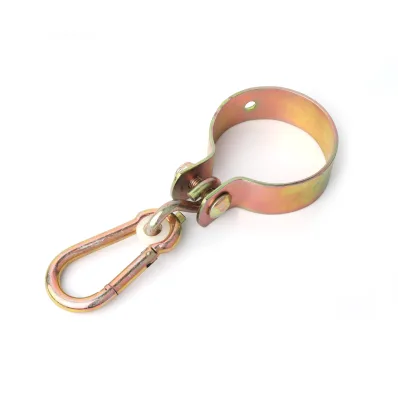

Comprehensive Sourcing Guide
Strategic Sourcing Guide for Adjustable Silver Toggle Clamps
Understanding Product Specifications and Technical Attributes
When sourcing adjustable silver toggle clamps, buyers must first establish a clear understanding of the technical attributes that define the product's functionality and compatibility. The core keyword "Adjustable Silver Toggle Clamp" points to a specific class of fastening hardware designed for rapid clamping and release, often utilized in industrial and mechanical settings. Based on available product data, the primary material composition for these items is typically stainless steel or general steel, ensuring the necessary structural integrity for heavy-duty applications. The silver coloration observed in the market is a direct result of the surface treatment process, which frequently involves zinc plating or polishing. This finish is critical not only for aesthetic consistency but also for providing corrosion resistance, a vital factor when the clamps are deployed in environments exposed to moisture or varying atmospheric conditions.
The mechanical design of these clamps often features a "Withlockeye" configuration, allowing for secure attachment to workpieces or machinery frames. The adjustable nature of the product is a defining characteristic, enabling operators to fine-tune the clamping force to suit different material thicknesses or operational requirements. In terms of structural variety, the market presents distinct models such as the F Clamp, which is specifically noted for its application in cabinet assembly and woodworking. Other variations include heavy-duty clamps designed for pipe and glass applications, indicating a versatility that extends beyond simple mechanical equipment. The bearing capacity of these units varies significantly by model; specific data points indicate capacities ranging from 27kg to 100kg, suggesting that buyers must match the specific load requirements of their application to the correct model number.
Product identification is another critical specification. The market features a diverse range of model numbers, including ACE-72315, J1102, GH-225D, J431, GH-201A, SK3-021-2, DK12132, and DK-431. Each model number corresponds to specific dimensional and functional parameters that are not always immediately obvious from the generic product name. For instance, the net weight of these clamps can vary from as little as 28g for lighter duty models to 250g for more robust units, reflecting differences in material density and structural design. Buyers should treat these model numbers as unique identifiers rather than generic descriptors, ensuring that the procurement request specifies the exact model required to avoid compatibility issues during installation.
Compliance, Standards, and Certification Verification
In the realm of industrial hardware, compliance with standards is a non-negotiable aspect of the procurement process. While the provided product data references a "Standard" classification and specific standard codes such as "M" and "S" for certain models, these designations often refer to internal manufacturer coding or specific industry norms rather than universally recognized international certifications like ISO or ANSI. It is imperative for buyers to verify the exact nature of these standards before placing an order. The term "Standard" in the product attributes may indicate that the item meets a baseline industry expectation, but it does not automatically guarantee compliance with specific safety or performance regulations required for your specific jurisdiction or application.
Furthermore, the data mentions "OEM" and "ODM" acceptance, which implies that suppliers are willing to customize products to meet specific client requirements. However, this customization capability does not inherently validate the product's compliance with external safety standards. Buyers must explicitly request documentation regarding the standards to which the clamps are manufactured. If the application involves critical safety systems, such as fire-resistant locking mechanisms, the verification of specific lock cylinder styles and levels becomes paramount. For example, some listings reference a "Fire Resistant Lock Style" and a "Supper B" lock cylinder level, alongside a "Quad" lock body type and "Multiple Bolt" structure. These specific attributes suggest a specialized subset of clamps designed for high-security or high-safety environments. Buyers must confirm that these claims are backed by third-party testing or recognized certification bodies, as self-declared attributes without external validation pose a significant risk in regulated industries.
The origin of the products is also a factor in compliance. The majority of the observed supply originates from China, with specific production hubs identified in Zhaoqing, Donguan, and Shandong. While these regions are established manufacturing centers, the regulatory environment and quality control practices can vary between facilities. Buyers should not assume that products from these locations automatically meet Western safety standards. Instead, the procurement strategy should include a requirement for the supplier to provide a Certificate of Compliance (CoC) or a Declaration of Conformity (DoC) that explicitly states the standards met by the specific batch of goods. This documentation should cover material composition, load-bearing limits, and surface treatment durability.
Cost Drivers and Pricing Dynamics
The pricing landscape for adjustable silver toggle clamps is influenced by several dynamic factors, resulting in a wide observed range from $0.36 to $79 per unit. This significant variance is not merely a reflection of brand premiums but is driven by the underlying technical specifications and production costs. The primary cost driver is the material selection. Clamps manufactured from stainless steel generally command a higher price point than those made from standard steel due to the inherent cost of the raw material and the additional processing required to achieve the desired corrosion resistance. The surface treatment process, whether zinc plating or polishing, also adds to the cost, as it involves additional labor and chemical treatments to ensure a uniform silver finish.
Another critical cost factor is the bearing capacity and structural complexity. Models with higher load-bearing capacities, such as those rated for 100kg, require more robust engineering and thicker gauge materials compared to lighter models rated for 27kg. The complexity of the locking mechanism also plays a role; clamps with advanced features like fire-resistant lock styles or multiple bolt structures involve more intricate manufacturing processes, thereby increasing the unit cost. The "Heavy Duty" classification often correlates with these higher price points, as these units are engineered for more demanding environments.
Minimum Order Quantity (MOQ) requirements also impact the effective cost per unit. The observed MOQ range spans from a single unit to 1,000 units, with some suppliers specifying a "One Carton" as the minimum. For buyers with small production runs or prototyping needs, the higher unit cost associated with low MOQs must be factored into the budget. Conversely, bulk purchasing can significantly reduce the per-unit cost, but it requires careful inventory management to avoid overstocking. Payment terms, such as the observed 100% requirement for certain transactions, can also influence the financial planning of the procurement, as they may require upfront capital outlay before goods are shipped.
Typical Applications and Usage Scenarios
The versatility of adjustable silver toggle clamps makes them suitable for a broad spectrum of applications across various industries. The primary usage scenarios identified include vehicle assembly, packing case construction, and general mechanical equipment maintenance. In the automotive sector, these clamps are often employed to secure components during assembly or to hold parts in place for welding and machining operations. The adjustable nature of the clamp allows for quick adaptation to different vehicle chassis sizes and component geometries.
In the packaging industry, toggle clamps are essential for securing packing cases. They provide a reliable method for ensuring that boxes remain sealed during transit, preventing damage to the contents. The heavy-duty variants are particularly valuable in this context, as they can withstand the rigors of shipping and handling. The mechanical equipment sector also relies heavily on these clamps for fixture and jig applications. In this context, the clamps are used to hold workpieces firmly in place during machining, drilling, or grinding operations, ensuring precision and safety.
Specific applications extend to woodworking and cabinet manufacturing, where the F Clamp structure is frequently utilized. These clamps are ideal for assembling wooden cabinets, providing a strong, adjustable hold that can be quickly released for adjustments. The ability to clamp pipes and glass is another specialized application, highlighting the adaptability of the product line. In industrial settings, the clamps serve as critical components in automation and assembly lines, where rapid clamping and release cycles are necessary for efficient production. The "Used" condition of some listed items suggests a secondary market for these clamps, which may be relevant for buyers looking to source equipment for maintenance or replacement in existing machinery, though the condition of such items requires careful inspection.
Supplier Evaluation and Sourcing Strategy
Evaluating suppliers for adjustable silver toggle clamps requires a multi-faceted approach that goes beyond simple price comparison. Given that the majority of the supply originates from China, specifically from regions like Zhaoqing, Donguan, and Shandong, buyers should prioritize suppliers with a proven track record in these manufacturing hubs. The presence of OEM and ODM capabilities is a positive indicator, suggesting that the supplier has the flexibility to customize products to meet specific buyer requirements. However, buyers must verify the extent of these capabilities and ensure that the supplier has the necessary infrastructure to maintain quality control during customization.
The product condition is another critical evaluation criterion. The market offers both "New" and "Used" items. For critical applications, sourcing new items is generally recommended to ensure full compliance with safety standards and to avoid the risks associated with wear and tear. If used items are considered, a rigorous inspection protocol must be established to verify the structural integrity and functionality of the clamps. The "Standard" packing mentioned in the product attributes is a baseline expectation, but buyers should clarify if additional packaging is required for international shipping or if special handling is needed for heavy-duty units.
Supplier reliability can be assessed by examining their response to inquiries regarding standards, certifications, and lead times. While specific lead times are not provided in the data, the ability of a supplier to provide clear information about their production capacity and delivery schedules is a strong indicator of reliability. Buyers should also consider the payment terms offered; while 100% payment terms are observed, more flexible terms may be available for established relationships or larger orders. It is advisable to request samples before committing to a large order, allowing for a physical inspection of the product quality, finish, and functionality.
Quality Control and Long-Term Procurement Considerations
Implementing a robust quality control (QC) strategy is essential for ensuring the long-term success of the procurement of adjustable silver toggle clamps. Given the variation in models and specifications, a standardized QC protocol should be established that covers material verification, dimensional accuracy, and functional testing. The QC process should include checks for the silver finish to ensure uniformity and the absence of defects such as pitting or uneven plating. For clamps with specific locking mechanisms, such as the fire-resistant styles, functional testing is crucial to verify that the locking action is smooth and secure.
Long-term procurement considerations involve building a sustainable supply chain that can adapt to changing market conditions and operational needs. This includes establishing clear communication channels with suppliers to ensure that any changes in product specifications or standards are promptly communicated. Buyers should also consider the availability of spare parts and the ease of replacement for clamps that may wear out over time. The "One Carton" MOQ observed for some suppliers suggests that maintaining a consistent inventory of clamps is feasible, but buyers should plan for potential fluctuations in demand.
Furthermore, the environmental impact of the procurement should be considered. The zinc plating process, while effective for corrosion resistance, involves chemical treatments that have environmental implications. Buyers may wish to inquire about the supplier's environmental compliance and sustainability practices. Finally, the long-term relationship with the supplier should be managed with a focus on continuous improvement. Regular performance reviews, feedback on product quality, and collaborative efforts to optimize the supply chain can lead to better pricing, improved quality, and more reliable delivery schedules over time. By adhering to these principles, buyers can ensure a steady supply of high-quality adjustable silver toggle clamps that meet their operational requirements.
FAQs
What materials are used for adjustable silver toggle clamps?
These clamps are primarily constructed from stainless steel or general steel to ensure structural integrity. The silver appearance results from zinc plating or polishing processes that provide corrosion resistance for industrial environments.
Which models offer high bearing capacity for heavy duty use?
Specific models like the ACE-72315 support up to 100kg while others like GH-225D handle 27kg loads. Buyers must match the model number to their specific load requirements to ensure safe operation during mechanical tasks.
Can suppliers customize these clamps for specific applications?
Yes, suppliers accept ODM and OEM requests to customize products for unique needs. This includes adjusting specifications for vehicle assembly, packing cases, or woodworking cabinets depending on the client's structural requirements.
How does the finish affect the product durability?
The zinc-plated or polished finish provides essential corrosion resistance and a consistent silver color. This surface treatment is critical for maintaining performance in environments exposed to moisture or varying atmospheric conditions.
What is the typical minimum order quantity for these clamps?
Minimum order quantities range from a single unit to 1000 units, with some suppliers requiring one carton as the minimum. Buyers should verify specific MOQs as they vary significantly by supplier and model type.
Where are these clamps typically manufactured?
Most products originate from China, with specific hubs in Zhaoqing, Donguan, and Shandong regions. Buyers should verify the exact origin to ensure compliance with local regulations and quality control standards.