Source Aluminum Alloy Guitar Capo for touring, studio, and practice
Explore 30 verified listings for Aluminum Alloy Guitar Capo options from Guangdong suppliers. Buyers can compare materials, colors, and MOQs to find suitable capo solutions for various musical instrument applications.
Key considerations
Products List



Comprehensive Sourcing Guide
Strategic Sourcing Guide for Aluminum Alloy Guitar Capos
Understanding the Product Category and Core Specifications
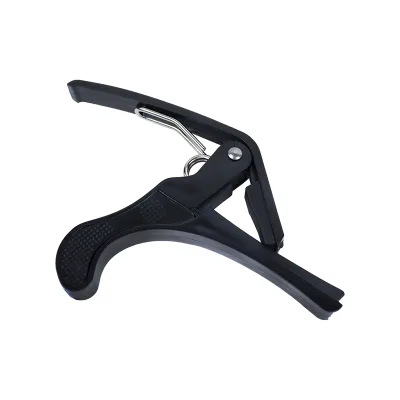
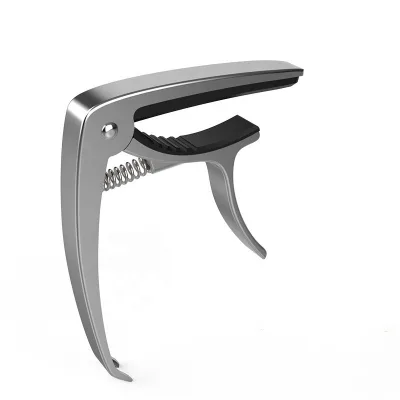
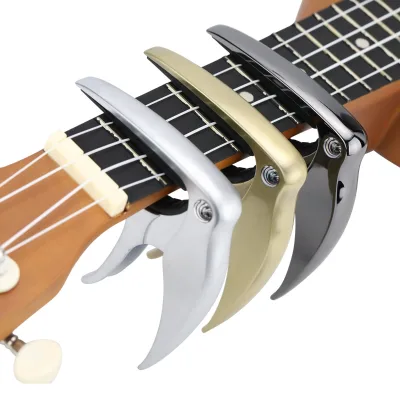
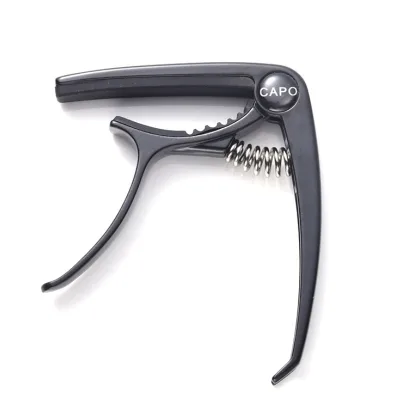
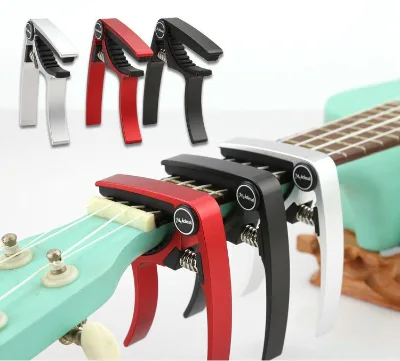
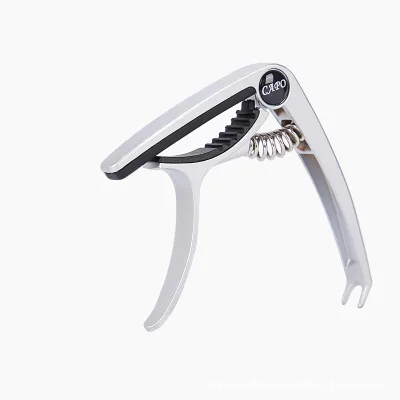
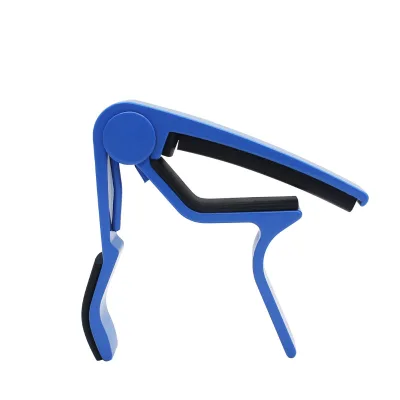
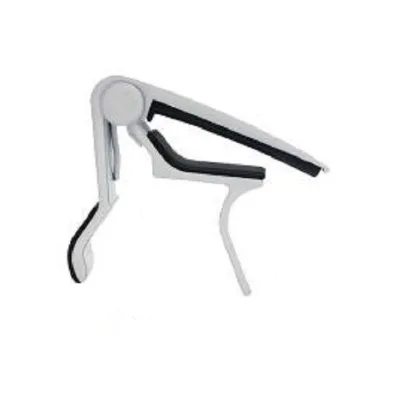
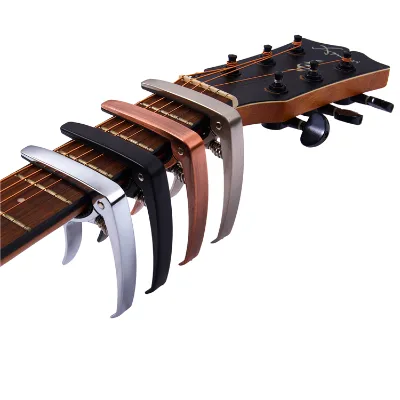
The Aluminum Alloy Guitar Capo represents a specialized segment within the broader musical instrument accessories market, designed to alter the pitch of strings by clamping across the fretboard. When sourcing this specific item, buyers must distinguish between various material compositions, as the market contains options ranging from high-strength plastic to stainless steel and aluminum alloys. The core keyword "Aluminum Alloy Guitar Capo" implies a specific construction where the clamping mechanism and body are primarily composed of aluminum or aluminum alloy, offering a balance between durability and weight.
Technical specifications for these devices vary significantly based on the intended market segment. Observed product data indicates that aluminum alloy capos often feature a weight ranging from approximately 50 grams to 100 grams per unit, depending on the specific model and design complexity. For instance, specific listings identify models with a weight of 50g per piece, while others in the same category may weigh up to 100g. The single package size for these items also varies, with observed dimensions ranging from compact 12x10x5 cm configurations to larger bulk packaging sizes of 57.5x31x31.5 cm.
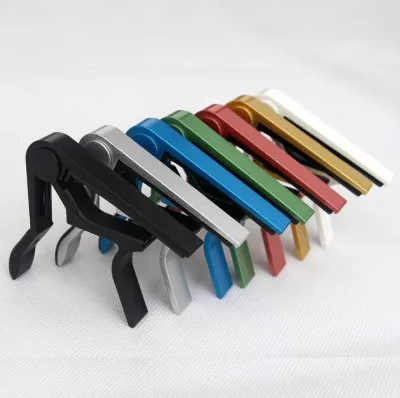
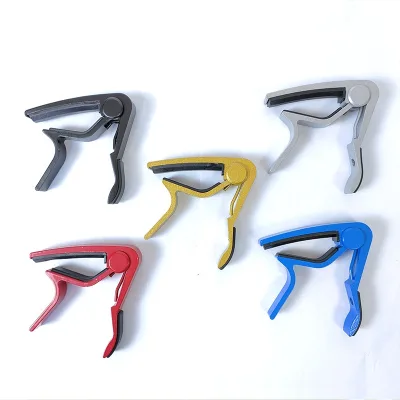
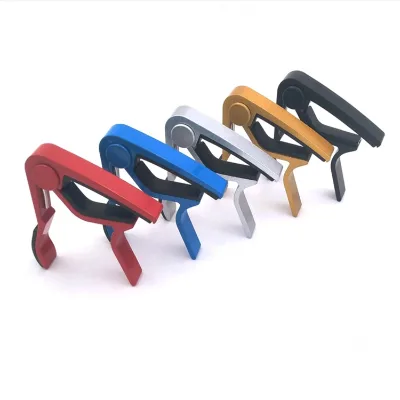
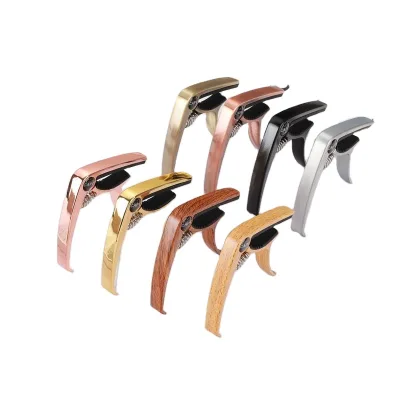
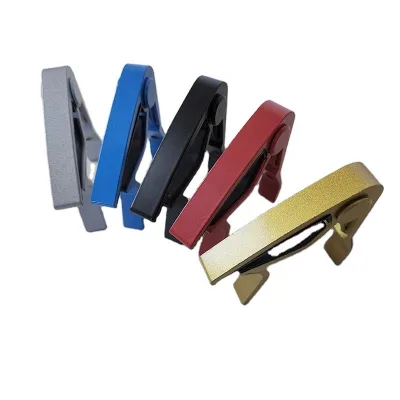
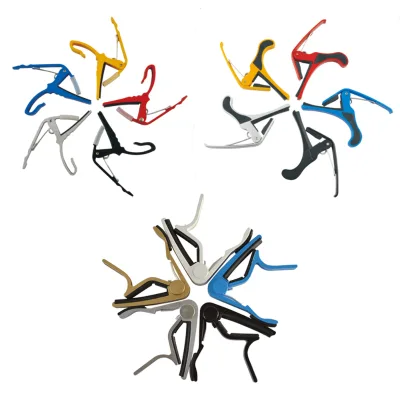
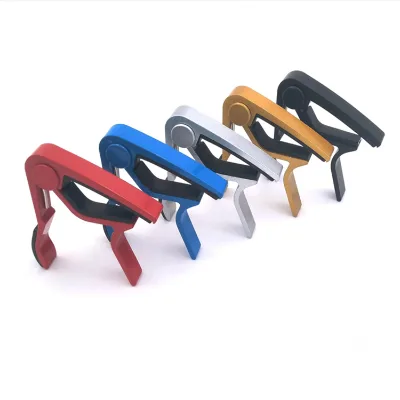
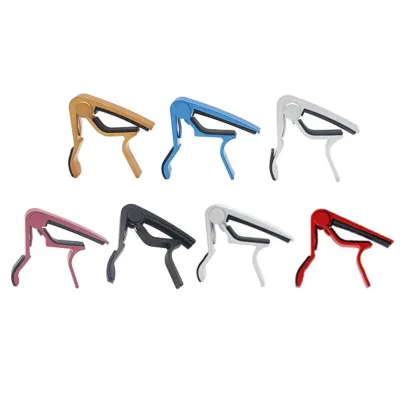
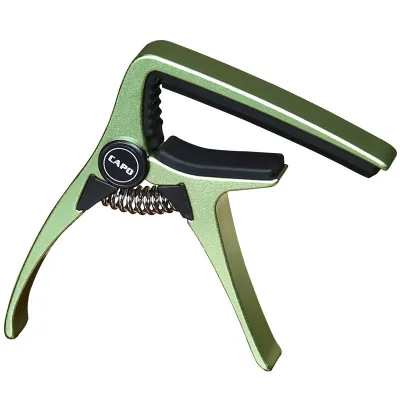
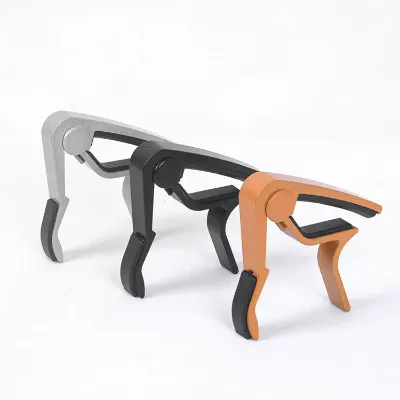
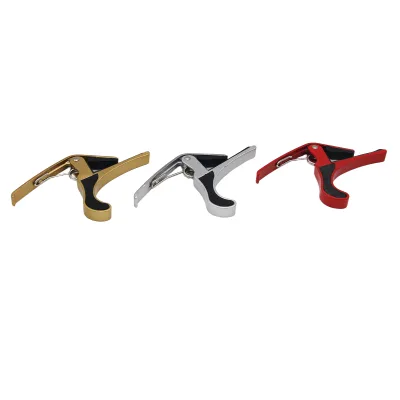
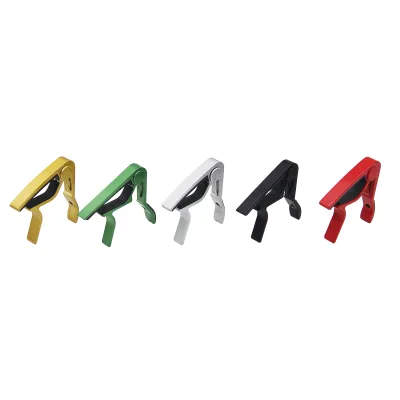
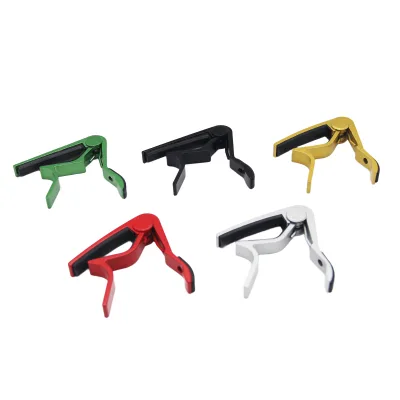
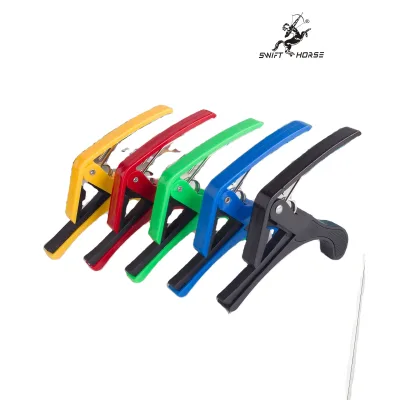
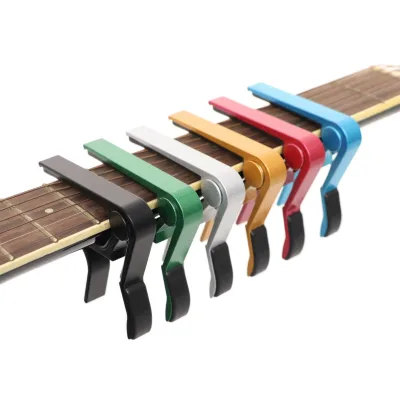
Color options are a critical differentiator in this category. Buyers should expect a wide spectrum of finishes, including standard metallic tones like silver, gold, and black, as well as vibrant options such as red, blue, green, and yellow. Some product lines offer wood or brass finishes alongside the primary aluminum construction, catering to aesthetic preferences that match specific guitar body types. The functional requirement remains consistent across the category: the device must be "playable," meaning it applies even pressure across the strings without causing intonation issues, and often includes features for "adjusting tune" or maintaining consistent tension.
Material Composition and Manufacturing Standards
The material composition is the primary determinant of the product's longevity and performance. While the core search term focuses on aluminum alloy, the supply chain often includes variations in material quality. High-quality aluminum alloy capos are prized for their resistance to corrosion and their ability to maintain structural integrity under repeated clamping pressure. However, sourcing guides must also account for products labeled with "High strength plastic" or "high quality stainless steel," which serve as alternative materials in the same product category.
When evaluating aluminum alloy capos, buyers should verify the specific alloy grade if possible, though general product listings often simply state "Aluminum" or "Aluminum Alloy." The manufacturing process typically involves die-casting or CNC machining to achieve the precise tolerances required for the clamping mechanism. The observed supply data suggests that production capabilities can reach up to 10,000 pieces per month for established manufacturers, indicating a mature supply chain capable of handling moderate to high-volume orders.
It is crucial to note that while some products may claim "High-grade" or "Popular" styles, these are descriptive attributes rather than technical certifications. Buyers should not assume that a "High-grade" label implies adherence to a specific international standard unless explicitly documented. The material's impact on the instrument is significant; a heavy capo can alter the balance of the guitar, while a poorly constructed one may slip or damage the fretboard. Therefore, the weight specification, often observed around 0.08 kg to 0.200 kg per unit including packaging, is a key metric for evaluating the final product's usability.
Cost Drivers and Pricing Dynamics
The pricing structure for aluminum alloy guitar capos is influenced by several factors, including material costs, manufacturing complexity, and order volume. The observed market price range for these items spans from $0.30 to $2.79 USD per unit. This wide range reflects the diversity in product quality, branding, and packaging. Lower-priced items often correspond to simpler designs, generic branding, or bulk packaging that reduces per-unit handling costs. Conversely, higher-priced units may feature premium finishes, custom logos, or more sophisticated clamping mechanisms.
Minimum Order Quantity (MOQ) is a significant cost driver in this sector. The market exhibits a broad MOQ range, from as low as 1 piece for sampling or small retailers to 500 pieces for large-scale distributors. Specific product listings indicate MOQs of 10 pieces, 20 sets, 100 sets, 120 pieces, and 200 pieces. These variations suggest that suppliers have flexible production lines capable of accommodating both trial orders and large-scale procurement. Buyers should be aware that ordering below the standard MOQ may result in higher per-unit costs or require a premium for custom setup.
Packaging details also impact the final cost. Options range from simple blister packaging to customized carton packing. Customized packaging, which may include specific branding or eco-friendly materials, typically incurs additional setup and material costs. The single gross weight of the product, observed between 0.06 kg and 0.200 kg, directly influences shipping costs, particularly for international logistics. Buyers must factor in the "Single volume" and "Single gross weight" when calculating the total landed cost, as these metrics determine freight charges and storage requirements.
Supplier Evaluation and Geographic Considerations
Geographic origin plays a pivotal role in the sourcing strategy for musical instrument accessories. The majority of aluminum alloy guitar capos in the current market are manufactured in Guangdong, China, a region known for its robust manufacturing ecosystem and supply chain efficiency. This location offers access to specialized metalworking facilities and a dense network of component suppliers. The "Place of Origin" is consistently listed as Guangdong, China, or simply China, indicating a concentrated production hub.
When evaluating suppliers, buyers should look for those who offer OEM (Original Equipment Manufacturer) and ODM (Original Design Manufacturer) services. The availability of "Acceptable" OEM and ODM services suggests that suppliers are willing to customize product designs, colors, and logos to meet specific brand requirements. This flexibility is essential for buyers looking to create a unique product line. Additionally, the ability to provide "Customized Logo" and "Customized Packaging" allows for strong brand differentiation in a competitive market.
Supplier reliability is often gauged by their supply ability and lead times. While specific lead times are not universally standardized in the provided data, a supply ability of 10,000 pieces per month indicates a capacity to handle significant volume. Buyers should verify the "Port of dispatch," which is generally listed as "any ports of China," offering flexibility in logistics planning. However, the lack of specific lead time data in the general observations means that buyers must explicitly request this information during the negotiation phase to ensure alignment with their inventory planning.
Quality Control and Compliance Verification
Quality control is paramount when sourcing aluminum alloy capos, as the product directly interacts with musical instruments. The primary functional requirement is that the capo must be "Playable" and capable of "adjusting tune" without slipping. Buyers should establish clear acceptance criteria based on these functional attributes. While specific test results are not provided in the general data, buyers should request evidence of durability testing, such as repeated clamping cycles, to ensure the mechanism does not wear out prematurely.
Compliance and certification checks are often a point of confusion in this category. The provided data mentions ISO 27001:2022 as a low-confidence background fact, which relates to information security management rather than product manufacturing or material safety. Therefore, buyers should not assume that a supplier's mention of ISO 27001 implies compliance with product safety standards. Instead, buyers must verify if the supplier holds relevant certifications for manufacturing quality, such as ISO 9001, or specific material safety certifications for the aluminum alloys used.
Buyers should also verify the "Feature" claims, such as "Durable," through independent testing or sample evaluation. The material composition, whether "Aluminum," "Aluminum Alloy," or "High strength plastic," must be verified to ensure it matches the product description. Inconsistent material quality can lead to issues like corrosion or breakage, which would damage the buyer's reputation. Establishing a robust quality control protocol that includes material verification, functional testing, and visual inspection of the finish and packaging is essential for mitigating these risks.
Long-Term Procurement and Market Strategy
Sourcing aluminum alloy guitar capos requires a long-term perspective that goes beyond immediate transaction costs. The market is characterized by a high degree of customization, with options for various colors, logos, and packaging. This flexibility allows buyers to adapt to changing consumer trends and seasonal demands. However, it also necessitates a strategic approach to inventory management. Buyers should consider the "Selling Units," which are often listed as "Single item," indicating that the product is typically sold individually rather than in sets, which affects packaging and shipping strategies.
The "Style" of the product, described as "Popular" or "High-grade," suggests that consumer preferences can shift rapidly. Buyers should maintain a relationship with suppliers who can quickly adapt to new design trends. The ability to produce "Customized Logo" and "Customized Packaging" is a strategic advantage that allows buyers to build brand loyalty. Furthermore, the wide color range, including options like "Wood," "Brass," and various metallic shades, provides opportunities for product diversification.
Long-term procurement success also depends on the stability of the supply chain. With a supply ability of 10,000 pieces per month, suppliers appear capable of scaling production. However, buyers should monitor the "MOQ" requirements closely, as they can range from 10 pieces to 500 pieces. Understanding these thresholds helps in optimizing order frequency and reducing holding costs. Additionally, the "Port of dispatch" being "any ports of China" offers logistical flexibility, but buyers should negotiate specific shipping terms to ensure timely delivery and cost efficiency.
In conclusion, sourcing aluminum alloy guitar capos involves a careful balance of technical specifications, cost management, and supplier evaluation. By focusing on material quality, functional performance, and the flexibility of the supply chain, buyers can secure a reliable source for this essential musical instrument accessory. The market offers a wide range of options, from basic models to high-grade, customized products, allowing buyers to tailor their procurement strategy to their specific market needs.
FAQs
What materials are used for aluminum alloy guitar capos?
The primary material is aluminum alloy, though some listings specify high-strength plastic or stainless steel. Buyers should verify the specific material composition to ensure durability and weight requirements are met for their instruments.
Which minimum order quantities are available for these capos?
Minimum order quantities vary significantly, ranging from 10 pieces to 500 pieces depending on the supplier. Specific listings show MOQs of 10, 20, 100, 120, and 200 units, allowing flexibility for both sampling and bulk procurement.
How much does an Aluminum Alloy Guitar Capo weigh?
Individual unit weights typically range from 50 grams to 100 grams per piece. Some packaged units may have a gross weight up to 0.200 kg, which influences shipping costs and the balance of the guitar when in use.
Can suppliers customize the logo and packaging for these items?
Yes, many suppliers accept OEM and ODM services with options for customized logos and packaging. Buyers can request specific branding on blister or carton packaging to align with their brand identity and market requirements.
Where are these guitar capos manufactured?
The majority of these products originate from Guangdong, China, a region known for its manufacturing ecosystem. Some listings simply state China as the place of origin, indicating a concentrated production hub for musical instrument accessories.
What color options are available for aluminum alloy capos?
A wide spectrum of colors is available, including black, silver, gold, red, blue, green, and yellow. Some options also feature wood or brass finishes to match specific aesthetic preferences and guitar body types.
What is the supply capacity for aluminum alloy guitar capos?
Established manufacturers can supply up to 10,000 pieces per month, indicating a mature supply chain. This capacity supports moderate to high-volume orders while maintaining consistent production schedules for global distribution.