Source Aluminum Floor Yacht with Yamaha Outboard Motor For Sea, River, And Lake
Compare 30 listings for an Aluminum Floor Yacht with Yamaha Outboard Motor. Options include 29ft luxury models and sport fisherman designs with CE/ISO9001 certification, varying beam widths, and custom logo printing for family entertainment or professional use; compare the available evidence and request quotations based on your requirements.
Key considerations
Products List

Aluminum Sport and Fishing Boat Luxury Aluminum Speed Yacht with Outboard Engine
$18080.00 - $19080.00
MOQ: 1 Pieces


7.6m Pontoon Boat Aluminum Double Decker with Outboard Engine Pontoon Boat
$25080.00 - $26080.00
MOQ: 1 Pieces

Luxury 7.6m Double Decker Pontoon Boat Aluminum Modern Outboard Pontoon Boat
$25080.00 - $26080.00
MOQ: 1 Pieces

Luxury 7m Aluminum Pontoon Boat for 12 Persons Outboard Engine Pontoon Boat
$13280.00 - $14280.00
MOQ: 1 Pieces

560 Fishing Aluminum Rib Boat with 115HP YAMAHA Outboard Engine Motor
$5000.00 - $7000.00
MOQ: 1 Pieces

860 Yacht Aluminum Marine Rib Boat with YAMAHA 300HP Outboard Engine
$16000.00 - $20000.00
MOQ: 1 Pieces

9.6m (32FT) Tourism Speed Motor Aluminum Rib Boat with Twin 250 YAMAHA Outboard Engine
$25000.00 - $35000.00
MOQ: 1 Pieces

960 High Speed Outboard Motor Aluminum Passenger Tourism Rib Boat for Sale
$25000.00 - $35000.00
MOQ: 1 Pieces

420 14feet Medium Sized Aluminum Hull Speed Outboard Motor Rib Boat for Sale
$2500.00 - $3500.00
MOQ: 1 Pieces

Customizable 17m Aluminum Yacht with Aluminum Hull Outboard Engine
$890000.00 - $900000.00
MOQ: 1 Pieces


High Speed Motor Boat Speed Boat Yacht with Outboard Engine for Sale
$1500.00 - $2000.00
MOQ: 1 Pieces
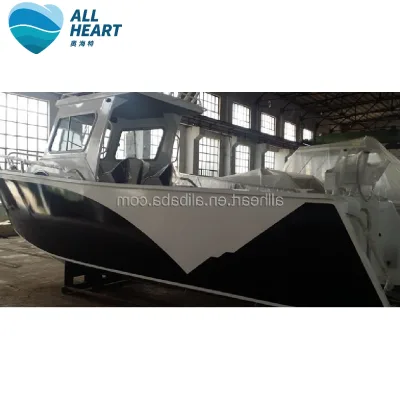


Seagrass Floor Luxury Yacht Allsea/Customized Container Outboard Motor Pontoon Boat
$9500.00 - $10500.00
MOQ: 1 SET/SETS

27FT Luxury Aluminum Pontoon Boat for Cruising Entertainment Leisure with Outboard Engine
$17000.00 - $17520.00
MOQ: 1 SET/SETS

21FT Luxury Aluminum Pontoon Boat 90HP Motor Welded for Sightseeing Fishing Outboard
$13900.00 - $14500.00
MOQ: 1 SET/SETS

Customized 21FT Aluminum Sport Pontoon Boat Luxury Fishing Sightseeing Yacht for Leisure
$12000.00 - $12675.00
MOQ: 1 SET/SETS

Allsea or OEM 15~30FT Yacht Fiberglass Boats Aluminum Boat ODM with Logo
$11500.00 - $13500.00
MOQ: 1 Sets


Best Luxury Outboard Motor Aluminum Yacht 15m/50FT Yacht with Fly Bridge for Sale
$299900.00 - $399900.00
MOQ: 1 PIECE
Comprehensive Sourcing Guide
Aluminum Floor Yacht with Yamaha Outboard Motor Sourcing Guide
Procuring an aluminum floor yacht equipped with a Yamaha outboard motor requires distinguishing between rigid hull designs and inflatable pontoon configurations. The available market data indicates a specific focus on rigid aluminum pontoons with seagrass or EVA flooring, designed for family entertainment and water sports. Buyers must verify that the "Aluminum Pontoon Boat" designation aligns with their intended usage, as some listings describe luxury yacht applications while others target sport fishing or runabout activities.
The observed product range spans lengths from 6 to 18 meters, with beam widths typically ranging between 2.3 and 3.0 meters. This variation significantly impacts stability and passenger capacity, which can accommodate between 15 and 22 persons depending on the specific model configuration. Sourcing decisions should prioritize models that explicitly state the hull material as aluminum and confirm the presence of an outboard engine mount, ensuring compatibility with high-performance Yamaha units.
Product Scope and Observed Listing Signals
Buyers should scrutinize the product name and type attributes to ensure the vessel matches the desired "Luxury Yacht" or "Sport Fisherman" profile. The data shows a mix of models, including the PB-29FT and HB-580, which feature distinct dimensions and capacities. It is critical to confirm whether the listing refers to a rigid aluminum structure or a hybrid design, as the flooring material—ranging from seagrass to EVA—directly influences the non-slip safety features required for family entertainment or professional fishing operations.
Listing signals regarding color and customization options provide insight into the vessel's aesthetic flexibility and branding potential. While some units are listed as white or black, others offer multi-colored finishes with customized logo printing capabilities. Procurement teams must verify if the "Whole-Set" or "40HQ" packing method aligns with their logistics strategy, as the shipping volume and assembly requirements vary significantly between a compact 6-meter unit and a large 18-meter luxury yacht.
Technical Specifications to Verify
The overall length and beam dimensions are primary technical constraints that dictate the vessel's stability and operational range. Specifications indicate lengths of 29 feet (approximately 8.8 meters) up to 18 meters, with beam widths of 2.3 meters or 2.6 meters. Buyers must cross-reference these figures with their intended waterways, as the 2.3-meter beam may be suitable for rivers and lakes, while the 3.0-meter beam offers enhanced stability for ocean applications.
Weight and capacity metrics are equally vital for determining the appropriate engine power and trailer requirements. Observed weights range from 960 kg to 1650 kg, with passenger capacities varying between 15 and 22 persons. When pairing these hulls with a Yamaha outboard motor, the total displacement and weight distribution must be calculated to ensure the engine's thrust is sufficient for the specific load, preventing performance issues in rough water conditions or during high-speed maneuvers.
Compliance and Safety Documentation
Certification status is a non-negotiable element of the procurement process, particularly for vessels intended for commercial or international use. The available data confirms that suppliers often provide CE and ISO9001 certifications, which serve as baseline indicators of manufacturing quality and safety compliance. Buyers should request current certificates for the specific model being purchased, ensuring that the hull construction and safety equipment meet the regulatory standards of the destination country.
Safety documentation must also cover the structural integrity of the aluminum floor and the mounting systems for the outboard motor. While the listings mention specific standards like 2.3/2.6m, these often refer to beam dimensions rather than structural load ratings. Procurement teams should verify that the hull material and welding standards adhere to recognized maritime safety protocols, ensuring that the vessel can withstand the dynamic stresses of water sports and long-distance travel without structural failure.
Cost Drivers and Commercial Terms
The price range for these vessels is extensive, spanning from $1,500 to $900,000, driven primarily by size, material thickness, and included features. Larger models with extended lengths and wider beams naturally command higher prices due to the increased aluminum consumption and complex engineering required. Buyers must analyze the cost per meter and per passenger capacity to determine the most economical option that meets their specific operational needs without overspending on unnecessary luxury features.
Commercial terms such as MOQ and packing methods significantly influence the total landed cost and delivery timeline. The observed minimum order quantity is consistently one piece, offering flexibility for individual buyers or small fleets. However, the packing method, whether "40HQ" or "by Sea," affects shipping logistics and insurance costs. Understanding these terms is essential for budgeting, as larger vessels may require specialized transport arrangements that add substantial overhead to the initial purchase price.
Supplier Qualification and Quality Control
Supplier origin and production location are key indicators of manufacturing capability and supply chain reliability. The data points to Qingdao, Shandong, China, as a primary hub for these aluminum boats, a region known for its maritime manufacturing expertise. Buyers should verify the supplier's production history and capacity to ensure they can consistently deliver vessels that meet the specified dimensions and material standards, particularly when ordering custom configurations or large quantities.
Quality control processes must extend beyond the final inspection to include material verification and assembly checks. The use of aluminum as the primary hull material requires rigorous welding standards to prevent corrosion and structural weaknesses. Procurement teams should request evidence of quality control protocols, such as third-party inspection reports or factory audit results, to confirm that the seagrass or EVA flooring and the outboard motor mounting systems are installed with precision and durability.
Long-Term Procurement Checks
Warranty terms provide a critical safety net for long-term ownership and operational continuity. The observed warranty period of three years suggests a manufacturer's confidence in the hull's durability and the integrity of the aluminum construction. Buyers should carefully review the warranty coverage to understand what components are included, such as the hull, flooring, and engine mounts, and whether the warranty is transferable or valid for international use.
Maintenance requirements and spare parts availability are essential considerations for sustaining the vessel's performance over time. The aluminum floor and hull require specific care to prevent oxidation, while the outboard motor needs regular servicing to maintain optimal performance. Establishing a relationship with a supplier that offers reliable after-sales support and a steady supply of replacement parts ensures that the yacht remains operational and safe throughout its intended service life.
FAQs
What is the typical beam width for these aluminum pontoon boats?
The typical beam width is 2.3 meters or 2.6 meters. Some models offer a wider 3.0-meter option for enhanced stability. This dimension supports the overall length of up to 18 meters and accommodates 18 to 22 persons comfortably. The width ensures safe operation across sea, river, and lake environments while maintaining structural integrity for luxury yacht applications.
Can I customize the logo and color of the aluminum boat?
Yes, customization is available for both logos and colors. Buyers can select from multi-colored options or specific shades like white or black. The supplier offers customized logo printing services to meet brand requirements. This flexibility allows for tailored aesthetics while maintaining the standard aluminum hull construction and seagrass or EVA flooring options for durability and comfort.
What certifications do these aluminum boats typically hold?
These aluminum boats typically hold CE and ISO9001 certifications. These standards ensure compliance with international quality and safety regulations for marine vessels. The certifications cover the manufacturing process and material quality, providing assurance for global buyers. This documentation supports the product's suitability for family entertainment and professional water sport applications across various markets.
How many persons can the larger aluminum pontoon boats accommodate?
The larger aluminum pontoon boats can accommodate 18 to 22 persons. Some models are rated for 15 to 19 persons depending on the specific configuration. This capacity supports family entertainment and water sport activities. The spacious design, combined with a beam of up to 3.0 meters, ensures stability and comfort for groups during sea, river, or lake excursions.
What is the standard packaging method for shipping these boats?
The standard packaging method involves using 40HQ containers or whole-set packing. Some models are packed by sea in specific dimensions like 7.6m by 2.3m by 2.5m. This method ensures safe transport of the aluminum hull and components. The packaging is designed to protect the boat during transit while optimizing container space for efficient logistics and delivery to international destinations.
What is the warranty period for these aluminum boats?
The warranty period for these aluminum boats is typically three years. This coverage applies to the hull and structural components, ensuring long-term reliability. The warranty supports the product's suitability for luxury yacht and sport fisherman applications. Buyers receive assurance regarding the quality of materials and craftsmanship, which includes aluminum construction and durable flooring options for various water environments.