Source Aluminum Foil Aseptic Packaging Materials for Beverage, Dairy, and Medicine
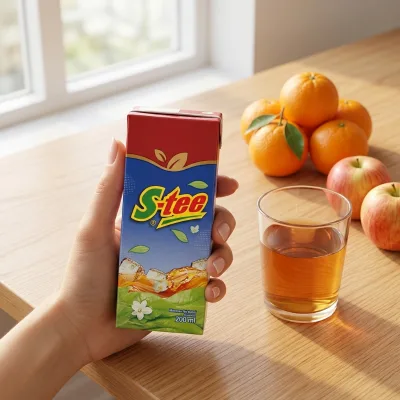
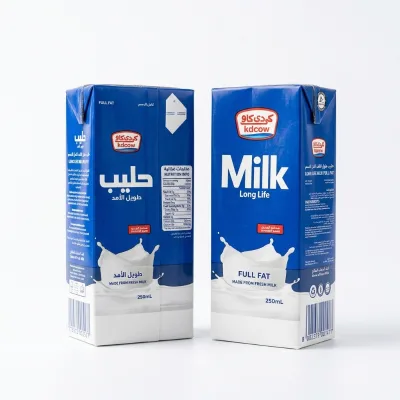
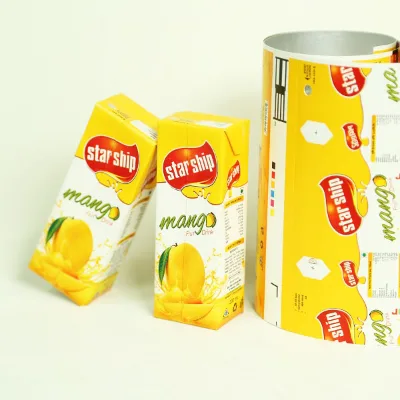
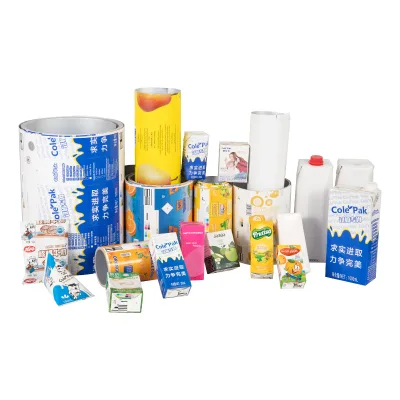
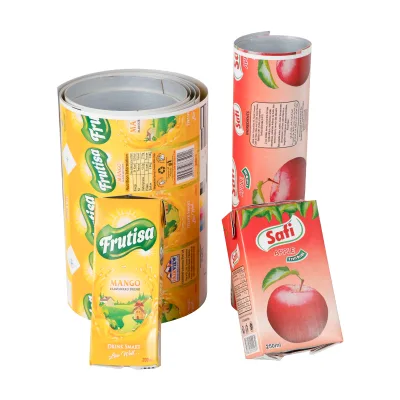
Find and compare 30 listings for Aluminum Foil Aseptic Packaging Materials designed for beverage, dairy, and daily use applications. These rigid, opaque cartons feature a paper-aluminum foil-PE structure with heat sealing layers, available in sizes from 100ml to 1000ml with customizable flexo printing options.
Key considerations
Products List


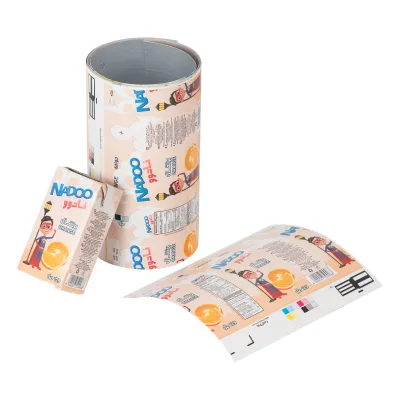


Durable Packaging Materials Aseptic Juice Box for Safe and Secure Product Transport
$0.02 - $0.02
MOQ: 600000 Pieces

Premium Aseptic Packaging Rolls Available From Trusted China Suppliers
$0.02 - $0.02
MOQ: 600000 Pieces





Comprehensive Sourcing Guide
Aluminum Foil Aseptic Packaging Materials Sourcing Guide
Sourcing Aluminum Foil Aseptic Packaging Materials requires a nuanced understanding of multi-layer lamination technologies and supply chain logistics. These materials are engineered to provide an impenetrable barrier against light, oxygen, and moisture, ensuring the long-term stability of sensitive contents such as dairy, beverages, and liquid foods. Buyers must navigate a market characterized by diverse structural configurations, varying capacity standards, and specific printing capabilities that influence both product shelf-life and brand presentation. The procurement process is not merely about selecting a container but about securing a reliable supply chain for a critical component that dictates product safety and marketability.
The decision to source these materials involves evaluating the interplay between material composition, structural integrity, and operational efficiency. Modern aseptic cartons typically consist of paperboard, polyethylene, and aluminum foil layers, each serving a distinct functional purpose. The paperboard provides rigidity and printability, the polyethylene layers offer heat sealing and moisture resistance, and the aluminum foil acts as the primary barrier against permeation. Procurement teams must verify that the selected materials align with their specific filling speeds, storage conditions, and regulatory requirements in target markets. This guide outlines the essential verification steps, technical parameters, and commercial considerations necessary for successful sourcing.
Product Scope and Observed Listing Signals
The observed market for Aluminum Foil Aseptic Packaging Materials reveals a wide range of product specifications, with capacities spanning from 125ml to 1000ml. Listings frequently highlight models such as 200ml, 250ml, 300ml, 500ml, and 1000ml, indicating a strong focus on standard beverage and dairy volumes. The structural composition is consistently described as Paper-Aluminium Foil-PE, confirming the presence of a functional aluminum layer sandwiched between paperboard and polyethylene layers. This layered architecture is critical for maintaining the aseptic environment, preventing spoilage, and extending shelf life without refrigeration. Buyers should note that while capacities vary, the core material structure remains a dominant feature across most supplier offerings.
Visual and printing attributes are also significant differentiators in the current market. Many suppliers offer customization options with up to eight colors, utilizing flexo printing methods to achieve high-quality brand imagery. The materials are typically opaque and rigid, providing a premium feel and robust protection for the contents. Some listings specify single-sided printing, while others offer two-sided options, allowing for flexible design strategies. Additionally, the presence of a heat-sealing layer, often made from modified PE or LDPE, ensures secure closure and leak prevention. These observed signals suggest that buyers have access to a versatile range of packaging solutions that can be tailored to specific branding and functional needs.
Technical Specifications to Verify
When evaluating technical specifications, the layer composition is a primary area of verification. The materials are often described as having six layers, including a functional aluminum layer and a heat-sealing layer. Buyers must confirm the thickness and quality of the aluminum foil, as this directly impacts the barrier properties against oxygen and light. The paperboard component should be verified for its stiffness and printability, ensuring it can withstand high-speed filling processes without deformation. Additionally, the type of polyethylene used for sealing, such as modified PE or LDPE, should be confirmed to ensure compatibility with the filling equipment and the product being packaged.
Dimensional accuracy and structural integrity are equally critical. Specifications often include carton bottom sizes of 70*70mm and cap sizes of 26/29mm, which must align with the buyer’s filling and capping machinery. The hardness of the material is described as rigid, which is essential for stackability and storage efficiency. Buyers should also verify the pallet dimensions, with common sizes being 1100mm in length and width, to ensure compatibility with warehouse storage and transportation logistics. The transparency of the material is typically opaque, which is desirable for protecting light-sensitive products. Confirming these dimensional and structural details prevents costly mismatches during production.
Compliance and Safety Documentation
Compliance with international and regional standards is non-negotiable for aseptic packaging materials. Buyers should request documentation confirming adherence to ISO 9001 quality management systems, which indicates a supplier’s commitment to consistent quality and process control. Additionally, QS certification may be relevant for suppliers operating in specific markets, particularly in China, where it signifies compliance with national quality and safety standards for food-related products. These certifications provide a baseline assurance that the manufacturing processes are monitored and controlled, reducing the risk of defects or contamination.
Food safety regulations must also be strictly observed. Since these materials are used for food, beverage, and dairy products, they must comply with relevant food contact material regulations in the target market. Buyers should verify that the materials are free from harmful substances and that the inks and adhesives used in printing and lamination are food-grade. The aseptic nature of the packaging implies that the materials must maintain a sterile environment throughout the product’s shelf life. Requesting migration test results or compliance statements from the supplier can provide additional confidence in the safety of the packaging materials.
Cost Drivers and Commercial Terms
Several factors influence the cost of Aluminum Foil Aseptic Packaging Materials. The price range observed in the market varies significantly, from as low as $0.01 to $200 per unit, depending on the volume, customization, and specific material specifications. High MOQs, ranging from 1 to 600,000 units, are common, reflecting the economies of scale in production. Buyers with lower volume requirements may face higher per-unit costs or limited customization options. Understanding the MOQ requirements is essential for budgeting and inventory planning, as large orders can reduce unit costs but increase storage and capital tie-up.
Commercial terms also play a crucial role in the total cost of ownership. Delivery times are typically around 15 days after design confirmation, which requires careful planning to avoid stockouts. The mode of transport is often by sea, which affects lead times and logistics costs. Packaging for shipment usually involves cardboard and pallets, or shrink film and wooden pallets, which must be considered for handling and storage. Buyers should negotiate clear terms regarding payment, shipping responsibilities, and liability for damages to ensure a smooth procurement process.
Supplier Qualification and Quality Control
Supplier qualification is a critical step in mitigating supply chain risks. Buyers should assess the supplier’s production capabilities, including their ability to handle complex lamination processes and high-speed printing. The origin of the materials, often listed as Qingzhou City, China, or Mainland China, should be verified for consistency and reliability. Suppliers with a proven track record in the food and beverage industry are preferable, as they are more likely to understand the specific requirements of aseptic packaging. Requesting references or case studies from existing clients can provide insights into the supplier’s performance and reliability.
Quality control measures must be robust and transparent. Buyers should inquire about the supplier’s internal testing protocols, including checks for layer adhesion, barrier integrity, and print quality. The ability to customize designs, with up to eight colors, requires precise quality control to ensure consistency across batches. Suppliers should provide samples for evaluation before committing to large orders. Additionally, establishing clear communication channels for addressing defects or discrepancies is essential for maintaining quality standards. Regular audits or third-party inspections may be necessary for high-volume or critical applications.
Long-Term Procurement Checks
Long-term procurement success depends on continuous monitoring and relationship management. Buyers should establish key performance indicators (KPIs) to track supplier performance, including on-time delivery rates, defect rates, and responsiveness to issues. Regular reviews of these metrics can help identify potential problems early and facilitate corrective actions. Building a strong relationship with the supplier can also lead to better pricing, priority production, and collaborative innovation in packaging design.
Adaptability to market changes is another important consideration. The packaging industry is subject to evolving regulations, sustainability trends, and technological advancements. Buyers should stay informed about these changes and work with suppliers who are proactive in adapting to new requirements. For example, increasing demand for sustainable materials may lead to innovations in recyclable or biodegradable aseptic packaging. Maintaining a flexible procurement strategy allows buyers to respond to these changes effectively, ensuring long-term competitiveness and compliance.
FAQs
What materials are used in this aseptic packaging?
The packaging uses a paper-aluminium foil-PE structure with a functional aluminum layer. It features a heat sealing layer of modified PE and is coated for rigidity and opacity suitable for food and beverage applications.
Can I customize the printing colors on these packages?
Yes, customization is available with up to eight colors using flexo printing methods. The design can be applied to single or two-sided pages depending on the specific model requirements and design confirmation.
What are the available size specifications for these packages?
Sizes range from 100ml to 1000ml including 125ml, 200ml, 250ml, 500ml, and 750ml options. These dimensions support various beverage, dairy, and daily use industry needs with specific carton bottom sizes.
How long is the delivery time after design confirmation?
The standard delivery time is 15 days after the design is confirmed. This lead time applies to orders shipped via sea transport from the Qingzhou City location in China.
Which certifications do these manufacturers hold?
Manufacturers hold ISO 9001 and QS certifications for quality and safety standards. These credentials ensure the materials meet requirements for food, agriculture, and medicine industrial uses.
What shapes are available for the packaging structure?
Available shapes include slim, base, prisma, leaf, square, and grand configurations. These structural options allow for versatile applications across different product types and consumer preferences.