Source Android 4G LTE Embedded Motherboard for kiosks, medical, and industrial
Compare 30 Android 4G LTE Embedded Motherboard options featuring RK3399 and RK3288 chips with DDR3 RAM. Buyers can evaluate specifications for embedded applications including kiosks, medical devices, and industrial control systems; compare the available evidence and request quotations based on your requirements.
Updated
Key considerations
Products List


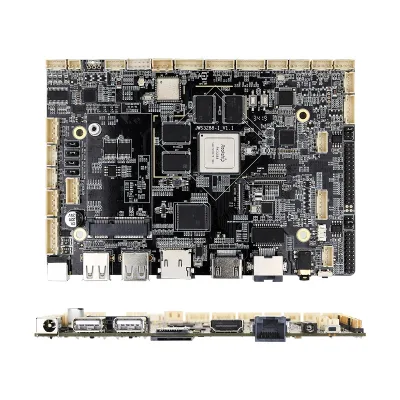
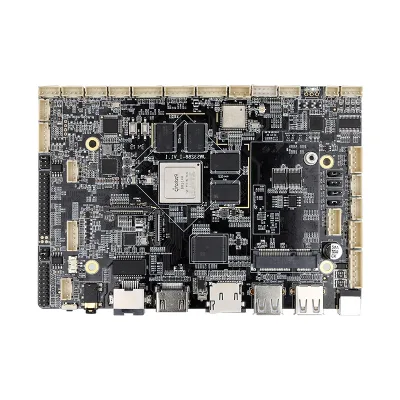
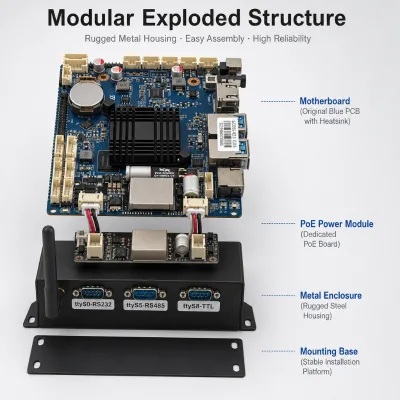
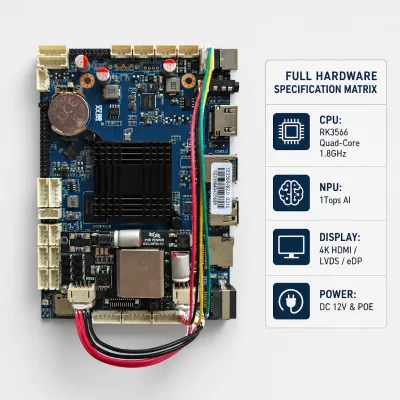
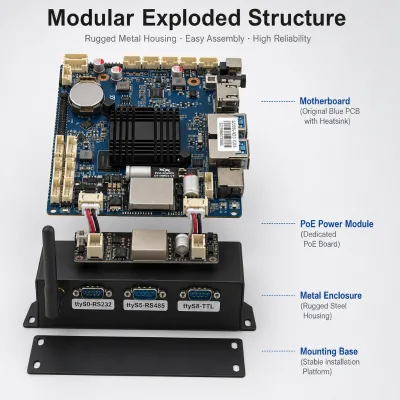
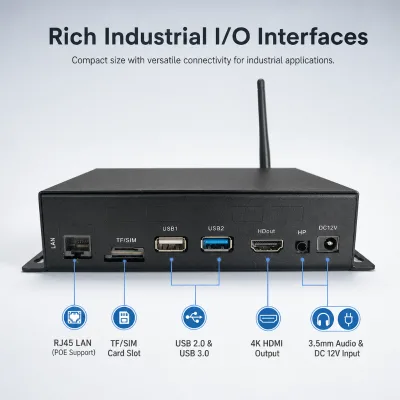
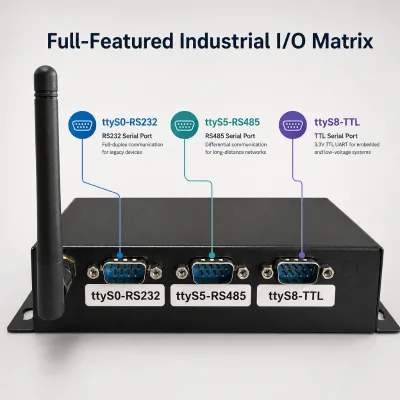
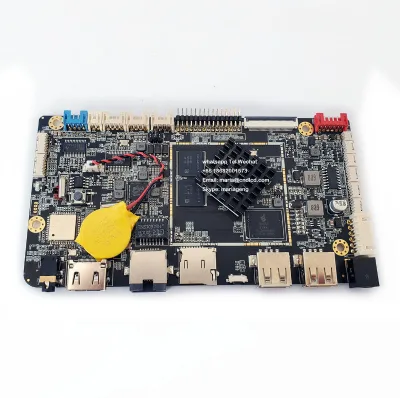
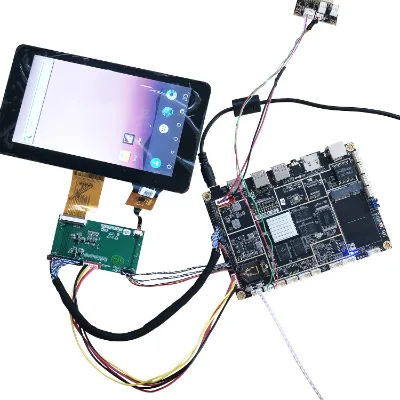
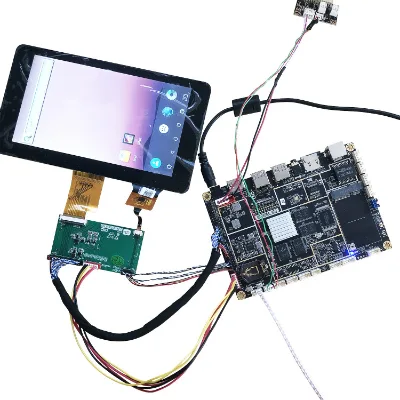
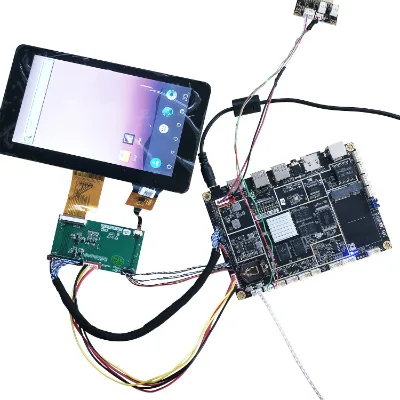
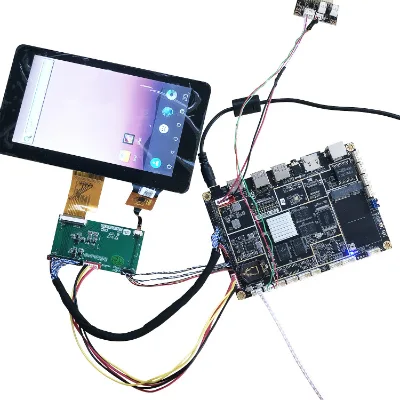
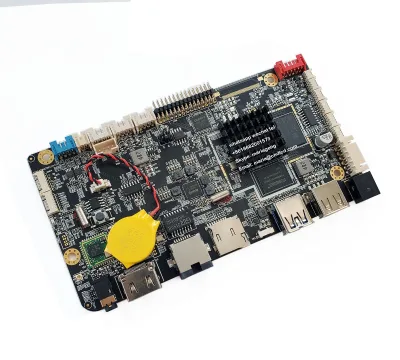


Cheap Mini-Pcie 4G WiFi Embedded Motherboard for IoT Gateway and Surveillance System
$112.00 - $117.00
MOQ: 1 Pieces


Intel 8gen 120mm*120mm Motherboard Support WiFi 4G/3G 6USB 2COM for Computer
$100.00 - $186.00
MOQ: 1 Pieces

Comprehensive Sourcing Guide
Android 4G LTE Embedded Motherboard Sourcing Guide
Procuring an Android 4G LTE Embedded Motherboard requires careful evaluation of the specific chipset architecture and memory configuration to ensure compatibility with your target application. The observed market data indicates a prevalence of RK3399 and RK3288 chipsets, which offer quad-core or six-core processing capabilities clocked at 1.8GHz. Buyers must verify that the selected unit supports the required RAM capacity, as observed listings range from 2GB to 4GB of DDR3 memory, with some configurations supporting up to 64GB of eMMC storage.
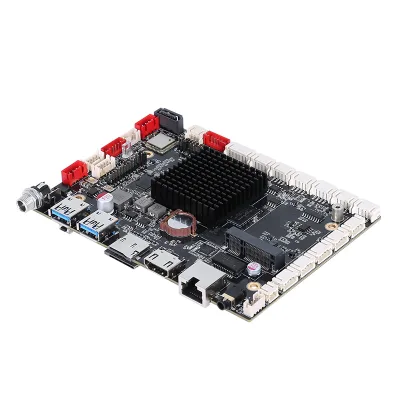
The physical form factor and interface availability are critical for integration into industrial or embedded systems. Listings frequently feature multiple display outputs including LVDS, EDP, and HDMI, alongside essential connectivity ports like USB 3.1, Ethernet, and Wi-Fi. It is essential to confirm that the motherboard includes the necessary SIM or TF slots for cellular connectivity and that the input voltage matches your system's power supply, typically 12V or selectable 3.3V/5V/12V panels.
Product Scope and Observed Listing Signals
The current market for embedded motherboards demonstrates a clear distinction between standard consumer-grade components and specialized industrial units designed for continuous operation. Observed products often carry a "New" condition status and are packaged in protective cartons or aviation cases to prevent damage during transit. Buyers should note that customization is frequently available, allowing for tailored solutions that meet specific mechanical or functional requirements rather than relying solely on off-the-shelf specifications.
Listing signals indicate a strong focus on embedded applications where reliability and compact design are paramount. The observed single package sizes vary significantly, ranging from compact 19.2x17x8 cm units to larger 30x10x10 cm configurations, reflecting diverse form factors. Procurement teams must verify the exact model number, such as HYY-PCB-V59 or LHMA-02, to ensure the specific revision matches the intended deployment environment and that the product status is confirmed as in-stock rather than a pre-order item.
Technical Specifications to Verify
Technical verification must begin with the central processing unit and its associated clock speed, as these directly impact system performance and thermal management. The observed data highlights RK3399 and RK3288 processors, which are quad-core or six-core units operating at 1.8GHz. Buyers should explicitly confirm the GPU architecture, such as the Quad-core ARM Mali-T860MP4, to ensure it meets the graphical rendering requirements of the intended application, particularly for interfaces requiring high-definition video output.
Memory and storage configurations require precise validation to avoid bottlenecks in data processing and retention. While some listings specify 2GB or 4GB of DDR3 RAM, others indicate support for up to 64GB of eMMC flash storage. It is crucial to verify the supported memory type, as DDR3 is the standard observed, and to confirm the presence of expansion slots if future upgrades are anticipated. Additionally, the standby consumption should be checked to ensure it remains below 0.5W for energy-efficient deployments.
Compliance and Safety Documentation
Regulatory compliance is a non-negotiable aspect of sourcing embedded hardware for global markets, particularly regarding environmental and safety standards. The observed listings frequently cite RoHS and CE certifications, which indicate adherence to restrictions on hazardous substances and European safety requirements. Buyers must request valid certification documents for each batch to ensure that the components do not contain restricted materials and that the electrical design meets the necessary safety protocols for the target region.
Beyond basic certifications, documentation regarding the manufacturing origin and material composition is essential for supply chain transparency. Products are often noted as originating from Guangdong, China, with materials specified as aluminum alloy for heat dissipation and structural integrity. Procurement teams should verify that the product standard is explicitly defined, whether as a customized specification or a standard industry model, to ensure that the manufacturing process aligns with your quality assurance requirements and that the origin matches your trade compliance policies.
Cost Drivers and Commercial Terms
Pricing for embedded motherboards is influenced by the complexity of the chipset, the amount of integrated memory, and the level of customization required. The observed price range spans from 0.25 to 186 USD, reflecting the vast difference between basic single-board units and fully featured industrial modules with extensive I/O capabilities. Buyers should understand that higher specifications, such as increased RAM or specialized storage options, will likely push the unit cost toward the upper end of this spectrum.
Commercial terms, including Minimum Order Quantity (MOQ) and packaging requirements, play a significant role in the total cost of ownership. The observed MOQ ranges from 1 to 10 units, offering flexibility for prototyping or small-batch production runs. Packaging options vary from standard cartons to plywood or aviation cases, which can impact shipping costs and protection levels. It is vital to clarify the selling units and whether the price includes the necessary accessories, such as cables or mounting brackets, to avoid unexpected expenses.
Supplier Qualification and Quality Control
Supplier qualification should focus on their ability to provide consistent product quality and support for embedded systems. The observed listings indicate that many suppliers offer OEM services and allow for customization, suggesting a capacity to adapt to specific buyer needs. Buyers should verify the supplier's track record in delivering products with the specified condition, such as "New," and ensure they have the infrastructure to handle the required packaging standards, including carton or aviation case options.
Quality control measures must be established to verify that the delivered units match the technical specifications provided in the listing. This includes checking the physical condition of the motherboard, verifying the presence of all listed ports like LVDS, HDMI, and Ethernet, and confirming the operating system version, such as Android 7.1. It is advisable to request sample units for testing before committing to a larger order to validate the performance of the CPU, GPU, and memory subsystems under real-world conditions.
Long-Term Procurement Checks
Sustaining a reliable supply chain for embedded motherboards requires ongoing monitoring of component availability and lifecycle management. The observed data shows that products are often listed as "Stock," but buyers must verify lead times and the potential for obsolescence, especially for specific chipsets like the RK3399 or RK3288. Establishing a relationship with a supplier who can guarantee long-term availability of the same model number is crucial for maintaining production continuity.
Future-proofing your procurement strategy involves assessing the supplier's ability to support software updates and hardware revisions. Since the operating system and firmware are integral to the motherboard's functionality, buyers should confirm the supplier's commitment to providing updates for Android 7.1 or later versions. Additionally, verifying the availability of spare parts and the supplier's capacity to handle warranty claims will ensure that any issues arising during the product's operational life can be resolved efficiently without disrupting your operations.
FAQs
What are the key specifications of the RK3399 embedded motherboard?
The RK3399 embedded motherboard features a 6-core CPU clocked at 1.8GHz with integrated graphics. It supports up to 4GB of DDR3 RAM and includes 16GB of eMMC storage, expandable to 64GB. The system runs Android 7.1 and offers connectivity via Wi-Fi, Bluetooth, and Gigabit Ethernet for robust industrial applications.
Can this motherboard support 4G LTE connectivity for embedded projects?
Yes, the motherboard includes a SIM/TF slot, enabling support for 4G LTE modules in embedded designs. This feature allows for wireless data transmission alongside standard wired connections like Ethernet and USB. The hardware is designed to integrate seamlessly with cellular modules for remote monitoring and control applications.
What certifications does this android motherboard hold for safety?
This android motherboard holds RoHS and CE certifications, ensuring compliance with international environmental and safety standards. These certifications verify that the product meets strict regulatory requirements for electronic components. Buyers can rely on these credentials for importing and deploying the hardware in regulated markets across Europe and globally.
How much does the RK3399 motherboard cost per unit?
The pricing for this motherboard ranges from $0.25 to $186 USD depending on configuration and order volume. The minimum order quantity is typically one unit, allowing for easy sampling. Prices vary based on selected RAM, storage, and customization options, providing flexibility for different budget requirements in embedded projects.
What display interfaces are supported by this embedded system?
The embedded system supports LVDS, EDP, and HDMI display interfaces for versatile visual output. It also features a dedicated HDMI input port for video capture. These options allow integration with various industrial monitors and touch screens, ensuring compatibility with diverse display requirements for kiosks and control panels.
Is customization available for this android motherboard model?
Customization is available for this android motherboard, allowing buyers to tailor specifications to specific needs. The product standard is listed as customized, supporting OEM branding and design adjustments. Buyers can request modifications to packaging, hardware configurations, or software pre-installation to align with their unique embedded system requirements.