Source Organic Anti-Wrinkle Face Toner and Serums Set for Anti-Aging, Moisturizing, Brightening
Compare 30 listings of Organic Anti-Wrinkle Face Toner and Serums Set featuring ingredients like collagen, avocado, and hyaluronic acid. These sets offer OEM/ODM options with shelf lives up to 3 years for various skin types.
Key considerations
Products List
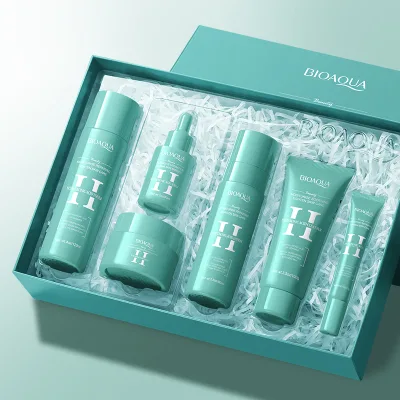
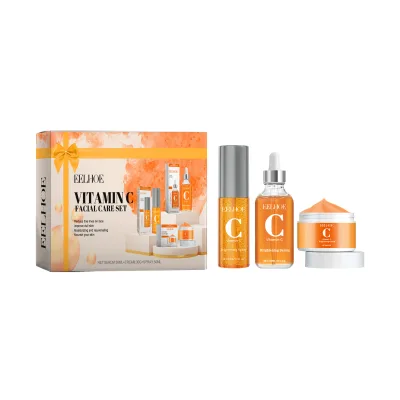
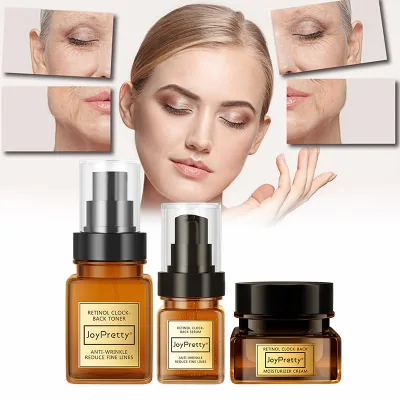
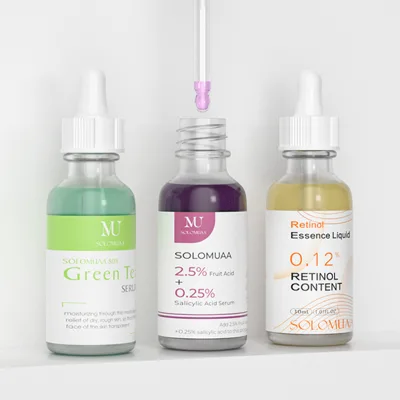
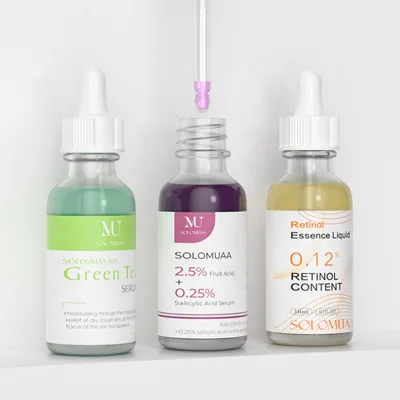
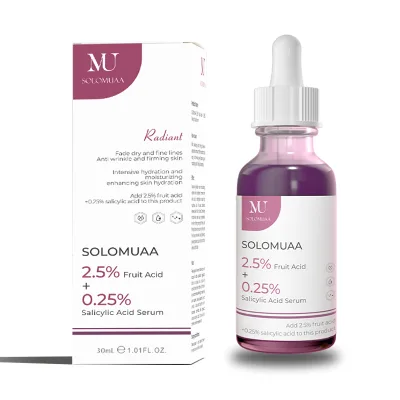
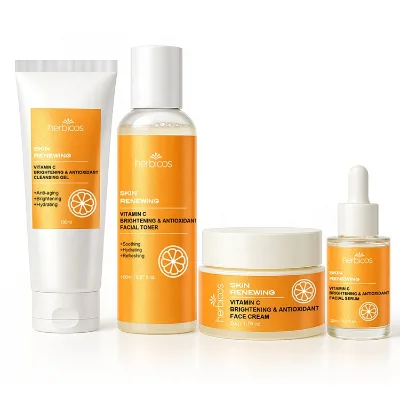
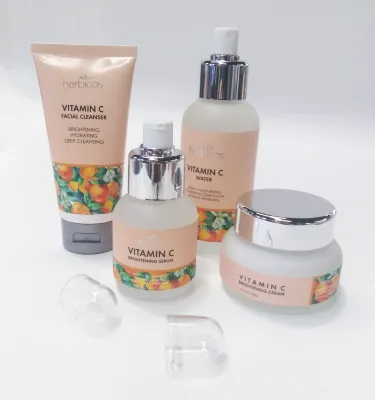
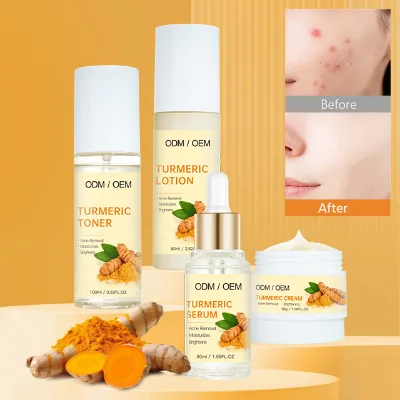
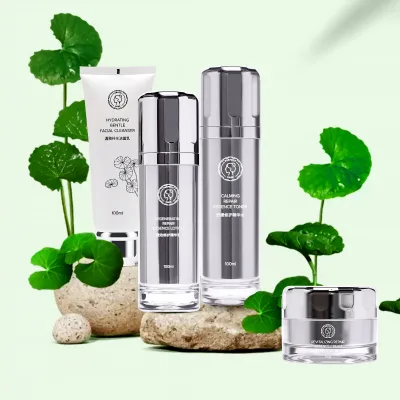
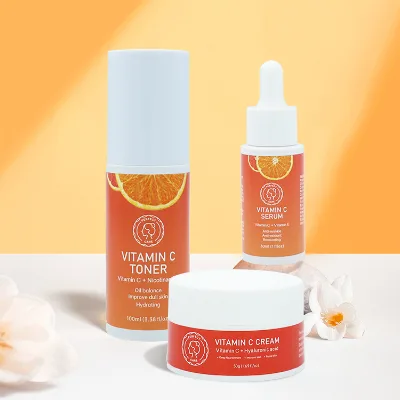
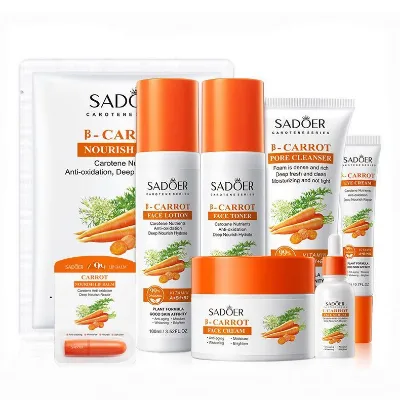
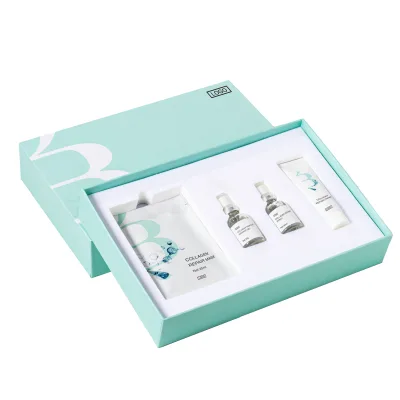
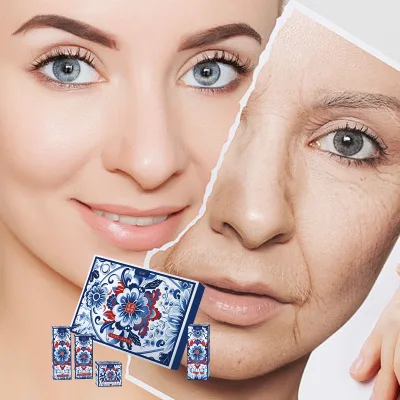
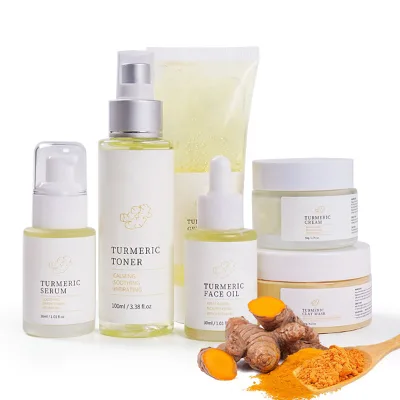
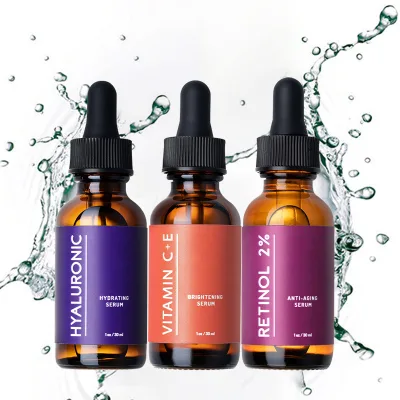


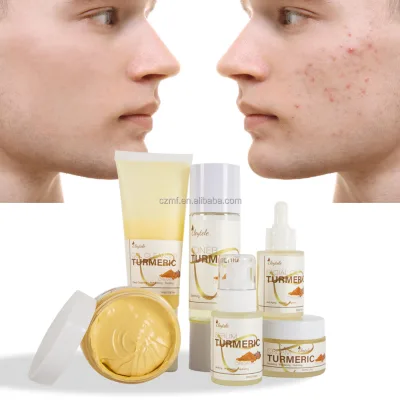
Anti-Acne Tea Tree Whitening Facial Serum Organic Saffron Skin Care Set
$9.99 - $12.99
MOQ: 1000 Pieces

Organic Skin Care Set Anti Acne Whitening Turmeric Root Cream Face Care
$9.99 - $12.99
MOQ: 1000 Pieces


Comprehensive Sourcing Guide
Strategic Sourcing Guide for Organic Anti-Wrinkle Face Toner and Serum Sets
The global demand for organic anti-wrinkle face toner and serum sets has driven a significant shift in B2B procurement strategies, particularly within the personal care and cosmetics sector. Buyers seeking these products must navigate a complex landscape where "organic" claims, anti-aging efficacy, and supply chain reliability intersect. This guide provides a disciplined approach to sourcing these specific skincare solutions, grounded in verified product attributes and industry standards. The focus remains on identifying high-quality OEM/ODM opportunities while rigorously validating supplier capabilities against the specific technical requirements of toner and serum formulations.
Understanding Product Composition and Active Ingredients
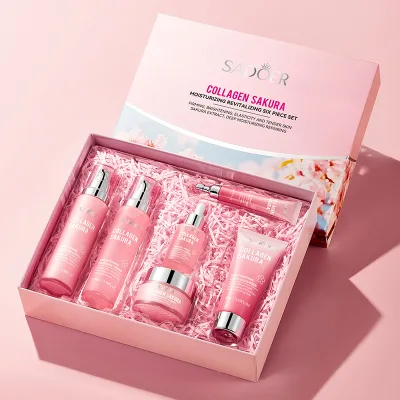
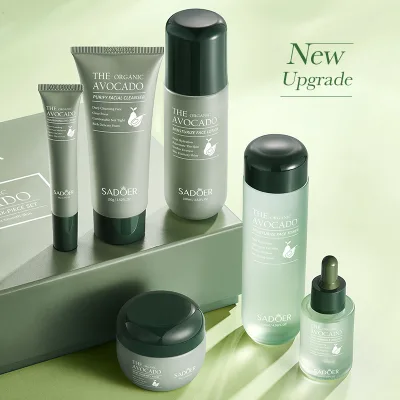
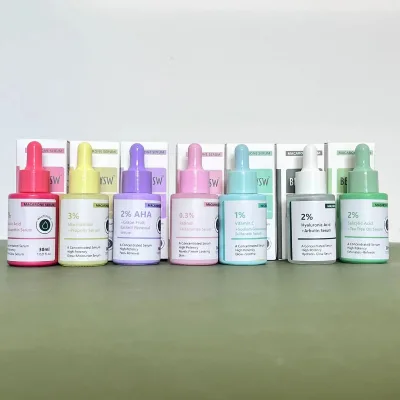
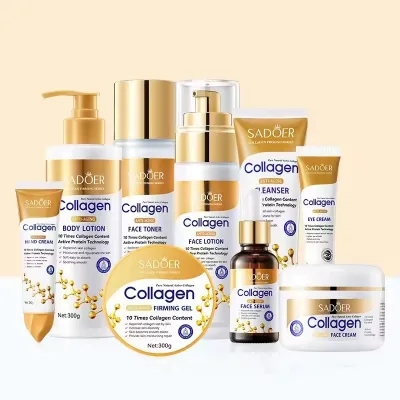
When sourcing an organic anti-wrinkle face toner and serum set, the primary differentiator lies in the ingredient profile. The market offers a diverse array of formulations, each targeting specific aging concerns through distinct active compounds. Based on observed product data, successful sets often integrate botanical extracts with potent anti-aging agents. For instance, formulations featuring Cherry Blossom and Collagen are marketed for their moisturizing and anti-wrinkle properties, while Avocado-based sets emphasize nourishment and hydration.
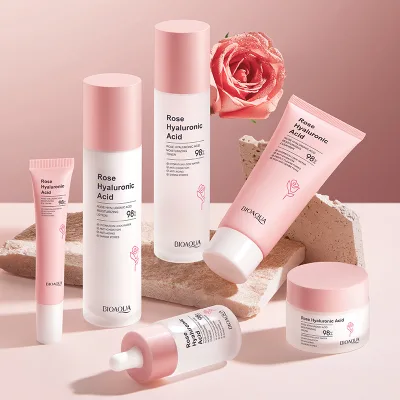
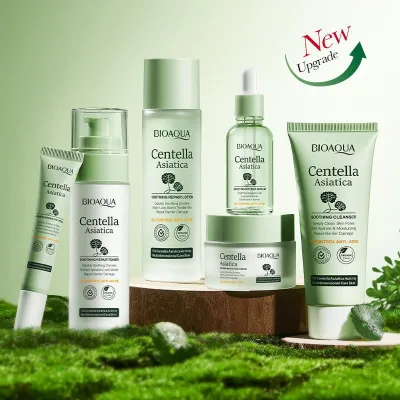
A critical component in high-performance anti-wrinkle sets is the inclusion of Hyaluronic Acid and Sodium Hyaluronate. These ingredients are frequently paired with Rose Rugosa Flower Extract to enhance skin hydration and elasticity. Furthermore, Centella Asiatica is a prominent ingredient in sets designed to soothe and repair the skin barrier, which is essential for maintaining skin integrity during the aging process. For buyers specifically targeting advanced anti-aging results, Retinol and Vitamin C are key indicators of a product's potential efficacy. Retinol is often highlighted in night-use formulations for its ability to reduce fine lines and promote cell turnover, while Vitamin C serves as a brightening agent that also combats oxidative stress.
The "organic" designation implies a specific sourcing standard for these ingredients. While specific certification bodies vary, the presence of Organic as a listed ingredient attribute suggests a commitment to natural sourcing. Buyers must verify that the "organic" claim applies to the raw materials used in the toner and serum, rather than just the final packaging. The combination of these ingredients—such as the pairing of Collagen with Sakura or Hyaluronic Acid with Rose—creates a synergistic effect that addresses multiple aging signs, including fine lines, dullness, and loss of firmness.
Technical Specifications and Functional Attributes
Beyond ingredients, the technical specifications of the product define its usability and market positioning. A comprehensive set typically includes a toner and a serum, packaged as a cohesive unit. The Product Name often reflects the core function, such as "Whitening Face Care Retinol Skin Care Set" or "Rose Hyaluronic Acid Skin Care Set." These names signal the primary benefit to the end consumer.
Functionally, these sets are designed to address a wide range of anti-aging concerns. The observed functional attributes include Anti-wrinkle, Anti-aging, Tighten skin, Brighten skin tone, and Reduce fine lines. Some formulations also offer Face Lifting and Skin Firming capabilities. The application method is a crucial technical detail; for example, Retinol-based products are specifically designated for Night use, whereas hydrating toners and serums may be suitable for both morning and evening routines.
Packaging specifications are equally important for logistics and product preservation. The Single Package Size for these sets is often compact, with dimensions like 10x5x10 cm being common. The Net Weight may vary, sometimes listed as "Other" to accommodate different bottle sizes, while the Volume for individual serum bottles is frequently 100ml. The Shelf Life is a critical quality metric, with a standard duration of 3 Years observed in many compliant products. This longevity ensures that the active ingredients, such as Vitamin C and Retinol, remain stable and effective throughout the distribution chain. The Gender specification is often listed as Unisex or Female, and the Skin Type is generally compatible with All Skin Types, making these sets versatile for broad market appeal.
Compliance, Certification, and Safety Verification
In the B2B procurement of skincare products, compliance and safety verification are non-negotiable. The supply chain must adhere to rigorous standards to ensure product safety and regulatory alignment. One of the most critical documents required is the MSDS (Material Safety Data Sheet). This document provides essential information on the chemical composition, handling procedures, and safety precautions for the ingredients used in the toner and serum sets. The presence of an MSDS indicates that the supplier has conducted a thorough assessment of the product's chemical properties.
While ISO 22716 is a recognized standard for Good Manufacturing Practices (GMP) in cosmetics, buyers should treat this as a verification target rather than an automatic guarantee. The standard outlines the requirements for the production, control, storage, and shipment of cosmetic products. Buyers must explicitly request proof of compliance with ISO 22716 or equivalent regional standards, as the mere mention of the standard in general marketing materials does not confirm active certification for a specific batch or facility.
Additionally, the Place of Origin is a significant factor in compliance. Many of the observed products originate from Guangdong, China, a major hub for cosmetic manufacturing. This region has a mature infrastructure for OEM and ODM services, but it also necessitates strict quality control to ensure that local regulations and international import standards are met. The Supply Type is predominantly OEM/ODM, meaning suppliers offer private label services. This allows buyers to customize the product, but it also requires a deeper level of due diligence regarding the supplier's manufacturing processes and quality assurance protocols.
Cost Drivers and Procurement Economics
The economics of sourcing organic anti-wrinkle sets are influenced by several variables, including ingredient quality, packaging complexity, and order volume. The MOQ (Minimum Order Quantity) is a primary cost driver, with observed ranges spanning from 1 to 10,000 units. For buyers testing the market, a lower MOQ of 50 PCS is often available, facilitating smaller initial orders. However, larger orders typically yield better unit economics.
The Price Range for these products is broad, observed between $0.21 and $27 per unit. This variance reflects differences in ingredient sourcing, brand positioning, and packaging quality. A product priced at the lower end may use standard-grade ingredients, while those at the higher end likely feature premium organic extracts and advanced delivery systems. The Selling Units are typically listed as Single Item, meaning the set is sold as a complete package rather than individual components.
Payment Terms such as Trade Assurance are common in these transactions, providing a layer of financial security for the buyer. The Delivery Time is another economic factor, with lead times ranging from 5 to 7 Days for production and shipping in optimized scenarios. However, buyers should verify if these lead times apply to standard stock items or custom OEM orders, as customization can extend the timeline. The Sample availability is also a cost consideration; many suppliers offer samples Freely, which is a valuable tool for quality assessment before committing to a larger order.
Supplier Evaluation and Service Capabilities
Selecting the right supplier is paramount for ensuring product consistency and reliability. The Brand Name associated with the product can vary; some listings show OEM as the brand, indicating a generic manufacturer, while others feature specific brands like Joypretty. For B2B buyers, the focus should be on the supplier's ability to provide OEM ODM Private Label Service. This service allows the buyer to create a unique brand identity while leveraging the supplier's manufacturing expertise.
Key evaluation criteria include the supplier's Available Quantity, which should be sufficient to meet demand without causing stockouts. An observed availability of 9999 units suggests a robust production capacity, but buyers must confirm if this is a static stock figure or a dynamic production capability. The Service offering should extend beyond manufacturing to include quality control, packaging design, and logistics support.
Buyers should also assess the supplier's experience with Organic and Anti-Wrinkle formulations specifically. The presence of diverse product lines, such as Cherry Blossom, Avocado, Rose, and Centella Asiatica sets, indicates a versatile manufacturing capability. However, the buyer must ensure that the supplier can maintain the integrity of the organic ingredients across different product lines. The Application of the product, listed as For Home Use, suggests that the formulation is designed for consumer retail rather than professional clinical use, which influences the packaging and marketing strategy.
Quality Control and Long-Term Procurement Strategy
Implementing a robust quality control (QC) strategy is essential for mitigating risks in the procurement of skincare sets. The Feature list for these products often includes multiple benefits such as Moisturizer, Whitening, Sunscreen, Nourishing, Lightening, and Anti-Aging. While these features are attractive, they must be substantiated through testing. Buyers should request Test Results or third-party validation for claims like "Anti-Wrinkle" and "Whitening" to ensure they are not merely marketing fluff.
The Net Wt and Single Gross Weight (observed at 0.100 kg) are critical for logistics planning and cost calculation. Accurate weight data ensures that shipping costs are predictable and that the product arrives in the intended condition. The Color is typically listed as Same as Picture, but buyers should verify that the physical product matches the visual representation, especially for organic products where natural color variations can occur.
For long-term procurement, establishing a relationship with a supplier that offers Private Label Service is advantageous. This allows for brand differentiation and customer loyalty. Buyers should also consider the Shelf Life of 3 Years when planning inventory management. A product with a long shelf life reduces the risk of obsolescence and allows for flexible stocking strategies. Finally, the Time Used specification, such as Night for Retinol products, should be clearly communicated in the marketing materials to ensure consumer safety and product efficacy. By adhering to these rigorous standards and verification processes, buyers can secure a reliable supply of high-quality organic anti-wrinkle face toner and serum sets.
Comparative Analysis of Key Product Attributes
To facilitate decision-making, the following table summarizes the key attributes observed in the market for organic anti-wrinkle face toner and serum sets. This comparison highlights the diversity in formulations and specifications that buyers must navigate.
| Attribute Category | Specific Observations | Procurement Implication |
|---|---|---|
| Main Ingredients | Sakura, Collagen, Avocado, Hyaluronic Acid, Rose, Centella Asiatica, Vitamin C, Retinol | Verify ingredient sourcing and concentration for "organic" claims. |
| Primary Functions | Anti-wrinkle, Anti-aging, Moisturizing, Brightening, Firming, Whitening | Align product function with target market needs and regulatory claims. |
| Packaging & Size | Sets, 10x5x10 cm, 100ml volume, 0.100 kg gross weight | Calculate logistics costs and shelf space requirements accurately. |
| Compliance | MSDS provided, ISO 22716 (verify), OEM/ODM supply type | Require MSDS and proof of GMP certification before ordering. |
| MOQ & Pricing | MOQ 1-10,000, Price $0.21-$27, MOQ 50 PCS common | Negotiate based on volume; start with low MOQ for sampling. |
| Shelf Life | 3 Years | Plan inventory turnover to maximize product freshness. |
| Origin | Guangdong, China | Assess logistics lead times and import regulations for the region. |
This structured approach ensures that buyers can effectively evaluate potential suppliers and products, minimizing risk while maximizing the potential for a successful B2B partnership in the competitive skincare market.
FAQs
What ingredients are common in organic anti-wrinkle sets?
Common ingredients include collagen, hyaluronic acid, retinol, and vitamin C. These active compounds target fine lines and skin firming while offering moisturizing benefits for all skin types.
How long is the shelf life of these skincare sets?
The standard shelf life for these products is three years. This duration ensures the stability of key ingredients like sodium hyaluronate and botanical extracts during storage and distribution.
Can I order samples before placing a bulk order?
Yes, samples are freely offered by many suppliers. This allows buyers to verify product quality and ingredient profiles before committing to larger orders with specific minimum quantities.
What is the typical minimum order quantity for these sets?
The minimum order quantity typically starts at 50 pieces. However, ranges can extend up to 10,000 units depending on the supplier's capacity and the specific customization requirements.
Which certifications should I verify for product safety?
You should verify the presence of an MSDS document for chemical safety. While ISO 22716 is a relevant standard, explicit proof of compliance is required rather than just a mention.
How long does delivery take for these skincare sets?
Delivery time is often between 5 to 7 days for optimized scenarios. This timeline may vary based on whether the order is for standard stock or requires custom OEM packaging.