Source Whitening Moisturizing Face Toner for Firming, Brightening, and Hydration
Explore 30 options for Whitening Moisturizing Face Toner designed to brighten skin, reduce pores, and restore youthful energy. Buyers can compare formulations featuring ingredients like niacinamide and hyaluronic acid, along with varying MOQs and OEM services from Guangdong suppliers.
Key considerations
Products List
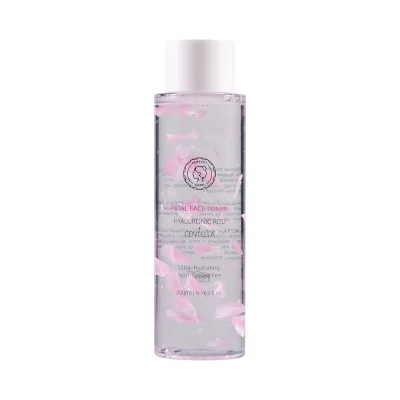
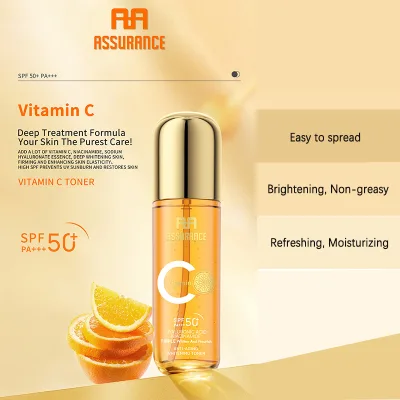
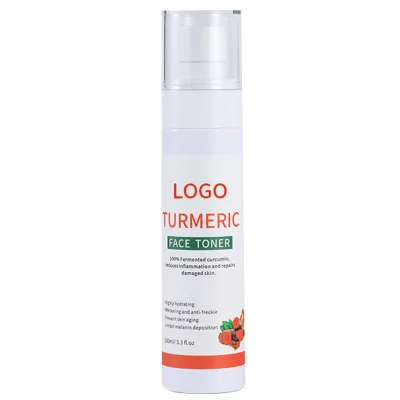
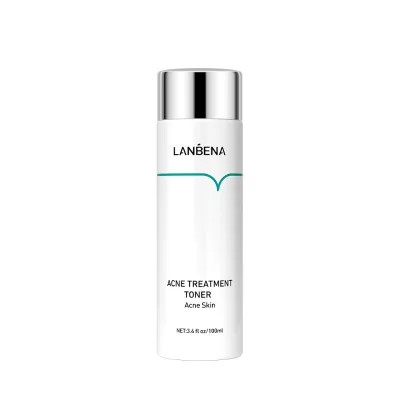
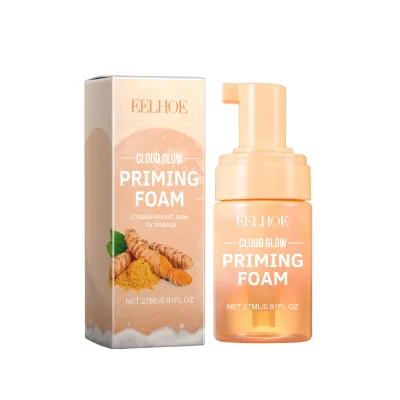
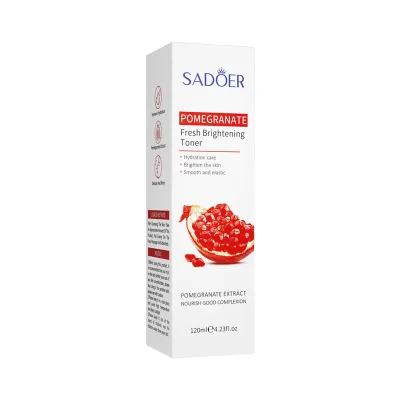
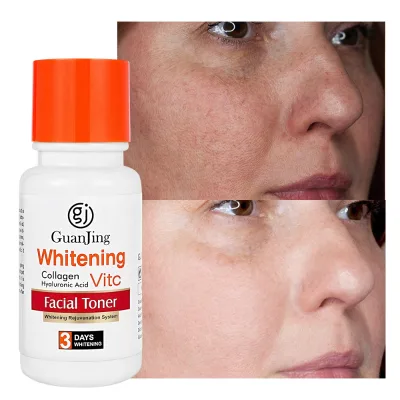
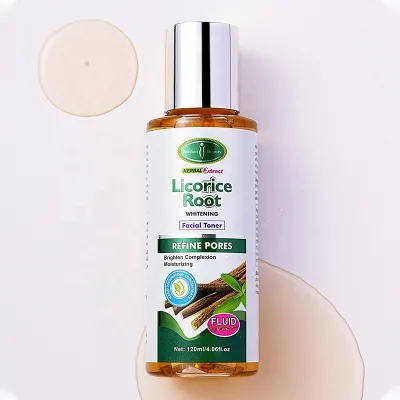
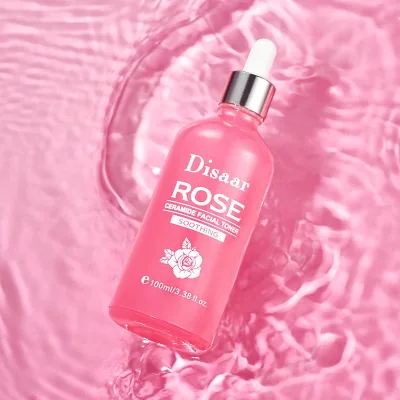
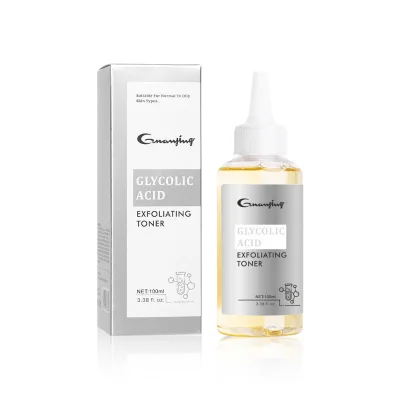


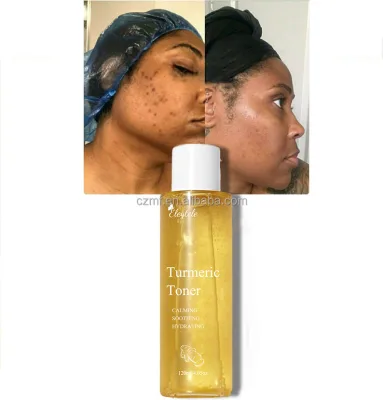


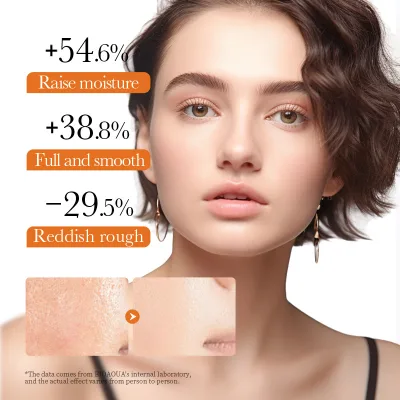
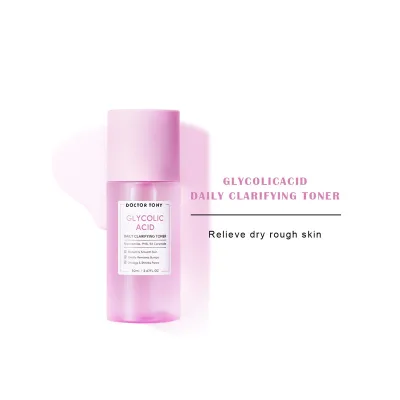

Beauty Cosmetics Skin Care Vitamin C Toner Skin Whitening Moisturizer Toner
$3.80 - $5.00
MOQ: 100 Pieces


Comprehensive Sourcing Guide
Strategic Sourcing Guide for Whitening Moisturizing Face Toner
The global demand for facial toners that combine whitening efficacy with deep moisturization has driven a significant shift in B2B procurement strategies. Buyers seeking "Whitening Moisturizing Face Toner" must navigate a complex landscape of ingredient formulations, regulatory compliance, and supply chain logistics. This guide provides an evidence-based framework for sourcing these products, focusing on verified attributes, technical specifications, and risk mitigation strategies derived from current market data. The objective is to equip procurement professionals with the knowledge to evaluate suppliers without relying on unverified marketing claims or speculative data.
Understanding Product Formulations and Core Ingredients
The efficacy of a whitening moisturizing toner relies heavily on the synergy between active brightening agents and hydrating compounds. Based on observed market data, the primary functional drivers for these products include Arbutin, Niacinamide, and Tranexamic Acid, which are specifically noted for their ability to correct pigmentation and lighten skin tone. These are frequently paired with potent moisturizers such as Hyaluronic Acid, Glycerin, and Squalane to ensure skin barrier integrity.
When evaluating product specifications, buyers should look for formulations that explicitly list these ingredients. The observed data indicates a diverse range of botanical and synthetic actives, including Vitamin C, Vitamin E, Retinol, and Peptides. Some suppliers also incorporate herbal extracts like Turmeric, Centella, and Purslane, which offer soothing properties alongside brightening effects. The presence of "Paraben-Free," "Sulfate-Free," and "Silicone-Free" attributes suggests a growing market preference for cleaner formulations, though this must be verified against the specific batch certificate of analysis (COA) rather than assumed from general product descriptions.
It is critical to distinguish between the product's intended function and its actual ingredient profile. While "whitening" is a key feature, the mechanism often involves inhibiting melanin production (via Arbutin or Tranexamic Acid) or accelerating cell turnover (via Retinol or AHA). Moisturization is achieved through humectants like Hyaluronic Acid and emollients. Buyers must ensure that the supplier provides a detailed ingredient list that matches the claimed benefits, as the presence of "Chemical" or "Organic" labels alone does not guarantee the concentration of active ingredients required for visible results.
Technical Specifications and Physical Attributes
Technical due diligence is essential when sourcing bulk toners, as physical attributes directly impact logistics, packaging costs, and user experience. The market data reveals significant variability in volume and weight specifications. Common volume offerings include 60ml, 100ml, and 120ml, with some suppliers offering customized sizes. The net weight of observed products ranges from 100g to 200ml, indicating that density and packaging density can vary significantly between suppliers.
Packaging dimensions are another critical factor. Observed single package sizes, such as 30x20x10 cm, suggest specific carton configurations that affect shipping efficiency. The single gross weight of approximately 0.380 kg per unit provides a baseline for calculating freight costs, though this will fluctuate based on the actual bottle size and packaging materials used. Buyers must verify the "Form" of the product; while many toners are liquid, some data points indicate spray formulations, which require different dispensing mechanisms and quality control checks for nozzle functionality.
Color and scent profiles also play a role in brand positioning. Observed color options range from pink to white, with some suppliers offering full customization. The fragrance profile is equally diverse, with options including "Natural Herbal Smell," "Fragrance-free," or specific scents like "Hyaluronic Acid" (though this is technically an ingredient, it is sometimes used descriptively for scent profiles). Buyers should request samples to verify that the color and scent align with their brand identity and that the "Fragrance" claims are supported by safety data sheets (SDS).
Compliance, Certification, and Regulatory Standards
Navigating the regulatory landscape is a paramount concern for B2B buyers in the cosmetics sector. While specific certification statuses cannot be universally asserted for all suppliers, the market context highlights several key standards and certifications that should be verified. The "Low-confidence background" section notes ISO 22716:2008 (Good Manufacturing Practices for Cosmetics) and ISO 14001:2015 (Environmental Management) as relevant frameworks. Buyers should explicitly request proof of ISO 22716 compliance from potential suppliers, as this standard ensures that the manufacturing process maintains high hygiene and quality control standards.
Additionally, certifications such as CE, Cruelty-Free, and Vegan are frequently cited in product attributes. However, these claims must be substantiated with valid documentation from recognized bodies. For instance, "Cruelty-Free" implies that neither the final product nor its ingredients were tested on animals, a claim that requires third-party verification. Similarly, "Organic" claims should be backed by certification from recognized organic bodies, as the term is often used loosely in marketing.
Regulatory compliance also extends to ingredient safety. The presence of ingredients like Retinol, AHA, and Tranexamic Acid requires careful formulation to ensure they are within safe concentration limits for leave-on or rinse-off products. Buyers must ensure that suppliers adhere to the regulations of the destination market, such as the EU Cosmetic Regulation or the FDA guidelines in the United States. The "Paraben-Free" and "Sulfate-Free" attributes are consumer-facing claims that also require internal formulation checks to ensure no prohibited substances are present in the final mix.
Cost Drivers and Minimum Order Quantity (MOQ) Analysis
Understanding the cost structure of whitening moisturizing toners is vital for budgeting and negotiation. The observed price range in the market spans from $0.49 to $5.00 USD per unit, a wide variance that reflects differences in ingredient quality, packaging complexity, and order volume. The Minimum Order Quantity (MOQ) is another significant cost driver, with observed ranges varying from 24 units to 1,000 units. A specific data point indicates an MOQ of 500 pieces for certain OEM products, while others may have lower thresholds of 72 or 100 pieces.
Several factors influence these costs. The inclusion of premium ingredients like Arbutin, Vitamin C, and specialized peptides will increase the base cost compared to formulations relying on basic glycerin and water. Customization options, such as private labeling, custom bottle shapes, and unique color formulations, also add to the unit price. The "OEM ODM Private Label" service model allows for brand customization but typically requires higher MOQs to amortize the setup costs for molds and labeling.
Buyers should also consider the "available quantity" and production capacity. With an observed available quantity of 100,000 units, suppliers appear to have substantial capacity, but lead times and production schedules must be confirmed. The "Shelf life" of 3 years is a standard benchmark, but buyers should verify the stability testing data to ensure the product remains effective throughout this period. When negotiating, buyers should aim to balance the MOQ with their inventory turnover rates to avoid overstocking while securing favorable unit pricing.
Supplier Evaluation and Service Capabilities
Evaluating suppliers requires a holistic approach that goes beyond price and product specifications. The "Advantage" attribute of "More than 10 years of experience" suggests that established suppliers may offer greater reliability and technical expertise. However, experience alone is not a guarantee of quality; it must be corroborated by client references, factory audit reports, and past performance data.
Key service capabilities to evaluate include the supplier's ability to handle OEM and ODM requests. The "Logo: Accept OEM" attribute confirms that suppliers are willing to customize branding, but buyers should assess the complexity of these services. Do they offer design support, mold creation, and regulatory documentation? The "Service" attribute explicitly mentions "OEM ODM Private Label," indicating a flexible service model. Buyers should verify the supplier's capacity to handle custom formulations, as the "Main Ingredient" list varies significantly between products.
Geographic location is another factor. The "Place of Origin" is consistently listed as Guangdong, China, a major hub for cosmetics manufacturing. This region offers a robust supply chain for raw materials and packaging, but buyers should verify the specific factory location and its proximity to ports for efficient logistics. Additionally, the "Gender" and "Age Group" attributes (Female, Adults) help narrow down the target market, ensuring the product aligns with the intended demographic.
Quality Control and Long-Term Procurement Strategy
Implementing a robust quality control (QC) protocol is essential for maintaining brand reputation. Buyers should mandate pre-shipment inspections that verify critical parameters such as viscosity, pH balance, microbial limits, and active ingredient concentration. The "Form" of the product (Liquid or Spray) requires specific testing; for sprays, nozzle flow rates and mist uniformity must be checked. For liquid toners, stability testing under various temperature conditions is crucial to prevent separation or color changes.
Long-term procurement considerations involve building a resilient supply chain. The "Shelf life" of 3 years allows for flexible inventory management, but buyers should monitor expiration dates closely to avoid waste. Establishing a relationship with a supplier that offers consistent quality and reliable lead times is more valuable than chasing the lowest price. The "Single package size" and "Net weight" consistency are critical for logistics planning; any deviation can disrupt shipping calculations and warehouse storage.
Buyers should also consider the environmental impact of their procurement choices. The "Organic" and "Cruelty-Free" attributes appeal to eco-conscious consumers, but these claims must be verified. Suppliers with ISO 14001 certification demonstrate a commitment to environmental management, which can be a differentiator in the market. Finally, maintaining open communication with suppliers regarding formulation changes or regulatory updates ensures that the product remains compliant and competitive in the long term.
Comparative Analysis of Product Attributes
To facilitate decision-making, the following table summarizes key product attributes observed in the market for whitening moisturizing face toners. This comparison highlights the variability in specifications that buyers must navigate.
| Attribute Category | Observed Variability | Key Verification Points |
|---|---|---|
| Volume/Weight | 60ml to 200ml; 100g to 200ml | Verify net weight consistency; check density for shipping. |
| MOQ | 24 to 1,000 units; specific 500/72/100 options | Negotiate based on volume; confirm setup costs for low MOQs. |
| Main Ingredients | Arbutin, Niacinamide, Vitamin C, Retinol, Herbal | Request COA for active ingredient concentrations. |
| Form | Liquid, Spray | Test nozzle function for sprays; check viscosity for liquids. |
| Certifications | ISO 22716, CE, Cruelty-Free, Vegan | Demand valid certificates; verify third-party audits. |
| Packaging | Pink, White, Custom; 30x20x10 cm | Confirm color accuracy; check packaging durability. |
| Shelf Life | 3 Years | Verify stability testing data; check expiration labeling. |
This table underscores the need for rigorous due diligence. While the market offers a wide range of options, the specific combination of attributes must align with the buyer's brand strategy and regulatory requirements. By focusing on verified data and avoiding unconfirmed claims, buyers can secure high-quality whitening moisturizing face toners that meet both performance and compliance standards.
FAQs
What are the main ingredients in whitening moisturizing face toners?
Common ingredients include Arbutin, Niacinamide, Tranexamic Acid, and Hyaluronic Acid. These actives work together to correct pigmentation and hydrate the skin barrier effectively.
Which skin types can use these moisturizing whitening toners?
These products are suitable for combination, normal, dry, sensitive, oily, and damaged skin types. Most formulations are designed to be gentle enough for all skin types.
Can suppliers provide OEM and private label services?
Yes, many suppliers offer OEM, ODM, and private label services. Buyers can customize logos, packaging, and formulations to match their specific brand requirements.
What is the typical minimum order quantity for these toners?
The minimum order quantity typically ranges from 72 to 1000 pieces. Some specific OEM products may require a minimum of 500 pieces for production.
How long is the shelf life of these facial toners?
The standard shelf life for these products is three years. Buyers should verify stability testing data to ensure the product remains effective throughout this period.
What volume options are available for bulk orders?
Available volumes include 60ml, 100ml, and 120ml, with customized sizes also offered. Some specific listings indicate net weights of 100g or 200ml depending on the formulation.
Are these toners free from parabens and sulfates?
Many products are formulated to be paraben-free, sulfate-free, and silicone-free. Buyers should request a certificate of analysis to verify the absence of these specific ingredients.