Source anti-corrosion pultrusion fiberglass pipes for construction
Find 30 anti-corrosion pultrusion fiberglass pipes from Guangdong suppliers. Compare options featuring high strength, flame retardancy, and corrosion resistance for building, electronic, and sports applications. Customize dimensions and colors to meet specific project requirements; compare the available evidence and request quotations based on your requirements.
Updated
Key considerations
Products List
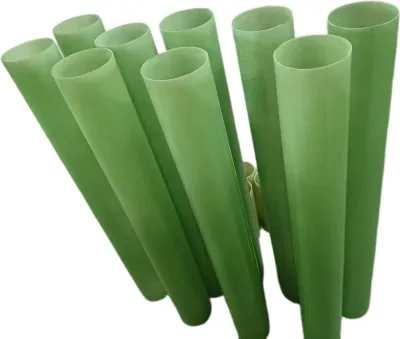
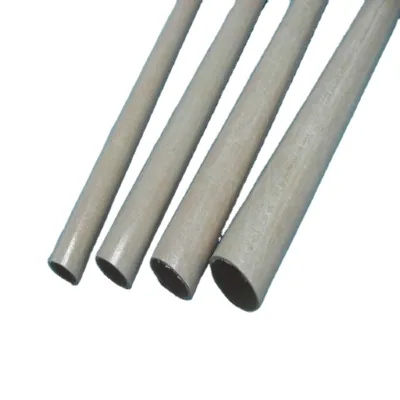
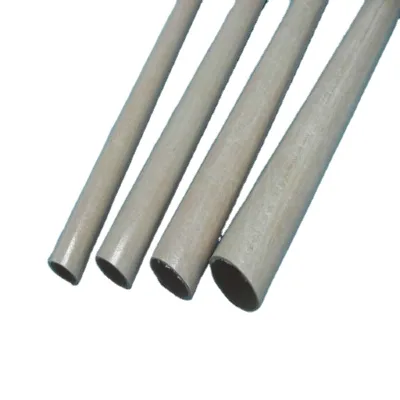
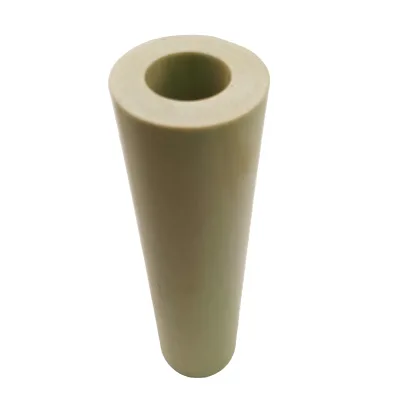
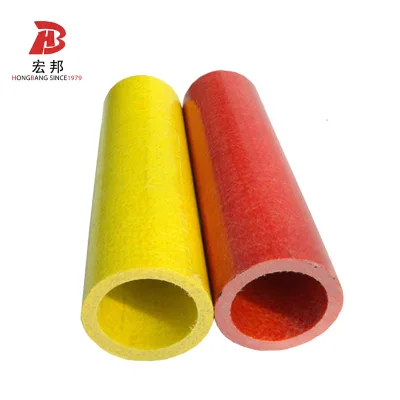
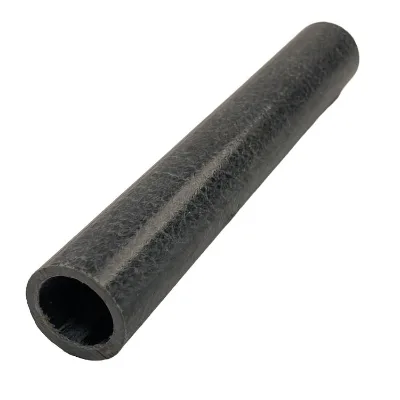
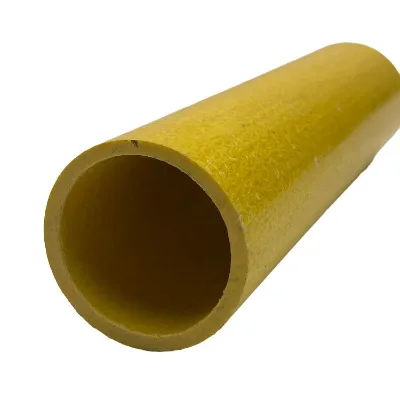
Reinforced Pultrusion Fiber Glass Pipe Different Sizes Fiberglass Pipe
$0.50 - $3.00
MOQ: 1000 Minimum


Comprehensive Sourcing Guide
Anti-Corrosion Pultrusion Fiberglass Pipes Sourcing Guide
Sourcing anti-corrosion pultrusion fiberglass pipes requires a disciplined approach to verifying material composition and manufacturing consistency. Buyers must prioritize suppliers who explicitly state the use of fiberglass and resin, as these are the foundational components for achieving the necessary structural integrity and chemical resistance. The pultrusion process is critical, as it ensures a continuous fiber reinforcement that delivers high strength and uniformity along the pipe’s length. This method allows for precise control over the final product’s dimensions and mechanical properties, making it suitable for demanding industrial environments where standard materials might fail.
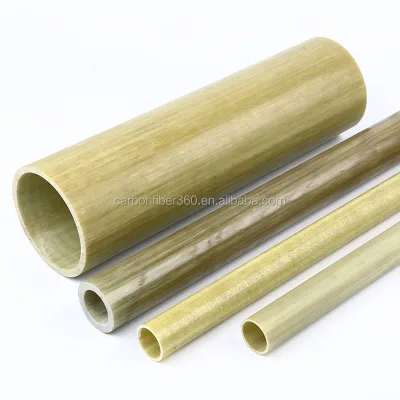
Procurement teams should also evaluate the supplier’s capability for customization, as many applications require specific diameters, lengths, or color codes. The observed market offers a wide range of diameters from 2mm to 100mm, with customized lengths available to meet project specifications. It is essential to confirm that the supplier can handle various surface treatments, such as smooth or glossy finishes, which may be required for specific installation conditions or aesthetic standards. Understanding these baseline capabilities helps in filtering out suppliers who only offer standard, off-the-shelf products that may not fit unique engineering requirements.
Product Scope and Observed Listing Signals
The current market landscape for fiberglass reinforced plastic (FRP) pipes shows a diverse range of product attributes tailored to different industrial needs. Listings frequently highlight features such as high strength, flame retardancy, and corrosion resistance, which are key selling points for buyers in construction and environmental protection sectors. The shape is consistently circular, and the surface treatment is typically smooth, ensuring ease of installation and maintenance. Buyers should note that while many products claim high strength, the actual performance depends on the specific resin system and fiber orientation used during the pultrusion process.
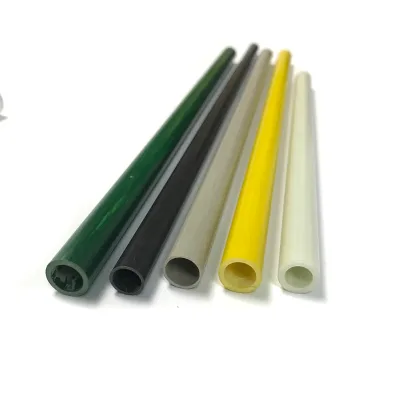
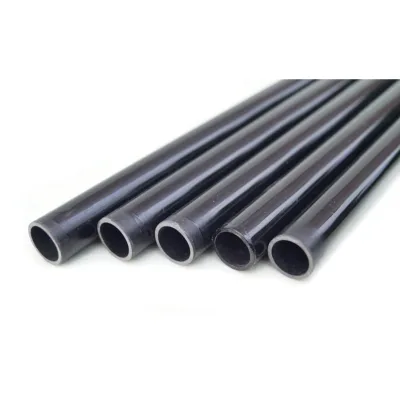
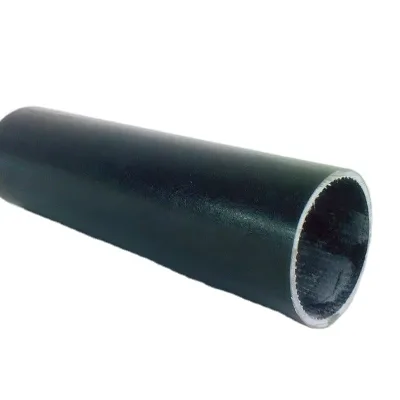
Color options vary significantly, with yellow, red, black, blue, and white being common choices, often customized to meet client branding or safety coding requirements. The application scope extends beyond general construction to include electronic, sports, and deck flooring uses, indicating the versatility of the material. However, buyers must be cautious not to assume that every listed product meets all these diverse application criteria. It is vital to cross-reference the specific product model number and material composition with the intended use case to ensure compatibility and performance reliability in the final installation.
Technical Specifications to Verify
Verifying technical specifications is paramount to ensuring the pipes meet engineering standards and project requirements. Buyers should focus on diameter ranges, which typically span from 2mm to 100mm, and confirm that the length can be customized to exact project needs. The straightness of the pipes is a critical quality indicator, with some suppliers guaranteeing deviations of less than 0.5 mm, which is essential for precise assembly in complex structures. Additionally, the processing services offered, such as cutting, bending, welding, and punching, should be evaluated to determine if the supplier can provide value-added services that reduce on-site labor and installation time.
Material composition is another key area for verification, with options including fiberglass, FRP, GRP, and combinations with PU resin. Buyers must ensure that the chosen material aligns with the chemical environment the pipes will be exposed to, particularly for corrosion-resistant applications. The model number, whether standardized like BQ-1164 or customized, serves as a unique identifier for quality control and reordering. It is also important to check the single package size and gross weight, as these factors influence logistics planning and handling requirements at the destination site, ensuring that the supply chain remains efficient and cost-effective.
Compliance and Safety Documentation
Compliance and safety documentation are essential for mitigating risk and ensuring that the purchased pipes meet regulatory standards in the destination market. Buyers should request detailed material safety data sheets (MSDS) and certificates of conformity that verify the chemical composition and fire resistance properties of the pipes. While some listings mention flame retardant features, it is crucial to obtain third-party test results that confirm these claims against recognized international standards. This documentation provides legal protection and ensures that the materials are safe for use in sensitive environments such as electronic facilities or public infrastructure projects.
Additionally, buyers should inquire about any specific industry certifications that the supplier holds, such as ISO quality management or environmental compliance certifications. Although specific standards like ASTM D2996 may be referenced in broader contexts, buyers must verify if the supplier’s products have been tested against these or equivalent local regulations. Clear communication regarding compliance requirements early in the sourcing process helps avoid delays and ensures that the delivered goods are accepted by local authorities and project stakeholders without issue.
Cost Drivers and Commercial Terms
Understanding the cost drivers behind anti-corrosion pultrusion fiberglass pipes helps buyers negotiate better commercial terms and budget accurately. The primary cost factors include the type and quality of fiberglass and resin used, the complexity of the pultrusion process, and the level of customization required. Prices in the observed market range widely, reflecting differences in material quality, brand reputation, and order volume. Buyers should consider the minimum order quantity (MOQ) requirements, which can vary from 1 to 2000 units, and assess how these thresholds impact their overall procurement strategy and inventory management.
Commercial terms such as payment methods, shipping arrangements, and lead times are also significant cost drivers. Suppliers offering OEM/ODM services may charge additional fees for design and engineering support, which should be factored into the total cost of ownership. It is advisable to request detailed quotations that break down costs for materials, processing, and packaging to identify potential areas for negotiation. Clear agreement on delivery schedules and penalty clauses for delays can further protect the buyer’s interests and ensure that the project timeline is maintained without unexpected financial burdens.
Supplier Qualification and Quality Control
Supplier qualification is a critical step in ensuring the reliability and consistency of anti-corrosion pultrusion fiberglass pipes. Buyers should conduct thorough due diligence on potential suppliers, verifying their manufacturing capabilities, quality control processes, and track record in the industry. It is important to assess whether the supplier has dedicated facilities for pultrusion and can maintain consistent quality across large production runs. Requesting samples for testing and evaluation is a practical way to verify the physical properties of the pipes, such as strength, flexibility, and surface finish, before committing to a large order.
Quality control measures should include regular inspections during production and final checks before shipment. Buyers should inquire about the supplier’s testing protocols for dimensions, straightness, and material composition to ensure that the products meet the specified standards. Establishing a clear communication channel for addressing any quality issues or discrepancies is also essential. By selecting suppliers with robust quality management systems, buyers can minimize the risk of receiving defective goods and ensure that the pipes perform reliably in their intended applications over the long term.
Long-Term Procurement Checks
Long-term procurement checks are necessary to maintain the quality and reliability of the supply chain for anti-corrosion pultrusion fiberglass pipes. Buyers should establish periodic review processes to evaluate supplier performance, including on-time delivery rates, product quality consistency, and responsiveness to issues. Regular audits of the supplier’s manufacturing facilities and quality control procedures can help identify potential problems before they impact production. Building a strong relationship with the supplier through consistent communication and feedback can also foster continuous improvement and innovation in product offerings.
Additionally, buyers should stay informed about changes in industry standards, material technologies, and market conditions that may affect the sourcing strategy. Monitoring the performance of the installed pipes in the field can provide valuable insights into their durability and suitability for the application. By maintaining a proactive approach to supplier management and quality assurance, buyers can ensure that their procurement of anti-corrosion pultrusion fiberglass pipes remains efficient, cost-effective, and aligned with their long-term business objectives.
FAQs
What material is used for these FRP round tubes?
The tubes are made from fiberglass and resin, specifically utilizing a combination of fiberglass and pu resin for durability. This composition ensures high strength and corrosion resistance suitable for various industrial applications like construction and electronics.
Which dimensions are available for the pultruded FRP pipe?
Available diameters range from 2mm to 100mm with customized lengths to meet specific project requirements. The product offers flexible sizing options to accommodate different structural needs while maintaining a smooth surface finish throughout the manufacturing process.
Can I request custom colors for the fiberglass pipe?
Yes, customization is available for colors including yellow, red, black, blue, white, and grey. Buyers can specify their preferred color to match branding or safety standards, ensuring the final product meets aesthetic and functional requirements for architecture or deck flooring.
How is the straightness of the FRP tube controlled?
The manufacturing process ensures the straightness is less than 0.5 mm for high precision. This tight tolerance is achieved through the pultrusion technique, guaranteeing that the tubes remain straight and suitable for demanding applications in building and sports industries.
What processing services are offered for these FRP pipes?
Services include decoiling, moulding, welding, cutting, bending, punching, and chemical treatment. These processing capabilities allow for extensive customization, enabling buyers to receive tubes that are ready for immediate installation or further fabrication into specific structural components.
Where are these anti-corrosion pipes manufactured?
The products originate from Guangdong, China, where specialized factories produce them using advanced pultrusion technology. This location supports efficient logistics and ensures that the fiberglass and resin materials meet the required standards for high-temperature and corrosion resistance applications.
What are the key features of the FRP round tube?
Key features include strong flame retardancy, high strength, and excellent corrosion resistance. These attributes make the tubes ideal for environmental protection, industry, and construction projects where durability and safety are critical factors for long-term performance in harsh conditions.