Body Safe Odorless Silicone Rubber Suppliers and Manufacturers
Compare 14 verified manufacturers offering Body Safe Odorless Silicone Rubber with ISO9001:2015 certification and customizable formulas. Review lead times, MOQs, and pricing to select the right partner for medical or industrial applications; review the available evidence before requesting comparable quotations from suitable candidates.
Suppliers List

Dongguan gangtian polymer materials Co.Ltd.
- Manufacturer
- China Guangdong
- Lead time15 days
- Avg. response≤ 6h
Main productsRTV 2 Mold Making Silicone Rubber, Liquid Silicone Rubber, Htv Silicone Rubber, Silicone Oil & Silicone Ink, Silicone Pigment/Paste, Electronic Potting Compound, Life Casting Silicone Rubber
Main marketsSouth America,Southeast Asia/ Mideast,Europe,North America

Food Grade, Non-Toxic, Odorless, Eco-Friendly Skin Safe and Body Safe Silicone Rubber
$5.88 - $7.88
MOQ: 999 Pieces


Silicone Dolls Dildos Making Life Casting Silicone Rubber Skin Safe Liquid Silicone Rubber for Body
$5.88 - $7.88
MOQ: 999 Pieces


Shenzhen Inibaba Technology Co., Ltd.
- Verified by TUVRHEINLAND
- Manufacturer/Factory
- China Guangdong
- Lead time0 days
- Avg. response≤ 5h
Main productsSilicone Rubber, Liquid Silicone Rubber, RTV Silicone Rubber, Silicone Potting, Fabric Silicone Printing Coating, Silicone Coatiing, Silicone Gel, Mould Making Silicone Rubber, RTV2 Silicone, Molding Silicone Rubber
Main marketsSouth America,Eastern Europe,Mid East,North America,Southeast Asia,Eastern Asia,Oceania,Western Europe,Africa

Body Safe Silicone Rubber Raw Material Without Oily Cloth Insole Odorless Free Sample
$4.00 - $6.00
MOQ: 1 kg


Zhejiang Jiuerjiu Chemicals Co., LTD
- Combined
- China Zhejiang
- Lead time30 days
- Avg. response≤ 3h
Main productsSuper Glue, UV Glue, Instant Adhesive, Cyanoacrylate Adhesive, Epoxy Adhesive, Thread Locker Adhesive, Silicone Sealant, RTV Silicone
Main marketsAfrica,Southeast Asia/ Mideast,Europe
Guangzhou Jingyi New Materials Co., Ltd.
- Trading Company
- Guangdong, China
- Lead time10 days
- Avg. response≤ 2h
Main productsSilicone
Main marketsSoutheast Asia(30.00%), Mid East(20.00%), South Asia(5.00%), North America(5.00%), South America(5.00%), Western Europe(5.00%), Southern Europe(5.00%), Eastern Asia(5.00%), Central America(5.00%), Northern Europe(5.00%), Africa(5.00%), Eastern Europe(5.00%)

GUANGZHOU OTT NEW MATERIALS CO., LTD.
- Combined
- China Guangdong
- Lead time15 days
- Avg. response≤ 9h
Main productsLiquid Silicone, RTV Silicone, Moulding Silicone, Insole Silicone Rubber, Pad Printing Silicone Rubber, Life Casting Silicone Rubber, Electronic Potting Silicone Rubber, Platinum Cured Silicone Rubber, Tin Cured Silicone Rubber, RTV2 Silicone Rubber
Main marketsSouth America,Africa,Southeast Asia/ Mideast,East Asia(Japan/ South Korea),Domestic,Europe,Australia,North America

Skin Safe RTV-2 Liquid Silicone Rubber for Body-Safe Life Casting Silicone Rubber
$9.75 - $12.36
MOQ: 200 kg


Iota Silicone Oil (Anhui) Co., Ltd.
- Verified by BV
- Manufacturer/Factory
- China Anhui
- Lead time23 days
- Avg. response≤ 4h
Main productsSilicone Oil, Polysilazane, Precipitated Silica, Fumed Silica, Liquid Silicone Rubber, Htv Silicone Rubber, LSR Silicone Rubber, Phenyl Silane, Amino Silane, Hydroxyl Silane
Main marketsSouth America,Eastern Europe,Mid East,North America,Southeast Asia,Eastern Asia,Oceania,Western Europe,Africa

Guangdong Heilan New Material Technology Co., Ltd.
- Manufacturer
- China Guangdong
- Lead time15 days
- Avg. response≤ 14h
Main productsGeneral Purpose Silicone Rubber, Silicone Rubber for Sex Dolls, Silicone Rubber Insulator, Food Grade Silicone Rubber, Htv/Hcr Silicone Rubber, High Tear Strength Silicone Rubber, Molding Silicone Rubber, High Transparent Silicone Rubber, Flame Retardant Silicone, High Transaparent Excusion Silicone Rubber
Main marketsSoutheast Asia/ Mideast,Europe,North America

Dongguan Tianhui New Material Co., Ltd.
- Manufacturer
- China Guangdong
- Lead time15 days
- Avg. response≤ 5h
Main productsLiquid Silicone, Screen Printing Silicone, RTV Silicone, Silicone Rubber, Silicone Clothing Label, Silicone Clothing Logo, Mold Silicone, Embossed Printing Silicone, Screen Printing Ink, Textile Silk
Main marketsSoutheast Asia/ Mideast

Ningbo Yombo Rubber & Plastic Products Co., Ltd.
- Combined
- China Zhejiang
- Lead time30 days
- Avg. response≤ 17h
Main productsPlastic Products, Rubber Products, Silicon Rubber Products, Rubber Roof Flashing, Roof Flashing, Rubber Seal, Master Flash, Rubber Auto Parts, Rubber Parts, Plastic Parts
Main marketsDomestic,Europe,Australia,North America

Yuyao Xianghao Mold Technology Company Limited
- Verified by BV
- Trading Company
- China Zhejiang
- Lead time30 days
- Avg. response≤ 10h
Main productsInjection Mold, Plastic Mold, Injection Molding, Rapid Prototyping, 3D Pritting, Manhole Cover Mold, Silicone Rubber Mould, Wire Rack, Car Air Compressor, LED Light
Main marketsNorth America
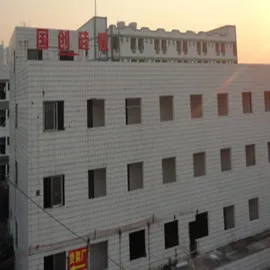
Dongguan Guochuang Organic Silicone Material Co., Ltd.
- Manufacturer
- Guangdong, China
- Lead time3 days
- Avg. response≤ 10h
Main productsRTV2 silicone rubber,liquid silicone rubber,mold making silicone rubber,food grade silicone rubber,liquid molding silicone
Main marketsSoutheast Asia(25.00%), Domestic Market(20.00%), Oceania(10.00%), Western Europe(10.00%), Mid East(10.00%), Eastern Europe(10.00%), South America(5.00%), Africa(5.00%), North America(5.00%)

Yangzhong HaiTeng Fluorine Plastic Product Factory
- Verified by BV
- Combined
- China Jiangsu
- Lead time15 days
- Avg. response≤ 16h
Main productsPTFE, PTFE Sheet, PTFE Rod, PTFE Tube, Nylon, Silicon Rubber, Teflon, Nylon Rods, Nylon Tube, PU Rod/POM Rod
Main marketsSoutheast Asia/ Mideast,Domestic

Jiangsu Fuyuan New Material Co., Ltd.
- Verified by SGS
- Trading Company
- China Jiangsu
- Lead time15 days
- Avg. response≤ 2h
Main productsPTFE, PVDF, FKM, PFA
Main marketsAfrica,Domestic,Europe

Tongxiang Spring Rubber & Plastics Tech Co., Ltd.
- Verified by SGS
- Combined
- China Zhejiang
- Lead time30 days
- Avg. response≤ 2h
Main productsRubber Product, Rubber Parts, Bellow, Damper, O Ring, Grommet, Gasket, Custom Rubber, Seals, Rubber Plug
Main marketsEurope,North America






Comprehensive Sourcing Guide
Body Safe Odorless Silicone Rubber Supplier Concentration and Factory Types
The available data indicates a specific concentration of manufacturers located in China Guangdong, with product origins explicitly listed as Dongguan, Shenzhen, and general China Guangdong regions. These facilities operate primarily as manufacturers or factories rather than trading companies, offering direct access to production lines for liquid silicone rubber and RTV mold making materials. The presence of ODM and OEM capabilities suggests these entities possess the internal engineering capacity to customize rubber formulas for specific performance requests, such as medical-grade or food-grade applications. Buyers should prioritize verifying the physical address and factory type against the provided location facts, as the supply chain for odorless, skin-safe materials relies heavily on the specific chemical processing capabilities found within these industrial clusters.
When assessing the factory type, it is critical to distinguish between entities that merely resell materials and those that control the synthesis process. The observed supplier profiles list company types as Manufacturer or Manufacturer/Factory, which aligns with the complex requirements for producing non-toxic, odorless silicone rubber. These facilities often hold system certifications like ISO9001:2015 or ISO 9001, which serve as baseline indicators of their quality management systems. However, buyers must not assume all suppliers in the region possess these credentials without direct verification. The concentration in Guangdong provides logistical advantages for raw material sourcing, but the specific factory type determines the level of control over the final product's safety and consistency, particularly for applications involving human contact or medical devices.
How to Verify Body Safe Odorless Silicone Rubber Suppliers
Verification of supplier credibility begins with checking for recognized third-party audit marks and system certifications that validate their operational standards. The current results show specific suppliers holding ISO9001:2015 certificates and verification statuses from entities like TUVRHEINLAND, which are concrete indicators of a supplier's commitment to quality control. Buyers should request current copies of these certificates and cross-reference the certification numbers with the issuing bodies to ensure they are active and not expired. Additionally, the presence of product-specific certifications such as RoHS, REACH, FDA, and ISO on product attributes provides evidence that the materials meet international safety standards for food, medical, and household applications.
Beyond documentation, buyers must validate the supplier's responsiveness and operational readiness through direct engagement metrics. The observed response times of 4.17 and 5.95 hours indicate a level of operational efficiency that can be used as a benchmark for communication reliability. A supplier with a verified status and a rapid response time is more likely to provide accurate information regarding lead times and production capacity. Buyers should also examine the product attributes for specific claims like "Free Sample" availability and "Customization" options, which demonstrate a supplier's confidence in their product quality. Verifying these claims through sample requests and testing is essential before committing to large orders, ensuring the material is truly odorless and safe for the intended use.
What to Compare Across Body Safe Odorless Silicone Rubber Suppliers
Comparing suppliers requires a detailed analysis of their operational parameters, including lead times, minimum order quantities, and pricing structures. The data reveals significant variation in lead times, with some suppliers listing 15 days while others indicate 0 days, suggesting differences in inventory levels or production scheduling. Minimum order quantities also fluctuate widely, ranging from 1 unit to 999 units, which impacts the feasibility of small-batch testing versus large-scale production runs. Buyers must align these figures with their own inventory needs and cash flow constraints, ensuring that the selected supplier can accommodate their specific volume requirements without imposing excessive financial burdens.
Pricing and product specifications are equally critical factors in the comparison process. The observed price ranges for silicone rubber vary from 4.00 to 8.80 per unit, depending on the specific product model and packaging configuration. Buyers should compare the price per kilogram against the stated material properties, such as hardness, viscosity, and curing time, to determine the true value proposition. Additionally, the availability of customization options and the range of main products offered, such as liquid silicone rubber, RTV silicone, and electronic potting compounds, should be evaluated. A supplier offering a broader range of compatible products may provide better long-term value, but the primary focus must remain on the specific attributes required for the body-safe application.
Common Body Safe Odorless Silicone Rubber Sourcing Risks
One significant risk in sourcing body-safe silicone rubber involves the discrepancy between claimed certifications and actual product performance. While suppliers may list certifications like FDA, RoHS, and REACH, these labels do not guarantee that every batch meets the strict safety standards required for medical or food-grade applications. Buyers must be vigilant about verifying that the specific product model, such as GTSIL-P10-P40 or INI-7 series, is covered by the stated certifications. Relying solely on marketing claims without independent third-party testing can lead to the procurement of materials that fail to meet safety requirements, potentially resulting in product recalls or legal liabilities.
Another critical risk is the inconsistency in lead times and production capacity, which can disrupt supply chains. The observed lead times vary from immediate availability to 15 days, and some suppliers list a lead time of 0, which may indicate a drop-shipping model or a lack of actual manufacturing capacity. This variability can lead to delays in production schedules, especially for time-sensitive projects like medical device manufacturing or custom mold making. Buyers should assess the supplier's capacity for ODM and OEM services to ensure they can handle volume fluctuations and customization requests without compromising delivery schedules. Understanding these operational risks is essential for mitigating potential disruptions in the supply chain.
Body Safe Odorless Silicone Rubber Regional Sourcing and Logistics
The primary sourcing region for these materials is identified as China Guangdong, with specific product origins noted in Dongguan and Shenzhen. This concentration of manufacturers offers logistical advantages due to the region's established infrastructure for exporting chemical and rubber products. Buyers should consider the proximity of these facilities to major ports, which can reduce shipping times and costs for international orders. However, the specific location of the factory, whether in Dongguan or Shenzhen, may impact the availability of certain product models and the efficiency of the supply chain. Buyers must verify the exact origin of the product to ensure it aligns with their logistical requirements and to avoid potential delays caused by regional shipping constraints.
Logistics planning also involves understanding the packaging and shipping standards associated with the supplier's location. The observed product attributes indicate various packaging options, including iron drums and bags in weights ranging from 1kg to 200kg. These packaging choices affect the handling and transportation of the materials, particularly for liquid silicone rubber which requires careful handling to prevent leakage or contamination. Buyers should confirm the packaging standards with the supplier to ensure they meet the necessary safety and regulatory requirements for international transport. Additionally, the origin location may influence the availability of specific certifications and the ability to provide samples, which are crucial for verifying the quality and safety of the material before placing a large order.
Body Safe Odorless Silicone Rubber Commercial Terms and Order Planning
Commercial terms for body-safe silicone rubber often include specific payment methods such as T/T, Paypal, and L/C, which provide flexibility for buyers of different sizes. The observed payment options allow for secure transactions, but buyers should carefully review the terms to ensure they align with their financial policies and risk tolerance. The availability of free samples is another important commercial term that can significantly reduce the risk of sourcing the wrong material. Buyers should leverage this option to test the product's quality, odor, and safety characteristics before committing to a larger order, ensuring that the material meets their specific requirements for body-safe applications.
Order planning must account for the minimum order quantities and lead times to ensure a smooth procurement process. The wide range of MOQs, from 1 unit to 999 units, allows buyers to start with small quantities for testing and scale up as needed. However, buyers should be aware that larger orders may require longer lead times, as indicated by the 15-day lead time observed in some supplier profiles. Planning for these lead times is essential to avoid production delays and ensure that the supply chain remains uninterrupted. Additionally, buyers should consider the customization options available, such as personalized rubber formulas and adjustable colors, which may require additional time for development and approval. Effective order planning involves balancing these factors to optimize cost, quality, and delivery timelines.
FAQs
Is the silicone rubber safe for skin contact and food use?
Yes, the available silicone rubber is certified as food grade, non-toxic, and skin safe. It meets FDA, RoHS, and REACH standards for medical and household applications. The material is odorless and eco-friendly, ensuring safety for body casting and toy manufacturing without harmful emissions.
What is the minimum order quantity for liquid silicone rubber?
Minimum order quantities vary by product type. Some listings require 999 units, while others accept orders as low as 1 unit. Specific bulk options may start at 200 kilograms. Buyers should verify the exact MOQ for the specific model and packaging size they intend to purchase.
How long does it take to receive an order after payment?
Lead times reported range from zero days to fifteen days depending on the supplier and product configuration. Some manufacturers indicate delivery occurs immediately upon payment confirmation. Buyers must confirm the specific lead time for their selected model before finalizing the transaction to ensure timely delivery.
Can suppliers customize the silicone rubber formula and hardness?
Yes, customization is available for rubber formulas and performance requests. Suppliers offer adjustable hardness levels such as 7 Shore A or 10 Shore A. Colors can be adjusted to translucent or white. Buyers can request personalized development on specific performance requirements for their unique application needs.
What certifications do the silicone rubber products hold?
Products hold ISO 9001:2015 and ISO 9001 system certifications. Individual items are certified under RoHS, REACH, and FDA standards. These credentials confirm compliance with international safety and quality regulations for medical, industrial, and food-grade applications, ensuring the material is suitable for sensitive body contact uses.
Where are the manufacturers of this silicone rubber located?
Manufacturers are located in China, specifically in Guangdong, Dongguan, and Shenzhen. These regions are known for producing organic silicone and liquid rubber materials. Buyers should verify the specific city of origin for their order to understand logistics and potential shipping costs associated with the product delivery.
What is the price range for body safe silicone rubber?
Prices range from approximately 4.00 to 8.80 per unit depending on the specific grade and packaging. Lower cost options start around 4.00, while specialized medical or food-grade variants may reach 8.80. The final price depends on the selected model, quantity, and specific customization requirements requested by the buyer.