Laboratory Instrument Quartz Glass Ampoule Suppliers and Manufacturers
Source 19 verified suppliers for Laboratory Instrument Quartz Glass Ampoule products. Compare key dimensions including ISO 9001 and ISO 13485 certifications, response times, lead times, and MOQs to identify suitable partners. Review detailed product specifications and pricing to streamline your procurement process.
Suppliers List

JINAN SNAIL INTERNATIONAL CO., LTD.
- Verified by BV
- Trading Company,Manufacturer/Factory,Group Corporation
- China Shandong
- Lead time23 days
- Avg. response≤ 5h
Main productsGlass Ampoule, Glass Vial, Glass Syringe and Cartridge, Neutral Borosilicate Glass Tubing
Main marketsMid East,North America,Southeast Asia,Eastern Asia,Africa

Jinan Glass International Trade Co., Ltd.
- Manufacturer/Factory
- China Shandong
- Lead time15 days
- Avg. response≤ 6h
Main productsGlass Smoking Pipe, Glass Pipe, Printing and Package, Laboratory Glassware, Home Glassware, Machine, Sticker, Wall Decal
Main marketsSouth America,Eastern Europe,North America,Southeast Asia,Eastern Asia,Oceania,Western Europe,Africa

MOQ: 10000 Pieces


Ningbo Nouman Medical Devices Co., Ltd
- Verified by CTI
- Manufacturer/Factory
- China Zhejiang
- Lead time23 days
- Avg. response≤ 12h
Main productsFace Mask, Isolation Gown, Disposable Syringe, Infusion Set, Nebulizer Mask, Medical PVC Tube, Gauze Swabs, Wound Dressing, Disposable Gloves, Hand Sanitizer
Main marketsEastern Europe,Mid East,North America,Southeast Asia,Eastern Asia,Western Europe

Promotion Medical Instrument Practical Single Use Pharmaceutical Glass Ampoule
$0.01 - $0.02
MOQ: 1000 Pieces

Hot Selling Medical Equipment Disposable Medical Use Pharmaceutical Glass Ampoule
$0.01 - $0.02
MOQ: 1000 Pieces

Okay Energy Equipment Co., Ltd.
- Verified by BV
- Combined
- China Hunan
- Lead time23 days
- Avg. response≤ 5h
Main productsOxy-Hydrogen Generetor, Water Welding Machine, Oxyhydrogen Flame Generetor, Oxyhydrogen Cutting Machine, Acrylic Polishing Machine, Hho Generetor, Brown Gas Generetor, Engine Carbon Cleaning Machine, Car Engine Decarbonizing Machine, Hho for Boiler
Main marketsSoutheast Asia/ Mideast,Europe,North America


Laboratory Supplies Chemistry Lab Equipment Ampoule Glass Bottle Filling Peristaltic Liquid Pump
$760.00 - $1250.00
MOQ: 1 Pieces

Shandong Pharmaceutical Glass Co., Ltd.
- Verified by TUVRHEINLAND
- Combined
- China Shandong
- Lead time15 days
- Avg. response≤ 15h
Main productsGlass Bottle, Rubber Stopper, Flip off Cap, Feeding Bottle, Glass Vial, Pharmaceutical Packaging, Medical Package, Medical Packaging, Baby Products, Prefilled Syringe
Main marketsSoutheast Asia/ Mideast

Jinan Youlyy Industrial Co., Ltd.
- Verified by SGS
- Combined
- China Shandong
- Lead time15 days
- Avg. response≤ 8h
Main productsGlass Vials, Vial Caps, Rubber Stoppers, Glass Ampoules, Prefilled Syringes, Glass Test Tubes, Glass Tubes, Glass Bottles, Vial Bottles, Screw Vials
Main marketsSouth America,Southeast Asia/ Mideast,Europe
Lianyungang Highborn Technology Co., Ltd.
- Verified by Intertek
- Manufacturer, Trading Company
- Lead time30 days
- Avg. response≤ 4h
Main productsPrecise Ceramics, Porous Ceramics, Thick Film Resistor, Quartz Glass, Ozone Generator
Main marketsNorth America(30%), South America(10%), Northern Europe(10%)

Lianyungang Yuanda Quartz Product Co., Ltd.
- Manufacturer
- China Jiangsu
- Lead time0 days
- Avg. response≤ 8h
Main productsInfrared Heat Lamp, Quartz Glass Product, Heater, Quartz Glass Plate

Lianyungang Highborn Technology Co., Ltd.
- Verified by TUVRHEINLAND
- Combined
- China Jiangsu
- Lead time15 days
- Avg. response≤ 6h
Main productsQuartz Glass, Alumina Ceramics, Zirconia Ceramics, Cordierite Ceramics, Porous Ceramics, Silicon Carbide Ceramics, Steatite Ceramics, Silicon Nitride Ceramics, Aluminium Nitride Ceramics, Ozone Generator
Main marketsSouth America,Southeast Asia/ Mideast,East Asia(Japan/ South Korea),Europe,North America


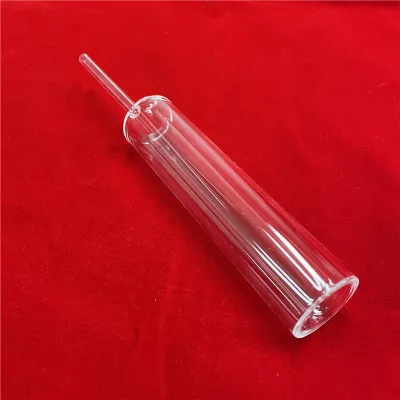
Flat Bottom Customize Clear Fused Silica Ampoule Transparent Quartz Glass Ampoule
$7.00 - $8.50
MOQ: 5 Pieces


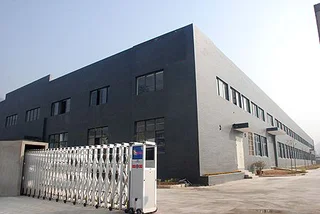
Jinzhou Meihua Quartz Glass Co., Ltd.
- Manufacturer, Trading Company
- Liaoning, China
- Lead time5 days
- Avg. response≤ 1h
Main productsQuartz Plate,Quartz Sheet,Quartz Tube,Quartz Pipe,Quartz Rods
Main marketsDomestic Market(30.00%), Southeast Asia(20.00%), Southern Europe(15.00%), Eastern Europe(15.00%), North America(15.00%), South America(5.00%)
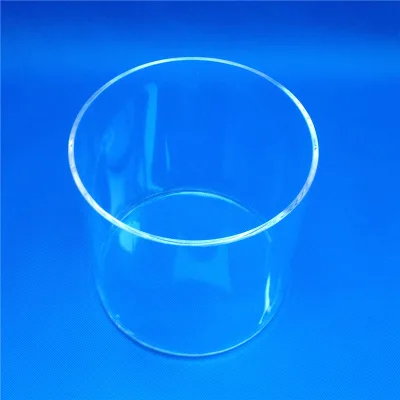
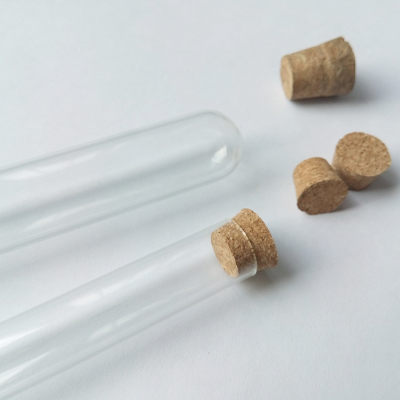
Chemistry Lab Equipment Supplies Glass Test Tubes School Chemical Laboratory Equipment
$0.26 - $0.41
MOQ: 100 pieces

Zibo Chuangxinzhe International Trade Co., Ltd
- Verified by TUVRHEINLAND
- Trading Company
- China Shandong
- Lead time15 days
- Avg. response≤ 3h
Main productsGlass Bottle, Glass Jar, Bottle, Glass Storage Jar, Glass Tube, Mason Jar, Food Jar, Dropper Bottle, Empty Candle Jars, Perfume Bottle
Main marketsSouth America

Glass Ampoules with Complete Specifications High-Temperature Resistant, Essential for Laboratory Use
$0.20 - $0.50
MOQ: 10000 Pieces

$0.20 - $0.50
MOQ: 10000 Pieces


5ml Amber Glass Ampoule with High Light Transmittance Necked Design Essential for Laboratory Use
$0.20 - $0.50
MOQ: 10000 Pieces


CHANGZHOU WQS PHARMACEUTICAL PACKAGING CO., LTD
- Verified by SGS
- Trading Company,Manufacturer/Factory
- China Jiangsu
- Lead time23 days
- Avg. response≤ 4h
Main productsTubular Glass Vial, Siliconized Vial, Sterilized Vial, Prefilled Syringe, Pharmaceutical Vial, Glass Vial, HPLC Sampler Vial, Ampoule, Glass Tubes, Cosmetic Bottles
Main marketsSouth America,Eastern Europe,Mid East,North America,Southeast Asia,Eastern Asia,Oceania,Western Europe,Africa

$0.01 - $0.03
MOQ: 10000 Pieces

1ml 2ml 3ml 5ml 10ml 20ml 50ml Neutral Borosilicate Glass Ampoules for Pharmaceutical
$0.01 - $0.03
MOQ: 10000 Pieces

$0.01 - $0.03
MOQ: 10000 Pieces

Shandong Yihua Pharma Pack Co., Ltd.
- Verified by BV
- Manufacturer/Factory
- China Shandong
- Lead time23 days
- Avg. response≤ 6h
Main productsGlass Vial, Vial Cap, Rubber Stopper, Glass Tube, Prefilled Syringe, Test Tube, Glass Ampoule, Glass Bottle, Injection Vial, Plastic Cap
Main marketsSouth America,Eastern Europe,Mid East,North America,Southeast Asia,Eastern Asia,Oceania,Western Europe,Africa


Clear or Amber Empty Disposable Medical Injection Borosilicate Glass Ampoule
$0.01 - $0.20
MOQ: 10000 Pieces

Nanjing Jiahuan International Trading Co., Ltd.
- Trading Company
- China Jiangsu
- Lead time0 days
- Avg. response≤ 1h
Main productsPharmaceutical Packing, Euro Cap, Mould Bottle, Flip Top Cap, Rubber Stopper, Prefilled Syringe, Vial, Aluminum Cap, Cartridge, Aluminum Plastic Cap

Amber Glass Ampoule for Light-Sensitive Pharmaceuticals & Essential Oil Packaging
$0.04 - $0.20
MOQ: 50000 Pieces

Low-Borosilicate Glass Ampoule with One-Point Cut for Injectable Drug Packaging
$0.06 - $0.15
MOQ: 1000 Pieces

JINAN FLAME GLASSWARE COMPANY LIMITED
- Verified by SGS
- Trading Company
- China Shandong
- Lead time23 days
- Avg. response≤ 20h
Main marketsDomestic

$0.00 - $0.02
MOQ: 1000000 Pieces

Double-Ended Glass Ampoule, to Hold 12 Ml of Liquid, Pharmaceutical Grade Grade 2 Glass
$0.00 - $0.02
MOQ: 1000000 Pieces
Donghai Jinhong Semiconductor Technology Co., Ltd.
- Verified by SGS Group
- Trading Company
- Lead time10 days
- Avg. response≤ 1h
Main productsQuartz Glass Plate, Quartz Glass Tube, Quartz Glass Instrument, Semiconductor accessories, Processing Quartz Product
Main marketsDomestic Market(45%), Central America(15%), Southern Europe(15%)

Chongqing New World Trading Co., Ltd.
- Verified by BV
- Trading Company
- China Chongqing
- Lead time15 days
- Avg. response≤ 9h
Main productsVacuum Blood Collection Tubes, Test Tube, Pipette Tip, Urine Container, Microscope Slide, Filter Tip, Swab, Centrifuge Tube, Cryovial Tube, Blood Lancet
Main marketsSouth America,Africa,Southeast Asia/ Mideast,East Asia(Japan/ South Korea),Europe,Australia,North America

Hunan BKMAM International Trade Co., Ltd.
- Trading Company,Manufacturer/Factory
- China Hunan
- Lead time15 days
- Avg. response≤ 7h
Main productsSterile Sampling Bag, Centrifuge Tube, Laboratory Glassware, Petri Dishes, Serologial Pipette, Glass Cuvette, Biohazard Bag, Culture Medium, Laboratory Instruments, Whirl Pack Bag
Main marketsSouth America,Eastern Europe,Mid East,North America,Southeast Asia,Eastern Asia,Oceania,Western Europe,Africa

Benemed (Hongkong) Industry Co., Limited
- Verified by TUVRHEINLAND
- Trading Company,Manufacturer/Factory
- China Henan
- Lead time23 days
- Avg. response≤ 7h
Main productsHematology Analyzer, Ultrasound Scanner, Patient Monitor, Chemistry Analyzer, Electrolyte Analyzer, Urine Analyzer, ECG Machine, Pulse Oximeter, Ot Light, X-ray Film Viewer
Main marketsSouth America,Eastern Europe,Mid East,Southeast Asia,Eastern Asia,Western Europe,Africa






Comprehensive Sourcing Guide
Laboratory Instrument Quartz Glass Ampoule Supplier Concentration and Factory Types
The current supplier landscape for Laboratory Instrument Quartz Glass Ampoule reveals a concentration of manufacturing activity primarily within China, with specific clusters identified in Shandong, Zhejiang, and Hunan provinces. These regions host a mix of company types including trading companies, manufacturers, and group corporations, each offering distinct advantages for sourcing. Suppliers in Shandong often focus on glass tubing and ampoules, while those in Zhejiang may diversify into broader medical packaging like syringes and infusion sets. The presence of group corporations suggests larger production capacities capable of handling significant volume orders, whereas trading companies might offer a wider range of complementary products such as face masks or isolation gowns alongside glassware.
When evaluating factory types, buyers should note that some entities operate as pure manufacturers with in-house R&D capabilities for OEM and ODM services, while others function as trading entities that aggregate products from multiple factories. The distinction is critical because manufacturers typically provide more direct control over quality standards like USP Type I hydrolytic properties, whereas trading companies may offer faster response times due to streamlined logistics. Some suppliers list certifications such as ISO 9001 or ISO 13485, indicating a commitment to quality management systems, but the specific scope of these certifications varies by facility. Buyers must verify whether the listed company type aligns with their need for direct factory interaction or a broader product portfolio, as this impacts lead times and communication efficiency.
How to Verify Laboratory Instrument Quartz Glass Ampoule Suppliers
Verification of suppliers for Laboratory Instrument Quartz Glass Ampoule requires a rigorous check of third-party credentials and response metrics to ensure reliability. Current data indicates that some suppliers hold BV verification status, while others may have CTI verification, signaling different levels of external audit scrutiny. Buyers should prioritize suppliers with documented system certifications like ISO 9001 or ISO 13485, which are essential for medical and laboratory applications. It is important to confirm that these certifications are current and cover the specific manufacturing processes for glass ampoules, rather than just general business operations. The response time metric, often displayed as a numerical value, serves as a proxy for operational efficiency; a lower number generally suggests a more responsive supply chain capable of addressing urgent inquiries or order changes.
Beyond certifications and response times, buyers must scrutinize the specific product attributes listed in supplier catalogs to ensure they match technical requirements. For instance, verifying that the glass type is explicitly stated as neutral borosilicate glass with USP Type I hydrolytic properties is crucial for pharmaceutical and laboratory safety. Some suppliers offer customization options, while others may have fixed models like the YBB or ISO standards. Buyers should also check for evidence of quality guarantees, such as a two-year warranty period, and confirm the availability of samples, which some suppliers offer for free charge to facilitate testing. The presence of detailed product attributes, including material composition and recycling status, helps distinguish between high-quality manufacturers and those offering generic or unverified glassware.
What to Compare Across Laboratory Instrument Quartz Glass Ampoule Suppliers
Comparing suppliers requires a systematic evaluation of key operational dimensions such as lead time, minimum order quantity (MOQ), and pricing structures to determine the best fit for specific project needs. Lead times vary significantly across the supplier base, with some listing durations as short as 15 days while others indicate 23 days or more. This variance directly impacts inventory planning and project timelines, making it essential to align supplier capabilities with delivery schedules. Similarly, MOQs can range from 50 pieces for laboratory reagent bottles to 10,000 units for standard pharmaceutical ampoules. Buyers must assess whether their order volume aligns with these thresholds to avoid excessive costs or the inability to place an order.
Pricing and customization capabilities form another critical comparison point, as costs can fluctuate based on order size and specific product configurations. Some suppliers list unit prices as low as $0.002, while others may charge between $0.01 and $0.02 depending on the complexity and volume. Customization availability is a key differentiator, with some suppliers offering logo printing and specific glass types, while others provide standard, unbranded products. Additionally, the range of main products offered by a supplier can influence the overall value proposition; a supplier offering a broad range of glassware and medical devices might provide better bundling opportunities. Buyers should also consider the accepted delivery terms, such as FOB, CFR, CIF, or EXW, as these affect the total landed cost and logistics responsibility.
Common Laboratory Instrument Quartz Glass Ampoule Sourcing Risks
Sourcing Laboratory Instrument Quartz Glass Ampoule involves several inherent risks that buyers must actively manage to prevent supply chain disruptions. One primary risk is the variability in product specifications, where suppliers may list general terms like "glass ampoule" without confirming critical details such as the exact glass type or hydrolytic properties. This ambiguity can lead to the receipt of non-compliant materials that fail to meet USP Type I standards, posing safety risks in medical and laboratory settings. Buyers must ensure that product evidence explicitly confirms the material composition and application suitability, rather than relying on generic keywords that might apply to a wide range of glass products.
Another significant risk involves the reliability of lead times and the consistency of quality assurance measures. While some suppliers advertise short lead times, actual production delays can occur due to capacity constraints or raw material shortages. Furthermore, the absence of specific quality guarantees or warranty periods in supplier listings can leave buyers vulnerable to defects. For example, some suppliers offer a two-year quality guarantee, while others may not specify any warranty, creating uncertainty about long-term product performance. Buyers should also be cautious of suppliers with mixed product portfolios, such as those offering both glass ampoules and unrelated items like oxy-hydrogen generators, as this may indicate a lack of specialized focus on glass manufacturing.
Laboratory Instrument Quartz Glass Ampoule Regional Sourcing and Logistics
Regional sourcing strategies for Laboratory Instrument Quartz Glass Ampoule are heavily influenced by the geographic concentration of manufacturers in China, particularly in provinces like Shandong, Zhejiang, and Hunan. These regions host a diverse array of suppliers, from specialized glass factories to general trading companies, each offering different logistical advantages. Suppliers in Shandong often focus on glass tubing and ampoules, leveraging local industrial clusters to optimize production and shipping. Meanwhile, suppliers in Zhejiang may offer a broader range of medical packaging products, potentially simplifying the procurement process for buyers needing multiple item types. Understanding these regional specializations helps buyers identify suppliers with the most relevant expertise and infrastructure.
Logistics planning must account for the specific shipping terms and origin points provided by suppliers, as these directly impact delivery timelines and costs. Many suppliers list their place of origin as China, with specific provinces mentioned in product attributes, which allows buyers to estimate transit times more accurately. Accepted delivery terms such as FOB, CFR, CIF, and EXW dictate the point at which responsibility and cost transfer from the seller to the buyer. Buyers should carefully evaluate these terms to determine the most cost-effective shipping method for their location. Additionally, the packaging standards, such as cartons or heat shrink film, play a crucial role in protecting fragile glass ampoules during transit, and buyers should verify that the packaging meets their specific handling requirements.
Laboratory Instrument Quartz Glass Ampoule Commercial Terms and Order Planning
Commercial terms and order planning for Laboratory Instrument Quartz Glass Ampoule require careful attention to pricing structures, payment conditions, and production capacity to ensure a smooth transaction. Pricing data indicates a wide range, with some suppliers offering unit prices as low as $0.002, while others charge between $0.01 and $0.02. These variations often reflect differences in order volume, customization levels, and glass quality. Buyers must negotiate based on their specific volume requirements, as MOQs can range from 50 pieces to 10,000 units. Understanding these thresholds is essential for optimizing costs and avoiding unnecessary expenses associated with small order premiums or excessive inventory.
Order planning should also consider the supplier's capacity for OEM and ODM services, as well as their ability to handle custom requests like logo printing or specific glass types. Some suppliers offer robust R&D capabilities, allowing for tailored solutions that meet precise laboratory or pharmaceutical standards. Buyers should verify the supplier's ability to provide samples, which some offer for free charge, to validate product quality before committing to a large order. Additionally, the availability of quality guarantees, such as a two-year warranty, provides an extra layer of security against potential defects. By aligning commercial terms with operational needs, buyers can mitigate risks and establish a reliable supply chain for Laboratory Instrument Quartz Glass Ampoule.
FAQs
What glass types are used for pharmaceutical ampoules?
Suppliers primarily utilize neutral borosilicate glass for medical applications. This material offers high hydrolytic resistance classified as USP Type I. It ensures chemical stability and safety for sensitive drug formulations. Some listings also mention amber glass variants for light-sensitive products. Buyers should verify the specific glass type matches their regulatory requirements.
What is the typical minimum order quantity for glass ampoules?
Minimum order quantities vary significantly by supplier and product type. Standard pharmaceutical glass ampoules often require a minimum of 10,000 units. However, laboratory reagent bottles may have a much lower threshold, such as 50 pieces. Some medical suppliers list an MOQ of 1,000 units for specific ampoule lines. Always confirm the exact MOQ with the supplier before placing an order.
How long does production typically take for glass ampoules?
Lead times for glass ampoule manufacturing generally range from 15 to 23 days. Some suppliers with faster turnaround capabilities quote a lead time of 15 days. Others may require up to 23 days for standard production runs. These timelines depend on order volume and customization requirements. Buyers should request a specific production schedule to ensure timely delivery.
Are customization options available for glass ampoules?
Yes, most manufacturers offer customization services for glass ampoules. Options include logo printing, specific volume capacities, and custom packaging. Suppliers support both OEM and ODM requests to meet unique branding needs. Customization is explicitly listed as available across multiple product listings. Buyers should discuss their specific design and packaging requirements with the supplier.
What certifications do glass ampoule suppliers typically hold?
Reputable suppliers often hold ISO 9001 certification for quality management. Medical device manufacturers may also possess ISO 13485 certification. Some suppliers undergo verification by third-party agencies like BV or CTI. These certifications indicate adherence to international quality and safety standards. Buyers should request valid certification documents to verify compliance with their regulations.
Where are glass ampoule manufacturers primarily located?
Glass ampoule manufacturers are primarily located in China. Key production hubs include Shandong, Zhejiang, and Jiangsu provinces. These regions host both trading companies and direct manufacturers. Suppliers in these areas offer competitive pricing and extensive product ranges. Buyers can filter search results by these specific locations to find relevant suppliers.