Source Jewelry Ceramic Ring for Wedding, Gift, and Party
Find 30 Jewelry Ceramic Ring options from Guangdong suppliers. Compare models like ORDER-11153R and R30757, featuring silver or brass materials, custom logo services, and MOQs starting at 50 pieces for wholesale sourcing; compare the available evidence and request quotations based on your requirements.
Updated
Key considerations
Products List
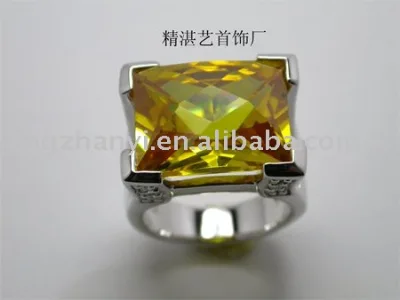
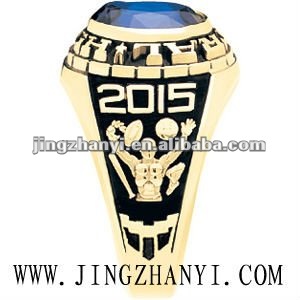


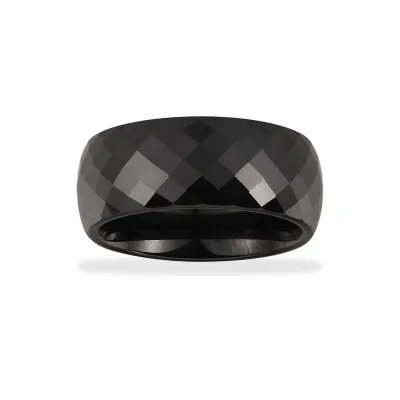
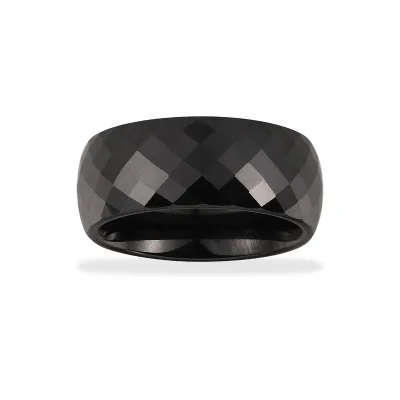

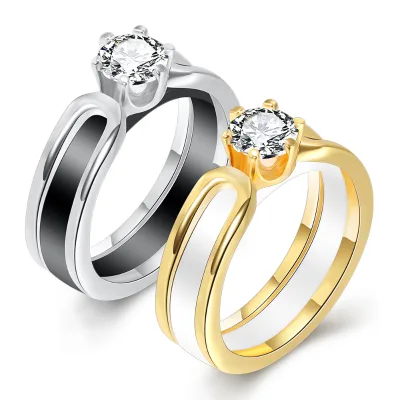
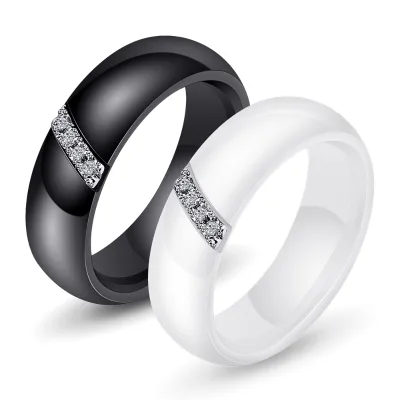
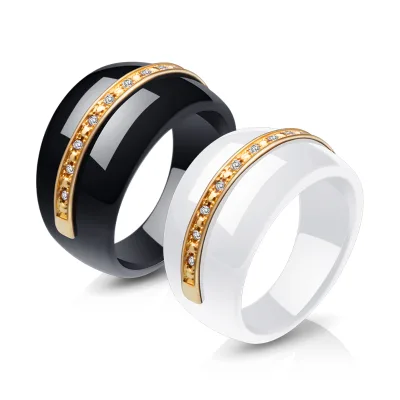
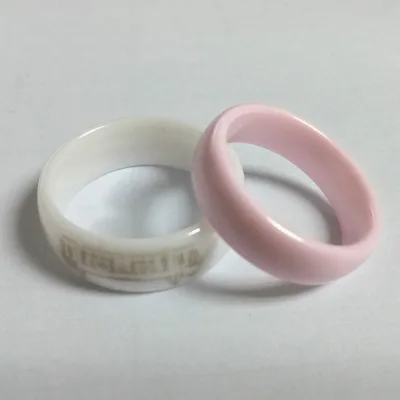
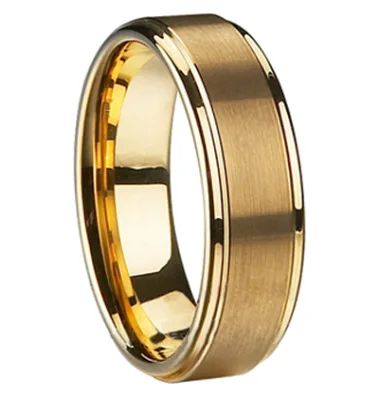
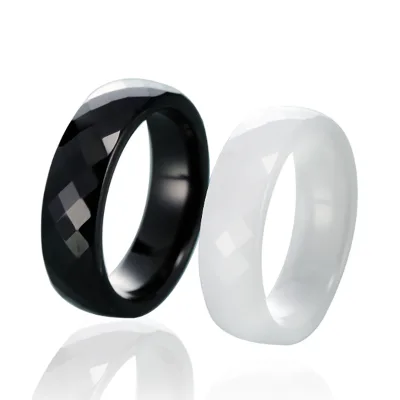


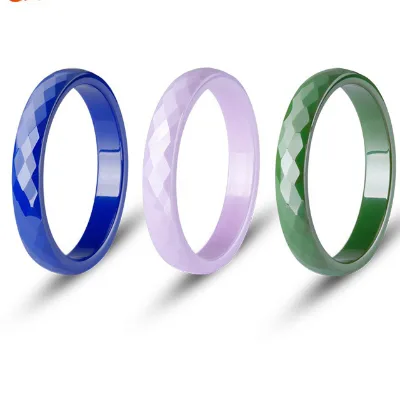


Comprehensive Sourcing Guide
Jewelry Ceramic Ring Sourcing Guide
Sourcing ceramic rings requires distinguishing between traditional ceramic formulations and the metal-based alternatives frequently listed under similar search terms. The provided data indicates a market where "ceramic" keywords often overlap with stainless steel, silver, and brass products, necessitating a rigorous verification of material composition before finalizing any order. Buyers must scrutinize product descriptions to ensure the core material matches the specific durability and aesthetic requirements of the intended application, as the listed supply chain heavily features metal alloys rather than pure ceramic compounds.
Procurement strategies should focus on suppliers capable of offering customization for specific jewelry types, such as rings intended for weddings, engagements, or parties. The observed listings highlight a strong capacity for branding services, including logo placement and custom mold fees, which are refundable under certain conditions. This flexibility allows buyers to tailor products for unisex or gender-specific markets, ensuring the final output aligns with the diverse occasions and styles observed in the current supply landscape.
Product Scope and Observed Listing Signals
The current market signals reveal a diverse range of jewelry types, including prime rings, inlaid rings, and general decorative items, often categorized under broad jewelry types like "Other." Listings frequently specify materials such as stainless steel, silver, brass, and copper, with plating options ranging from gold to silver finishes. Buyers should note that while the search term focuses on ceramic, the actual inventory often centers on metal fabrication processes like casting and polishing, requiring careful filtering to identify genuine ceramic offerings or metal alternatives that mimic ceramic aesthetics.
Occasion-based filtering is critical, as the data explicitly links these products to anniversaries, engagements, gifts, parties, and weddings. The observed product attributes include specific shapes like square and round, alongside color variations such as black and gold, which cater to fashion-forward trends. Procurement teams must verify that the selected items meet the specific usage requirements, whether for daily wear or special events, by cross-referencing the listed usage tags with the actual material properties and craftsmanship details provided in the supplier catalogs.
Technical Specifications to Verify
Verification of material composition is paramount, as the supply chain lists multiple conflicting material types including 925 sterling silver, stainless steel, and various base metals. Buyers must confirm the exact material type for each SKU, as the distinction between a plated metal ring and a ceramic or high-durability alloy significantly impacts longevity and performance. The presence of attributes like "Fade: No" suggests specific plating durability claims, but these should be validated against independent test data to ensure the product meets the expected resistance to wear and tarnish over time.
Dimensional and structural specifications vary widely, with observed standards ranging from 5x7x8cm to 5x7x8mm, indicating a mix of packaging dimensions and actual product sizes. Craft processes such as casting, polishing, and plated casting are common, and buyers should request detailed technical drawings or samples to confirm the precision of these fabrication methods. Ensuring the correct model number, such as R30757 or R30055, is linked to the specific physical attributes is essential for maintaining consistency across large orders and preventing mismatches between the ordered specifications and the delivered goods.
Compliance and Safety Documentation
While the provided data does not explicitly list specific certification bodies, the emphasis on "Fade: No" and specific plating processes implies a need for compliance with safety standards regarding heavy metals and skin contact. Buyers should request documentation verifying that the plating materials and base metals comply with international regulations for jewelry, particularly regarding nickel content and lead levels, to ensure the products are safe for unisex and male audiences. The absence of explicit certification data in the listing highlights the necessity for proactive due diligence to confirm that the supplier adheres to relevant safety protocols.
Packaging details, such as OPP bags and scratch-resistant protective films, play a crucial role in maintaining product integrity during transit and storage. These packaging methods suggest a focus on preventing surface damage, which is vital for maintaining the aesthetic quality of plated and polished rings. Procurement teams should verify that the packaging standards align with the fragility of the specific materials used, ensuring that the protective measures are sufficient to prevent scratches or deformation before the product reaches the end consumer.
Cost Drivers and Commercial Terms
The commercial landscape is characterized by a wide price range, observed between 0.1 and 102.47 USD, driven by material costs, plating thickness, and customization levels. The supply ability of 3000 pieces per month suggests a scalable production capacity, but buyers must account for the potential impact of mold fees, which are noted as refundable, on the total cost of ownership. Understanding the cost structure requires a clear analysis of whether the refundable fee applies to the initial order volume or subsequent reorders, as this significantly affects the break-even point for custom designs.
Minimum Order Quantities (MOQ) vary from 1 to 1000 pieces, offering flexibility for small-batch testing while accommodating larger volume requirements. The selling units are listed as single items, which simplifies inventory management but requires careful calculation of the total cost per unit when factoring in shipping and handling. Buyers should negotiate terms that align with their cash flow, considering the supply ability and the potential for volume discounts as order quantities increase beyond the initial MOQ thresholds.
Supplier Qualification and Quality Control
Supplier qualification should prioritize those with a verified place of origin in Guangdong, China, a region known for its robust jewelry manufacturing infrastructure. The presence of specific model numbers and detailed craft processes indicates a level of standardization that can be leveraged for quality control. Buyers must assess the supplier's ability to maintain consistency across different batches, particularly when dealing with customizations like logo services and specific color requests, to ensure that the final products meet the agreed-upon specifications every time.
Quality control measures should include rigorous inspection of the fabrication processes, such as polishing and casting, to detect any surface imperfections or structural weaknesses. The availability of customization and logo services suggests that the supplier has the technical capability to handle complex orders, but this requires a robust QC protocol to verify that the custom elements are applied correctly and do not compromise the overall integrity of the ring. Establishing a clear communication channel for quality feedback is essential to address any discrepancies before mass production begins.
Long-Term Procurement Checks
Long-term procurement success depends on maintaining a stable supply chain capable of meeting the 3000 pieces per month capacity without compromising quality. Buyers should establish regular review cycles to assess the supplier's performance against key metrics such as lead times, defect rates, and adherence to the agreed-upon material specifications. The ability to offer logo services and customization should be evaluated periodically to ensure that the supplier can adapt to changing market trends and design requirements over time.
Monitoring the port of dispatch, identified as Shenzhen, is crucial for logistics planning and cost management. Buyers should track shipping times and reliability to ensure that the supply chain remains efficient and responsive to demand fluctuations. Additionally, maintaining a relationship with the supplier to discuss potential improvements in packaging and material durability will help in sustaining the quality and reputation of the jewelry products in the long run, ensuring continued satisfaction for end consumers.
FAQs
What materials are used for these rings?
The rings are crafted from silver, brass, copper, gold, and stainless steel. Specific items utilize 925 sterling silver as the main material. This variety allows buyers to select options based on durability, aesthetic preference, and budget constraints for different jewelry applications.
Can I customize the logo on the rings?
Yes, logo service is offered for these products. Customization is available, allowing buyers to add their branding. This service supports brand identity for businesses. Buyers should confirm specific logo requirements with the supplier to ensure the design meets production capabilities and quality standards.
What is the minimum order quantity for these rings?
The minimum order quantity is 50 pieces. This MOQ applies to the standard product offerings. Buyers requiring larger volumes can benefit from the supply ability of 3000 pieces per month. This capacity supports consistent replenishment for retail or wholesale distribution channels effectively.
Where are these rings manufactured and shipped from?
These rings originate from Guangdong, China. The port of dispatch is Shenzhen. This location facilitates efficient logistics for international buyers. The manufacturing base ensures access to established supply chains and production expertise for high-quality jewelry fabrication and timely delivery to global destinations.
Are the rings suitable for wedding occasions?
Yes, the rings are suitable for wedding occasions. They are also appropriate for anniversaries, engagements, parties, and gifts. The designs cater to various styles, including fashion and prime ring types. This versatility makes them ideal for diverse customer needs and special event requirements.
What packaging is used for these rings?
The rings are packaged in OPP bags with scratch-resistant protective film. Some items use PP bags for packaging. This protective approach ensures the jewelry remains pristine during transit. The packaging details help maintain product quality and presentation, reducing the risk of damage before reaching the end consumer.