Source anti-itch ointment for Eczema, Itch Relief, and Home Care
Compare 30 anti-itch ointment options from verified suppliers. Buyers can review herbal formulations, packaging sizes, and customization features for adult and child use. Products include GMP certified items with various sizes like 20g and origins from Jiangxi and Guangdong. Features range from antibacterial properties to sulfur ointment types suitable for all skin types.
Updated
Key considerations
Products List


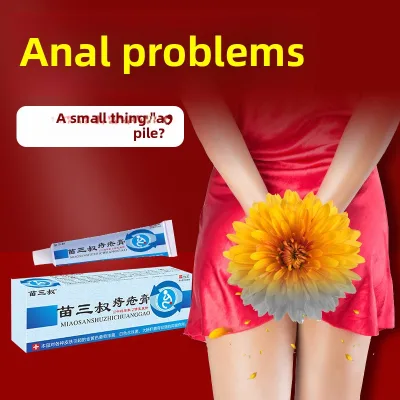
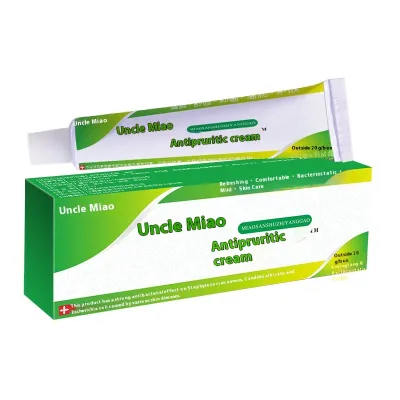
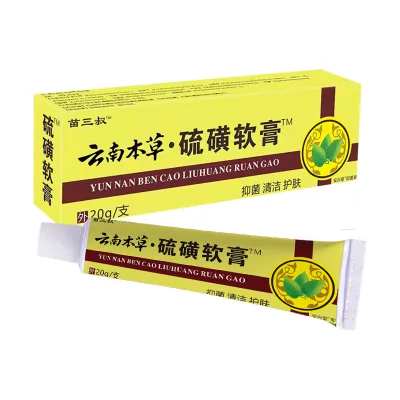
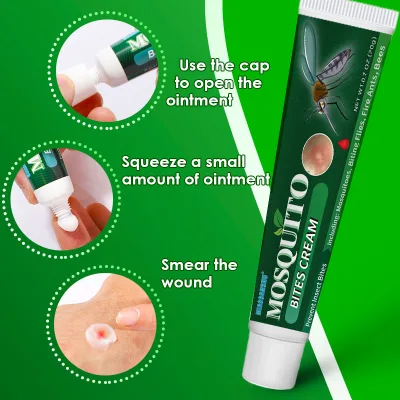
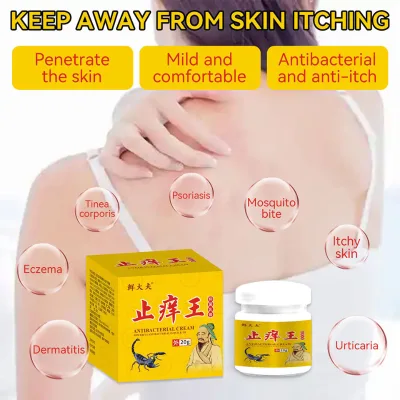
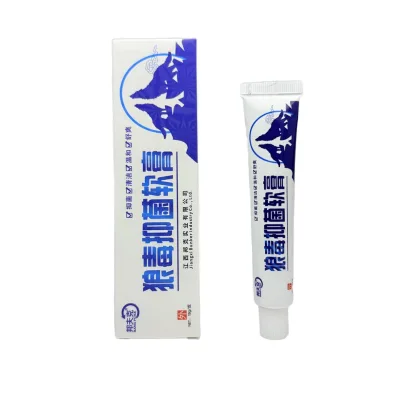
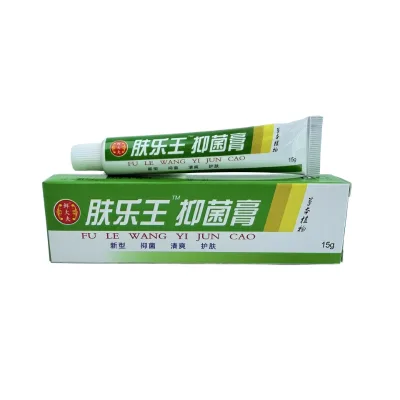


Wholesale Mosquito Repellent Cream 20g Anti-Itch Mosquito Repellent Cream
$0.65 - $0.85
MOQ: 10000 pieces


Topone Brand Non-Smelling Anti-Itch Harmfulless High-Quality Mosquito Repellent Cream
$158.40 - $189.60
MOQ: 2 cartons
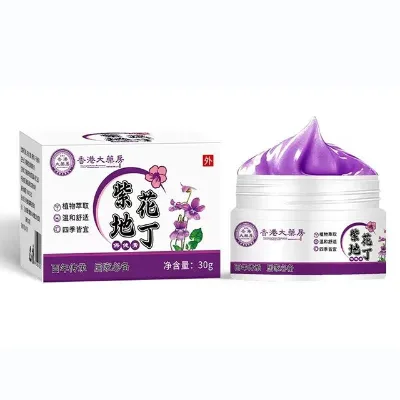
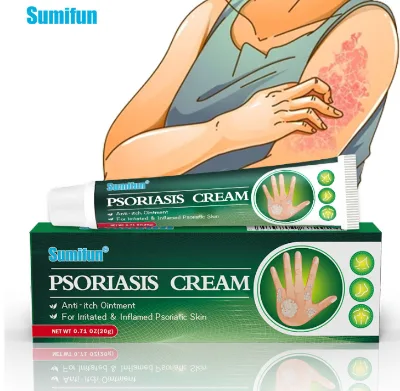
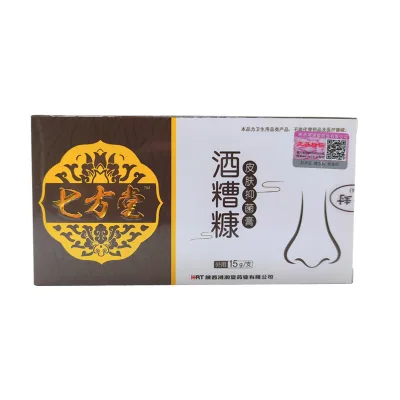
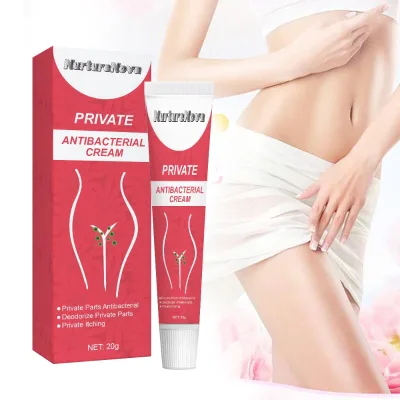
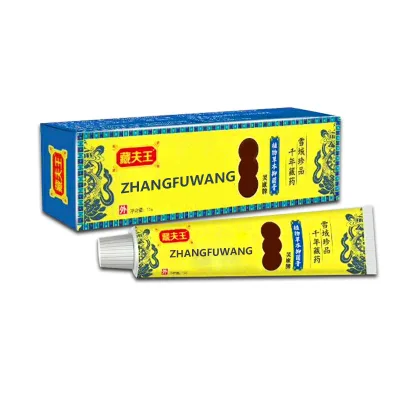
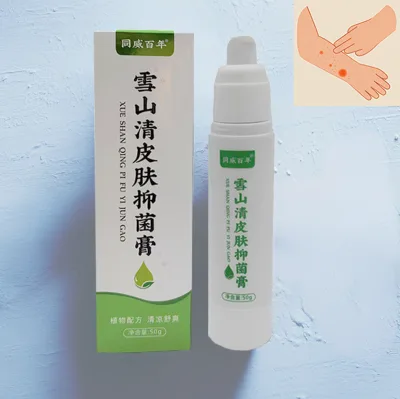
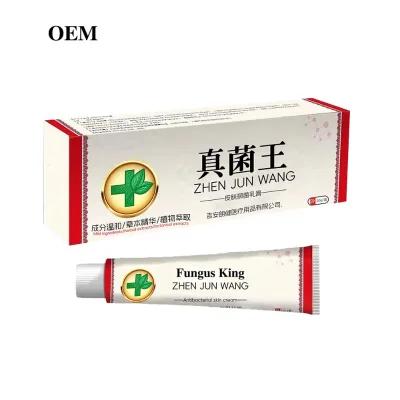
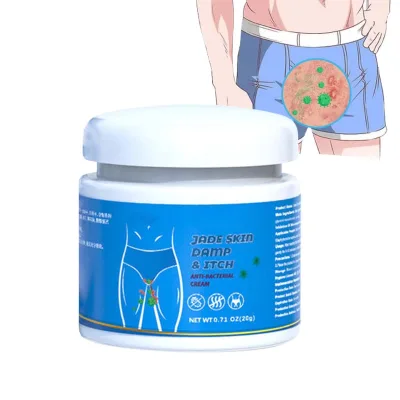


Personal Nursing Product Tinea Removal Itching Relief Psoriasis Removal Ointment
$0.30 - $10.00
MOQ: 1000 Pieces
Comprehensive Sourcing Guide
Anti-Itch Ointment Sourcing Guide
Procurement professionals evaluating anti-itch ointments must first distinguish between products designed for general household relief and those targeting specific dermatological conditions like eczema. The available market data indicates a clear segmentation where some listings explicitly identify as herbal formulations intended for external use on adults, while others target children or specific body parts like the hands. Buyers should verify that the product nature aligns with their specific medical or cosmetic requirements before proceeding with any volume inquiry.
When analyzing product listings, it is critical to observe the variation in physical attributes and packaging specifications that often accompany different formulations. Some items are described as having a green color with a single gross weight of 0.020 kg, whereas others are blue and weigh 0.013 kg, suggesting distinct ingredient profiles or packaging densities. These physical discrepancies serve as primary signals for buyers to confirm whether the supplier offers the exact consistency and volume required for their distribution channels.
Product Scope and Observed Listing Signals
The observed product scope reveals a diverse range of anti-itch solutions, including antibacterial creams and sulfur ointments, which cater to different user needs and skin types. Listings frequently highlight features such as relieving itching or providing basic cleaning, indicating that the functional scope extends beyond simple moisturization to include active symptom management. Buyers must carefully map these feature claims against their specific inventory requirements to ensure the product matches the intended therapeutic or cosmetic application.
Listing signals also provide insight into the customization capabilities and branding options available to international buyers. Several suppliers offer customized packaging and silk screen printing services, allowing for brand differentiation in competitive markets. However, the presence of multiple origin locations, such as Jiangxi and Guangdong, suggests that buyers should verify the specific manufacturing site for each order to ensure consistency in quality and supply chain reliability.
Technical Specifications to Verify
Technical verification begins with confirming the precise physical dimensions and volume of the single package, as these vary significantly across different product models. Specifications range from compact sizes like 6x8x1 cm to larger boxes measuring 14.5x4.5x2.5 cm, with volumes typically standardized at 20g per unit. Buyers must explicitly request the exact single package size and gross weight for their target SKU to avoid logistical errors in shipping and storage calculations.
Formulation details are equally critical, with ingredients ranging from herbal extracts to pearl-based compounds, each offering distinct performance characteristics. The product form is consistently listed as a cream, but the specific nature of the active ingredients determines the efficacy for different skin types, including all skin types or specific conditions like eczema. Procurement teams should demand detailed ingredient lists to validate that the formulation meets safety standards and aligns with the intended user demographic, whether adults or children.
Compliance and Safety Documentation
Compliance verification requires confirming that the product meets relevant Good Manufacturing Practice (GMP) standards, which are explicitly cited in several high-confidence product attributes. While GMP certification is a strong indicator of quality control, buyers must ensure that this certification applies to the specific batch and manufacturing facility rather than just the brand entity. This distinction is vital for maintaining regulatory compliance in destination markets that have strict requirements for topical dermatological products.
Safety documentation must also address the intended usage mode, which is consistently listed as for external use only, to prevent misuse and liability issues. Buyers should verify that the product includes clear labeling regarding the age group, such as adults or children, and confirm that the shelf life of two years is accurately reflected on the packaging. Ensuring that all safety warnings and usage instructions are present and accurate is a fundamental step in mitigating risk for the end consumer.
Cost Drivers and Commercial Terms
Cost structures for anti-itch ointments are heavily influenced by the minimum order quantity (MOQ) and the level of customization required for the packaging. Observed MOQs range widely from 50 boxes to 10,000 units, creating a significant barrier to entry for small buyers while offering economies of scale for larger distributors. Buyers must calculate the total landed cost by factoring in these volume thresholds, as the unit price often fluctuates based on the order size and the complexity of the custom branding.
Commercial terms also depend on the specific product model and its associated packaging materials, such as plastic boxes or single-item units. The variation in single gross weights and package sizes directly impacts shipping costs, which can be a substantial component of the overall procurement budget. Buyers should negotiate terms that account for these logistical variables, ensuring that the final price includes all necessary packaging and handling fees to avoid unexpected cost overruns.
Supplier Qualification and Quality Control
Supplier qualification should prioritize manufacturers with a proven track record in producing herbal and antibacterial creams, as indicated by the specific product types observed in the market. The presence of a brand name like Miao Sanshu or Smmlpun suggests established entities, but buyers must independently verify the production capabilities of the specific facility in Luoyang or Guangdong. Relying solely on brand reputation without validating the actual manufacturing site can lead to inconsistencies in product quality and supply continuity.
Quality control protocols must be rigorously tested before finalizing any agreement, focusing on the consistency of the cream form and the accuracy of the ingredient composition. Buyers should request samples to verify that the product matches the described specifications, including color, texture, and volume. Establishing a clear quality assurance framework that includes pre-shipment inspections is essential to ensure that every batch meets the agreed-upon standards for efficacy and safety.
Long-Term Procurement Checks
Long-term procurement success relies on maintaining a stable supply chain that can accommodate fluctuating demand without compromising product integrity. Buyers should monitor the shelf life of the inventory, ensuring that the two-year expiration period allows for sufficient time to sell the product in the target market. Regular audits of the supplier's production capacity and inventory levels are necessary to prevent stockouts and ensure that the supply chain remains resilient against market disruptions.
Continuous verification of product attributes is also required to ensure that the anti-itch ointment remains compliant with evolving regulatory standards and consumer expectations. Buyers must stay informed about any changes in ingredient regulations or labeling requirements that could affect the product's marketability. Establishing a feedback loop with the supplier to address any quality issues or specification changes promptly will help maintain a competitive edge in the long term.
FAQs
What is the shelf life of the anti-itch ointment?
The shelf life is 2 years. This duration applies to the herbal cream packaged in boxes. Buyers should store the product in a cool, dry place to maintain efficacy. The expiration date is printed on the packaging. Always check the label before use to ensure the product is within its valid period for safe application.
Can the anti-itch ointment be customized for branding?
Yes, customization is available for this product. Buyers can request specific branding elements such as silk screen printing for logos or graphic designs. The manufacturer supports customized packaging solutions to meet unique business requirements. This service allows for tailored marketing materials while maintaining the core herbal formulation and standard product specifications for external use.
What is the minimum order quantity for this ointment?
The minimum order quantity is 50 boxes. This threshold applies to the standard herbal cream packaging. Buyers can order larger quantities to benefit from potential volume discounts. The product is sold as a single item per box. Ensure your order meets this baseline requirement to proceed with procurement and manufacturing scheduling for the anti-itch ointment supply chain.
Which certifications does the anti-itch ointment hold?
The product holds GMP certification. This indicates that the manufacturing process follows Good Manufacturing Practice standards. Buyers can rely on this certification for quality assurance in their sourcing decisions. The herbal cream is produced in facilities adhering to these strict guidelines. This certification supports the product's suitability for commercial distribution and retail sale in various international markets.
What is the packaging size of the anti-itch ointment?
The single package size is approximately 14.5 by 4.5 by 2.5 cm. This dimension applies to the standard box containing the 20g cream. The gross weight is around 0.020 kg per unit. Buyers should use these dimensions for logistics planning and shipping cost calculations. The compact size facilitates easy storage and handling for both distributors and end consumers.
Is the anti-itch ointment suitable for all skin types?
Yes, the ointment is suitable for all skin types. It is formulated as a herbal cream for external use on the body. The product is designed to relieve itching and soothe skin conditions. Buyers can market it as a versatile solution for adults. Always recommend a patch test for sensitive individuals to ensure compatibility and prevent any adverse reactions during regular use.