Source High Polished Engine Hood for Cars, Trucks, and Manufacturing
Find High Polished Engine Hood options for cars, trucks, and manufacturing applications. Compare 30 available listings featuring plastic and steel materials with customization services and various delivery times from suppliers in China.
Key considerations
Products List


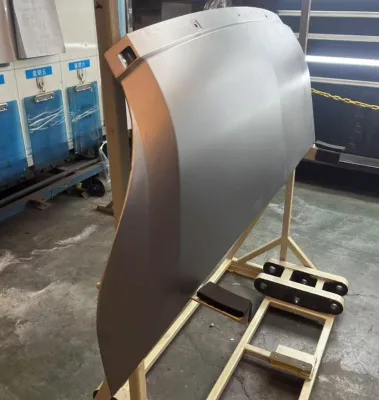


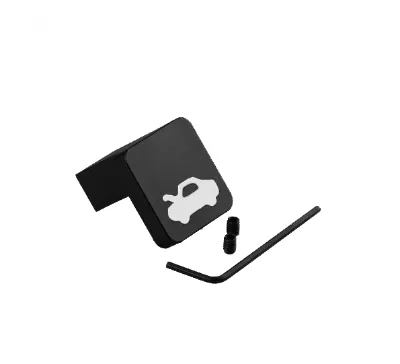


Car Engine Hoods for Dongfeng Carbon Fiber Engine Bonnet Cover Auto Parts
$77.62 - $84.67
MOQ: 1 Pieces

Car Engine Bonnet Cover for Greatwall Engine Hood Auto Parts 8402100-K24
$68.66 - $74.90
MOQ: 1 Pieces


Comprehensive Sourcing Guide
Strategic Sourcing Guide for High Polished Engine Hoods
Understanding Technical Specifications and Material Variance
When sourcing high polished engine hoods, the primary objective is to align the physical attributes of the component with the specific mechanical and aesthetic requirements of the target vehicle. The market presents a diverse array of options, ranging from plastic to steel construction, each offering distinct advantages in terms of weight, durability, and finish quality. A critical observation from current market data indicates that engine hood covers are frequently manufactured from materials such as plastic and steel. The choice between these materials often dictates the final weight of the component; for instance, specific listings note a weight as low as 0.2kg, which suggests the use of lightweight polymers or specialized thin-gauge metals designed for efficiency.
The surface treatment process is equally vital for achieving the "high polished" designation. Buyers must verify that the supplier employs appropriate finishing techniques such as chrome plating, polishing, or anodizing. These processes are not merely cosmetic; they provide a protective layer against corrosion and environmental degradation. The standard dimensions for these components can vary significantly, with some products adhering to specific cubic measurements like 36012070mm, while others are available in custom sizes to fit unique vehicle architectures. Furthermore, the fitment position is a non-negotiable specification. While some components are designated for the front bumper or front fender, the core engine hood cover must be engineered specifically for the engine bay interface.
It is essential to recognize that "high polished" is a qualitative description that requires verification against the supplier's actual surface treatment capabilities. The presence of terms like "Chrome," "Polish," and "Neo" in product attributes suggests a range of aesthetic finishes, but the buyer must confirm that the specific batch ordered meets the desired reflectivity and smoothness standards. Additionally, the model compatibility is often tied to specific vehicle lines, such as the L7 or Hiace, or generic OEM codes like X03-28030060. Sourcing without a precise match to the vehicle's model number or OE number, such as 53301-26080, can lead to installation failures or safety hazards.
Compliance, Certification, and Regulatory Standards
In the B2B procurement of automotive components, compliance is not optional; it is a prerequisite for market entry and liability protection. The supply chain for high polished engine hoods is heavily regulated, requiring suppliers to demonstrate adherence to international quality management systems. Current market observations confirm that many reputable manufacturers hold ISO and CE certifications. These certifications serve as evidence that the production facility operates under standardized quality control protocols and that the products meet specific safety and environmental directives.
The ISO certification, in particular, indicates that the supplier follows a systematic approach to managing quality, ensuring consistency across batches. The CE marking is a critical indicator for products intended for the European market, signifying conformity with health, safety, and environmental protection standards. However, buyers should not assume that every listed product automatically possesses these certifications. The presence of these marks in a product listing should be treated as a claim that requires verification through the supplier's documentation before finalizing an order.
Beyond general certifications, specific standards regarding the physical dimensions and material composition must be verified. Some listings reference a "Standard" or "Custom" product standard, with specific dimensions provided as a baseline. For example, a standard size might be listed as 36012070mm, but this is likely a reference point rather than a universal rule. Buyers must request detailed technical drawings and material safety data sheets (MSDS) to ensure the product complies with the regulations of the destination country. The origin of the product, often listed as China, Jiangsu, or Guangzhou, does not inherently dictate compliance, but it does inform the regulatory framework the supplier is accustomed to navigating.
Cost Drivers and Pricing Structures
The pricing of high polished engine hoods is influenced by a complex interplay of factors, including material costs, surface treatment complexity, and order volume. The observed price range in the market is extremely broad, spanning from $0.01 to $100,000. This vast disparity highlights the difference between single, low-cost components and large-scale industrial orders or custom-engineered solutions. It is crucial for buyers to understand that the lowest price point often corresponds to basic, off-the-shelf items with minimal customization, while higher price points reflect bespoke manufacturing, premium materials, or bulk industrial contracts.
Material selection is a primary cost driver. Steel components generally incur higher raw material costs and processing expenses compared to plastic alternatives, yet they offer superior structural integrity. The surface treatment process also significantly impacts the final price. Achieving a high-polish finish requires multiple stages of grinding, buffing, and plating, which adds labor and chemical costs. Suppliers offering "Competitive" pricing often rely on economies of scale, but buyers must be wary of prices that seem too good to be true, as they may indicate compromised quality or the use of substandard materials.
Minimum Order Quantity (MOQ) is another critical factor in cost management. The market shows an MOQ range from 1 to 200 units. For buyers seeking to test the market or fulfill small-scale repairs, an MOQ of 1 is advantageous, though the unit cost will likely be higher. Conversely, larger orders allow for better negotiation on unit pricing and shipping costs. The payment terms, which include options like L/C, T/T, D/P, and Western Union, also influence the financial dynamics of the transaction. Buyers should consider the total cost of ownership, including logistics, duties, and potential rework costs, rather than focusing solely on the unit price.
Typical Applications and Vehicle Compatibility
High polished engine hoods are designed for a wide spectrum of automotive applications, ranging from passenger cars to heavy-duty trucks. The versatility of these components is evident in the diverse applications listed, including "Car" and "Truck." Specific model compatibility is often the deciding factor in procurement. For instance, certain engine hood covers are explicitly designed for the Hiace model, while others are compatible with the L7. The OE number, such as 53301-26080, serves as a unique identifier that ensures the part fits the specific mounting points and dimensions of the vehicle.
The application extends beyond mere replacement; these components are also used in manufacturing and assembly lines. The "Purpose" attribute often lists "for manufacturing," indicating that these parts are integral to the production of new vehicles or the refurbishment of existing fleets. The condition of the parts is typically "New," ensuring that buyers receive components that meet original equipment specifications. However, the "Fitting Position" can vary, with some parts designated for the front bumper or front fender, which underscores the importance of verifying the exact location before purchase.
Furthermore, the color of the engine hood cover is a significant aesthetic consideration. While "Black" and "White" are common colors, the high-polish finish often implies a metallic or chrome appearance that may require specific paint matching or plating. The "Brand Name" associated with the product, such as "Xj," can also influence the perceived quality and compatibility, though buyers should prioritize the technical specifications over brand reputation alone. The "Deck" attribute, sometimes listed as "Single," further refines the application, indicating the structural design of the hood for specific vehicle types.
Supplier Evaluation and Origin Verification
Evaluating a supplier for high polished engine hoods requires a rigorous assessment of their capabilities, location, and reliability. The origin of the product is a key indicator of the supply chain's structure. Listings frequently cite origins such as China, Jiangsu, and Guangzhou, which are major manufacturing hubs. However, the specific location within these regions can impact lead times and shipping costs. Buyers should verify the supplier's physical address and production capacity to ensure they can meet demand.
The supplier's ability to offer customization is a significant differentiator. The "Customization" attribute is listed as "Available," suggesting that many manufacturers can tailor the product to specific requirements. This includes custom dimensions, unique surface treatments, and tailored packaging. The "Packaging Details" often include options like "Bubble Bag," "Carton," or "Wooden" crates, which are essential for protecting the high-polish finish during transit. The "Selling Units" being listed as "Single item" indicates flexibility for small orders, but buyers should confirm if bulk packaging options are available for larger shipments.
Lead time is another critical evaluation metric. The market shows delivery times ranging from 1-15 days to 25-30 days. This variance suggests that the lead time depends on the complexity of the order, the availability of raw materials, and the current production load. Buyers must clarify the exact delivery timeline before placing an order to avoid delays in their own production schedules. The "Warranty" period, often listed as "1" year, provides a safety net for buyers, but the terms of the warranty should be clearly understood, including what constitutes a defect and the process for claims.
Quality Control and Long-Term Procurement Considerations
Ensuring the quality of high polished engine hoods is paramount to the safety and performance of the vehicle. Quality control measures should be implemented at every stage of the procurement process, from the initial supplier audit to the final inspection of the delivered goods. The "Quality" attribute is often described as "High-Quality," but this is a subjective claim that must be validated through objective testing. Buyers should request third-party test reports or inspection certificates to verify the durability, corrosion resistance, and structural integrity of the components.
The "Surface Treatment" process, including chrome, polish, and anodizing, requires strict quality control to prevent defects such as peeling, discoloration, or uneven finishes. A high-polish finish is particularly susceptible to scratches and damage during handling and shipping, so the packaging must be robust. The "Packaging Details" should be reviewed to ensure they provide adequate protection. Additionally, the "Weight" of the component, which can be as low as 0.2kg, must be consistent with the specifications to ensure it does not compromise the vehicle's balance or performance.
Long-term procurement considerations involve building a sustainable relationship with the supplier. This includes establishing clear communication channels, agreeing on consistent quality standards, and planning for future volume increases. The "Export Market" being listed as "Global" suggests that the supplier has experience in international trade, which is beneficial for buyers operating in different regions. However, buyers should also consider the "Pay Terms" and ensure they align with their financial policies. The "OEM Service Accepted" attribute indicates that the supplier is capable of producing parts that meet original equipment manufacturer standards, which is crucial for maintaining vehicle integrity.
Finalizing the Procurement Strategy
In conclusion, sourcing high polished engine hoods requires a meticulous approach that balances technical specifications, compliance, cost, and supplier reliability. Buyers must navigate a complex market where product attributes vary widely, and claims must be verified against actual evidence. By focusing on material quality, surface treatment standards, and certification status, buyers can ensure they procure components that meet their specific needs. The broad price range and MOQ flexibility offer opportunities for both small-scale and large-scale procurement, but careful evaluation is essential to avoid pitfalls.
The final step in the procurement strategy is to establish a clear set of requirements and communicate them effectively to potential suppliers. This includes specifying the exact model, OE number, dimensions, and surface treatment required. By doing so, buyers can minimize the risk of receiving non-compliant or substandard products. The long-term success of the procurement process depends on maintaining high standards of quality control and fostering strong relationships with reliable suppliers. With the right strategy, buyers can secure high polished engine hoods that enhance the performance and aesthetics of their vehicles while ensuring compliance with all relevant regulations.
FAQs
What certifications do High Polished Engine Hood suppliers typically hold?
Many suppliers hold ISO and CE certifications to ensure quality and safety compliance. These marks indicate adherence to international standards, but buyers must verify specific documentation for each batch before finalizing an order.
Can I find high polished engine hoods with custom dimensions?
Yes, customization is available for many engine hood covers to fit unique vehicle architectures. Buyers should confirm specific size requirements, as standard dimensions like 360*120*70mm may vary based on the model or request.
How long does it take to receive High Polished Engine Hood orders?
Delivery times typically range from 1 to 30 days depending on order complexity and production load. Some suppliers offer 1-15 day delivery, while others may require 25-30 days for custom or bulk manufacturing runs.
Which materials are used to manufacture high polished engine hoods?
Engine hoods are commonly manufactured from plastic or steel, each offering distinct weight and durability profiles. Plastic options can be as light as 0.2kg, while steel provides superior structural integrity for heavy-duty applications.
What surface treatments are available for high polished engine hoods?
Available surface treatments include chrome plating, polishing, anodizing, and neo finishes to enhance aesthetics and corrosion resistance. Buyers must verify that the specific batch meets the desired reflectivity and smoothness standards for their application.
Can I source high polished engine hoods from China?
Yes, many manufacturers are located in China, specifically in regions like Jiangsu and Guangzhou. These hubs offer competitive pricing and customization, though buyers should verify origin details and shipping logistics for their specific needs.
What is the minimum order quantity for high polished engine hoods?
Minimum order quantities typically range from 1 to 200 units depending on the supplier and product type. Single item orders are available for testing, while larger volumes often yield better unit pricing and shipping efficiency.