Find Anti-Overturning Pet Food Bowl for Dogs, Cats, and Puppies
Source 30 Anti-Overturning Pet Food Bowl options from verified Chinese manufacturers. Compare customized sizes, materials like PP and plastic, and packaging features for safe dog feeding.
Key considerations
Products List







Comprehensive Sourcing Guide
Strategic Sourcing Guide for Anti-Overturning Pet Food Bowls
Understanding Product Definitions and Core Attributes
The procurement of anti-overturning pet food bowls requires a precise understanding of the product's functional definition and the specific attributes that distinguish it from standard feeding ware. In the B2B marketplace, these items are often categorized under general pet feeding solutions, yet their engineering focuses heavily on stability and durability. The core functionality involves a design that prevents the bowl from tipping over during active feeding, a critical feature for dogs and other pets that may be enthusiastic eaters or have specific behavioral traits.
Based on available market data, these products are frequently constructed from materials such as Polypropylene (PP), Nitrile Butadiene Rubber (NBR), Styrene Butadiene Rubber (SBR), Silicone (Sil), Ethylene Propylene Diene Monomer (EPDM), or Chromium (Cr). The material selection is paramount as it dictates the bowl's weight, flexibility, and resistance to wear. For instance, PP is a common choice for rigid, lightweight bowls, while rubber-based materials like NBR or EPDM are often utilized for their non-slip properties and shock absorption. The product specifications indicate that these bowls are designed specifically for canine use, with "Suitable for: Dog" being a primary attribute.
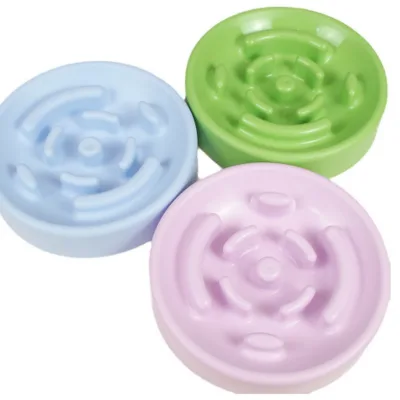
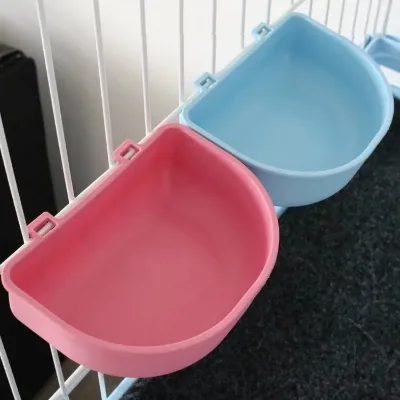
The physical form factor varies significantly, with options ranging from quadrate shapes to circular designs. The "anti-overturning" mechanism is often achieved through a weighted base, a wide footprint, or a specialized rim design that lowers the center of gravity. Some models are described as having a "Medium" size specification, while others are fully customizable in terms of dimensions. Buyers must recognize that "Customized" is a prevalent attribute in this category, allowing for tailored sizes, colors, and shapes to meet specific branding or functional requirements. The absence of automatic features or time-setting mechanisms distinguishes these as manual feeding solutions, focusing purely on the physical stability of the vessel rather than electronic automation.
Technical Specifications and Material Compliance
When evaluating technical specifications for anti-overturning pet food bowls, the focus must shift from aesthetic appeal to structural integrity and material safety. The supply chain data reveals a diverse range of materials, including plastics and various rubbers. The selection of material directly influences the product's ability to remain stable. A bowl made of rigid plastic like PP may require a specific base design to achieve the anti-overturning effect, whereas rubber-based bowls often rely on the material's inherent friction and weight.
Compliance with safety standards is a non-negotiable aspect of sourcing pet feeding products. The market data explicitly lists FDA, ISO, and BRC certifications as available attributes for certain suppliers. These certifications are critical indicators of a manufacturer's adherence to food safety and quality management systems. FDA compliance ensures that the materials used are safe for contact with food and water, preventing the leaching of harmful chemicals into the pet's diet. ISO certification typically points to a standardized quality management process, while BRC (British Retail Consortium) certification is a globally recognized standard for food safety, particularly relevant for products intended for consumption.
Buyers should verify that the specific model numbers, such as PPL-R26031126 or CCG-PB33, correspond to the correct material composition and certification status. It is important to note that not every listed product in a catalog will possess every certification; therefore, verification is essential. The standard dimensions provided in some listings, such as 20x4.5x20 cm or 30x9.5x23 cm, serve as reference points for packaging and logistics, but the actual bowl dimensions may vary based on customization requests. The "Customize" standard attribute suggests that manufacturers are flexible in meeting specific dimensional requirements, provided the structural integrity of the anti-overturning design is maintained.
Cost Drivers and Pricing Dynamics
The pricing structure for anti-overturning pet food bowls is influenced by a complex interplay of factors, including material costs, customization levels, order volume, and manufacturing complexity. The observed price range in the market spans from $0.01 to $5.62 USD, a wide variance that reflects the diversity of product types and quality tiers. At the lower end of the spectrum, prices likely correspond to basic, non-customized models produced in high volumes using standard materials like PP. Conversely, the upper end of the price range may reflect specialized designs, premium materials such as silicone or high-grade rubber, and extensive customization services.
Minimum Order Quantity (MOQ) is a significant cost driver in this sector. The data indicates an MOQ range of 1 to 1000 units. Suppliers with lower MOQs, such as 50 or 100 pieces, often charge a higher unit price to cover the setup costs associated with smaller production runs. This is particularly relevant for buyers testing the market or those with niche requirements. As the order volume increases, the unit cost typically decreases due to economies of scale. However, buyers must balance the desire for lower unit costs against the financial risk of holding excess inventory.
Customization options also play a pivotal role in cost determination. Attributes such as "Logo: Acceptable," "Color: Customized," and "Size: Customized" allow for brand differentiation but invariably add to the production cost. The requirement for custom packaging, such as "Plastic Bag & Carton Box" or specific pallet configurations, further impacts the final price. Additionally, the lead time of 15-20 days, referenced to the buyer's design, suggests that custom orders require a dedicated production schedule, which can influence pricing compared to stock items. Buyers should anticipate that requests for specific certifications, such as FDA or BRC, may also incur additional costs related to testing and quality assurance processes.
Typical Applications and Market Segmentation
The application of anti-overturning pet food bowls extends beyond simple feeding to address specific behavioral and environmental needs. The primary use case is for dogs, as indicated by the "Suitable for: Dog" attribute. These bowls are particularly valuable for breeds that are known to be aggressive eaters, have large heads, or tend to push their food bowls around during meals. The anti-overturning design ensures that food and water remain contained, reducing waste and maintaining hygiene in the feeding area.
In a household setting, these bowls are essential for maintaining a clean environment. The "Feeding, Feed Water" usage attribute highlights their dual functionality. The "Safe" and "Eco-Friendly" features are increasingly important to consumers who prioritize pet health and environmental sustainability. These attributes suggest that the products are designed to be durable and non-toxic, suitable for daily use without posing health risks to the animal.
Beyond the domestic market, these bowls find applications in commercial and institutional settings. The "Industrial" and "Vehicle" usage attributes, while less common for pet bowls, may indicate versatility in broader contexts or specific industrial-grade designs. However, the primary commercial application is likely in pet care facilities, veterinary clinics, and boarding kennels where multiple animals are fed simultaneously. In these environments, the durability and stability of the bowls are crucial for managing high-volume feeding operations efficiently. The "Stocked" feature mentioned in the data suggests that some suppliers maintain inventory for immediate shipment, catering to businesses that require rapid replenishment of feeding supplies.
Supplier Evaluation and Geographic Considerations
Evaluating suppliers for anti-overturning pet food bowls requires a careful assessment of their capabilities, location, and production capacity. The data indicates that a significant portion of the supply originates from Xiamen, China, and Hebei, China. These regions are known for their robust manufacturing ecosystems, particularly in plastics and rubber processing. The "Place of Origin" attribute is a key factor in logistics planning, as it influences shipping costs and lead times.
Production capacity is another critical metric. Suppliers with a capacity of 100,000 pieces per month are capable of handling large-scale orders, ensuring consistent supply for major retailers or distributors. However, buyers must verify that the supplier's capacity aligns with their specific volume requirements. The "Lead Time" of 15-20 days, referenced to the design, suggests a moderate production cycle. Buyers should confirm if this timeline includes time for mold creation, sample approval, and mass production, especially for custom orders.
Supplier reliability is often reflected in their customization capabilities. The availability of "Customization: Available" and "Custom Option: Packaging, Logo" indicates a flexible manufacturing process. Buyers should assess the supplier's ability to handle complex requests, such as specific color matching or unique logo placement, without compromising quality. The "Packing" attributes, ranging from "Plastic Bag & Carton Box" to "Carton Then in Pallet," provide insight into the supplier's logistics readiness. A supplier that offers flexible packaging options demonstrates a customer-centric approach, which is essential for long-term partnerships.
Quality Control and Long-Term Procurement Strategies
Ensuring consistent quality in anti-overturning pet food bowls requires a robust quality control (QC) framework. Given the direct contact with food and water, the risk of material degradation or contamination must be mitigated. The presence of certifications like FDA, ISO, and BRC in the data suggests that some suppliers have established QC protocols. However, buyers should not rely solely on these certifications; they must implement their own inspection regimes.
Key quality control checks should include visual inspections for defects such as cracks, uneven coloring, or rough edges. Dimensional accuracy is also critical, especially for custom orders where specific sizes are required. The "Anti-overturning" functionality must be tested to ensure the bowl remains stable under various conditions, including when filled with water or food. Suppliers should be able to provide test reports or evidence of stability testing to validate their claims.
For long-term procurement, buyers should focus on building relationships with suppliers who demonstrate consistency in quality and delivery. The "Customized" nature of many products means that communication and collaboration are vital. Establishing clear specifications and maintaining open lines of communication can prevent misunderstandings and ensure that the final product meets expectations. Additionally, buyers should consider the environmental impact of their procurement decisions. The "Eco-Friendly" attribute suggests that some suppliers are moving towards sustainable materials and processes. Aligning with such suppliers can enhance the brand's reputation and appeal to environmentally conscious consumers.
In conclusion, sourcing anti-overturning pet food bowls involves a detailed analysis of product attributes, material safety, cost dynamics, and supplier capabilities. By adhering to the principles of evidence-based procurement and leveraging the available market data, buyers can make informed decisions that ensure high-quality, reliable, and cost-effective sourcing outcomes. The focus on safety, stability, and customization will ultimately drive success in this competitive market segment.
FAQs
What materials are used for anti overturning pet food bowls?
These bowls are constructed from materials such as PP, NBR, SBR, Silicone, EPDM, or Chromium. The specific material choice depends on the desired balance between rigidity and non-slip properties, with PP offering lightweight durability and rubber variants providing enhanced stability.
Can I customize the size and color of these bowls?
Yes, customization is available for size, color, and logo placement to meet specific branding needs. Manufacturers typically offer flexible options allowing buyers to tailor dimensions and aesthetics while maintaining the core anti-overturning structural integrity required for canine use.
Which certifications ensure the safety of these pet feeding products?
Available certifications include FDA, ISO, and BRC to verify food safety and quality management standards. These credentials confirm that materials are safe for contact with food and water, ensuring the product meets rigorous international requirements for pet health and hygiene.
How long is the lead time for custom orders?
The standard lead time for custom designs is 15 to 20 days from the time the design is confirmed. This timeline accounts for the production cycle required to manufacture specialized anti-overturning features and apply custom branding or packaging specifications.
What is the minimum order quantity for these bowls?
The minimum order quantity ranges from 1 to 1000 pieces depending on the supplier and customization level. Some suppliers offer low MOQs like 50 pieces for testing, while larger volume orders may require higher thresholds to achieve optimal unit pricing.
Where are these pet bowls typically manufactured?
Production primarily originates from Xiamen and Hebei regions in China, known for robust plastic and rubber manufacturing ecosystems. These locations provide the necessary industrial capacity, with some facilities capable of producing up to 100,000 pieces per month for large-scale distribution.