Source Anti-Seepage Concrete Delivery Pump for Construction
Find 30 anti seepage concrete delivery pumps with customizable models and hydraulic processes. Compare specifications like output capacity, pumping pressure, and delivery distances from verified manufacturers in Changsha, Hunan; compare the available evidence and request quotations based on your requirements.
Key considerations
Products List

Concrete Pumping Equipment Strong Power 8MPa Concrete Delivery Pump
$90000.00 - $150000.00
MOQ: 1 Pieces

Non-Damaging Precise Concrete Pumping Equipment Wide Applicability Concrete Delivery Pump
$90000.00 - $150000.00
MOQ: 1 Pieces

Self-Loading Convenient Concrete Delivery Pump for Floor Formwork Structure
$90000.00 - $150000.00
MOQ: 1 Pieces

Professional Short Wheelbase Efficiency Advanced Concrete Delivery Pump
$90000.00 - $150000.00
MOQ: 1 Pieces


Concrete Truck Mounted Pump Concrete Delivery Pump Concrete Transportation Pump
$2500.00 - $2580.00
MOQ: 1 Pieces


Small Concrete Pump Portable Concrete Delivery Pump for Construction
$1699.00 - $2050.00
MOQ: 1 Pieces


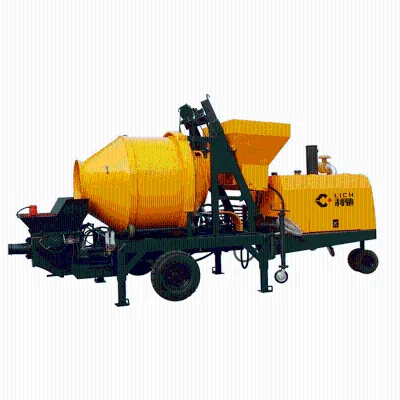
Concrete Pump with Smart Control System - Easy to Operate and Monitor
$5911.13 - $6114.97
MOQ: 1 pieces

Large Particle Hydraulic Concrete Pump/Heavy Duty Concrete Delivery Pump
$3250.00 - $13000.00
MOQ: 1 Pieces


New Diesel Powered Concrete Delivery Pump. Cheap Manufacturers Direct Sales.
$9000.00 - $40000.00
MOQ: 1 Pieces

Dual Axis Concrete Delivery Pump for Sale for Export to The United States.
$22000.00 - $24000.00
MOQ: 1 Pieces

Dual Axis Concrete Delivery Pump for Sale for Export to The United States.
$22000.00 - $24000.00
MOQ: 1 Pieces


Mini Concrete Pump Diesel Portable Concrete Delivery Pump Concrete Pump
$2000.00 - $28000.00
MOQ: 1 Pieces

Construction Diesel Mobile Portable Diesel Concrete Delivery Concrete Pump
$2000.00 - $28000.00
MOQ: 1 Pieces

Comprehensive Sourcing Guide
Anti-Seepage Concrete Delivery Pump Sourcing Guide
Procuring specialized concrete delivery equipment requires a nuanced understanding of both hydraulic pumping mechanics and the specific material properties of anti-seepage concrete mixes. Buyers must recognize that these pumps are engineered to handle complex aggregate distributions while maintaining consistent pressure to prevent segregation. The core challenge lies in selecting machinery that balances high theoretical output with the structural integrity needed for long-distance vertical and horizontal conveying. This guide provides a disciplined framework for evaluating suppliers, verifying technical claims, and ensuring long-term operational reliability in demanding construction environments.
The sourcing process begins with a clear definition of project requirements, including maximum aggregate diameter, required throughput, and delivery height. Observed market data indicates a wide variance in specifications, ranging from compact units with lower output to heavy-duty systems capable of handling significant vertical distances. Buyers should prioritize equipment that offers customizable configurations to match their specific site conditions. Understanding the interplay between pump pressure, aggregate size, and hose durability is essential for preventing blockages and ensuring efficient concrete placement during critical construction phases.
Product Scope and Observed Listing Signals
The current market landscape for concrete delivery equipment reveals a diverse array of offerings, with observed price points spanning from modest entry-level units to high-end industrial systems. Listings frequently highlight key attributes such as wet shotcrete capabilities, cylinder-type structures, and customizable models tailored to specific project needs. Buyers should note that while many suppliers claim compatibility with anti-seepage applications, the actual performance depends heavily on the precise hydraulic configuration and the robustness of the delivery system. It is crucial to distinguish between general-purpose concrete pumps and those specifically optimized for challenging mix designs.
Observed product signals often include specific component branding, such as Siemens PLC controls and Manuli rubber hoses, which serve as indicators of quality and reliability. These branded components suggest a commitment to using proven, high-performance parts that can withstand the rigors of continuous operation. Additionally, the presence of detailed technical specifications, such as hopper volume and maximum pumping pressure, provides valuable insights into the machine's capacity. Buyers must carefully cross-reference these listed attributes with their own project requirements to ensure that the selected equipment can handle the anticipated workload without compromising safety or efficiency.
Technical Specifications to Verify
When evaluating technical specifications, buyers must prioritize the verification of maximum aggregate diameter and theoretical output rates. Observed data suggests that units may support aggregate sizes up to 40mm, which is critical for anti-seepage concrete that often contains specialized additives or larger stone fractions. The theoretical output, ranging from 20 to 60 cubic meters per hour, must be matched against the project's timeline and placement speed requirements. Buyers should also verify the maximum vertical and horizontal conveying distances, as these parameters directly impact the feasibility of the pump for high-rise or long-span construction projects.
Hydraulic system performance is another critical area for verification, with observed theoretical delivery pressures around 8 MPa and maximum pumping pressures up to 16 MPa. These pressure ratings determine the pump's ability to push concrete through long pipelines or against significant elevation changes. Buyers should also inspect the power system specifications, noting that diesel engines with outputs around 66kW are common for mobile units. Ensuring that the hydraulic system is designed for continuous duty and that the control panel offers precise modulation is essential for maintaining consistent flow rates and preventing pressure spikes that could damage the equipment or the concrete mix.
Compliance and Safety Documentation
Compliance with international safety and quality standards is non-negotiable when sourcing heavy construction machinery. Buyers should insist on documentation that confirms adherence to CE marking requirements and ISO 9001 quality management systems. These certifications indicate that the manufacturer has implemented rigorous processes for design, production, and testing. Additionally, verifying that the equipment meets specific emission standards, such as National VI for diesel-powered units, is crucial for operating in environmentally regulated zones. Buyers must ensure that all safety guards, emergency stops, and pressure relief valves are installed and certified for use in industrial environments.
Documentation should also include detailed operational manuals, maintenance schedules, and warranty terms that clearly define the scope of coverage. Observed listings often mention video outgoing inspections, which provide buyers with visual evidence of the machine's condition before shipment. This transparency helps mitigate the risk of receiving defective or non-compliant equipment. Buyers should also verify that the supplier provides comprehensive training materials and technical support resources to ensure that their operators can safely and effectively use the pump. Proper documentation is essential for maintaining regulatory compliance and ensuring long-term operational safety.
Cost Drivers and Commercial Terms
The total cost of ownership for a concrete delivery pump is influenced by several key factors, including the complexity of the hydraulic system, the quality of branded components, and the level of customization required. Buyers should analyze the price range carefully, noting that higher-priced units often include advanced features such as PLC-controlled systems and premium rubber hoses. While the initial purchase price is important, buyers must also consider the long-term costs associated with maintenance, spare parts, and energy consumption. Understanding these cost drivers helps in making a more informed procurement decision that balances upfront investment with operational efficiency.
Commercial terms, including payment conditions, delivery lead times, and warranty coverage, play a significant role in the overall procurement strategy. Buyers should negotiate clear terms regarding the provision of spare parts and the availability of technical support. Observed listings often indicate a one-piece minimum order quantity, which simplifies the procurement process for individual projects. However, buyers should also inquire about bulk pricing options if multiple units are required for large-scale operations. Ensuring that the contract includes clear provisions for after-sales service and dispute resolution is essential for protecting the buyer's interests and ensuring a smooth procurement experience.
Supplier Qualification and Quality Control
Supplier qualification is a critical step in ensuring the reliability and performance of the purchased equipment. Buyers should verify the manufacturer's production capabilities, including their facility location and manufacturing processes. Observed data indicates that many suppliers are based in industrial hubs such as Changsha, Hunan, which is known for its heavy machinery manufacturing expertise. Buyers should request evidence of the supplier's quality control processes, including factory audits and third-party inspections. This due diligence helps ensure that the manufacturer has the capacity and expertise to produce high-quality equipment that meets the specified technical requirements.
Quality control measures should extend to the sourcing of components, with buyers verifying the authenticity and quality of branded parts such as Siemens PLCs and Schneider electrical apparatus. Buyers should also inquire about the supplier's testing procedures, including pressure tests and performance evaluations before shipment. Observed listings often mention video outgoing inspections, which provide a valuable opportunity to verify the machine's condition. Buyers should also assess the supplier's reputation in the market, looking for feedback from other buyers and checking for any history of quality issues or customer complaints. A qualified supplier with robust quality control processes is essential for minimizing risk and ensuring long-term satisfaction.
Long-Term Procurement Checks
Long-term procurement success depends on establishing a strong relationship with the supplier and ensuring ongoing support for the equipment. Buyers should verify the availability of spare parts and the supplier's ability to provide timely technical assistance. Observed listings often include warranty periods of two years, which provides a baseline for support. However, buyers should also inquire about extended warranty options and the availability of maintenance contracts. Ensuring that the supplier has a network of service technicians and a supply chain for critical components is essential for minimizing downtime and maintaining operational efficiency over the life of the equipment.
Regular performance monitoring and preventive maintenance are also key to long-term success. Buyers should implement a schedule for routine inspections and servicing, following the manufacturer's recommendations. This includes checking hydraulic fluid levels, inspecting hoses and fittings, and verifying the functionality of safety systems. Buyers should also keep detailed records of maintenance activities and any issues encountered during operation. This documentation can be valuable for troubleshooting problems and negotiating warranty claims. By proactively managing the equipment's lifecycle, buyers can maximize its value and ensure reliable performance for years to come.
FAQs
What is the maximum aggregate diameter for this concrete pump?
The maximum aggregate diameter is 40mm. This specification ensures the pump can handle standard construction mixes without clogging. It is suitable for typical building projects requiring reliable concrete delivery with consistent flow rates and minimal maintenance downtime during operation.
Can the concrete pump be customized for specific projects?
Yes, customization is available for this equipment. Buyers can select specific models and standards to match their unique construction requirements. This flexibility allows for tailored solutions that integrate seamlessly with existing site infrastructure and operational workflows for optimal performance.
What is the theoretical output capacity of the mixer?
The theoretical output of the mixer is 25 cubic meters. This capacity supports continuous concrete production for medium to large-scale construction sites. It ensures a steady supply of material to the pump, maintaining efficiency and reducing delays during critical pouring phases.
Which electrical components are used in the control panel?
The electric control panel uses Siemens PLC technology from Germany. This high-quality component ensures precise operation and reliable control of the pumping process. It is complemented by Schneider and ABB low-voltage electrical apparatus for enhanced safety and system stability.
What is the warranty period for the concrete pump?
The warranty period is two years. This coverage provides buyers with confidence in the equipment's durability and manufacturer support. It includes standard maintenance assistance and ensures that any manufacturing defects are addressed promptly, protecting your investment in construction machinery.
How is the concrete pump packed for shipping?
The concrete pump is packed in export wooden boxes or containers. This robust packaging protects the machinery from damage during transit. It ensures that all components arrive safely at the destination, ready for immediate installation and commissioning on the construction site.