Source anti-shrink 100 cotton knitted t-shirt for events, retail, and uniforms
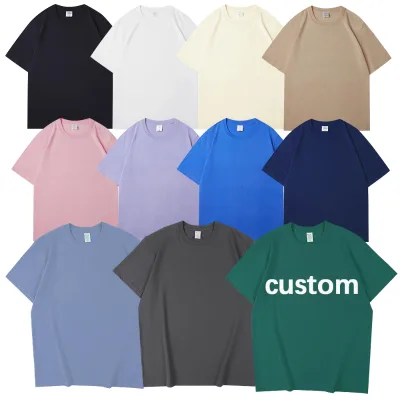
Compare 30 listings for anti-shrink 100 cotton knitted t-shirt options featuring round neck, short sleeve, and promotional customization. Buyers can evaluate mixed color availability, machine wash care, and varying MOQs from 1 to 3000 units.
Key considerations
Products List








Comprehensive Sourcing Guide
Anti-Shrink 100 Cotton Knitted T-Shirt Sourcing Guide
Sourcing high-quality promotional apparel requires a precise understanding of material behavior, manufacturing techniques, and commercial terms. The anti-shrink 100 cotton knitted t-shirt represents a specific intersection of durability, comfort, and brand visibility, making it a staple for corporate gifting, event merchandise, and retail basics. Buyers must navigate the nuances of cotton processing, knitting structures, and finishing treatments to ensure the final product meets both aesthetic expectations and functional longevity. This guide provides evidence-based procurement strategies for sourcing these garments, focusing on verified attributes, technical verification, and risk mitigation.
The following sections detail the critical decision points for buyers, from interpreting listing signals to establishing long-term supplier relationships. By adhering to these guidelines, procurement teams can avoid common pitfalls such as unexpected shrinkage, poor print adhesion, or inconsistent sizing. The focus remains on actionable verification steps and commercial clarity, ensuring that every order aligns with the intended use case, whether it is for high-volume promotional campaigns or smaller, premium retail batches.
Product Scope and Observed Listing Signals
The market for 100% cotton t-shirts exhibits significant variation in construction and finish, which directly impacts performance and cost. Observed listings indicate a wide price range, typically between $1 and $28 USD, reflecting differences in fabric weight, origin, and customization complexity. Buyers should note that the lower end of this spectrum often corresponds to basic, unbranded items with minimal finishing, while higher prices may include specialized anti-shrink treatments, premium packaging, or complex embroidery. The observed minimum order quantity (MOQ) ranges from 1 to 3000 units, suggesting that suppliers cater to both sample-driven prototyping and large-scale industrial orders. Understanding this variance is crucial for budgeting and aligning order volumes with supplier capabilities.
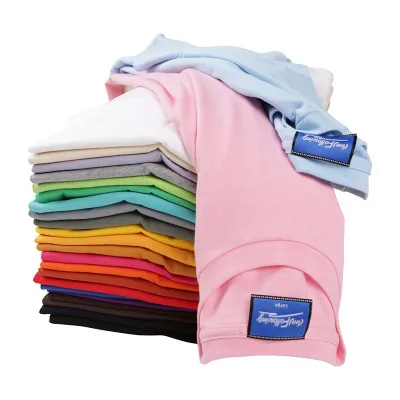
Key attributes frequently observed in these listings include specific care instructions, such as machine washing cold and avoiding sun drying, which are indicative of the fabric’s sensitivity to heat and agitation. Many suppliers offer customization options, including embroidery and silk screen printing, which are essential for promotional applications. The presence of features like "breathable," "anti-wrinkle," and "eco-friendly" suggests a market trend toward functional apparel, although buyers must verify these claims through technical documentation rather than relying solely on marketing labels. Additionally, the availability of mixed colors and various sizes, from S to 3XL, provides flexibility for diverse demographic targeting, but consistency in colorfastness and sizing across batches remains a critical verification point.
Technical Specifications to Verify
Fabric composition and knitting technique are foundational to the t-shirt’s performance and feel. While many listings specify 100% cotton, the knitting method—whether knitted, woven, or printed—significantly affects durability and drape. Knitted cotton t-shirts are generally preferred for their stretch and comfort, but buyers must verify the stitch density and fabric weight, which can vary from standard to heavier weights like 220 grams per square meter. Heavier fabrics often provide better opacity and durability, making them suitable for promotional items that undergo frequent washing. However, heavier weights may also increase shipping costs and affect the garment’s breathability, so buyers should balance these factors based on the intended climate and usage.
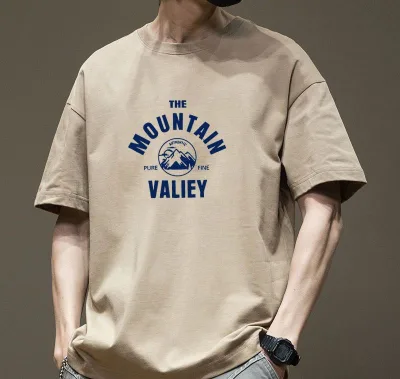
Sizing and fit specifications require careful attention, as inconsistencies can lead to high return rates or customer dissatisfaction. Listings often mention "both codes" for size or specific size ranges like S, M, L, XL, 2XL, and 3XL, but buyers must request detailed size charts from each supplier to ensure alignment with their target market. Fit types, such as loose or regular, also impact the final look and comfort, so physical samples are essential for verification. Additionally, features like needle detection and anti-shrink treatments should be confirmed through technical data sheets, as these are critical for quality control and compliance, especially in markets with strict safety standards for children’s or general apparel.
Compliance and Safety Documentation
Compliance with international safety and environmental standards is non-negotiable for reputable sourcing. Buyers must request documentation that verifies the absence of harmful substances, such as azo dyes, formaldehyde, and heavy metals, in the cotton fabric and printing inks. While some listings mention "eco-friendly" attributes, these claims must be backed by recognized certifications or test reports from accredited laboratories. The presence of needle detection services, as noted in some listings, is a positive indicator of quality control, but it should be part of a broader compliance framework that includes chemical safety and physical safety testing.
Packaging and labeling requirements also play a role in compliance, particularly for export markets. Buyers should ensure that suppliers adhere to standard or custom packaging requirements, such as polybag or cardboard box packaging, which must include accurate fiber content labels, care instructions, and country of origin markings. The origin of the product, often listed as China, may have specific regulatory implications depending on the destination market, so buyers must verify that the supplier can provide necessary export documentation and comply with local labeling laws. Failure to meet these requirements can result in customs delays, fines, or product recalls, making thorough documentation review a critical step in the procurement process.
Cost Drivers and Commercial Terms
Several factors influence the final cost of anti-shrink 100 cotton knitted t-shirts, including material quality, customization complexity, and order volume. The base cost of 100% cotton fluctuates with global market conditions, but buyers can mitigate some variability by locking in prices for larger orders or selecting standard colors and designs. Customization, such as embroidery or multi-color printing, adds significant cost due to setup fees and increased labor time. Buyers should request detailed breakdowns of these costs to understand the impact of design choices on the unit price, especially when balancing aesthetic preferences with budget constraints.
Commercial terms, including payment methods, lead times, and shipping arrangements, also affect the total cost of ownership. Sample orders, which are often accepted by suppliers, provide an opportunity to verify quality before committing to large volumes, but buyers should be aware of sample fees and lead times, which can range from a few days to weeks. For bulk orders, negotiating favorable payment terms, such as partial upfront payments and balance upon shipment, can help manage cash flow. Additionally, understanding the supplier’s production capacity and lead times is crucial for planning inventory and meeting launch deadlines, as delays can have significant downstream impacts on sales and marketing campaigns.
Supplier Qualification and Quality Control
Selecting a reliable supplier requires a rigorous qualification process that goes beyond price comparisons. Buyers should assess the supplier’s production capabilities, including their knitting, dyeing, and finishing facilities, to ensure they can meet quality and volume requirements. Requesting references and conducting factory audits, either in person or through third-party agencies, can provide valuable insights into the supplier’s operational efficiency and quality management systems. Suppliers that offer customization options and have experience with promotional apparel are often better equipped to handle complex orders and maintain consistency across batches.
Quality control measures must be established and enforced throughout the production process. Buyers should define clear quality standards, including acceptable levels of shrinkage, colorfastness, and stitching defects, and communicate these to the supplier before production begins. Implementing pre-production samples, in-line inspections, and final random inspections can help identify and rectify issues early, reducing the risk of receiving substandard goods. Additionally, establishing a clear communication channel for addressing quality concerns and negotiating remedies, such as replacements or refunds, is essential for maintaining a productive supplier relationship and protecting the buyer’s interests.
Long-Term Procurement Checks
Building a sustainable sourcing strategy involves continuous monitoring and evaluation of supplier performance. Buyers should track key performance indicators (KPIs) such as on-time delivery rates, defect rates, and responsiveness to issues, using this data to inform future ordering decisions and supplier negotiations. Regularly reviewing and updating quality standards to reflect changes in market expectations or regulatory requirements ensures that the procurement process remains aligned with business goals. Additionally, fostering a collaborative relationship with suppliers, including sharing feedback and discussing potential improvements, can lead to better product quality and more favorable commercial terms over time.
Diversifying the supplier base is another critical long-term strategy to mitigate risk. Relying on a single supplier can expose the buyer to disruptions caused by production issues, capacity constraints, or geopolitical factors. By qualifying multiple suppliers for similar products, buyers can maintain supply continuity and leverage competition to secure better prices and service levels. Regularly re-evaluating the supplier portfolio and exploring new markets or technologies can also help identify opportunities for cost savings and innovation, ensuring that the procurement function remains agile and responsive to changing business needs.
FAQs
Can I order samples of anti-shrink 100 cotton knitted t-shirts?
Yes, sample orders are accepted with a seven-day lead time. This allows buyers to verify the fabric quality and fit before committing to larger quantities, ensuring the product meets specific promotional or casual wear requirements.
What customization options are available for these cotton t-shirts?
Customization is available for the product model and packaging. Buyers can request specific designs or branding on the blank shirts, which supports promotional advertising needs while maintaining the standard cotton material and knitted construction.
How is the anti-shrink cotton t-shirt packed for shipping?
The shirts are packed in cardboard boxes or individual polybags depending on the order. This flexible packaging ensures protection during transit while allowing for customized packaging solutions to meet specific branding or retail requirements.
Which sizes are available for the 100 cotton knitted t-shirt?
Available sizes range from Small to 3 XL, covering both codes for a broad fit. This sizing ensures the loose fit style accommodates various body types, making it suitable for men and unisex promotional campaigns.
What are the care instructions for washing these cotton t-shirts?
Machine wash cold inside out and avoid sun drying to maintain quality. These steps help preserve the anti-shrink properties and color integrity of the 100 cotton fabric, ensuring longevity for casual or promotional use.
Can I find manufacturers with needle detection for safety compliance?
Yes, needle detection is confirmed as a feature for these products. This safety measure ensures the garments meet quality standards, providing peace of mind for buyers sourcing promotional items or casual wear for distribution.