Source Anti-Tamper GPS Ankle Bracelet for Security, Tracking, and Monitoring
Compare 30 anti-tamper GPS ankle bracelet options from verified suppliers. These devices support 4G/3G/2G networks, feature IP67 waterproof ratings, and offer customizable branding for security, tracking, and monitoring applications.
Key considerations
Products List


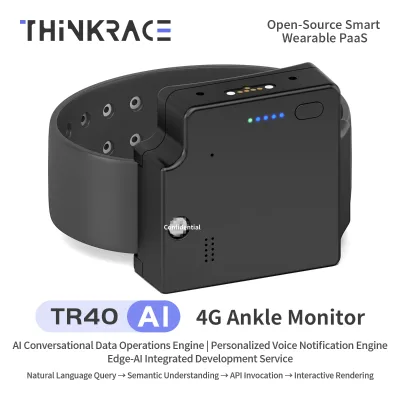
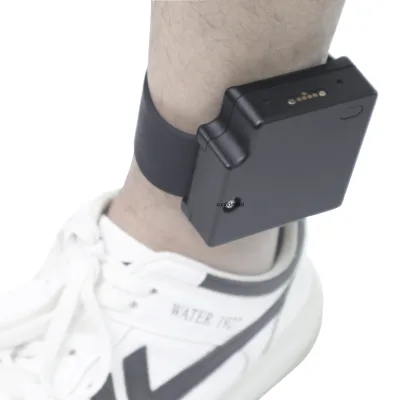
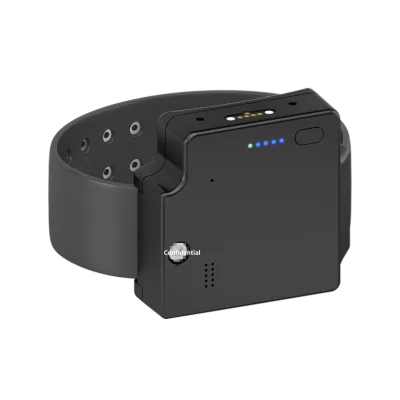
Tamper-Resistant GPS Ankle Bracelet for Offender Tracking and Remote Monitoring
$155.00 - $165.00
MOQ: 1 Pieces

Remote Monitoring Anti-Tamper Ankle Monitor GPS Bracelet for Inmate Surveillance
$155.00 - $165.00
MOQ: 1 Pieces

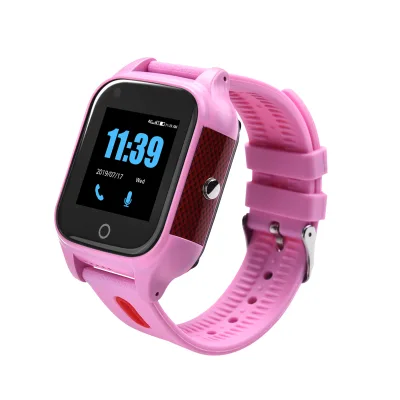
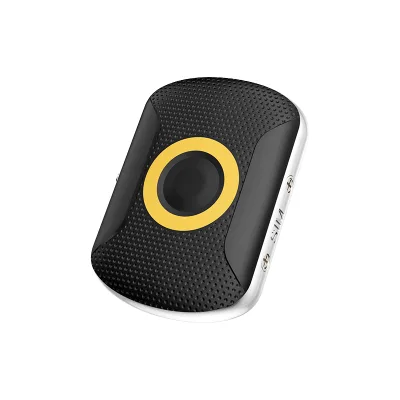
IP67 Waterproof Temperature GPS Tamper Proof GPS Watch GPS Ankle Bracelet
$65.00 - $85.00
MOQ: 1 Pieces




Comprehensive Sourcing Guide
Sourcing Guide for Anti-Tamper GPS Ankle Bracelet Procurement
Understanding the Technical Architecture of Wearable Tracking Devices
When evaluating anti-tamper GPS ankle bracelets, procurement professionals must first distinguish between the core tracking functionality and the specific form factor designed for high-security applications. The market offers a variety of wearable devices, ranging from simple location loggers to complex communication hubs. For the specific category of anti-tamper ankle bracelets, the technical architecture often integrates multiple positioning technologies to ensure reliability. Based on observed product attributes in the current supply landscape, advanced units frequently utilize a hybrid location mode combining GPS, BeiDou, LBS (Location Based Services), and WiFi hotspots. This multi-satellite and network approach is critical for maintaining accuracy in urban canyons or indoor environments where a single GPS signal might be obstructed.
The hardware specifications for these devices vary significantly depending on the intended use case. Some models are designed as standalone communication units, featuring a Nano SIM card slot to support 4G, 3G, and 2G networks. This ensures connectivity across different global regions without requiring a dedicated Wi-Fi connection. In contrast, other variants may function as companion devices to a smartphone, relying on Bluetooth for data transmission. A notable observation in the current product pool includes devices equipped with an IPS display, allowing for direct interaction without a mobile app, while others remain screenless to minimize tampering vectors. The internal processing power is another key differentiator; some units are powered by specific IC chipsets like the ASR3603S, paired with memory configurations such as 128MB RAM and 192MB ROM, which supports complex algorithms for geo-fencing and real-time data processing.
Battery life and charging mechanisms are paramount for ankle-worn devices that must operate continuously. The observed market data indicates a battery capacity of 700mAh in certain models, which typically supports a working duration of 3 to 4 days under standard usage conditions. To maintain power without compromising the anti-tamper seal, magnetic charging is a prevalent standard. This method allows for power replenishment without the need for opening a physical port, which could otherwise be a point of vulnerability. The physical dimensions of these devices are also constrained by comfort and concealment requirements. Standardized form factors often adhere to specific size constraints, such as 60mm x 53mm x 26mm or 58mm x 42mm x 15mm, ensuring the device fits securely on an ankle without causing discomfort during extended wear.
Compliance, Certification, and Regulatory Standards
Navigating the regulatory landscape is a non-negotiable aspect of sourcing electronic tracking devices. Buyers must verify that suppliers adhere to international safety and electromagnetic compatibility standards. The supply chain data indicates that reputable manufacturers typically provide certifications including CE, FCC, and RoHS. These certifications are not merely marketing claims but are essential for legal importation and deployment in various jurisdictions. The CE mark confirms compliance with European health, safety, and environmental protection standards, while FCC certification ensures the device does not interfere with other radio frequency devices in the United States. RoHS compliance is equally critical, as it restricts the use of specific hazardous materials in electrical and electronic equipment, ensuring the device is safe for human contact, particularly for sensitive populations like children or individuals under supervision.
Beyond the standard electronic certifications, specific performance standards must be verified to ensure the device meets the rigorous demands of anti-tamper applications. One of the most critical performance metrics is the waterproof rating. In the context of ankle bracelets, which are exposed to the elements and potential submersion, an IP67 rating is a common benchmark observed in the market. This rating signifies that the device is dust-tight and can withstand immersion in water up to 1 meter for 30 minutes. However, buyers should not assume all products meet this standard without explicit verification. The physical construction must also be robust enough to withstand the specific stresses of an ankle-worn device, which includes bending, twisting, and impact.
The geographic origin of the product is another factor in compliance. Most observed products in this category originate from manufacturing hubs in China, specifically regions like Guangdong and Shenzhen. While this location offers a mature supply chain for electronics, it necessitates rigorous due diligence regarding the supplier's ability to maintain consistent quality control and certification validity. Buyers should request current test reports and certification documents directly from the supplier rather than relying on product descriptions alone. The presence of a "Standard Package" or "Giftbox Package" for shipping does not equate to compliance; the internal packaging must protect the device during transit, but the external documentation must clearly state the origin and certification status.
Cost Drivers and Pricing Structures in the Wearable Market
The pricing of anti-tamper GPS ankle bracelets is influenced by a complex interplay of hardware complexity, connectivity requirements, and customization options. The observed market data reveals a wide price range, typically spanning from $20 to $195 USD per unit. This significant variance is not arbitrary but reflects the underlying cost of components and features. Lower-priced units often lack advanced features such as video calling capabilities, high-resolution displays, or multi-network support. They may rely on simpler 2G/3G networks and have basic battery capacities. Conversely, higher-priced models often incorporate 4G connectivity, advanced chipsets, dual-camera systems (including front-facing cameras for video calls), and more sophisticated software ecosystems like the Beesure GPS or Setracker applications.
Customization is a major cost driver in this sector. While standard models are available, many procurement scenarios require branding, specific color schemes, or unique packaging. The observed data confirms that customization is available for logos, colors (such as pink, black, purple, or others), and packaging details. However, these customizations often come with Minimum Order Quantity (MOQ) requirements. The market data indicates an MOQ range of 1 to 100 units. Orders at the lower end of this spectrum may incur higher per-unit costs due to the setup costs for custom tooling and branding. For large-scale deployments, the per-unit cost may decrease, but the total capital outlay increases. Buyers must balance the need for customization against the budget constraints of the project.
Supply chain stability also impacts pricing. The supply ability of manufacturers, observed at 20,000 pieces per month in some cases, suggests that volume orders can be fulfilled relatively quickly. However, lead times can vary based on the complexity of the order and the current demand for raw materials like IC chipsets and batteries. The port of dispatch, often Shenzhen, is a major logistics hub, but buyers should account for shipping costs and potential delays. Additionally, the warranty period, typically observed as 1 year, is a factor in the total cost of ownership. A longer warranty or more comprehensive support services may increase the initial purchase price but reduce long-term risk and replacement costs.
Typical Applications and Use Cases for Secure Tracking
The primary application for anti-tamper GPS ankle bracelets is in scenarios requiring high levels of supervision and security. The "Use" attribute observed in the product data frequently lists "Automotive" or "Hand Held," but the specific form factor of an ankle bracelet points to specialized use cases. These devices are commonly deployed in the correctional system for monitoring individuals on parole or probation. In these settings, the anti-tamper feature is critical to prevent the removal or disabling of the tracking device. The device must be robust enough to withstand attempts at removal while providing accurate location data to authorities.
Another significant application is in the care of vulnerable populations, such as children with cognitive impairments or the elderly with dementia. The "Type" attribute observed in the market includes "child gps tracker bracelet," highlighting this specific use case. In these scenarios, the device serves as a safety net, allowing caregivers to monitor the location of the individual in real-time. Features like the "Fall Down Alarm" are particularly valuable in this context, providing immediate notification if the wearer experiences a medical emergency. The geo-fencing capability, with support for three valid geo-fences, allows caregivers to set safe zones and receive alerts if the individual leaves these designated areas.
The versatility of these devices extends to corporate and industrial security as well. In high-security facilities, tracking the movement of personnel or assets is essential. The "Usage" attribute of "Communication" suggests that these devices can also facilitate two-way communication, which is vital in emergency situations. The ability to make video calls or use the device for general communication adds a layer of safety that goes beyond simple location tracking. Furthermore, the "Feature" set, including water resistance, Bluetooth, WiFi, and 3G/4G connectivity, makes these devices suitable for a wide range of environments, from outdoor construction sites to indoor warehouses.
Supplier Evaluation and Quality Control Protocols
Selecting the right supplier is critical for ensuring the reliability and longevity of the anti-tamper GPS ankle bracelets. Buyers should prioritize suppliers who demonstrate transparency in their manufacturing processes and provide clear documentation of their quality control measures. The "Brand Name" observed in the market, such as I365-TECH, indicates that established brands exist, but buyers should not rely solely on brand recognition. Instead, they should evaluate the supplier's track record, production capacity, and ability to meet specific customization requirements. The "Supply Ability" of 20,000 pieces per month is a positive indicator of a supplier's capacity to handle large orders, but buyers should also verify the consistency of this output.
Quality control should be a continuous process, not just a final inspection. Buyers should request information about the supplier's testing protocols, including drop tests, water resistance tests, and battery life tests. The "Warranty" of 1 year is a standard offering, but the terms of the warranty should be clearly defined. Does it cover manufacturing defects only, or does it include battery degradation? The "Product Packing" details, such as "Standard Package" or "Giftbox Package," should be evaluated for their ability to protect the device during shipping. Additionally, the "Logo" customization options should be tested for durability to ensure that branding does not peel or fade over time.
Buyers should also consider the supplier's after-sales support. The "APP" ecosystem, such as Beesure GPS or Setracker, is a crucial component of the device's functionality. If the software is not regularly updated or if the server support is unreliable, the hardware becomes less useful. Suppliers should provide clear documentation for the app, including user manuals and troubleshooting guides. The "Working Days" of 3-4 days for battery life should be verified under real-world conditions, as manufacturer claims may differ from actual performance.
Long-Term Procurement and Operational Considerations
Sourcing anti-tamper GPS ankle bracelets is not a one-time transaction but an ongoing operational commitment. Buyers must consider the long-term costs associated with SIM card subscriptions, software licensing, and device maintenance. The "Network" support for 4G/3G/2G ensures compatibility with existing infrastructure, but the cost of data plans can add up over time. Buyers should negotiate bulk rates with mobile network operators to minimize these recurring costs. Additionally, the "Location Mode" of GPS+BeiDou+LBS+WiFi hotspots requires a robust backend system to process and analyze the data. The supplier should provide a reliable platform for data visualization and alert management.
The "Material" of the device, often silicone, is chosen for comfort and durability. However, silicone can degrade over time, especially with exposure to sunlight and sweat. Buyers should plan for periodic replacement of the wristbands or the entire device to ensure continued comfort and functionality. The "Charging" method, typically magnetic, should be evaluated for its longevity. Magnetic contacts can corrode or become loose over time, leading to charging failures. Buyers should request spare charging cables and adapters as part of the procurement package.
Finally, the "Standard" dimensions of the device, such as 60mm x 53mm x 26mm, must be compatible with the intended use case. If the device is too bulky, it may cause discomfort or be easily detected, defeating the purpose of an anti-tamper device. Buyers should test the device on a sample group to ensure it meets the comfort and security requirements of the end-users. The "Color" options, including pink, black, and purple, should be selected based on the preferences of the target demographic. For example, a more discreet color may be preferred for adult supervision, while a brighter color may be chosen for children to ensure visibility. By carefully considering these long-term factors, buyers can ensure a successful and sustainable procurement strategy for anti-tamper GPS ankle bracelets.
Comparative Analysis of Key Product Attributes
To facilitate informed decision-making, the following table summarizes the key attributes observed in the current market for anti-tamper GPS ankle bracelets. This comparison highlights the diversity of features and specifications available, allowing buyers to match product capabilities with their specific operational needs.
| Attribute Category | Feature A (Basic Model) | Feature B (Advanced Model) | Feature C (Specialized Model) |
|---|---|---|---|
| Location Mode | GPS + LBS | GPS + BeiDou + LBS + WiFi | GPS + AGPS + LBS + WiFi |
| Network Support | 2G/3G | 4G/3G/2G | 4G/3G/2G |
| Battery Capacity | 700mAh | 700mAh | 700mAh |
| Working Days | 3-4 Days | 3-4 Days | 3-4 Days |
| Waterproof Rating | IP67 | IP67 Waterproof | IP67 |
| Display | No Screen | IPS Display | No Screen |
| Camera | None | 0.3MP Front Camera | None |
| Video Call | No | Support | No |
| Geo-Fence | 3 Valid Geo-fence | 3 Valid Geo-fence | 3 Valid Geo-fence |
| Fall Down Alarm | Yes, Support | Yes, Support | Yes, Support |
| Charging | Magnetic Charger | Magnetic Charger | Magnetic Charger |
| Certification | CE, FCC, RoHS | CE, RoHS, FCC | CE, FCC, ISORoHS |
| Material | Silicone | Silicone | Silicone |
| Dimensions | 60mm53mm26mm | 58mm×42mm×15mm | 60mm53mm26mm |
| SIM Card | Nano SIM Card | Nano SIM Card | Nano SIM Card |
| APP Support | Beesure GPS/Setracker | Beesure GPS/Setracker | Beesure GPS/Setracker |
| Customization | Logo, Color, Package | Logo, Color, Package | Logo, Color, Package |
| Origin | China (Guangdong/Shenzhen) | China (Shenzhen) | China (Guangdong) |
| Warranty | 1 Year | 1 Year | 1 Year |
This table illustrates that while many core features like battery life, waterproofing, and geo-fencing are consistent across models, the advanced models offer superior connectivity, display capabilities, and communication features. Buyers should carefully weigh these differences against their budget and operational requirements to select the most appropriate solution. The consistency in certifications and materials suggests a mature supply chain, but the variation in dimensions and features requires careful selection to ensure the device fits the intended use case perfectly.
FAQs
What certifications do anti-tamper gps ankle bracelets typically have?
These devices typically hold CE, FCC, and RoHS certifications to ensure safety and regulatory compliance. Buyers should verify these specific marks as they are standard for electronic tracking units imported from China to meet international standards.
How long does the battery last on a typical GPS tracker?
The battery usually supports 3 to 4 days of working time with a 700mAh capacity. This duration depends on usage frequency and network settings, requiring a magnetic charger for power replenishment without compromising the seal.
Which location modes are supported by advanced ankle bracelet models?
Advanced models support a hybrid location mode combining GPS, BeiDou, LBS, and WiFi hotspots. This multi-technology approach ensures accurate positioning in urban canyons or indoor environments where single-signal GPS might be obstructed.
Can buyers customize the logo and color of these devices?
Customization is available for logos, colors like pink or black, and packaging details. However, these options often require meeting specific minimum order quantities, which can range from 1 to 100 units depending on the supplier.
What is the waterproof rating for these wearable tracking devices?
Many models feature an IP67 waterproof rating, making them dust-tight and resistant to immersion. This standard ensures the device can withstand exposure to water up to 1 meter for 30 minutes during daily wear.
How much does an anti-tamper gps ankle bracelet cost?
The price range typically spans from 20 to 195 USD per unit based on features. Lower costs often reflect basic 2G/3G connectivity, while higher prices include 4G support, video calling, and advanced chipsets.
What is the minimum order quantity for custom branding?
The minimum order quantity ranges from 1 to 100 pieces depending on the customization level. Orders at the lower end may incur higher per-unit costs due to setup fees for branding and unique packaging requirements.