Source Anti-static Waterproof Anti-fatigue Floor Mat for Hotels, Homes, and Industrial Floors
Compare 30 anti-static waterproof anti-fatigue floor mat options from verified Chinese suppliers. These mats feature rubber construction, anti-slip surfaces, and customizable sizes for use in hotels, homes, and industrial facilities.
Key considerations
Products List




Comprehensive Sourcing Guide
Strategic Sourcing Guide for Anti-Static Waterproof Anti-Fatigue Floor Mats
Understanding Product Definitions and Core Attributes
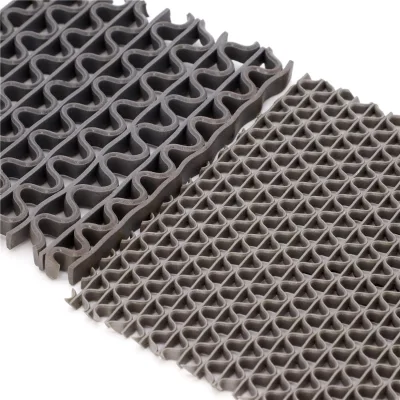
When sourcing anti-static waterproof anti-fatigue floor mats, buyers must first distinguish between the specific material compositions and performance claims that define this category. The market offers a diverse range of products, often categorized by their primary usage environment, such as industrial settings, commercial retail spaces, or residential areas. The core functionality relies on a combination of material science and surface engineering. For instance, specific product lines utilize a composition of Natural Rubber, Synthetic Rubber, and specialized additives like Rapeseed Oil to achieve the desired balance of flexibility and durability. Other variants may employ a Striped needle puncture technology combined with TPE and a release film to enhance structural integrity.
The waterproof nature of these mats is inherent to the rubber-based materials used, such as SBR (Styrene-Butadiene Rubber) blends or pure Natural Rubber. These materials are selected for their resistance to moisture absorption, ensuring that the mats remain stable in wet environments. The anti-fatigue property is a critical performance metric, particularly for environments where workers stand for extended periods. Products designed for this purpose often feature a "Better" anti-fatigue effect, achieved through specific density and hardness profiles. The surface treatment is equally important; options include double ribbed surfaces for enhanced traction or tufted constructions for decorative applications in hotels and homes.
Buyers should note that while some products are machine-made for consistency, others may utilize tufted techniques for specific aesthetic or comfort requirements. The distinction between an industrial rubber slab and a commercial floor covering is often blurred in marketing, but the technical specifications provide the necessary clarity. Industrial-grade mats prioritize wear resistance, corrosion resistance, and heat resistance, whereas commercial mats may focus more on stain resistance and aesthetic design. Understanding these nuances allows procurement teams to align their purchasing decisions with the specific operational demands of their facilities.
Technical Specifications and Performance Metrics
Evaluating the technical specifications of anti-static waterproof anti-fatigue floor mats requires a deep dive into physical properties that directly impact safety and longevity. The most critical metric for anti-static performance is surface resistance and ground resistance. Verified data indicates that high-performance mats can achieve a surface resistance range of 10e8 to 10e9 ohms and a ground resistance of 10e9 to 10e10 ohms. These values are essential for preventing static discharge in sensitive environments, such as electronics manufacturing or areas with flammable vapors. Buyers must verify that the supplier can provide test results confirming these specific resistance ranges, as generic claims of "anti-static" may not meet rigorous safety standards.
Hardness and tensile strength are other vital indicators of durability. The hardness of these mats typically ranges from 40 to 60 Shore A, a specification that balances comfort with structural support. A hardness of 40 Shore A offers superior cushioning for anti-fatigue benefits, while 60 Shore A provides greater resistance to indentation and wear in high-traffic zones. Tensile strength is another key factor; observed data points to a tensile strength of 7.5MPa, which ensures the mat can withstand significant pulling forces without tearing. This is particularly important for mats that may be dragged or subjected to heavy rolling loads.
Density also plays a crucial role in the performance of the mat. A density of 1.19g/cm3 suggests a compact material structure that resists compression over time, maintaining its anti-fatigue properties longer than lower-density alternatives. The elongation capability, often observed at 350%, indicates the material's ability to stretch and recover without permanent deformation. This elasticity is vital for mats used in areas with uneven flooring or where the mat might be subjected to frequent bending. Additionally, the surface design, such as double ribbed patterns, contributes to the anti-slip and non-slip characteristics, ensuring safety in wet or oily conditions.
Compliance, Certification, and Safety Standards
Navigating the compliance landscape for industrial and commercial floor mats requires careful verification of standards and certifications. While specific ISO standards like ISO 5 are mentioned in background contexts, buyers should not assume automatic compliance without explicit verification from the supplier. The primary focus should be on verifying that the product meets the specific electrical resistance requirements for anti-static applications. The observed resistance ranges of 10e8-10e9 ohms for surface resistance and 10e9-10e10 ohms for ground resistance serve as a benchmark for what constitutes a compliant anti-static mat.
Safety standards also encompass physical performance metrics. The classification of these mats as "Industrial Grade" implies they must meet rigorous requirements for wear resistance, heat resistance, and cold resistance. In environments where temperature fluctuations are common, the ability of the rubber to maintain its properties in both hot and cold conditions is non-negotiable. Furthermore, the insulating properties of the rubber slab are critical for electrical safety, preventing the transmission of electricity through the floor covering.
Buyers must also consider the chemical composition of the raw materials. The use of Natural Rubber, Synthetic Rubber, and specific additives like Rapeseed Oil must be disclosed to ensure they do not introduce hazardous substances into the workplace. In commercial settings, such as supermarkets or department stores, the mats must also be stain-resistant and easy to clean, which often involves specific surface treatments or coatings. The "Low Cost Design" noted in some product descriptions should be scrutinized to ensure it does not compromise on safety or durability. Procurement teams should request material safety data sheets (MSDS) and specific test reports that validate the anti-static, waterproof, and anti-fatigue claims before finalizing any order.
Cost Drivers and Pricing Dynamics
The pricing of anti-static waterproof anti-fatigue floor mats is influenced by a complex interplay of material costs, manufacturing processes, and order volumes. The observed price range in the market spans from $0.1 to $30 USD, a wide variance that reflects differences in material quality, thickness, and specialized features. High-end mats utilizing premium Natural Rubber or advanced TPE composites will naturally command higher prices compared to those made from standard Synthetic Rubber blends. The inclusion of specialized features, such as specific anti-static additives or custom surface treatments, also drives up the cost.
Order volume is a significant factor in determining the final unit price. The minimum order quantity (MOQ) ranges from 1 to 2000 units, indicating that suppliers offer flexibility for small buyers but provide significant cost advantages for bulk purchasers. For buyers requiring large quantities, negotiating based on the MOQ can lead to substantial savings. Additionally, customization options, such as specific sizes, colors, or surface patterns, often incur additional charges. The "Customizable" nature of the product line means that buyers can tailor the mats to their specific needs, but this flexibility comes with a premium compared to standard sizes.
Manufacturing techniques also impact cost. Machine-made mats generally offer consistency and lower labor costs, while tufted mats may involve more intricate processes that increase the price. The origin of the product, primarily China, influences logistics and tariff costs, which are factored into the final price. Buyers should be aware that "Low Cost Design" products may offer a lower upfront price but could have higher long-term costs due to reduced durability or performance. Therefore, a total cost of ownership analysis, considering replacement frequency and maintenance, is essential for making informed purchasing decisions.
Typical Applications and Usage Scenarios
The versatility of anti-static waterproof anti-fatigue floor mats makes them suitable for a wide array of applications across different sectors. In industrial settings, these mats are essential for protecting workers from fatigue and ensuring safety in environments with potential static hazards. The "Industrial Rubber Slab" classification highlights their use in factories, warehouses, and manufacturing plants where heavy machinery and high traffic are common. The wear-resistant and impact-resistant properties make them ideal for areas with forklift traffic or heavy equipment.
Commercial environments also benefit significantly from these mats. E-commerce stores, department stores, and supermarkets utilize them to provide comfort for employees and customers while maintaining a clean and safe floor. The stain-resistant and anti-slip features are particularly valuable in retail spaces where spills and high foot traffic are frequent. In hospitality and residential settings, such as hotels, homes, and bathrooms, the mats offer a blend of comfort and style. The "Modern" design and tufted options cater to aesthetic requirements, while the anti-fatigue effect provides relief for staff working long shifts.
Specific applications include printing facilities, where static control is critical to prevent damage to sensitive equipment, and industrial flooring where chemical resistance is required. The "Rubber Floor Covering" designation suggests their use in areas requiring a seamless transition between different floor types. The ability to customize sizes and shapes allows for precise fitting in unique architectural spaces. Whether used as a standalone mat or as part of a larger flooring system, these products serve as a critical component in maintaining a safe and comfortable working environment.
Supplier Evaluation and Quality Control Protocols
Selecting the right supplier for anti-static waterproof anti-fatigue floor mats requires a rigorous evaluation process that goes beyond price comparisons. Buyers should assess the supplier's capability to provide consistent quality, particularly regarding the technical specifications mentioned earlier. Verification of the material composition, such as the ratio of Natural Rubber to Synthetic Rubber, is crucial. Suppliers should be able to provide detailed documentation on the raw materials used, including the specific grades of rubber and the nature of any additives.
Quality control protocols are another key area of evaluation. Buyers should inquire about the supplier's testing procedures for tensile strength, hardness, and electrical resistance. The ability to provide test results that match the observed ranges, such as 7.5MPa tensile strength and specific resistance values, is a strong indicator of a reliable supplier. Additionally, the supplier's capacity for customization should be evaluated, as many buyers require specific sizes or surface treatments. The "Custom" packing options and "Cast" or "Carton" packing methods should be discussed to ensure they meet the buyer's logistical needs.
The supplier's location, such as Shanghai or other regions in China, can impact lead times and shipping costs. Buyers should verify the supplier's production capacity and lead times to ensure they can meet their delivery schedules. The "Small Orders: Accepted" attribute indicates flexibility, but buyers should also check if the supplier can scale up production for larger orders without compromising quality. Finally, the supplier's reputation for after-sales support and warranty policies should be considered, as these factors contribute to the overall reliability of the procurement process.
Long-Term Procurement and Lifecycle Management
Sourcing anti-static waterproof anti-fatigue floor mats is not just a one-time transaction but a long-term commitment that requires careful lifecycle management. Buyers should consider the durability and maintenance requirements of the mats to ensure they provide value over time. The "Wear-resistant" and "Corrosion-resistant" attributes suggest that these mats are designed for longevity, but regular inspection and cleaning are necessary to maintain their performance. The anti-fatigue effect may degrade over time, especially in high-traffic areas, so buyers should plan for periodic replacement.
Cost management over the lifecycle of the product is also important. While the initial purchase price is a key factor, the total cost of ownership includes maintenance, replacement, and potential downtime costs. Investing in higher-quality mats with better durability can reduce long-term costs by minimizing the frequency of replacements. Additionally, the ability to customize the mats for specific needs can extend their useful life by ensuring they fit the intended application perfectly.
Buyers should also consider the environmental impact of the mats. The use of Natural Rubber and other sustainable materials can be a selling point for companies with green initiatives. The disposal and recycling options for the mats should be evaluated to ensure they align with the company's sustainability goals. Finally, maintaining a strong relationship with the supplier can facilitate better pricing, faster lead times, and access to new product innovations, ensuring that the procurement strategy remains competitive and effective over the long term.
FAQs
What materials are used in these anti-static waterproof anti-fatigue floor mats?
These mats are constructed from Natural Rubber, Synthetic Rubber, and SBR blends. Some variants include Rapeseed Oil and TPE with a release film to enhance flexibility and durability for industrial and commercial use.
How do the mats achieve anti-static performance for sensitive environments?
The mats achieve anti-static performance through specific electrical resistance properties. Verified data shows surface resistance ranging from 10e8 to 10e9 ohms and ground resistance from 10e9 to 10e10 ohms to prevent static discharge.
Which hardness levels are available for optimal anti-fatigue support?
Available hardness levels range from 40 to 60 Shore A to balance comfort and support. A 40 Shore A rating offers superior cushioning for anti-fatigue benefits, while 60 Shore A provides greater wear resistance in high-traffic zones.
Can buyers order custom sizes for specific industrial flooring needs?
Yes, customization is available for specific industrial flooring needs. Buyers can request custom sizes and shapes, with standard options including dimensions like 900x600x18MM or 610x910x20MM depending on the model.
What is the minimum order quantity for purchasing these rubber mats?
The minimum order quantity ranges from 1 to 2000 units depending on the supplier. Small orders are accepted, allowing flexibility for buyers who need limited quantities for testing or small-scale deployment.
How are these industrial rubber slabs packed for shipping?
Packing methods vary by product type and include cartons, cast forms, or film wrapping. Some items are packed in cartons while others use film or custom packaging solutions to ensure safe transport.